
Add Row
Add Element
UPDATE
Add Element
  • Home
  • Categories
    • Entrepreneurs
    • Growth Stories
    • Expert Insights
    • Innovators
    • Franchise and Expansion
    • Tools and Services
    • Commercial Property
    • Trends
February 05.2026
1 Minute Read

Are Heat Pumps Right for Northern Ireland? Plumbrite’s Expert Take

Minimalist C avatar on orange for plumbrite

Plumbrite

📍 Address: 63A Battlehill Rd, Portadown, Craigavon BT62 4ES, UK

📞 Phone: +44 7933 830316

🌐 Website: http://plumbrite.org.uk/

★★★★★
Rating: 5.0

Understanding Heat Pumps: Could They Actually Work in Our Northern Irish Climate?

Do heat pumps make sense for homes here in Northern Ireland, where the weather can be unpredictable and damp air lingers many months of the year? As heating costs continue to climb and the call for greener energy grows louder, it’s a question landing in the minds of families and homeowners across the region. The promise of lower bills and less impact on the environment sounds appealing, but local rainfall, cool temperatures, and unique building styles all come into play.

That’s why getting expert advice is crucial—especially from those with experience delivering heating solutions tailored to Northern Ireland’s exact needs. Making a decision about heating isn’t just about today’s weather, but also about what will keep you warm and comfortable through many Northern Irish winters. With the right information, you’ll feel more confident weighing the options and knowing what to expect from your investment over time.

The Basics of Heat Pumps and Why Efficiency Matters in Northern Ireland’s Weather

Heat pumps are clever devices that transfer heat from the air or ground outside your home to the inside. Even when it feels cold outdoors, heat pumps can extract warmth from the environment and use it to keep your rooms cozy. This approach is different from traditional boilers or electric heaters, and it works best when the system is carefully matched to a property’s specific needs and building type. Here in Northern Ireland, the main question is whether these devices work efficiently in a climate that often sees chilly, wet conditions for much of the year.

Modern heat pump beside stone house in misty Northern Ireland neighborhood

Unlike southern regions with more stable, warm weather, homes in Northern Ireland face a climate that puts real demands on any heating system. When efficiency drops, bill savings shrink, and comfort can suffer—especially on those raw winter mornings or long, damp evenings. Homeowners who don’t explore their heating options with care may end up with systems that underperform or cost more in the long run. That’s why understanding both the science behind heat pumps and their practical application to Northern Irish homes is so important.

Why Heat Pump Expertise Leads to Better Outcomes for Local Homes

Homeowners across Portadown and beyond are seeking smarter ways to warm their homes without stretching budgets or harming the environment. Plumbrite, with over 30 years of delivering plumbing and efficient heating solutions, brings local expertise to the table. Drawing on decades of experience in bespoke heating system design, Plumbrite helps families demystify the process of upgrading and find the best match for their specific environment. While no two homes are exactly alike, a thoughtful analysis takes weather, layout, and personal preferences into account to ensure consistent warmth and comfort.

An expert-led approach maximises the value of a heat pump installation by evaluating everything from expected energy savings to long-term maintenance. Experienced engineers can spot challenges that homeowners might miss, like the effect of insulation, room layout, or even how much direct wind a property faces. With tailored solutions—rather than a one-size-fits-all approach—local residents can access real savings on their heating bills, enjoy better indoor comfort, and reduce the inefficiencies that often plague poorly matched systems in our Northern Irish climate.

Plumbrite expert analyzing outdoor heat pump at Northern Irish home

The Unique Challenge: Do Heat Pumps Stand Up to Year-Round Damp and Chill?

Unlike parts of the world with predictable sunny seasons, the Northern Irish climate delivers near-constant moisture and can swing quickly from chilly to damp. These conditions put heat pumps to the test. For some property owners, an underpowered or misapplied system means colder indoor temperatures during the very months you need warmth the most. Careful system selection—guided by engineers with local experience—ensures that efficiency isn’t just theoretical, but something families feel in real time, regardless of what the skies bring.

Many off-the-shelf solutions are optimised for different climates and may not factor in thick walls, older homes, or frequent rainfall found across Portadown and beyond. Real success requires local assessment and adjustment to make sure that heat pumps truly deliver on their promise. That means not only lower utility bills but also comfort and peace of mind during the longest, dampest winter nights.

When Modern Heating Meets Traditional Homes: Tailoring the Solution

Older homes with character, original fixtures, and unique layouts are a common sight across Northern Ireland. Retrofitting these spaces with new heating technology isn’t always straightforward. Proper installation must address not just the age of the building but the habits of the people living inside. That’s why bringing in engineers with decades of hands-on knowledge matters—they’re prepared to find creative, practical solutions for each home, not just follow a checklist.

Northern Ireland family enjoys comfort with heat pump heating indoors

Working with a team that’s at home in the region’s streets and understands its construction heritage means you get more than just a heat pump. You get a solution refined to the quirks and comforts of your everyday life—one designed to last through countless winters ahead. This attention to detail ensures heating systems remain safe, reliable, and efficient for years to come.

Efficiency Audits: The Key to Long-Lasting Comfort (and Savings)

Not every heating system runs as efficiently as possible straight away. Routine checks and detailed efficiency audits make a world of difference, especially as energy prices fluctuate. Engineers who provide ongoing service and periodic system reviews help owners avoid issues and keep everything operating smoothly, even if the weather outside refuses to cooperate.

Ongoing oversight ensures you don’t just install a modern system and hope for the best. Instead, you maintain a comfortable, safe environment, and any small hiccups or needed adjustments are caught early—saving both money and inconvenience down the line.

Plumbrite’s Approach to Heating: Traditional Care Meets Modern Efficiency

Plumbrite’s philosophy combines the best of both worlds. The company has a proven track record, offering over three decades of “smart plumbing solutions. ” Its approach isn’t one-size-fits-all, but deeply rooted in assessing each client’s real environment and preferences. Whether designing a heating system from the ground up or performing careful, ongoing servicing, Plumbrite prioritises the well-being and comfort of the families it serves.

Heat pump vs oil boiler on damp Northern Irish property for Plumbrite analysis

The company’s commitment to delivering only the most suitable, well-designed heating systems stands out—always tailored to the client’s property and expectations, whether that’s a bespoke bathroom or an efficiency-focused heating upgrade. This focus on lasting comfort, combined with professional standards and a familiar, trustworthy presence, have made Plumbrite a name recommended by local homeowners again and again.

Trust in Action: Real Homeowners Share Their Experience

When it comes to making a big decision about your home’s heating, nothing speaks louder than a story from someone who’s navigated the process themselves. For many families, bringing in experienced professionals makes the complex seem straightforward and the end result even better than they imagined.

If you want it done right, look no further. Faultless throughout with attention paid to every detail for a quality finish. We had a shower explode in the ensuite with a lot of damage, Brian and co were able to fully restore this room beyond expectations, as well as resolving other ongoing plumbing issues whilst on site.

Situations like this reveal how a trusted, skilled team can turn challenge into peace of mind. Homeowners who work with experienced heating engineers and analysts don’t just get a solution for today; they enjoy lasting comfort and confidence that their home will stay warm and functional, whatever the Northern Irish climate brings.

Reassessing the Fit: Why Local Expertise Matters for Heat Pumps in Northern Ireland

With so many heating options available, and the climate in Northern Ireland presenting its own unique challenges, making the right choice takes more than a quick online search. The value in a carefully considered, expert analysis—like those routinely provided by Plumbrite—cannot be overstated for anyone considering switching to a heat pump. This tailored approach means warmth, efficiency, and peace of mind throughout the seasons. For those looking to reduce bills, embrace greener living, or simply keep their homes comfortable, local expertise in heat pumps truly makes all the difference.

Contact the Experts at Plumbrite for Informed Heating Solutions

If you’d like to learn more about how heat pumps could benefit your home in the unique Northern Irish climate, contact the team at Plumbrite. 📍 Address: 63A Battlehill Rd, Portadown, Craigavon BT62 4ES, UK 📞 Phone: +44 7933 830316 🌐 Website: http://plumbrite. org. uk/

Plumbrite’s Portadown Location and Weekday Hours

🕒 Hours of Operation:📅 Monday: 8:00 am – 5:00 pm📅 Tuesday: 8:00 am – 5:00 pm📅 Wednesday: 8:00 am – 5:00 pm📅 Thursday: 8:00 am – 5:00 pm📅 Friday: 8:00 am – 5:00 pm📅 Saturday: ❌ Closed📅 Sunday: ❌ Closed
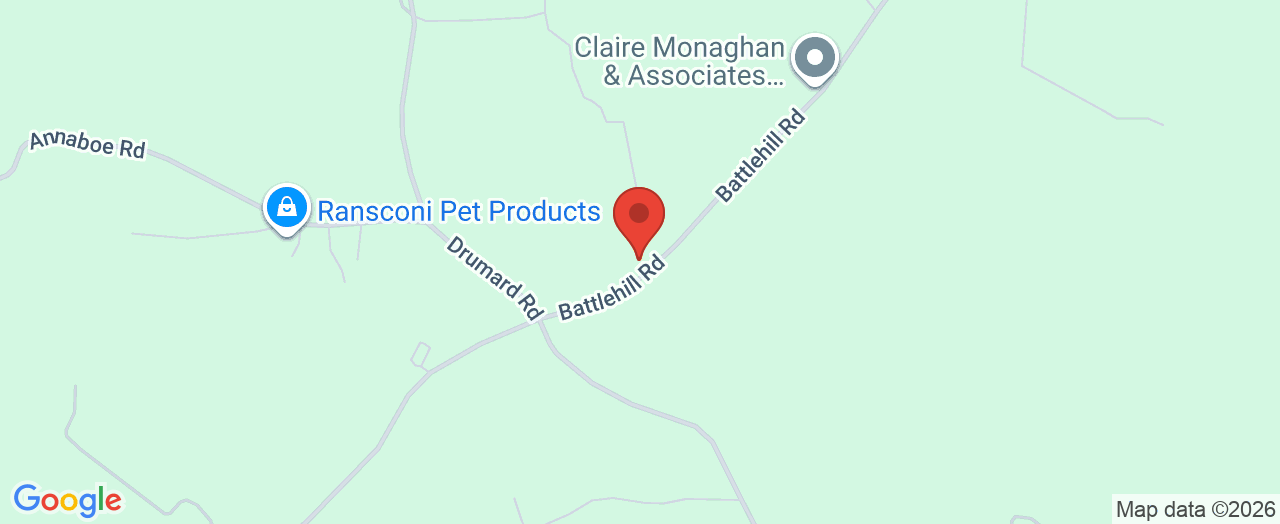
Location Map
Expert Insights

0 Comments

Write A Comment

*
*
Related Posts All Posts
02.05.2026

Stop Losing Sales: Master Conversion Optimization Fast

Did you know the average website loses over 98% of its visitors without ever converting them into leads or customers? If you run a local business, that means thousands of missed opportunities each month. But here’s the good news—conversion optimization can help you reclaim those lost sales quickly. In this guide, you’ll discover proven, easy-to-execute techniques to boost your leads and sales—without pouring more budget into ads or marketing campaigns. If you want your website to work harder for you and finally see measurable growth, start here. Conversion Optimization: The Secret Weapon For Local Business Growth For local businesses, conversion optimization isn’t just a buzzword—it’s your ticket to rapid, sustainable growth. While most companies focus on increasing their site traffic, savvy business owners know it’s far more cost-effective to convert more of your existing visitors than to spend more on getting new ones. Every click that lands on your web page is a potential customer; optimizing that journey is the key to unlocking revenue hiding in plain sight. The core of conversion rate optimization (CRO) is about identifying and removing friction points that prevent website visitors from taking the desired action, such as filling out a form, calling your office, or making a purchase. Rather than pouring more money into ads, CRO ensures you get the most out of every site visit. Most local business owners are shocked at how quickly a few small tweaks—like clarifying a landing page call-to-action or making a form easier to use—can increase conversion rates in just days. By prioritizing conversion optimization, your digital marketing becomes more efficient and your business enjoys more leads with the same (or less) spend. What You'll Learn About Conversion Optimization The fundamentals of conversion rate optimization for your site traffic Step-by-step strategies for increasing conversion rates on your landing page How to identify CRO tests that actually move the needle Ways to improve average conversion rate without increasing ad spend Understanding Conversion Optimization And Why It Matters What Is Conversion Rate Optimization? Conversion optimization, often referred to as CRO, is the structured process of increasing the percentage of users who complete a specific action on your website—like submitting a contact form, clicking a “Call Now” button, or completing a purchase. At its heart, CRO combines psychology, data analysis, and real-world testing. By examining how site visitors move through your conversion funnel, and pinpointing where drop-offs occur, you can implement targeted changes to improve the user experience and drive more conversions. Instead of guessing what works, CRO relies on data. Using tools like Google Analytics and A/B testing platforms, you can evaluate which elements of your web page help or hinder progress. It’s not about making random changes, but about methodically removing hurdles between your website traffic and your business goals. For local businesses, effective CRO can mean the difference between stagnant sales and explosive growth—with the added benefit of lower marketing costs and improved user satisfaction. While optimizing your website for conversions, don't overlook the power of social proof. Incorporating customer reviews and testimonials can significantly boost trust and credibility, which in turn can enhance your conversion rates. For actionable steps on leveraging reviews to stand out locally, explore this guide on dominating local competition with customer reviews. How Do Conversion Rates Impact Revenue? Your conversion rate is the single most important metric in determining whether your digital marketing succeeds or fails. It’s simple: if your site traffic climbs but your conversion rates are low, you’re losing potential revenue every day. Imagine two companies with similar website traffic; the one with a 3% conversion rate will generate more than double the leads of a competitor with a 1. 5% rate, all else equal. Even tiny percentage changes can mean hundreds of extra inquiries or sales each year for a local business. Increasing conversions isn’t just about numbers—it’s about delivering a better user experience that turns interest into meaningful action. Every improvement in your average conversion rate helps extract more value from your marketing budget. For owners weary of rising ad costs and diminishing returns, focusing on conversion optimization offers a smarter, more profitable path forward. By maximizing your site’s performance, you can drive tangible business results faster—and more predictably—than almost any other digital marketing strategy. "You don’t need more traffic, you need better conversions." – Marketing Proverb The Science Behind Conversion Optimization How A Conversion Funnel Works The conversion funnel describes the journey your site visitors take—from first landing on your web page to becoming a loyal customer. At each stage, a percentage of your website visitors drop off. Understanding where these exits occur is crucial for effective CRO. Top of funnel: Attracting new site visitors Middle of funnel: Engaging with valuable content Bottom of funnel: Converting with irresistible offers Picture this: the funnel starts wide, with many people arriving via ads or search, then narrows as visitors interact with your content, and finally tightens at the point of conversion (whether it’s a sale, signup, or appointment request). Effective rate optimization means analyzing each stage to uncover—and remove—friction. By improving the weakest links in your funnel, you boost the total number of conversions without changing your site traffic volume. Crucial Metrics For Rate Optimization To master conversion rate optimization, focus on monitoring these metrics: Landing page conversion rate: The percentage of users who complete the desired action on a specific landing page. Form submission percentage: How many visitors fill out your inquiry or booking forms. Bounce rate versus goal completions: How many visitors leave immediately, and how many reach crucial milestones on your web page. Quantifying these indicators enables you to set realistic CRO test goals, spot trends, and identify what’s stopping site visitors from converting. Over time, even small improvements in these metrics can yield outsized increases in your average conversion rate—leading to more leads and sales with the same marketing spend. How To Prove Conversion Results With Google Analytics One of the best ways to prove conversion success is with a clear analytics setup. Google Analytics allows you to track every specific action visitors take—calls, form submissions, purchases—right down to the source of your website traffic. By setting up goals and conversion tracking, you get hard evidence of what’s working (and what’s not). Reviewing these reports weekly helps you visualize your average conversion rate and quantifies the impact of every CRO change. It also reveals which marketing strategies bring the highest-quality visitors. This data-driven approach not only helps you allocate resources more efficiently but proves the real ROI of every cro program tweak and test on your web page. Average Conversion Rate Benchmarks By Industry Industry Average Conversion Rate Local Services 5–7% E-commerce 2–4% Professional Services 3–5% Health & Wellness 3–6% Key Tactics To Increase Conversion Optimization On Any Web Page Craft magnetic headlines that raise conversion rates Place clear calls to action above the fold Leverage trust badges to encourage hesitant site visitors Optimize mobile experience to maintain rate optimization Landing Page Design For Maximum Conversion Rate Your landing page is often the first impression for your business. To maximize rate optimization, keep the layout clean, with one main focus per page. Use concise, benefit-driven headlines at the top and a prominent call-to-action button—preferably above the fold so visitors see it immediately. Break up longer content with images, bullet points, and plenty of white space for a more inviting experience. Adding trust badges, client testimonials, and relevant social proof instantly reassures hesitant visitors. Mobile optimization is crucial: with more website traffic arriving via smartphones each year, even a tiny delay or design issue can cost you conversions. The goal is to guide users, friction-free, to the next step—whether that’s a contact form, phone call, or shopping cart. Simple Changes That Improve Conversion Rates Fast Reduce form fields to only what you need Add testimonials and social proof Test button colors, wording, and placement Small tweaks can have a big impact on your average conversion rate. Start by streamlining forms—ask for as little information as possible, especially on contact or booking pages. Next, A/B test your CTA buttons by changing their color, size, or text (like “Book Now” instead of “Submit”). Lastly, sprinkle in authentic reviews or customer stories to create an immediate sense of credibility—one of the fastest ways to move a hesitant site visitor toward action. CRO Strategy For Local Business Owners A successful cro strategy starts with understanding your audience. Local business owners should focus first on the areas with the highest potential impact—especially high-traffic pages and primary calls to action. Track performance closely and schedule regular CRO tests on your core web pages or product pages to uncover what truly resonates. Make CRO an ongoing journey. As customer preferences (and competition) shift, having a routine schedule for reviewing and experimenting on your website keeps your company ahead of the curve. Collaborate with your team: share data, test ideas, and respond quickly when improvement opportunities appear. This relentless pursuit of higher conversion rates can yield spectacular returns, especially for ambitious local businesses. Case Study: How Conversion Optimization Doubled A Local Business’s Sales Consider a neighborhood fitness studio that, despite healthy website traffic, struggled to fill its calendar. After a CRO audit, they uncovered key friction: confusing forms, a buried “Book Now” button, and testimonials that were tough to find. By redesigning their landing page for clarity, simplifying the booking process, and adding high-impact customer reviews, they increased their average conversion rate from 2. 2% to 5% in under a month. The result? Twice as many new bookers—and without spending a dollar more on paid ads. This local business not only improved their bottom line, but also created a more user-friendly journey for every site visitor. That’s the transformative power of ongoing conversion optimization. Conversion Rate Optimization: Best Tools & Resources Google Analytics for measuring results A/B Testing platforms for landing page experiments Session recording tools to understand website visitor behavior Selecting The Right Conversion Optimization Tools Not all CRO tools are created equal. Use Google Analytics for baseline tracking and to monitor your web page performance. Consider platforms like Optimizely or VWO to run A/B and multivariate tests for your landing pages or product pages, so you can learn what drives the highest increase conversions. Session recording tools (like Hotjar or Crazy Egg) help you visualize precisely where visitors interact, lose interest, or abandon your web page. The best CRO tool stack is one you’ll actually use and review regularly. Start simple and scale up as your CRO program matures. Investing in the right technology can streamline your efforts, reliably prove conversion improvements, and drive your conversion rate to new heights. Quick screen recordings showing dashboard interfaces of Google Analytics, A/B testing software, session recording tools, highlighting real-time data entries and key functions, with zoom and highlight animations, professional music, and friendly voiceover. Step-By-Step Guide: How To Set Up Conversion Optimization For Your Business Audit your current average conversion rate Analyze your web page performance and landing pages Set up Google Analytics for accurate tracking Launch your first CRO test Optimize based on the data to increase conversion rates Watch how a professional CRO specialist audits a website for conversion opportunities. Learn what to look for, common mistakes, and how to prioritize action for the fastest improvement. People Also Ask: Conversion Optimization FAQs Is conversion rate optimization worth it? Absolutely. Conversion rate optimization consistently yields one of the highest returns on investment of any digital marketing practice. Rather than spending more on ad traffic, CRO lets you get more value from visitors you already attract. Even a small bump in conversion rates leads to significant gains in leads, sales, and revenue—often at a fraction of the cost of acquiring more website traffic. For busy local businesses, this can be the difference between sustaining and expanding. What are the 4 conversion strategies? The four main conversion strategies are: 1. Streamlining the path to purchase (minimize click steps and form fields). 2. Building trust (star ratings, testimonials, secure badges). 3. Enhancing the user experience (make navigation simple and pages fast). 4. Testing and iteration (use cro test to find what works and keep adjusting). How to optimize for conversions? Begin by setting up robust analytics on your web pages, so you know which parts of your site drive action (and which don’t). Run regular A/B tests on your calls to action, forms, and headlines. Gather feedback from actual users to spot hidden barriers. Lastly, never guess—use data to guide every improvement. If you’re stuck, a professional CRO audit can reveal actionable ways to rapidly increase conversion. What does "optimize conversion" mean? To optimize conversion means to systematically improve your website so a greater percentage of users take a desired action. This might mean making a purchase, completing a form, calling your business, or any other key goal. It’s about creating a user experience that inspires action and removes any unnecessary friction on your web page. Pro Tips For Ongoing Conversion Optimization Success Review analytics weekly to spot trends Keep CRO testing ongoing, not a one-and-done task Join conversion optimization communities to learn from peers Key Takeaways For Busy Local Business Owners You don’t need more ads—just better conversion optimization Even tiny tweaks to your landing page and web page yield big results Ongoing rate optimization earns more leads without more spend Ready For Higher Conversion Rates? Take action now. Your competitors are already optimizing—the longer you wait, the more leads you’re leaving on the table. For a fast path to growth, email us at info@edenstreams. com and discover how simple changes can add up to big wins for your local business. If you’re eager to take your digital marketing to the next level, consider exploring advanced strategies that go beyond conversion optimization. Building a strong foundation of customer trust and leveraging reputation management can set your business apart in a crowded market. Discover how to harness the power of customer reviews to not only improve conversions but also dominate your local competition by visiting our in-depth resource on winning with customer reviews. Elevate your growth strategy and unlock new opportunities for long-term success. To deepen your understanding of conversion optimization, consider exploring the following resources: “Conversion Rate Optimization (CRO): Definition & Best Practices” (forbes. com) This article provides a comprehensive overview of CRO, including key strategies and best practices to enhance your website’s performance. “Conversion Rate Optimization (CRO): 8 Ways To Get Started” (blog. hubspot. com) This guide offers actionable steps to begin implementing CRO techniques effectively, helping you to improve user engagement and increase conversions. By delving into these resources, you’ll gain valuable insights and practical tips to optimize your website’s conversion rates and drive business growth.

02.05.2026

Which Ad Retargeting Platforms Deliver Real Results?

“98% of visitors leave a website without converting. Ad retargeting platforms bridge the gap, turning missed opportunities into loyal customers.” Imagine pouring your marketing budget into ads only to watch nearly every site visitor slip away before making a purchase. For local businesses, that's not just a missed sale—it's lost growth. Ad retargeting platforms are the secret weapon savvy business owners use to reconnect with these potential customers, nudging them back to your brand with targeted ads proven to boost conversion rates and maximize ad spend. Wondering which retargeting platform delivers the ROI your business deserves? In this guide, we break down the top retargeting platforms—what makes them tick, how they support local businesses, which features move the needle, and how you can start turning browsers into buyers this week. What You'll Learn About Ad Retargeting Platforms Today Which ad retargeting platforms outperform the competition How native advertising and retargeting campaigns work together What features matter most for small, local business owners Key metrics to measure successful retargeting ads Tips for optimizing every retargeting campaign Introducing Ad Retargeting Platforms: The Hidden Engine of Local Leads Why Every Smart Business Needs a Powerhouse Retargeting Platform Modern ad retargeting platforms go beyond simple banners—they’re sophisticated marketing tools designed to keep your business top of mind with site visitors who didn’t convert the first time. By leveraging a retargeting platform, local businesses can craft retargeting campaigns that run across the web, social media, and even mobile devices. These platforms use data-driven targeting to serve display ads, native ads, and video content at the perfect moment to audiences who have already shown genuine interest in your products or services. The magic lies in turning wasted traffic into new sales for retailers, restaurants, and service providers alike. With audience segmentation, automated bid optimization, creative testing, and robust integration with analytics, today's best retargeting platforms ensure no interested visitor is left behind—while giving you complete control over ad spend and campaign management. Ready to boost your conversion rate and drive more store visits? It all starts here. While selecting the right retargeting platform is crucial, it's equally important to consider how your online reputation can amplify your ad results. Leveraging customer reviews not only builds trust but can also enhance the effectiveness of your retargeting campaigns. For actionable strategies on using reviews to outshine local competitors, explore this guide to dominating local competition with customer reviews. Comparison of Ad Retargeting Platforms: Features, Cost, Integrations Platform Best For Key Features Integrations Starting Cost Google Ads Any size business Display, native, simple setup, robust analytics Google Analytics, Shopify Pay-as-you-go AdRoll Small businesses, eCommerce Multi-channel retargeting, user-friendly dashboard Shopify, WooCommerce, Facebook Freemium, paid upgrades Facebook Ads Social-first campaigns Instagram/Facebook targeting, native ad formats Shopify, Mailchimp Flexible bidding Criteo Personalized ecommerce retargeting AI-powered dynamic ads, real-time recommendations Magento, Salesforce Custom pricing LinkedIn Matched Audiences B2B and local professional services Business audience targeting, native ad placements CRM, HubSpot Flexible SmarterHQ Ecommerce automation Advanced segmentation, cross-channel automation Email platforms, CRMs Custom Perfect Audience Budget-friendly, first timers Simple onboarding, web/social/mobile reach Shopify, BigCommerce Low minimum Taboola & Outbrain Content-driven visibility High-traffic native ads, storytelling Major publisher networks Flexible 1. Google Ads: The Ubiquitous Retargeting Platform For All Budgets Overview: Why Google Ads Tops Many Retargeting Platform Lists Powerful for both native ad and traditional display Automated retargeting campaign setup tools Easy integration with Google Analytics Google Ads remains the go-to advertising platform for local businesses due to its versatility and reach. As a retargeting platform, Google Ads seamlessly blends native advertising and display campaigns to match your business goals—whether you’re promoting an in-store special or driving traffic to an online landing page. Automated campaign management tools make it easy for even first-time users to set up retargeting ad groups based on user interactions, site visitors, and specific product views. With robust analytics, you can monitor every ad campaign, test creative, and tweak your ad spend for maximum ROI. Integration with Google Analytics allows you to track conversions and visitor actions, providing clarity on which retargeting campaigns boost your bottom line. This ad platform guarantees both the power and simplicity local business owners need to stay competitive in their communities. Real-World Results: Google Ads Success For Local Businesses Boosts ad campaign ROI by up to 400% for local retailers Delivers targeted ad reach with robust analytics Many small shops using Google Ads as their primary retargeting platform have seen dramatic increases in conversion rates. By serving a targeted ad to users who previously visited your website, local businesses can make every marketing dollar count. Google Ads’ data-driven approach ensures you only pay for actual results—making it a vital tool for return-focused ad spend. Video demo: 2. AdRoll: The Versatile Retargeting Platform For Small Business Features: Multi-Channel Power across Ad Platforms Runs retargeting ads across web, social, and native advertising Intuitive dashboard for managing every ad retargeting campaign Excellent customer support for ad campaign optimization AdRoll stands out as a top retargeting platform for small businesses seeking to maximize reach on multiple channels. Unlike limited advertising platforms, AdRoll enables ad campaigns to run across websites, Facebook, Instagram, and even native ad inventory, all through a unified, user-friendly dashboard. Built-in reporting features help business owners optimize every dollar of ad spend and easily retarget audiences based on their behaviors across platforms. The platform’s strength is in combining multichannel reach with campaign management simplicity, making it a great entry point for first-timers or lean marketing teams. AdRoll’s customer support team offers hands-on guidance, ensuring your retargeting campaign aligns with your business goals and yields real, trackable results—from site visitors all the way to conversions. Best Use Cases: Maximizing Local Reach with AdRoll Retargeting campaigns tailored for local events Drives repeat visits from previous website traffic For local businesses hosting special events or wanting to re-engage loyal customers, AdRoll’s retargeting tools are a game-changer. Using sophisticated audience segmentation and dynamic ad creatives, shop owners can personalize offers for visitors based on real-time actions, which is key to solving challenges like cart abandonment and low repeat visits. Results show that AdRoll users often report a significant lift in conversion rates and overall engagement from targeted retargeting efforts. Video guide: 3. Facebook Ads: Social-First Native Ad Retargeting Platform Leveraging Facebook’s Data For Hyper-Targeted Ad Retargeting Harness Facebook and Instagram for high-converting retargeting campaigns Utilize native advertising formats for seamless user engagement Detailed audience segmentation for precise targeted ad delivery Facebook Ads is a native ad retargeting powerhouse, especially for businesses focused on local reach and consistent brand visibility. With its deep user data and advanced audience segmentation, Facebook enables you to build retargeting campaigns that feel natural—often appearing alongside a user’s newsfeed in an unobtrusive, highly engaging format. The result? More clicks from social users who have already expressed interest in your offerings. As one of the most widely used ad platforms, Facebook’s Ads Manager makes campaign setup straightforward and gives you access to comprehensive analytics for every retargeting ad you run. The ability to precisely tailor audiences means your ad spend goes further—delivering personalized messages that resonate and convert. Local Business Edge: Facebook Retargeting Campaigns That Convert Remarketing to walk-in customers who searched online Boosts in-store promotions with cost-effective ad campaigns Many local shops have used Facebook’s retargeting platform to connect digital interest with in-person visits. By syncing your online ad strategy with in-store events and specials, you can re-engage customers who checked out your website—and bring them through your doors with relevant, timely offers. Social-first retargeting means your business stays top of mind wherever your customers scroll. Step-by-step: 4. Criteo: AI-Powered Retargeting Platform For Personalization Criteo’s Adaptive Retargeting Ad Technology Explained Dynamic ad creatives tailored to every visitor Integrates with eCommerce and brick-and-mortar POS systems Native ad inventory access for expansive reach Criteo brings advanced AI-driven personalization to the retargeting ad world. Known for its dynamic ad products, Criteo automatically tailors each ad impression to the individual viewer—highlighting products recently browsed, abandoned carts, or related items through real-time product recommendation technology. This level of personalization often leads to higher conversion rates and increased ROI for local retailers as well as online stores. Criteo’s platform integrates easily with major eCommerce engines and even brick-and-mortar POS systems, extending your retargeting campaigns from online to offline audiences. Businesses gain access to massive native advertising inventory, allowing their ad campaigns to reach users across popular sites and platforms without ever feeling intrusive. Who Should Use Criteo Retargeting Platforms? Retailers wanting personalized retargeting campaigns Businesses needing a robust ad platform for multiple channels Criteo is most effective for businesses with a diverse product lineup or those seeking to deeply personalize every touchpoint. Whether you’re an established chain or a growing e-commerce operation, Criteo empowers you to automate retargeting for maximum impact across multiple ad platforms. With its data-driven approach, it’s the right choice when nuanced targeting and creative automation matter most for sustainable local growth. 5. LinkedIn Matched Audiences: B2B Retargeting Platform Advantage Target High-Value Decision Makers With LinkedIn Retargeting Ads Ideal for local professional services and B2B ad campaigns Native advertising blends in with user feeds Excellent for multi-touch retargeting campaign strategies Local agencies and B2B service providers can't afford to ignore LinkedIn Matched Audiences. This unique retargeting platform gives marketers direct access to decision-makers and professionals, allowing you to craft multi-step retargeting campaigns seamlessly integrated as native ads within the LinkedIn feed. For anyone selling high-ticket services or relying on networking/referral business, LinkedIn offers targeting options no other ad platform can match. With support for custom audience uploads and website visitor retargeting, you can connect with leads who've shown interest on your site and nurture them through your sales funnel with authority-boosting content and tailored offers. Success Story: A Local Agency’s LinkedIn Retargeting Campaign Highlighted results in B2B lead generation Insights on ad spend efficiency One agency saw a sharp boost in lead generation and deeper engagement by layering LinkedIn retargeting over existing inbound efforts. With clear reporting on ad spend and conversion paths, LinkedIn Matched Audiences proves itself a wise investment for local businesses focused on professional connections and measurable results. 6. SmarterHQ: Automated Ad Retargeting Platforms for E-Commerce Personalize Every Retargeting Ad With Advanced Segmentation Automates ad retargeting based on real-time shopper behaviors Seamlessly connects with email campaigns SmarterHQ is built for ecommerce brands that crave automation and sophisticated segmentation. Its robust retargeting tool triggers personalized messages—whether as display ads, native advertising, or email—at precisely the right moment in the customer journey. SmarterHQ shines when you need a cross-channel strategy, letting you connect with site visitors via every relevant platform and device. Integration with email and CRM systems means you can build complete automated workflows responsive to each shopper’s behavior. That’s a major plus for growing local businesses looking to convert one-time visitors into loyal, repeat buyers without heavy manual oversight. Key Benefits for Local E-Commerce Brands Increase online sales through targeted ad automation Integrate offline and online ad campaigns By leveraging advanced real-time data, SmarterHQ lets businesses set up trigger-based retargeting campaigns for virtual and brick-and-mortar shoppers alike. Its ability to drive timely, relevant retargeting ads to the right user at the right time gives local shops and online-first operations a true omnichannel edge. 7. Perfect Audience: Budget-Friendly Retargeting Ads For Small Businesses Low-Cost Entry to Powerful Retargeting Platform Features Run ad campaigns across web, mobile, and social channels Easy interface for first-timers Delivers impressive ROI on modest ad budgets Perfect Audience is the choice for local businesses launching their first retargeting campaign without a massive ad spend. Its simple setup and clear interface make it accessible for anyone, while its cross-platform capabilities cover website, mobile, and social media retargeting. For cost-conscious owners, Perfect Audience offers flexible pricing and immediate access to top web traffic via high-visibility networks. Results show that even local shops working with tight budgets can see substantial upticks in conversion rate and repeat website traffic, especially when ads are crafted for seasonal events, promotions, or local happenings. For maximum impact from a modest ad budget, this platform is a standout. 8. Taboola & Outbrain: Native Advertising Retargeting Platforms Amplify Reach With Native Ads on High-Traffic Publisher Sites Placed as native ad content for wider visibility Enhance storytelling with native advertising blends Accessible for local businesses wanting scalable web presence When considering native advertising as a retargeting strategy, Taboola and Outbrain are leading platforms. They give local businesses access to massive publisher networks—think popular news, lifestyle, and community sites—by embedding your native ad stories directly into editorial streams. This makes retargeting ads less intrusive and more effective, particularly for brand storytelling and content-driven engagement. The platforms’ recommendation engines ensure your content appears to thoroughly interested readers, extending your message’s reach and increasing chances of bringing traffic back to your site or store. For local businesses with memorable promotions, events, or educational resources, Taboola and Outbrain are affordable and high-impact options for building loyalty and awareness. Expert Tips: How to Choose the Right Retargeting Platform Identify your ad retargeting goals and audience Balance budget with must-have ad platform features Monitor retargeting campaign metrics religiously Choosing a retargeting platform can feel overwhelming, but focusing on your business goals, available budget, and the specific customers you want to reach will steer you right. Platforms like Google Ads and Facebook Ads are excellent for broad reach and easy onboarding. If your business needs advanced audience segmentation or dynamic ad creatives, look to Criteo, SmarterHQ, or AdRoll. Don’t forget to measure everything—track conversion rates, ad spend, and compare campaign types (display ads vs. native ads). Small optimizations add up fast, especially when local businesses keep a close eye on campaign management and performance data. And remember, you can always start lean and scale up as you see real results. Quick Reference: Platform Highlights, Specialties, and Pricing Platform Specialty Ideal For Starting Cost Google Ads Scaling budgets, robust analytics Retailers, restaurants, service Pay-as-you-go AdRoll Multi-channel automation Ecommerce, event-based shops Free tier Facebook Ads Hyper-local, social-first Walk-in, local businesses Flexible bids LinkedIn Matched Audiences B2B, local professions Agencies, consultants Flexible Criteo Personalized AI/ML Retail, high-volume shops Custom SmarterHQ Automated segmentation Ecommerce, omnichannel Custom Perfect Audience Affordable entry, web/social/mobile Budget-conscious owners Low minimum Taboola & Outbrain Native advertising, content traffic Content-rich or educational brands Flexible “Retargeting platforms don’t just catch browsers—they win back buyers who were almost lost.” Common Mistakes: What to Avoid When Using Retargeting Platforms Ignoring ad frequency caps—risking brand fatigue Failing to segment for relevant retargeting ads Underestimating the value of creative native advertising Even the best retargeting platform can underperform if not set up wisely. Avoid running the same retargeting ad too often without frequency limits; this causes ad fatigue and reduces effectiveness. Neglecting audience segmentation means your ads may feel irrelevant and get ignored. Finally, don’t overlook creative options—sometimes a fresh native ad or new campaign angle is all it takes to recapture interest and drive conversions. People Also Ask About Ad Retargeting Platforms What is an ad retargeting platform and how does it work? Ad retargeting platforms track users visiting your site and serve targeted ad content as they browse other sites or social media—reminding them to return and convert. When someone visits your website but leaves without buying, a cookie or tracking pixel lets retargeting platforms follow them across the web. As they check social media or read articles, your retargeting ad reappears—subtly nudging them back to your business and boosting your chance at conversion. Which retargeting platform is best for local businesses? Platforms like Google Ads, Facebook, and AdRoll are ideal due to their reach, simple tools, and flexible pricing for all business sizes. For busy local owners, usability and proven reach make these top choices. Google Ads offers robust analytics and scalable spend, while Facebook pairs social engagement with ad retargeting precision. AdRoll simplifies cross-channel retargeting, making it easy for first-timers to get started and see immediate results. FAQs: Quick Answers for Busy Business Owners Can retargeting platforms work with my website’s platform? Yes—most integrate with major site builders like Shopify, WordPress, Wix, and Squarespace using simple code snippets. How do I measure the success of a retargeting campaign? Track conversions, click-through rates, and cost per acquisition. Analytical dashboards from most platforms simplify this process. What’s the difference between native ad retargeting and display retargeting? Native ads blend into the content of publisher sites for higher engagement, while display ads appear as banners or static placements outside of editorial flows. Are retargeting ads effective for walk-in local businesses? Absolutely! Smart retargeting brings former web visitors into your store—especially when combined with local promotions or event-based campaigns. Key Takeaways: Getting More Leads With the Right Retargeting Platform Not all retargeting platforms are equal—choose what fits your local business goals Leverage native advertising and targeted ad campaigns for higher engagement Track, test, and optimize every retargeting ad for bigger results Ready to Get Real Results from Ad Retargeting Platforms? Schedule a call at https://edenstreams.com/ to see which retargeting platform can drive leads for your local business! Mastering ad retargeting platforms is just one piece of the local marketing puzzle. To truly accelerate your business growth, consider how a holistic approach—combining smart ad strategies with reputation management and customer engagement—can set you apart in your community. If you're ready to take your marketing to the next level and want to discover advanced tactics for standing out locally, our in-depth article on leveraging customer reviews for local dominance offers actionable insights. Dive in to learn how integrating these strategies can help you build trust, attract more leads, and create a sustainable competitive edge for your business. Don’t just retarget—retake lost leads and fuel local growth with the right ad retargeting platform. Sources https://www.wordstream.com/blog/ws/2015/10/16/remarketing-statistics https://www.bigcommerce.com/ecommerce-answers/questions/what-is-retargeting-advertising/ https://www.shopify.com/blog/retargeting https://www.adroll.com/resources/guides/retargeting-for-small-businesses https://www.facebook.com/business/help/1510074316188819 https://www.linkedin.com/help/lms/answer/a420301 https://www.criteo.com/solutions/retargeting/ https://taboola.com/advertisers/native-advertising-explained https://www.outbrain.com/blog/native-advertising-guide/ To enhance your understanding of effective ad retargeting platforms, consider exploring the following resources: “Top 11 Retargeting Platforms for 2025”: This article provides an in-depth analysis of leading retargeting platforms, detailing their features, integrations, and suitability for various business needs. (leadpost. com) “Top 10 Leading Retargeting Software Companies Transforming Digital Advertising in 2025 and Beyond”: This resource offers insights into the top retargeting software companies, highlighting their innovations and competitive advantages in the digital advertising landscape. (researchandmarkets. com) These resources will provide you with comprehensive information to help you select the most suitable ad retargeting platform for your business.

02.04.2026

Remarketing Campaigns: Fix Low Conversions Today

Did you know? A shocking 97% of website visitors leave without converting on their first visit. That’s potential revenue walking out the virtual door! Dense competition and distracted audiences mean local businesses can’t just hope visitors return on their own. Remarketing campaigns allow you to reconnect with those visitors, drawing them back and boosting your conversion rates quickly and effectively. Why Remarketing Campaigns Are Essential for Local Businesses "Did you know that 97% of site visitors leave without converting on their first visit? Remarketing campaigns help bring them back — don’t let potential leads slip away!" Local businesses pour time and money into driving traffic. Yet, with industry data showing average conversion rates often below 3%, most of that investment goes unrewarded. That's especially painful for small shops and service providers who rely on every lead. Remarketing campaigns are a game-changer. Instead of letting a site visitor slip away, you can serve ads across their favorite platforms—reminding them that your business is still the best choice. Whether via Google Ads or social media, remarketing ad strategies reconnect your business with people who have already shown interest. This not only increases the chance of conversions but is also far more efficient than classic display ads shot blindly into the digital world. Startling industry statistics on ad spend and conversion rates How remarketing campaigns can transform local business lead generation What You'll Learn About Remarketing Campaigns The essentials of building successful remarketing campaigns Step-by-step setup for Google Ads remarketing campaign Common dynamic remarketing pitfalls and solutions How to create and target remarketing lists effectively The difference between remarketing and retargeting Key ways to boost conversions from site visitors Understanding Remarketing Campaigns What are Remarketing Campaigns? Remarketing campaigns are digital marketing tactics where ads are served to people who have previously interacted with your brand—either by visiting your website, viewing a product, or engaging on social media. These campaigns help ensure that potentially valuable site visitors don’t become lost opportunities. Unlike standard campaigns, you’re not targeting a cold audience; you’re reaching out to those who’ve already expressed interest, increasing the chance they’ll make a purchase or take another meaningful step. For instance, after someone visits your contact page but doesn’t book, a remarketing ad can appear as they browse another site or scroll social feeds—nudging them back to your landing page. This edge is why remarketing is increasingly core to any successful marketing strategy. Remarketing vs. Retargeting: Key Differences The terms "remarketing" and "retargeting" are often used interchangeably, but there are subtle differences. Remarketing usually refers to re-engaging users through email addresses or contacts stored from past website interactions, such as abandoning a shopping cart. Retargeting typically means displaying ads to those who have already visited your site or clicked a product, often through cookies and tracking pixels. Both strategies help you target people who are already familiar with your brand, increasing the effectiveness and ROI of your digital marketing campaigns. Remarketing uses email or ad lists, while retargeting relies more on ad networks and behavioral segmentation to bring users back to your site. How Remarketing Campaigns Work Google Ads Remarketing Campaigns: The Basics Google Ads remains a top channel for remarketing. To set up a remarketing campaign in Google Ads, you first install a tracking pixel on your website to collect data about site visitors. From there, you segment these visitors into custom audiences based on actions—like viewing a product or abandoning checkout—and serve ads specifically tailored to each group. Remarketing in Google Ads can leverage both search ads and dynamic remarketing. Search ads target users when they look up your brand or related services, while dynamic remarketing displays ads with content relevant to what each individual viewed on your site. Proper setup can boost your conversion rates, ensuring your most interested leads don’t forget you. Setting up a remarketing campaign in Google Ads Leveraging search ads and dynamic remarketing strategies To further enhance your remarketing results, consider how customer reviews can influence trust and conversion rates. Leveraging positive feedback not only strengthens your ad messaging but also helps you stand out in a crowded local market. For actionable steps on using reviews to outperform competitors, explore this guide to dominating local competition with customer reviews. Dynamic Remarketing: Personalizing for Site Visitors Dynamic remarketing takes personalization to the next level. Instead of showing generic banners, dynamic remarketing ads display images and offers based directly on what a site visitor viewed—think personalized product recommendations or special discounts on services they browsed. Practical use cases include e-commerce stores reminding shoppers of items left in the shopping cart, or service providers highlighting recently quoted projects. By using behavioral segmentation, you ensure every ad feels relevant—helping convert more past visitors into customers. What is dynamic remarketing? Practical use cases Role of site visitors and behavioral segmentation Remarketing Lists: Building Your Audience Types of Remarketing Lists for Campaign Success Your remarketing lists are the backbone of every campaign. The more granular and well-structured they are, the more relevant your ads will be—and the higher your conversion rates. Common types include: Site visitors Abandoned cart users Previous customers Social media audience Each type targets a different stage of the customer journey. Abandoned cart users might need a special offer to close the deal, whereas previous customers could be shown loyalty discounts. Building comprehensive lists ensures you connect with all high-intent segments, not just first-time window shoppers. How to Create and Maintain Remarketing Lists Creating remarketing lists in Google Ads is straightforward but requires attention to detail. After installing the global site tag, use the Google Ads platform to define rules—like “all visitors in the past 30 days” or “users who visited a service page but didn’t complete a form. ” Regularly refreshing these lists ensures your ads reach recent and relevant prospects, not cold or uninterested users. Best practices include segmenting by behavior (like time on site or pages viewed), setting appropriate membership durations, and refreshing lists based on campaign performance. This adaptability helps your remarketing campaign stay efficient, reaching people most likely to convert. Step-by-step: Building remarketing lists in Google Ads Refresh rate and best practices Remarketing List Type Best Use Case Conversion Potential Site Visitors General awareness, brand recall Medium Abandoned Cart Users Recovering lost sales and quick win promos High Previous Customers Upsells, loyalty programs High Social Media Audience Cross-platform retargeting, special social ads Medium–High Optimizing Landing Pages for Remarketing Campaigns Landing Page Best Practices for Conversions Once you’ve brought a site visitor back, your landing page needs to shine. Messaging alignment is crucial: the headline and copy must match the promise made in your remarketing ad. If your ad offers a discount, ensure the landing page calls it out clearly. Other critical factors? Page speed and mobile optimization. Slow or clunky pages send visitors bouncing—fast. Use clear, visible calls to action, keep the design simple, and test across devices for the best possible user experience. Messaging alignment with remarketing ads Page speed and mobile optimization How landing page design impacts site visitors Effective Strategies for Remarketing Campaigns Dynamic Remarketing: Creative and Offer Tactics Creativity makes your dynamic remarketing campaign stand out. Customizing ads based on what each site visitor viewed can double conversion rates versus generic display ads. For e-commerce, use dynamic remarketing to automatically show users the exact products they browsed—or even complementary items to encourage upsells. Consider limited-time offers, loyalty discounts for previous customers, or “you left this behind” images targeting abandoned cart users. Consistent testing of images, messaging, and offers helps keep ads fresh and boosts your ROI over time. Customizing ads for what site visitors viewed Using dynamic remarketing for e-commerce Targeting on Social Media Platforms Social media isn’t just about engagement—it’s also a powerful remarketing tool. Platforms like Facebook, Instagram, and LinkedIn let you upload custom audiences (email addresses, site visitor lists), so your followers see relevant ads on every platform they frequent. For best results, sync your Google Ads remarketing lists with your social media advertising. Tailor your creatives for each platform: carousel ads on Facebook, Stories on Instagram, or sponsored content on LinkedIn. The goal is to stay visible wherever your potential customers hang out. Facebook, Instagram, and LinkedIn strategies for remarketing lists Troubleshooting Low Conversions in Remarketing Campaigns Common Reasons Remarketing Campaigns Underperform Even with the right tools, some remarketing campaigns fail to deliver. Common pitfalls include: Weak offers Overlapping audiences Poor landing page experience Ad fatigue A compelling offer is essential—avoid generic discounts. Refine your audience segments to prevent excessive overlap, which can annoy users. Finally, rotate creatives regularly to keep content fresh and engaging for repeated viewers. How to Optimize for Greater ROI Continuous improvement is key. Use A/B testing on both ads and landing pages to see what works best. Segment your remarketing lists to target users more closely based on their actions, and combine the power of search ads with remarketing lists for search ads campaigns—this keeps your brand in front of the highest-intent prospects. Remember: small tweaks—like a more direct headline, clearer call-to-action, or a vibrant new image—can dramatically improve results. Balance offers, targeting, and creative for sustained growth. A/B testing ads and landing pages Refining audience segments Using search ads and remarketing lists together "Even minor tweaks—like a fresh headline or clearer call to action—can dramatically increase conversions for remarketing campaigns." People Also Ask What are remarketing campaigns? Remarketing campaigns let you reconnect with past site visitors by showing them tailored ads across the web and social media. Unlike general marketing campaigns, remarketing campaigns specifically target users who already know your brand, increasing the likelihood of conversion. What are remarketing campaign examples? Examples include an online clothing shop showing display ads to users who left items in their cart or a local gym serving Facebook ads to visitors who downloaded a free guest pass but didn’t sign up. In each case, the ad references the user’s past actions, providing a nudge to return and take action. How to make a remarketing campaign? Start by setting up tracking—using the Google Ads global site tag or Facebook pixel—on your website. Build remarketing lists by segmenting your visitors (e. g. , all visitors, cart abandoners, past customers), then create ads tailored to each segment. Launch your campaign on the right platforms and monitor performance, tweaking your ads and lists for the best results. What is remarketing vs retargeting? Remarketing campaigns often use email and list-based outreach, while retargeting campaigns focus on showing ads based on user web behavior. Both aim to convert interested users, but remarketing is broader and may include email, while retargeting is typically ad-based. Best Practices Checklist for Remarketing Campaigns Define clear campaign goals Segment remarketing lists for high relevance Test dynamic remarketing creative Optimize all landing pages Monitor site visitor engagement rates Leverage search ads for high-intent audiences FAQs About Remarketing Campaigns How do I know if my remarketing campaign is working? Track conversion rates, cost per conversion, and engagement across your ad platforms. Key indicators of success include increased return traffic, leads, and purchases from your remarketing list segments. How big should my remarketing list be? Ideally, your remarketing list should have several hundred contacts for best performance. Some platforms require a minimum (e.g., 100 users for Google’s display network) to begin serving ads effectively. Is dynamic remarketing right for my business? Yes, if you have a variety of products or services and want to show users exactly what they viewed or left behind. It’s ideal for e-commerce and service businesses with multiple offerings. Can I remarket on multiple digital channels? Absolutely! Many businesses combine Google Ads, Facebook, Instagram, and LinkedIn to reach users wherever they are online. What’s the average ROI for remarketing campaigns? While results vary, most businesses see a significant boost—often double or triple the ROI compared to standard campaigns—due to the high relevance and intent of remarketed audiences. Key Takeaways for Local Businesses Using Remarketing Campaigns Remarketing campaigns transform lost site visitors into leads Dynamic remarketing and personalized ads boost conversion rates Optimization of landing pages and remarketing lists is critical Google Ads and social media are winning platforms for remarketing Ready for More Leads? To unlock the true power of remarketing campaigns and keep your sales pipeline full, schedule a call with our team. Discover how strategic remarketing can help your local business thrive—tap to learn more! If you’re ready to take your digital marketing to the next level, remember that remarketing is just one piece of a broader strategy for local business growth. Building trust through customer reviews, optimizing your online reputation, and consistently engaging your audience can set you apart from the competition. For a deeper dive into leveraging social proof and reviews to dominate your local market, check out our comprehensive resource on winning with customer reviews. Combining these advanced tactics with your remarketing efforts will help you create a powerful, conversion-focused marketing engine. Don’t let valuable leads slip away. Optimize your remarketing campaigns for sustained growth and higher conversions—your competitors already are. Sources https://support.google.com/google-ads/answer/2453998 https://www.wordstream.com/remarketing https://www.hubspot.com/marketing-statistics https://www.facebook.com/business/help/365463786964246 To enhance your understanding of remarketing campaigns and their impact on conversion rates, consider exploring the following resources: “What is Remarketing? Definition, Examples & How it Works”: This guide from Amazon Ads provides a comprehensive overview of remarketing, including its importance in re-engaging audiences and driving conversions. (advertising. amazon. com) “What is Remarketing? Strategies, Examples & Benefits Explained”: Hiigher’s article delves into various remarketing strategies, offering practical examples and highlighting the benefits of implementing these tactics in your marketing efforts. (hiigher. co) If you’re serious about improving your remarketing campaigns, these resources will provide valuable insights and actionable strategies to boost your conversion rates.

Terms of Service

Privacy Policy

Core Modal Title

Sorry, no results found

You Might Find These Articles Interesting

T
Please Check Your Email
We Will Be Following Up Shortly
*
*
*