• Home
  • Categories
    • Entrepreneurs
    • Growth Stories
    • Expert Insights
    • Innovators
    • Franchise and Expansion
    • Tools and Services
    • Commercial Property
    • Trends
March 17.2026
1 Minute Read

Are You Leveraging the Multiplying Capability of a FCMO with AI Experience?

Did you know: 80% of businesses that adopt AI-driven marketing experience double-digit revenue growth in less than a year? This isn’t just another headline—it's a wake-up call. In a world where marketing speed and personalization are critical, are you leveraging the multiplying capability of a FCMO with AI experience? If not, your business could be missing out on the scalable growth, sharper insights, and competitive edge that modern marketing leadership brings. Let’s dive into why integrating a fractional CMO and the latest AI tools could be the most pivotal move for small and minority-owned businesses right now.

"80% of businesses that adopt AI-driven marketing experience double-digit revenue growth in less than a year."

Diverse professionals collaborating with digital charts and AI icons — are you leveraging the multiplying capability of a fcmo with ai experience?

Unveiling the Multiplying Impact: The Power of a Fractional CMO Combined with AI Experience

The fusion of a fractional CMO with hands-on AI experience multiplies marketing power, not just incrementally, but exponentially. Imagine a senior marketing leader at your side—affordable, deeply experienced, and attuned to small business realities. Now, add an arsenal of AI tools that automate mundane tasks, unlock hard-to-find patterns, and predict which messages spark conversion. The result? You magnify your resources, make smarter decisions, and outmaneuver competitors—often with a leaner, more agile team.

For small and minority-owned businesses, this transformed model isn’t a luxury—it’s your best shot at not just surviving, but thriving in a crowded marketplace. The era of “doing more with less” is here, and it’s powered by the unique synergy between strategic human leadership and intelligent technology. In this article, you’ll learn practical steps and frameworks to leverage AI in your marketing, avoid common pitfalls, and transform your business outcomes for sustainable growth.

What You'll Learn in This Exploration on Leveraging the Multiplying Capability of a FCMO with AI Experience

  • The unique synergy between a fractional CMO and AI tools

  • How AI integration transforms marketing strategy for small and minority-owned businesses

  • Pitfalls and best practices in leveraging AI for marketing leadership

  • Actionable steps for adopting AI as a marketing leader

Understanding the Role of a Fractional CMO in Marketing Strategy

Why Fractional CMOS Matter: Scaling Marketing Leadership for Small Businesses

A fractional CMO is a senior marketing executive who offers their expertise to businesses on a part-time or project basis—a perfect solution for resource-strapped companies who need senior leadership without the full-time cost. They bring strategic oversight, manage marketing teams, and drive revenue-focused marketing strategies while saving costs and adding flexibility. Without such guidance, small businesses often struggle with disjointed campaigns, reactive decision-making, and a lack of cohesive vision—all leading to missed opportunities and slow business growth.

These marketing leaders can bridge critical gaps in strategy, execution, and measurement, setting the stage for future readiness and innovation. With their diverse backgrounds, fractional CMOS often tailor approaches that fit unique business needs, fostering growth with scalable marketing leadership. In our digital-first world, adding AI know-how only elevates the value they offer to any organization—especially those ready to break through growth plateaus.

  • Benefits fractional CMOs bring to small businesses

  • Distinct approaches to marketing leadership

  • Challenges faced without a dedicated CMO

Professional fractional CMO reviewing marketing data and AI dashboards — fractional CMO for small business marketing strategy

How AI Experience is Changing the Fractional CMO's Approach

The AI Tools Revolution: From Predictive Analytics to Automation

AI experience is no longer optional for marketing leaders—it is the new baseline. The best fractional CMOS today wield AI tools to revolutionize marketing: from workflow automation, predictive analytics, and real-time data dashboards, these platforms help streamline tasks, reduce errors, and drive meaningful customer insights. Whether it’s lead scoring that targets warm prospects or adaptive email campaigns that personalize every touch, AI amplifies the reach and results of every strategy.

The latest generation of AI tools like HubSpot’s AI-powered marketing automation, Salesforce’s Einstein predictive lead scoring, and Google Analytics’ AI-based insights let marketing teams deliver more personalized customer experiences at scale, optimize ad spend, and constantly improve conversion rates. The result is a more agile, data-backed marketing organization—without ballooning overhead.

  • Top AI tools reshaping marketing strategies

  • Leveraging AI for precision and scalable campaigns

  • Impact of AI integration on customer insights

Comparison of Fractional CMO Tactics Pre- and Post-AI Adoption

Pre-AI Adoption

Post-AI Adoption

Manual campaign reporting

Live dashboards with predictive analytics

Broad audience targeting

AI-powered segmentation and personalization

Reactive content decisions

Data-driven, automated content creation (generative AI)

Basic lead scoring

Machine learning-driven lead scoring and nurturing

Slow, experience-based iteration

Real-time optimization using AI experiments

As you consider the evolving landscape of AI-powered marketing, it's worth exploring how cutting-edge digital marketing solutions can further enhance your strategy. These advanced approaches integrate the latest tools and tactics, helping businesses stay ahead in a rapidly changing digital environment.

Breaking Down the Multiplying Capability: Synergy of a Fractional CMO with AI Experience

Innovative AI-powered workspace with professional analyzing holographic data panels — leveraging AI for marketing strategy

Leveraging AI for Enhanced Marketing Strategy

The synergy of a fractional CMO and AI unlocks a multiplying capability: each element of your marketing strategy becomes data-driven, personalized, and operationally efficient. AI empowers the marketing leader to move from gut-feel decisions to insight-driven actions—identifying the highest-margin segments, predicting campaign outcomes, and engaging the right customers with the right message at the ideal time. This is strategic marketing leadership at its sharpest.

The true multiplier effect lies in how AI amplifies resource efficiency. Predictive analytics reduce wasted ad spend, optimize channel selection, and maximize your return on investment. AI chatbots elevate customer experiences by providing personalized support around the clock. For fractional CMOS, every insight, campaign, and budget dollar goes further, sharpening a business’s competitive edge in real-time through continuous learning.

  • Data-driven decision-making

  • Personalized customer engagement

  • Optimizing resource efficiency via predictive analytics

A Trusted Advocate’s Perspective: Why Minority-Owned Small Businesses Need to Leverage AI with a Fractional CMO

"In today’s economic landscape, not adopting AI isn’t just missing out on innovation—it’s leaving money on the table."

Leveling the Field: Marketing Leadership with AI Integration

Minority-owned and small businesses face unique headwinds—limited budgets, fewer resources, and tough competition from larger players. Yet, AI strategy and the right fractional CMO create a force multiplier that drastically narrows this gap. Ethical AI tools let businesses automate repetitive work, personalize at scale, and unlock customer insights previously available only to deep-pocketed corporations. Real-world case studies—Black- or Latino-owned shops leveraging AI to identify new markets and customize promotions—prove that AI-driven marketing leadership is not a future trend, but today’s imperative for leveling the playing field and driving sustainable growth.

When you see resourceful entrepreneurs using AI-powered customer segmentation, automated content, or real-time chatbots to outmaneuver traditional campaigns, you realize: the multiplying capability isn’t theoretical. It’s enabling businesses to achieve bigger wins with smaller teams and tighter budgets. If you’re a minority-owned business, refusing to integrate AI into your strategy means missing both growth and resilience in an uncertain economy.

  • Case studies: Real-world wins from minority-led businesses

  • The multiplying capability of ethical AI tool adoption
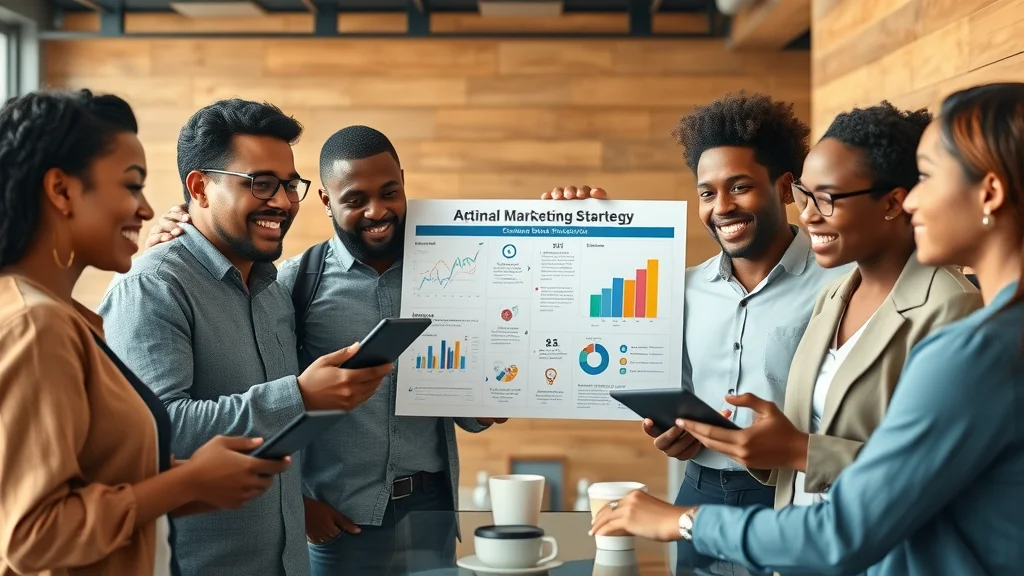
Diverse minority entrepreneurs brainstorming digital marketing strategy — leveraging AI with a fractional CMO for competitive growth

Practical Frameworks for Leveraging the Multiplying Capability of a FCMO with AI Experience

Foundation: Building an AI-Ready Marketing Strategy

Before you can unleash the multiplying effect of a fractional CMO and AI, build a solid foundation. Start by evaluating your current marketing strategies for AI-readiness: Are your customer data and analytics platforms up to snuff? Do you have clean, accessible data and clear business goals? Next, select the right AI tools—from automated content generators, predictive analytics, to customer engagement platforms—matching both budget and flexibility.

For marketing leaders and their teams, it’s about creating a roadmap that integrates human and machine intelligence. Choosing AI solutions tailored for small businesses, such as affordable subscription models or open-source platforms, can democratize the power of advanced marketing technology for everyone.

  • Assessing your current marketing strategies for AI-readiness

  • Selecting the right AI tools and platforms as a marketing leader

Organized marketing leader laying out AI strategy blueprints — selecting AI tools for small business

Step-by-Step: Navigating AI Integration for Fractional CMOS

Successfully integrating AI as a fractional CMO involves a systematic approach. First, evaluate where your current marketing falls short—often in customer insights and lead scoring. Pilot AI-driven solutions for these gaps, such as automated chat for customer engagement or predictive analytics for marketing campaigns. Measure every pilot against clear KPIs and iterate rapidly, learning from what works and optimizing accordingly. The key: never stop experimenting.

This proactive, data-driven ethos is what differentiates high-performing teams. It transforms AI hype into tangible, measurable business outcomes, ensuring that every dollar and decision maximizes growth and market relevance over time.

  1. Evaluate gaps in customer insights and lead scoring

  2. Pilot AI solutions focused on customer engagement

  3. Iterate based on measurable results and predictive analytics

Key AI Tools for Fractional CMOS: Comparison by Utility, Cost, and Suitability

AI Tool

Use Case

Cost

Ideal For

HubSpot AI

Automated Marketing, Customer Insights

$$

All businesses

Salesforce Einstein

Predictive Lead Scoring, CRM Analytics

$$$

Growth-stage SMBs

Mailchimp AI

Email Automation, Audience Segmentation

$

Small/lower-budget teams

Google Analytics Intelligence

Conversion Rate Optimization, Smart Insights

Free

All businesses

Jasper AI

Generative Content, Copywriting

$$

Marketing leaders, SMBs

Overcoming Obstacles: Common Challenges in Leveraging AI and How Fractional CMOS Solve Them

Typical Roadblocks in AI-Driven Marketing Strategy

Despite the promise of AI, many businesses struggle with AI integration—faced with concerns around data quality and privacy, tight budgets, and ensuring teams are ready for change. Fractional CMOS shine here: by bringing a seasoned, outside perspective, they can objectively assess data health, design phased rollouts to control costs, and lead targeted training for marketing teams. Privacy-by-design frameworks and transparent policies ensure compliance, while clear metrics demystify AI's value for all stakeholders.

The key is to approach AI as a practical tool, not a magic bullet. Early missteps—like poor data hygiene or underestimating training needs—can be costly. With a strategic, process-driven roadmap, your marketing leader turns obstacles into opportunities for sharper, more ethical, and sustainable growth.

  • Data quality and privacy concerns

  • Budget constraints for AI implementation

  • Training and change management for marketing leadership

Marketing team problem-solving AI policy compliance — overcoming AI challenges with a fractional CMO

Success Stories: Real-World Impact of Leveraging AI as a Fractional CMO

Case Study: Transforming Customer Experience through AI Integration

A retail startup led by a minority founder needed to stand out against e-commerce giants. By adopting AI-powered journey mapping with their fractional CMO, they analyzed real-time customer data, tailored promotions to preferences, and deployed chatbots to provide instant help. The result? Conversion rate jumped 32%, customer satisfaction soared, and repeat business set record highs—proof that smart AI tools in the hands of dedicated marketing leadership can transform customer experiences of any size or budget.

Key to their success was continuous feedback: AI was used to analyze customer insights from each interaction, allowing ongoing optimization of both digital and in-person experiences. In a matter of months, the company’s brand trust and referral business reached new peaks, underscoring the power of pairing AI integration with high-caliber marketing vision.

  • Personalized customer journey mapping

  • Utilizing AI for enhanced customer engagement and insights

Quote from a Marketing Leader: The Game-Changing Effect of AI

"AI isn’t just automating; it’s amplifying what resourceful marketing leaders envision for their brands."

People Also Ask: How to leverage AI in customer experience?

Happy customer interacting with AI chatbot — leveraging AI for customer experience

Leveraging AI in customer experience means using tools like chatbots, personalized recommendation engines, and automated feedback collectors to create seamless, 24/7 support and tailored experiences. These solutions analyze customer behavior and preferences in real time, enabling marketing leaders to anticipate needs, resolve issues instantly, and make every interaction more meaningful. The result is stronger brand loyalty, higher repeat purchases, and more impactful word-of-mouth referrals—all essential for sustainable growth.

People Also Ask: How to leverage AI in performance marketing?

Answer: AI tools optimize targeting, budgeting, and channel selection through real-time data, allowing fractional CMOS to increase ROI on every campaign.

By tapping into AI’s real-time analytics, fractional CMOS can fine-tune ad targeting, allocate ad spend more efficiently, and select the highest-performing channels automatically. This data-driven optimization boosts conversion rates and ensures every marketing dollar yields maximum impact—especially vital for small businesses and teams watching every cent. Continual feedback loops further refine messaging and creative approaches, so campaigns evolve effortlessly with changing market trends.

People Also Ask: What is the most important consideration for any AI framework?

Answer: Data integrity and ethical use are paramount, ensuring that AI-driven marketing strategies remain trustworthy and compliant.

No AI strategy succeeds without rigorous attention to data quality, customer privacy, and ethical AI deployment. Marketing leaders must ensure transparency, comply with regulations, and build trust by implementing privacy-by-design principles. This ensures their AI tools drive positive business outcomes while preserving the integrity and reputation of the brand.

People Also Ask: How AI is leveraged for sales and its future potential?

Answer: AI powers predictive analytics and lead scoring, helping sales teams prioritize efforts and forecast revenue with greater accuracy.

By integrating AI into the sales funnel, businesses can leverage lead scoring models and predictive analytics to guide sales reps toward the most promising prospects. This not only increases efficiency but allows for real-time revenue forecasting and more strategic planning, helping small and minority-owned companies scale faster without adding overhead. The future of AI in sales will bring even deeper automation, from personalized outbound campaigns to automated negotiation and order fulfillment.

Video: How Fractional CMOS Use AI Tools for Competitive Advantage

Key Takeaways on Are You Leveraging the Multiplying Capability of a FCMO with AI Experience?

  • AI equips fractional CMOS with unprecedented capability and agility

  • AI-driven marketing strategies amplify limited resources

  • Minority and small businesses stand to benefit most from embracing AI experience

FAQs on Leveraging the Multiplying Capability of a FCMO with AI Experience

What steps do I need to take before adopting AI with my fractional CMO?

Begin by auditing your current marketing processes for data cleanliness and readiness, identifying where AI could address existing bottlenecks. Next, align your business goals with measurable outcomes—like improved conversion rates or customer retention. Research and pilot best-fit AI tools based on budget and immediate needs, and involve your marketing leader in developing clear, actionable milestones for AI adoption.

How can a fractional CMO ensure my business remains competitive as marketing trends evolve?

A seasoned fractional CMO stays ahead of marketing trends by continuously monitoring the digital landscape, piloting new AI tools, and fostering a learning culture within your marketing teams. They harness timely customer insights to refresh campaigns and pivot strategies quickly so your business not only adapts to market shifts but often anticipates them—keeping you consistently ahead of your rivals.

Which AI tools are best suited for small businesses with limited budgets?

Affordable platforms like Mailchimp’s marketing automation, Google Analytics Intelligence, and open-source AI chatbots provide high-impact functionality at low cost. Pairing these with expert guidance from a fractional CMO guarantees that small businesses can generate big results—without breaking the bank or getting bogged down by complex implementations.

Does AI integration replace human creativity in marketing?

No—AI integration is designed to augment, not replace, human creativity. AI automates data-heavy tasks and surfaces customer insights, freeing marketing leaders to focus on storytelling, strategy, and innovation. The true magic happens when the power of human vision and empathy combines with the scalability and intelligence of artificial intelligence for superior outcomes.

Conclusion: The Time Is Now to Leverage the Multiplying Capability of a FCMO with AI Experience

Empowered business leader with city skyline and floating AI icons — the multiplying capability of a FCMO with AI experience

Are you ready to multiply your marketing impact? When strategy and smart technology unite, small businesses don't just compete—they lead.

Next Steps: Schedule a Consultation and Transform Your Marketing Approach

  • Schedule a 15 minute let me know further virtual meeting at https://askchrisdaley.com

If you’re inspired to take your marketing to the next level, consider delving deeper into the world of cutting-edge digital marketing solutions. By exploring these innovative strategies, you’ll uncover actionable insights and advanced tactics that can further accelerate your business growth. Whether you’re seeking to refine your AI integration or expand your digital footprint, these resources offer a roadmap for staying ahead of the curve. Embrace the opportunity to future-proof your marketing and unlock new possibilities for your brand’s success.

Sources

  • McKinsey - The Economic Potential of Generative AI

  • Salesforce - How AI Is Transforming Marketing

  • HubSpot - AI in Marketing

  • Forbes - The Rise of AI in Small Businesses

  • Gartner - AI Trends in Marketing

  • Mailchimp - Automated AI Tools for Small Business

Integrating a Fractional Chief Marketing Officer (CMO) with AI expertise can significantly enhance your marketing strategy. The article “Fractional AI CMO: Expert Marketing Leadership Without the Full-Time Cost” highlights how businesses can access seasoned marketing leadership combined with AI capabilities, leading to immediate strategic impact and cost efficiency. (lav1. com) Additionally, “Fractional CMO in the AI Era: What It Is, Benefits, Costs & Hiring Guide 2026” discusses the advantages of engaging a fractional CMO, such as flexibility and the ability to integrate AI tools for data-driven decision-making. (aijourn. com) If you’re aiming to amplify your marketing efforts, these resources provide valuable insights into leveraging AI-driven fractional CMO services.


Expert Insights

0 Comments

Write A Comment

*
*
Please complete the captcha to submit your comment.
Related Posts All Posts
11.11.2026

AI Risks For Canadian General Counsels

Understanding AI Risks for Canadian General Counsels: Beyond Bias and PrivacyArtificial intelligence is rewriting business operations for Canadian organizations, transforming everything from contract analysis to regulatory monitoring. Yet, as AI risks for Canadian general counsels rise to the forefront of strategic conversations, many legal leaders find themselves asked: Are we truly seeing all the vulnerabilities, or just the easy-to-spot ones?According to Sukhi Dhillon Alberga, founder of BLS Consulting and a seasoned healthcare and business lawyer, most general counsel teams think about common concerns—AI hallucination, systemic bias, and headline-grabbing privacy breaches. However, Sukhi cautions that the real danger often lurks beneath these surface-level risks. For Canadian mid-market organizations that must juggle evolving legal frameworks and operational realities, the potential pitfalls are deeper, more complex, and frequently underappreciated."Most companies focus on hallucination and bias, but they miss the deeper issue of the data quality trap—the inconsistency and invisibility of data across systems." — Sukhi Dhillon Alberga, BLS ConsultingThe Data Quality Trap: A Hidden Threat in AI Risk ManagementBeyond newsworthy risks like AI bias or data privacy, data quality is quietly emerging as the most underestimated landmine in AI deployment. Sukhi Dhillon Alberga highlights that inconsistent, incomplete, and outdated data infiltrates AI models—rendering well-designed systems vulnerable to misleading outputs and costly errors. In the context of AI risks for Canadian general counsels, the data quality trap is both technical and legal: rotten inputs not only damage business outcomes, but can expose organizations to regulatory penalties, shareholder disputes, and reputational risk.Sukhi underscores that most Canadian mid-market companies believe their AI solutions are fed by clean data flows; in reality, legacy log files often contain inconsistencies and blind spots. This invisible threat is compounded by the ways AI “learns”—missing context or mislabelled data can lead to flawed decisions, especially when these systems are used to automate legal, financial, or personnel functions. “General counsels must ensure data governance frameworks do more than checkbox compliance—data integrity is non-negotiable,” Sukhi advises. The difference between assuming data accuracy and demanding data veracity is, she notes, the difference between proactive risk management and playing legal catch-up after a breach.For organizations seeking to address these nuanced challenges, leveraging specialized AI risk management and compliance services can provide the tailored support needed to strengthen data governance and mitigate hidden vulnerabilities.Shadow AI and Unseen Endpoints: Why Incomplete Visibility Increases Risk"AI only sees the documented version of your environment, not how your organization actually operates—this disconnect creates significant risk." — Sukhi Dhillon Alberga, BLS ConsultingAnother core risk for Canadian GCs, as Sukhi observes, is the proliferation of shadow AI—unregistered or unmonitored AI endpoints and applications quietly operating beyond IT oversight. Even when policies exist, the actual network of AI tools in use often extends further and deeper than compliance programs assume. Sukhi likens this to an iceberg: “What’s on record is often much smaller than what’s really there. ” This fragmentation means organizations may not see where sensitive data flows or where vulnerabilities accumulate.Incomplete visibility directly challenges the notion that company policies accurately reflect reality. An AI model “interacts with documents, not your actual operating environment,” notes Sukhi. For general counsels, this means traditional compliance audits and checklists are no longer enough. Mapping and monitoring every AI endpoint, including “shadow” integrations and unofficial tools, is now an essential line of defense. Only by achieving 360-degree line-of-sight can GCs protect against both inadvertent noncompliance and intentional breaches.Performance Metrics vs. Security: Decoding Detection and Breach in AI SystemsAmid the rush to implement AI-driven efficiencies, understanding the interplay between performance metrics and security has become a priority for legal leaders. Far too often, organizations conflate robust detection with actual breach prevention—missing the subtle but critical distinction. For Canadian GCs, Sukhi warns that focusing purely on detective controls can breed a dangerous complacency, especially as threat actors become more sophisticated and regulatory scrutiny intensifies.Sukhi explains that while monitoring tools and alert systems are essential, the real compliance challenge is in detecting when AI is being used outside prescribed boundaries, and in recognizing subtle unauthorized changes. “Security isn’t just about catching the obvious breaches,” she emphasizes. “It’s understanding when performance metrics no longer align with what’s actually happening in your business—and responding in real time. ”Differentiating Detection from Breach: A Crucial Compliance InsightThis nuance—differentiating detection from breach—demands both technological investment and a cultural shift in compliance. General counsels must institute layered, adaptive controls that identify early signals, not simply react to confirmed incidents. In Sukhi’s experience, the organizations best-positioned to comply with evolving Canadian regulations are those that treat detection as the starting line, not the finish.“True vigilance,” Sukhi notes, “means understanding how and why AI outputs diverge from expected business patterns. ” For GCs, this involves hands-on monitoring, regular cross-team reviews, and robust incident response planning—elements that partner legal oversight with operational transparency. Recognizing this boundary, and planning for what happens when it’s crossed, is what elevates compliant detection to the level of true breach mitigation.Filling the Governance Gaps: Building a Robust AI Security Framework"Without clear governance frameworks and accountability, AI guardrails become ineffective. Checks, balances, and ownership are essential." — Sukhi Dhillon Alberga, BLS ConsultingPerhaps the most persistent pitfall Sukhi sees in Canadian mid-market organizations is an overreliance on generic “guardrails” or off-the-shelf governance toolkits. “Policies alone don’t prevent risk,” she emphasizes; what’s needed is clear accountability and defined ownership over every aspect of AI risk governance. When every stakeholder—from board members to IT to business line leaders—knows who is responsible for oversight, risk monitoring, and incident response, guardrails shift from passive measures to active controls.For general counsels, this means going beyond drafting policy and ensuring that actual lines of accountability run through every stage of the AI lifecycle: from sourcing and training data, to deploying applications, to monitoring performance and handling exceptions. Sukhi advocates for embedding legal expertise into operational teams, empowering GCs to “own” not just compliance, but the dialogue that shapes how AI is implemented across the organization.Accountability and Ownership: Core Pillars in AI Risk Governance for General CounselsTo operationalize robust AI governance, general counsels must spearhead a multidimensional strategy anchored in clarity, transparency, and continuous improvement. Sukhi recommends organizations establish visible, written roles for AI risk oversight, mapping each business unit’s responsibilities as AI adoption evolves. Creating cross-functional committees—where legal, IT, and business leads share intelligence—ensures emerging risks are not missed, and that compliance efforts remain tightly coordinated.According to Sukhi, successful organizations “hardwire” ownership into their decision structures. “When something goes wrong with AI, everyone knows exactly who is in charge—not just of the process, but of the outcome,” she explains. This clarity not only accelerates incident response but also builds trust with regulators, shareholders, and customers who increasingly demand evidence of real, effective AI governance.Establish clear policies for AI security intelligence useImplement continuous data quality monitoringMap and monitor all AI endpoints and applicationsDefine roles and accountability for AI risk oversightSummary: Empowering Canadian General Counsels to Manage AI Risks ConfidentlyKey Takeaways for Mid-Market Leaders on AI Risk and ComplianceAI risks extend beyond common concerns to complex data integrity and governance challengesAchieving compliance requires understanding the operational disconnect between AI models and business realitiesRobust AI governance involves clear accountability, policies, and continuous oversightAs Canadian mid-market companies embrace the promise of artificial intelligence, the role of the general counsel has never been more critical—or more complex. Sukhi Dhillon Alberga’s insights highlight that real AI risk management goes beyond headline vulnerabilities, demanding a holistic, hands-on approach to data quality, invisible endpoints, breach detection, and—most crucially—governance.Now is the time for Canadian GCs to shift from reactive compliance to proactive leadership, making data integrity, visibility, and accountability foundational to their organization’s approach to AI. With the right frameworks and ownership in place, legal leaders can ensure that, no matter how quickly the regulatory landscape evolves, their businesses are prepared to meet risk—with confidence.Ready to strengthen your organization’s AI risk governance? Reach out to BLS Consulting for strategic guidance and tailored compliance frameworks that empower your business to thrive in the era of AI.For those looking to deepen their understanding of how comprehensive risk management can transform organizational resilience, exploring the full range of consulting services offered by BLS Consulting is a valuable next step. Their expertise spans not only AI compliance but also broader business strategy, regulatory readiness, and operational excellence. By engaging with seasoned advisors, Canadian general counsels and business leaders can unlock advanced techniques for sustainable growth and risk mitigation. Take the opportunity to future-proof your organization and stay ahead of evolving challenges in the digital era.

11.09.2026

When a client brings you a project, how do you guide them from the initial conversation to a design that fits their needs, vision, site, and budget? Walk me through your process and the key decisions along the way.

Ryan Thewes’ Core Thesis: Aligning Vision, Style, and Budget is the Foundation of Successful Design ProjectsWhen a client brings you a project, the journey from initial conversation to a completed design hinges on an intricate balancing act: needs, vision, site, and budget must harmonize at every stage. For Ryan Thewes, principal at Ryan Thewes Architect and a recognized leader in modern and organic architecture, this isn’t just a process—it’s a philosophy rooted in expertise, empathy, and genuine respect for the client’s dreams. In a landscape crowded with architects, finding someone who truly resonates with your style and priorities can make all the difference. According to Ryan, "Choosing an architect is all about somebody that relates to your style and what you're looking to do. " — Ryan Thewes, Ryan Thewes Architect From the outset, Ryan’s approach is personal, not transactional. He rarely advertises because clients are drawn to his body of work—and the unique vision it represents. This organic connection forms the backbone of transformative residential and occasionally commercial projects alike, where every detail reflects both the owner’s ambitions and the realities of the site and budget.Why Style Alignment is Non-Negotiable for Clients and ArchitectsFor Ryan Thewes, style is more than aesthetics—it’s a language for expressing dreams and values. Too often, clients overlook the depth of meaning behind their initial spark of inspiration. As Thewes explains: "Most people find me by looking around. . . they have something in mind they want to accomplish aesthetically. " — Ryan Thewes, Ryan Thewes Architect This underscores a crucial insight: choosing the right architect requires introspection from the client and transparency from the professional. Ryan emphasizes that every architect has a unique stylistic “fingerprint,” and ensuring alignment at the start prevents costly detours later. When style and vision clash, even the most technically perfect project can feel hollow and disjointed. Thewes’s commitment is clear. By focusing his Nashville-based practice exclusively on modern, organic designs, he naturally attracts clients who “get it”—avoiding mismatches that lead to frustration and wasted resources. The result is remarkable client satisfaction and a legacy of projects that resonate on a deeply personal level.Expert Insights: Navigating Budget Flexibility Without Compromising Design VisionBudget isn’t a roadblock; it’s an opportunity for creative problem-solving. According to Ryan Thewes, the ability to tailor solutions across a spectrum of price points is what sets truly client-centered architects apart. In his own words: "We work within a wide range of budgets. . . finding ways to accomplish goals that also fit within certain budgets. " , Ryan Thewes, "This flexibility is rare". Many architects, as Ryan notes, take a one-size-fits-all approach, designing for a fixed budget regardless of client needs. But for Thewes, the architect’s role is to “dig in”—to unearth the hidden “must-haves” and “nice-to-haves,” relentlessly searching for cost-effective ways to reach big goals. This viewpoint not only ensures that the client’s resources are respected, but that design integrity is preserved. According to Thewes, “most architects will only do things one way,” but true mastery is measured by how gracefully constraints are leveraged into inspired, buildable solutions.A practical example of this philosophy in action can be seen in projects like The Dog House, where creative collaboration and budget-conscious design resulted in a modern, organic home that reflects both the client’s vision and the unique characteristics of the site. This case highlights how thoughtful architectural choices can deliver exceptional results without exceeding financial boundaries.Creative Budget Strategies That Set Modern Architects ApartDigging deep to understand client goalsTailoring design options to budget constraintsCollaborating with builders early in the processPrioritizing impactful design elementsExpanding on these budget-aligned solutions, Ryan emphasizes the importance of early collaboration. By engaging builders and contractors from the project’s onset, feasibility and costs are monitored in real time, not just at the bidding phase. This cross-functional dialog prevents last-minute sticker shock and ensures every choice is intentional. Lastly, Ryan Thewes’s approach to value engineering centers on prioritizing the elements that deliver the most satisfaction—be it a striking stairwell, a smart use of natural light, or sustainable material choices. Decisions are made with surgical precision: What elevates the design? What maintains the client’s vision without excess? This is how budget becomes a springboard for innovation, not a ceiling for compromise.The Right Architect for the Right Project: Importance of Style and Team SynergyThewes asserts, time and again, that success rests on synergy. Beyond architectural prowess, what truly propels a project from blueprint to occupancy is an unbroken chain of communication and shared purpose. As Ryan frames it: "It’s a team approach where the owner, architect, and builder all work towards the same goal." The implication is clear. Style and technical skill are necessary but not sufficient; the intangibles of trust, teamwork, and mutual respect are the catalysts for a smooth, inspiring journey. According to Thewes, making construction “easy and fun” is about more than avoiding disputes—it’s about building a culture of collaboration that lifts everyone involved.How Teamwork Between Owner, Architect, and Builder Enhances Project OutcomesRyan points out that when owner, architect, and builder operate as a cohesive unit, projects remain on track—on time, on budget, and on vision. This triad ensures blind spots are eliminated, accountability is shared, and innovative ideas are quickly vetted and implemented. Thewes values making every stakeholder feel invested in the project's success, which limits miscommunication and sustains momentum from beginning to end. According to Thewes, involving builders early isn’t merely about logistics; it transforms the project dynamic. Builders become creative partners rather than afterthoughts, and this openness often yields breakthroughs in constructability and design quality. The result? Projects that not only meet but often exceed client expectations—on every front.Why Attempting to Fit a Square Peg in a Round Hole Costs Time and MoneyToo frequently, clients or architects attempt to overlay mismatched design ideas or ignore their true priorities—resulting in wasted effort, inflated costs, and disappointing outcomes. Ryan's perspective is that choosing an architect out of convenience or expediency, rather than aligned vision, is a recipe for frustration. The seasoned advice from Ryan Thewes is that project success depends on authentic alignment at every decision point. From stylistic vision to practical feasibility, he encourages clients to “do the homework”: study past projects, have frank conversations, and never force a partnership where the fundamentals don’t mesh. With the right fit, both time and money are maximized—rather than lost to preventable missteps.Background and Context: The Organic Architecture Influence Behind Ryan Thewes’ Design ProcessConnection to Frank Lloyd Wright’s philosophy of design growing naturally from the siteInfluence of mentorship under Bart Prince and understanding dramatic, unique architectural expressionsFocus on sustainable, green building science integrated with aesthetic goalsRyan Thewes’s approach is deeply rooted in the principles of Organic Architecture. Inspired early by Frank Lloyd Wright’s iconic integration of structures with their surroundings, Thewes is guided by the belief that a building should grow logically and naturally from its site and client’s needs. This commitment was strengthened through apprenticeships with masters like Don Erickson and especially Bart Prince, where Thewes absorbed not just innovations in geometry and dramatic expression, but also the importance of innovation and working in harmony with natural contexts. Sustainability and green building science are inseparable from his process. According to Thewes, incorporating eco-conscious solutions isn’t just “nice to have”—it’s essential, especially as modern clients demand both performance and authenticity. Every design decision, material selection, and spatial arrangement is filtered through this lens, charting a direct path from inspiration to construction that respects site, budget, and vision in equal measure.Applying Organic Architecture to Modern Residential and Commercial ProjectsThewes’s body of work exemplifies how Organic Architecture principles can be translated into modern residential and commercial work. Even when projects are more commercial in nature, Thewes draws on signature themes—flowing forms, extensive use of natural light, careful site orientation—to ensure spaces feel both innovative and deeply connected to place. According to Thewes, this philosophy does not mean all projects look alike; rather, it means every solution springs from a foundational respect for the project’s unique spirit, site, and objectives. Whether designing a private residence or a public-facing facility, his process maximizes both creative potential and budget certainty, leveraging decades of study under the Wright lineage and his own national reputation for organic, sustainable builds.Key Decisions in Guiding Clients from Initial Conversation to Design CompletionInitial discovery of client’s vision and style preferencesAligning architectural style with client expectations and site requirementsDiscussing and defining realistic budget rangesCollaborating with builders to assess feasibilityIterating designs that balance uniqueness with cost constraintsFinalizing a design focused on seamless integration with the site and easy constructionThe answer to “when a client brings you a project, how do you guide them from conversation to completion?” is as much about listening as it is about expertise. Ryan Thewes’s method follows a nuanced, sequential path designed to eliminate surprises and foster creative breakthroughs: The initial meeting is about uncovering what truly matters to the client—their “why” behind the project. This isn’t mere small talk; it’s an essential blueprint for all that follows. Next comes a deep dive into stylistic fit and site-specific realities—does the design philosophy match not just the wishes but also the constraints? Budgets are never an afterthought: Ryan ensures these talks are frank and transparent to avoid disappointment. Only after these fundamentals are established does design begin in earnest. Builders are engaged early to pin down cost and feasibility, while design iterations focus on shaping something unique yet grounded in practical limits. It’s an interplay between respecting boundaries and transcending them—an art that Ryan has honed over decades at the intersection of Nashville’s most distinctive projects.Common Missteps and How Ryan’s Approach Avoids ThemIn the evolving landscape of modern architecture and client expectations, there are pitfalls that Ryan sees all too often—mistakes that can quickly derail even the most promising project. However, Thewes’s deliberate, client-centered approach provides a safeguard against these common errors: Avoiding style mismatch by clear upfront communication Preventing budget overruns through flexible design solutions Building consensus early among owner, architect, and contractor Thewes believes the project trajectory is determined within the first few conversations. Clear, honest dialog about expectations, vision, and finances is what prevents the dreaded “moving of goalposts” halfway through a build. By putting the hard questions on the table early, he ensures mutual trust and shared purpose—laying the groundwork for project success no matter the scale or complexity. The hallmark of Ryan’s process is adaptability without compromise. His willingness to revise, iterate, and problem-solve within fixed constraints reflects a depth of professionalism and intuition that clients find invaluable.Summary: Creating Client-Centered, Budget-Aligned, and Visually Authentic Architectural SolutionsAt every stage, Ryan Thewes brings clients’ aspirations to life—while ensuring style, budget, and site work together seamlessly. The foundation of his process is a transparent, collaborative relationship that prioritizes honesty, flexibility, and a passion for excellence. In Ryan’s own words: "I want it to be easy and fun for the client and the builder as well. . . we’re all on the same team." . This mantra isn’t just a slogan—it’s a promise rooted in decades of experience, award-winning design, and a legacy of satisfied clients. When an architect truly listens, adapts, and leads with both vision and pragmatism, projects reach their full potential—financially, aesthetically, and functionally.Next Steps: Connect With Ryan Thewes Architect to Transform Your Vision Within BudgetPersonalized consultation on your project vision and needsTailored design strategy honoring your style and siteBudget-aligned solutions with proven creative flexibilityReady to transform your ambitions into a living, functional space that reflects your vision, values, and resources? Connect with Ryan Thewes Architect today for a consultation that puts your style, site, and budget at the forefront. Experience a process where every decision is collaborative, every design is distinct, and every outcome is a true reflection of you.If you’re inspired by the process of aligning vision, site, and budget, consider exploring more of Ryan Thewes’s portfolio to see how these principles come to life in a variety of unique projects. Each build, from intimate residences to innovative commercial spaces, demonstrates the transformative power of organic architecture and client-focused design. By delving into other featured works, you’ll gain a deeper appreciation for the creative strategies and sustainable solutions that define Ryan’s approach. Discover how thoughtful architectural guidance can elevate not just your project, but your entire experience of home and place.Contact:Ryan Thewes Architect T / (615) 517-4186 E / ryan@ryanthewes.comW / https://www.ryanthewes.comAuthor: Ryan Thewes, Ryan Thewes ArchitectRyan Thewes, a native of southern Indiana, graduated from the Ball State University College of Architecture and Planning in 2000. While in school, Ryan studied the architecture of Frank Lloyd Wright, which made a strong impression on his development as a designer. He felt a kinship with Wright’s ideas on architecture, which seemed to closely resemble his own. Ryan was inspired by Wright’s bold use of geometry, veneration of nature and his ability to integrate a building with its site. Wright called his work “Organic Architecture,” which came from his belief that a building’s essence or character should derive from the design process in the same way a living organism grows from a seed–logically and naturally from the inside out.

11.09.2026

Struggling with automated lead capture? Here's the Fix

Automated lead capture is no longer a “nice to have”—it has rapidly become the lifeblood of modern business growth. Yet too many businesses still confuse having a digital presence with actively generating leads, and in 2026, that’s an expensive mistake. How can growth-minded leaders transform their results and build a reliable customer generation machine? For answers, we turn to Ken Tucker of Changescape Web, who draws on over two decades of elite marketing expertise and pioneering human-driven AI to deliver a masterclass in actionable, real-world strategies. This article unpacks Tucker’s proven approach, so you can unlock explosive growth—without wasting another dollar on underperforming tactics. Ken Tucker's Core Thesis: Automated Lead Capture is Non-Negotiable for Business Growth "The biggest misconception is that most people just build a website that’s basically nothing more than a digital brochure. They really don’t put much focus on lead capture." — Ken Tucker, Changescape Web According to Ken Tucker, businesses are often stuck in the “digital brochure” trap—pouring resources into attractive websites that fail the one test that truly matters: capturing qualified prospects. It’s a costly oversight, especially in a landscape where buyers expect instant ways to connect, inquire, and solve their problems. Tucker’s perspective is crystal clear: building automated lead capture systems isn’t optional for businesses seeking sustainable growth. Tucker’s decades of strategic leadership have shown him repeatedly that the web is littered with beautiful but inert sites. These sites lack functional forms, chatbots, or intelligent follow-up mechanisms. As he emphasizes, “Having a nice website is worthless if it doesn’t make it effortless for leads to reach out and for you to respond instantly. ” The bottom line: Modern businesses must now embed AI-powered, responsive systems at every digital touchpoint to continually drive revenue and avoid falling behind more adaptive competitors. Why Automated Lead Capture Must Be Priority One for Business Owners and Marketing Leaders "If you’re just building a digital and people don’t see an easy way to contact you, guess what? They won’t contact you. And if you also have a phone number or a form that they can fill out and then you don’t respond, they’re going to move on to your competitor." — Ken Tucker, Changescape Web Responsiveness isn’t just a feature—it’s your competitive advantage in automated lead capture. Tucker explains that today’s consumers don’t wait around for answers. If your site doesn’t have immediate, accessible options for reaching your team—and if your response isn’t nearly instantaneous—you’re giving your competition a direct line to your hard-won prospects. He points out a brutal truth for anyone investing in digital marketing: Any gap between lead inquiry and meaningful response is a revenue leak. According to Tucker, this means poor follow-up isn’t just costing you individual deals; it’s compounding attrition across your paid advertising, SEO, and referral channels. “People want to get their problem solved. They don’t have time to muck you around,” Tucker notes. The implication is clear—every unresponsive moment equates to wasted marketing spend. Businesses must shift from merely capturing leads to nurturing them, leveraging automated systems so not a single opportunity slips through the cracks. The critical link between responsiveness and lead conversion: Immediate engagement means higher conversion rates and greater customer satisfaction. How poor follow-up wastes both leads and marketing spend: Leads lost to slow response cost you in ad dollars, time, and reputation. Why capturing leads is just the first step in an automated customer journey: Conversion depends on structured, AI-powered nurture that outperforms mere collection of contact forms. The Response Engine IQ System: Ken Tucker’s Proven Framework to Build a Customer Generation Machine "We built what we call a response engine IQ system, looking at 5 key components to make sure every business is responsive to every lead that comes in regardless of time of day." — Ken Tucker, Changescape Web Driven by a philosophy that true business growth is engineered, Ken Tucker’s Response Engine IQ system offers a battle-tested blueprint for transforming how organizations approach automated lead capture and follow-up. As the founder of Growth Officer IQ and Changescape Web, Tucker saw firsthand that disjointed tactics rarely deliver scalable results. Instead, he developed a holistic operational framework that blends human oversight with AI automation to maximize conversions and ROI. What sets the Response Engine IQ system apart? It’s more than just collecting leads—it's about architecting an intelligent system for perpetual customer generation, engagement, and retention. According to Tucker, this approach hinges on five core components, carefully woven together with AI to ensure no lead gets lost, every inquiry is responded to 24/7, and every dollar invested produces compounding returns. Businesses seeking to win in today’s market must implement such a system or risk irrelevance in the face of smarter, more responsive competitors. Key Components of an AI-Driven Responsive Lead Capture Strategy Lead capture-focused websites that go beyond digital brochures: Tucker stresses the need for interactive, conversion-driven sites as the cornerstone of any automated lead capture strategy. Forms, click-to-call buttons, and clear “next step” prompts are essential. AI phone systems and chatbots to engage and book appointments: Automation shouldn’t just collect contact data—Tucker’s clients use AI tools that respond to queries, have real conversations, and even schedule meetings instantly, closing the gap between interest and conversion. Strategies to reengage current and past customers to prevent revenue leaks: According to Tucker, a common mistake is neglecting those who have already trusted your business. Automated email and SMS outreach bring “low-hanging fruit” back into active sales conversations, boosting customer lifetime value. Automated systems to gather online reviews for social proof and SEO benefits: “Building online reputation fuels both trust and SEO,” Tucker emphasizes. AI-driven review requests help companies build bulletproof local authority and outrank competitors in search. Continuous follow-up systems that nurture leads from capture to conversion: AI and intelligent automation handle reminders, check-ins, and upsells—ensuring prospects don’t get cold and that every lead gets pushed through the funnel toward close. Common Misconceptions and Pitfalls in Automated Lead Capture Businesses Must Avoid Despite the rapid rise of smart digital tools, Ken Tucker warns that many companies still fall into costly traps. Relying on a single web form or expecting leads to “figure it out” is a recipe for missed opportunities. A true automated lead capture ecosystem requires seamless, multi-channel responsiveness—where voice, chat, SMS, and email are intelligently integrated and performance is constantly iterated upon. Tucker also notes a dangerous tendency among businesses to ignore the post-capture journey. The expert’s perspective is that automated systems only work if backed by rigorous, timely follow-up—and AI tools must be employed not just for efficiency but for strategic engagement. Without these elements, companies will continue wasting marketing dollars and handing revenue to more prepared rivals. Mistaking a simple website form for an effective lead capture system: Real results demand a comprehensive, conversion-driven digital ecosystem, not just a “Contact Us” field. Ignoring timely and consistent follow-up after leads are captured: Delay equals lost deals. Automated, AI-driven nurture is imperative for keeping prospects engaged before competitors swoop in. Underestimating the role of AI tools in streamlining responsiveness: Today’s leading SMBs use chatbots and AI phone systems to act as 24/7 sales assistants, instantly delivering value and booking meetings. Failing to leverage online reviews as a crucial marketing asset: Reviews aren’t just for vanity—they fuel social proof, drive SEO, and dramatically improve trust and conversion rates. Actionable Tips from Ken Tucker for SMBs to Optimize Automated Lead Capture Implement a comprehensive lead capture and nurture system integrating AI tools: Tucker recommends evaluating your process holistically, ensuring every stage from first click to closed deal flows seamlessly and is enhanced by smart automation. Use chatbots and AI phone systems for instant engagement 24/7: This strategy enables you to never “miss” a prospect, no matter the hour—critical for industries where timing determines the winner. Focus on building repeat business with existing customers to maximize lifetime value: According to Tucker, automating recall campaigns and loyalty programs often produces the highest ROI with minimal cost. Prioritize online review generation to boost local SEO and credibility: AI or automated systems can request, track, and respond to reviews, establishing authority and climbing local search rankings. "If you don’t focus on the nurture after the lead capture, you’re just wasting your time. You’ve gotta have a system that captures leads and then follows up with them." — Ken Tucker, Changescape Web Tucker’s top tip? Never separate capture from nurture. Instead, embed follow-up protocols into your automation process so every lead is guided from inquiry to sale with zero friction. As he’s seen across diverse SMBs, this dual focus is what turns sporadic success into a “customer generation machine”—dramatically lowering acquisition costs and boosting marketing ROI. Conclusion: Unlock Business Growth by Mastering Automated Lead Capture and Nurture Automated lead capture is fundamental to converting prospects into loyal customers. Responsiveness and AI-powered follow-up systems prevent revenue leakage and maximize marketing ROI. Ken Tucker’s Response Engine IQ framework offers a cutting-edge, proven approach combining human-driven AI and strategic marketing mastery. Businesses ignoring these systems risk losing valuable leads to competitors with smarter customer generation machines. If you want to turn your digital presence into a relentless source of clients and measureable revenue, take your cues from Ken Tucker: Build a system that not only captures but also nurtures every lead through to conversion using both human insight and AI-driven tools. Deploying strategies like the Response Engine IQ framework means you’re not just catching leads—you’re incubating loyal customers and maximizing every dollar invested in your business growth. Next Step: Schedule a Marketing Clarity Call to Build Your Automated Lead Capture Strategy "Our clients who implement a strategic, AI-powered customer generation machine see measurable revenue growth and stronger brand authority." — Ken Tucker, Changescape Web Ready to stop losing leads and start scaling? Take the next step—schedule a Marketing Clarity Call with Ken Tucker and discover how an expertly architected automated lead capture system can become your most valuable business asset. Don’t just compete—dominate your market with a smarter, AI-driven customer generation machine. To enhance your understanding of automated lead capture strategies, consider exploring the following resources: “Lead-o-matic — Capture Meta leads, follow up on WhatsApp automatically”: This platform specializes in capturing leads from Meta lead ads and automating follow-ups via WhatsApp, ensuring prompt engagement and reducing the risk of losing potential clients. (lead-o-matic.com) “Axythra Lead System - Automated Lead Capture That Runs 24/7 Without Ad Spend”: Axythra offers a system that operates continuously without the need for advertising expenditure, capturing and managing leads efficiently to support business growth. (axythra.tech) If you’re serious about optimizing your lead capture processes, these resources provide valuable insights and tools to help you implement effective automated strategies.

Where small business makes big moves.

COMPANY

  • Privacy Policy
  • Terms of Use
  • Advertise
  • Contact Us
  • Menu 5
  • Menu 6

ABOUT US

Daily Business Wire is the go-to hub for entrepreneurs, franchise owners, and growing companies. It features interviews, market insights, business tools, and exit strategies. A trusted platform for thought leadership and visibility.

© 2026 CompanyName All Rights Reserved. Address . Contact Us . Terms of Service . Privacy Policy

Terms of Service

Privacy Policy

Core Modal Title

Sorry, no results found

You Might Find These Articles Interesting

T
Please Check Your Email
We Will Be Following Up Shortly
*
*
*