• Home
  • Categories
    • Entrepreneurs
    • Growth Stories
    • Expert Insights
    • Innovators
    • Franchise and Expansion
    • Tools and Services
    • Commercial Property
    • Trends
July 24.2026
1 Minute Read

Avoid These Costly Mistakes in Commercial Exterior Painting

Painting the exterior of your commercial building can be a major investment—one that pays off with property value, curb appeal, and professional perception. But if you're not careful, a single misstep can lead to expensive repairs, peeling paint, or even compliance problems. With insight from The Painting Pros—San Jose and Silicon Valley’s trusted experts—you’ll learn how to sidestep the most common pitfalls and achieve a flawless finish that stands the test of time.

What You'll Learn About Commercial Exterior Painting

  • The most common mistakes in commercial exterior painting projects

  • Expert painting advice from The Painting Pros, a leader in San Jose and Silicon Valley

  • How to ensure lasting, professional results for your commercial exterior painting

  • Key steps to avoid financial and structural setbacks

Understanding the Importance of Proper Commercial Exterior Painting Preparation

Why Prep Work Matters in Commercial Exterior Painting

  • Power washing and surface cleaning fundamentals

  • Repairing cracks, chips, and substrate problems before commercial exterior painting

Preparation is the foundation of every successful commercial exterior painting project. The quality and durability of your exterior finish depend largely on how well you prep the building's surface. Unaddressed dirt, grease, or loose paint can prevent new paint from adhering, causing it to blister or peel before its time. Professional power washing is essential, as it removes years of grime, lingering mildew, and foreign contaminants. Even the most advanced paints struggle to stick and cure on a dirty substrate, so skipping this step nearly guarantees future problems.

In addition to thorough cleaning, addressing visible and non-visible surface defects is critical. Repairing cracks, chips, and substrate issues—such as water damage or structural wear—ensures the new paint forms a solid, protective layer. The Painting Pros emphasize that attention to these details during prep work prevents small problems from turning into large, costly repairs down the road. Their crews meticulously inspect every façade, filling gaps and smoothing rough areas to deliver a flawless canvas for finish coats. Cutting corners here may save time upfront but often results in premature paint failure or even building envelope damage.
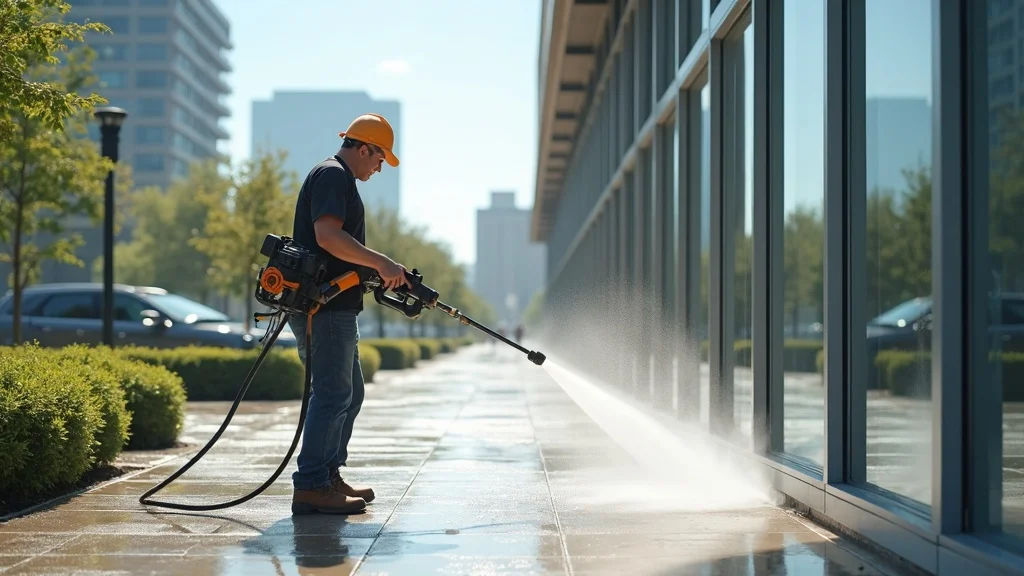
Professional power washing for commercial exterior painting in Silicon Valley

Selection of Materials: Choosing the Right Paint and Supplies for Commercial Exterior Painting

Paint Types That Stand Up to the Silicon Valley Climate

  • Pros and cons of various paint finishes for commercial exteriors

  • Why professional advice from The Painting Pros makes a difference

Selecting the right materials is as vital as proper preparation. In the dynamic climate of Silicon Valley, the wrong paint can fade, chalk, or degrade quickly, leading to frequent touch-ups and budget overruns. High-quality acrylics and elastomeric coatings, for example, offer exceptional weather resistance and color retention, while certain oil-based paints can struggle with UV exposure and rainfall common to the region. The finish—be it flat, satin, semi-gloss, or gloss—also impacts longevity. While flat finishes hide surface flaws, gloss and satin options provide greater moisture and stain resistance, especially important for high-traffic commercial exteriors.

With so many options, relying on expert guidance is key. The Painting Pros have decades of experience navigating local weather patterns and matching the right products to each building’s needs. They recommend specific primers, sealers, and topcoats that work together to create a shield against moisture, pollutants, and sun. Choosing paints and supplies might seem straightforward, but small differences in formulation or tool quality can make or break a project. With professional advice, you avoid mismatched products and ensure a long-lasting, vibrant outcome.

Commercial exterior painting supplies including brushes and premium paints

Application Techniques: How to Avoid Streaks, Peeling, and Uneven Coverage in Commercial Exterior Painting

Best Practices for Even Application in Commercial Exterior Painting

  • Brush and roller tips for large commercial surfaces

  • How to use sprayers effectively and safely

Even the best paint and primers can’t compensate for poor application. Large commercial exteriors demand consistent coverage—streaks, lap marks, or thin spots not only look unprofessional but expose your building to the elements. When painting with brushes, using high-quality synthetic bristles and employing even pressure helps maintain uniformity over rough or textured surfaces. For rollers, choosing the right nap (thickness) and rolling in overlapping passes ensures that each section blends seamlessly with the next.

Professional crews often deploy sprayers for expansive façades, but this method requires expertise. Proper calibration, steady movement, and overlapping spray patterns prevent drips and wasted paint. Sprayers can dramatically reduce project time, but without caution, overspray can affect nearby landscaping or vehicles, and inconsistent technique may leave areas unprotected. The Painting Pros train their team intensively in both roller and sprayer applications, always using drop cloths, masking, and safety gear to produce a durable, even coating while protecting surrounding property.
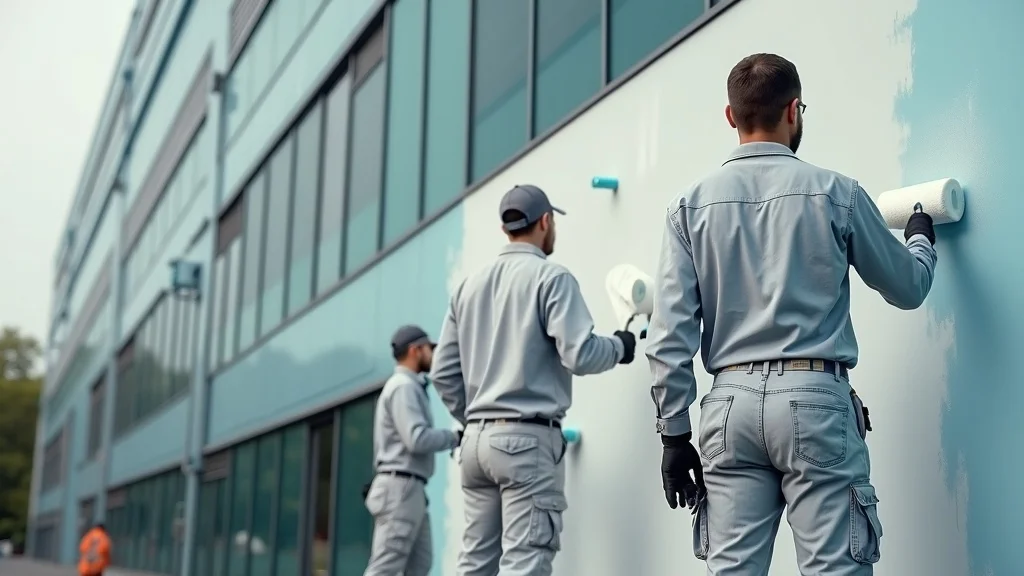
Painters applying commercial exterior paint with rollers and sprayers for even coverage

Common Costly Mistakes in Commercial Exterior Painting Projects

  • Failing to account for weather when planning commercial exterior painting

  • Skipping primer and its long-term consequences

  • Neglecting building codes and lead safety

Many commercial property owners make critical mistakes that lead to expensive do-overs. One common error is ignoring weather forecasts or painting in unsuitable conditions. Moisture, wind, or unexpected temperature swings can derail even the best-laid plans, resulting in flash drying, bubbling paint, or compromised adhesion. Planning painting schedules around local climate and drying times can help avoid weather-related setbacks—a specialty of The Painting Pros, who factor Silicon Valley’s microclimates into every project timeline.

Another frequent misstep is skipping primer or choosing the wrong type, which can result in poor coverage, stains bleeding through, or rapid paint breakdown. Primer creates a sealed, uniform base, especially on porous or previously painted surfaces. Neglecting necessary building codes, such as those for lead-safe practices on pre-1978 buildings, can have steep legal and health consequences. The Painting Pros’ EPA lead-safe certification ensures these vital steps are never missed, providing peace of mind to property owners.

"Attention to detail in preparation and application can save thousands in future repairs." – The Painting Pros Team

Commercial Exterior Painting: Mistakes vs. Solutions Comparison

Mistake

Consequence

Professional Solution

Skipping thorough prep work

Peeling, chipping, and moisture intrusion

Complete cleaning and repairs before painting

Poor paint and material selection

Fading, chalking, or fast wear

Use high-quality, climate-appropriate coatings

Incorrect application methods

Streaks, uneven coverage, wasted paint

Trained crews with proper equipment and technique

Overlooking weather conditions

Bubbling, blistering, or delayed drying

Schedule work during optimal weather windows

Violating safety codes

Fines, liability, health risks

Certified lead-safe and code-compliant processes

Weather challenges for commercial exterior painting in Silicon Valley

Expert Insights: The Value of Professional Experience in Commercial Exterior Painting

What Sets The Painting Pros Apart in the San Jose & Silicon Valley Area

  • Certified lead-safe processes for compliance and safety

  • 5-star customer service and meticulous project management

The difference between an average result and a truly professional finish comes down to experience. The Painting Pros bring over 40 years of full-service expertise to San Jose and Silicon Valley, backed by a Google 5-star rating and EPA lead-safe certification. Their skilled crews understand the nuances of commercial exterior painting—adapting strategies to building materials, local weather, and complex project logistics. Every stage is managed for maximum efficiency, safety, and quality control, from initial estimate to final inspection.

Exceptional customer service and communication set The Painting Pros apart. They prioritize active project management—staying on top of timelines, handling permits and code compliance, and keeping clients informed every step of the way. Their friendly, well-trained professionals use only premium paints and modern equipment, ensuring each project meets both aesthetic and regulatory expectations. When lasting results and your property’s reputation are on the line, their track record is a smart investment.

Commercial painting pros consulting on exterior painting project in San Jose

Key Takeaways for a Successful Commercial Exterior Painting Project

  • Invest in thorough prep and material selection for commercial exterior painting

  • Hire certified and well-reviewed professionals like The Painting Pros

  • Never compromise on safety standards or climate considerations

Frequently Asked Questions About Commercial Exterior Painting

  • How do I choose a commercial exterior painting contractor?
    Look for contractors with extensive experience in commercial projects, excellent customer reviews, and certifications like EPA lead-safe. Be sure they offer clear communication, transparent bids, and stand behind their work with warranties or satisfaction guarantees.

  • What is the ideal season for commercial exterior painting in San Jose?
    Spring and early fall are generally best, when temperatures are mild and rainfall is minimal. Avoid major painting projects during wet winter months or the hottest part of summer; your contractor can help plan around local microclimates for optimal conditions.

  • How often should a commercial building’s exterior be repainted?
    Most commercial buildings in the Bay Area benefit from repainting every 5–10 years, depending on exposure, previous paint quality, and substrate condition. Routine inspections will help catch early signs of wear or fading.

  • What should I expect during the commercial exterior painting process?
    A professional contractor will begin with a detailed assessment, followed by power washing, repairs, and priming. The crew then applies premium paint, usually with both rollers and sprayers, keeps the site clean, and finishes with a thorough inspection. Clear communication and minimal business disruption are hallmarks of a quality team.

Flawless, modern commercial exterior painting in Silicon Valley

Conclusion: Protect Your Investment with Professional Commercial Exterior Painting

  • Proper planning and expert assistance are crucial to avoid costly mistakes

  • The Painting Pros ensures quality, safety, and lasting results for every project

  • Call The Painting Pros at (408) 868-2662

Ready to Begin?

  • Schedule your free estimate at https://paintingpros.com/contact-us/

Commercial Property

0 Comments

Write A Comment

*
*
Please complete the captcha to submit your comment.
Related Posts All Posts
07.23.2026

Fix Common Facility Equipment Failures Before They Escalate

Imagine this: your building’s HVAC system unexpectedly shuts down on the hottest day of summer, stopping operations and sending your maintenance team scrambling. Common facility equipment failures can strike suddenly, leading to costly downtime, loss of productivity, and even safety risks. This guide will help you proactively identify, prevent, and manage these failures—ensuring your facility operates smoothly and efficiently.Understanding Common Facility Equipment FailuresFacility equipment failures impact everything from climate control and power supply to the day-to-day safety of your building. Understanding why and how these failures happen is the first step toward preventing them. Facility managers must be vigilant about monitoring piece of equipment that are vital for operations and adopt smart maintenance strategies to reduce the risk of unplanned downtime.Most equipment failures can be traced to a handful of issues such as wear and tear, operator error, and delayed repairs. Identifying these underlying causes early lets you act before small glitches become major breakdowns. By learning to spot warning signs and implementing a robust maintenance plan, facility managers and business owners can safeguard their assets, control repair costs, and maximize uptime for all critical equipment.Why Equipment Failure is a Major Concern for Facility ManagersIn today’s fast-paced environments, equipment failure is much more than a simple inconvenience—it can bring daily business operations to a standstill. When key systems fail, they can create ripple effects: tenants and employees are disrupted, production schedules slip, and safety can be compromised. In extreme cases, equipment breakdown may even trigger costly emergency repairs that exceed your annual maintenance budget.Beyond financial losses, unchecked equipment failures erode trust with tenants, customers, and stakeholders. Facility managers must balance immediate repairs with long-term reliability. That’s why preventive maintenance and early intervention are critical parts of any facility management strategy, helping avoid frequent machine failure and protecting your building’s reputation.Recognizing Early Signs of Equipment FailuresThe earliest symptoms of machine failure are often subtle: unusual vibrations, overheating, odd noises, or visible leaks. Ignoring these signals can allow minor defects to snowball into major breakdowns. Facility managers should train staff to conduct regular visual inspections and prompt reporting, so no early warning sign slips through the cracks.Good record-keeping also plays a role. Logging work orders and tracking maintenance activities helps identify patterns—if the same unit repeatedly requires service, it may be time for a deeper assessment or replacement. Early intervention based on condition monitoring minimizes risks and repair costs, reinforcing the value of a proactive maintenance strategy.What You'll Learn About Common Facility Equipment FailuresHow to identify common causes of equipment failureThe role of preventive maintenance in avoiding equipment failuresPractical steps for condition monitoring and wear and tear detectionStrategic approaches to equipment maintenance and managementReal-world examples of equipment breakdowns and their solutionsCommon Causes of Equipment Failure in FacilitiesKnowing the typical reasons behind common facility equipment failures helps facility managers make smarter decisions. These failures are rarely random. Instead, they stem from predictable factors—most often wear and tear, human error, and aging infrastructure. By addressing these risks proactively, you reduce the likelihood of costly machine failure and corrective repairs.Whether it’s a poorly lubricated conveyor belt or outdated HVAC controls, the most common causes can be mitigated through routine inspections and updated operating procedures. Understanding these root causes enables better maintenance planning, reduces unplanned downtime, and enhances overall asset health.Wear and Tear: The Unavoidable Factor in Equipment FailuresOver time, constant use, repetitive motion, and exposure to adverse operating conditions lead to inevitable wear and tear on your facility's assets. Bearings degrade, belts loosen, and lubricants break down—slowly but surely compromising machine performance. Regular supervision and proper lubrication schedules are essential to delay these effects and prevent failure.Routine maintenance checks for visible signs of wear on moving parts, unusual noise, or irregular heating can help catch impending issues. Proactively replacing components before failure occurs protects other connected systems from damage, ultimately saving on larger repair costs. In critical equipment, minor wear and tear, if left unchecked, can result in significant and sudden equipment breakdown.Human Error and Operating ProceduresHuman error is another significant source of equipment failures in facilities. Mistakes often arise from insufficient operator training, misunderstanding maintenance schedules, or not following the correct operating procedure. Even simple missteps—like skipping steps in equipment start-up—can trigger system faults or accelerate wear.Proper, ongoing training of every machine operator is a key defense. Keeping operation manuals up to date and standardizing procedures reduces ambiguity. Engaged, well-trained staff who understand their role in preventing equipment failure help form the backbone of any successful maintenance plan.Aging Equipment and Technological ObsolescenceAs aging equipment accumulates hours of use, it becomes more susceptible to equipment breakdown and malfunctions. Components degrade, software compatibility wanes, and replacement parts grow harder to find. If left unchecked, these conditions can lead to catastrophic failures that require immediate and expensive intervention.Upgrading legacy systems and implementing technology refresh cycles minimize these risks. For facilities reliant on outdated systems, regular assessments and a clear plan for upgrades ensure asset health and operational continuity—even as your infrastructure ages.Preventive Maintenance: Your First Line of Defense Against Common Facility Equipment FailuresPreventive maintenance is the gold standard for reducing both the frequency and severity of common facility equipment failures. It helps facilities avoid costly repairs by tackling small defects before they escalate. With a well-designed maintenance schedule, you can systematically inspect, service, and replace vulnerable parts—preserving asset health and extending equipment life.By investing in preventive maintenance, facility managers can proactively track performance, identify inefficiencies, and keep critical systems online. This approach dramatically reduces unplanned downtime and the likelihood that failure occurs at the worst possible moment.Developing Effective Maintenance StrategiesThe most effective maintenance strategies blend regular inspections, scheduled part replacements, and data-driven decision-making. Creating a custom maintenance plan for each piece of equipment based on manufacturer guidance, historic data, and observed failure modes is key. This proactivity underlines the difference between struggling with recurring breakdowns and enjoying consistent facility uptime.Integrating routine assessments—such as vibration analysis or thermographic inspection—can pinpoint hidden issues before they result in equipment failure. Tailoring your approach to account for unique operating conditions or high-priority assets further boosts the reliability and performance of your entire facility.Integrating Work Orders and Maintenance Management SystemsModern maintenance management relies heavily on digital work order systems. These tools streamline scheduling, task assignment, and documentation, ensuring every maintenance task is tracked and completed promptly. Work orders help prevent tasks from slipping through the cracks and provide a detailed historical record—crucial for identifying repeating issues or assessing repair costs.Implementing a computerized maintenance management system (CMMS) also improves accountability. It simplifies communication within your maintenance team and integrates with condition monitoring data to prompt timely interventions, helping prevent failure before it disrupts operations.Condition Monitoring for Early Detection of Equipment FailuresCondition monitoring is a powerful technique for catching issues before they cause machine failure. Using real-time sensors and analytics, facility managers can keep tabs on equipment health—spotting trends that signal imminent breakdowns. This predictive approach helps ensure that maintenance resources are used efficiently, targeting the right assets at the right time.Implementing condition monitoring reduces the guesswork in maintenance planning. It also enables deeper insights into performance, operating conditions, and the effectiveness of specific maintenance strategies.Using Predictive Tools for Equipment MonitoringPredictive maintenance tools, such as vibration analyzers, thermal imaging cameras, and IoT-based sensors, collect valuable data to indicate when equipment failure is likely to occur. These technologies pinpoint deviations in temperature, acoustics, or mechanical operation long before operators notice a problem. By acting on these predictive alerts, you can prevent failure from affecting workflow.The integration of predictive analytics with maintenance management systems enables data-driven decisions. Instead of relying solely on predetermined schedules, team members work orders in real time based on current asset health—significantly reducing downtime and unnecessary servicing of healthy equipment.Training Your Maintenance Team in Condition MonitoringEmpowering your maintenance team with condition monitoring know-how is crucial for maximizing uptime. Continuous education in the use of diagnostic tools, interpretation of data, and prompt reporting of anomalies strengthens the entire maintenance strategy. Teams equipped with these skills can quickly identify, analyze, and respond to early warnings—stopping failures before they escalate.Offering workshops, certifications, and cross-training sessions ensures every member is prepared, building a culture of accountability and rapid response. Operator training is especially vital for facilities with diverse, aging equipment and evolving maintenance plans.Best Practices for Facility Equipment MaintenanceTo avoid equipment failures and unplanned downtime, best practices must be at the core of every maintenance strategy. These include formalizing inspection schedules, maintaining robust work order processes, and investing in continuous training for your team. Effective equipment maintenance keeps your assets in peak operating condition, saves on repair costs, and ensures workplace safety.By supporting routine inspections and emphasizing operator adherence to set procedures, facility managers can dramatically increase the lifespan and performance of each piece of equipment.Routine Inspections and Scheduling Work OrdersScheduled inspections form the backbone of proactive maintenance—allowing technicians to detect early signs of wear and address minor faults before they become major failures. Integrating work orders to organize and track each task ensures accountability and complete follow-through.A digital work order system, paired with detailed logs, streamlines recurring tasks and provides actionable insights for future maintenance planning. Reviewing outcomes after each inspection helps refine your processes and capture lessons learned for ongoing improvement.Operator Training to Minimize Common Causes of Equipment FailureWell-trained operators are your best defense against both human error and improper handling of equipment. Regular training refreshes, clear documentation, and simulation exercises keep best practices top-of-mind. Operator training should include specific guidance on startup and shutdown sequences, proper lubrication, and the recognition of abnormal conditions.A culture of safety and competency translates into fewer avoidable failures and ensures that team members can quickly report and respond to issues—significantly reducing unplanned downtime and costly repairs.Updating and Enforcing Safe Operating ProceduresOutdated or ambiguous operating procedures can lead to preventable mistakes, exposing equipment and personnel to risk. Facility managers need to routinely review and update these protocols, especially as new technologies, tools, or processes are introduced to the facility.Communicating updates clearly, providing hands-on practice, and enforcing compliance through audits or spot checks strengthens adherence. Safe operating procedures protect not only expensive assets but the people tasked with maintaining them.Troubleshooting and Responding Quickly to Equipment FailuresEven with diligent maintenance, equipment failure can still occur. The key is how quickly and effectively your team responds. Designed protocols for emergency response, rapid diagnostics, and prioritization of work orders are essential for minimizing disruption.Preparation is critical: an advance emergency response plan and clear communication channels empower maintenance teams to act confidently and contain potential damage from equipment breakdown.Creating an Emergency Response PlanAn effective emergency response plan lays out clear responsibilities for each maintenance team member, prescribes immediate shut-down or isolation steps, and ensures critical spare parts and tools are readily available. Regular drills keep staff familiar and prepared to execute these procedures without hesitation, regardless of when or where failure occurs.These plans should also coordinate with facility occupants and third-party vendors, reducing confusion and enabling rapid restoration of affected services.Case Studies: Successful Facility Recovery after Equipment FailureConsider the example of a large office building experiencing repeated elevator breakdowns. After analyzing work order history, the maintenance team identified a recurring pattern of overheating. By upgrading components and updating operating procedures, they significantly reduced unplanned downtime. In another case, a manufacturing plant faced frequent conveyor belt failures—until switching to predictive condition monitoring allowed them to replace worn parts before a full breakdown occurred.These real-world recoveries prove that embracing proactive monitoring, robust maintenance plans, and comprehensive training leads to faster resolution, improved reliability, and fewer emergencies."An ounce of prevention is worth a pound of cure—regular facility equipment maintenance pays dividends in uptime and safety."Maintenance Team Collaboration: Improving Outcomes and Reducing Equipment FailuresFacility maintenance is a team sport! Collaboration across roles is the secret to identifying, communicating, and resolving issues quickly. When teams cross-share data, insights, and updates—especially across shifts or departments—they prepare the entire facility to prevent, respond to, and recover from equipment failures more efficiently.Systems that promote transparency—like shared digital dashboards and cross-functional meetings—ensure no issue goes unnoticed or unresolved. Proactive communication empowers staff, encouraging everyone to contribute to ongoing facility reliability.Cross-Communication Between Teams for Equipment MaintenanceSolutions to complex problems are often discovered when teams openly share their experiences. Holding regular debrief meetings, maintaining shared records, and updating everyone on work order progress helps bridge knowledge gaps and surfaces best practices.Effective cross-communication ensures that early warning signs reported by one operator are quickly investigated by maintenance staff—dramatically increasing the likelihood of preventing a full equipment breakdown.Empowering Staff Through Ongoing Operator TrainingContinuous learning keeps your maintenance team sharp and ready to handle new technologies or emerging risks. Offering ongoing training, certifications, and upskilling opportunities builds technical proficiency and confidence in using modern diagnostic tools and systems.Operators and technicians who feel empowered are not only less likely to commit human error, but they’re also more invested in reporting and preventing issues before they develop into major failures.Comparison of Preventive, Predictive, and Reactive Maintenance StrategiesStrategyApproachStrengthsChallengesPreventive MaintenanceScheduled actions to prevent failures before they happenReduces downtime, predictable costs, extends asset lifePotential for unnecessary interventionsPredictive MaintenanceUses condition monitoring and analytics to trigger maintenance when neededMaximizes uptime, targets resources efficiently, lower repair costsRequires advanced technology and skilled staffReactive MaintenanceRepairs after failure occursLow upfront investment, simple approachHigh unplanned downtime and repair costs, risks to asset healthPeople Also Ask: Common Facility Equipment FailuresWhat is the most common cause of equipment failure?The single most common cause of equipment failure is normal wear and tear due to continuous everyday use. Over time, moving parts degrade, lubrication loses effectiveness, and materials fatigue, increasing the risk of breakdowns if not addressed with regular maintenance.What are the two major causes for 75% of equipment breakdowns?According to industry experience, about 75% of equipment breakdowns are linked to a combination of wear and tear and human error. Improper use, skipped maintenance tasks, or operator mistakes combine with natural aging of components to create most facility failures.What are the three main types of failures?Facility managers generally encounter three failure types: (1) Sudden failures that occur without warning, (2) Gradual failures caused by ongoing wear, and (3) Intermittent failures that appear under specific conditions. Knowing these types helps tailor your maintenance strategy for maximum prevention.What are the three main routes to equipment failures?The primary routes to equipment failures include: (1) Physical degradation (like corrosion or abrasions), (2) Operational mistakes (such as incorrect setup), and (3) Environmental impacts (including extreme temperatures or humidity). Addressing each route is necessary for comprehensive equipment maintenance.Key Takeaways on Preventing Common Facility Equipment FailuresPrioritize preventive maintenance to avoid unexpected breakdowns.Train staff and operators continuously to minimize human error.Apply condition monitoring for early detection of equipment failures.Incorporate clear work order processes for timely interventions.Collaborate across teams for sustained facility reliability.Frequently Asked Questions about Common Facility Equipment FailuresHow often should I conduct maintenance on facility equipment?Maintenance frequency depends on the type, age, and usage level of each piece of equipment. Most manufacturers provide guidelines, but monthly inspections and quarterly deep servicing are common. Always adjust your maintenance schedule based on operating conditions and previous failure data.What technologies are available for condition monitoring?There is a range of options, from basic handheld thermal and vibration analyzers to advanced IoT sensors and cloud-based analytics. These tools help monitor asset health in real time, allowing facility managers to spot early signs of trouble and proactively prevent equipment failure.Can operator error really lead to major equipment failures?Yes—operator error is a top cause of both minor faults and catastrophic machine failure in many facilities. Proper training and clear, up-to-date operating procedures are key to reducing these risks and ensuring safe, reliable operations.What role does documentation play in preventing failures?Accurate, accessible records—like maintenance logs and work orders—are critical for tracking preventive actions, spotting emerging patterns, and ensuring accountability. Good documentation empowers your maintenance team to stay ahead of recurring issues and continuously improve your facility’s equipment maintenance strategy.Get Started with a Free Quote for Facility Equipment MaintenanceDon’t wait for the next breakdown—protect your facility with expert preventive care. Get Started with a Free Quote at colepainting.com/contact/ or call (508) 799-9019 today. Let our experienced team help ensure your building runs reliably, every day.ConclusionProactive maintenance and ongoing training keep your facility operating smoothly. Act early—empower your maintenance team to recognize, report, and resolve issues before they turn into costly equipment failures.

07.20.2026

Unlock the Benefits of Regular Facility Inspections Now

Imagine arriving at your workplace one morning to discover a minor leak overnight has caused thousands of dollars in damage. Or picture a routine safety hazard going unnoticed until it puts someone at risk. In both scenarios, one thing could have made all the difference: regular facility inspections. Facility managers and business owners who proactively check their premises aren’t just ticking a regulatory box; they’re future-proofing their operations, protecting their people, and ensuring peace of mind.Observing the Benefits of Regular Facility Inspections in Everyday OperationsConsistent facility inspections play a crucial role in keeping your business running smoothly. For property managers and operational leaders, the benefits of regular facility inspections are woven into the fabric of everyday operations. These inspections go beyond just meeting safety regulations; they help proactively identify potential hazards before they become costly emergencies. By examining equipment, common areas, and behind-the-scenes systems, managers ensure a safe work environment for both employees and visitors. This dedication to ongoing review means small issues, like HVAC system inefficiencies or fire exits being blocked, are identified and addressed before they escalate.Routine safety inspections also contribute to health and safety compliance. When organizations regularly check their facilities, they maintain adherence to safety standards, providing a sense of security for everyone on site. These practices show employees and clients that their well-being matters, boosting morale and strengthening trust in leadership. Plus, regular facility inspections support efficient facility operations, as well-maintained spaces lead to fewer disruptive incidents, lower operating costs, and an overall more productive workplace.What You’ll Learn About the Benefits of Regular Facility InspectionsHow routine facility inspections improve workplace safetyWays facility inspections ensure health and safety complianceKey benefits for property and facility managersBest practices for safety inspectionsAnswers to the most common facility inspection questionsUnderstanding Facility Inspection: What Is a Facility Inspection?At its core, a facility inspection is a comprehensive review of a building’s systems, equipment, and common areas. This process enables organizations to identify and address potential hazards before they can impact day-to-day operations. Inspections examine everything from emergency exits and fire safety equipment to HVAC systems and structural components. For business owners and managers, this proactive approach is a cornerstone of facility management.Whether carried out by internal teams or external experts, a facility inspection ensures that all spaces comply with evolving health and safety regulations and function as intended. The goal isn’t just hazard detection—inspections help you extend the lifespan of equipment, keep employees and visitors comfortable, and maintain a safe work environment for everyone. In short, they are essential for taking care of both people and property in any business context.Defining Facility Inspections for Business Owners and ManagersTo feel safe and confident in your workplace, business owners and facility managers must grasp the full scope of facility inspections. These assessments go beyond basic walk-throughs—they’re guided by checklists tailored to your facility type and local safety standards. The management team is often responsible for organizing inspections, delegating tasks, and following up on findings. By understanding the process, leaders can ensure inspections are more than just perfunctory steps—they become strategic routines for preserving business continuity and compliance with health and safety guidelines.Regularly scheduled inspections also build a culture of accountability. When routine inspections become the norm, everyone from maintenance crews to senior managers plays a role in creating a safe work culture. This communication loop—where risks are reported, documented, and resolved—reduces the chances of costly emergency repairs and lawsuits. Ultimately, facility inspections support both legal compliance and the mission of safeguarding people and assets.Key Benefits of Regular Facility InspectionsThe benefits of regular facility inspections are numerous, touching every aspect of organizational health. Regular inspections shine a light on issues before they have a chance to disrupt operations or compromise safety. For the management team, one of the key benefits is the peace of mind that comes from compliance with safety regulations and knowing all systems are functioning properly. Inspections reduce risks, keep insurance premiums manageable, and can even enhance the image of your brand among staff and clients.Beyond compliance and hazard mitigation, these inspections also form the backbone of preventative maintenance. Spotting worn components in your HVAC system or recognizing recurring leaks allows for scheduled repairs rather than reactive fixes. This practice minimizes downtime, keeps equipment functioning properly, and extends its useful life—a crucial factor in operational efficiency and budget-planning.Enhancing Workplace Safety Through Facility InspectionsA safe work environment is foundational to any successful organization. Routine safety inspections help ensure that emergency exits are unobstructed, fire extinguishers are accessible and functional, and electrical systems are up to code. Whether you manage an office, commercial building, or industrial facility, these facility inspections keep spaces compliant with health and safety standards, directly reducing workplace accidents and injuries.Moreover, employees and visitors notice when safety is prioritized. By making safety inspections a regular habit, you foster a culture of accountability and respect. Workers who feel safe and cared for are more engaged and productive, while clients and customers are reassured by visible markers of your commitment to their well-being. These ongoing efforts also help organizations remain responsive as regulations and safety expectations change, ensuring you’re never caught off guard during an official audit.Supporting Health and Safety Compliance with Routine InspectionsEarly hazard detection – Quickly spot and remove risks before they result in incidents.Regulation adherence – Stay up-to-date with evolving health and safety legislation.Reducing costly incidents – Prevent large-scale disruptions or repairs.Peace of mind for management – Run facilities with confidence, knowing you meet every standard.Maintaining compliance with safety codes is essential for any business. A systematic approach to routine inspections means potential hazards are caught before they become actual problems. For property managers and operations leaders, following regular inspection schedules is the best way to manage risk and build trust with all stakeholders—from board members to front-line employees. With compliance as a standard, you show your commitment not only to government mandates but also to the core values of your brand.Every step of the inspection process—from checking fire alarms to evaluating structural integrity—serves as a checkpoint for health and safety. When your organization is known for its attention to detail, it makes everyone from staff to visitors feel safe. You also protect your business from citations, lawsuits, and negative publicity—key reasons why regular facility inspections are a strategic necessity.Types of Facility Inspections and Safety InspectionsThere are several types of facility inspections, each serving a distinct role in property and operational management. Understanding these types helps leaders set up a well-rounded inspection calendar, guaranteeing that all facility operations are functioning properly. Some focus on preventative maintenance, while others ensure regulatory compliance or analyze incidents. Choosing the correct frequency and personnel for each type ensures your business never falls behind on critical checks.From safety walk-throughs to preventative equipment checks, regular facility inspections are not one-size-fits-all. By tailoring inspection types to the needs of your building and industry, you proactively identify weak spots, extend equipment life, and avoid operational hiccups. Below, compare the main types of inspections performed in business environments:Comparing the Four Main Types of InspectionInspection TypePurposeWho ConductsFrequencySafety InspectionIdentifies workplace hazardsSafety officers/Facilities teamRegular/As scheduledPreventive MaintenanceEnsures equipment functionalityMaintenance teamRoutine intervalsCompliance InspectionChecks code and regulation complianceExternal or internal auditAnnually or as requiredIncident InvestigationAnalyzes incidents or near missesSafety team/ManagersAfter incident occurrenceRoutine Inspections: Establishing a Consistent ScheduleEstablishing a consistent schedule for routine inspections ensures all areas of your facility receive proper attention. Neglecting scheduled inspections can leave critical vulnerabilities undiscovered, leading to operational interruptions or serious safety risks. For most facilities, regular inspections—ranging from daily walkthroughs to monthly or annual comprehensive reviews—are the backbone of running smoothly.To decide the right frequency for facility inspections, consider building size, industry standards, equipment complexity, and previous inspection findings. For example, areas prone to heavy use or sensitive equipment (like an HVAC system) may require more frequent checks. Using a digital calendar or specialized software helps you track inspection dates, assign responsibilities, and document results, ensuring nothing falls through the cracks.How Often Should a Facility Inspection Be Done?The ideal frequency for facility inspections depends on the facility type and applicable compliance requirements. However, most workplaces benefit from a layered approach—conducting quick daily checks for obvious issues, formal weekly or monthly safety inspections, and thorough annual compliance audits. Highly regulated industries, or those with complex systems, may require even more frequent and specialized inspections. Staying flexible and responsive to unique operational needs ensures facilities remain safe, efficient, and audit-ready.Seasonal changes, equipment age, and usage intensity all impact inspection scheduling. It’s essential to customize your plan, balancing routine inspections for everyday maintenance with more detailed checks for long-term reliability. This approach supports both regulation adherence and the ongoing goal of preventing disruptions and liabilities.Best Practices to Maximize the Benefits of Regular Facility InspectionsMaintain detailed inspection records – Ensure all findings and resolutions are documented for review and compliance.Train staff on safety inspection protocols – Equip everyone with the knowledge to spot hazards and follow best practices.Use technology for digital inspections – Streamline scheduling, reporting, and follow-ups with inspection software.Act promptly on inspection findings – Address risks as soon as they're identified to prevent escalation or costly emergencies.Effective inspection programs hinge on consistent documentation, regular staff training, and swift, decisive action. Utilizing digital checklists and recordkeeping tools offers real-time tracking and analysis of facility inspection data. When issues are resolved quickly, facilities avoid downtime, remain in compliance, and protect their reputation. These practices allow management to demonstrate due diligence—a significant asset in any review or audit situation."Regular facility inspections aren’t just a regulatory checkbox—they’re an investment in the health, safety, and reliability of your business operations."By treating facility inspections as opportunities for improvement, not just obligations, organizations proactively identify efficiencies and build a resilient infrastructure. This fosters a culture where everyone knows their role in maintaining a safe work and efficient environment.Peace of Mind: Why Facility Inspections Matter to ManagersFor managers, the greatest benefit of regular facility inspections is peace of mind. Knowing your property meets health and safety regulations and is prepared for everyday operations allows leaders to focus on growth and improvement rather than reactive problem solving. Managers who consistently check their facilities can forecast maintenance, anticipate regulatory changes, and minimize liabilities.This assurance also extends to stakeholders—from employees who feel safe coming to work, to investors and clients who value operational transparency. A strong inspection program is a visible commitment to safety, quality, and risk management, underpinning every successful organization.See how real businesses benefit from scheduled inspections, as leaders share stories of hazards averted, downtime reduced, and teams empowered to keep facilities running smoothly. These example-driven insights reinforce the direct impact inspections have on property safety, staff morale, and operational continuity.People Also Ask: Facility Inspections Frequently AnsweredHow often should a facility inspection be done?Facility inspections should be conducted regularly based on the needs of your business, equipment type, and regulatory requirements. Many organizations perform daily or weekly visual checks, monthly safety inspections, and an annual comprehensive audit. The goal is to consistently monitor conditions and address potential hazards before issues escalate, ensuring safety and compliance at all times.What are the 4 types of inspection?The four types of facility inspection are: safety inspection (focuses on workplace hazards), preventive maintenance (checks equipment to keep it functioning properly), compliance inspection (verifies adherence to codes and regulations), and incident investigation (reviewing incidents or near misses to prevent recurrence). By using a combination of these inspection methods, organizations can protect both people and assets.What is a facility inspection?A facility inspection is a systematic review of a building’s environment, infrastructure, and equipment. This process verifies that facilities meet health and safety standards, identifies potential hazards, and ensures systems are properly maintained. Inspections keep businesses compliant, reduce risks, and create a safe work setting for employees and visitors.Frequently Asked Questions on the Benefits of Regular Facility InspectionsAre facility inspections required by law?Yes, most workplaces are legally required to conduct regular facility inspections to comply with local, state, or federal safety codes. These laws protect employees and visitors by ensuring proactive risk management practices are in place.How do regular facility inspections reduce costs?Regular inspections identify maintenance needs and potential hazards before they become serious. This helps avoid expensive emergency repairs, reduce insurance claims, and minimize downtime, delivering long-term savings for property managers.What’s included in a typical facility inspection?A typical inspection assesses emergency exits, fire safety equipment, electrical systems, HVAC units, structural integrity, and general workplace safety features. The specific focus may vary based on facility type and industry regulations.How should facility managers prepare?Facility managers should develop an inspection checklist based on key risks and compliance requirements, train staff on procedures, and maintain thorough records. Using inspection software can streamline these preparations and follow-up actions.Key Takeaways: Benefits of Regular Facility InspectionsImproved safety and complianceReduced risks and liabilitiesSustained operational efficiencyEnhanced peace of mind for stakeholdersReady to Experience the Benefits of Regular Facility Inspections?Don’t wait until a preventable issue disrupts your business or puts anyone at risk. Proactive, routine facility inspections protect your people, reputation, and future. Get Started with a Free Quote – Contact us or call (508) 799-9019 for expert support.

07.07.2026

Unlocking Customer Engagement Through Effective Retail Store Layout Design

Update Understanding Retail Store Layout Design Effective retail store layout design is critical for enhancing customer experience and maximizing sales. The right layout can guide shoppers through your space, encouraging them to explore more products and engage deeply with your brand. With the advent of technology and innovative strategies, the traditional approach to store layouts has evolved, requiring businesses to integrate modern solutions into their designs. This evolution is not only about aesthetics but plays a significant role in the overall functionality of the store. The Importance of Strategic Design Strategic design not only influences how customers perceive a store but also impacts their purchasing behaviors. Well-planned layouts utilize space efficiently, help minimize bottlenecks, and provide clear paths for customer navigation. A thoughtful layout invites customers to dwell longer in the store, increasing their likelihood of making a purchase. While traditional concepts like the grid or racetrack layout still hold merit, incorporating elements of technology can differentiate a store in today’s competitive market. Each design choice should reflect the brand's identity and cater to the shopping preferences of the target audience. Utilizing Technology in Store Layout As the retail sector continues to adapt, the integration of technology in store layout design has become a game-changer. By employing data analytics, retailers can track customer movements and preferences. Stores are now equipped with sensors and heat maps that gather valuable data on traffic patterns, enabling dynamic adjustments to layouts in real-time. This strategic utilization of technology not only optimizes space but enhances customer interaction, as products are displayed in high-traffic areas. Such advancements also allow for tailored experiences; for example, retailers can create personalized promotions based on where customers spend the most time. Emotional Connection Through Design Today’s consumer is driven by emotional connections, which can be enhanced through effective store layout design. Visual merchandising plays a pivotal role; engaging displays can catch a shopper's eye and evoke curiosity. Featuring lifestyle-oriented displays or thematic sections relevant to consumer interests can create memorable shopping experiences that encourage repeat visits. Options such as scent marketing or ambient sounds can further enhance this emotional engagement. Retailers are increasingly aware that shopping is not just a transactional experience but a journey that needs to resonate on a personal level with consumers. Case Study: Transformative Retail Spaces Several retail brands exemplify successful layout designs that leverage both technology and emotional engagement. For instance, stores like Apple and IKEA have utilized open spaces and strategically placed products to facilitate exploration. Apple’s layout encourages customers to interact with technology in a relaxed environment, promoting hands-on experience with devices. Similarly, IKEA’s maze-like design invites customers to immerse themselves in a lifestyle experience, creating an enjoyable shopping adventure that enhances both enjoyment and conversion rates. These brands leverage design as a form of storytelling, sculpting the shopping experience into something meaningful. Tips for Designing Your Retail Store Layout To create an effective retail layout, consider these key strategies: Identify Your Target Audience: Understanding who will shop in your store is paramount. Tailoring the layout to meet their preferences and shopping habits will provide an enhanced shopping experience. For instance, stores targeting families might include play areas or family-friendly features. Employ Flexibility: Create adaptable spaces that allow for changes in product displays and seasonal promotions. This flexibility enables the store to respond quickly to market trends and consumer demands. Focus on Flow: Design pathways that facilitate effortless movement while naturally leading customers through your space. The flow should encourage exploration, guiding customers toward less visible areas that showcase additional products. Highlight Key Areas: Use visual cues or focal points to draw attention to specific merchandise or promotional features. Ensure these areas are placed in high-traffic zones, rather than at the back of the store. Leverage Technology: Explore solutions like augmented reality to create interactive experiences that engage consumers and elevate their time spent in-store. Providing virtual try-ons or interactive displays can make the shopping experience more enjoyable and informative. Create Community Spaces: Consider integrating areas for community interaction, such as lounges or event spaces. These areas can host workshops or product demonstrations, fostering a sense of community and deepening customer loyalty. Future Trends in Retail Store Layout Design The retail landscape will continue evolving, heavily influenced by technological advancements and changing consumer behaviors. Expect to see increased personalization through AI-driven analytics and enhanced virtual realities that provide alternative shopping experiences. Retailers who can leverage these trends will likely stay ahead, creating compelling layouts that resonate with their target markets and adapt to ongoing shifts in consumer expectations. For example, incorporating mobile apps that guide customers through the store can provide contextual information and personalized offers, enhancing the shopping experience even further. Conclusion: The Takeaway on Layout Design In summary, well-thought-out retail store layout design is essential for creating engaging shopping environments that drive sales and foster customer loyalty. By understanding and implementing innovative strategies, businesses can transform their store layouts into powerful tools that resonate with consumers in today’s fast-paced retail market. Retailers who prioritize customer engagement through strategic layout design are more likely to create environments that not only attract shoppers but also invite them to return time and time again.

Where small business makes big moves.

COMPANY

  • Privacy Policy
  • Terms of Use
  • Advertise
  • Contact Us
  • Menu 5
  • Menu 6

ABOUT US

Daily Business Wire is the go-to hub for entrepreneurs, franchise owners, and growing companies. It features interviews, market insights, business tools, and exit strategies. A trusted platform for thought leadership and visibility.

© 2025 CompanyName All Rights Reserved. Address . Contact Us . Terms of Service . Privacy Policy

Terms of Service

Privacy Policy

Core Modal Title

Sorry, no results found

You Might Find These Articles Interesting

T
Please Check Your Email
We Will Be Following Up Shortly
*
*
*