

• Home
  • Categories
    • Entrepreneurs
    • Growth Stories
    • Expert Insights
    • Innovators
    • Franchise and Expansion
    • Tools and Services
    • Commercial Property
    • Trends
December 08.2025
1 Minute Read

Discover Hidden Gems: Fiji Hotels Nadi That Wow Travelers

Minimalist Z icon on orange for Fiji hotels Nadi directory

Premiere apartments

📍 Address: 6C6G+H5F, Nadi, Fiji

📞 Phone: +679 946 0455

🌐 Website: https://premiere-apartments.com/

★★★★★
Rating: 3.2

Why Fiji Hotels in Nadi Are Shaping Unforgettable Island Experiences

How do you find the true spirit of Fiji beyond the pristine beaches and breathtaking sunsets? For many travelers, the answer lies not just in the destination, but in where they rest their heads at night. Choosing the right Fiji hotels in Nadi can shape the entire arc of your island journey—turning an average stay into a memory you’ll treasure for years. This is more than a room to sleep in; it’s your headquarters for exploration, comfort, and cultural immersion.

Yet, with so many choices, from large resorts to boutique apartments, it’s easy to feel overwhelmed when seeking accommodations in this bustling city on Viti Levu’s western coast. How can you ensure your Fiji experience isn’t just standard, but truly exceptional? In an era of impersonal travel, the real question becomes: which Nadi properties make guests feel at home while delivering modern amenities, safety, and a taste of the true Fijian lifestyle? Understanding what sets the hidden gems apart can be the difference between a forgettable trip and one filled with local warmth, convenience, and genuine relaxation.

The Modern Fijian Hotel: Blending Tradition With Contemporary Comfort

When people think of Fiji hotels in Nadi, images of sandy beaches and coconut groves often spring to mind. But in today’s travel scene, guests seek far more than postcard views—they want immersive experiences with all the comforts that matter most. A new generation of properties is rising in Nadi, offering spacious apartments with everything from private balconies to high-speed WiFi, full kitchens, and laundry facilities. These aren’t just holiday perks; they rewrite what travelers expect from a Fijian stay.

Modern Fiji hotels in Nadi with lush gardens and cheerful travelers on a balcony

Without this level of understanding, travelers run the risk of booking a basic room that doesn't meet the demands of international families, business visitors, or remote workers who need more than a bed. The pressure of not having a fully-equipped kitchen for local market finds, or the convenience of secure parking, can turn a relaxing escape into a logistical puzzle. As comfort, privacy, and the flexibility to live your own routine move to the top of travel priorities, knowing what to expect from modern Nadi hotels isn’t just helpful—it’s essential. Those who overlook these details often miss out on the small luxuries that transform a trip from adequate to extraordinary.

Why Apartment-Style Stays in Nadi Redefine Travel Value and Freedom

Among the many accommodation choices in Nadi, locally owned apartment-style rentals have emerged as a powerful alternative for travelers who crave flexibility and home-like amenities. These properties typically offer more than standardized hotel rooms—think two bedrooms, balconies, fully functioning kitchens, in-room safes, and laundry facilities with washers and dryers. This elevated approach not only benefits comfort-seekers but also provides tangible advantages for families, groups, and those planning longer stays. A home-like environment lets travelers unpack both their suitcases and their stress.

Spacious Fiji hotel apartment in Nadi with family cooking in a bright kitchen

Such thoughtful design means guests can cook their own meals with fresh ingredients from local markets, maintain laundry routines, and enjoy communal amenities like swimming pools, secure covered parking, and fitness rooms. Features like strong air conditioning and reliable internet access come standard, addressing both the hot, humid climate and the need for seamless digital connectivity. These conveniences offer true independence, especially for parents traveling with children or business guests balancing work and leisure. More than ever, these apartment hotels are transforming what it means to feel at home while exploring Nadi—each stay becomes as individual as the guests themselves.

Beyond the Resort: How Nadi’s Local Accommodations Bring Authenticity to the Forefront

One of the unique draws of hotel apartments in Nadi is their focus on reflecting the local lifestyle rather than the usual tourist experience. These properties are designed with a keen awareness of what international and Fijian guests genuinely need, emphasizing not just aesthetics, but practical comfort. Balconies overlook tranquil gardens or city views, letting visitors soak up Fijian mornings with a cup of local coffee. In-room safety boxes offer peace of mind for valuables, while shared spaces—including a community BBQ area—facilitate spontaneous conversations and friendly gatherings, hinting at the renowned warmth of Fijian culture.

Peaceful Fiji hotels Nadi scene with poolside relaxation under palm trees

Staying in these local gems means stepping away from the anonymity of large resorts. You find yourself in welcoming neighborhoods, often within walking distance of vibrant cafés, bustling weekend markets, or hidden-away eateries that only locals know. For travelers willing to trade buffet lines for home-cooked meals—and impersonal service for genuine hospitality—these accommodations deliver a richer, more memorable immersion. Choosing a place that feels like a real home base allows guests to connect with both the community and the island’s pace of life.

Tailoring the Fiji Stay: Ideal for Business, Families, and Adventurers

The versatility of Nadi’s modern apartments answers the needs of a diverse travel community. Business professionals appreciate apartments that allow for restful evenings, private workspaces, and seamless WiFi—a necessity in today's remote work era. Meanwhile, families find having two bedrooms, a functional kitchen, and laundry amenities invaluable for reducing the stress of traveling with children. The simple convenience of coming “home” each day, with the freedom to eat, rest, and play on their own schedule, elevates the holiday from a series of hotel check-ins to a continuous, comfortable adventure.

Even for solo travelers or friend groups, the shared spaces—like pools and gyms—add more options to unwind or connect. The ability to select short-term or extended leases invites both vacationers and temporary Nadi residents to settle in as if they truly belong. This blend of flexibility and comfort means no two stays are entirely alike; each visit offers the chance to experience Fiji’s famed hospitality while living at one’s own rhythm.

Fiji hotels Nadi community BBQ garden with guests enjoying a meal

Expert Perspective: Inside the “Home Away from Home” Philosophy in Nadi Hospitality

Premiere Apartments in Nadi exemplifies a local approach centered around combining high living standards with authentic Fijian hospitality. The mission is clear: provide modern, secure, and comfortable accommodations that serve as a true “home away from home.” Spacious apartments come fully equipped not just for short-term guests, but for those seeking longer residencies—supported by the belief that feeling at home should never require compromise, regardless of stay duration.

This ethos is visible in every aspect: from private balconies designed for relaxation, to in-unit laundry that acknowledges the demands of frequent travel, down to details like in-room safety and abundant natural light. Community amenities, such as a residents’ gym, shared BBQ facilities, and a secure covered parking area, are all intended to create not just comfort but peace of mind. The guiding philosophy is simple—every guest should feel proud of their temporary Fiji “home,” empowered to live and explore Nadi with confidence, routine, and happiness.

Above all, the Premiere Apartments approach understands that welcoming guests means more than providing a roof; it’s about offering a space to belong, recharge, and build personal connections to both the property and the wider Fijian community.

How Real Travelers Experience Fiji Hotels in Nadi: One Guest’s Testimonial

The true measure of a memorable stay is found in the everyday stories of guests—those who arrive as travelers and leave having found new comfort in a faraway place. One visitor’s review captures the genuine impact a well-appointed apartment can have, highlighting tangible amenities and thoughtful service that exceeded expectations.

Rooms was spacious tidy and clean. Bed very comforatable. Was a bonus having own bathrooms as one room was an ensuite. Quite and the air cons works very well as weather was very humid and hot. Having a kitchen was handy as we did shopping and cooked meals in the apartment. Having the washing machine and dryer was also great. Had WIFI which works perfectly. The best was when we were allowed to check in early as were tired from our flight as it was early morning.

Guest experiences like these show that choosing the right Fiji hotel in Nadi means not just a place to stay, but a refuge that anticipates and answers real traveler needs. The warmth of local hospitality paired with thoughtful amenities ensures that every arrival is met with comfort and every departure leaves lasting memories. The difference these details make is something all future travelers deserve to experience.

What Today’s Fiji Hotels in Nadi Reveal About the Future of Pacific Island Stays

As travelers continue to seek deeper connections and meaningful experiences, Fiji hotels in Nadi stand at the forefront of blending modern convenience, safety, and local flavor. Thanks to the commitment of industry leaders like Premiere Apartments, accommodations are no longer just about beds and pools—they’re about elevating daily living, fostering authentic connections, and ensuring every guest feels secure and welcome. The future of hospitality in Nadi is being shaped by those who understand that the little details—like a sunlit balcony, a well-equipped kitchen, or an early morning check-in after a long flight—form the memories that guests carry home.

Choosing one of these standout hotels means investing in the full spectrum of comfort, independence, and Fiji’s legendary warmth—making every stay not just a trip, but a transformative chapter in the story of Pacific travel.

Contact the Experts at Premiere Apartments

If you’d like to learn more about how Fiji hotels in Nadi could benefit your travel plans, contact the team at Premiere Apartments.
📍 Address: 6C6G+H5F, Nadi, Fiji
📞 Phone: +679 946 0455
🌐 Website: https://premiere-apartments.com/

Premiere Apartments Location and Availability

🕒 Hours of Operation:
Please contact Premiere Apartments directly for up-to-date hours of operation.
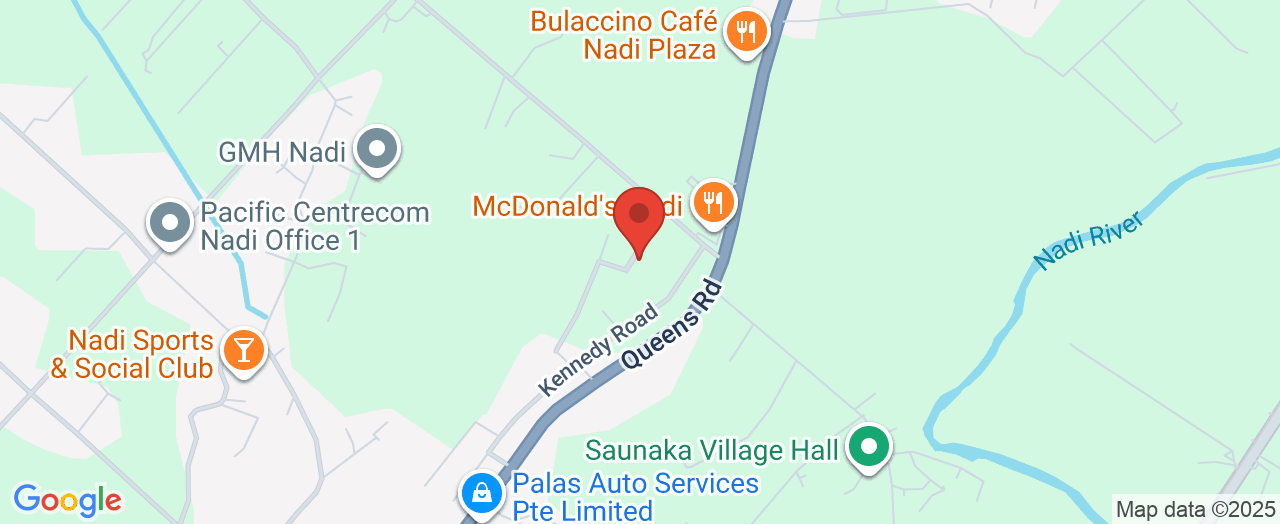
Location Map
Extra News

0 Comments

Write A Comment

*
*
Please complete the captcha to submit your comment.
Related Posts All Posts
08.22.2026

America Needs More than AI: The Critical Call for Infrastructure Investment

Update Why America Can't Rely Solely on AIAs America stands on the brink of another technological wave, the belief that artificial intelligence alone can drive our economy is rapidly proving inadequate. True progress in our country hinges on a delicate balance between digital advancements and vital physical infrastructure. The reality we face is that just as the advent of the internet transformed business and communication, the future economy will rely heavily on both intelligent technology and reliable infrastructures. Without this synergy, we risk falling behind other nations that understand the importance of a multifaceted approach to economic growth.The Legacy of Post-War InfrastructureReflecting back on our nation's history, we see how much of today's infrastructure was constructed in the wake of World War II. The ambitious building initiatives from the 1940s through the 1960s laid down the foundations for modern America. From highways that expanded cross-country travel to electrical grids powering businesses, these investments facilitated a thriving American economy, unlocking opportunities and creating competitive advantages that once distinguished the country on the global stage.This era was marked not just by construction but by a vision for a connected America. The interstate highway system, for example, didn’t just enhance transportation; it was critical for national defense and facilitated trade. Having reliable infrastructure allowed American businesses to flourish, expand their reach, and innovate. Meanwhile, communities could experience unprecedented growth as families moved in search of economic opportunity.The Urgency of Today's Infrastructure NeedsYet as the digital revolution unfolded, investment in physical infrastructure stagnated. According to analyses, many essential systems are gasping under the weight of age and overextension. America faces a staggering $3.7 trillion deficit in infrastructure funding that threatens to derail our economic momentum. Roads, bridges, and public buildings—so crucial for everyday operations—require immediate attention and revitalization. In fact, over 2,000 cities highlight the dire need for repairs exceeding a trillion dollars, often causing delays and hazards that impact daily life for millions of Americans.The consequences of neglecting these areas can lead to severe productivity losses, economic downturns, and increased safety hazards. For instance, crumbling roads not only pose risks for drivers but also hinder the transportation of goods, ultimately leading to higher prices for consumers. Moreover, various studies have shown that every dollar invested in infrastructure can yield multiple returns in productivity and growth, making it an urgent priority for policymakers.Modernizing Infrastructure for a Digital AgeToday's definition of infrastructure must expand to encompass not only roads and transit systems but also energy grids, internet connectivity, and advanced logistics networks. As the demand for reliable electricity surges due to AI and increased domestic manufacturing, we cannot afford to overlook these needs. Our competitive capacity now depends on our ability to modernize and digitalize our infrastructure to meet evolving demands.For instance, smart grids that integrate AI and renewable energy sources can enhance efficiency, reduce waste, and provide real-time data to improve service delivery. Connectivity issues, especially in rural areas, hinder businesses and communities from participating fully in the digital economy. Addressing these issues is not merely a technical challenge—it’s also about equity and opportunity for all Americans.A Workforce for the FutureHowever, it is not enough to simply invest in new physical assets; America also needs a workforce to operate and maintain these systems. Skilled professionals—including engineers, electricians, welders, and other tradespeople—will play a critical role in shaping our nation’s infrastructure future. Just as we invest in technology, we must concurrently invest in the technical and vocational training of our workforce, ensuring that they are equipped to handle both today’s challenges and future innovations.Preparing our workforce for these roles requires a multifaceted approach. This includes not only education in traditional settings but also partnerships between educational institutions and industries to create apprenticeship programs that provide hands-on experience. Initiatives should focus on retraining individuals from declining sectors as well, giving them the tools to adapt to new demands in an evolving economy.Renewing America's Spirit of InnovationThe need for a robust infrastructure is not just a matter of logistics; it represents the very spirit of innovation and resilience that defines America. By bridging the gap between our digital aspirations and physical realities, we can stimulate economic growth and rebuild the foundation upon which our digital age stands. Through strategic investment in infrastructure—paired with a competent workforce—we can ensure that America does more than just invent the future; we can build it with foresight, determination, and unity.Innovative thinking in how we incorporate technology into physical systems can also yield environmental benefits, such as sustainable building materials and energy-efficient solutions that not only reduce carbon footprints but create healthier communities. As cities grapple with climate change, integrating sustainability into infrastructure planning will be crucial.Conclusion: A Call to ActionAs we reflect on our past successes and look ahead to the new challenges posed by a rapidly changing economy, it is essential that we rally around the twin commitments of investing in infrastructure and nurturing our workforce. Together, these elements will empower America to forge ahead, constructing the pathways to prosperity for generations to come. Let us advocate for policies that prioritize these investments, recognizing that the strength of our economy—and our future—depends on a solid foundation of both innovation and infrastructure.

08.07.2026

Are We Witnessing the Demise of Traditional Job Titles in Workplaces?

Update The Evolution of Job Titles in the Modern Workforce As workplaces evolve in response to technological advancements and societal changes, so too do the titles that accompany these roles. Traditional job titles have long been the backbone of professional identity. Yet, as we find ourselves in an era characterized by flexibility and innovation, there's a growing sentiment that perhaps these conventional titles are becoming obsolete. In industries across the board—from tech to education to healthcare—companies are beginning to rethink how they label roles and responsibilities. Why Job Titles Matter Job titles do more than just describe a role; they convey status, responsibility, and career progression. For many, a title carries weight, melding identity with professional aspirations. However, as roles become more cross-functional, rigid job titles can serve as barriers rather than bridges. Consider the rise of terms like 'Chief Happiness Officer' or 'Growth Hacker'; they reflect a shift towards appreciating skills over hierarchy. This shift signals a broader understanding that the workplace is not just about where you fit within a structure, but about the value you add. In today's job market, a person's title can influence their professional journey significantly. For instance, candidates applying for positions often emphasize their titles on resumes to showcase their level of expertise and authority within their respective fields. Yet, in fast-paced environments, where collaboration and versatility are valued, this neat categorization is beginning to unravel. Some argue that job titles can pigeonhole employees, preventing them from exploring other areas of their potential. Embracing Agile Job Structures In practice, embracing an agile work structure can break down hierarchies that traditional job titles impose. Firms integrating flexible teams find that a diverse skill set is more beneficial than a prestigious title. For instance, tech giants such as Google and Facebook promote 'flattened' structures where innovative ideas can emerge from anywhere—regardless of title. This change aligns with a growing trend where organizations prioritize outcomes and collaboration over strict role definitions. The shift towards this agile framework extends beyond large tech companies. Smaller businesses and startups are embracing similar models, recognizing that fostering creativity among all employees can lead to groundbreaking ideas and solutions. When every team member feels empowered to contribute, the onus for innovation does not rest solely on traditional leaders. This environment not only promotes creativity but also boosts morale and employee satisfaction. Counterarguments: The Case for Traditional Titles Despite this transformative wave, there remains a strong argument for retaining traditional job titles. Many professionals still prefer the clarity and recognition that established titles provide. In competitive job markets, a well-defined title can make a significant impression and serve as a shorthand for skills and responsibilities. Moreover, in industries such as finance or law, where reputations are often built on pedigree and experience, traditional titles can confer an essential form of legitimacy. Job seekers value clarity in titles, as employers frequently use them to filter applicants based on perceived qualifications. Until there is a universal shift in how organizations value contributions over titles, many will likely continue to cling to established nomenclature. Global Perspectives on Job Titles Globally, attitudes toward job titles vary. In some cultures, conventional titles are still deeply entrenched, reflecting long-standing traditions of hierarchy. In contrast, startups in regions like Silicon Valley are at the forefront of the job title revolution, emphasizing creativity and innovation. As globalization continues to influence the workforce, these differing perspectives may influence how businesses internationally adapt their title structures. In Asia, for example, job titles often reflect an individual’s position within the company’s hierarchy. This traditional view contrasts sharply with the egalitarian ideals seen in many Western companies, where titles may be viewed as impediments to creativity and collaboration. Understanding these cultural norms is vital, especially for multinationals navigating diverse markets, as the expectations surrounding job titles can significantly affect employee engagement and satisfaction. A Future Beyond Titles? Looking forward, it’s conceivable that job titles might fade into obscurity. Organizations could develop systems where skills, achievements, and team contributions take precedence over titles. For example, skill tags might replace job titles entirely, creating a more fluid identity that evolves with the employee's growth. This paradigm shift would require a substantial change in how both employers and employees perceive success and recognition in the workplace. Implementing a system of skill tags could promote a culture of continuous learning and development, as employees seek to acquire new skills to advance their careers, irrespective of their formal titles. Conclusion: Adaptation is Key No matter the trajectory, the conversation surrounding job titles is indicative of larger trends in the workforce. The primary focus must remain on adaptability, whether that means redefining titles or embracing a skill-based approach. As our professional landscape continues to evolve, employees and employers alike should be open to rethinking what it means to hold a job in the modern world. A flexible approach that values skills over traditional hierarchies may benefit all parties, paving the way for a more engaged and innovative workforce.

06.22.2026

Exploring Americana Through the Eyes of World Cup Fans in 2026

Update A Cultural Tapestry UnraveledThe 2026 FIFA World Cup is more than just a sporting event; it’s a moment when the world converges in America, allowing fans to experience not only the thrill of soccer but also the rich, ordinary culture of American life. As international visitors pour into the U.S. for matches, they find themselves captivated by everyday experiences that define American identity.World Cup Fever: A Shared ExperienceAs the stage is set for the 2026 tournament, it’s evident that this event is uniquely positioned to highlight America’s blend of cultures. With 48 teams competing for the ultimate prize, the World Cup amplifies the excitement. According to recent insights from a survey by YouGov, approximately 87 million Americans have shown interest in the World Cup, with fans ranging from diverse backgrounds. Recognition of this diverse fanbase can be seen in the unexpected insights they share about everyday amenities, amplifying the cultural exchange happening across social media platforms.Through the Lens of New FriendsWorld Cup fans are documenting their experiences on platforms like TikTok and Instagram, sharing stories not only of thrilling goals but also the sweetness of free ice water, the thrill of 24-hour shopping, and the friendliness of American customer service. In one viral video, a Belgian fan dubbed a supermarket experience as "surreal." Dr. Rachel J.C. Fu, a tourism expert, explains, “Tourists do not simply consume landmarks; they consume daily life.” This blurring of lines between visitor and local encapsulates the spirit of the World Cup, which fosters friendship and communal experiences among fans from all over the globe.America's Transformative ExperienceThe last time the U.S. hosted the World Cup in 1994, soccer was still finding its footing in the national consciousness. Fast-forward to 2026; we see a different America—one where soccer culture is more vibrant and dynamic. The anticipation for this tournament carries the hope of uniting communities across the country, emphasizing shared values and diverse heritage.A Mix of Demographics and LoyaltiesThe influx of fans represents an exciting demographic shift. As reported, 17% of followers began watching soccer in the last five years, indicating a growing interest in the game among younger audiences, particularly women and minorities. This shift is not just a statistic; it demonstrates the changing fabric of America’s soccer fandom where personal identity plays a significant role in team loyalty, whether through family heritage or admiration for standout players.Building Bridges Between CulturesThe World Cup serves as a cultural bridge. Many fans have expressed their surprise at the warmth of the locals and the peculiarities of everyday life in America. In Boston, for example, Scottish fans have taken the city by storm, seamlessly mixing with locals and sharing joyful experiences. Even in the midst of competition, the essence of hospitality and engagement roots deeper connections that transcend mere fandom.Where Fandom Meets PatriotismFor many soccer enthusiasts, the World Cup encapsulates patriotic feelings that are magnified at international sporting events. Interestingly, 58% of soccer fans report feeling patriotic during these competitions. For Americans, supporting a team becomes intertwined with national pride, regardless of the team’s country of origin, allowing brands and organizations to tailor outreach efforts that resonate with the enriched cultural landscape.The Road Ahead: Emotional Connections in SportsThe 2026 World Cup is poised to create unforgettable experiences—ranging from those special moments shared in stadiums to the simple interactions occurring in everyday settings. As tourists express awe at the culture surrounding them, they help to shape and transform perceptions of American life.Takeaway: Cherishing Human ConnectionsAs we approach the World Cup, the emphasis should be placed on cherishing these human connections, whether through shared experiences in stadium seats or casual conversations during a meal. Creating an environment ripe for cultural exchange is essential in making the 2026 FIFA World Cup an event to remember far beyond the final whistle.

Where small business makes big moves.

COMPANY

  • Privacy Policy
  • Terms of Use
  • Advertise
  • Contact Us
  • Menu 5
  • Menu 6

ABOUT US

Daily Business Wire is the go-to hub for entrepreneurs, franchise owners, and growing companies. It features interviews, market insights, business tools, and exit strategies. A trusted platform for thought leadership and visibility.

© 2026 CompanyName All Rights Reserved. Address . Contact Us . Terms of Service . Privacy Policy

Terms of Service

Privacy Policy

Core Modal Title

Sorry, no results found

You Might Find These Articles Interesting

T
Please Check Your Email
We Will Be Following Up Shortly
*
*
*