Add Row
Add Element
UPDATE
Add Element
  • Home
  • Categories
    • Entrepreneurs
    • Growth Stories
    • Expert Insights
    • Innovators
    • Franchise and Expansion
    • Tools and Services
    • Commercial Property
    • Trends
March 18.2026
1 Minute Read

Discover How Anti-Corrosion Coatings in Industrial Painting Save Costs

Did you know corrosion costs the global economy over $2. 5 trillion each year—almost 3% of the world’s GDP? In industrial settings, rust and corrosion silently eat away at equipment, bridges, pipelines, and storage tanks—sometimes leading to catastrophic failures and massive repair bills. But there’s good news: anti-corrosion coatings in industrial painting can reverse the tide, delivering measurable savings that protect both assets and bottom lines. This guide uncovers why industrial coatings matter more than ever and how the right protective coatings can save millions across a wide range of harsh environments.

The Surprising Economics of Anti-Corrosion Coatings in Industrial Painting

When you see a sprawling industrial plant, it’s easy to focus on the scale and complexity of the machines and the relentless workflow. The real challenge, though, lies beneath the surface: corrosion. Each year, businesses spend billions repairing or replacing metal surfaces weakened by corrosive substances or harsh environmental conditions. Without corrosion protection, corrosion can lead to unexpected failures, production downtime, and even safety incidents.

That’s where anti-corrosion coatings in industrial painting step in. By creating a robust, protective barrier, these coatings provide maximum protection for metal substrates exposed to moisture, chemicals, or extreme temperatures. In harsh environments like oil and gas refineries, chemical plants, or offshore platforms, these industrial coatings are not just a safeguard—they're an investment that pays for itself many times over by reducing maintenance costs, extending service life, and ensuring safe, uninterrupted operations.

A Startling Statistic: The High Cost of Corrosion

Corrosion may look like a simple patch of rust, but its economic impact is anything but small. According to NACE International, corrosion costs the U. S. economy more than $276 billion per year. Globally, that number multiplies several times over. For industries relying heavily on metal infrastructure—think storage tanks, pipelines, and industrial machinery—unplanned downtime or catastrophic failures can turn into multi-million dollar losses. Investing in corrosion coatings is not merely about appearance; it’s a strategic measure for corrosion resistance that safeguards assets and ensures business continuity.
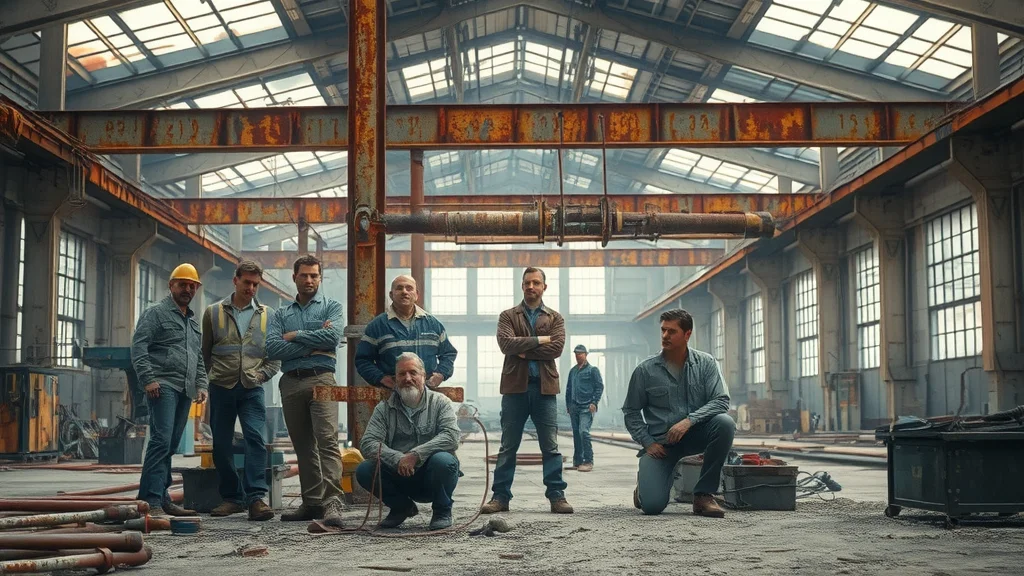
Dramatic corroded metal structure, workers inspecting corrosion damage in an industrial facility, anti-corrosion coatings in industrial painting

How Anti-Corrosion Coatings in Industrial Painting Transform Industrial Settings

The introduction of industrial coating technology has revolutionized modern infrastructure. These coatings form a protective layer over vulnerable metal surfaces, defending against water ingress, chemical attacks, and environmental stresses. In industrial settings, where every minute of operation counts, anti-corrosion technologies have enabled facilities to extend the usable life of structures, equipment, and storage tanks—even in the most corrosive environments.

With advances in corrosion protective coatings, industries are now able to fine-tune solutions for specific threats, whether it’s a chemical plant battling aggressive corrosive substances or an oil and gas facility dealing with salt-laden sea air. Modern applications often use a tailored mix of epoxy coatings, polyurethane finishes, zinc-rich primers, and even polymer-based systems to provide comprehensive corrosion resistance—delivering lasting value and strong peace of mind.

What You’ll Learn About Anti-Corrosion Coatings in Industrial Painting

  • The science behind anti-corrosion coatings in industrial painting

  • Key benefits of corrosion protection for harsh environments

  • Latest advances in protective coatings technology

  • Cost-saving impacts of industrial coating and corrosion resistance techniques

Understanding Corrosion: The Threat to Industrial Settings

Corrosion Explained: How It Damages Facilities

Corrosion is a natural process—metal reacts with environmental elements like water, oxygen, and chemicals, leading to a gradual breakdown of its structure. In industrial coatings and painting, corrosion manifests as rust, pitting, or flaking, which compromises both strength and function. Metal surfaces, especially those exposed to corrosive substances in chemical plants or oil and gas environments, are particularly vulnerable. If left untreated, corrosion can penetrate deep into the metal substrate, causing leaks in storage tanks, failures in pipelines, and extensive damage to structural beams.

Even routine exposure to moisture or minor chemical spills can exacerbate the issue, leading to rapid deterioration. The application of protective coatings acts as a physical or chemical barrier to stop this attack, effectively sealing the metal from hostile elements. By using modern anti-corrosion coatings in industrial painting, operators prevent expensive emergency repairs and keep operations running smoothly despite extreme environmental conditions.
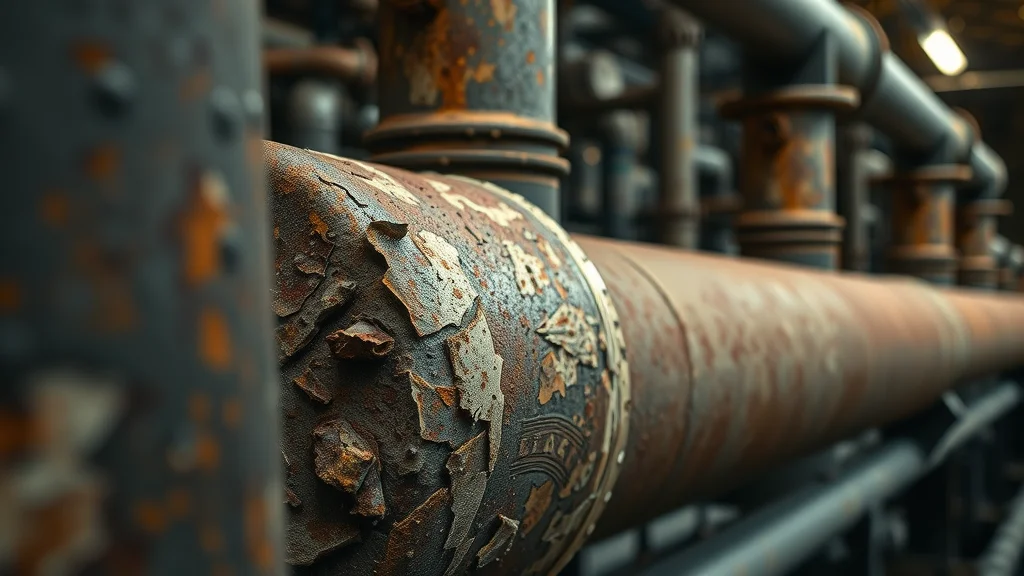
Close-up of corroded steel pipes highlighting corrosion patterns, corrosion coatings in industrial settings

Industries at Risk: Chemical Plants, Oil and Gas, and More

Certain sectors are especially prone to corrosion due to their operational nature. Chemical plants operate with aggressive substances that can eat through traditional paint or metal fasteners in months if not properly protected. Similarly, the oil and gas industry contends with salt spray, high humidity, and chemical-laden atmospheres, all of which accelerate corrosion. Even facilities with metal bridges or water-handling systems are at risk because of ongoing exposure to changing temperatures and corrosive environments.

The risks faced by these industries aren’t limited to financial losses. Safety hazards increase dramatically when metal surfaces weaken or fail without warning. That’s why industrial coatings and corrosion inhibitors play such an essential role in ongoing asset management. By using the right protective coatings for their specific setting, companies not only shield critical infrastructure but also minimize health, safety, and environmental risks.

How Anti-Corrosion Coatings in Industrial Painting Deliver Corrosion Resistance

Protective Coatings: The Key to Corrosion Protection

The heart of corrosion protection lies in the quality and selection of protective coatings. These coatings are engineered to provide not just a visual barrier but also a chemical shield, defending metal substrates from moisture, oxygen, and corrosive chemicals. The most common types of industrial coatings include epoxy coating, zinc-rich primers, polyurethanes, and advanced polymer-based technologies—each offering unique benefits for specific threats and environments.

By using these specialized protective coatings, industries can achieve maximum protection against corrosion. For instance, epoxy coatings are well known for their superior bond to metal surfaces which gives them impressive chemical resistance and longevity. Meanwhile, zinc-rich coatings offer sacrificial protection, meaning the zinc corrodes before the underlying surface does. The result? Reduced downtime, fewer repairs, and a significant extension in the working life of critical assets, no matter how challenging the environment.

Corrosion Protective Technologies in Modern Industrial Coating

Technology has taken industrial coating a long way from basic paints. Modern anti-corrosion coatings take advantage of hybrid formulas and nanotechnology to boost their performance. Advanced organic coatings control moisture diffusion while inorganic components add strength and chemical stability. Manufacturers are constantly upgrading formulas for harsher environments, integrating additives that act as corrosion inhibitors and UV blockers, which further enhance protective qualities.

These innovations are especially important for industrial settings where exposure to a mix of environmental conditions is common. For chemical plants and oil and gas refineries, customized coatings target site-specific threats like acid fumes, saltwater, or extreme temperatures. Such technical advances keep critical infrastructure in optimal condition with less maintenance, longer service intervals, and dramatically lower total lifecycle costs.

Visual demonstrations help bring the science to life. Watch a video walk-through of industrial painting teams applying advanced anti-corrosion coatings to steel substrates—see the barriers form and learn how each layer contributes to long-lasting corrosion resistance.

Types of Anti-Corrosion Coatings in Industrial Painting

Epoxy Coating and Other Leading Formulas

Among the wide range of industrial coatings available, epoxy coating remains the most trusted in the industry. Its secret lies in the tough, two-part formula that combines a resin with a hardener to create a durable, chemical-resistant surface ideal for both interiors and exteriors. Epoxy is especially suited for high-traffic or high-risk zones like pipelines, storage tanks, and chemical vessels, thanks to its superior mechanical strength and ease of application.

Other common types of corrosion coatings include polyurethane finishes, prized for their UV stability; zinc-rich primers, which are particularly effective for structural steel and offshore platforms; and emerging polymer-based coatings designed for specialized applications. Each coating type delivers unique benefits, from flexibility and impact resistance to strong adhesion even in damp or contaminated conditions.
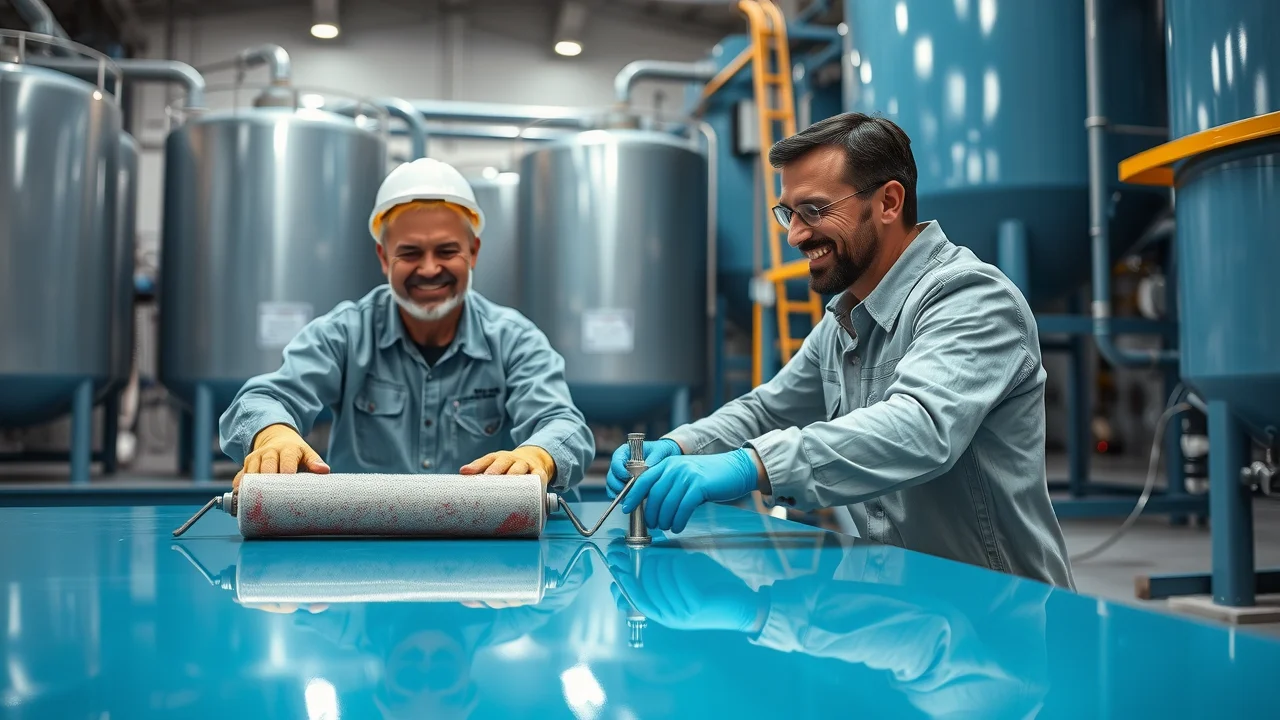
Industrial workers applying epoxy coating on metal, industrial coatings for corrosion resistance

Comparing Corrosion Coatings: Features and Applications

Selecting the right anti-corrosion coatings in industrial painting depends on a range of factors—substrate material, environmental hazards, temperature cycles, and regulatory standards. Below is a detailed table comparing the most commonly used industrial coatings.

Coating Type

Main Features

Best Applications

Corrosion Resistance

Epoxy

High chemical resistance, excellent metal surface adhesion, durable protective layer

Pipelines, storage tanks, chemical plants, marine infrastructure

Excellent

Polyurethane

UV stability, flexible finish, fast curing, tough in varying temperatures

Exterior steelwork, tanks, bridges, offshore platforms

Very Good

Zinc-Rich Primer

Cathodic protection, sacrificial protection, strong for steel structures

Bridges, structural steel, marine and offshore

Excellent

Polymer-Based

Specialized formulas, chemical resistance, adaptable for unique settings

High-precision machinery, electronic enclosures, challenging chemical environments

Good to Excellent

Suitability for Harsh Environments and Specialized Industrial Settings

Protective Coating Selection for Chemical Plants and Oil and Gas

In environments where corrosive gases and solvents are part of daily operations, the choice of anti-corrosion coatings is crucial. For chemical plants, coatings must withstand constant exposure to acids, alkalis, and powerful cleaning agents. Epoxy or specialized polymer-based coatings deliver the required chemical resistance and longevity. Meanwhile, in oil and gas sectors—with the relentless attack of salt, humidity, and fluctuating heat—polyurethane topcoats and zinc-rich primers are favored for exterior steel and offshore equipment.

Selecting the right protective coating for the metal surface ensures that downtime is minimized, unscheduled repairs are reduced, and regulatory compliance is met. By matching the coating type to the operational hazard, businesses ensure that protective coatings provide the highest level of corrosion resistance possible for their specific environment.
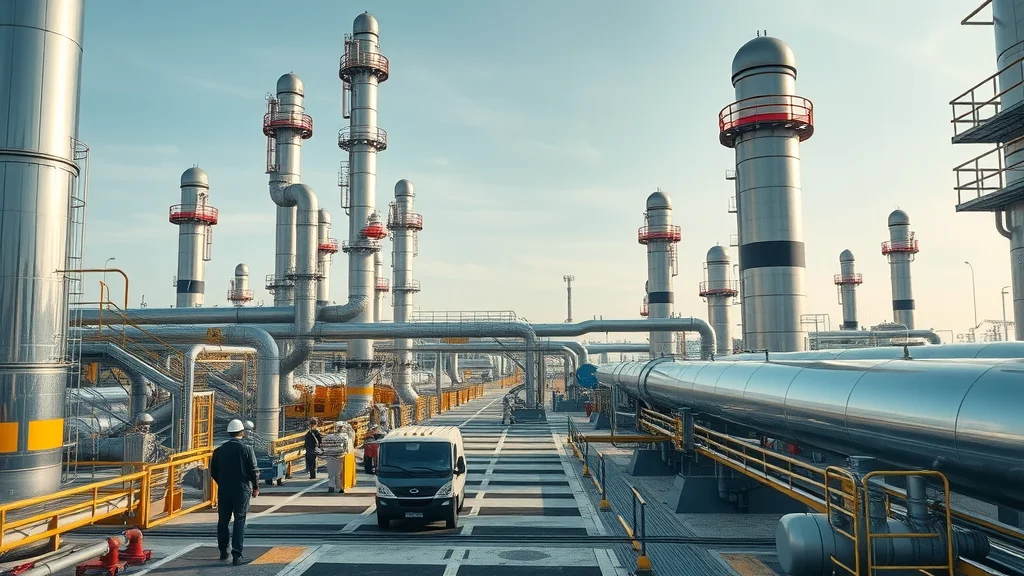
Panoramic oil & gas refinery with protected structures, anti-corrosion coatings for oil and gas industry

Role of Corrosion Inhibitors for Longevity

While traditional coatings form a physical barrier, some advanced products incorporate corrosion inhibitors to tackle chemical attacks at a molecular level. These specially formulated additives disrupt corrosive reactions on the surface of the metal, further enhancing service life and performance. Used in tandem with durable coatings, inhibitors deliver unparalleled asset protection in high-risk industrial settings.

For chemical plants or oil and gas operations where exposure to unpredictable environmental conditions is a daily challenge, integrating inhibitors ensures uninterrupted performance and reduces the frequency of recoating—a critical advantage when downtime translates into millions of dollars.

Case Studies: Protective Coatings in Harsh Environments

Consider a coastal oil refinery that regularly battled rust and equipment failure despite routine maintenance. After switching to a modern blend of epoxy and zinc-rich coatings, annual maintenance costs dropped by 35% within two years. Similarly, a chemical plant upgraded to polymer-based protective coatings on all storage tanks, resulting in a 50% longer service interval and virtually eliminating emergency repairs.

Industry expert reflects: "Investing in anti-corrosion coatings for industrial painting has redefined maintenance budgets and asset longevity for our refinery operations."

These real-world examples underline a core truth: in harsh industrial environments, strategic use of anti-corrosion technologies delivers measurable, long-term savings while boosting reliability and safety across the board.

Applying Anti-Corrosion Coatings in Industrial Painting: The Process Overview

Preparation of Metal Surfaces

Success in industrial coating begins with meticulous surface preparation. Metal surfaces must be thoroughly cleaned, degreased, and often roughened—usually by sandblasting—to maximize coating adhesion and performance. Any oil, rust, or old paint must be completely removed, as even small contaminants can undermine the most advanced anti-corrosion systems. Thorough inspection and profiling are equally crucial, ensuring every inch of the substrate is ready for the next steps.

Surface preparation not only improves the durability of the protective layer but also minimizes the risk of coating failure under extreme temperatures and environmental conditions. Proper preparation is the foundation of true corrosion protection—paving the way for a successful, long-lasting finish.

Technician prepping metal surface for anti-corrosion coatings in industrial painting

Step-By-Step Guide to Industrial Coating Application

Applying anti-corrosion coatings in industrial painting follows a systematic process. Here’s a quick guide that reflects best practice across industries:

  • Surface cleaning and assessment

  • Application of primers and base layers

  • Final coating and curing

  • On-site quality control and inspection

Each step builds on the last to deliver reliable, long-term corrosion resistance. Meticulous attention to detail during each phase guarantees maximum performance from the selected industrial coating, regardless of the demands placed on it by harsh environments or corrosive substances.

See expert coating technicians in action—learn how to achieve perfect adhesion, optimal thickness, and uniform coverage on every metal substrate, even in complex or hard-to-reach industrial settings.

Measuring Success: Corrosion Resistance and Service Life

How to Evaluate Corrosion Protection Performance

Ensuring coating effectiveness requires ongoing evaluation. Modern laboratories use corrosion chambers, salt spray testing, and electrochemical analysis to measure how well a coating protects its substrate. In the field, visual inspections and adhesion tests are coupled with regular performance monitoring to spot early signs of failure. Facilities also track cost metrics—maintenance intervals, unscheduled repairs, and component lifespan—to measure the real-world savings delivered by anti-corrosion coatings in industrial painting.

By combining lab-based and on-site results, plant managers can verify that their investment in corrosion resistance is paying off. Any deviation from expected performance can be addressed promptly, either by adjusting maintenance schedules or upgrading to newer protective technologies tailored for the evolving threats encountered in harsh environments.

Laboratory corrosion testing of coated panels for anti-corrosion coatings in industrial painting

Monitoring and Maintaining Industrial Coatings

Regular inspection is crucial for long-term protection. Industrial coatings must be checked periodically for cracks, blisters, or signs of wear. Proactive maintenance—recoating high-risk areas, patching minor defects, or upgrading to more advanced formulas as operational demands evolve—ensures that corrosion protection remains robust year after year. Such diligence allows companies to prevent small issues from escalating, ensuring assets remain functional and repairs infrequent.

Effective monitoring leverages both human expertise and digital tools, with some facilities adopting sensors or IoT systems to track environmental stress and coating performance in real time. Combined, these approaches help maximize the operational lifespan and ROI on every asset protected by anti-corrosion coatings in industrial painting.

Real World Savings: How Anti-Corrosion Coatings in Industrial Painting Cut Costs

Case Study: Cost Reduction through Corrosion Resistance

An offshore oil platform once faced annual repair bills exceeding $1. 5 million due to untreated corrosion. By switching to a coordinated anti-corrosion coating strategy—including epoxy primers, polyurethane topcoats, and corrosion inhibitors—maintenance costs dropped by nearly 50%. Extended intervals between recoating, fewer emergencies, and safer operations translated directly to millions saved over a decade.

Results like these are echoed across industries. When anti-corrosion coatings become part of core asset management, organizations consistently report higher uptime, better safety records, and a dramatic reduction in costly, unscheduled shutdowns.

Long-Term ROI of Anti-Corrosion Coatings in Industrial Painting

ROI isn’t just about immediate savings; it’s about protecting investments and ensuring sustainable operations. Over the lifetime of a facility, the initial cost of premium industrial coatings is offset many times over by extended equipment life, reduced replacements, and minimized operational disruptions. Particularly in high-risk industries—chemical plants, oil and gas, large-scale manufacturing—leading companies now view corrosion protection as a top-tier strategy for long-term growth and risk control.

Estimated Cost Savings: Maintenance With vs Without Corrosion Protective Coatings

Maintenance Scenario

Annual Maintenance Cost

Average Asset Life

Total 10-Year Cost

With Anti-Corrosion Coating

$250,000

20+ years

$2,500,000

Without Coating

$600,000

10–12 years

$6,000,000

Bottom line: Using anti-corrosion coatings in industrial painting can cut maintenance costs by more than half and double the service life of critical assets—even in the most demanding environments.

People Also Ask

What are the main benefits of anti-corrosion coatings in industrial painting?

Anti-corrosion coatings deliver corrosion resistance, reduce maintenance costs, extend the life of equipment, and minimize safety and environmental risks. They provide a critical protective barrier that limits metal exposure to moisture, chemicals, and extreme temperatures—especially important in harsh environments found in oil and gas, chemical plants, and offshore facilities.

How do protective coatings prevent damage in industrial settings?

Protective coatings act as a barrier between the underlying metal and corrosive agents like water, chemicals, or salt air. By sealing the metal surface, they stop moisture and contaminants from reaching vulnerable areas, greatly reducing the chance of rust, pitting, or structural failure. Advanced coatings may also include corrosion inhibitors that neutralize harmful reactions at the chemical level.

Which industries benefit most from corrosion resistance?

Industries relying heavily on metal infrastructure—such as chemical plants, oil and gas, water treatment facilities, manufacturing, and marine—see the greatest benefit. These sectors face aggressive environmental conditions and corrosive substances that demand advanced protective coatings for safe, efficient, and cost-effective operation.

How does industrial coating improve efficiency in harsh environments?

By reducing unscheduled repairs, lowering maintenance costs, and minimizing downtime due to corrosion damage, industrial coatings enhance operational efficiency. Assets stay in service longer, maintenance teams can work proactively, and energy or material losses from leaks or breakdowns are dramatically reduced—all of which contribute to improved productivity and profitability.

Frequently Asked Questions: Anti-Corrosion Coatings in Industrial Painting

  • How long do anti-corrosion coatings last in industrial settings? — Longevity depends on coating type, environment, and maintenance, but top-tier formulas can protect assets for 10–20 years or more under optimal conditions.

  • What is the difference between protective coatings and corrosion inhibitors? — Protective coatings form a physical barrier, while corrosion inhibitors are chemical agents that actively prevent corrosion reactions, often used together for maximum benefit.

  • Are anti-corrosion coatings in industrial painting suitable for food-grade environments? — Yes, many industrial coatings are formulated for food safety and compliance, providing robust protection without contaminating product lines or equipment.

  • What maintenance is required for industrial coatings? — Regular inspections, timely touch-ups, cleaning, and occasional recoating are necessary to ensure long-term effectiveness and safety.

Key Takeaways on Anti-Corrosion Coatings in Industrial Painting

  • Anti-corrosion coatings in industrial painting deliver measurable cost savings and enhanced equipment life.

  • The right protective coatings can shield assets in even the harshest industrial settings.

  • Regular maintenance and evaluation ensure optimal corrosion protection performance.

Ready to Protect Your Assets? Consult an Industrial Coating Specialist Today

Choosing and applying the best anti-corrosion coatings in industrial painting isn’t just a maintenance decision—it’s a wise investment in your company’s future. Speak with an expert to match the right system for your facility, ensure compliance, and start saving millions through advanced corrosion resistance and protection.

Contact Arthur Cole Painting at our website or call us at (508) 799-9019.

Commercial Property

0 Comments

Write A Comment

*
*
Please complete the captcha to submit your comment.
Related Posts All Posts
03.09.2026

Don't Get Fined: Key UK Plumbing Regulations Explained

Did you know: Over £4 million in fines were issued to UK plumbing contractors for non-compliance last year alone! Whether you’re a plumbing professional or own a business in the sector, understanding and applying UK plumbing regulations isn’t just about box-ticking—it’s vital for keeping the public safe and protecting your hard-earned reputation. In this comprehensive guide, we’ll break down exactly what you need to know, demystifying water supply, water fittings, heating, and more—so you can avoid common mistakes, ensure compliance, and stay a step ahead of the law. Why UK Plumbing Regulations Matter: Protecting Public Health and Your Business UK plumbing regulations serve a critical role in safeguarding both public health and the interests of plumbing professionals. They ensure all plumbing and water systems are installed, maintained, and operated to standards that prevent water contamination, inefficiency, and unsafe conditions. For business owners, compliance isn’t just an ethical consideration—it’s the best defence against legal liabilities, reputational damage, and financial loss stemming from fines or faulty installations. Being well-versed in UK plumbing regulations lets you protect your clients and your company, while positioning your business as a trustworthy industry leader. If you ignore or misunderstand these requirements, the risks are significant: accidental backflow could compromise public water supply, incorrect hot water system installation might lead to scalds, and improper water fittings can cause leaks and wastage, swiftly landing you in breach of building regulations. Moreover, enforcement by local authorities and water suppliers is only getting more stringent—as evidenced by recent rises in regulatory inspections and penalties. For UK plumbers, staying informed and proactive about water fittings, plumbing and heating systems, and all aspects of water supply is simply best practice for business resilience. "Non-compliance with plumbing regulations can lead to hefty fines and reputational damage for UK contractors." What You’ll Learn About UK Plumbing Regulations Why UK plumbing regulations exist and who enforces them Primary legal requirements every plumbing business needs to follow Key areas: water fitting, water supply, plumbing and heating How to ensure compliance and avoid fines Expert tips for staying up-to-date with plumbing regulations Understanding UK Plumbing Regulations: The Legal Framework At the heart of the uk plumbing regulations lie several interlocking sets of rules, each tailored to protect the integrity of water systems and public welfare. Notably, the Water Supply (Water Fittings) Regulations 1999 form the legal backbone for water fittings and water systems in England and Wales. Scotland and Northern Ireland have near-identical provisions in place. These pieces of legislation are enforced by water suppliers, who have the authority to inspect properties, approve fittings, and issue penalties for non-compliance. In addition, the wider Building Regulations (especially Part G and Part O) outline building and plumbing requirements for the design and layout of plumbing systems—including standards for water supply, water storage, drainage, and hot water installations. The Water Fittings Regulations focus mainly on preventing waste, misuse, and contamination of the water supplied by the public water system. They define what qualifies as an approved water fitting, how plumbing work should be performed, and how backflow must be prevented. Meanwhile, Building Regulations touch upon broader safety and environmental concerns, covering installation of new heating systems, the use of energy-efficient fixtures, and proper hot water storage. Knowing how these frameworks interact, and understanding who enforces each, is the first step toward full compliance—and toward avoiding costly legal trouble. Water Fitting and Water Fittings: What They Mean in Plumbing Regulations In the context of UK plumbing regulations, water fittings include all the pipes, joints, taps, valves, tanks, and appliances that form part of a water supply or plumbing system. It’s essential to distinguish between water fittings (the hardware connected to or drawing from the water supply) and the broader plumbing system itself, which covers pipework, water storage, and heating components. The Water Fittings Regulations are explicit: only approved, compliant fittings may be used in the installation and maintenance of water systems. This focus helps ensure water supplied to a property remains potable and safe, and that hazards such as backflow or cross-connection with non-potable sources are avoided. Plumbing contractors are also responsible for understanding fitting specifications: incorrect or non-compliant installations not only violate regulations apply but also introduce hidden dangers, from potential contamination to expensive leaks. Periodic review of approved product lists is a must—as is checking each fitting’s compatibility with the wider plumbing and heating system. The best practice here is to follow the guidance published by your local water supplier and regularly verify that all water fittings in use are up-to-date with the latest legal and safety standards. As you navigate the complexities of water fittings and compliance, it's also important to stay aware of upcoming changes that could impact your projects. For a closer look at how new legislation may affect your day-to-day work, see the detailed breakdown in the latest UK plumbing regulations set to take effect in 2025. Plumbing Regulation and Building Regulations: Navigating Key Differences While many people use the terms interchangeably, plumbing regulations and building regulations serve different, complementary purposes. Plumbing regulations (like the Water Supply (Water Fittings) Regulations) specifically address the control of water fittings and components, focusing on the prevention of waste, misuse, and contamination. In contrast, building regulations establish wider construction standards, including those for water systems, drainage, hot water, and heating system safety. For example, Part G of the Building Regulations covers requirements for sanitation, hot water safety, and water efficiency in new and refurbished buildings, while Part O looks at overheating and ventilation, impacting the environmental suitability of plumbing installations. The practical effect is that a compliant plumbing and heating installation must satisfy both sets of rules: every water system must use approved water fittings and must be installed to meet structural and safety criteria within building control. Contractors are advised to cross-reference any planned works against both regulatory texts. Failure to do so could mean falling foul of one or both enforcement bodies—potentially leading to refusals of completion certificates, legal action, or business-disrupting remediation orders. Comparison of UK Plumbing Regulations, Water Fittings Regulations, and Building Regulations Regulation Name Applies To Key Provisions Common Penalties Water Supply (Water Fittings) Regulations Installers, property owners, water suppliers Approved water fittings, preventing waste and contamination, backflow prevention Fines up to £1,000 per offence, forced remedial actions Building Regulations (Part G & Part O) Builders, developers, property owners Water efficiency, hot water safety, plumbing system layout, drainage Enforcement notices, stop work orders, legal proceedings Local Water Authority Bylaws Any connected to public water supply Local technical standards, notification requirements Site inspections, penalties for unauthorised alterations Critical Areas Covered by UK Plumbing Regulations The scope of UK plumbing regulations is broad, addressing every aspect of designing, installing, and maintaining safe water and heating systems. The core focus is on the safe conveyance, storage, and use of water—ensuring that water supplied from the mains remains clean, systems do not waste or misuse resources, and building occupants are protected from hazards such as scalding, leakage, or backflow. For many UK plumbing businesses, the most challenging areas are maintaining compliance in water supply management, correct water fitting selection, and the integration of plumbing and heating systems—especially as technology evolves. Regulations mandate strict standards for all components: from the types of pipework and water storage tanks permitted, to the placement and controls for hot water systems, to the specialist requirements for unvented hot water and underfloor heating installations. The regulations apply equally to commercial and domestic sites, meaning contractors need to adapt their approach depending on project scale and risk profile. Regular reviews of documentation and ongoing team training are essential, as regulatory language and technical standards are periodically updated in response to new safety insights and technologies. Water Supply and Water Systems: Ensuring Compliance Having a reliable and legal water supply is the starting point for all UK plumbing projects. Regulations stipulate that connections to the public water supply must meet material and installation standards to protect drinking water quality. This includes using certified water fittings and ensuring all joints are watertight and resistant to corrosion. Backflow prevention devices are a regulatory must as they prevent contaminants from non-potable sources from entering the mains water system—a critical concern for both builders and users. When planning water system upgrades or new builds, documentation becomes key. UK contractors should keep precise records of water fitting types, supplier certifications, and backflow protection measures. It's best practice to notify your local water authority before carrying out any major work. Non-compliance—such as using unlisted fittings or omitting necessary backflow prevention devices—frequently results in immediate fines, forced remedial works, and disruption of water supply. By following uk plumbing regulations strictly, you make sure that water supplied to domestic and commercial properties stays safe and fit for use. Hot Water, Hot Water Systems and Water Storage Requirements Few areas of plumbing regulation are more rigorously enforced than those concerning hot water and water storage. Hot water systems—including combi boilers, unvented hot water cylinders, and traditional tanks—must be fitted to prevent overflow, scalding, and energy waste. Regulations require thermostatic controls, appropriate insulation, and third-party certification for unvented hot water systems. Water storage units, whether for potable or greywater use, need to be sited and constructed to avoid contamination, minimize heat loss, and allow for safe maintenance access. Part G of the Building Regulations lays down minimum volume requirements for hot water storage and specifies measures for preventing Legionella and other bacterial risks. A common cause of regulatory fines is the improper merging of cold and hot water supplies or the omission of adequate venting in storage systems. Documenting the manufacturer, installation method, and regular maintenance of all water storage and hot water components is essential for compliance and customer reassurance. Plumbing and Heating: Integration With Plumbing Regulations Integrating plumbing and heating systems is an everyday reality for UK contractors. The regulations expect much more than simple technical competency: they demand tireless diligence in ensuring all installed heating systems—whether traditional radiators, modern underfloor heating, or mixed heat pump/combi boiler arrangements—are safe, efficient, and compliant. This includes verifying that heating system pipework is correctly sized, pressure-tested, and installed with minimal heat loss and water wastage, all using approved water fittings and pipe insulation. Heating and plumbing upgrades often trigger notification requirements under building regulation, especially when replacing boilers or switching from vented to unvented systems. Keeping abreast of evolving technical guidance is paramount; errors during installation—such as failure to fit temperature-limiting devices or incorrect integration with water storage—can lead to rapid failures and legal consequences. Professional plumbing businesses regularly train teams on both old and new regulatory requirements for plumbing and heating to guarantee compliance as technologies and legal frameworks evolve. "Most fines for UK plumbing businesses come from improper installation of water systems or ignoring hot water safety rules." UK Plumbing Regulations in Everyday Practice Understanding regulations is one thing; applying them efficiently on-site is another. UK plumbing contractors encounter a range of scenarios where regulations apply differently depending on whether work is domestic (residential) or commercial (offices, factories). For example, domestic projects typically require strict attention to safeguarding drinking water and fitting approved thermostatic mixing valves, while commercial projects may trigger more frequent inspections, require higher-grade water fitting components, and necessitate detailed backflow prevention protocols. Each work type calls for specific documentation and proactive communication with regulatory authorities. For both domestic and commercial works, failure to provide complete installation records, ignore mandatory inspection schedules, or replace water storage components with non-compliant items can all result in enforcement actions. The best UK contractors use checklists, maintain up-to-date knowledge cards, and continually review installation standards—making ‘red flag’ errors increasingly rare. How Plumbing Regulations Apply to Domestic and Commercial Work Whether you’re fixing a kitchen tap at home or overseeing a multi-storey commercial install, UK plumbing regulations require you to account for risk level, property type, and intended water use. For domestic sites, this often means close compliance with Water Supply (Water Fittings) Regulations, approved product lists, and energy efficiency targets for hot water and heating. For commercial contracts, expectations are higher: all plumbing system designs are audited pre- and post-install, demanding more thorough water fitting documentation and backup measures like advanced backflow prevention and higher-capacity water storage systems. Both sectors are subject to local water authority inspections and may need certification for certain works (e. g. , unvented hot water system installation). The stakes for missing regulatory details are higher in commercial environments; even a minor infraction—such as using the wrong size fitting, missing temperature controls, or incomplete storage system logbooks—can impact hundreds of people and result in scaled-up penalties or contract disputes. In all cases, rigorous staff training and ongoing relationship building with your local inspector are invaluable assets for surviving compliance reviews and keeping projects on track. Water Fitting, Water Supply and Water Storage in Real-World Scenarios Imagine an average call-out: a plumber is asked to upgrade a home’s storage system and connect it to a new combi boiler. Before even lifting a wrench, they must check product approval, secure the right documentation, and notify the water supplier if making changes to the main water connection. For a commercial install—say, re-plumbing a school or care home—the steps multiply, requiring senior sign-off, risk assessment for backflow prevention devices, and a detailed log of all water fittings installed and tested. To efficiently manage compliance, the top UK professionals rely on pre-work checklists, gather all certificates, and plan for thorough post-completion inspections. Mistakes, such as omitting a backflow device, missing insulation on hot water pipes, or failing to fit reputable water storage units, frequently result in forced rectification—and in worst cases, significant interruption to service or regulatory black marks. Checklist: Must-have documentation for regulatory compliance Certification for all water fittings installed Detailed logs for water supply and water storage systems Pre- and post-installation inspection reports Notification and approval certificates from local water authorities (where required) Inspection Preparation Tips Keep records tidy, accessible, and digital where possible Verify that all fitted appliances, pipes, and systems are on the current approved list Practice explaining your installation to an inspector—preparation shows professionalism! Common Mistakes and How to Avoid Them Using non-compliant water fittings or skipping backflow prevention Failing to document changes to water supply or heating system Neglecting to consult the latest public water authority guidance before commencing work Staying Up-to-Date With UK Plumbing Regulations Regulatory updates can surface at any time, so staying informed is a necessity for all plumbing businesses. Whether it’s the arrival of a new approved fittings list, updated rules on greywater recycling, or stricter building requirements for commercial premises, the key is to use reliable official sources. Many local water suppliers and building authorities offer email alerts, newsletters, and online portals, helping you find the latest guidance quickly. Membership of trade bodies (like the Chartered Institute of Plumbing and Heating Engineering) also provides invaluable insights, networking, and regulatory briefings. Seasoned professionals recommend scheduling monthly checks of official water supplier updates and inviting compliance experts to team meetings. Even a quick quarterly review of your installation practices against the government’s Approved Documents can help catch issues before they become costly. The most successful plumbing businesses treat regulation as a living part of company culture—discussing, adapting, and sharing new knowledge as it arises, rather than reacting after an enforcement letter arrives. Where to Find Official Plumbing Regulation Updates and Guidance The prime source of uk plumbing regulations updates remains your local water supplier—in England and Wales, this is usually via their official website or trade liaison office. The UK Government’s website (gov. uk) routinely publishes changes to Building Regulations and related technical standards. Trade bodies offer access to detailed installation guides based on current law and best practice, while specialist publications and seminars provide updates on innovations in water storage or emerging backflow prevention technologies. Don’t discount continuous professional development (CPD) events, as they can bridge the gap between theory and daily practice for you and your team. Expert Insights: How Pros Navigate Changing Water Fittings and Building Regulations Business leaders who thrive under UK plumbing regulations share some key traits: routine peer reviews, ongoing dialogue with water authorities, and a commitment to staff development. They encourage knowledge-sharing throughout the business—using toolbox talks, digital handbooks, and post-project audits to spot regulatory blind spots. Professionals also stress the use of reliable supplier relationships to keep abreast of changes to approved water fittings and to acquire early warnings of new installation requirements, especially those affecting hot water, heating, and large-volume water storage arrangements. Frequently Asked Questions About UK Plumbing Regulations What regulations do plumbers have to follow? Plumbers must follow the Water Supply (Water Fittings) Regulations, Building Regulations, and additional local water safety rules. These cover installation standards for water fittings, system safety, and environmental concerns. Are you allowed to do your own plumbing in the UK? DIY plumbing is permitted in the UK for certain small-scale tasks, but major work must comply with formal plumbing regulations and may require notification to your local water supplier or building control authority. Is plumbing regulated in the UK? Yes, plumbing is actively regulated through water and building regulations intended to ensure safe water supply, correct water fitting installation, and safeguarding public health. What is the 135 rule in plumbing? The '135 rule' governs the maximum permitted bends and distances in waste pipes, helping ensure effective water flow and prevent blockages under official plumbing regulations. Key Takeaways for UK Plumbing Business Owners Regularly review official guidance and updates on UK plumbing regulations Document every plumbing and water fitting installation Educate your team on water supply, hot water, and plumbing and heating best practices Consult experts to ensure full compliance Summary and Next Steps "Plumbing regulations aren’t just legal hurdles—they’re vital to the reputation and success of every professional in the UK market." Conclusion: Stay smart—use official resources, document your work, and ensure your team shares your compliance-first approach. It’s the simplest way to safeguard clients, protect public health, and grow your reputation as a leading UK plumbing professional. If you’re committed to staying ahead in the plumbing industry, keeping an eye on regulatory changes is essential. The landscape is evolving, and new rules can have a significant impact on both daily operations and long-term business planning. For a forward-thinking perspective on what’s coming next—and how you can prepare your business for future compliance—explore the upcoming UK plumbing regulations for 2025. This resource offers valuable insights into anticipated changes, helping you adapt your strategies and maintain your competitive edge as the industry moves forward. We'd love to hear your feedback on this article? Add your comments below. Sources GOV.UK – Approved Documents Collection Water Regulations Advisory Scheme – WRAS Chartered Institute of Plumbing and Heating Engineering – CIPHE Water UK – Water Fittings Guidance BSRIA – Building Services Guidance Understanding and adhering to UK plumbing regulations is essential for ensuring the safety and legality of your plumbing installations. The Water Supply (Water Fittings) Regulations 1999 set out the legal requirements for all plumbing systems, water fittings, and water-using appliances within your property. These regulations are designed to prevent drinking water from contamination, waste, misuse, undue consumption, and erroneous measurement. (wessexwater. co. uk) To ensure compliance, it’s crucial to use products that have been tested and confirmed as suitable for carrying drinking water. The following three approval bodies test and approve products and materials to ensure they are suitable for use with drinking water: Kiwa WRAS Approvals NSF International You can search for the products and materials you need using their directories. (wessexwater. co. uk) Additionally, certain types of plumbing work must be notified to your local water supplier before commencing. This includes building a new house, extending or altering the water system in a non-household building, and installing specific water systems like swimming pools over 10,000 litres. Failure to notify the local water supplier could result in extra costs to rectify poor plumbing or, worse, contamination of water supplies and potential legal action. (watersafe. org. uk) By staying informed and compliant with these regulations, you can ensure the safety of your water supply and avoid potential fines or legal issues.

03.08.2026

Industrial Painting Versus Commercial Painting: Which Suits You?

Are You Making the Right Choice? Understanding Industrial Painting Versus Commercial PaintingHave you ever wondered if your facility needs industrial painting or commercial painting—and what the difference truly means for your bottom line? Choosing the right painting service is more than a cosmetic decision; it impacts durability, compliance, ongoing maintenance, and cost-effectiveness for years to come. For business owners, property managers, and facility operators, aligning your paint job with operational needs can mean the difference between thriving results and expensive missteps. This comprehensive guide explores industrial painting versus commercial painting, so you can make a confident, informed choice for your next painting project.What You'll Learn: Key Takeaways on Industrial Painting Versus Commercial PaintingThe fundamental differences between industrial painting versus commercial paintingHow industrial and commercial painting impact project results, durability, and costCriteria to choose the right painting service for your propertyImportant considerations by industry professionalsDefining Industrial Painting Versus Commercial PaintingUnderstanding the Difference Between Industrial and Commercial PaintingTo determine what suits your property best—industrial painting versus commercial painting—you need to understand their core differences. Industrial painting focuses on protecting equipment, infrastructure, and machinery from exposure to chemicals, high temperatures, and extreme conditions in manufacturing plants or warehouses. These environments require specialized coatings designed to last in harsh settings and guard against corrosion, moisture, and abrasion. By contrast, commercial painting is typically performed in spaces where visual appearance and customer impressions matter most, such as retail stores, offices, hospitals, and schools. The primary goal in commercial paint jobs is a clean finish, color consistency, and branded appeal to create a welcoming environment for customers and staff. Understanding the difference helps facility managers allocate budgets, estimate maintenance needs, and plan for compliance or branding strategies more effectively.While both commercial and industrial painting require trained professionals, the preparation, products, and application techniques vary greatly. An industrial painter must be versed in using heavy-duty coatings, working with complex machinery, and ensuring minimal downtime in industrial settings, while a commercial painter focuses on aesthetics and efficiency during business hours with minimal disruption. Each painting service comes with specific requirements, making it essential to choose the right approach for your project type and goals.Industrial Painting: Scope, Methods, and GoalsIndustrial painting encompasses complex projects in facilities such as factories, warehouses, power plants, and processing centers. The scope includes extensive surface preparation—like sandblasting or abrasive cleaning—to ensure strong adhesion for specialty industrial paint. Techniques such as spray application of epoxy, polyurethane, or zinc-rich coatings provide robust protection against chemical exposure, high temperature fluctuations, and persistent moisture. Industrial painters are trained to handle hazardous materials, follow safety protocols, and target long-term preservation, often working after-hours or during plant shutdowns to minimize interruption of operations. Their painting projects require detailed planning, compliance with safety standards, and an understanding of material science to ensure both function and longevity.A successful industrial painting job not only protects assets but also extends the lifespan of critical infrastructure. This equates to fewer repairs, improved performance, and substantial cost savings over the facility’s operation. The techniques, products, and certifications unique to this type of painting set industrial painting apart from other services—making expertise and experience non-negotiables for any large-scale or high-stakes site.Commercial Painting: Applications in Business and Retail EnvironmentsCommercial painting focuses on offices, retail stores, restaurants, hotels, schools, and hospitals where appearance and daily functionality are top priorities. Commercial painters prioritize fast, flexible scheduling and finish work to minimize disruption in public or business-facing spaces. The process starts with surface cleaning, patching, and priming—often less intensive than industrial preparation—and finishes with consumer-grade or professional-grade commercial paint for vibrant color retention and smooth results.The chosen types of paint in these settings tend to favor environmental friendliness, low VOCs, and customization to integrate branding elements. While durability matters, aesthetics, safety, and customer impression are at the heart of every commercial painting job. Whether it’s refreshing a retail store’s entrance or coordinating a large-scale office repaint, the expertise of a commercial painting service lies in attention to design and timetable efficiency."Industrial painting is engineered to withstand harsh environments, while commercial painting focuses on appearance and customer impression." — Industry ExpertTypes of Paint Used: Industrial Paint vs. Commercial PaintSelecting the right types of paint can make a profound difference in both performance and total cost for your painting projects. Industrial paint options often include epoxy, polyurethane, alkyd, and zinc-based coatings, which deliver resilience in high-traffic or extreme environments. By comparison, commercial paint typically utilizes latex, acrylic, or enamels known for their vibrant finishes and quick drying times—perfect for retail or office interiors.Factor in the differences in initial investment and long-term savings: industrial paints may cost more upfront but extend lifespans, minimize shutdowns, and decrease overall maintenance. Commercial paints are ideal for frequent, budget-friendly touch-ups that keep spaces looking fresh and inviting. The right choice comes down to balancing your needs for function, durability, and appeal.Paint TypePrimary UseDurabilityCost per GallonKey FeaturesEpoxy (Industrial Paint)Factories, Warehouses, EquipmentVery High (10–20+ years)$50–$130Chemical, abrasion, & heat resistancePolyurethane (Industrial Paint)Food Processing, Manufacturing PlantHigh (8–15 years)$45–$120UV stability, flexible coatingAcrylic/Latex (Commercial Paint)Offices, Retail Stores, SchoolsModerate (3–10 years)$25–$60Color vibrance, low odor, quick-dryEnamel (Commercial Paint)Doors, Trim, WashroomsModerate (5–10 years)$30–$80Glossy finish, easy cleaningZinc-rich (Industrial Paint)Steel Structures, PipelinesVery High (15–25 years)$70–$150Corrosion resistance, protective barrierKey Differences: Industrial Painting Versus Commercial Painting for Facility ManagersDurability, Lifespan, and Maintenance NeedsOne of the most important distinctions between industrial painting versus commercial painting is durability. In an industrial setting, paint must protect against physical wear, high temperatures, moisture, and chemicals. Industrial paint is engineered to extend the functional lifespan of surfaces—think years, sometimes decades, of resilience with minimal maintenance. Commercial spaces, on the other hand, emphasize frequent updates to align with branding, trends, or the wear and tear of a customer-facing environment. These painting jobs are often faster, less invasive, and use products that prioritize appearance over maximum durability.Understanding the difference between industrial and commercial applications allows managers to predict long-term maintenance requirements. While a commercial paint job may need refreshing every few years, a properly executed industrial paint system can virtually eliminate routine painting for over a decade, translating to significant operational savings in the most demanding environments.Cost Structure and Budgeting for Industrial and Commercial Painting ProjectsBudgeting for painting projects can be challenging, especially when comparing industrial and commercial jobs. Upfront costs for industrial painting are generally higher, due to surface prep, labor, safety requirements, and specialty paints. However, these investments reduce the frequency—and the scope—of future repairs. For commercial painting, cost savings are realized in efficiency, availability of contractors, and the relative affordability of most materials. Facility managers evaluating commercial and industrial painting budgets should account for not just immediate pricing but also total lifecycle costs. Consider your property’s exposure, anticipated use, timelines, and the financial impact of failing paint in highly visible or mission-critical areas.When planning a painting project, request a detailed breakdown: price per square foot, materials, labor, and prep. Account for possible operational downtime, which is typically costlier in industrial environments. A thorough consultation with an expert in industrial and commercial painting helps clarify expectations, ensuring your investment delivers on durability, compliance, and return on investment.Safety, Compliance, and Environmental StandardsBoth industrial and commercial painting must follow local, state, and federal regulations—but industrial projects face stricter requirements for safety, hazardous material handling, and environmental impact. Industrial painters need certifications in confined space work, respirator use, fall protection, and hazardous waste management. Compliance checks, documentation, and environmental impact assessments frequently accompany larger industrial painting projects.For commercial painting, the emphasis is on minimizing disruption and ensuring safe passage for employees and customers during the job. Eco-friendly or low-VOC paints are increasingly common to support healthy work environments. Facility managers should always confirm that their painting contractor—whether for an industrial or commercial project—follows proper regulations, disposes of waste responsibly, and has protocols in place for unforeseen incidents.Industrial Painters vs. Commercial Painters: Skills, Training & SpecializationsIndustrial Painter Training, Certifications, and ServicesIndustrial painters begin with advanced training in specialized equipment, substrates, and workplace hazards. Most complete certificates or apprenticeships covering hazardous materials, chemical-resistant coatings, sandblasting, confined space operations, and surface preparation. Ongoing education ensures they’re up to date on safety, environmental regulations, and new coatings. Their painting services frequently involve complex, multi-layered systems essential for energy, manufacturing, and warehousing facilities. When evaluating an industrial painting project, look for contractors with a proven track record and verified credentials, as this expertise is crucial for the long-term stability and safety of your plant or warehouse.Their skillset enables them to deliver consistent results in challenging conditions and execute large-scale projects efficiently. This focus on technical proficiency separates industrial painting from less specialized commercial and industrial painting services.Commercial Painters: Experience, Service Offerings, and Customer ApproachCommercial painters combine technical skills with a customer-focused approach. Their training centers on achieving impeccable finishes in offices, retail stores, and educational or healthcare environments, often with tight deadlines. Services range from interior and exterior painting to wallcovering, minor repairs, color consulting, and scheduled maintenance. Businesses benefit from the flexibility and reliability of experienced commercial painting services, which prioritize project management, communication, and on-schedule completion to minimize disruption and deliver visual impact.Choosing the right commercial painter means ensuring both professionalism in finish quality and respect for your operational needs—especially important for high-traffic or customer-facing locations. Ask about past projects, crew experience, and how they manage projects to avoid surprises or missed deadlines.Choosing the Right Painting Service for Your ProjectAssessment criteria: building use, environment, and timelinesQuestions to ask painting contractorsImportance of consulting with industrial and commercial painting expertsStart with a thorough assessment: What is your facility’s primary function, environmental exposure, and required timeline for completion? A painting service should be chosen according to your needs for protection, appearance, compliance, and budget. Key questions to ask contractors include: Do you have relevant certifications? What types of paint and coatings do you recommend? How do you ensure safety and minimize disruption? Can you provide references from projects similar to mine? Consulting with industrial and commercial painting experts ensures your project’s requirements are met and risk is minimized.A reputable painting contractor will offer a detailed scope, outline of products, project schedule, and support on compliance—laying the groundwork for a successful outcome regardless of project type.Industrial and Commercial Painting Project ConsiderationsProject Planning: Timeline, Budget, and OutcomesProper planning is integral to a successful painting project, whether it’s an industrial or commercial site. Start by determining scope—evaluate the spaces, substrates, intended use, and potential interruptions to daily operations. Accurate budgeting requires factoring in costs for surface prep, labor, material, compliance, and possible overtime. Timelines differ: industrial painting jobs are more sensitive to weather, plant shutdowns, and safety audits, while commercial painting jobs can usually be performed in phases or off-peak business hours.Outcomes should be measurable: Has the paint improved asset protection? Is the commercial space now on-brand and inviting? Track these metrics post-project to make the most of your investment and to plan future refreshes.Common Challenges with Commercial and Industrial PaintingBoth industrial and commercial painting projects face unique hurdles. For industrial facilities, the main challenges include downtime costs, hazardous material requirements, and climate control during application. For commercial spaces, coordination with ongoing business activities, safety for customers and staff, and rapid turnaround times pose the greatest obstacles. In both types of painting, clear communication, realistic scheduling, backup plans for weather or equipment delays, and transparent cost estimates are essential to project success.Work only with paint contractors experienced in your facility type to avoid unexpected setbacks and ensure lasting results.Industrial Painting Versus Commercial Painting: Case StudiesReal-World Examples: Manufacturing Facilities vs. Retail SpacesConsider two recent painting projects: In the first, a manufacturing plant upgraded its floor and production line surfaces from standard commercial coatings to specialized epoxy-based industrial paint. Although the project required a larger upfront budget and a brief facility shutdown, the result was a dramatic decrease in maintenance frequency and increased resistance to chemical spills. The second case involved a retail store that refreshed its interior and exterior branding with vibrant commercial paint. This swift overhaul attracted more walk-in customers and enhanced the store’s image, proving the importance of aesthetic-focused commercial painting in competitive markets.These real-world comparisons underscore the core differences between industrial painting versus commercial painting: function and longevity for industrial; brand image and customer experience for commercial. Choose based on your specific goals and environment."Our shift from commercial to industrial paint made the difference in our warehousing costs and maintenance frequency." — Facility ManagerPeople Also Ask: Top Questions about Industrial Painting Versus Commercial PaintingWhat is considered industrial painting?Industrial painting refers to the application of specialized coatings and techniques designed to protect equipment, machinery, and infrastructure in harsh environments. It involves advanced preparation, unique types of paint, and compliance with stringent safety and performance standards, focusing on long-term protection rather than just aesthetics.How much should it cost to paint 1000 sq ft?The cost to paint 1000 sq ft varies by service type. For industrial painting, expect a higher price due to specialized materials and labor ($2-$6/sq ft or more). Commercial painting typically ranges lower ($1.50-$3.50/sq ft), mainly due to simpler prep and paint. Precise quotes depend on surface condition, chosen paint, and project complexity.Is commercial and industrial the same thing?No, commercial and industrial painting are not the same—each serves different goals. Industrial painting prioritizes protection from chemicals, abrasion, and weather, while commercial painting focuses on finishes that appeal to customers and fit branding strategies. Both types of painting require distinct skills and paint systems.Are industrial painters in demand?Yes, industrial painters are in high demand, especially with growth in manufacturing, warehousing, and infrastructure projects. Their expertise in applying protective coatings and fulfilling compliance standards makes them essential for facility longevity and regulatory adherence.Frequently Asked Questions (FAQs) on Industrial Painting Versus Commercial PaintingWhat industries most often require industrial painting?Is one type of painting faster than the other?Are there eco-friendly paint options for industrial and commercial painting?What is the lifespan difference between commercial and industrial paint jobs?Key Takeaways: Choosing Between Industrial Painting Versus Commercial PaintingAssess your facility’s needs and exposure factorsIndustrial painting offers resilience; commercial painting enhances imageWork with expert painters who specialize in your project typeConsider cost, compliance, and longevity in your decisionGet Started with a Free Quote for Your Painting ProjectAre you ready to protect your facility or enhance your commercial space? Get Started with a Free Quote — contact us today or call (508) 799-9019.Selecting between industrial painting versus commercial painting comes down to your facility’s priorities—optimize for protection, compliance, or customer appeal with guidance from the right professionals!

02.28.2026

Master Commercial Project Management: Avoid Costly Pitfalls

Advance Services Group Inc 📍 Address: 21 Stapleton St, Winnipeg, MB R2L 1Z9, Canada 📞 Phone: +1 204-668-2880 🌐 Website: https://www.advanceservices.ca/ ★★★★★ Rating: 0.0 Unlocking Project Success: Why Commercial Project Management Is More Crucial Than EverIn the fast-paced world of commercial and industrial development, one common thread binds every successful outcome: expert project management. Imagine a scenario where deadlines are missed, budgets spiral out of control, and the final result doesn’t meet expectations. These are not just hypothetical risks—without the right commercial project management strategies, many projects face these very challenges. The truth is, orchestrating a project in the commercial sector is a delicate balancing act that demands timely decisions, technical expertise, and nimble problem-solving under pressure.The value of intelligent commercial project management is measured in more than just meeting milestones; it’s about anticipating potential roadblocks before they become costly mistakes. Today’s business leaders know that every day lost to miscommunication or missed steps equates to unrealized revenue and added frustration. With stakeholders expecting more transparency, efficiency, and reliability, the standards for success have never been higher. Understanding what goes into exceptional project oversight can mean the difference between smooth progress and unnecessary setbacks. This article explores what makes commercial project management a cornerstone of modern industrial projects—and why mastering these essentials is critical for anyone involved in the commercial space.Demystifying Commercial Project Management: What It Means for Your SuccessCommercial project management is a specialized approach to overseeing large-scale construction, renovation, or maintenance projects within the commercial and industrial sectors. Unlike residential projects, commercial ventures require coordinating a complex web of services—including mechanical, electrical, construction, environmental, and facility maintenance—while keeping an unwavering focus on cost-effectiveness, safety, and efficiency. By leveraging comprehensive project management techniques, organizations can ensure that every task, from initial planning to final delivery, aligns with business objectives and meets stringent industry standards.When the intricacies of commercial project management are misunderstood or underestimated, the consequences can be significant. Missed deadlines, unexpected expenses, and avoidable hazards are just the start; issues in one area often spiral into larger complications that threaten the entire project. Moreover, gaps in communication between project leaders, technicians, and facility managers can lead to costly delays, confusion, and even regulatory non-compliance. Mastering commercial project management is not just a logistical necessity—it’s a protective layer that keeps large-scale projects on track, on budget, and free from preventable errors.How Integrated Project Management Streamlines Commercial Projects and Reduces RiskWhen navigating complex buildouts or large-scale renovations, the value of coordinated oversight cannot be overstated. Advance Services Group Inc contributes expertise in integrating diverse project elements, ensuring that mechanical, electrical, and construction services all work in concert without unnecessary overlap or downtime. This comprehensive project management ensures that issues are addressed before they become major setbacks, minimizing unexpected expenses and keeping the project moving smoothly toward completion. With a dedicated focus, commercial project management transforms scattered tasks into a unified effort, reducing stress and uncertainty for stakeholders at every stage.The ripple effects of skilled project supervision go beyond immediate time and cost savings. Effective project management not only delivers better-built environments but also creates safer workplaces and extends the longevity of commercial assets. From retail to industrial properties, a deliberate approach to managing every moving part means businesses avoid the chaos of last-minute problem-solving and gain the confidence to pursue ambitious growth. Clients and tenants benefit from reliable facilities, while business owners enjoy uninterrupted operations and fewer unplanned disruptions. The right approach to commercial project management creates value that lasts far beyond the final handover.Why Proactive Planning Prevents Unexpected Setbacks in Commercial ConstructionModern commercial facilities demand constant adaptation to new technologies and evolving safety standards, making proactive planning a necessity, not a luxury. Early identification of project goals, precise budgeting, and meticulous coordination of in-house and specialty services help anticipate potential challenges before they arise. By dedicating resources to advanced planning, every phase of the project—from environmental assessments to mechanical installations—flows more smoothly, reducing opportunities for missteps that often lead to costly callbacks or delays.Advance Services Group Inc embodies a philosophy that values forward-thinking strategy as much as skilled execution. Their commitment to thorough project planning is evident in their ability to simplify even the most complex commercial undertakings for their clients. This anticipatory approach shields businesses from common pitfalls associated with rushed or reactive project management and lays the groundwork for long-term operational success.The Critical Role of Communication and Responsiveness in Successful Project DeliveryOne of the cornerstones of effective commercial project management is open, timely communication among all parties involved. Facility managers, technical crews, company leaders, and sometimes even tenants must be informed and engaged throughout the project lifecycle. When communication falters, misunderstandings take root—leading to missed details, slower progress, or unnecessary frustration on all sides. Projects benefit most when there is a single point of contact accountable for tracking progress and coordinating responses quickly to unforeseen issues.According to feedback from those who have experienced successful project management firsthand, responsiveness stands out as a defining feature. Even when “hiccups” occur, as is often the case in large undertakings, a project manager’s ability to address concerns and pivot as needed can be the difference between general satisfaction and prolonged disputes. Effective project managers offer not just technical guidance, but also reassurance and support—catalyzing trust and collaboration among all participants.Facility Maintenance and Environmental Compliance: Essential Elements in the Project MixCommercial project management also means keeping a vigilant eye on facility maintenance and environmental responsibilities. Adhering to proactive, custom-designed maintenance plans extends asset life and mitigates the risk of emergency breakdowns or regulatory violations. Clients rely on industrial partners that understand the necessity of ongoing upkeep—from large-scale preventative work to minor but crucial repairs—to protect investments and maintain day-to-day productivity.Environmental and specialty services are no longer optional add-ons—they are integral to responsible project management. By embedding environmental considerations early in the project plan, businesses safeguard their operations from unexpected compliance issues and contribute to a safer, more sustainable work environment. These comprehensive services reflect a growing industry consensus: successful commercial project management is about stewardship as much as construction.Advance Services Group Inc’s Approach: Setting the Standard for Commercial Project ManagementAdvance Services Group Inc brings over four decades of hands-on commercial experience to every project, translating a legacy of reliability and problem-solving into tangible results. As a family-operated business rooted in Winnipeg, their growth from a one-man operation to serving Canada’s leading brands demonstrates a commitment to upholding client needs and exceeding expectations across all services—mechanical, electrical, construction, facility, and environmental.The company’s philosophy is anchored in efficiency, safety, and a passion for quality workmanship, no matter the project’s size. Clients can expect proactive, attentive project management that addresses concerns quickly and adapts to evolving circumstances, as reflected in consistent high praise for industry knowledge and professionalism. By dedicating expert technicians and resources for every phase—from minor repairs to complex renovations—Advance Services Group Inc ensures clients receive a seamless, worry-free experience.At its core, their approach to commercial project management prioritizes long-term client success over quick fixes. Whether coordinating multiple in-house services or customizing preventative maintenance programs, the company continually invests in systems and training that deliver measurable value. This enduring commitment to excellence positions Advance Services Group Inc as a steadfast leader in commercial project delivery.What Real People Say About Successful Project OutcomesThe impact of attentive project management is best understood through the stories of those who have been on the receiving end of a job well done. Even in the best-run projects, unexpected issues can arise, but what distinguishes outstanding service is the ability to respond and resolve concerns promptly. This level of dedication is echoed in client testimonials, highlighting the peace of mind and satisfaction experienced by those who choose expert guidance for their commercial needs. Our office looks great! A couple hiccups like any job but they were responsive and attentive to our concerns. I would recommend them...if you asked! For business owners, property managers, and facility leaders, knowing that a devoted partner is available to navigate challenges and maintain high standards is invaluable. Success isn’t just in the final project outcome—it’s in the attentive, responsive journey that gets you there. Many have discovered that trusting experienced managers can turn complex, stressful projects into smooth, positive experiences, affirming the benefit of choosing expertise for every stage.Raising the Bar: The Enduring Value of Commercial Project ManagementAs industries become more demanding and regulations more stringent, the proactive application of commercial project management is increasingly recognized as essential for resilient, cost-effective operations. By integrating specialties like mechanical, electrical, construction, and facility maintenance, project managers gain the vantage point needed to anticipate problems and unlock efficiencies. Industry leaders who embrace comprehensive management strategies reduce risk, protect investments, and consistently exceed stakeholder expectations.In this evolving landscape, contributors such as Advance Services Group Inc are elevating standards and redefining what it means to deliver commercial spaces that are safe, efficient, and adaptable. Their long track record and philosophy of continuous improvement stand as a testament to the lasting impact of well-managed commercial projects. For anyone overseeing major builds or upgrades, mastering proven project management techniques is not just a smart investment—it’s the foundation for long-term business success.Contact the Experts at Advance Services Group IncIf you’d like to learn more about how commercial project management could benefit your business, contact the team at Advance Services Group Inc. 📍 Address: 21 Stapleton St, Winnipeg, MB R2L 1Z9, Canada 📞 Phone: + 1 204-668-2880 🌐 Website: https://www.advanceservices.ca/Advance Services Group Inc Location and Availability🕒 Hours of Operation: 📅 Monday: 7:30 AM – 4:00 PM 📅 Tuesday: 7:30 AM – 4:00 PM 📅 Wednesday: 7:30 AM – 4:00 PM 📅 Thursday: 7:30 AM – 4:00 PM 📅 Friday: 7:30 AM – 4:00 PM 📅 Saturday: ❌ Closed 📅 Sunday: ❌ Closed

Terms of Service

Privacy Policy

Core Modal Title

Sorry, no results found

You Might Find These Articles Interesting

T
Please Check Your Email
We Will Be Following Up Shortly
*
*
*