

Did you know? Over 80% of patients report noticeable improvement in pain and mobility after just a few sessions of shockwave therapy.* (*Results vary from patient to patient.) Discover how this innovative approach is rapidly changing the way people think about pain relief and recovery. From athletes to those dealing with everyday aches, shockwave therapy offers a non-invasive option that’s gaining widespread interest—for good reason. Read on to understand why more people and professionals are turning to wave therapy for faster, more comfortable healing outcomes.
A Surprising Statistic: Why Shockwave Therapy is Gaining Attention
"Did you know? Over 80% of patients report noticeable improvement in pain and mobility after just a few sessions of shockwave therapy.* (*Results vary from patient to patient.)"
The surge in popularity around shockwave therapy reflects its potential to help people seeking relief from pain and limited mobility. What makes this treatment unique? Unlike many conventional options that may involve medications or surgery, shockwave therapy uses acoustic sound waves to stimulate the body’s own natural repair mechanisms. Medical facilities, sports medicine practices, and chiropractic clinics are increasingly recommending wave therapy as an adjunct for patients with chronic soft tissue discomfort, persistent musculoskeletal conditions, and sports injuries.
Because shockwave therapy is noninvasive, it is seen as a safe and effective alternative for many. Most people report a reduction in pain and improvement in function after just a short series of sessions. The convenience, minimal downtime, and minimal side effects are adding to its reputation as a preferred treatment option for pain relief—both in clinical and wellness-focused environments.
What You’ll Learn About Shockwave Therapy
- What shockwave therapy is and how it works
- The benefits and applications of wave therapy for pain relief
- Key considerations including side effects and safety
- Expert-approved tips for finding trustworthy providers
- Answers to the most frequently asked questions
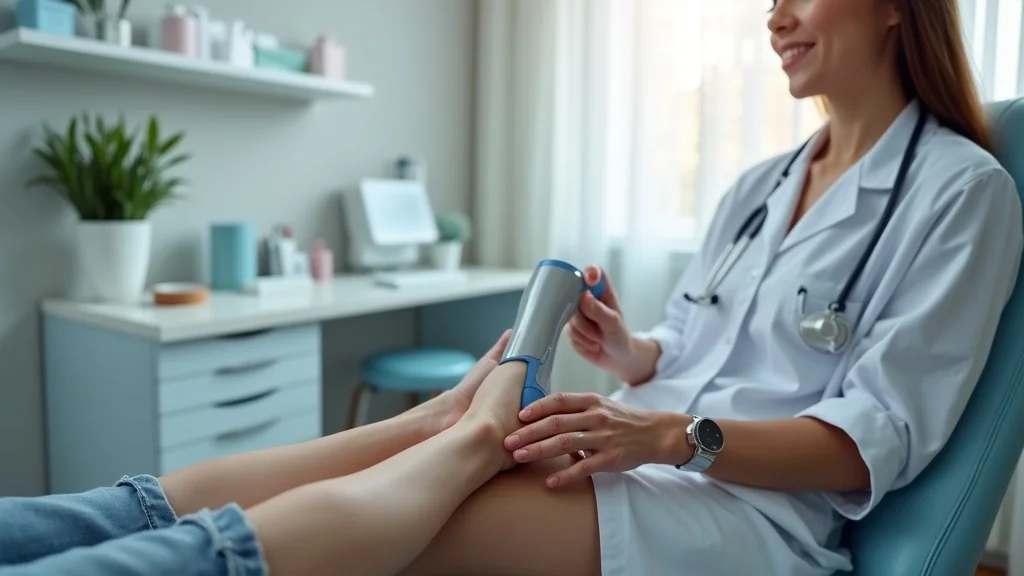
Understanding Shockwave Therapy: Definition and Mechanisms
What is Shockwave Therapy?
Shockwave therapy is a non-invasive treatment that uses high-energy sound waves—called “shockwaves”—to support the body’s healing process. Developed originally for breaking up kidney stones, medical professionals now use shockwave therapy for a wide range of musculoskeletal conditions like plantar fasciitis, chronic tendon issues, and sports-related injuries. The professional term “extracorporeal shockwave therapy” (ESWT) simply means the energy shockwaves are introduced into the body from outside (“extracorporeal”) the body. These waves interact with targeted tissues, triggering biological responses that can reduce discomfort, increase blood flow, and promote repair at the source of injury. This therapy is valued in clinical chiropractic and sports medicine settings as a complement to patient-centered wellness strategies, offering an option when conservative treatment alone has not brought sufficient relief.
Unlike some other interventions, shockwave therapy does not require incisions, injections, or medication. Instead, it leverages focused sound energy to give the body a nudge toward recovery. Providers may recommend wave therapy for individuals who have not responded to rest, physiotherapy, or other conservative management of soft tissue conditions. It’s important to note that therapy results vary between individuals, and wave therapy is not suitable for every type of pain or injury—making a professional evaluation vital for anyone interested in exploring this option.
How Does Extracorporeal Shockwave Therapy Work?
The process of extracorporeal shockwave therapy involves placing a specialized device against the skin over the affected area. This device emits controlled acoustic waves—short bursts of energy that pass through the skin and into deeper tissues. The rapid change in pressure created by these waves stimulates circulation, encourages the formation of new blood vessels, and breaks up areas of scar tissue or calcification that may be interfering with mobility or causing pain. Research shows that this kind of stimulus can awaken the body’s healing process, activating cellular repair, supporting collagen production, and ultimately providing pain relief for a variety of musculoskeletal and soft tissue concerns.
The treatment is typically done on an outpatient basis and most sessions take less than 30 minutes. People generally experience minimal discomfort during the process; some may feel mild tingling, pressure, or a tapping sensation. Over a course of several sessions, patients often notice improvement in both pain and mobility, although outcomes depend on the type and severity of the condition being addressed. This mechanism makes shockwave therapy a valued part of multidisciplinary pain management—not as a cure, but as a supportive strategy for wellness.
Types: Radial vs Focused Wave Therapy Techniques
Shockwave therapy can be delivered using two main techniques: radial and focused wave therapy. Both use the healing power of sound waves but differ in the way energy is transmitted and the depth at which it is delivered.
Radial shockwave therapy disperses wave energy outwards, covering a wider area but usually penetrating less deeply. It’s often used for larger soft tissue concerns like tennis elbow, plantar fasciitis, or other areas near joints. Focused shockwave therapy, in contrast, directs energy shock precisely and intensely into a specific deeper tissue region. This technique may be chosen for pinpointing areas of chronic tendon pain or when deeper structures require stimulation. Both methods are selected based on the type and location of injury, and only trained care providers should determine the appropriate approach for each patient.
The choice between radial and focused therapies is made after evaluating a person’s health condition and wellness goals. Patients might experience sensations during therapy such as tapping or vibration—minimal and usually well tolerated. Whether for chronic soft tissue discomfort or new sports injuries, these techniques offer flexible, patient-centered ways to address mobility and pain relief challenges.
| Aspect | Radial Shockwave Therapy | Focused Shockwave Therapy |
|---|---|---|
| Mechanism | Disperses acoustic energy over a broad area, effective for superficial tissues | Delivers acoustic energy to a precise, deeper target area |
| Application | Wider treatment regions, surface layers (e.g., tennis elbow, heel pain) | Pinpointed, deeper structures (e.g., chronic tendon issues) |
| Settings | Lower intensity; typically fewer contraindications | Higher energy; more careful application and professional assessment needed |
| Patient Sensation | Mild tapping, tolerable discomfort | More focused, sometimes more intense sensation, managed by provider |
Key Benefits of Shockwave Therapy for Pain Relief
Applications: From Musculoskeletal Issues to Mobility
One of the core advantages of shockwave therapy is its wide range of applications for musculoskeletal pain relief and improved mobility. This treatment option is frequently used for individuals struggling with plantar fasciitis, tendon challenges like Achilles tendinopathy, rotator cuff discomfort, tennis elbow, and chronic soft tissue conditions arising from overuse or sports injuries. Its versatility extends from busy athletes aiming for quick recovery to anyone experiencing discomfort that limits daily movement or activity. Medical facilities and chiropractic clinics recommend it as part of a comprehensive care plan focused on restoring function and promoting holistic well-being.
Many people pursue wave therapy after finding limited relief with conventional conservative treatments, such as rest, physical therapy, or medications. By increasing local blood flow and supporting the repair of soft tissues, shockwave therapy is a noninvasive option for many who are looking for ways to regain their mobility and quality of life without surgery or ongoing pharmaceuticals. In turn, this supports a wellness-focused lifestyle rooted in prevention, education, and ongoing patient-centered care.
For those interested in complementing their recovery, incorporating targeted range of motion exercises can further enhance flexibility and support the benefits achieved through shockwave therapy. These exercises are often recommended by professionals to help maintain and improve joint mobility during the healing process.
How Shockwave Therapy Supports Injury Recovery
Shockwave therapy is particularly valued in sports medicine and rehabilitative settings because of its role in supporting the body's healing process after injuries. Whether you’re an athlete sidelined by a tendon injury or someone experiencing persistent heel or shoulder pain, wave therapy may help by encouraging new tissue repair and optimizing mobility. Specific applications include targeting chronic conditions such as plantar fasciitis (heel pain), stubborn tendon challenges, and other soft tissue injuries that have not fully responded to rest or activity modification.
- Heel pain (plantar fasciitis)
- Tendon challenges (Achilles, rotator cuff, tennis elbow)
- Chronic soft tissue discomfort
- Sports and overuse injuries
What sets this treatment apart is its noninvasive nature: there is no need for cutting, injections, or anesthesia in standard clinical settings. Most recipients report gradual improvement during and after a series of shockwave therapy sessions. However, it’s essential to maintain realistic expectations—results depend on the condition being addressed, individual health profiles, and other factors. Collaboration with a knowledgeable care provider ensures the approach is appropriate and integrated within the person’s overall recovery plan.

What Does Shockwave Therapy Actually Do?
Mechanisms of Action: Stimulating Healing and Reducing Discomfort
At the heart of shockwave therapy is the way high-energy sound waves interact with body tissues to stimulate healing and reduce discomfort. When the shockwaves reach the affected area, they create small, localized stimuli that boost circulation and promote the formation of new blood vessels in the soft tissue. This enhanced blood flow helps provide vital nutrients and oxygen to the healing tissues. As the therapy activates cellular activity, it can also encourage natural collagen production—a protein essential for repairing tendons, ligaments, and other structures.
In simple terms, shockwave therapy helps “kickstart” the body's natural healing process, especially where chronic discomfort or limited mobility has prevented full recovery. It is not a cure-all, but for certain musculoskeletal conditions, these mechanisms can help reduce pain, improve mobility, and support tissue regeneration over time. By offering a drug-free and noninvasive option, shockwave therapy stands out in the growing toolkit of modern pain relief strategies, always emphasizing patient education and empowerment.
Wave Therapy in Clinical Chiropractic Settings
Shockwave therapy fits well within the collaborative, whole-person approach favored in chiropractic and allied health settings. Chiropractors may include wave therapy as part of an integrated plan for patients with persistent musculoskeletal discomfort who have not achieved desired results with traditional interventions.
- Increasing localized blood flow
- Supporting collagen production
- Encouraging natural tissue repair
- Optimizing patient mobility
The clinical application is tailored to individual needs, and professional care providers ensure appropriate protocols are followed for safety and effectiveness. By improving overall tissue health and function, shockwave therapy complements other mobility and prevention-focused strategies—strengthening the body’s ability to bounce back from injury and resume active living.
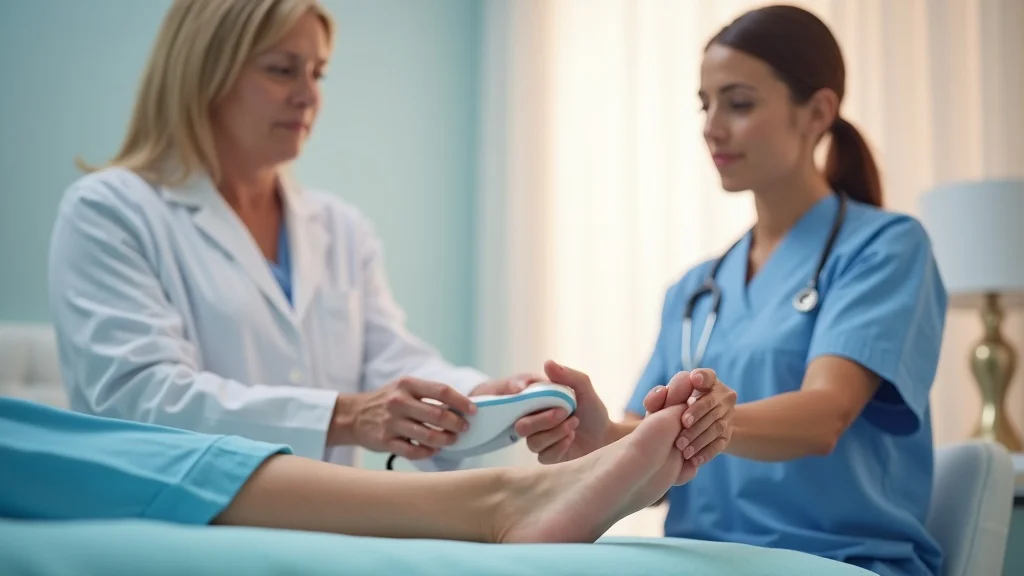
Who Is an Ideal Candidate for Extracorporeal Shockwave Therapy?
Common Conditions and Wellness Goals
Extracorporeal shockwave therapy may be suitable for people with specific musculoskeletal conditions, particularly those related to repetitive stress, sports injuries, or chronic soft tissue pain. This includes heel pain (plantar fasciitis), tennis elbow, rotator cuff challenges, and Achilles tendinopathy. Wellness goals such as improving daily mobility, returning to physical activity, or simply reducing persistent discomfort are also supported by wave therapy when used in conjunction with other treatments. The selection of shockwave therapy as a treatment option should always be made in consultation with a qualified care provider, who will consider the individual's unique health history, goals, and contraindications.
Because shockwave therapy is noninvasive and typically well-tolerated, it appeals to a wide range of adults who want to avoid surgery or prolonged medication use. However, not everyone is an appropriate candidate—factors such as specific underlying health conditions, medication use, or the nature of the injury need to be evaluated before starting wave therapy. Effective use is built on collaboration, transparency, and ongoing communication between patient and provider.
When to Consider Wave Therapy for Pain Relief
People often consider wave therapy when traditional approaches have not provided sustained relief, or when seeking an alternative to invasive procedures. Those who value a proactive approach to mobility and overall wellness may explore this option to address pain or regain function without the side effects sometimes associated with medications.
If you are dealing with chronic tendon discomfort, recurring soft tissue injuries, sports-related pain, or musculoskeletal limits to movement, discussing shockwave therapy as part of your wellness journey may be worthwhile. Always ensure the treatment is delivered in an accredited clinic by a qualified professional, and maintain realistic expectations—wave therapy aims to support, not replace, foundational health practices.

What are the Drawbacks of Shockwave Therapy?
Potential Side Effects and Contraindications
Like any medical or wellness intervention, shockwave therapy has some potential drawbacks. Most reported side effects are mild and temporary—such as redness, swelling, slight bruising, or localized discomfort during or after the session. These usually fade within hours to a few days as the body adjusts. Rarely, people may experience greater sensitivity, and in even rarer cases, there may be more pronounced reactions that require provider attention. It is important to always inform your care provider about all medications, health conditions (such as heart disease or bleeding disorders), and previous treatments before starting therapy.
Not everyone is a candidate for wave therapy. Contraindications include active infections, malignancy at the treatment site, or pregnancy (see more below). Those with blood clotting disorders, pacemakers, or certain health risks should avoid wave therapy unless specifically approved by a medical professional. A careful assessment, preparation, and open communication with a trusted provider are the best steps to reduce risks and optimize safe, positive outcomes.
Is Shockwave Therapy Safe During Pregnancy?
Shockwave therapy is generally not recommended for individuals who are pregnant. Experts remain cautious due to the lack of definitive research on safety and potential effects on developing pregnancies. If you are pregnant or planning to conceive, always disclose this to your provider before considering any new treatment. Alternatives focused on gentle mobility, stretching, or non-electrical physiotherapies may be explored instead—always based on individual needs and professional guidance.
Is Shockwave Therapy Very Painful?
Most individuals report shockwave therapy as tolerable and minimally uncomfortable, though experience varies. During the application, you might feel a tapping, tingling, or buzzing sensation at the area being treated. In some cases, a mild ache may occur, but providers can adjust the intensity to ensure comfort. The sensation is fleeting and usually resolves soon after the session—allowing most people to return to daily activities right away. If you experience unexpected pain or lingering discomfort, notify your provider promptly for assessment and advice.
Important Considerations and Safety with Shockwave Therapy
- Who should avoid extracorporeal shockwave therapy
- How to prepare for your wave therapy session
- Questions to ask providers about side effects and safety
To maximize positive outcomes, work closely with experienced care providers who are trained in shockwave therapy protocols. Prepare for your session by wearing comfortable clothing, staying hydrated, and sharing all relevant medical information in advance. Ask about possible side effects, normal responses, and follow-up care, and be proactive in reporting any unusual reactions. Individuals with chronic health conditions, bleeding disorders, implanted medical devices, or current infections should proceed only with explicit approval from an appropriate healthcare professional. Safety and good communication are foundational to a successful wave therapy experience.

Side Effects of Shockwave Therapy: What to Expect
| Common Side Effects | Frequency | Rare Reactions | Frequency |
|---|---|---|---|
| Redness or mild swelling | Common | Persistent pain or numbness | Rare |
| Temporary discomfort at treatment site | Common | Bruising or petechiae | Rare |
| Sensitivity or mild ache | Common | Soft tissue injury | Very rare |
| Short-lived tingling or buzzing | Common | Allergic or hypersensitivity reaction | Very rare |
Lists: Quick Tips for Getting the Most from Shockwave Therapy
- Choose a trusted and qualified provider
- Ask about side effects, expectations, and follow-up care
- Wear comfortable clothing to your session
- Report any unusual symptoms promptly
- Maintain realistic expectations for improvement
Expert Quotes on the Value of Shockwave Therapy
"Shockwave therapy is an exciting adjunct option for patients seeking non-invasive pain relief and improved function." – Chiropractic Professional
FAQs About Shockwave Therapy
-
How long does shockwave therapy take?
Most shockwave therapy sessions last between 10 and 30 minutes, depending on the area being treated and the chosen protocol. A typical course may involve several weekly sessions as recommended by your provider. -
Do results last after the session?
Many people experience noticeable pain relief and improved mobility after a few sessions. Results can be long-lasting, but maintenance may be needed depending on the condition, individual health, and lifestyle. Outcomes vary; ongoing self-care and prevention are important. -
Is there downtime after a wave therapy appointment?
Most people can return to regular activities immediately following treatment. Some may feel mild discomfort or tenderness, which typically fades quickly. Always consult your provider for advice based on your unique situation.
Key Takeaways: Shockwave Therapy for Wellness and Mobility
- Non-invasive, drug-free option for certain types of pain relief
- Supports natural healing—results may vary
- Focus on education, prevention, and patient-centered care

Ready to Explore Shockwave Therapy?
Reach out to experienced, reputable providers to discuss if shockwave therapy may fit your wellness goals. Call Us At 780-443-0300 to learn more—your journey to mobility and comfort starts with a conversation.
If you’re inspired to take a more comprehensive approach to your recovery and long-term well-being, consider how integrating professional physiotherapy can further accelerate your progress. By combining advanced modalities like shockwave therapy with expert-guided physiotherapy services, you gain access to personalized strategies that address the root causes of pain and support sustainable mobility. This holistic perspective empowers you to move beyond symptom relief and toward lasting, functional improvement. Explore the possibilities of a tailored care plan and discover how a multidisciplinary team can help you achieve your health and activity goals.
References
- U.S. National Library of Medicine: Extracorporeal Shockwave Therapy in Musculoskeletal Disorders
- National Center for Biotechnology Information: Effects of Shockwave Therapy for Tendinopathies
- Mayo Clinic: Shockwave Therapy Overview
- Physio-Pedia: Extracorporeal Shockwave Therapy (ESWT)
To further enhance your understanding of shockwave therapy, consider exploring the following authoritative resources:
-
The Mayo Clinic’s article, “Shockwave treatment: A new wave for musculoskeletal care,” provides an in-depth look at the mechanisms, benefits, and applications of shockwave therapy in treating various musculoskeletal conditions.
-
WebMD’s comprehensive guide, “Shockwave Therapy: Healing With Low-Energy Shockwaves,” offers insights into how this non-invasive treatment works, its effectiveness for injuries, and considerations for potential candidates.
These resources will provide you with a deeper understanding of how shockwave therapy can be a valuable tool in pain management and recovery.


Write A Comment