• Home
  • Categories
    • Entrepreneurs
    • Growth Stories
    • Expert Insights
    • Innovators
    • Franchise and Expansion
    • Tools and Services
    • Commercial Property
    • Trends
February 28.2026
1 Minute Read

Discover Why 'the heart of the neighbourhood: why we’re more than just a menu' Matters

Imagine walking into a place where your face is recognised, your story matters, and a warm smile greets you at the door. That’s the true heart of the neighbourhood: why we’re more than just a menu. At Heart 2 Heart, we believe every meal is a chance to weave connections, every cup a bridge between strangers who become neighbours. Our story isn’t just about serving good food or being a successful local restaurant—it’s about building a home where laughter, comfort, and community come together, one conversation at a time.

Opening Reflections: What Makes a Neighbourhood Restaurant Special?

A neighbourhood restaurant isn’t just about good food—it’s about one feel, a sense of belonging you can’t just put on a menu. The best known local spots gather more than regulars—they become the living room of a street or even a town. Here at Heart 2 Heart, we’ve witnessed first-hand how the rituals of morning coffee, shared laughter over a sweet treat, and quiet moments after a long day can transform a space. It’s about making sure everyone, from families to old friends, feels like part of something special.

When lockdown made it difficult to connect, local restaurants like ours offered more than community meals. We provided comfort, real conversations, and a sense of solidarity—signs that showed what it truly means to be a good neighbourhood restaurant. As we open our doors daily, we see ourselves as more than just another cafe; we are part of what makes this area unique, helping to shape not only palates but also local identity.
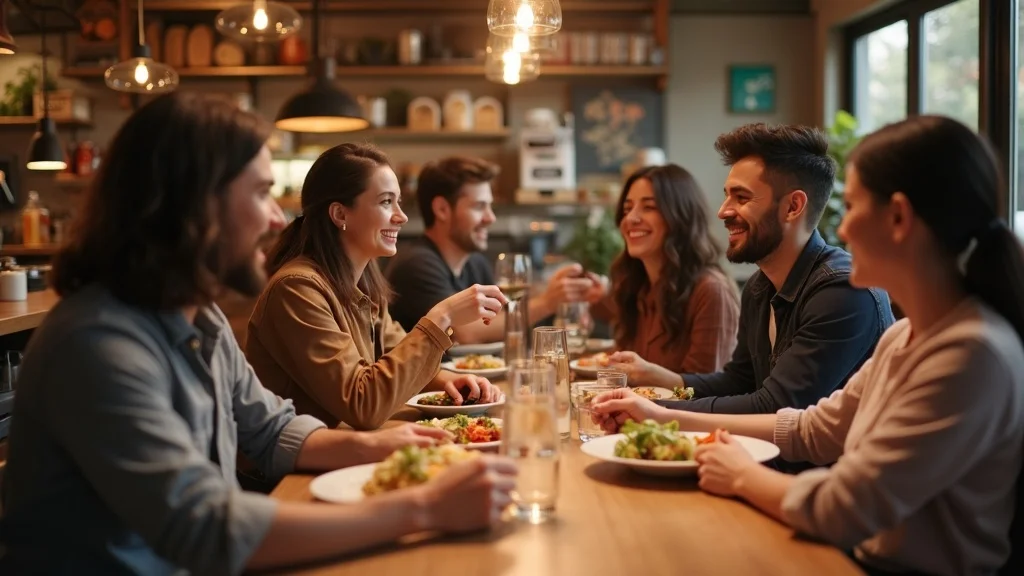
Warm, inviting neighbourhood restaurant interior with diverse smiling patrons, friendly servers, rustic tables, local art, lively movement, and earthy welcoming colours, reflecting the heart of the neighbourhood
“A good neighbourhood restaurant is the living room of its community—it’s the place where stories are shared.”

What You’ll Learn from 'The Heart of the Neighbourhood: Why We’re More Than Just a Menu'

  • The deeper meaning behind Heart 2 Heart’s mission
  • Why the menu is just the beginning of our story
  • How neighbourhood restaurants inspire connection and belonging
  • The role of local businesses in shaping community identity

Emotional Connections: Beyond the Menu at Heart 2 Heart

At Heart 2 Heart, our aim goes far beyond serving a good food menu. Our name speaks to our core philosophy: each meal is more than a transaction, it’s a chance for hearts to connect. Whether it’s regulars meeting for their favourite chicken soup, friends celebrating with a sweet treat, or new neighbours finding a familiar face, these small daily rituals create a ripple effect—transforming our little restaurant into a community hub and making every guest feel like they’ve come home.

Through every encounter, from community meal initiatives to our open invitation for conversation, we’re reminded that what sets a neighbourhood restaurant apart isn’t just what’s on the plate, but what’s in the atmosphere: the honest, unfiltered joy of being part of something bigger than yourself. A place where local businesses stand as pillars for both mental health and connection—a real wellbeing centre for the soul.

Face-to-Face Matters: The Power of Personal Interaction

There’s something irreplaceable about a face-to-face chat over a table—something virtual meetings and text messages could never replicate. In Heart 2 Heart, we see every visit as a chance for human connection. Whether it’s an old friend catching up, a first date tentatively sharing stories, or one of our team checking in on a guest’s mood, these moments matter. Personal interaction—meeting eyes, sharing a laugh, even a caring nod—builds the authentic relationships our local restaurant thrives on.

Research shows that these physical community meals can support mental health, reducing loneliness and boosting wellbeing. That’s the magic neighbourhood restaurants hold. It’s why every guest here is more than a table number; they’re a neighbour, and often, a friend. In a world chasing convenience, our commitment is simple: put people before profit, stories before speed, and ensure that, no matter what, you always feel seen.

Heartfelt conversation between two people, joyful and attentive, in a bustling café with steaming coffees, representing the personal interactions at the heart of the neighbourhood

The “2” in Heart 2 Heart: Building Bridges Between People

The “2” in Heart 2 Heart isn’t just a quirky addition to our name—it’s at the core of who we are. It stands for two people, two stories, and the bridge that forms over a meal or a drink. We designed our space as a refuge, a meeting point where conversations flow as easily as coffee, and barriers drop away—whether you come for a community meal, a wellbeing centre chat, or simply to eat well.

Our motto is simple: two hearts, always. The tables set for two aren’t just for couples—they’re a nod to every relationship that finds new depth and meaning within our walls. From old friends to new neighbours, from child to parent, or guest to server—our restaurant home is where connections are sparked and friendships are forged, every single day.

Neighbourhood Restaurants as Community Anchors

Neighbourhood restaurants like Heart 2 Heart serve as the backbone for thriving communities. Unlike big chains, we partner with local businesses, prioritise personalised service, and make our venue a place where everyone—from visitors to locals—feels welcomed and valued. We go beyond being a physical space by investing in community meals, supporting mental health, and helping those who might otherwise fall through the cracks.

Community isn’t built alone; it’s a team effort. Our support for local producers, from the vegetable farmer down the road to the artist whose paintings brighten our walls, means each meal at our table contributes to the wellbeing of the community at large. Eat well, eat local, support neighbours: that’s the ripple effect we’re proud of every day.

A Closer Look: How Local Venues Forge Belonging

Chain eateries fill a need, but a true neighbourhood restaurant acts as anchor for local identity. We host charity events, support free school meals, and provide space for mental health discussions—acting as a real wellbeing centre for all ages. Visiting us, you don’t just eat well; you become part of a living network where personal stories are honoured, and new friendships are always on the menu.

Our approach is echoed by successful local restaurants across the UK, like il portico and fino in cromer, both best known for their community focus and honest kitchen. We mirror their belief that the best “part of something” isn’t the food on the plate, but the people gathered around it.

Comparing the Role of Neighbourhood Restaurants vs. Chain Eateries
Feature Neighbourhood Restaurant Chain Eatery
Community Involvement High Low/Variable
Personalised Experience Yes Limited
Local Sourcing Frequently Infrequent
Social Glue Strong Limited

More Than Just Food: Creating Lasting Memories

The real magic of a neighbourhood restaurant lies in its power to create memories. Birthday candles over cake, stories whispered over morning coffee, or spontaneous celebrations with strangers who quickly become friends. These are the moments you carry home—not just a meal, but the sense of belonging and shared history. Heart 2 Heart is built on these small but significant happenings that remind us: real joy is in the company we keep.

So many of our regulars say “I wanted to support something like this,” because they know that our space is a gift—a place where every milestone feels personal, and every guest becomes part of our extended family. In every corner, whether at a community meal or over a well mcr lunch, stories are quietly written into the grain of our rustic tables and laughter echoes late into the evening.

Friends and families sharing laughter in a neighbourhood restaurant, candid smiles, toasting drinks, string lights and warm decor, capturing shared moments in the heart of the neighbourhood

Events, Stories, and Small Moments That Matter

From charity fundraisers and free school meals to intimate poetry readings and late-night games, our events are less about grandiosity and more about fostering smaller connections that last. We live for those quiet exchanges—a thank you note left on the table, a regular’s birthday surprise, or parents introducing their little ones to our favourite sweet treat. These everyday moments are the foundation of lasting community bonds.

It’s not just about nostalgia, either. These interactions are the reason our staff feel at home too, forging connections with guests and with each other. That’s how a successful local restaurant becomes more than a business—it becomes a beacon of togetherness, known as much for its people as its chicken soup.

Why We Believe in 'The Heart of the Neighbourhood: Why We’re More Than Just a Menu'

Our belief is simple but powerful: every dish, every conversation, every smile shared inside Heart 2 Heart represents a commitment to the community. The heart of the neighbourhood isn’t just about eating well—it’s about living well, supporting local, and building something that endures. We’ve learned that food brings people together, but shared purpose keeps them coming back.

This mission shapes the experience in ways big chains simply can’t replicate. For the local cafe owner, success means being a part of something meaningful, a “restaurant home” where people return not just for food, but for connection, comfort, and a sense of purpose shared among neighbours.

Supporting Local: The Ripple Effect of Choosing Neighbourhood Restaurants

Choosing to dine in a local restaurant isn’t just a personal preference—it’s an investment in your own neighbourhood’s future. Supporting neighbourhood restaurants strengthens the entire local economy. Every pound spent goes to local businesses, area farmers, and the people who keep our communities resilient, especially in challenging times. The ripple effect is real: each meal helps to keep local talent employed, sparks creativity, and inspires others to give back as well.

We work with local producers, from well mcr initiatives to the best known farmers’ markets, showcasing their fresh produce and handmade goods in everything from our chicken soup to our sweet treat bakes. Every handshake with a supplier, every smile in the morning, is a step towards a stronger neighbourhood. That’s why we’re proud to say our mission makes a difference—one table, and one meal, at a time.
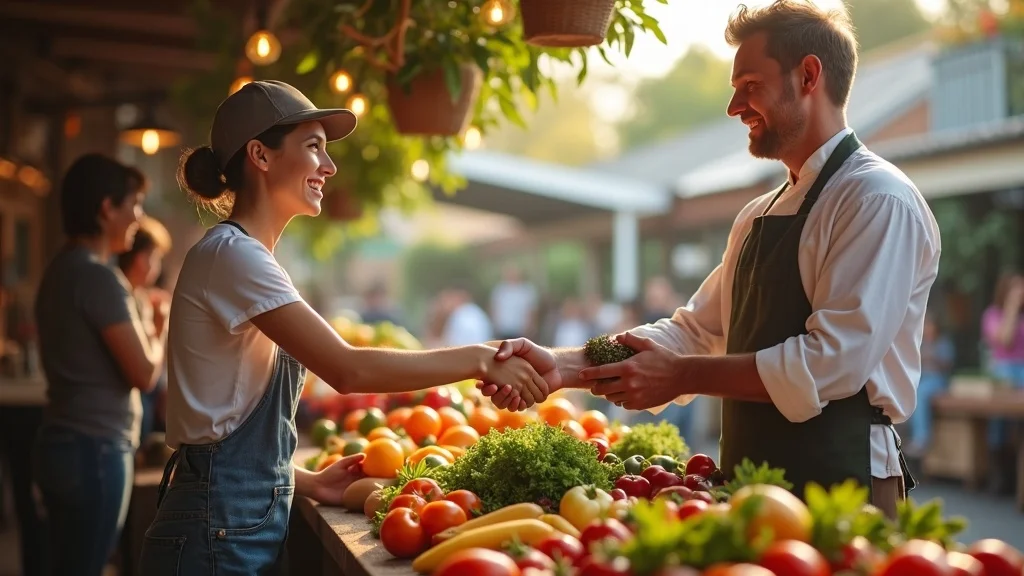
Local restaurant chef handing produce to a local farmer in a vibrant market, community members connecting, representing Heart 2 Heart’s support for local businesses and the heart of the neighbourhood

The Importance of Fostering Social Bonds

In an age of screens, rushing, and anonymity, fostering real social bonds is nothing short of radical. We know that regular face-to-face time—whether over a hearty dinner or spontaneous community meal—boosts mental health and gives everyone a reason to return. At Heart 2 Heart, we hold steadfastly to the idea that every guest can leave feeling better than when they arrived, thanks to genuine conversation and shared experience.

These bonds are the secret ingredient behind every successful local restaurant. From the single parent who finds respite, to the elderly neighbour who always joins our window seat, every person brings a unique thread to the tapestry. Our restaurant is where those threads knot together in unexpected and beautiful ways.

People Also Ask

What is a neighbourhood restaurant and why is it important?

A neighbourhood restaurant is a local eatery—often independently owned—that puts community at its heart. Unlike chain eateries, neighbourhood restaurants focus on personalised service, local sourcing, and creating a welcoming atmosphere where everyone feels at home. These venues are important because they bring people together, strengthen local identity, and offer a sense of belonging. By supporting a neighbourhood restaurant, you help sustain local jobs, community pride, and the “living room” of your area—a place where stories and meals are shared, memories made, and real connections form.
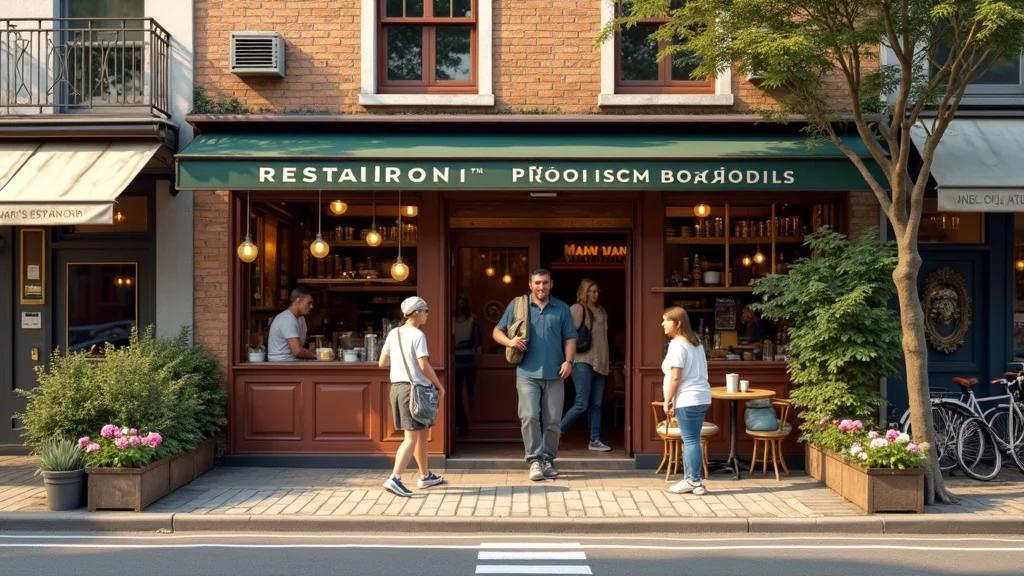
Authentic neighbourhood restaurant exterior with families and friends entering, vibrant street scene, local businesses nearby, showing the welcoming heart of the neighbourhood

How do neighbourhood restaurants contribute to local community identity?

Neighbourhood restaurants are local landmarks that reflect and celebrate unique community traditions. They often feature local art and host events that bring residents together, such as charity meals, music nights, or festive gatherings. By prioritising personalised service and supporting local businesses, these restaurants help give each area its distinct flavour. When you walk into a local eatery like Heart 2 Heart, you’re not just another guest—you’re participating in a shared community story. That’s how they contribute to a lasting, resilient local identity.

How does Heart 2 Heart embody the idea of being more than just a menu?

At Heart 2 Heart, our mission goes beyond the plate. We foster personal connections, invite real conversation, and create an atmosphere that’s as comforting as any home. Our support for mental health, local charities, and neighbourhood businesses means every meal contributes to a wider purpose. The emphasis on small moments, from warm welcomes to honest chats, ensures that every experience is unique and personal—truly making us more than just a menu.

What does the '2' symbolise in Heart 2 Heart?

The '2' is our promise: every encounter here is a chance for two hearts—whether guests, staff, or strangers—to connect. It represents our commitment to building bridges, one conversation at a time. More than just a number, it’s a reminder that every meal is an opportunity for genuine connection, shared between people who become part of each other's stories.

Frequently Asked Questions about Heart 2 Heart and Neighbourhood Restaurants

  • What makes Heart 2 Heart different from other neighbourhood restaurants?
    We focus on authentic human connection and invest in our neighbours, offering a warm home away from home.
  • How does Heart 2 Heart engage with the local community?
    Through community meals, charity projects, and partnerships with local businesses, we bring people together and give back.
  • Can visitors expect a personalised experience at Heart 2 Heart?
    Absolutely! Every guest is greeted personally, with custom recommendations and care at every step.
  • Why support local neighbourhood restaurants in today’s world?
    Supporting local eats keeps your community strong, makes you part of something lasting, and ensures local traditions thrive for years to come.

Key Takeaways: The Heart of the Neighbourhood, Redefined

  1. Neighbourhood restaurants like Heart 2 Heart offer more than just a menu—they create a sense of home.
  2. The '2' in our name symbolises connection, conversation, and bridges built over coffee.
  3. Supporting local venues is key to building vibrant, resilient communities.

A Personal Invitation to Connect

“Every cup we serve is an opportunity for two hearts to connect—join us and let’s keep building our neighbourhood.”

(Watch our short documentary-style video capturing the magic of Heart 2 Heart: See guests sharing moments, kitchen staff preparing local dishes, candid conversations, laughter, and community events—all the ingredients that make us the heart of the neighbourhood: why we’re more than just a menu. )

Conclusion: Call in for a Heart 2 Heart chat and lets continue to build our community

The heart of every community is its people. Join us, share your story, and let’s make every meal a step toward a stronger neighbourhood—one chat, one cup, one heart at a time.


Extra News

0 Comments

Write A Comment

*
*
Please complete the captcha to submit your comment.
Related Posts All Posts
08.22.2026

America Needs More than AI: The Critical Call for Infrastructure Investment

Update Why America Can't Rely Solely on AIAs America stands on the brink of another technological wave, the belief that artificial intelligence alone can drive our economy is rapidly proving inadequate. True progress in our country hinges on a delicate balance between digital advancements and vital physical infrastructure. The reality we face is that just as the advent of the internet transformed business and communication, the future economy will rely heavily on both intelligent technology and reliable infrastructures. Without this synergy, we risk falling behind other nations that understand the importance of a multifaceted approach to economic growth.The Legacy of Post-War InfrastructureReflecting back on our nation's history, we see how much of today's infrastructure was constructed in the wake of World War II. The ambitious building initiatives from the 1940s through the 1960s laid down the foundations for modern America. From highways that expanded cross-country travel to electrical grids powering businesses, these investments facilitated a thriving American economy, unlocking opportunities and creating competitive advantages that once distinguished the country on the global stage.This era was marked not just by construction but by a vision for a connected America. The interstate highway system, for example, didn’t just enhance transportation; it was critical for national defense and facilitated trade. Having reliable infrastructure allowed American businesses to flourish, expand their reach, and innovate. Meanwhile, communities could experience unprecedented growth as families moved in search of economic opportunity.The Urgency of Today's Infrastructure NeedsYet as the digital revolution unfolded, investment in physical infrastructure stagnated. According to analyses, many essential systems are gasping under the weight of age and overextension. America faces a staggering $3.7 trillion deficit in infrastructure funding that threatens to derail our economic momentum. Roads, bridges, and public buildings—so crucial for everyday operations—require immediate attention and revitalization. In fact, over 2,000 cities highlight the dire need for repairs exceeding a trillion dollars, often causing delays and hazards that impact daily life for millions of Americans.The consequences of neglecting these areas can lead to severe productivity losses, economic downturns, and increased safety hazards. For instance, crumbling roads not only pose risks for drivers but also hinder the transportation of goods, ultimately leading to higher prices for consumers. Moreover, various studies have shown that every dollar invested in infrastructure can yield multiple returns in productivity and growth, making it an urgent priority for policymakers.Modernizing Infrastructure for a Digital AgeToday's definition of infrastructure must expand to encompass not only roads and transit systems but also energy grids, internet connectivity, and advanced logistics networks. As the demand for reliable electricity surges due to AI and increased domestic manufacturing, we cannot afford to overlook these needs. Our competitive capacity now depends on our ability to modernize and digitalize our infrastructure to meet evolving demands.For instance, smart grids that integrate AI and renewable energy sources can enhance efficiency, reduce waste, and provide real-time data to improve service delivery. Connectivity issues, especially in rural areas, hinder businesses and communities from participating fully in the digital economy. Addressing these issues is not merely a technical challenge—it’s also about equity and opportunity for all Americans.A Workforce for the FutureHowever, it is not enough to simply invest in new physical assets; America also needs a workforce to operate and maintain these systems. Skilled professionals—including engineers, electricians, welders, and other tradespeople—will play a critical role in shaping our nation’s infrastructure future. Just as we invest in technology, we must concurrently invest in the technical and vocational training of our workforce, ensuring that they are equipped to handle both today’s challenges and future innovations.Preparing our workforce for these roles requires a multifaceted approach. This includes not only education in traditional settings but also partnerships between educational institutions and industries to create apprenticeship programs that provide hands-on experience. Initiatives should focus on retraining individuals from declining sectors as well, giving them the tools to adapt to new demands in an evolving economy.Renewing America's Spirit of InnovationThe need for a robust infrastructure is not just a matter of logistics; it represents the very spirit of innovation and resilience that defines America. By bridging the gap between our digital aspirations and physical realities, we can stimulate economic growth and rebuild the foundation upon which our digital age stands. Through strategic investment in infrastructure—paired with a competent workforce—we can ensure that America does more than just invent the future; we can build it with foresight, determination, and unity.Innovative thinking in how we incorporate technology into physical systems can also yield environmental benefits, such as sustainable building materials and energy-efficient solutions that not only reduce carbon footprints but create healthier communities. As cities grapple with climate change, integrating sustainability into infrastructure planning will be crucial.Conclusion: A Call to ActionAs we reflect on our past successes and look ahead to the new challenges posed by a rapidly changing economy, it is essential that we rally around the twin commitments of investing in infrastructure and nurturing our workforce. Together, these elements will empower America to forge ahead, constructing the pathways to prosperity for generations to come. Let us advocate for policies that prioritize these investments, recognizing that the strength of our economy—and our future—depends on a solid foundation of both innovation and infrastructure.

08.07.2026

Are We Witnessing the Demise of Traditional Job Titles in Workplaces?

Update The Evolution of Job Titles in the Modern Workforce As workplaces evolve in response to technological advancements and societal changes, so too do the titles that accompany these roles. Traditional job titles have long been the backbone of professional identity. Yet, as we find ourselves in an era characterized by flexibility and innovation, there's a growing sentiment that perhaps these conventional titles are becoming obsolete. In industries across the board—from tech to education to healthcare—companies are beginning to rethink how they label roles and responsibilities. Why Job Titles Matter Job titles do more than just describe a role; they convey status, responsibility, and career progression. For many, a title carries weight, melding identity with professional aspirations. However, as roles become more cross-functional, rigid job titles can serve as barriers rather than bridges. Consider the rise of terms like 'Chief Happiness Officer' or 'Growth Hacker'; they reflect a shift towards appreciating skills over hierarchy. This shift signals a broader understanding that the workplace is not just about where you fit within a structure, but about the value you add. In today's job market, a person's title can influence their professional journey significantly. For instance, candidates applying for positions often emphasize their titles on resumes to showcase their level of expertise and authority within their respective fields. Yet, in fast-paced environments, where collaboration and versatility are valued, this neat categorization is beginning to unravel. Some argue that job titles can pigeonhole employees, preventing them from exploring other areas of their potential. Embracing Agile Job Structures In practice, embracing an agile work structure can break down hierarchies that traditional job titles impose. Firms integrating flexible teams find that a diverse skill set is more beneficial than a prestigious title. For instance, tech giants such as Google and Facebook promote 'flattened' structures where innovative ideas can emerge from anywhere—regardless of title. This change aligns with a growing trend where organizations prioritize outcomes and collaboration over strict role definitions. The shift towards this agile framework extends beyond large tech companies. Smaller businesses and startups are embracing similar models, recognizing that fostering creativity among all employees can lead to groundbreaking ideas and solutions. When every team member feels empowered to contribute, the onus for innovation does not rest solely on traditional leaders. This environment not only promotes creativity but also boosts morale and employee satisfaction. Counterarguments: The Case for Traditional Titles Despite this transformative wave, there remains a strong argument for retaining traditional job titles. Many professionals still prefer the clarity and recognition that established titles provide. In competitive job markets, a well-defined title can make a significant impression and serve as a shorthand for skills and responsibilities. Moreover, in industries such as finance or law, where reputations are often built on pedigree and experience, traditional titles can confer an essential form of legitimacy. Job seekers value clarity in titles, as employers frequently use them to filter applicants based on perceived qualifications. Until there is a universal shift in how organizations value contributions over titles, many will likely continue to cling to established nomenclature. Global Perspectives on Job Titles Globally, attitudes toward job titles vary. In some cultures, conventional titles are still deeply entrenched, reflecting long-standing traditions of hierarchy. In contrast, startups in regions like Silicon Valley are at the forefront of the job title revolution, emphasizing creativity and innovation. As globalization continues to influence the workforce, these differing perspectives may influence how businesses internationally adapt their title structures. In Asia, for example, job titles often reflect an individual’s position within the company’s hierarchy. This traditional view contrasts sharply with the egalitarian ideals seen in many Western companies, where titles may be viewed as impediments to creativity and collaboration. Understanding these cultural norms is vital, especially for multinationals navigating diverse markets, as the expectations surrounding job titles can significantly affect employee engagement and satisfaction. A Future Beyond Titles? Looking forward, it’s conceivable that job titles might fade into obscurity. Organizations could develop systems where skills, achievements, and team contributions take precedence over titles. For example, skill tags might replace job titles entirely, creating a more fluid identity that evolves with the employee's growth. This paradigm shift would require a substantial change in how both employers and employees perceive success and recognition in the workplace. Implementing a system of skill tags could promote a culture of continuous learning and development, as employees seek to acquire new skills to advance their careers, irrespective of their formal titles. Conclusion: Adaptation is Key No matter the trajectory, the conversation surrounding job titles is indicative of larger trends in the workforce. The primary focus must remain on adaptability, whether that means redefining titles or embracing a skill-based approach. As our professional landscape continues to evolve, employees and employers alike should be open to rethinking what it means to hold a job in the modern world. A flexible approach that values skills over traditional hierarchies may benefit all parties, paving the way for a more engaged and innovative workforce.

06.22.2026

Exploring Americana Through the Eyes of World Cup Fans in 2026

Update A Cultural Tapestry UnraveledThe 2026 FIFA World Cup is more than just a sporting event; it’s a moment when the world converges in America, allowing fans to experience not only the thrill of soccer but also the rich, ordinary culture of American life. As international visitors pour into the U.S. for matches, they find themselves captivated by everyday experiences that define American identity.World Cup Fever: A Shared ExperienceAs the stage is set for the 2026 tournament, it’s evident that this event is uniquely positioned to highlight America’s blend of cultures. With 48 teams competing for the ultimate prize, the World Cup amplifies the excitement. According to recent insights from a survey by YouGov, approximately 87 million Americans have shown interest in the World Cup, with fans ranging from diverse backgrounds. Recognition of this diverse fanbase can be seen in the unexpected insights they share about everyday amenities, amplifying the cultural exchange happening across social media platforms.Through the Lens of New FriendsWorld Cup fans are documenting their experiences on platforms like TikTok and Instagram, sharing stories not only of thrilling goals but also the sweetness of free ice water, the thrill of 24-hour shopping, and the friendliness of American customer service. In one viral video, a Belgian fan dubbed a supermarket experience as "surreal." Dr. Rachel J.C. Fu, a tourism expert, explains, “Tourists do not simply consume landmarks; they consume daily life.” This blurring of lines between visitor and local encapsulates the spirit of the World Cup, which fosters friendship and communal experiences among fans from all over the globe.America's Transformative ExperienceThe last time the U.S. hosted the World Cup in 1994, soccer was still finding its footing in the national consciousness. Fast-forward to 2026; we see a different America—one where soccer culture is more vibrant and dynamic. The anticipation for this tournament carries the hope of uniting communities across the country, emphasizing shared values and diverse heritage.A Mix of Demographics and LoyaltiesThe influx of fans represents an exciting demographic shift. As reported, 17% of followers began watching soccer in the last five years, indicating a growing interest in the game among younger audiences, particularly women and minorities. This shift is not just a statistic; it demonstrates the changing fabric of America’s soccer fandom where personal identity plays a significant role in team loyalty, whether through family heritage or admiration for standout players.Building Bridges Between CulturesThe World Cup serves as a cultural bridge. Many fans have expressed their surprise at the warmth of the locals and the peculiarities of everyday life in America. In Boston, for example, Scottish fans have taken the city by storm, seamlessly mixing with locals and sharing joyful experiences. Even in the midst of competition, the essence of hospitality and engagement roots deeper connections that transcend mere fandom.Where Fandom Meets PatriotismFor many soccer enthusiasts, the World Cup encapsulates patriotic feelings that are magnified at international sporting events. Interestingly, 58% of soccer fans report feeling patriotic during these competitions. For Americans, supporting a team becomes intertwined with national pride, regardless of the team’s country of origin, allowing brands and organizations to tailor outreach efforts that resonate with the enriched cultural landscape.The Road Ahead: Emotional Connections in SportsThe 2026 World Cup is poised to create unforgettable experiences—ranging from those special moments shared in stadiums to the simple interactions occurring in everyday settings. As tourists express awe at the culture surrounding them, they help to shape and transform perceptions of American life.Takeaway: Cherishing Human ConnectionsAs we approach the World Cup, the emphasis should be placed on cherishing these human connections, whether through shared experiences in stadium seats or casual conversations during a meal. Creating an environment ripe for cultural exchange is essential in making the 2026 FIFA World Cup an event to remember far beyond the final whistle.

Where small business makes big moves.

COMPANY

  • Privacy Policy
  • Terms of Use
  • Advertise
  • Contact Us
  • Menu 5
  • Menu 6

ABOUT US

Daily Business Wire is the go-to hub for entrepreneurs, franchise owners, and growing companies. It features interviews, market insights, business tools, and exit strategies. A trusted platform for thought leadership and visibility.

© 2026 CompanyName All Rights Reserved. Address . Contact Us . Terms of Service . Privacy Policy

Terms of Service

Privacy Policy

Core Modal Title

Sorry, no results found

You Might Find These Articles Interesting

T
Please Check Your Email
We Will Be Following Up Shortly
*
*
*