
Did you know: Over £4 million in fines were issued to UK plumbing contractors for non-compliance last year alone! Whether you’re a plumbing professional or own a business in the sector, understanding and applying UK plumbing regulations isn’t just about box-ticking—it’s vital for keeping the public safe and protecting your hard-earned reputation. In this comprehensive guide, we’ll break down exactly what you need to know, demystifying water supply, water fittings, heating, and more—so you can avoid common mistakes, ensure compliance, and stay a step ahead of the law.
Why UK Plumbing Regulations Matter: Protecting Public Health and Your Business
UK plumbing regulations serve a critical role in safeguarding both public health and the interests of plumbing professionals. They ensure all plumbing and water systems are installed, maintained, and operated to standards that prevent water contamination, inefficiency, and unsafe conditions. For business owners, compliance isn’t just an ethical consideration—it’s the best defence against legal liabilities, reputational damage, and financial loss stemming from fines or faulty installations. Being well-versed in UK plumbing regulations lets you protect your clients and your company, while positioning your business as a trustworthy industry leader.
If you ignore or misunderstand these requirements, the risks are significant: accidental backflow could compromise public water supply, incorrect hot water system installation might lead to scalds, and improper water fittings can cause leaks and wastage, swiftly landing you in breach of building regulations. Moreover, enforcement by local authorities and water suppliers is only getting more stringent—as evidenced by recent rises in regulatory inspections and penalties. For UK plumbers, staying informed and proactive about water fittings, plumbing and heating systems, and all aspects of water supply is simply best practice for business resilience.
"Non-compliance with plumbing regulations can lead to hefty fines and reputational damage for UK contractors."
What You’ll Learn About UK Plumbing Regulations
- Why UK plumbing regulations exist and who enforces them
- Primary legal requirements every plumbing business needs to follow
- Key areas: water fitting, water supply, plumbing and heating
- How to ensure compliance and avoid fines
- Expert tips for staying up-to-date with plumbing regulations

Understanding UK Plumbing Regulations: The Legal Framework
At the heart of the uk plumbing regulations lie several interlocking sets of rules, each tailored to protect the integrity of water systems and public welfare. Notably, the Water Supply (Water Fittings) Regulations 1999 form the legal backbone for water fittings and water systems in England and Wales. Scotland and Northern Ireland have near-identical provisions in place. These pieces of legislation are enforced by water suppliers, who have the authority to inspect properties, approve fittings, and issue penalties for non-compliance. In addition, the wider Building Regulations (especially Part G and Part O) outline building and plumbing requirements for the design and layout of plumbing systems—including standards for water supply, water storage, drainage, and hot water installations.
The Water Fittings Regulations focus mainly on preventing waste, misuse, and contamination of the water supplied by the public water system. They define what qualifies as an approved water fitting, how plumbing work should be performed, and how backflow must be prevented. Meanwhile, Building Regulations touch upon broader safety and environmental concerns, covering installation of new heating systems, the use of energy-efficient fixtures, and proper hot water storage. Knowing how these frameworks interact, and understanding who enforces each, is the first step toward full compliance—and toward avoiding costly legal trouble.
Water Fitting and Water Fittings: What They Mean in Plumbing Regulations
In the context of UK plumbing regulations, water fittings include all the pipes, joints, taps, valves, tanks, and appliances that form part of a water supply or plumbing system. It’s essential to distinguish between water fittings (the hardware connected to or drawing from the water supply) and the broader plumbing system itself, which covers pipework, water storage, and heating components. The Water Fittings Regulations are explicit: only approved, compliant fittings may be used in the installation and maintenance of water systems. This focus helps ensure water supplied to a property remains potable and safe, and that hazards such as backflow or cross-connection with non-potable sources are avoided.
Plumbing contractors are also responsible for understanding fitting specifications: incorrect or non-compliant installations not only violate regulations apply but also introduce hidden dangers, from potential contamination to expensive leaks. Periodic review of approved product lists is a must—as is checking each fitting’s compatibility with the wider plumbing and heating system. The best practice here is to follow the guidance published by your local water supplier and regularly verify that all water fittings in use are up-to-date with the latest legal and safety standards.
As you navigate the complexities of water fittings and compliance, it's also important to stay aware of upcoming changes that could impact your projects. For a closer look at how new legislation may affect your day-to-day work, see the detailed breakdown in the latest UK plumbing regulations set to take effect in 2025.
Plumbing Regulation and Building Regulations: Navigating Key Differences
While many people use the terms interchangeably, plumbing regulations and building regulations serve different, complementary purposes. Plumbing regulations (like the Water Supply (Water Fittings) Regulations) specifically address the control of water fittings and components, focusing on the prevention of waste, misuse, and contamination. In contrast, building regulations establish wider construction standards, including those for water systems, drainage, hot water, and heating system safety. For example, Part G of the Building Regulations covers requirements for sanitation, hot water safety, and water efficiency in new and refurbished buildings, while Part O looks at overheating and ventilation, impacting the environmental suitability of plumbing installations.
The practical effect is that a compliant plumbing and heating installation must satisfy both sets of rules: every water system must use approved water fittings and must be installed to meet structural and safety criteria within building control. Contractors are advised to cross-reference any planned works against both regulatory texts. Failure to do so could mean falling foul of one or both enforcement bodies—potentially leading to refusals of completion certificates, legal action, or business-disrupting remediation orders.
| Regulation Name | Applies To | Key Provisions | Common Penalties |
|---|---|---|---|
| Water Supply (Water Fittings) Regulations | Installers, property owners, water suppliers | Approved water fittings, preventing waste and contamination, backflow prevention | Fines up to £1,000 per offence, forced remedial actions |
| Building Regulations (Part G & Part O) | Builders, developers, property owners | Water efficiency, hot water safety, plumbing system layout, drainage | Enforcement notices, stop work orders, legal proceedings |
| Local Water Authority Bylaws | Any connected to public water supply | Local technical standards, notification requirements | Site inspections, penalties for unauthorised alterations |
Critical Areas Covered by UK Plumbing Regulations
The scope of UK plumbing regulations is broad, addressing every aspect of designing, installing, and maintaining safe water and heating systems. The core focus is on the safe conveyance, storage, and use of water—ensuring that water supplied from the mains remains clean, systems do not waste or misuse resources, and building occupants are protected from hazards such as scalding, leakage, or backflow. For many UK plumbing businesses, the most challenging areas are maintaining compliance in water supply management, correct water fitting selection, and the integration of plumbing and heating systems—especially as technology evolves.
Regulations mandate strict standards for all components: from the types of pipework and water storage tanks permitted, to the placement and controls for hot water systems, to the specialist requirements for unvented hot water and underfloor heating installations. The regulations apply equally to commercial and domestic sites, meaning contractors need to adapt their approach depending on project scale and risk profile. Regular reviews of documentation and ongoing team training are essential, as regulatory language and technical standards are periodically updated in response to new safety insights and technologies.
Water Supply and Water Systems: Ensuring Compliance
Having a reliable and legal water supply is the starting point for all UK plumbing projects. Regulations stipulate that connections to the public water supply must meet material and installation standards to protect drinking water quality. This includes using certified water fittings and ensuring all joints are watertight and resistant to corrosion. Backflow prevention devices are a regulatory must as they prevent contaminants from non-potable sources from entering the mains water system—a critical concern for both builders and users.
When planning water system upgrades or new builds, documentation becomes key. UK contractors should keep precise records of water fitting types, supplier certifications, and backflow protection measures. It's best practice to notify your local water authority before carrying out any major work. Non-compliance—such as using unlisted fittings or omitting necessary backflow prevention devices—frequently results in immediate fines, forced remedial works, and disruption of water supply. By following uk plumbing regulations strictly, you make sure that water supplied to domestic and commercial properties stays safe and fit for use.

Hot Water, Hot Water Systems and Water Storage Requirements
Few areas of plumbing regulation are more rigorously enforced than those concerning hot water and water storage. Hot water systems—including combi boilers, unvented hot water cylinders, and traditional tanks—must be fitted to prevent overflow, scalding, and energy waste. Regulations require thermostatic controls, appropriate insulation, and third-party certification for unvented hot water systems. Water storage units, whether for potable or greywater use, need to be sited and constructed to avoid contamination, minimize heat loss, and allow for safe maintenance access.
Part G of the Building Regulations lays down minimum volume requirements for hot water storage and specifies measures for preventing Legionella and other bacterial risks. A common cause of regulatory fines is the improper merging of cold and hot water supplies or the omission of adequate venting in storage systems. Documenting the manufacturer, installation method, and regular maintenance of all water storage and hot water components is essential for compliance and customer reassurance.
Plumbing and Heating: Integration With Plumbing Regulations
Integrating plumbing and heating systems is an everyday reality for UK contractors. The regulations expect much more than simple technical competency: they demand tireless diligence in ensuring all installed heating systems—whether traditional radiators, modern underfloor heating, or mixed heat pump/combi boiler arrangements—are safe, efficient, and compliant. This includes verifying that heating system pipework is correctly sized, pressure-tested, and installed with minimal heat loss and water wastage, all using approved water fittings and pipe insulation.
Heating and plumbing upgrades often trigger notification requirements under building regulation, especially when replacing boilers or switching from vented to unvented systems. Keeping abreast of evolving technical guidance is paramount; errors during installation—such as failure to fit temperature-limiting devices or incorrect integration with water storage—can lead to rapid failures and legal consequences. Professional plumbing businesses regularly train teams on both old and new regulatory requirements for plumbing and heating to guarantee compliance as technologies and legal frameworks evolve.
"Most fines for UK plumbing businesses come from improper installation of water systems or ignoring hot water safety rules."
UK Plumbing Regulations in Everyday Practice
Understanding regulations is one thing; applying them efficiently on-site is another. UK plumbing contractors encounter a range of scenarios where regulations apply differently depending on whether work is domestic (residential) or commercial (offices, factories). For example, domestic projects typically require strict attention to safeguarding drinking water and fitting approved thermostatic mixing valves, while commercial projects may trigger more frequent inspections, require higher-grade water fitting components, and necessitate detailed backflow prevention protocols.
Each work type calls for specific documentation and proactive communication with regulatory authorities. For both domestic and commercial works, failure to provide complete installation records, ignore mandatory inspection schedules, or replace water storage components with non-compliant items can all result in enforcement actions. The best UK contractors use checklists, maintain up-to-date knowledge cards, and continually review installation standards—making ‘red flag’ errors increasingly rare.
How Plumbing Regulations Apply to Domestic and Commercial Work
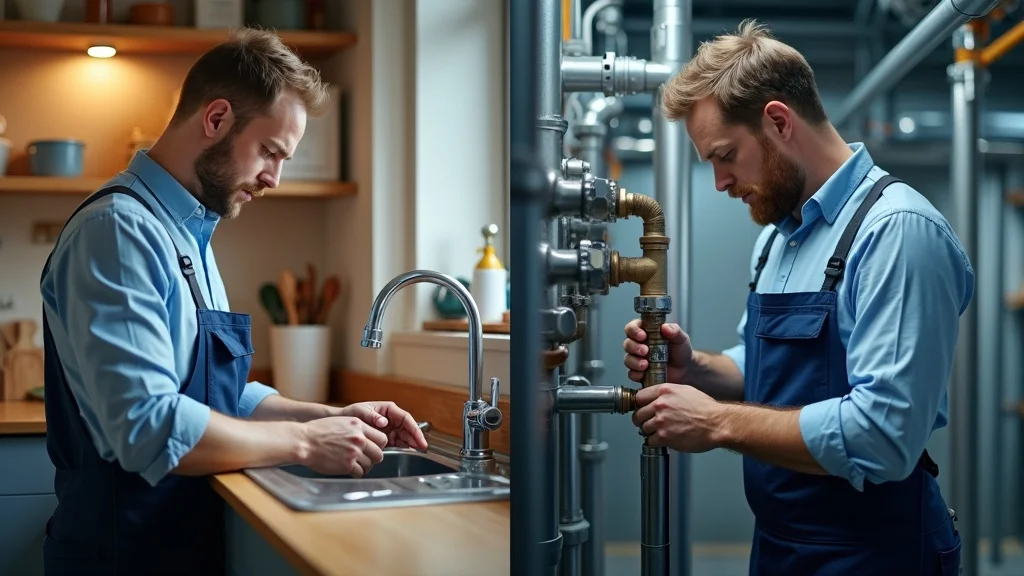
Whether you’re fixing a kitchen tap at home or overseeing a multi-storey commercial install, UK plumbing regulations require you to account for risk level, property type, and intended water use. For domestic sites, this often means close compliance with Water Supply (Water Fittings) Regulations, approved product lists, and energy efficiency targets for hot water and heating. For commercial contracts, expectations are higher: all plumbing system designs are audited pre- and post-install, demanding more thorough water fitting documentation and backup measures like advanced backflow prevention and higher-capacity water storage systems.
Both sectors are subject to local water authority inspections and may need certification for certain works (e. g. , unvented hot water system installation). The stakes for missing regulatory details are higher in commercial environments; even a minor infraction—such as using the wrong size fitting, missing temperature controls, or incomplete storage system logbooks—can impact hundreds of people and result in scaled-up penalties or contract disputes. In all cases, rigorous staff training and ongoing relationship building with your local inspector are invaluable assets for surviving compliance reviews and keeping projects on track.
Water Fitting, Water Supply and Water Storage in Real-World Scenarios
Imagine an average call-out: a plumber is asked to upgrade a home’s storage system and connect it to a new combi boiler. Before even lifting a wrench, they must check product approval, secure the right documentation, and notify the water supplier if making changes to the main water connection. For a commercial install—say, re-plumbing a school or care home—the steps multiply, requiring senior sign-off, risk assessment for backflow prevention devices, and a detailed log of all water fittings installed and tested.
To efficiently manage compliance, the top UK professionals rely on pre-work checklists, gather all certificates, and plan for thorough post-completion inspections. Mistakes, such as omitting a backflow device, missing insulation on hot water pipes, or failing to fit reputable water storage units, frequently result in forced rectification—and in worst cases, significant interruption to service or regulatory black marks.
-
Checklist: Must-have documentation for regulatory compliance
- Certification for all water fittings installed
- Detailed logs for water supply and water storage systems
- Pre- and post-installation inspection reports
- Notification and approval certificates from local water authorities (where required)
-
Inspection Preparation Tips
- Keep records tidy, accessible, and digital where possible
- Verify that all fitted appliances, pipes, and systems are on the current approved list
- Practice explaining your installation to an inspector—preparation shows professionalism!
-
Common Mistakes and How to Avoid Them
- Using non-compliant water fittings or skipping backflow prevention
- Failing to document changes to water supply or heating system
- Neglecting to consult the latest public water authority guidance before commencing work
Staying Up-to-Date With UK Plumbing Regulations
Regulatory updates can surface at any time, so staying informed is a necessity for all plumbing businesses. Whether it’s the arrival of a new approved fittings list, updated rules on greywater recycling, or stricter building requirements for commercial premises, the key is to use reliable official sources. Many local water suppliers and building authorities offer email alerts, newsletters, and online portals, helping you find the latest guidance quickly. Membership of trade bodies (like the Chartered Institute of Plumbing and Heating Engineering) also provides invaluable insights, networking, and regulatory briefings.
Seasoned professionals recommend scheduling monthly checks of official water supplier updates and inviting compliance experts to team meetings. Even a quick quarterly review of your installation practices against the government’s Approved Documents can help catch issues before they become costly. The most successful plumbing businesses treat regulation as a living part of company culture—discussing, adapting, and sharing new knowledge as it arises, rather than reacting after an enforcement letter arrives.

Where to Find Official Plumbing Regulation Updates and Guidance
The prime source of uk plumbing regulations updates remains your local water supplier—in England and Wales, this is usually via their official website or trade liaison office. The UK Government’s website (gov. uk) routinely publishes changes to Building Regulations and related technical standards. Trade bodies offer access to detailed installation guides based on current law and best practice, while specialist publications and seminars provide updates on innovations in water storage or emerging backflow prevention technologies. Don’t discount continuous professional development (CPD) events, as they can bridge the gap between theory and daily practice for you and your team.
Expert Insights: How Pros Navigate Changing Water Fittings and Building Regulations
Business leaders who thrive under UK plumbing regulations share some key traits: routine peer reviews, ongoing dialogue with water authorities, and a commitment to staff development. They encourage knowledge-sharing throughout the business—using toolbox talks, digital handbooks, and post-project audits to spot regulatory blind spots. Professionals also stress the use of reliable supplier relationships to keep abreast of changes to approved water fittings and to acquire early warnings of new installation requirements, especially those affecting hot water, heating, and large-volume water storage arrangements.

Frequently Asked Questions About UK Plumbing Regulations
What regulations do plumbers have to follow?
Plumbers must follow the Water Supply (Water Fittings) Regulations, Building Regulations, and additional local water safety rules. These cover installation standards for water fittings, system safety, and environmental concerns.
Are you allowed to do your own plumbing in the UK?
DIY plumbing is permitted in the UK for certain small-scale tasks, but major work must comply with formal plumbing regulations and may require notification to your local water supplier or building control authority.
Is plumbing regulated in the UK?
Yes, plumbing is actively regulated through water and building regulations intended to ensure safe water supply, correct water fitting installation, and safeguarding public health.
What is the 135 rule in plumbing?
The '135 rule' governs the maximum permitted bends and distances in waste pipes, helping ensure effective water flow and prevent blockages under official plumbing regulations.
Key Takeaways for UK Plumbing Business Owners
- Regularly review official guidance and updates on UK plumbing regulations
- Document every plumbing and water fitting installation
- Educate your team on water supply, hot water, and plumbing and heating best practices
- Consult experts to ensure full compliance
Summary and Next Steps
"Plumbing regulations aren’t just legal hurdles—they’re vital to the reputation and success of every professional in the UK market."
Conclusion: Stay smart—use official resources, document your work, and ensure your team shares your compliance-first approach. It’s the simplest way to safeguard clients, protect public health, and grow your reputation as a leading UK plumbing professional.
If you’re committed to staying ahead in the plumbing industry, keeping an eye on regulatory changes is essential. The landscape is evolving, and new rules can have a significant impact on both daily operations and long-term business planning. For a forward-thinking perspective on what’s coming next—and how you can prepare your business for future compliance—explore the upcoming UK plumbing regulations for 2025. This resource offers valuable insights into anticipated changes, helping you adapt your strategies and maintain your competitive edge as the industry moves forward.
We'd love to hear your feedback on this article? Add your comments below.
Sources
- GOV.UK – Approved Documents Collection
- Water Regulations Advisory Scheme – WRAS
- Chartered Institute of Plumbing and Heating Engineering – CIPHE
- Water UK – Water Fittings Guidance
- BSRIA – Building Services Guidance
Understanding and adhering to UK plumbing regulations is essential for ensuring the safety and legality of your plumbing installations. The Water Supply (Water Fittings) Regulations 1999 set out the legal requirements for all plumbing systems, water fittings, and water-using appliances within your property. These regulations are designed to prevent drinking water from contamination, waste, misuse, undue consumption, and erroneous measurement. (wessexwater. co. uk) To ensure compliance, it’s crucial to use products that have been tested and confirmed as suitable for carrying drinking water. The following three approval bodies test and approve products and materials to ensure they are suitable for use with drinking water: Kiwa WRAS Approvals NSF International You can search for the products and materials you need using their directories. (wessexwater. co. uk) Additionally, certain types of plumbing work must be notified to your local water supplier before commencing. This includes building a new house, extending or altering the water system in a non-household building, and installing specific water systems like swimming pools over 10,000 litres. Failure to notify the local water supplier could result in extra costs to rectify poor plumbing or, worse, contamination of water supplies and potential legal action. (watersafe. org. uk) By staying informed and compliant with these regulations, you can ensure the safety of your water supply and avoid potential fines or legal issues.





Write A Comment