

Did you know that over 80% of all internet traffic is video—yet only 9% of small businesses take advantage of video SEO optimization? If your videos aren’t optimized, your content and your brand are practically invisible online. In today’s rapidly evolving digital landscape, ignoring video SEO means missing out on thousands of potential viewers, valuable customer engagement, and higher search engine rankings. This comprehensive guide will unpack everything you need to know to dominate video search, maximize your video rank, and leave your competition in the digital dust. Get ready to transform your video marketing with proven techniques—for results you can see NOW.
Startling Facts: Video SEO Optimization Drives Explosive Visibility Online
- Over 80% of all internet traffic is now video content—if your videos aren't optimized, your brand is invisible to most viewers.
- Only 9% of small businesses optimize video SEO, but enjoy up to 60% higher video rank and more targeted search results.
- YouTube SEO and video search techniques can increase watch time and organic Google search ranking within weeks.
“Ignoring video SEO optimization means your content is lost in the noise. Proper optimization is no longer optional—it’s essential.”
Why Video SEO Optimization Is Essential in Today’s Digital Marketing Era
- Search engines increasingly prioritize video content in search results.
- Optimized videos have a higher chance of appearing on first pages and featured snippets.
- Higher video rank boosts authority, reach, and engagement across social media platforms.
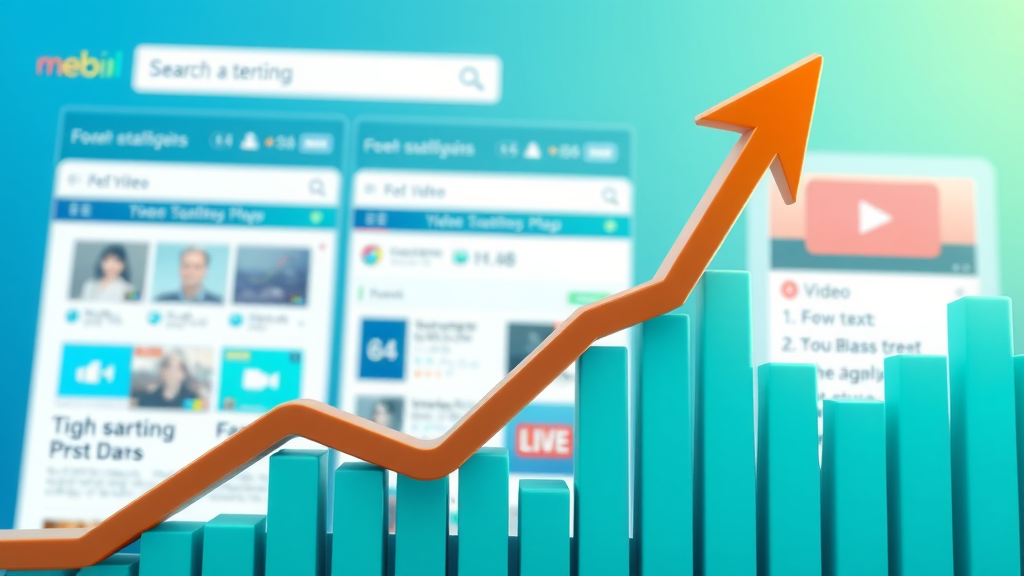
The digital marketing environment is competitive and constantly changing. Video SEO optimization has become a crucial ranking factor in how content is displayed in search results. Top search engines such as Google and YouTube now give significant priority to optimized video content. If you aren't using effective SEO strategies for videos, your brand simply won’t get the online exposure it deserves.
Optimized videos easily surpass text-only blog posts in every metric—from visibility to engagement. By strategically using keyword research, meta data, and video thumbnails, you can appear in the top video search results, drive higher watch time , and increase your authority on social media and major platforms. This improved video rank can ultimately lead to more followers, better brand recognition, and a growing audience.
Competition is fierce, but brands that leverage video SEO see exponential benefits: longer viewing times, improved bounce rates, and increased reach. Whether you’re a business or a content creator, investing in robust video search engine optimization will solidify your place in today’s crowded online market.
What You'll Achieve With Expert Video SEO Optimization
- Understand the fundamentals and advanced tactics of video SEO.
- Learn to combine video marketing strategies with technical SEO for YouTube videos and more.
- Master keyword research, video titles, and descriptions to dominate video search.
- See real examples of optimized video content and dramatic SEO strategy improvements.
Diving into video SEO optimization isn’t just about ticking technical boxes—it’s about engineering success. By mastering the basics and advanced tactics of SEO, you empower your videos to rise to the top of both YouTube SEO and Google search engines. Imagine your YouTube videos routinely ranking on the first page for top search results; that’s the transformative potential of video optimization.
Combining robust keyword research, compelling video titles, and strategic video descriptions will ensure your videos align perfectly with the search intent of your target audience. As you consistently apply these advanced techniques, you’ll notice your video content receive increased visibility, more engaged viewers, and much higher click-through rates .
Not only will you learn the technical aspects—from video thumbnails to video tag selection—but also how to integrate these with your broader video marketing and SEO strategy for lasting growth. Real-world success stories prove that comprehensive video SEO delivers measurable impact, raising your video rank and overall digital presence exponentially.
Comparing Optimized vs Non-Optimized Videos
| Factor | Optimized Video | Non-Optimized Video |
|---|---|---|
| Video Rank | High (top 3 search results) | Low (not visible on first page) |
| Watch Time | Above average engagement | Low user retention |
| Click-through Rate | High (with strong video title) | Minimal (weak or missing titles) |
| Search Visibility | Appears in Google & YouTube search | Rarely appears |
Step-by-Step: How Video SEO Optimization Impacts Video Rank and Search Engine Results
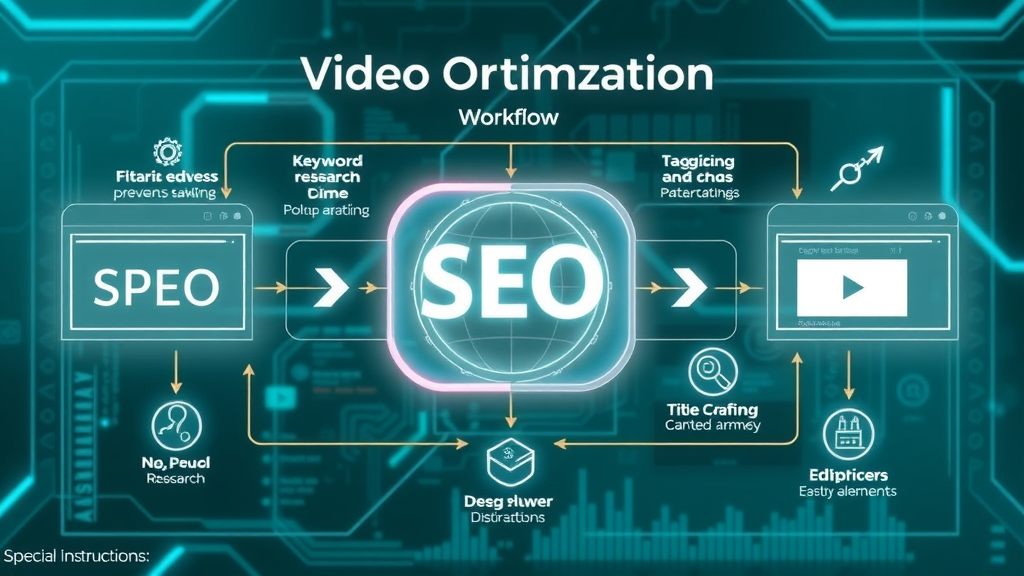
Conducting Powerful Keyword Research for Video SEO
- How to find the best target keyword for YouTube video and other platforms.
- Tools for accurate keyword research and competitor analysis.

A successful video SEO strategy begins with in-depth keyword research . Start by analyzing what your target audience is searching for—think about their questions, problems, and the language they use. Use tools like Google Keyword Planner, TubeBuddy, and VidIQ to identify high-volume, low-competition phrases that are relevant to your topic. Not only should you choose a strong main target keyword, but you must also find supporting keywords to enhance your video’s reach and relevance.
Competition on YouTube and Google search is intense, so analyzing what top-performing videos rank for is a must. Track which keywords and phrases are being used in competitors’ titles, descriptions, and tags. Remember, your goal is not just to match their keywords, but to optimize your video in a way that addresses gaps in the video search market.
When you optimize your video from the outset, you send strong signals to search engines about its relevance, increasing your chances of appearing in video search results and featured YouTube snippets. Continually refine your keyword research as trends and search volumes shift, ensuring your video content remains at the top for your audience’s evolving queries.
Crafting Irresistible Video Titles for Better Search Engine Rankings
- Integrate main keyword and related phrases for strong search result performance.
Your video title is the first impression you make in the crowded world of video content. A winning title not only attracts clicks but also sends a clear message to search engines about the topic and relevance of your video. When you thoughtfully integrate your target keyword and related phrases, your video stands out in search results—both on YouTube and Google.
Think of your title as both a marketing tool and a ranking factor. It should accurately describe the video, contain the main target keyword toward the beginning, and, where possible, include secondary keywords that your audience is searching for. Use compelling language to ignite curiosity, and consider numbers, questions, or “how to” phrasing to encourage more engagement.
Video titles must balance clarity with intrigue: avoid keyword stuffing, but ensure your title is optimized to capture both the algorithm and human interest. Top-performing titles frequently leverage power words and address the user’s intent, maximizing both click-through rates and overall video ranking potential.
Boost Visibility With Advanced Video SEO Optimization Techniques
Optimizing Video Description, Tags, and Thumbnails
- Write keyword-rich video descriptions for search engines and your target audience.
- Best practices for choosing tags, thumbnails, and playlists.
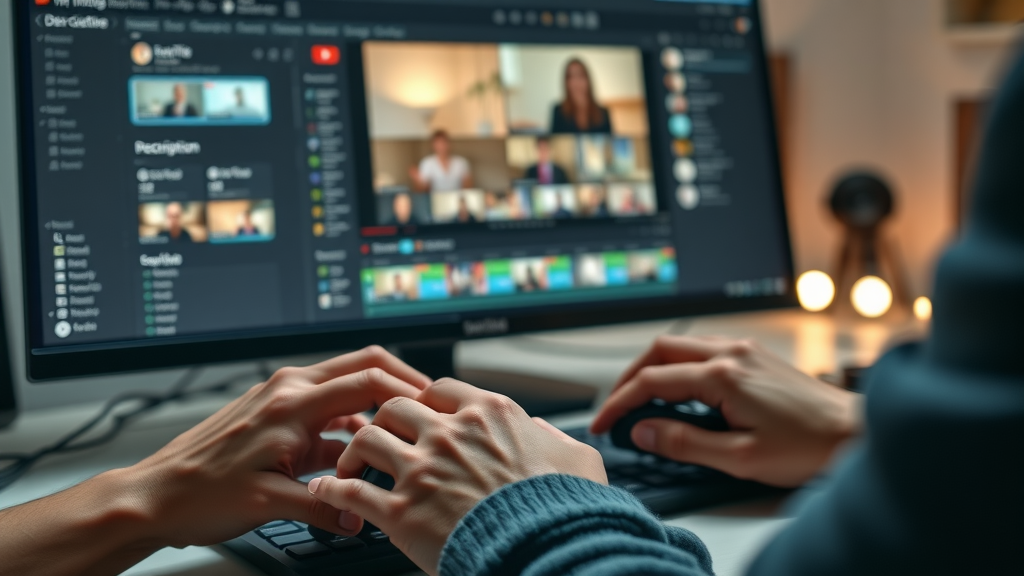
A well-optimized video description bridges the gap between your content and search engine understanding. Start your description with your main target keyword and expand using natural language to offer context, secondary keywords, and value to your audience. The first 150 characters are critical—these often appear in search previews, so they must be concise, relevant, and intriguing.
Tags are short, descriptive keywords that further guide search engines about the content and context of your video. Select tags that combine both broad and specific phrases related to your topic, keeping your target audience and intent in mind. Curate custom video thumbnails that visually reinforce your video title and stand out on crowded result pages; studies show this can dramatically improve your click-through rate.
Organize your videos into thematic playlists—this helps users binge-watch related content and signals a consistent, authoritative presence to YouTube’s algorithm. All these components, when optimized together, ensure your videos have maximum search visibility and sustained user engagement over time.
Driving More Engagement: Watch Time, Clicks, and Shares
- Strategies to encourage higher watch time and user engagement on your video content.
High watch time and robust engagement are among the most powerful ranking factors for both YouTube and Google search. The longer viewers stay with your content, the higher your video will rank in both recommended feeds and search results. To maximize watch time, ensure content is well-paced, offers immediate value, and keeps viewers hooked with strong hooks and calls to action.
Encourage your audience to engage further—ask questions for comments, propose sharing for friends, and use in-video cards or end screens to guide viewers to related videos. Boosting likes, shares, and time spent not only improves your video’s performance but signals to search engines that your video is providing unique and ongoing value.
Remember, optimizing your video isn’t just about algorithms. It’s about making your video content irresistible, giving viewers reasons to watch, share, and return. With the right SEO strategy, every video you publish builds brand authority, audience loyalty, and long-term growth.
Integrating Video SEO Optimization Into a Broader SEO Strategy
Leveraging Social Media and Video Marketing
- How social media boosts SEO for video and video marketing reach.
A truly effective video SEO strategy relies on your ability to integrate it into a wider digital ecosystem. Social media platforms are key amplifiers for your video content. When you share optimized videos across channels like Facebook, Twitter, and Instagram, you drive more traffic, encourage backlinks, and signal relevance to search engines.
A successful video marketing campaign coordinates the timing, messaging, and promotion of your video across all your online touchpoints. Embedding videos in blog posts enhances time-on-site and lowers bounce rate; sharing snippets or custom thumbnails on social media increases reach and invites cross-platform engagement. This feedback loop supercharges your search visibility and audience connection.
Remember, social media engagement is a growing ranking factor for video search. The more buzz and genuine interaction your videos generate, the more search engines will reward you with higher positions in video search results, driving a powerful upward momentum for your digital presence.
Maximizing Your Video Content Across All Channels
- Tips to repurpose video content for search engines, blogs, and promotions.

Don’t let your hard work end with a single upload. Repurposing video content for different channels can drastically expand your reach and secure higher search engine ranking. Break long-form videos into short clips for social media, transform content into GIFs or infographics, or summarize videos in SEO-friendly blog posts. Each adaptation gives search engines another snapshot of your expertise and expands your potential to reach different audience segments.
Embedding your videos in your blog posts and web pages increases page authority—and raises your overall search rank. Use shareable playlists to cross-promote on YouTube and beyond; this keeps viewers within your content ecosystem and extends the value from every piece you produce.
By maximizing each asset, you create a persistent “echo” online. Search engines recognize this multi-faceted presence, interpreting your brand as authoritative, relevant, and worthy of higher search result rankings. That’s the ultimate multiplier effect of integrated video optimization.
Ensuring a Seamless User Experience With Video SEO Optimization
Mobile Optimization and Technical Refinements
- Ensuring fast loading and responsive video content for all devices.
Modern users expect seamless streaming, no matter where they are or which device they’re using. Mobile optimization is no longer a luxury—it’s a necessity. Optimize your video files for fast loading by using appropriate codecs, resolutions, and ensuring that your web pages embed videos responsively. This not only improves the user experience but also directly impacts your video’s search engine ranking.
Technical SEO also means choosing the right video hosting platform, submitting video sitemaps, and compressing files to avoid slow load times. Google’s algorithm rewards websites and video content that load quickly and provide a frictionless experience to both desktop and mobile users.
By rigorously testing for performance and refining the technical aspects of your video presentation, you can make your video accessible to all—and ensure that users stay longer, interact more, and help push your video rank ever higher in competitive search results.
Improving Accessibility and Search Results
- Tools and tactics for captions, transcripts, and alt texts that help both users and search engines.
Accessibility is a critical—and often overlooked—component of video SEO optimization . Adding accurate captions, transcripts, and descriptive alt texts ensures your videos are accessible to users with disabilities while sending more detailed information to search engines. These additions enhance your video’s discoverability and improve your site’s overall search engine optimization score.
Captions and transcripts aren’t just for compliance—they increase average watch time, make your content usable in noisy environments, and provide extra keyword context for indexing. Use alt texts for video embeds with keyword-rich descriptions to connect your video to relevant search queries.
By focusing on accessibility, you’ll boost user satisfaction, cater to a broader audience, and enhance your search engine ranking all at once. It’s a simple step that produces major benefits for any modern SEO strategy .
Comprehensive Checklist: Optimize Your Video for Search Engines
- Keyword research for your topic and audience.
- Crafting compelling, SEO-optimized video title and description.
- Adding relevant tags and video transcripts.
- Uploading a custom thumbnail and organizing playlists.
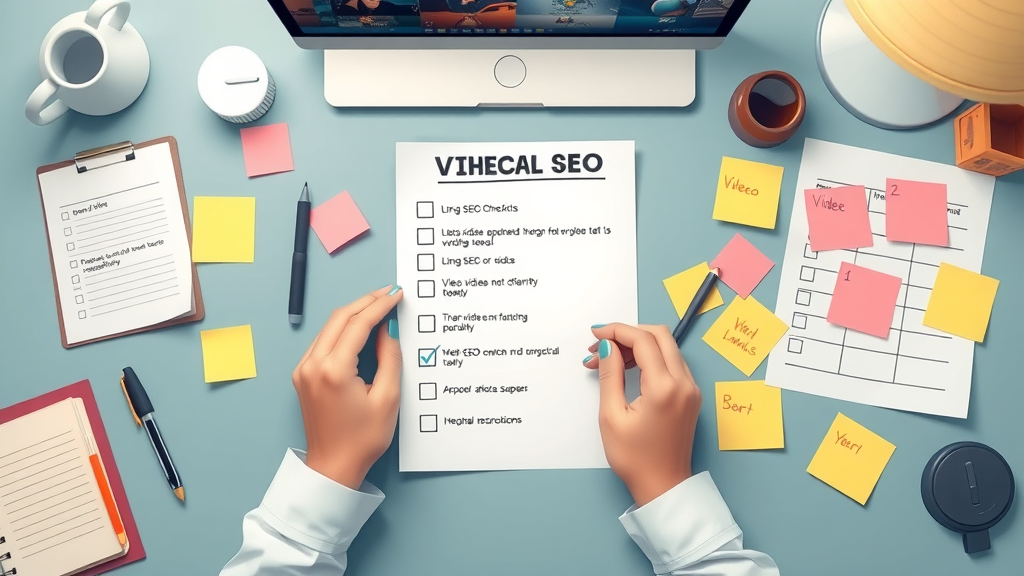
- Start with solid keyword research for your niche and anticipated search intent.
- Write standout video titles and engaging, keyword-rich descriptions.
- Supplement your main content with relevant tags, accessible transcripts, and subtitles.
- Create eye-catching video thumbnails and group videos into smart playlists.
Expert Insights: Quotes on the Power of Video SEO Optimization
"Video SEO optimization is the missing link between creating great video content and actually having it discovered by your audience."
"Integrating video marketing and SEO strategy takes your online presence from invisible to indispensable."
Real Results: Video SEO Optimization Case Studies and Success Stories
- Business A achieved double the watch time and a 65% increase in video rank in just three months.
- YouTube SEO overhaul for a personal brand led to a 5x boost in total search engine traffic.
- Combining social media and video content pushed a retailer to #1 spot in search results.

The results of strategic video SEO are tangible:
- Business A doubled their average watch time and secured top search results within months—demonstrating the undeniable link between optimization and online growth.
- A clever YouTube SEO overhaul powered a personal brand to quintuple their search engine traffic, unlocking new revenue streams and greater authority.
- When a national retailer combined video content with savvy social media promotion, they achieved the #1 ranking for lucrative keywords in Google search results.
These case studies prove that whether you’re a small creator or established brand, focused video SEO optimization delivers real, measurable returns fast.
- Short explainer video covers the essentials for fast implementation.
Watch this video for an engaging rundown of the seven most important tactics to optimize your video content and get ahead in 2024.
- A visual walk-through for crafting keyword-rich, persuasive descriptions.
Follow along for a practical guide to creating effective, search-friendly video descriptions that bring your YouTube SEO strategy to life.
- A quick guide to pitfalls that hurt your video’s rank and how to fix them.
Avoid these frequent errors to protect your video’s search engine ranking and maintain long-term success.
People Also Ask: What is video SEO optimization?
- Video SEO optimization refers to the process of enhancing your video content so it ranks higher in search engine results, increases visibility, and attracts your target audience on platforms like Google and YouTube.
People Also Ask: How do I add SEO to my video?
- Add SEO by researching keywords, writing compelling titles and descriptions, using targeted tags, custom thumbnails, and submitting video sitemaps for Google search.
People Also Ask: How to get 100% SEO score on YouTube?
- Optimize your video content, title, tags, and descriptions, utilize closed captions, customize your thumbnail, and engage your target audience to maximize watch time and channel authority.
People Also Ask: How do I optimize my video for search?
- Focus on keyword research, quality content, comprehensive metadata, mobile optimization, and cross-promotion on social media and blogs to optimize your video for search engines.
Frequently Asked Questions on Video SEO Optimization
- How often should I update my video SEO optimization strategy? It’s wise to review your SEO strategy every quarter, adapting to changes in search algorithms, user behavior, and trending keywords. Continual monitoring ensures your content remains visible and competitive in evolving video search landscapes.
- Do video transcripts truly affect search engine rankings? Absolutely. Transcripts provide additional keyword-rich content for search engines, improve accessibility, and can increase both search result visibility and audience retention.
- Should I use different SEO strategies for different platforms like YouTube, Vimeo, or Facebook? Yes. Every platform has unique algorithms and viewer behavior. Tailor your titles, descriptions, and multimedia for each platform to maximize ranking and reach to your target audience.
- Is video SEO optimization worth it for smaller channels or brands? Definitely. Even small channels can quickly rise in search rankings and engagement by following best practices for video SEO, leveling the playing field against larger competitors.
Your Next Move: Dominate Search with Video SEO Optimization
- Are you ready to maximize video rank and amplify your brand’s reach? Let's have a chat, call 904-385-5213 to take the next step.

Summary of Effective Video SEO Optimization Methods
- From initial keyword research and planning to advanced video marketing and user experience refinements, investing in comprehensive video SEO optimization delivers visibility, engagement, and growth.
To enhance your understanding of video SEO optimization, consider exploring the following authoritative resources:
-
“On-page video SEO: how to optimize your video pages” : This article from Yoast provides comprehensive insights into optimizing video content for search engines, including technical aspects like ensuring videos are visible on the first contentful paint and the importance of structured data. ( yoast.com )
-
“Video SEO Optimization: 10 Tips to Get Your Content Found” : Wix’s guide offers practical tips on enhancing video visibility, such as optimizing metadata, creating engaging thumbnails, and conducting effective keyword research. ( wix.com )
These resources provide valuable strategies to improve your video’s search engine ranking and overall online presence.




Write A Comment