

Did you know that jurors are more likely to remember a compelling narrative than a list of facts? Storytelling in trials is not just an art—it's a powerful tool that can sway verdicts and shape justice
What You'll Learn
The critical role of storytelling in trials and trial advocacy
How attorneys at law use storytelling to connect with juries
Expert perspectives on crafting a good story in the courtroom
Common misconceptions about storytelling in legal settings
Actionable tips to enhance storytelling skills for trial success
Overview of Storytelling in Trials

Defining Storytelling in Trials and Trial Advocacy
Antonio Villegas, of AV Justice Law Firm, explains, "Trials are all about storytelling. It's not just about the law books; it's about connecting with the jury through relatable narratives that reflect real-life experiences."
Storytelling in trials is more than reciting legal statutes or presenting evidence; it’s the art of weaving the facts into a compelling and relatable narrative that jurors can understand and emotionally invest in. It helps jurors see the human experience behind the case, making the legal arguments more memorable and persuasive.
Trial advocacy thrives on this ability to tell a story that resonates. This means translating complex legal issues into everyday terms and presenting witnesses and events in a way that paints a vivid picture. Antonio Villegas emphasizes that the connection formed between attorney and jury is the heartbeat of effective advocacy.
Why Storytelling is Essential for Attorneys at Law
For attorneys at law, mastering storytelling in trials is essential because juries are not judges—they are people who relate best to stories, emotions, and characters. Presenting just raw facts and legal jargon risks losing their interest or failing to engage their critical thinking fully.
Antonio Villegas describes how compelling narratives allow lawyers to humanize their clients and effectively counter prosecution narratives that may seem disconnected from real-life logic. By connecting the jury with stories they can see and feel, lawyers increase their chances of winning favorable verdicts.
The Art of Storytelling: Crafting a Good Story in the Courtroom
Combining Street Knowledge with Legal Expertise
Villegas shares, "My approach is storytelling rooted in street knowledge and elite education. This combination allows me to build credibility with jurors who recognize the authenticity of the narrative."
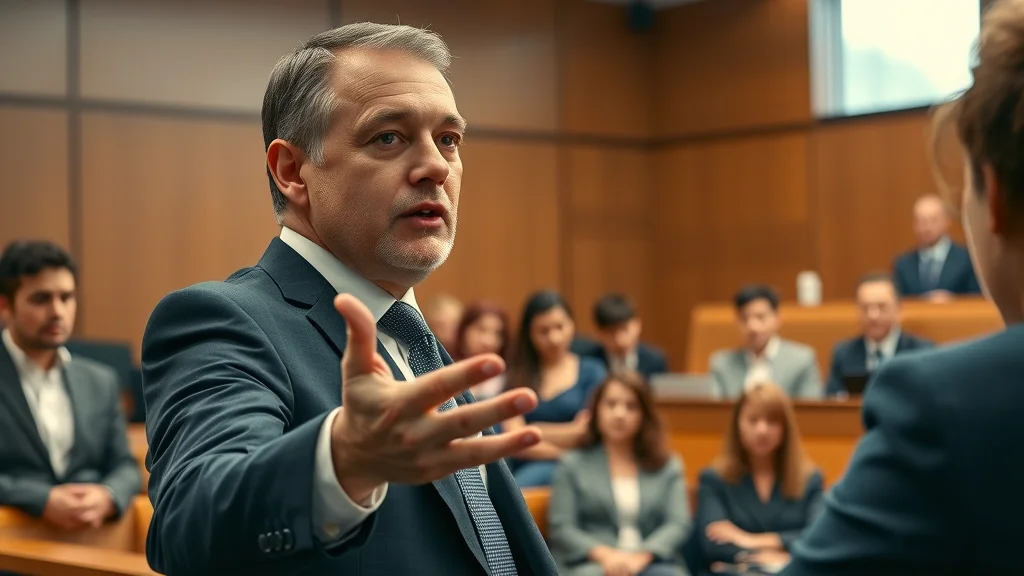
The unique edge Antonio Villegas brings to trial advocacy is his blend of street knowledge and academic excellence. Raised in Linwood and Southgate, and educated at UCLA, his deep understanding of the communities from which many jurors come allows him to craft stories that ring true on a personal level.
This street-smart perspective helps him foresee and dismantle prosecution arguments that don't make sense in the real world. In his words, "Before I read all those books, I already knew what was up with the streets," giving him lasting credibility in the courtroom.
Storytelling vs. Facts: Striking the Right Balance
Element |
Role in Trial |
Impact on Jury |
|---|---|---|
Facts |
Provide evidence and a legal basis |
Establish credibility |
Storytelling |
Connect facts into a narrative |
Engage emotions and memory |
Trial Advocacy |
Present both effectively |
Influence verdicts |
The most successful lawyers strike a careful balance between presenting hard facts and weaving those facts into a persuasive story. Facts create the foundation of credibility; storytelling makes those facts resonate with jurors’ emotions and memories, often tipping the scales of their decision-making.
Expert Insights & Best Practices in Storytelling for Trials

Preparation and Cross-Examination as Storytelling Tools
Antonio Villegas notes, "I have a toolbox of storytelling techniques that I adapt depending on how witnesses perform. Cross-examination is an opportunity to reveal the truth through narrative disruption."
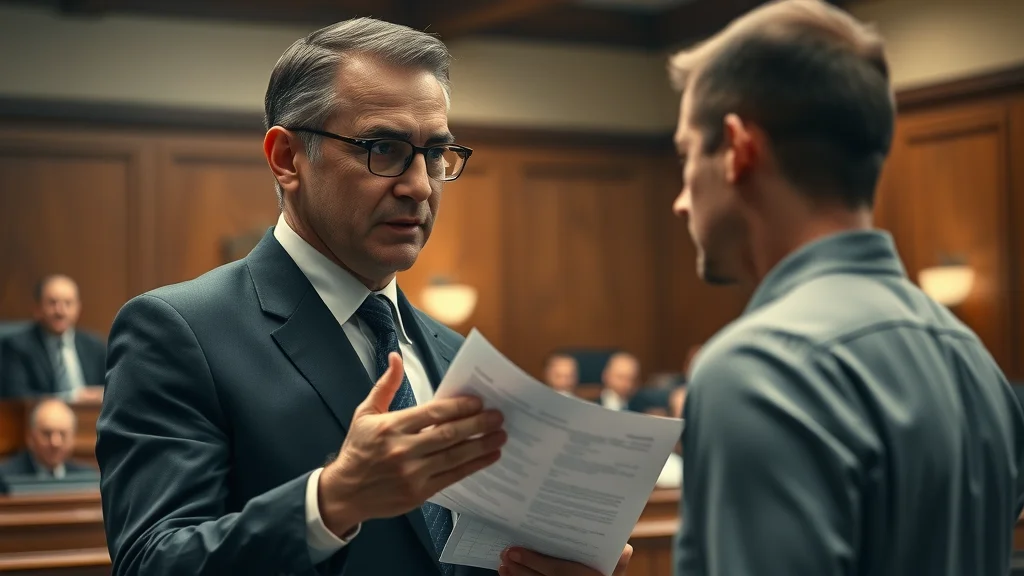
According to Antonio Villegas, preparation is more than memorizing facts—it's about preparing flexible stories. Witnesses' performances can change the narrative’s direction, so having a "toolbox" of narrative strategies ready is essential. Cross-examination often serves as the moment to unravel the opposing story and reveal inconsistencies that support your client’s narrative.
This dynamic approach allows attorneys to adapt in real-time and use storytelling not just to persuade but to expose weaknesses in testimony and therefore strengthen their client’s position.
Empathy, Compassion, and Redemption in Storytelling

Storytelling in trials becomes even more powerful when woven with themes of empathy, compassion, and redemption. Antonio Villegas’s personal experiences shaped his philosophy: understanding human imperfection and the need for second chances is crucial to connecting with juries on a deeper level.
By emphasizing these human elements in his narratives, he goes beyond mere facts to reflect the real struggles of his clients, making jurors emotionally invested and more likely to deliver just outcomes.
Common Misconceptions About Storytelling in Trials
Storytelling is just emotional manipulation
Facts alone are enough to win a case
Storytelling is only for dramatic cases
These misconceptions underestimate how critical storytelling actually is. While some may dismiss it as mere theatrics, storytelling in trials is about authenticity and clarity—making complex situations understandable. Facts and storytelling are complementary, not opposites.
Actionable Tips for Enhancing Storytelling in Trial Advocacy
Know your audience: Understand the jury’s background and values to tailor your story effectively.
Use relatable language and examples: Avoid jargon; bring narratives to a human level.
Incorporate personal stories: This builds credibility and trust with the jury.
Prepare flexible narratives for cross-examination: Anticipate shifts and adjust stories as needed.
Practice delivery: Authenticity and confidence in storytelling influence jury perception.
People Also Ask
What is storytelling in trials? Storytelling in trials is the practice of presenting case facts through compelling and relatable narratives to engage and persuade juries.
How does storytelling influence jury decisions? Storytelling helps jurors emotionally connect with the case and remember details, which significantly influences verdicts.
Can storytelling improve trial advocacy? Yes, effective storytelling enhances legal arguments and helps attorneys build credibility and rapport with jurors.
What are examples of good storytelling in court? Examples include using personal experiences relevant to the case, disproving prosecution narratives through logical street-based explanations, and humanizing clients through empathetic themes.
Key Takeaways
Storytelling in trials is a vital skill that enhances legal arguments and juror engagement.
Combining street knowledge with elite legal expertise creates authentic and credible narratives.
Preparation and adaptability in storytelling techniques are crucial for effective trial advocacy.
Empathy and redemption themes resonate deeply with jurors and build emotional connections.
Conducting research and practice improves storytelling effectiveness in court.
Conclusion
To achieve extraordinary results in the courtroom, embrace storytelling grounded in truth, authenticity, and empathy. When facing a trial, trust attorneys like Antonio Villegas who skillfully combine legal excellence with genuine human experience.
(323) 744-1671antonio@avjustice.com
Sources
To deepen your understanding of storytelling’s pivotal role in trial advocacy, consider exploring the following resources:
“The Power of Story at Trial: Effective Storytelling Techniques for the Courtroom” (lawline.com)
This online CLE course delves into how narratives influence juror biases and decision-making, offering practical techniques to craft compelling stories that resonate with juries.
“Storytelling in Trial” (trialguides.com)
In this insightful interview, renowned trial lawyer Nicholas Rowley discusses the art of storytelling in the courtroom, providing strategies to effectively weave narratives that engage and persuade jurors.
If you’re serious about enhancing your trial advocacy skills, these resources will provide valuable insights into the art of storytelling in the courtroom.


Write A Comment