
UPDATE
  • Home
  • Categories
    • Entrepreneurs
    • Growth Stories
    • Expert Insights
    • Innovators
    • Franchise and Expansion
    • Tools and Services
    • Commercial Property
    • Trends
January 12.2026
1 Minute Read

Expert Insights: Why Installation Quality Is Critical for Paint Protection Film Success

Imagine investing thousands of dollars to protect your luxury or Tesla vehicle’s finish, only to see unsightly bubbles, creases, or peeling just weeks after installation. This is the harsh reality for many owners who overlook the key factor in paint protection success: paint protection film installation quality. This article digs deep into why professional skills and experienced installers matter more than you might think.

Startling Facts About Paint Protection Film Installation Quality

It may surprise car enthusiasts and new vehicle owners to learn that the difference between a flawless, invisible paint protection film (PPF) and one that looks damaged isn’t the film itself—it's how it’s installed. Even premium brand films like XPEL or 3M can become noticeable and fail prematurely if the installation is not meticulous.

For instance, improperly applied film can reveal bubbles, creases, or lifted edges that not only ruin the aesthetic but also allow contaminants and debris underneath to damage the paint. As Jared Bledsoe, of Utah Protective Films, explains: "If you want to keep it as a clear bra, an invisible product, the installation is key. And if you want it to last for the longevity of the film, the install makes all the difference." This reveals just how critical the role of installation skill truly is.

Paint protection film installation quality showing bubbles and creases on luxury car surface

Overview of Paint Protection Film and Its Importance

Key Benefits of Paint Protection Film

  • Prevents rock chips and scratches: High-impact protection against road debris that chips and scratches paint.

  • Protects against UV damage and paint fading: UV rays can dull paint over time; PPF blocks harmful rays to maintain shine.

  • Maintains vehicle resale value: Keeps paint looking new, preserving the car’s aesthetic and market price.

  • Self-healing top coat reduces swirl marks: Minor abrasions disappear with heat activation from sunlight or hot water.

  • Extends paint longevity with proper care: Alongside good maintenance, PPF can keep the paint pristine for over a decade.

For those interested in exploring the full range of protective solutions available for vehicles—including ceramic coatings, window tinting, and more—Utah Protective Films offers a comprehensive suite of automotive protection services tailored to your needs.

Understanding the Role of Installation Quality in Paint Protection Film Success

Jared Bledsoe, of Utah Protective Films, states, "If you want to keep it as a clear bra, an invisible product, the installation is key. And if you want it to last for the longevity of the film, the install makes all the difference."

Why Professional PPF Installation Matters

Even the highest quality paint protection film needs expert handling. The film must be precisely cut and carefully applied to complex curves and surfaces, ensuring a snug fit without trapping air pockets or dirt. Experienced professionals understand how to create a seamless, smooth appearance that remains undetectable to the casual observer.

Jared Bledsoe emphasizes, “The installers who work for us are full-time employees I've personally trained. Unlike other shops that rely on contract installers who move from place to place, having a dedicated team ensures consistent quality and accountability. This means if there’s an issue, it can be fixed immediately on-site.”

Professional paint protection film installer applying protection film to car hood with precision

What One Customer Said About Utah Protective Films...
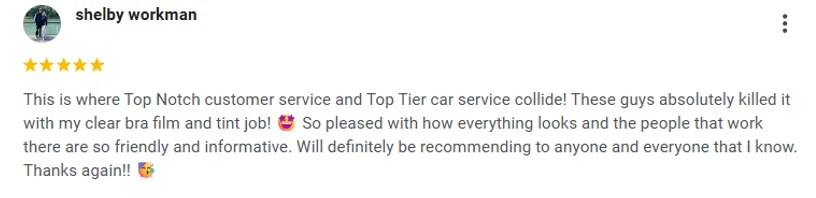
Satisfied customer shaking hands with professional paint protection film installer next to a pristine car with XPEL badge

Comparing Paint Protection Film with Other Protective Solutions

Paint Protection Film vs. Ceramic Coating

While both solutions help protect a vehicle’s finish, their purpose and effectiveness differ significantly. Paint protection film provides physical barrier protection against rock chips and scratches that ceramic coatings cannot prevent. Ceramic coatings enhance gloss and ease cleaning by creating a hydrophobic surface but won’t shield the paint from direct impacts.

Feature

Paint Protection Film (PPF)

Ceramic Coating

Window Tinting

Protection Against Rock Chips

Yes

No

No

UV Protection

Yes

Yes

Yes

Self-Healing Properties

Yes

No

No

Ease of Maintenance

Moderate

High

Moderate

Warranty

Up to 10 years

Varies

Varies

Window Tinting and Additional Services

Utah Protective Films also offers window tinting using high-quality ceramic heat rejection films. These films block UV rays and infrared heat, contributing to cabin comfort and interior protection. Alongside PPF and tinting, ceramic coatings and paint correction services are available to enhance ease of maintenance and restore paint clarity before film installation.

Vehicle receiving paint protection film, window tinting, and ceramic coating services in modern auto spa

Common Misconceptions About Paint Protection Film Installation Quality

Many customers mistakenly believe a lower price guarantees a good deal. Jared Bledsoe warns, "Chasing the lowest price can backfire because poor installations will be visible and fail early, making your investment worthless." Another misconception is that all installers are equally qualified, but trained, consistent, and dedicated personnel drastically affect results.

Another myth is that any film will perform the same no matter who installs it. However, even the best film brand can become visibly imperfect if curves are misaligned or edges lifted. Proper installation is the difference between invisible protection and expensive mistakes.

How to Identify Quality Paint Protection Film Installers

  • Verify if installers are full-time employees trained by the company: Dedicated staff ensures accountability and uniform quality.

  • Request to see previous installation work or portfolios: Spotting examples of flawless applications builds confidence.

  • Check for positive customer reviews and testimonials: Look for a history of 5-star feedback.

  • Confirm the use of high-quality PPF brands like XPEL: Reputable film brands paired with professional care deliver results.

  • Ask about warranty coverage and post-installation support: A trustworthy installer stands behind their work.

Satisfied customer shaking hands with professional paint protection film installer next to a pristine car with XPEL badge

Frequently Asked Questions About Paint Protection Film Installation Quality

How to check PPF quality?

Quality PPF is virtually invisible when properly installed—look for absence of bubbles, wrinkles, or lifted edges. A self-healing top coat enhances durability and gloss. Also, confirm the installer uses trusted brands like XPEL backed by warranties up to 10 years.

What are the downsides of paint protection film?

PPF installations require professional skill, and cost can be higher than other products. Improper installation leads to visible defects. Also, film replacement may be needed if damaged, but properly cared for PPF can last over a decade.

What is the highest quality PPF?

Brands like XPEL are industry leaders due to superior durability, clarity, and self-healing properties. Quality installers like Jared Bledsoe only use branded films that guarantee long-lasting protection with support warranties.

Which is better, 3M or XPEL?

Both are high-quality films, but many professionals prefer XPEL for its self-healing top coat and extensive warranty. Installer familiarity with brand and film fit also weigh into the choice; ultimately, excellence depends on installation quality.

What You'll Learn

  • The critical role of installation quality in paint protection film success

  • Differences between PPF and ceramic coatings

  • How to identify professional PPF installers

  • Common misconceptions about PPF installation

  • Benefits of choosing a trained, employee-based installation team

Key Takeaways

  • Installation quality is paramount for effective paint protection film performance.

  • Choose professional installers who are employees trained by experts like Jared Bledsoe.

  • PPF offers superior physical protection compared to ceramic coatings.

  • Proper care and maintenance can extend the life of PPF beyond its warranty period.

  • Do thorough research and read reviews before selecting a PPF installation provider.

Detailed silver car with scratch from road debris illustrating paint protection importance

Conclusion

Choose trained professionals for paint protection film installation to safeguard your investment and maintain your car’s flawless appearance for years.

People Also Ask

How to check PPF quality?

Look for a smooth, bubble-free surface that is nearly invisible. Check for manufacturer's warranty and ask for proof of installer training and past work.

What are the downsides of paint protection film?

Need for professional installation, higher upfront cost, and potential repair if film is damaged. Neglecting proper installation risks visible flaws.

What is the highest quality PPF?

Brands like XPEL are regarded as the top due to durability and self-healing capabilities.

Which is better, 3M or XPEL?

XPEL often leads in terms of warranty and film properties, but installer skill is equally critical regardless of brand.

Call to Action

Protect your Tesla, luxury, or specialty vehicle with expertly installed paint protection film by the trusted professionals at Utah Protective Films. Schedule your appointment now: (801) 800-9767 or Send an Instant Quote and Offer.

Professional paint protection film installer applying film on a luxury car with steady hands in a modern auto salon

If you’re ready to take the next step in protecting your vehicle, consider exploring all the ways Utah Protective Films can enhance your car’s appearance and longevity. From advanced paint protection film to ceramic coatings and window tinting, their full spectrum of automotive care services is designed to meet the needs of discerning vehicle owners. Discover how a holistic approach to vehicle protection can deliver peace of mind and lasting value. Dive deeper into the possibilities and see how expert care can make all the difference for your prized investment.

Sources:

  • https://www.xpel.com

  • https://www.utahprotectivefilms.com

Expert insights courtesy of Jared Bledsoe, Utah Protective Films.

Ensuring the highest quality in paint protection film (PPF) installation is paramount to maintaining your vehicle’s aesthetic appeal and safeguarding its paintwork. For a comprehensive understanding of common installation pitfalls and how to avoid them, consider reading Common Mistakes to Avoid During Car Paint Protection Film Installation. This resource highlights frequent errors such as misalignment and excessive stretching, emphasizing the importance of meticulous application techniques.

Additionally, Top PPF Installation Mistakes to Avoid | Car Paint Protection offers valuable insights into the risks associated with DIY installations and the significance of professional expertise. It underscores the necessity of proper environmental conditions and the potential consequences of inadequate surface preparation.

If you’re serious about preserving your vehicle’s finish, these resources will provide you with the knowledge to ensure a flawless and durable PPF application.


Expert Insights

0 Comments

Write A Comment

*
*
Please complete the captcha to submit your comment.
Related Posts All Posts
05.27.2026

Social Media Best Practices for Small Businesses to Boost Engagement

Imagine a bustling cafe where a small business owner answers customers’ questions, shares behind-the-scenes snaps, and builds relationships—all without ever leaving the counter. That’s the power of mastering social media best practices for small businesses: creating meaningful digital connections that translate into real-world growth. This comprehensive guide will walk you through proven strategies to boost your brand’s engagement, so you can connect with your audience and stand out in a crowded digital landscape. Unlocking Growth: Why Social Media Best Practices Matter for Small Businesses For today’s small businesses, social media isn’t just a communication tool—it’s an engine for sustainable growth. Navigating the ever-changing landscape of algorithms, engagement rates, and platform trends might seem daunting, but implementing smart social media best practices for small businesses can transform your daily operations and bottom line. These practices help you to save time, set goals, and maximize every content type you share. Whether you want to raise brand awareness, drive more sales, or cultivate a community of loyal followers, mastering social media benchmarks ensures you’re on the path to measurable successes. Practical social media strategies also give small businesses the ability to compete with larger brands by optimizing every post, story, and reply for audience connection. Higher engagement rates lead to stronger relationships, and with the right social media platform, your business can leverage data-driven decisions to reach your ideal customers where they already spend their time. Adopting the right social media best practices not only increases visibility but allows your business to track progress, pinpoint what works, and continually refine your social media marketing strategy for lasting impact. Real-World Scenarios: Social Media Success Stories from Small Businesses Across the globe, countless small businesses are thriving on social media by embracing industry benchmarks and personalizing their approach. For instance, a local bakery grew its following by consistently posting daily specials and responding to comments, while a home decor boutique boosted engagement rates by sharing customer testimonials and creative DIY videos. These examples underscore that the right combination of content type, timely posting, and authentic interaction can turn casual followers into lifelong customers. Whether you’re sharing your story on a video platform or connecting through a professional network, success on social media starts with understanding what resonates with your audience and delivering it consistently. **"Small businesses that prioritize social media engagement often see lasting relationships and tangible growth—making each interaction count. "** What You'll Learn in This Guide to Social Media Best Practices for Small Businesses Understanding the essentials of social media best practices for small businesses Choosing the right social media platforms Setting strategic goals and tracking engagement rate Developing content strategies customized for your audience Leveraging social listening and analytics for continuous improvement Measuring and benchmarking success with social media benchmarks Getting Started: Setting Goals for Social Media Best Practices for Small Businesses Setting clear and realistic social media goals serves as the foundation for any successful online presence. By identifying what you want to achieve—be it higher engagement rates, better brand visibility, or increased website traffic—you ensure that each post on social media aligns with your overarching business objectives. Well-defined social media goals create accountability, help to save time, and enable you to track tangible outcomes that tie back to your marketing strategy. Moreover, setting specific, measurable, attainable, relevant, and time-bound (SMART) goals ensures your social media marketing efforts are structured for success. Whether your objective is to raise brand awareness by reaching a set number of impressions or to foster community through frequent interactions, clear goals help small businesses gauge progress, pivot strategies, and focus resources where they’ll make the highest impact. Why Clear Social Media Goals Matter in Small Business Strategy Clear social media goals transform guesswork into actionable strategy. For small businesses, this means every campaign or content calendar serves a distinct purpose. Strategic goal setting not only guides your creative decisions but also aligns your team on key performance indicators such as engagement rates, reach, and website clicks. Without defined media goals, it’s easy to get lost chasing vanity metrics rather than tracking tangible business outcomes tied to your social network activities. Social media benchmarks and industry benchmarks offer invaluable context, letting you compare your progress against similar businesses or major networks. By understanding where you stand, you can set goals that stretch your potential without setting your team up for frustration. This clarity keeps your social media marketing focused, motivated, and primed for breakthrough growth. Steps to Set Actionable Social Media Goals To set impactful social media goals, start by identifying your most important business outcomes. Are you looking to drive sales, build a community, or boost your brand’s credibility? Once you’ve zeroed in on your objectives, employ the SMART framework to transform desires into step-by-step goals. For example, instead of simply wanting “more followers,” define a goal like, “Grow Instagram followers by 15% in three months by posting daily content and responding to every comment. ” This specificity allows for easier tracking and ensures every action ties back to your business strategy. Next, leverage platform-specific analytics to set benchmarks based on your past performance and current industry averages. Regularly review your progress so you can adapt quickly—switching up your content type, post times, or targeting if certain tactics aren’t yielding the engagement rates you want. Ultimately, actionable goals empower small businesses to focus energy and resources for maximum return. Choosing the Best Social Media Platforms for Small Businesses Not all social media platforms are created equal, and for small businesses, choosing the right ones makes all the difference for engagement and visibility. Major social networks like Facebook, Instagram, Twitter, LinkedIn, TikTok, and Pinterest each attract distinct audiences, support different content types, and offer unique opportunities for interaction. Selecting the ideal social media platform hinges on understanding where your target customers spend the most time and what type of content format they prefer to engage with. Matching your business goals with the right media platform allows you to meet customers where they are already active. For example, a boutique retailer might find higher engagement on Instagram with visual posts, while a B2B service excels on LinkedIn’s professional network thanks to thought leadership articles. Evaluate each platform’s strengths against your audience’s behavior, and avoid spreading yourself thin across every major network—focus your efforts on two or three platforms for the best ROI and sustainable content management. Evaluating Major Social Media Platforms: Which Fit Your Brand? Start your evaluation by comparing the demographics, content type compatibility, and industry benchmarks of each major social media platform. Facebook is ideal for community building with its versatile posting options, while Instagram offers strong visual storytelling through photos, reels, and stories. Twitter supports real-time engagement and rapid news updates, whereas LinkedIn is the go-to for professional networking and B2B relationships. TikTok favors creative, short-form video content that appeals to a younger audience, and Pinterest excels at driving inspiration, especially in niches like DIY, home decor, and lifestyle. Ask yourself: Where does your audience gather? What platforms are competitors using effectively? Do your brand’s products or services align with a particular platform’s strengths—such as visuals, thought leadership, or instant updates? Evaluate past engagement rates and media benchmarks to focus your energy where results are likely to be strongest, rather than trying to maintain a presence on every social network. Social Media Platform Main Audience Best For Top Content Format Facebook All ages, local community Groups, customer support, events Posts, Stories, Live Videos Instagram 18–34, creatives, shoppers Visual branding, product discovery Photos, Reels, Stories LinkedIn Professionals, B2B Thought leadership, hiring Articles, Updates, Videos Twitter (X) News seekers, influencers Real-time updates, customer support Tweets, Threads, Videos TikTok Gen Z, Millennials Creative campaigns, viral content Short Videos Pinterest Women, hobbyists, DIYers Inspiration, tutorials, e-commerce Pins, Boards, Story Pins Finding Your Audience on the Right Media Platform Finding your audience means more than being present on every platform—it’s about focusing where engagement rates are naturally higher and your content resonates best. Begin by researching platform analytics and competitor performance to uncover which media platforms your target audience prefers. For instance, a local service provider may see better traction on Facebook and Instagram with community-driven posts, while a tech startup might thrive by sharing insights on LinkedIn and Twitter. Engage in social listening and review media benchmarks regularly to monitor shifts in audience preferences or emerging platforms. Consider running surveys or using polling features to ask your community directly where they most enjoy connecting with your business. Being attentive to these indicators ensures that every content type and marketing strategy you implement attracts the right people at the right times. Building an Effective Content Strategy for Social Media Best Practices for Small Businesses A robust content strategy lies at the heart of social media best practices for small businesses. Success isn’t about posting randomly; it’s about engaging purposefully. By aligning content themes, format, and scheduling with your brand message, you ensure consistent value delivery while also maximizing engagement rates. Developing an intentional social media marketing approach also streamlines planning and makes it easier to repurpose content for various platforms—saving time and effort while boosting impact. A strategic content calendar allows for balanced scheduling of evergreen posts, promotional campaigns, and authentic stories. Additionally, customizing your content strategy for each major network, in accordance with the media benchmarks, helps small businesses reach the right audience and keep messaging consistent across multiple social media platforms. Content Themes: Aligning with Your Brand on Social Media Your content themes should mirror your brand’s values, story, and target audience’s interests—elevating your presence above generic marketing noise. Start by identifying two to three core themes that directly support your media goals, such as behind-the-scenes stories, product spotlights, local community highlights, or industry expertise. Rotating through these pillars keeps your social feed dynamic and engaging, while reinforcing your brand identity at every touchpoint. Adapting your content type to each social network is also key: use visual storytelling and customer testimonials on Instagram, share business milestones or thought leadership on LinkedIn, and engage in trending hashtags or challenges on TikTok. Maintain authenticity and stay on message, so that every post on social media feels uniquely ‘you’—setting your business apart from competitors in a crowded digital world. Posting Schedule: How Often Should Small Businesses Post on Social Media? Consistency is crucial for building trust and driving higher engagement rates. While the ideal posting frequency varies by platform and audience preference, the key is to post regularly enough that you remain top-of-mind without causing fatigue. For most small businesses, aiming to post on social media two to three times per week on Facebook and Instagram, once daily on Twitter, and once or twice weekly on LinkedIn forms a strong baseline. More important than volume is value—ensure each post offers insight, inspiration, or interaction. Use analytics to identify your best times to post, since certain hours of the day or days of the week may yield higher engagement depending on your audience. Scheduling tools can help streamline your publishing process, so you never miss a beat. Track your engagement rates and adjust your calendar in line with observed media benchmarks, ensuring that your social presence evolves as your audience grows. Repurposing Content for Multiple Media Platforms Repurposing your best-performing content type is an efficient way to maximize your reach while maintaining consistency across various networks. For instance, a single blog post can be reshared as short tips on Twitter, a visual infographic on Instagram, and a discussion topic on LinkedIn. By adapting content format to fit each media platform’s strengths, you ensure your messaging translates well and engages new audiences without doubling your efforts. This strategy also allows small businesses to sustain a frequent posting schedule and reach followers who may only interact on specific platforms. When adapting content, remember to tweak visuals, captions, and hashtags to match the platform’s vibe and user expectations—what inspires engagement on a professional network may differ from what thrives on a video platform or microblogging platform. Maximizing Engagement Rate: Social Media Benchmarks for Success Your engagement rate is the pulse of your social media strategy. It measures how well your audience responds to what you post, directly impacting brand loyalty and organic reach. Social media benchmarks offer a valuable reference, helping you set realistic engagement goals by platform, optimize content, and refine posting strategies. By regularly tracking these data points, small businesses can outperform competitors and grow stronger digital communities. Knowing industry benchmarks also ensures your strategies remain relevant—if your engagement rates consistently exceed averages, you’re on track to building a highly responsive audience. If not, you’ll have early signals to pivot content, timing, or even the chosen media platform before valuable momentum is lost. What is an Ideal Engagement Rate for Small Businesses on Social Media? Engagement rates vary widely across media platforms, industries, and content formats, but as a general benchmark, small businesses should aim for engagement rates—likes, comments, shares, or clicks—above the platform-specific average, often ranging between 1% to 5%. Keep in mind, higher engagement is more valuable than sheer follower count; a small but highly interactive audience yields better results than a large, passive one. Regularly compare your performance with media benchmarks to assess whether you’re achieving your social media goals. Use insights to identify which content types, post times, and messaging strategies generate the most engagement, and refine your approach accordingly. The goal is consistent, meaningful interaction that signals your audience is invested in your brand. Platform Average Engagement Rate Notes Facebook ~1% Varies by industry and organic reach algorithms Instagram 1-5% Higher engagement for visual, authentic posts LinkedIn 0.5-2% B2B posts, thought leadership perform best Twitter (X) 0.2-0.9% Short lifespan, real-time interaction key TikTok 3-9% High for viral content, varies by account size Consistent Posting Strategies to Improve Engagement Rate Consistency builds audience trust—and trust drives engagement. Establish a calendar that aligns with your audience’s preferred times to post and stick to it, whether that’s weekly Q&A sessions, daily stories, or scheduled video platform posts. Over time, your audience learns when to expect new content and is more likely to engage, comment, and share. Use analytics to recognize the patterns of your top-performing content type and increase frequency when you notice spikes in higher engagement. Experiment with different formats—images, GIFs, videos, polls, and live streams—to discover what content drives the best response. Don’t be afraid to recycle and repackage content, especially evergreen topics closely tied to your business values or customer needs. Aligning your efforts with relevant social media benchmarks ensures continuous improvement and sustained growth. Using Interactive Content: Stories, Polls, and More Interactive elements such as stories, live videos, polls, quizzes, and Q&A features empower small businesses to connect on a deeper level. Audiences love to participate—responding to questions, voting in polls, or even submitting their own user-generated content. By prioritizing these content types, you invite real-time conversation, receive instant feedback, and signal to followers that their opinions matter. These engagement-driven strategies don’t just entertain; they provide valuable social listening data, helping to inform future campaigns and refine what works. Across every social media platform, interactive features consistently deliver above-average engagement rates, so be sure to integrate them regularly into your posting schedule. Social Listening: Tuning In to Your Audience on Social Media Social listening is the practice of monitoring conversations, mentions, and feedback about your brand or industry across all media platforms. For small businesses, this strategy offers a goldmine of insights—allowing you to understand what your audience cares about, respond swiftly to feedback, and adapt messaging to address trending topics or concerns. Regularly applying social listening ensures that your business isn’t just talking at followers but engaging in meaningful, two-way discussions. Integrating tools that track keywords, hashtags, and brand mentions lets you spot opportunities for improvement and celebrate wins—whether it’s a glowing customer review or a chance to resolve a concern before it escalates. Over time, proactive social listening can help your business foster loyalty and maintain a sterling online reputation. Implementing Social Listening for Brand Growth To put social listening into action, start by identifying key topics, trends, and competitors related to your brand. Use monitoring tools to track mentions across major networks and set alerts for industry-related keywords or hashtags. Every mention is an opportunity—whether that’s to engage with a happy customer, defuse a public complaint, or gather content ideas directly from your target audience. Analyzing these conversations enables you to uncover patterns, unmet needs, and new opportunities for content. For example, feedback about product quality or suggestions for new features can become the foundation for your next campaign. Over time, embedding social listening in your marketing strategy positions your small business as responsive, knowledgeable, and customer-focused. Responding to Feedback and Building Loyalty Turning feedback into action is critical for building trust and customer loyalty. Respond to every comment, message, or review with genuine appreciation and helpfulness. Publicly addressing positive or negative feedback shows your business values customer input, which strengthens relationships and signals to others that you take engagement seriously. When challenges arise, a timely and empathetic response can turn a dissatisfied customer into a brand advocate. Celebrating shoutouts, sharing testimonials, and expressing gratitude all contribute to a supportive community where your small business can thrive thanks to authentic social network connections. Leveraging Visual Content: Stand Out on Social Media Platforms In the constant scroll of today’s social media feeds, visual content is your fastest path to stopping the thumb and capturing attention. Well-designed images, creative videos, and branded graphics boost engagement rates and help small businesses craft a recognizable digital identity. Prioritize brand consistency in your visuals, so customers instantly know when they're interacting with your content—whether on a professional network, a video platform, or a microblogging platform. Visual storytelling works for all business types; from product shots and explainer videos to team photos and customer spotlights, strong visuals build emotional resonance and enhance perception of professionalism. Invest time in developing visual guidelines that reflect your brand’s tone, color palette, and values, ensuring every post strengthens your reputation. Design Basics: Creating Scroll-Stopping Images and Videos Good design on social media starts with clarity, contrast, and compelling storytelling. Use high-resolution images, simple backgrounds, and plenty of white space to help your content shine, even on small screens. Incorporate brand colors, fonts, and logos consistently to foster instant recognition. For videos, start strong—capture attention in the first few seconds with a question or action, and use captions to ensure accessibility. When creating visuals, stay fresh while maintaining cohesion; rotate between product features, behind-the-scenes snapshots, and user-generated content to keep your feed engaging. Simple editing tools can enhance photos and add creative flair without needing a professional designer. Ultimately, your goal is to make potential customers pause, engage, and remember your small business long after they scroll past. Best Tools and Apps for Striking Visual Social Media Posts Small businesses have access to a wide range of user-friendly design platforms—like Canva, Adobe Express, PicMonkey, and InShot. These tools offer customizable templates, drag-and-drop interfaces, and royalty-free assets, making it easy to produce polished visuals regardless of technical skill. For video, TikTok and Instagram provide built-in editing suites, while apps like CapCut and Lumen5 assist in quick video creation and captioning. Leverage analytics features to learn which content formats deliver the highest engagement rate. Experiment with different tools to discover what works best for your workflow and brand identity, remembering that authenticity will always resonate more deeply than perfection. Harnessing Hashtags and Trends for Wider Reach on Social Media Hashtags and trending topics aren’t just buzzwords—they’re building blocks for discovery. Strategic use of hashtags connects your content to wider conversations on every media platform, expanding your reach beyond existing followers. For small businesses, keeping up with trends and choosing relevant hashtags increases discoverability, improves engagement rates, and opens the door to connecting with new communities. However, success here isn’t about flooding every post on social media with dozens of generic hashtags. Instead, prioritize quality over quantity: choose specific, highly relevant hashtags and join trends that align with your business values. This approach preserves authenticity and ensures that audience growth translates into meaningful engagement. How to Research and Apply Effective Hashtags Start your hashtag research by observing which tags customers and competitors are using within your industry. Use built-in platform search tools (like Instagram’s Explore or Twitter’s trending topics) as well as third-party analytics platforms to identify high-performing, relevant hashtags. Track hashtag performance by monitoring engagement rates and adjusting accordingly; what works today may lose steam as trends shift. For each post, combine a mix of broad industry terms, niche-specific tags, and branded hashtags to reach both large and focused audiences. Avoid “hashtag stuffing”—instead, select a handful of well-chosen hashtags that truly describe your content and reflect current trends in your media benchmark analysis. Aligning with Social Media Trends Without Losing Authenticity Participating in trends can catapult your small business into broader conversations if done thoughtfully. Engage in challenges, memes, or trending audio only when it aligns with your brand personality and audience expectations. The goal is to tap into viral moments while still expressing what makes your business unique. Let authenticity guide your participation: add original commentary, adapt trends to showcase your products or services, and avoid jumping on trends that don’t resonate with your values. This balance ensures followers trust your voice and see your business as a leader, not just a follower, in your sector. Managing Your Social Media Calendar: Tips and Best Practices A well-structured social media calendar gives small businesses the organization needed for consistent content delivery, timely campaigns, and event promotion. Planning ahead not only saves time but provides space for creativity—helping your team post on social media with intention rather than urgency. A thoughtful calendar also increases the likelihood of higher engagement and stronger results against social media benchmarks. Incorporate major milestones, holiday themes, and relevant industry events into your calendar for balanced variety. Review and adjust frequently to align with ongoing analytics and audience feedback for optimal performance. Automating Your Social Media Posts Automation tools like Buffer, Hootsuite, Later, and Meta Business Suite empower small businesses to schedule content in advance, manage multiple media platforms from a single dashboard, and analyze post performance. Automation ensures your posting schedule remains consistent, freeing up time for real-time engagement and strategic planning. Leverage automatic posting for routine content but maintain a window for spontaneity—jumping into trending discussions or taking advantage of timely local events. This blend of planning and agility makes your social presence robust, responsive, and grounded in your overall marketing strategy. Planning for Campaigns, Holidays, and Industry Events Successful social media campaigns are timed to capitalize on calendar highlights such as holidays, product launches, or major local happenings. Enter these dates into your social media calendar well in advance and prepare themed content for each event. Consider running special promotions, hosting online events, or collaborating with community organizations on significant dates for maximum impact. Mark industry benchmarks and review them before and after major campaigns to assess efficacy and refine future planning. Staying proactive with your scheduling keeps your feed dynamic and your business top-of-mind, no matter the season. Analyzing Success: Monitoring Engagement Rate and Social Media Benchmarks To scale your social media marketing strategy, regularly measuring results is a must. Track engagement rates, follower growth, reach, impressions, and conversion metrics across all major networks. Use social media benchmarks to compare your results to industry standards, identifying strengths and spotting opportunities for growth. Frequent data reviews guide smarter decisions: refine your approach by doubling down on content types that drive engagement and reworking those that underperform. Tight alignment with analytics means your social presence continuously adapts and delivers value for your business. Top Metrics to Track for Small Business Social Media While follower count remains a public-facing metric, small businesses should focus on more meaningful indicators. Monitor: Engagement Rate: Likes, shares, comments, and direct messages divided by total followers. Reach and Impressions: How many unique users saw your content or how often it appeared in their feeds. Click-Through Rate (CTR): Number of clicks on links compared to total views. Conversion Rate: Ratio of social media actions (e. g. , sign-ups, purchases) to total engagements. Share of Voice: Percentage of the conversation your brand owns in its space compared to competitors. Tracking these metrics against your chosen social media benchmark data paints a detailed picture of what’s working and where to optimize. How to Use Social Media Benchmark Data Benchmarks provide context for your progress. Identify industry-specific averages for engagement rates and adjust your goals accordingly. For example, if the typical engagement rate for retailers on Instagram sits around 2%, reaching 3% is cause for celebration. If you’re below industry benchmarks, analyze top-performing posts for common themes—such as video platform use, posting times, or popular content formats—and adapt your strategy to emulate those successes. Regularly compare your performance quarter-over-quarter and against competitors to stay ahead of industry shifts. Benchmarks help your small business stay realistic while pushing for continuous improvement—turning social media from just another task into a high-impact growth lever. Case Study: Small Business Improving with Social Media Analytics Consider a small fitness studio struggling with stagnant social engagement. By implementing regular reviews of engagement rates and media benchmark comparison, the team discovered that personalized client stories and workout videos generated twice the response of promotional posts. After shifting content strategy, increasing the use of stories and interactive polls, and tweaking posting times to match peak audience activity, the studio saw a 35% boost in engagement rate within a single quarter. The lesson? Data-driven adjustments and adherence to social media best practices for small businesses drive measurable, sustainable results. This analytical approach can be replicated across all industries—so long as you remain responsive to the insights your metrics provide, your social media strategy will always evolve for better performance and deeper connections. Addressing Common Social Media Challenges for Small Businesses Every small business faces obstacles on social platforms—whether it’s low engagement, negative feedback, or rapidly shifting trends. Proactive planning and adherence to proven social media best practices help you overcome these hurdles and maintain a vibrant online community. By analyzing what’s not working through regular benchmarks and implementing customer-centric strategies, you ensure ongoing improvement and build a resilient digital brand presence. Overcoming a Lack of Engagement A drop in engagement can stem from inconsistent posting, uninteresting content types, or simply trying to be everywhere at once. Tackle this by surveying customers, analyzing competitors, and experimenting with new content formats or posting times. Revisit your media goals and recalibrate your social calendar as needed, focusing on quality over quantity. Authentic interaction—replying to comments, sharing user-generated content, and asking questions—almost always leads to higher engagement rates. Remember, every algorithm rewards genuine connections, so put people, not just numbers, at the heart of your approach. Managing Negative Comments and Crisis Communication Negative comments are inevitable but don’t have to derail your progress. Address criticism promptly and courteously—acknowledge concerns, take conversations to private channels when appropriate, and avoid generic, copy-pasted responses. This transparency reassures everyone watching that your business values honesty and resolution. When handling a crisis—whether a product recall, misunderstanding, or public backlash—maintain regular communication, outline corrective action, and demonstrate how you’re listening through real solutions. By acting quickly and authentically, you not only protect your reputation but can often turn critics into lifelong supporters. Optimizing Your Social Media Strategy with Continuous Improvement The social media landscape never stands still. To stay ahead, small businesses must embrace a culture of constant iteration—adopting the latest features, monitoring new trends, and refining the approach with each campaign. Continuous improvement fuels ongoing success by helping your strategy evolve alongside audience preferences, competitive benchmarks, and technological advancements. Think of optimization as a journey, not a destination: each campaign, analytic review, and platform update offers a chance to learn and adapt for maximum engagement rate and growth potential. Staying Updated with New Social Media Features Major networks frequently release new tools—from algorithm updates to story formats and AI-driven content suggestions. Reserve time each month to explore recent releases, sign up for platform newsletters, or join specialist groups. By being among the first to try new features, your small business can achieve early-mover advantage, leverage fresh engagement boost opportunities, and offer unique value to your community. Document successful experiments and share learnings with your team, so everyone remains aligned and capable of capitalizing on best-in-class practices as the landscape evolves. Using A/B Testing to Refine Media Platforms and Content Types A/B testing empowers you to compare different content types, posting times, or formats to determine which yields the highest engagement rates. Run experiments—testing two email headlines, image styles, or calls to action side-by-side—and let the results guide your ongoing strategy. Over time, these cycles of hypothesis, analysis, and optimization drive incremental gains that add up to transformative results. Small businesses should maintain a log of recent tests and findings, helping prioritize future efforts and ensure steady alignment with industry media benchmarks and evolving audience desires. People Also Ask: Your Top Social Media Best Practices Questions Answered [[paa_question_1]] To address this common concern, it’s important to remember that successful small business social media strategies focus first on engagement and relationship-building, not just follower counts. Consistently create valuable, relevant content tailored to your audience’s preferences. Monitor your results, engage authentically with your community, and adjust your strategy according to what’s working; over time, steady attention to social media best practices for small businesses naturally leads to higher engagement rates and sustainable brand growth. [[paa_question_2]] Choosing the best media platforms depends on your business type, location, and target audience. Local small businesses often find the most success on platforms like Facebook, Instagram, and Google Business, as these support community connections and visual content. Consider your goals and the social network habits of your customers—engagement is highest where your audience already spends time. [[paa_question_3]] Engagement rate is calculated by dividing the total number of interactions (likes, comments, shares) by the total number of followers, then multiplying by 100 to get a percentage. Use the analytics dashboard of each social media platform to monitor your engagement metrics and compare with current social media benchmarks to ensure your strategy is on track. [[paa_question_4]] Social listening tools—like Mention, Brand24, or Hootsuite Insights—track conversations, mentions, hashtags, and reviews related to your brand across various networks. They’re important because they provide real-time feedback about customer needs, help you manage reputation, and offer insights for refining your content and service strategies. Expert Tips: Pro-Level Social Media Best Practices for Small Businesses Use analytics tools to refine strategy Promote UGC and customer testimonials Engage with local audiences and communities Collaborate with micro-influencers Schedule regular audits of your social media benchmarks FAQs on Social Media Best Practices for Small Businesses How often should I post on social media for my small business? Aim to post at least two to three times per week on your most important platforms. Monitor your analytics to determine if increasing or decreasing frequency leads to better engagement rates. Consistency is more important than volume. Which social media platforms work best for local small businesses? Facebook and Instagram are typically most effective for local businesses, offering community-building and strong visual posting tools. Google My Business and LinkedIn can also support localized connections, depending on your industry. How do I measure engagement rate effectively? Track the ratio of likes, comments, shares, and other interactions to your total followers on each platform. Check these stats regularly on your analytics dashboards and compare them with industry social media benchmarks for best results. What are social listening tools and why are they important? Social listening tools help small businesses monitor brand mentions, customer feedback, and competitor activity across social networks. They’re crucial for real-time insights, rapid response, and building meaningful relationships with your audience. Key Takeaways for Social Media Best Practices for Small Businesses Strategic social media use drives engagement and growth Choose platforms where your audience spends time Benchmark progress and optimize content Engage authentically and listen to your audience Next Steps: Elevate Your Social Media Strategy Today Ready to turn your small business’s social channels into powerful customer engagement engines? Schedule a call today at https://edenstreams.com/ to receive a tailored social media strategy, designed to boost your impact, optimize content, and grow your brand authentically. Conclusion By adopting social media best practices for small businesses, you’ll boost engagement, build loyal communities, and drive lasting business growth. Keep evolving, stay authentic, and let strategic insights guide your journey. Sources Sprout Social – https://sproutsocial.com/ Buffer: Social Media Benchmarks – https://buffer.com/library/social-media-benchmarks/ Hootsuite – https://hootsuite.com/ HubSpot: Social Media Engagement – https://blog.hubspot.com/marketing/social-media-engagement Later: Best Times to Post on Social Media – https://later.com/blog/best-times-to-post-on-social-media/ Social Media Examiner: Industry Report – https://www.socialmediaexaminer.com/social-media-marketing-industry-report-2023/ To enhance your understanding of effective social media strategies for small businesses, consider exploring the following resources: Social Media Marketing for Small Business: Complete Guide for 2026 This comprehensive guide delves into goal-setting, audience research, platform selection, content planning, engagement, paid promotion, and measurement, all tailored for small business teams with real constraints and ambitious targets. Social Media for Small Businesses: What to Post and When This resource provides detailed recommendations on posting frequency across various platforms and offers 15 content ideas to help small businesses engage their audience effectively. If you’re serious about leveraging social media to grow your small business, these resources will provide you with actionable strategies and insights to build a strong online presence.

05.28.2026

Is Polsia a True Innovation or a $250M Scam in AI Business?

Update Is Polsia the Future of AI-Driven Business? In an age where technology is poised to redefine traditional business structures, Polsia has emerged as a controversial player. The startup recently raised $30 million at a staggering $250 million valuation, capturing the attention of investors and the media alike. But the question remains: is Polsia a legitimate advantage in the autonomous AI realm or is it merely a $250 million scam? Understanding Polsia's Claims Founded by Ben Cera, Polsia aims to redefine business operations through a network of autonomous AI agents. The startup has touted its ability to manage extensive business functions without traditional staffing, claiming an astonishing annual run rate approaching $10 million—all with just one human and zero employees. While this model may sound revolutionary, it also raises eyebrows among skeptics who question its operational reliability. The Operation Behind Polsia's Model Polsia's approach is centered around nine specialized AI agents that handle core business functions including customer support, research, and advertising. With a subscription model priced at $49 per month, plus a 20% revenue cut, the company has attracted around 7,600 customers in just five months. Yet, despite the impressive numbers, user reviews tell a different story. Trustpilot ratings currently sit at an average of 2.1 out of 5, revealing concerns over incomplete task execution and unreliability—factors that could threaten its viability if not addressed. The Emerging AI Agent Market Polsia's rise symbolizes a broader trend toward AI-driven operations. Numerous other startups are attempting similar models, using AI as a substitute for traditional employees. As highlighted by recent analyses, the solo founder funding rounds are breaking records, as venture capital increasingly recognizes the potential for AI to streamline operations. Cera's claim that AI could significantly lower the barriers to entrepreneurship paints a tantalizing vision for many aspiring business owners. The Risks Involved However, with great ambition comes great risk. The mixed feedback from customers raises the question of whether Polsia can maintain its current trajectory. Should reliability issues remain unchecked, the fallout may not only impact customer retention but could also affect the startup's funding strategy and broader investor confidence. Additionally, regulatory challenges, such as compliance with the EU's AI Act, could force Polsia to reintroduce human oversight, counteracting its zero-employee premise. Future Predictions and Opportunities Despite the controversies, the future could see favorable developments for Polsia. For instance, as competition in the AI-powered business service market grows, Polsia may leverage its early advantages to build more robust trust with future clients. The emphasis on developing partnerships with other AI reliability vendors could position Polsia uniquely to address current challenges, reinforcing its credibility. The Path Forward for Polsia While the initial buzz surrounding Polsia and its impressive funding is remarkable, it will be the company's actions in the coming months that will determine its validity and future in this emerging field. Can they prove that AI can genuinely replace human roles effectively, or are they destined to fall short of their grand promises? Potential investors and interested entrepreneurs should watch this space closely. Conclusion: What it Means for You As discussions swirl around the potential of AI-driven companies, investors and business owners alike must recognize both the opportunities and the vulnerabilities associated with this new wave of innovation.

05.25.2026

Unlock Hidden Income with These Powerful ChatGPT Prompts

Update Unlocking Income Potential with ChatGPT In today's fast-paced digital landscape, the quest for additional income streams has never been more pertinent. With AI tools like ChatGPT at our fingertips, individuals have unprecedented opportunities to identify and monetize their hidden skills. But how do you turn vague ambitions into tangible income? Here are actionable insights drawn from various expert analyses to help you navigate this evolving terrain. Identifying Your Unique Skills The first step to monetizing your abilities is recognizing what you already possess. Many individuals overlook skills that seem mundane to them, such as effective communication or organizational prowess. ChatGPT can assist in surfacing these crucial capabilities. By inputting personal experiences, users can prompt the AI with queries like: "Review my history and pinpoint skills I could offer others. Why would they find these skills valuable?" This approach can bring to light unique abilities worthy of compensation. Tailoring Income Opportunities Once you've identified your skills, it's essential to align them with specific income opportunities. Instead of casting a wide net for side hustles, a targeted approach yields better results. For instance, using prompts like: "Based on my skills, suggest five ways I could earn money this year and who would be interested in these services?" This method narrows your focus to proven income models, dramatically increasing the likelihood of success. The Importance of a Clear Offer Creating a vague job description may not attract potential clients. Instead, crafting a clear, specific service offer is vital. To achieve this, you might try asking ChatGPT: "I help with social media. How can I turn this into a precise service? Who is the ideal client, and what problems does it solve?" This clarity not only helps in arrangement but prepares you to communicate your value effectively. Price Structuring: A Common Pitfall A recurring challenge for many freelancers is determining the right price for their offerings. It's crucial to avoid underpricing services, which can detract from perceived value. Try a prompt like: "What should my starting price be for this service, and what factors should I consider?" ChatGPT can guide you to take aspects such as market rates and demand into account, providing a baseline for pricing. Actionable Steps to Get Your First Client The transition from having a business concept to landing your first customer can be intimidating. A prompt that clarifies this pathway could be: "Outline a plan to secure my first paying customer using the offer I just defined. Focus on actions that I can execute within the week." Such structured timelines encourage immediate action, breaking the inertia that often causes potential entrepreneurs to pause. Why These Prompts Matter ChatGPT can generate endless ideas, but the trick lies in effectively utilizing those concepts. The ability to incorporate personal skills into income-generating avenues is not just about securing funds; it’s also about employment stability, enjoyment in your work, and realizing self-worth through monetization. A McKinsey report highlights that jobs with the most stable income growth hinge on uniquely human attributes like judgment and relationship-building — capabilities that AI cannot replace. The Gig Economy: Future Trends As the gig economy expands, understanding future trends becomes essential for anyone looking to thrive. Individuals should remain aware of emerging opportunities that align with their capabilities. ChatGPT prompts can evolve too, as you ask: "What future trends are likely to shape the gig landscape, and how can I position myself to benefit from them?" Trends such as remote work options and cross-disciplinary skills are increasingly relevant, and staying informed will help you pivot as needed. Conclusion: Harnessing the Power of ChatGPT for Income The landscape of work is shifting dramatically, and with tools like ChatGPT, individuals have the power to unlock avenues for income that were once hidden in obscurity. Leveraging your unique set of skills, targeting specific opportunities, and taking actionable steps can propel you towards greater earnings and professional fulfillment. As we conclude this journey into making the most of AI in income-generation, remember: the strength of the strategy lies not just in data but in how you capitalize on your unique gifts and abilities. Start today, explore these prompts, and watch your potential unfold!

Terms of Service

Privacy Policy

Core Modal Title

Sorry, no results found

You Might Find These Articles Interesting

T
Please Check Your Email
We Will Be Following Up Shortly
*
*
*