

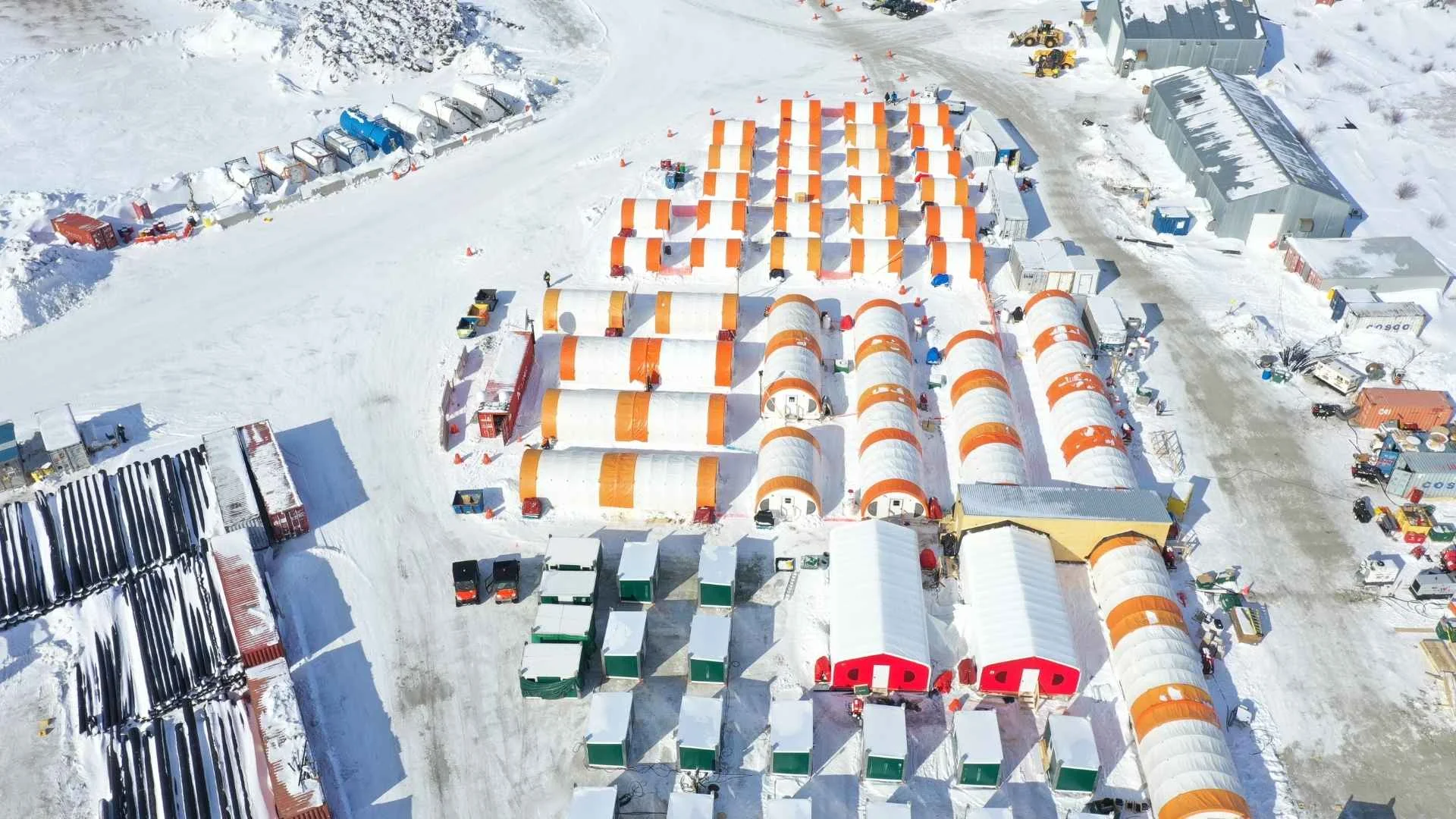
Nico De Lucia on Fly Units: A Game-Changer for Canadian Remote Camps
"Fly units are self-contained, easily deployed via helicopter or fixed aircraft, and can operate autonomously with minimal systems—transforming how we approach accommodations in Canada's toughest terrains." – Nico De Lucia, Matrix Camps, Logistics, and Aviation Management (Matrix).
When it comes to remote camp solutions in Canada, few innovations have made as transformative an impact as the fly unit for remote camps in Canada. For generations, Canadian mining operations, energy and resource companies, and field service contractors struggled to deliver modern housing and essential services into the harshest corners of the north. Now with Matrix making its mark, the realization of modular fly units redefines what’s possible—enabling high-comfort, and low-footprint accommodations in even the most inaccessible terrain, from the icy reaches of Nunavut to remote wildlands beyond any road.
Matrix has spent two decades pioneering innovative housing and logistics for remote camps. Their insights illuminate a crucial “aha moment”: some people think fly units are just another camp, similar to rugged tents or mobile trailers. In reality, these are sophisticated habitats; self-contained, airlift-ready, and equipped with integrated power and water systems. As Nico underscores, fly units can be brought by helicopter or fixed-wing aircraft anywhere in Canada, swiftly set up or removed, and operated autonomously, “with little footprint. ” For industries where speed, adaptability, and sustainability mean survival, this capability marks a definitive competitive advantage.
Why Traditional Remote Camp Housing Falls Short for Canadian Mining and Energy Sectors
"Conventional camps come with higher costs, larger footprints, and longer installation times—factors that reduce project efficiency and sustainability in remote areas." – Nico De Lucia, Matrix Camps, Logistics, and Aviation Management (Matrix).
Traditional camps, though once the only option for isolated Canadian projects, impose steep limitations. According to Nico, reliance on legacy designs leads industries toward “conventional approaches for accommodations that are not efficient”—ultimately undermining both project goals and environmental stewardship. Installation dragged on for weeks as materials, heavy equipment, and personnel had to be flown in piece by piece. The result: ballooning budgets, cumbersome logistics, and a heavier footprint—scenarios antithetical to the goals of Canadian mining companies and remote programs pushing for agility and responsibility.
Matrix’s experience is unequivocal: the real cost of traditional camps lies not just in up-front expense, but in the hidden burden of excess materials, fuel, manual labor, heavy equipment, and—often overlooked—the lingering impact on sensitive landscapes. “They simply require more to transport, install and operate” he says, creating a legacy of inefficiency that consumes resources and time while under-serving remote teams. For organizations aspiring to higher corporate social responsibility standards, these inefficiencies represent a hurdle—and, as we’ll see, a ripe opportunity for fly unit innovation.
Environmental Impact and Operational Inefficiencies of Conventional Camps
Increased fuel consumption due to non-electric systems and reduced insulation
Extended setup time requiring extensive materials like lumber, flooring, electrical, mechanical, and plumbing hookups
Larger environmental footprint with more on-site disruption
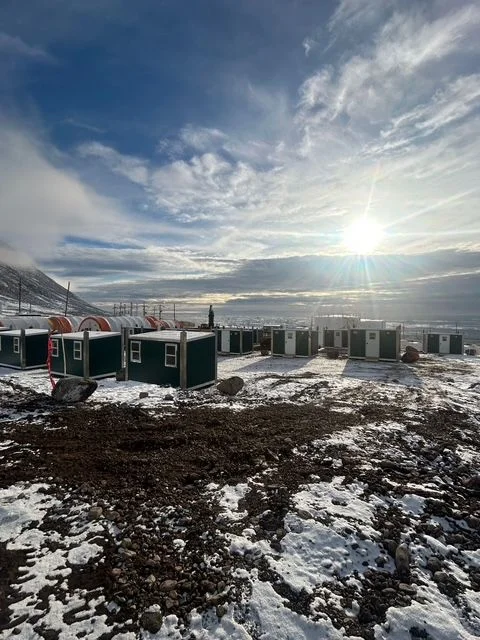
One of the most striking downsides of legacy remote housing is the outsized environmental and operational toll, as Nico details. Traditional camps often depend on significant fuel requirements, lack proper insulation and snowload, and require armies of trucks and laborers to build. These sprawling sites not only “require more of everything,” as Nico points out, but disrupt local fauna and leave a larger, more lasting mark on fragile ecosystems. Installation and teardown are measured in weeks to months instead of days, burning resources and creating costly delays. In contrast, modern fly units, with their minimal infrastructure needs and all-electric utilities, offer a measured, plug-and-play, scalable solution: “All these comforts brought into one unit is a rarity on the market. ”
For Canadian mining and exploration companies, these issues are more than theoretical—they can mean the difference between a project delivered on schedule and one bogged down by logistics. For First Nations and remote communities, reduced workforce disturbance and environmental impact promise more responsible resource management and better stewardship of ancestral lands.
Case Study: Successfully Deploying Fly Units in Extreme Northern Locations
"Our project in Grease Fjord, Nunavut, demonstrated how fly units overcome impossible terrain and no road access, enabling effective environmental and remediation work in one of Canada’s most remote spots." – Nico De Lucia
What happens when the landscape is so isolated that not a single road or trail leads in? As Nico De Lucia recounts, the answer lies with fly units. Recounting a standout project in Grease Fjord, Nunavut—a region “almost impossible to get to”—he describes how Matrix’s modular solutions enabled difficult remediation and environmental work despite severe logistical barriers. In environments where most would “scratch their heads and wonder how they’d even get there,” De Lucia’s team proved that adaptability, not brute force, delivers real success.
This story, echoed across dozens of extreme deployments—think: the Arctic, Northwest Territories, and isolated northern provinces—serves as proof: Fly units unlock opportunity in places conventional camps simply can’t reach. By leveraging air-transportable, compact accommodations, companies can undertake vital work—like mineral exploration, remediation, or even firefighting relief—where once it was impossible or prohibitively expensive. De Lucia’s firsthand experience, drawn from over 20 years managing camps and logistics, consistently demonstrates that the limits of geography are no longer the limits of ambition.
Versatility Across Canada’s Northern Provinces and Territories
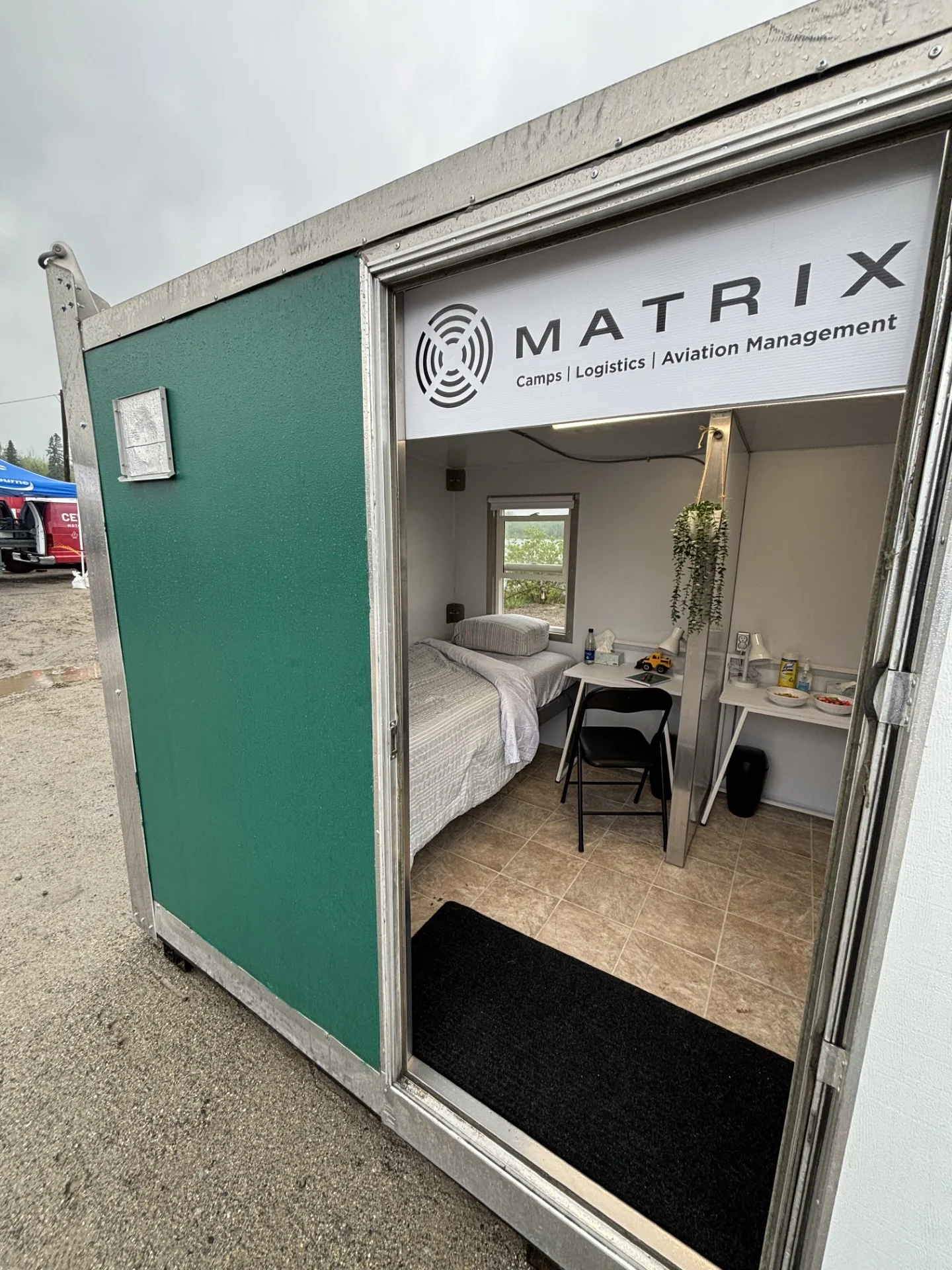
According to Nico, “these units serve as the best solution and the perfect example of what we can get done and where we can do it. ” Fly units are at home across Canada’s Arctic, and each coast from the mountainous terrain of British Columbia to seaside of Newfoundland—locations where conventional camps would be both unsustainable and logistically unworkable. The best thing about them is the ease at which they can move along a moving project, such as roadbuilding and pipeline projects.
For Canadian exploration companies, such versatility means projects can pivot quickly based on survey results or drilling demands. For emergency needs, like wildfire response, they allow for a quick and mobile deployment. Scalability is inherent to the design, allowing camp sizes to grow or contract with workforce requirements, all while maintaining operational efficiency and low environmental impact.
How Fly Units Facilitate Autonomous Operations in Challenging Environments
A defining value of the fly unit for remote camps in Canada is its ability to enable true autonomy in far-flung regions. As Nico explains, fly units are equipped with integrated, off-grid systems: compact generators for power, advanced water treatment modules, and high-performance insulation, air exchange, heating / cooling, and communication systems for reliable comfort. This autonomy means crews remain productive and safe, even when resupply is weeks away.
Those that have used the fly unit tend to say that their modular design and technology allow organizations to bring experienced workforce housing, site services, and camp management virtually anywhere—streamlining everything from initial setup to ongoing maintenance—with none of the heavy burden associated with traditional camps. This strategic flexibility is a crucial force multiplier for mining, exploration, and response teams faced with constantly changing project goals and unpredictable environments.
The Strategic Mindset Shift: Long-Term Sustainability Drives Success with Fly Units
"Shifting focus from upfront costs to long-term operational efficiency leads to more productive projects and sustainable remote camp solutions." – Nico De Lucia, Matrix Camps, Logistics, and Aviation Management (Matrix).
While many project managers still obsess over the initial outlay required to mobilize fly units, Nico emphasizes the need for a broader, more strategic mindset. The real gains, he argues, are realized in overall project cost and lifetime efficiency: “Where we see the real efficiency is within operational costs over the duration of the project. ” Those who make this shift—from short-term cost thinking to long-term value—are best positioned to reap the rewards of higher productivity, sustainability, and risk-resilience in Canada’s unforgiving environments.
This lesson resonates across every industry making use of fly units. For the mining, oil and gas, or emergency response sectors, embracing innovation in housing and logistics unlocks a level of performance that simply wasn’t feasible under old paradigms. As Nico emphasizes, this is not just about “saving money”—it’s about empowering organizations to deliver on ambitious projects with the agility, responsibility, and speed the modern landscape demands. These little homes increase productivity due to maximized comforts, and can be strategically placed directly on a work site to eliminate the need for commute, which also significantly reduces the risk of safety hazards.
Integrated Turnkey Solutions for Seamless Camp Management
Coordinated logistics, workforce housing, and site services
Minimized footprint and rapid deployment
Energy-efficient climate control with electric heating and cooling
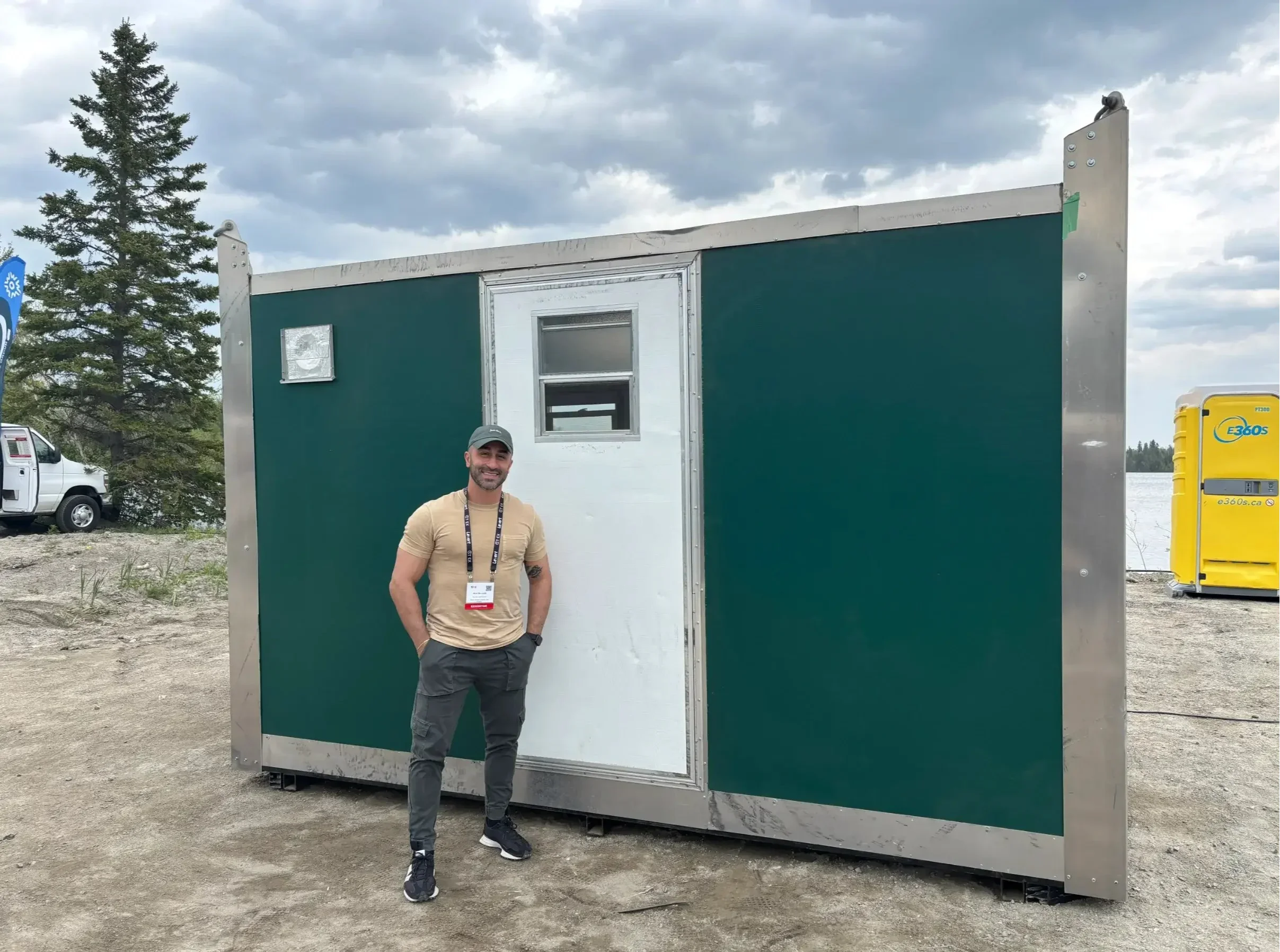
Matrix’s vertically integrated approach—where logistics, camp construction, and site services are unified from start to finish—amplifies the benefits of fly units. “It becomes a turnkey solution where we can manage all components in sync and uniformly,” Nico explains. This seamless orchestration means programs deploy faster, lower setup risks, one line of communication, and full accountability. For forward-thinking Canadian mining and exploration companies, this model sets a new benchmark: efficient, sustainable, and livable remote camps that are ready to evolve with project needs.
Recent advances in electric heating/cooling and precision climate controls make today’s fly units more comfortable year-round. Compact living quarters with integrated air-exchange systems and ergonomic layouts mean crews no longer face the cramped, uncomfortable bunkhouses of the past—reflecting a holistic commitment to safety, morale, and long-term retention.
Key Advantages for Canadian Mining, Exploration, and Energy Companies
Rapid installation and removal reduce project delays
Reduced environmental footprint supports corporate social responsibility goals
Modular design allows scalable accommodation tailored to workforce needs
Enhanced comfort improves worker satisfaction and productivity
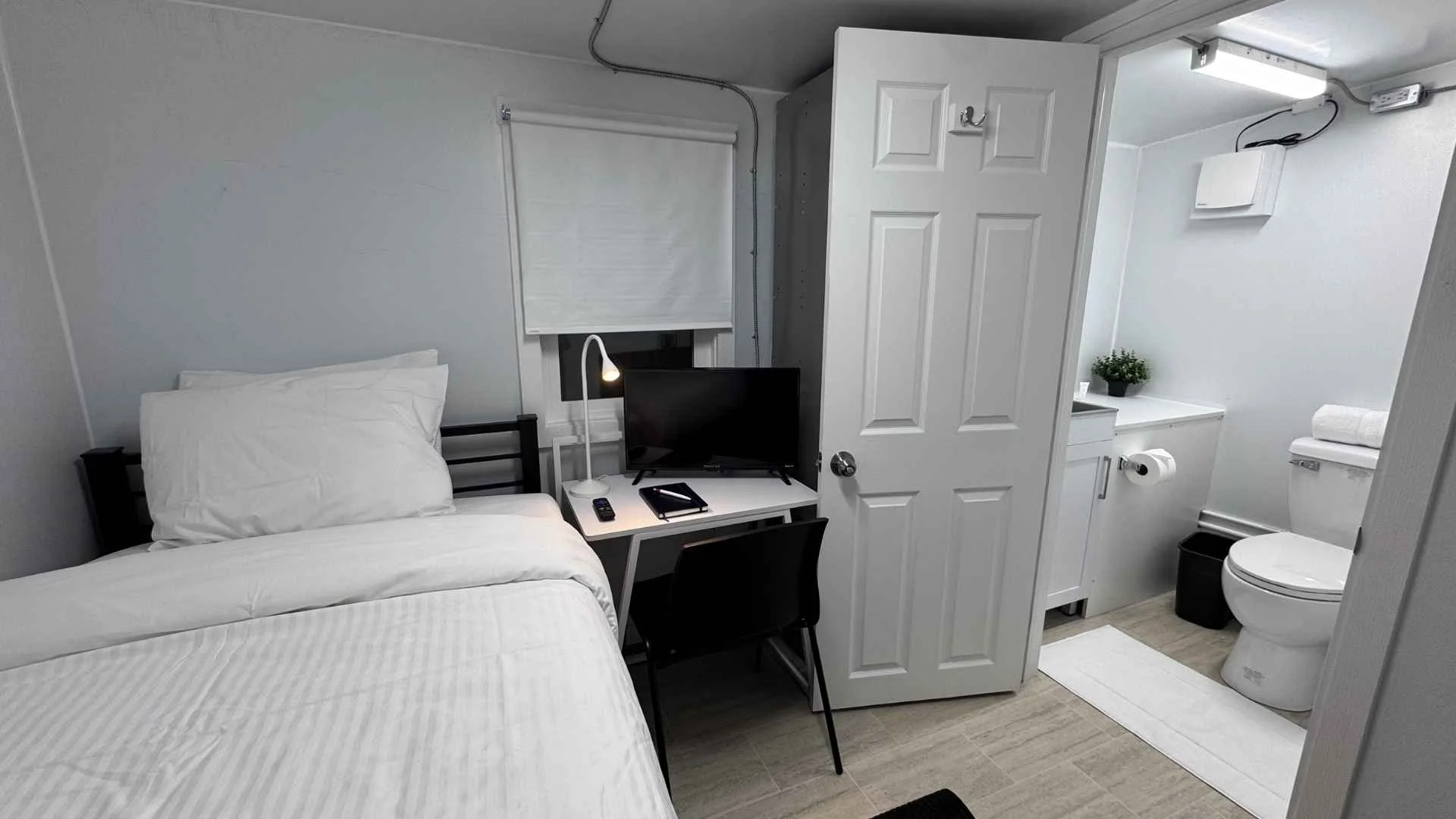
For leaders in Canadian mining operations and energy companies, adopting fly units offers quantifiable returns: faster project mobilization, lower environmental risk, and happier, more productive teams. The modular approach means that camps can be scaled perfectly to the workforce, reducing wasted resources and excess capacity. At the same time, every aspect—from insulated walls to personal climate controls—demonstrates a commitment to the well-being and productivity of skilled staff.
Perhaps most compelling is the alignment with corporate social responsibility (CSR) mandates. Lower energy consumption, reduced site disturbance, and rapid reclamation demonstrate environmental leadership to communities, regulators, and partners. As workforce expectations for livability and comfort in remote housing rise, fly units help companies meet these new standards while staying competitive in high-stakes northern projects.
Summary: Unlocking Full Potential of Fly Units for Remote Camps in Canada
Fly units offer unmatched mobility and efficiency in complex terrains
Innovative design reduces costs and environmental impact
A strategic long-term view maximizes project sustainability and success
Take the Next Step to Upgrade Your Remote Camp Housing
As the demands on Canadian mining, exploration, and energy projects intensify—and as remote work becomes ever more mission-critical—the fly unit for remote camps in Canada stands out as a transformative solution. Nico’s experience with Matrix proves that investing in these modular, airlift-ready units isn’t just about faster setup or striking visuals: it’s about higher efficiency, lower impact, and a more sustainable frontier for resource and service industries.




Write A Comment