
UPDATE
  • Home
  • Categories
    • Entrepreneurs
    • Growth Stories
    • Expert Insights
    • Innovators
    • Franchise and Expansion
    • Tools and Services
    • Commercial Property
    • Trends
July 06.2026
1 Minute Read

How to Overcome Common Challenges in Industrial Painting

Picture this: a bustling factory filled with skilled commercial painters prepping massive metal surfaces, the hum of equipment echoing above as every movement matters. Industrial painting isn’t just about color—it’s about overcoming unique challenges to deliver lasting, professional finishes. Whether you’re a facility manager, business owner, or project lead, understanding how to solve the common challenges in industrial painting can make all the difference in your operation’s success. This comprehensive guide arms you with the practical insights and step-by-step strategies you need for safe, efficient, and high-quality industrial painting outcomes.

Navigating Common Challenges in Industrial Painting: What You Need to Know

  • Understand unique obstacles in industrial painting projects

  • Discover expert strategies for commercial painting success

  • Learn effective approaches for surface preparation and project management

Industrial painting jobs differ significantly from residential or smaller-scale commercial projects due to the sheer scale, environmental exposure, and rigorous demands placed on both personnel and materials. From managing drying time in unpredictable weather to ensuring proper surface prep against tough industrial residue, every aspect must be executed with precision. Facility managers and commercial painters frequently encounter adhesion issues, environmental conditions, and labor shortages, which, if left unchecked, can compromise the final product. By grasping these challenges and the strategies to address them, your painting project will become smoother and ultimately more successful.

Modern industrial environments, filled with commercial vehicles and specialty manufacturing equipment, require tailored planning. Knowing the right paint system, understanding the importance of high humidity management, and investing in both workforce training and regular maintenance are essential. Throughout this article, you’ll find expert tips—ranging from project management best practices to surface cleaning techniques—so your team can achieve an exceptional, professional finish every time.
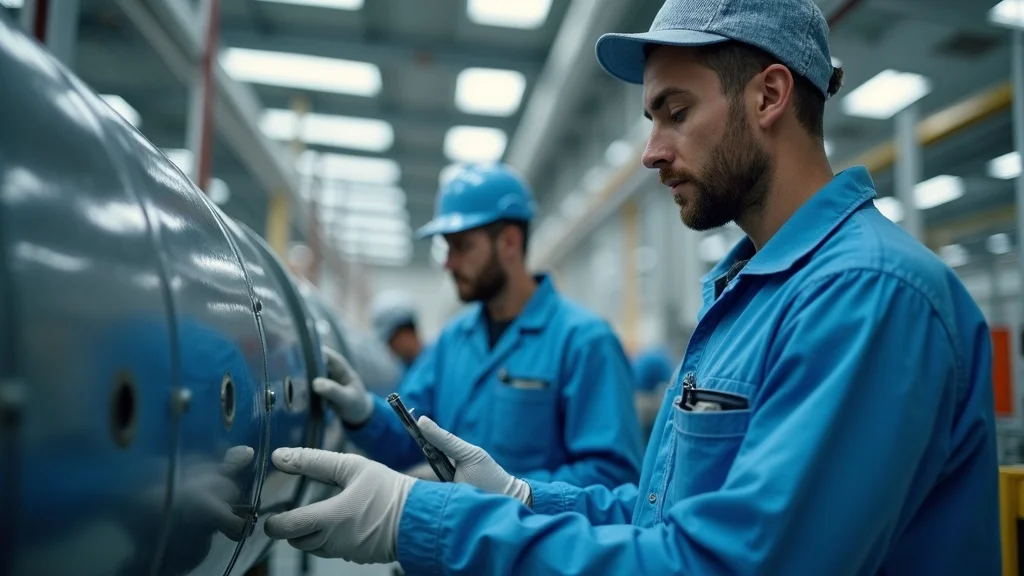
Professional industrial painters inspecting factory machinery for industrial painting readiness, surrounded by painting tools and safety equipment.

What You'll Learn from Overcoming Common Challenges in Industrial Painting

  • The most frequent issues faced by commercial painters and facility managers

  • Step-by-step surface prep solutions and drying time management

  • Insights into project management for industrial painting

  • Tips for achieving a consistent, professional finish in every industrial paint job

By the end of this guide, you’ll be able to expertly identify the unique challenges in industrial painting and tackle them with proven, professional techniques. You’ll master surface preparation, control of environmental factors, and the art of scheduling and quality assurance. More importantly, you’ll know how to troubleshoot common paint defects, manage workforce issues, and ensure compliance with health and safety standards—skills every commercial painter and facility manager needs in today’s demanding market.

Identifying Common Challenges in Industrial Painting and Commercial Painting

  • Environmental and material-specific obstacles

  • Health and safety compliance in industrial painting

  • Equipment and technique limitations

  • Workforce training and labor shortages

Industrial painting projects demand careful planning, especially considering environmental conditions that directly impact paint performance and longevity. Environmental and material-specific obstacles—such as varying temperatures, high humidity, and contaminated surfaces—can all impede the project’s outcome. These factors often result in drying time inconsistencies or adhesion failures, which can significantly reduce the durability of even the highest quality industrial and commercial paint.

Another pressing challenge involves strict adherence to health and safety regulations. Painting operations typically require handling hazardous materials, working around heavy equipment, and operating in confined or elevated spaces. These risks demand constant vigilance, well-maintained safety gear, and regular worker training. Additionally, the need for specialized equipment and the growing shortage of skilled labor means facility managers must be proactive with recruitment and upskilling to keep projects on track and ensure a safe workplace.

Key Factors Impacting Surface Preparation in Industrial Painting

Best Practices for Surface Prep and Surface Preparation

  • Equipment required for optimal surface preparation

  • Surface cleaning and assessment techniques

  • Overcoming uneven or contaminated surfaces in commercial painting

The foundation of any successful industrial painting project is thorough surface preparation. Failing to prepare surfaces can lead to costly rework and compromise the final product. Essential equipment—such as power washers, blast cleaners, and abrasion tools—are vital for removing contaminants like oil, rust, and previous coatings. Each surface may require a different approach; for instance, steel structures may need abrasive blasting while concrete often demands chemical cleaning. Effective surface prep maximizes adhesion and reduces the likelihood of defects like cracking or blistering.

Meticulously inspecting every surface is just as important. Surface assessment involves checking for contaminants, uneven textures, or existing paint defects that could compromise the new coating. Commercial painters must be adept at choosing the best cleaning method for each material and determining when areas require patching or additional smoothing. Overcoming these challenges, especially in production facilities with ongoing operations, demands a blend of technical skill, careful planning, and practical training to ensure a seamless finish and sustained paint performance.
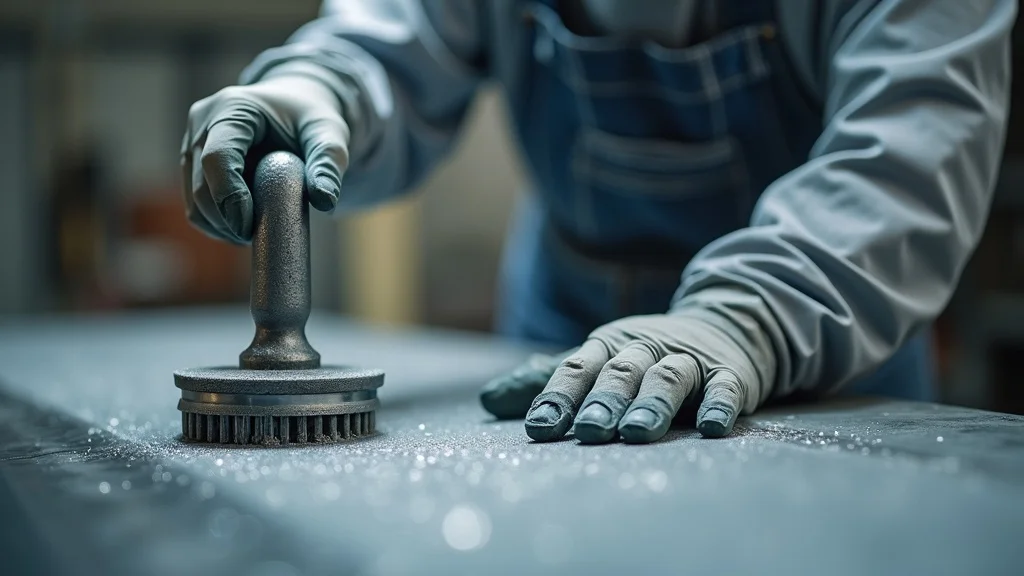
Close-up of industrial painter performing surface preparation with specialized equipment on a metal surface for commercial painting.

Overcoming Drying Time Constraints in Commercial Painting Projects

How to Control Drying Time for Industrial Paint and Commercial Paint

  • Temperature and humidity considerations

  • Accelerating drying time without sacrificing quality

  • Scheduling and sequencing for efficient project management

Drying time is a critical factor influencing the efficiency and outcome of any commercial painting project. Ambient temperature and humidity levels play significant roles in how fast a paint system dries and cures. High humidity and low temperatures often extend drying times, delaying subsequent work and increasing the risk of dust, debris, or defects setting into the paint. Commercial painters need to closely monitor environmental conditions, especially when working on large surfaces or in facilities with constantly changing indoor climates.

To accelerate drying time without sacrificing quality, professionals may use force-drying techniques such as increasing air flow with fans, deploying dehumidifiers, or using heat lamps designed for industrial coatings. Sequencing work strategically—by painting non-critical areas first or staggering tasks between teams—also prevents bottlenecks and streamlines project management. Properly balancing speed with quality mitigates risks and ensures every paint layer bonds correctly, reducing the risk of blistering, cracking, or peeling in the future.

Project Management Tips for Resolving Common Challenges in Industrial Painting

Streamlining Industrial Painting and Commercial Painting Schedules

  • Resource and time allocation strategies

  • Communication protocols between commercial painters and managers

  • Quality control checkpoints

Effective project management is fundamental to solving many common challenges in industrial painting. Allocating resources wisely means having the right number of skilled workers available, alongside ensuring all required materials, equipment, and safety tools arrive on time. Project managers must leverage digital scheduling tools to map out tasks, track progress, and plan contingencies for weather or supply chain interruptions. Regularly scheduled safety checks and pre-task briefings foster a culture of transparency, accountability, and efficiency among the industrial painting team.

Communication is also key. Clear protocols between facility managers and commercial painters—whether through daily briefings, shared project dashboards, or checklists—minimize misunderstandings and help address concerns in real time. Establishing strict quality control checkpoints at various project stages, from pre-cleaning through the final walkthrough, catches defects early and allows for immediate corrective action. These project management strategies significantly improve outcomes and support business owners intent on delivering a reliable, high-value result.
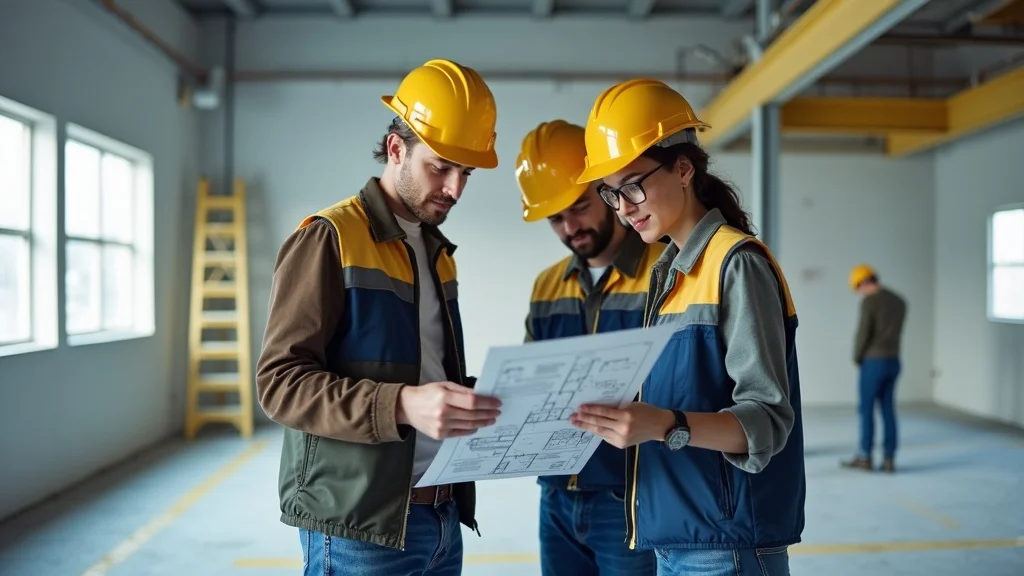
Modern project manager and industrial team reviewing painting schedules and floor plans on a tablet during a commercial painting project in a warehouse.

Ensuring a Professional Finish in Industrial and Commercial Paint Jobs

Achieving Consistency in Commercial Paint Applications

  • Selecting the right industrial paint and commercial paint products

  • Application tools and techniques

  • Addressing common finish defects in industrial painting

Achieving a high-quality, professional finish on a large industrial project goes beyond choosing a reputable commercial painter. It requires selecting the correct paint for specific surfaces and anticipated exposures. Factors like UV resistance, chemical resistance, and compatibility with existing coatings must be weighed when choosing between solvent- and water-based paints or advanced two-part epoxy systems. Using the correct application method—whether spraying, rolling, or brushing—also ensures even thickness and full surface coverage.

Equip your team with reliable, well-maintained tools, from sprayers for large surfaces to detail brushes for edges and irregular parts. Routine inspection of work is necessary to quickly address defects like streaks, bubbles, or thin patches. By pairing advanced materials and methods with a sharp eye for detail, facility and property managers can guarantee every commercial painting job delivers not just a uniform appearance, but also optimal durability for years of service.

Addressing Occupational Health and Safety in Commercial and Industrial Painting

  • Safety compliance for commercial painters

  • PPE and environmental risk management

  • Handling hazardous materials during industrial painting jobs

Occupational health and safety should never be overlooked in any industrial or commercial painting operation. Compliance with OSHA and local regulations helps prevent accidents and health hazards, especially when handling chemical-based paints or operating in confined/enclosed areas. Strict use of personal protective equipment (PPE)—including respirators, gloves, and protective suits—not only guards against immediate hazards, but also contributes to long-term worker wellbeing. Regular safety briefings and transparent reporting mechanisms improve awareness across teams and prevent risky shortcuts.

Proper handling, labeling, and disposal of hazardous substances such as industrial solvents and lead-based paints are critical for both site safety and environmental stewardship. Investing in air filtration units, spill containment systems, and continuous environmental monitoring demonstrates a commitment to a safe and responsible workplace. As labor shortages continue to affect the industry, a strong safety culture attracts and retains skilled commercial painters while also minimizing project downtime.

Industrial commercial painters methodically donning full PPE, including protective suits and masks, in a dedicated storage area with organized safety equipment for industrial painting.

Overcoming Environmental and Weather-Related Challenges in Industrial Painting

  • Adjusting for temperature, humidity, and weather

  • Working with commercial vehicles and outdoor facilities

  • Choosing weather-resistant commercial paint products

Adapting to environmental and weather-related challenges is essential for painting projects involving commercial vehicles, storage tanks, or building exteriors. Fluctuations in temperature and humidity dramatically affect how quickly paints cure and how well coatings adhere. Inconsistent environmental conditions may lead to uneven finish, chalking, or premature failure if not properly managed. Utilizing weather-resistant commercial paint products developed for outdoor or industrial use helps counteract these risks and boosts surface longevity.

Facility and property managers should deploy solutions like temporary enclosures, tarps, or mobile drying equipment to create a controlled painting environment. Monitoring weather forecasts and scheduling sensitive tasks when conditions are optimal reduces risk, as does employing fast-curing or moisture-tolerant paint formulas. In the context of working with commercial vehicles, it is essential to select coatings specifically engineered for regular on-road, off-road, or marine exposures, ensuring assets remain protected—and aesthetically pleasing—regardless of environment.
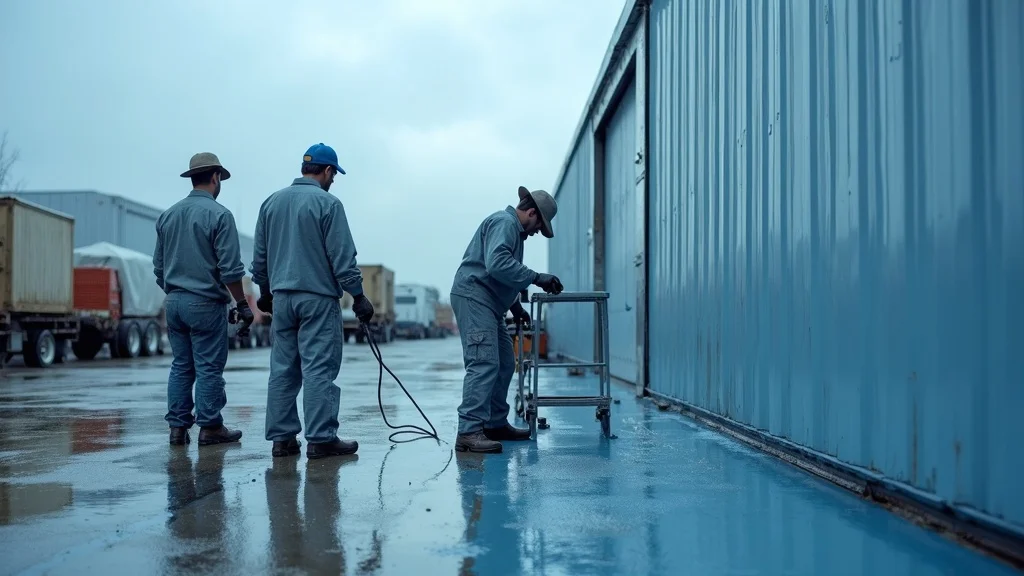
Industrial exterior painting crew applying weather-resistant paint to a large metal structure outdoors in changing weather conditions, with commercial vehicles in the background.

Innovations in Equipment and Technology for Commercial Painting Success

Upgrading Tools for Modern Industrial Paint Applications

  • Recent advances in commercial painting equipment

  • Reducing manual labor and improving results

  • Digital project management solutions

The industrial painting industry is rapidly transforming with technology, bringing major gains in efficiency, safety, and product quality. Sophisticated paint sprayers and automated application equipment ensure a consistent coat and minimize manual labor, while also improving speed and reducing risk for workers in hazardous zones. New diagnostic tools—like digital thickness gauges and surface profile testers—allow for real-time quality checks and data-driven decision-making.

Integrating project management solutions, such as cloud-based scheduling and onsite checklists, gives managers complete visibility over each commercial painting project. This transparency boosts communication, supports faster problem resolution, and keeps jobs on schedule. Upgrading to modern equipment is an investment in safety and customer satisfaction, as advanced tools make it easier for commercial painters to address the unique challenges of today’s demanding industrial environments, ultimately producing a better, longer-lasting final product.

Training and Quality Assurance for Industrial Painters

Best Practices for Continuous Improvement in Commercial Painting

  • Training programs for commercial painters

  • Quality assessment methods

  • Feedback and improvement systems

Continuous learning is key to sustaining project excellence. Ongoing training programs ensure that commercial painters stay up-to-date with the latest techniques, safety standards, and equipment innovations. By investing in training, facility managers empower teams to solve problems independently and adapt quickly to evolving site conditions or regulatory changes. Structured onboarding and refresher courses boost skills, reduce accident rates, and improve product consistency.

Equally vital is the implementation of robust quality assessment protocols, such as regular site inspections and detailed post-project reviews. Gathering feedback from both workers and clients helps refine processes and continuously raise standards. With well-established reporting channels, common issues like adhesion problems, finish defects, or delays can be tracked and directly addressed—ensuring each commercial painting project not only meets but exceeds operational and customer expectations.

Common Paint Defects and How to Fix Them in Industrial Painting

  • Cracking, blistering, and peeling

  • Discoloration and uneven coverage

  • Preventative measures for a long-lasting professional finish

Even the most experienced teams occasionally encounter defects in industrial paint and commercial paint applications. Common issues like blistering, cracking, peeling, and chalking can often be traced back to insufficient surface preparation, improper drying time management, or environmental miscalculations. Peeling and blistering usually result from trapped moisture or application of incompatible coatings, while cracking signals a lack of flexibility in the paint system. Discoloration or patchy coverage is frequently a symptom of uneven substrate conditions or using the wrong type of paint for the job.

To fix these defects, focus first on assessment: identify the root cause by reviewing surface prep logs, humidity and temperature records, and the specific products used. Solutions may range from sanding and re-priming to switching to advanced, weather-resistant epoxies. Preventative measures—like routine site inspections, using high-quality paints, and strictly following manufacturer guidelines for application and curing—ensure a professional finish and dramatically reduce rework for future projects.

Quotes from Industry Experts on Common Challenges in Industrial Painting

"Consistent surface preparation is the foundation of any commercial painting success." – Senior Project Manager, Arthur Cole Painting

"Embracing innovation helps commercial painters tackle challenges both efficiently and safely." – Facility Maintenance Lead

People Also Ask About Common Challenges in Industrial Painting

What is the 80/20 rule in painting?

  • The 80/20 rule in painting suggests that 80% of the project’s success relies on 20% of the effort—mainly effective surface prep and strategic planning. Focusing attention on these core tasks streamlines the rest of the process and yields higher quality results.

What are some challenges in painting restoration?

  • Challenges in painting restoration include dealing with aged or damaged surfaces, matching historical colors, and ensuring structural stability. Commercial painters must balance authenticity with durability and safety in industrial environments.

What are 5 defects found on a painted surface?

  • Common defects in industrial painting include blistering, cracking, chalking, peeling, and discoloration. Addressing these issues involves careful surface preparation, suitable paint selection, and controlled drying time.

Is being an industrial painter hard?

  • Yes, being an industrial painter can be physically demanding and requires technical skill, safety awareness, and attention to detail. Effective training and adherence to industry standards make the work manageable and rewarding.

FAQs Regarding Common Challenges in Industrial Painting

  • What preparation work is essential before beginning an industrial painting project?
    Essential preparation includes thorough surface cleaning, repairing any substrate damage, masking adjacent areas, and selecting the right primer for the material. This groundwork ensures maximum adhesion and a smooth finish.

  • How do you ensure a consistent professional finish in large-scale commercial painting?
    Employing skilled commercial painters, using high-quality paint, employing advanced application tools, and conducting regular inspections at each stage help guarantee consistency from start to finish.

  • What should facility managers look for when hiring commercial painters?
    Facility managers should prioritize firms with proven industrial experience, a strong safety record, reliable references, and transparent project management practices.

  • How can project management enhance the success of industrial painting jobs?
    Effective project management ensures optimal scheduling, resource allocation, communication between all parties, and consistent quality assurance, leading to successful, on-time project completion.

  • Can advanced equipment lower labor and improve painting outcomes?
    Yes, modern painting equipment automates repetitive tasks, reduces manual labor, increases consistency, and allows teams to work more efficiently and safely in challenging environments.

Table: Comparison of Common Paint Defects and Proven Solutions

Defect

Description

Solution

Blistering

Raised bubbles on surface

Ensure proper surface prep, avoid moisture

Cracking

Lines through coated area

Use flexible paint, prep surface adequately

Peeling

Paint lifts from substrate

Remove old paint, primer use

Chalking

Powdery residue forms

Choose high-quality, weather-resistant paints

Discoloration

Fading or patchy color

UV-resistant paints and correct application

Key Takeaways: Mastering Common Challenges in Industrial Painting

  • Thorough surface preparation and drying time management define project success

  • Project management, worker training, and safety are essential

  • Modern tools and awareness of environmental factors significantly improve outcomes

Get Started with a Free Quote - https://colepainting.com/contact/ or call (508) 799-9019

Ready to address the unique challenges of your next industrial painting project? Contact the experts for a free quote and achieve a professional finish—every time.


Commercial Property

0 Comments

Write A Comment

*
*
Please complete the captcha to submit your comment.
Related Posts All Posts
07.07.2026

Unlocking Customer Engagement Through Effective Retail Store Layout Design

Update Understanding Retail Store Layout Design Effective retail store layout design is critical for enhancing customer experience and maximizing sales. The right layout can guide shoppers through your space, encouraging them to explore more products and engage deeply with your brand. With the advent of technology and innovative strategies, the traditional approach to store layouts has evolved, requiring businesses to integrate modern solutions into their designs. This evolution is not only about aesthetics but plays a significant role in the overall functionality of the store. The Importance of Strategic Design Strategic design not only influences how customers perceive a store but also impacts their purchasing behaviors. Well-planned layouts utilize space efficiently, help minimize bottlenecks, and provide clear paths for customer navigation. A thoughtful layout invites customers to dwell longer in the store, increasing their likelihood of making a purchase. While traditional concepts like the grid or racetrack layout still hold merit, incorporating elements of technology can differentiate a store in today’s competitive market. Each design choice should reflect the brand's identity and cater to the shopping preferences of the target audience. Utilizing Technology in Store Layout As the retail sector continues to adapt, the integration of technology in store layout design has become a game-changer. By employing data analytics, retailers can track customer movements and preferences. Stores are now equipped with sensors and heat maps that gather valuable data on traffic patterns, enabling dynamic adjustments to layouts in real-time. This strategic utilization of technology not only optimizes space but enhances customer interaction, as products are displayed in high-traffic areas. Such advancements also allow for tailored experiences; for example, retailers can create personalized promotions based on where customers spend the most time. Emotional Connection Through Design Today’s consumer is driven by emotional connections, which can be enhanced through effective store layout design. Visual merchandising plays a pivotal role; engaging displays can catch a shopper's eye and evoke curiosity. Featuring lifestyle-oriented displays or thematic sections relevant to consumer interests can create memorable shopping experiences that encourage repeat visits. Options such as scent marketing or ambient sounds can further enhance this emotional engagement. Retailers are increasingly aware that shopping is not just a transactional experience but a journey that needs to resonate on a personal level with consumers. Case Study: Transformative Retail Spaces Several retail brands exemplify successful layout designs that leverage both technology and emotional engagement. For instance, stores like Apple and IKEA have utilized open spaces and strategically placed products to facilitate exploration. Apple’s layout encourages customers to interact with technology in a relaxed environment, promoting hands-on experience with devices. Similarly, IKEA’s maze-like design invites customers to immerse themselves in a lifestyle experience, creating an enjoyable shopping adventure that enhances both enjoyment and conversion rates. These brands leverage design as a form of storytelling, sculpting the shopping experience into something meaningful. Tips for Designing Your Retail Store Layout To create an effective retail layout, consider these key strategies: Identify Your Target Audience: Understanding who will shop in your store is paramount. Tailoring the layout to meet their preferences and shopping habits will provide an enhanced shopping experience. For instance, stores targeting families might include play areas or family-friendly features. Employ Flexibility: Create adaptable spaces that allow for changes in product displays and seasonal promotions. This flexibility enables the store to respond quickly to market trends and consumer demands. Focus on Flow: Design pathways that facilitate effortless movement while naturally leading customers through your space. The flow should encourage exploration, guiding customers toward less visible areas that showcase additional products. Highlight Key Areas: Use visual cues or focal points to draw attention to specific merchandise or promotional features. Ensure these areas are placed in high-traffic zones, rather than at the back of the store. Leverage Technology: Explore solutions like augmented reality to create interactive experiences that engage consumers and elevate their time spent in-store. Providing virtual try-ons or interactive displays can make the shopping experience more enjoyable and informative. Create Community Spaces: Consider integrating areas for community interaction, such as lounges or event spaces. These areas can host workshops or product demonstrations, fostering a sense of community and deepening customer loyalty. Future Trends in Retail Store Layout Design The retail landscape will continue evolving, heavily influenced by technological advancements and changing consumer behaviors. Expect to see increased personalization through AI-driven analytics and enhanced virtual realities that provide alternative shopping experiences. Retailers who can leverage these trends will likely stay ahead, creating compelling layouts that resonate with their target markets and adapt to ongoing shifts in consumer expectations. For example, incorporating mobile apps that guide customers through the store can provide contextual information and personalized offers, enhancing the shopping experience even further. Conclusion: The Takeaway on Layout Design In summary, well-thought-out retail store layout design is essential for creating engaging shopping environments that drive sales and foster customer loyalty. By understanding and implementing innovative strategies, businesses can transform their store layouts into powerful tools that resonate with consumers in today’s fast-paced retail market. Retailers who prioritize customer engagement through strategic layout design are more likely to create environments that not only attract shoppers but also invite them to return time and time again.

06.29.2026

Discover Effective Corporate Office Space Planning Techniques That Boost Productivity

Update Creating Dynamic Workspaces: A Modern Approach to Corporate Office Planning Effective corporate office space planning has become more crucial than ever as businesses adapt to evolving work environments. The traditional office layout is making way for flexibility and comfort, prioritizing employee well-being while fostering productivity. To navigate this transformative phase, here are essential insights on shaping an adaptable and efficient workspace. Understanding Employee Needs: The Foundation of Space Planning The primary step in planning a corporate office space is conducting a comprehensive needs assessment. Engaging with employees through surveys and discussions can uncover their preferences and work habits. For example, a recent survey revealed that 70% of employees value a work environment tailored to their collaboration needs, highlighting the importance of understanding the team’s dynamics. Additionally, leveraging IoT sensors offers real-time data on how various spaces are utilized, guiding informed decisions about future space allocation and adjustments. Designing Flexibility: Innovative Office Space Solutions Once needs are assessed, the next step is to design versatile office spaces that can adapt to different work styles. Modular furniture and movable partitions are essential in creating flexible layouts. Such designs not only support various team sizes but also enhance the overall flow of the workspace. Think of a collaborative area that can quickly transition into a focused work zone; this adaptability boosts productivity and promotes a sense of community among employees. Furthermore, technology such as 3D spatial modeling allows planners to visualize layouts efficiently, catching design conflicts early and ensuring seamless functionality. Tech Trends Revolutionizing Office Space Planning Technology plays a pivotal role in modern office space planning. Digital twins and space management software are at the forefront of this evolution, providing rich insights into spatial utilization. Digital twins allow real-time analysis of office layouts, while virtual reality (VR) can facilitate immersive walkthroughs, offering stakeholders a preview of potential designs. Such tools not only streamline the planning process but also ensure that each aspect of the office caters to the growing demands of a hybrid workforce. The Vital Importance of Employee Comfort A well-designed office is not solely about aesthetics; it's significantly about fostering an environment that prioritizes employee comfort. Ergonomic furniture, like adjustable desks and supportive seating, can enhance job satisfaction by up to 20%. Additionally, ensuring access to natural light creates a holistic atmosphere that nurtures mental well-being and boosts morale. Incorporating biophilic design elements—such as indoor plants—further blurs the lines between indoor and outdoor spaces, offering cognitive and emotional benefits for employees. Planning for Future Growth: Scalability Matters With businesses continually evolving, corporate office space planning must consider future growth. This involves ensuring that infrastructure is scalable and flexible. Regular reviews of space suitability should be part of the approach, allowing adjustment in response to changing business dynamics and employee feedback. Such foresight ensures that office layouts can accommodate a fluctuating workforce, whether returning to full-capacity operations or embracing hybrid models. Conclusion: Actionable Insights for Effective Space Planning In conclusion, effective corporate office space planning hinges on understanding employee needs, prioritizing flexibility, embracing technology, ensuring comfort, and planning for future growth. By adopting these principles, organizations can cultivate dynamic workspaces that not only appeal to their staff but also drive productivity and innovation. Consider re-evaluating your current office layout—how can you apply these insights to create an engaging and adaptable space for your team?

06.26.2026

Discover Coating Systems Used in Commercial Painting Now

Imagine standing before a sleek glass-and-concrete commercial building, clipboard in hand, facing the critical decision of how best to protect and enhance its surfaces. In commercial painting, choosing the right coating systems is more than a finishing touch—it's foundational to property longevity, aesthetics, and cost-efficiency. This guide demystifies coating systems used in commercial painting, equipping business owners and facility managers with the practical knowledge you need to maximize your next painting project.Understanding Coating Systems Used in Commercial PaintingCommercial painting is not just about applying color; it’s a comprehensive process that safeguards structures and assets for years to come. Selecting the proper coating system ensures your facility withstands weather, chemicals, heavy use, and the test of time. Given the wide variety of surfaces and requirements—metal, concrete, high-moisture areas—the choice of the right paint coating or industrial coating becomes critical. Facility managers, painting contractors, and business owners all rely on robust coating systems to maintain both property value and operational efficiency.With complex substrates and demanding environments, a tailored coating system supports both practical performance and visual appeal. This section walks you through why aligning your coating solution with building needs isn’t just smart—it’s essential for long-term success in any commercial painting project.Scenario: Why Choosing the Right Coating System Matters in Commercial PaintingConsider a bustling office complex that experiences significant foot traffic, frequent cleaning, and exposure to the elements. Choosing a basic paint coating may seem cost-effective at first, but within a year, wear can lead to chipping, dullness, or even surface damage. Conversely, selecting an industrial coating system—tailored for abrasion and chemical resistance, with a carefully prepared substrate and professional application—keeps surfaces resilient, vibrant, and easy to maintain over time. The right decision reduces repairs, downtime, and tenant complaints, showing how a thoughtful approach to coating systems used in commercial painting truly pays off.What You’ll Learn About Coating Systems Used in Commercial PaintingKey types of coating systems used in commercial painting projectsHow industrial coatings and protective coatings differThe importance of surface prep and surface preparationBest practices recommended by professional painting contractorsAnswers to common questions about coating systemsAn Overview of Coating Systems Used in Commercial PaintingDefinition and Purpose of a Coating SystemA coating system refers to a sequence of layers—primer, base coat, intermediate, and topcoat—applied to a substrate such as concrete, metal, or masonry. Each layer has a specific function: the primer ensures optimal adhesion and corrosion resistance; the base or intermediate coats add structure, thickness, and strength; the topcoat provides color, UV protection, and a durable finish. In commercial painting, the integrated approach of a multi-layer system yields more than just visual impact—it’s engineered for performance, longevity, and environmental resistance crucial to busy and exposed properties.Whether for a commercial building, warehouse, or industrial plant, coating systems are designed to meet industry standards and fulfill the specific needs set by project environments. Advanced combinations like epoxy coating and urethane topcoats provide both high performance and flexibility in application, making them a go-to choice for demanding locations and critical infrastructure.Common Applications for Commercial Paint CoatingCommercial paint coatings are used across a range of facilities, including office towers, retail centers, warehouses, and healthcare properties. Applications vary—from interior walls requiring frequent washdown to high-traffic hallways, warehouse floors needing slip-resistant coatings, and steel surfaces exposed to weather and potential corrosion. Painting contractors and facility managers often deploy specialty protective coatings for areas like water treatment plants, storage tanks, and industrial machinery, where resistance to chemicals, moisture, and abrasion is vital.Choosing between advanced coating systems depends on the specific needs of your property: some environments prioritize appearance with high-gloss or textured finishes, while others require durability and compliance with industry regulations. No matter the setting, selecting a suitable coating product prevents premature failure and ensures a return on investment for property managers and business owners alike.Types of Coating Systems Used in Commercial PaintingEpoxy Coating SystemsPolyurethane Coating SystemsAcrylic Paint CoatingsZinc-Rich Industrial CoatingsIndustrial Coatings vs. Paint CoatingsIt’s crucial to recognize the difference between industrial coatings and standard paint coatings when considering coating solutions for commercial properties. Industrial coatings are typically engineered for extreme durability, chemical resistance, and protection from harsh environmental factors. These coatings are ideal for infrastructure such as storage tanks, structural steel, and manufacturing plants. In contrast, paint coatings (like acrylic or latex systems) often focus on aesthetics while providing a moderate level of protection—making them well-suited for interior walls or low-impact surfaces in offices and retail spaces.Business owners and facility managers must evaluate whether high-performance industrial coatings are necessary for their projects—or if premium paint coatings offer sufficient protection and appearance. The right balance keeps maintenance manageable and aligns with both budget and facility goals.Key Elements of a Professional Coating SystemProtective Coating and Its Importance in Commercial PaintingA protective coating serves as a vital shield against moisture, UV radiation, chemicals, and abrasion. When professionally specified and properly installed, these coatings reinforce surfaces, reduce vulnerability to rust and mold, and significantly extend service life. In commercial and industrial facilities such as warehouses, processing plants, and schools, the application of a reliable protective coating can mean the difference between a thriving, low-maintenance building and costly, frequent repairs.Facility managers benefit from reduced downtime, minimized disruption, and enhanced aesthetics—all outcomes of the right coating system. Whether protecting steel surfaces from corrosion or safeguarding concrete against chemicals, the investment in advanced protective coatings always pays dividends.How Surface Preparation Affects Coating System PerformanceThe performance of any coating system hinges on meticulous surface preparation. Without proper cleaning, sanding, and priming, even the best industrial coating or paint coating will not adhere correctly, leading to bubbles, peeling, or corrosion. Surface prep involves removing contaminants, repairing imperfections, and creating an ideal profile for the selected coating product—steps that skilled painting contractors never skip.Industry experts agree that time spent on surface preparation ensures durable results and maximizes the life of the coating system. In environments ranging from high-humidity basements to sun-exposed exteriors, the thoroughness of your surface prep directly affects maintenance cycles and overall facility costs."Proper surface prep is the cornerstone of every durable coating system," notes a leading industry painting contractor.How Painting Contractors Choose Coating Systems for Commercial ProjectsFactors Considered: Environment, Use, and LongevityPainting contractors consider a multitude of factors before recommending a coating system for a commercial project. Environmental impacts—such as humidity, chemical exposure, temperature fluctuations, and UV intensity—directly influence coating selection. The intended use of each space (warehouse, office, food processing, or medical facility) dictates whether a robust industrial coating or a specific paint coating will provide the best performance and value.Longevity is another key concern: the best coating systems are chosen to minimize future downtime and extend the maintenance cycle, ultimately reducing life cycle costs. Contractors evaluate surface prep needs, compatibility with existing coatings, and the manufacturer’s specifications to provide the most reliable protection for your asset. In essence, expert selection is about matching the coating solution to both current needs and future demands.Role of Protective Coatings for Facility Managers and Business OwnersFor facility managers and business owners, the role of protective coatings stretches beyond mere aesthetics. Decisions about coating materials can directly impact compliance with safety regulations, tenant satisfaction, and building valuation. Selecting advanced protective coatings shields your investment while supporting routine operations—making it a mission-critical task for anyone overseeing a commercial painting project.By collaborating with an experienced painting contractor, business leaders can better understand the attributes—chemical resistance, flexibility, durability—of various coating systems, ensuring long-term building performance and reduced operational headaches.Popular Commercial Paint Coating Systems ExplainedEpoxy and Urethane Industrial CoatingsEpoxy coating systems are the cornerstone for durable, high-traffic environments such as warehouses, manufacturing floors, and industrial kitchens. Known for their strong bond to properly prepared concrete and steel, epoxy coatings offer superior resistance to abrasion, impact, and a wide range of chemicals. Their dense structure creates an impermeable barrier, making them an ideal protective coating in industrial settings including water treatment facilities and storage tanks.(also referred to as polyurethane coatings) are often applied as a topcoat over epoxy base layers, providing unmatched UV protection, color retention, and flexibility. This pairing maximizes both appearance and performance, reducing the risk of yellowing and surface breakdown in sun-exposed or outdoor areas. Together, epoxy and urethane coating systems stand as an industry gold standard in commercial painting.Acrylic and Latex Paint CoatingsFor office interiors, retail environments, and common areas, acrylic and latex coatings provide an aesthetic, cost-efficient alternative to industrial-grade products. Renowned for their fast drying time, low odor, and user-friendly application, these paint coatings are well-suited to spaces where downtime must be minimized. They also excel in providing flexible finishes that can move with building materials, reducing the likelihood of cracking as structures naturally expand or contract.Modern acrylic systems also feature washable, stain-resistant finishes and are available in a wide variety of colors and sheens. While not as robust as true industrial coatings, they meet the daily needs of many commercial and industrial settings when properly specified for interior or low-impact environments.Tables Comparing Coating Systems Used in Commercial PaintingComparison of Coating Systems: Durability, Application, and Maintenance NeedsCoating SystemTypical ApplicationsDurabilityMaintenance NeedsEpoxyWarehouse floors, industrial kitchens, water treatment, steel surfacesHigh (excellent resistance to chemicals and abrasion)Low–Moderate (periodic inspection recommended)Polyurethane (Urethane)Outdoor walkways, exterior building surfaces, topcoat over epoxyVery High (exceptional UV stability, color retention)Low (routine cleaning, infrequent recoating)AcrylicInterior office walls, hallways, retail areasModerate (good for traffic areas, not ideal for chemicals)Moderate (matches repaint cycles)Zinc-RichStructural steel, bridges, marine and industrial environmentsHigh (sacrificial protection against corrosion)Low (long lifespan, visual inspection suggested)Step-by-Step Surface Preparation for Coating SystemsAssessment of Substrate and Surface: Identify the substrate (e.g., concrete, metal) and inspect for previous coatings or surface damage.Cleaning and Degreasing: Remove all dirt, oils, dust, and contaminants that could interfere with adhesion.Repairing Surface Imperfections: Patch holes, cracks, or defects with manufacturer-recommended repair products to establish a uniform surface.Application of Primers and Sealers: Apply the proper primer and, if needed, a sealer to enhance the bond and block stains or underlying issues.Benefits of Quality Coating Systems in Commercial PaintingExtended building longevityResistant to weather and chemicalsEnhanced visual appealReduced repair costs"Investing in the right coating system ensures long-term protection and value for your property," says a commercial painting contractor expert.Experience dynamic time-lapse and close-ups of professional painters executing advanced surface prep, masking, spraying, and final inspection under bright warehouse lights.People Also Ask: What are the 4 types of coatings?Answer: The 4 main types of coatings used in commercial painting are epoxy, polyurethane, acrylic, and zinc-rich coatings. Each offers specific benefits and applications, depending on the required durability, chemical resistance, and finish.People Also Ask: What is the 80 20 rule for coating?Answer: In commercial painting, the 80/20 rule refers to the principle that 80% of a coating’s performance is determined by 20% of the preparation and application process—primarily surface prep and proper application technique.People Also Ask: What types of coating systems are there?Answer: Coating systems used in commercial painting include single-component coatings, multi-layer systems (such as primer, intermediate, and topcoat), industrial coatings, and specialized protective coatings for unique environments.People Also Ask: What are the three types of coating?Answer: The three primary types of coating in commercial painting are protective coatings, decorative paint coatings, and functional/industrial coatings. Each serves a distinct purpose in commercial facilities.FAQs on Coating Systems Used in Commercial PaintingHow do I know which coating system is right for my building?The best way to select a coating system is to consult with an experienced painting contractor who can assess your facility’s specific needs, usage patterns, environmental conditions, and long-term maintenance goals. Professional evaluations and samples ensure the system matches your expectations for durability and appearance.What are the signs that my existing coating system needs replacement?Common symptoms include visible peeling, bubbling, cracking, faded color, or areas of corrosion. A worn coating product may no longer provide adequate protection against moisture, chemicals, or physical impact, signaling it’s time for an upgrade.How does weather affect industrial coatings and paint coatings?Extreme temperatures, UV exposure, rain, and humidity all impact the longevity and performance of coating systems used in commercial painting. Proper selection and application techniques ensure the system is tailored for resilience in your building’s specific climate and exposure conditions.Key Takeaways on Coating Systems Used in Commercial PaintingCoating systems used in commercial painting play a vital role in asset preservation and enhancement.Proper surface preparation and professional application maximize longevity.Choice of coating system should match the intended use, exposure, and facility needs.Hear from industry leaders on evaluating, specifying, and maintaining coating systems tailored to diverse commercial environments.Ready to Enhance Your Facility? Get Started with a Free QuoteTake the next step in protecting your investment. Get Started with a Free Quote or call (508) 799-9019 today!

Terms of Service

Privacy Policy

Core Modal Title

Sorry, no results found

You Might Find These Articles Interesting

T
Please Check Your Email
We Will Be Following Up Shortly
*
*
*