

Are You Making the Right Choice? Understanding Industrial Painting Versus Commercial Painting
Have you ever wondered if your facility needs industrial painting or commercial painting—and what the difference truly means for your bottom line? Choosing the right painting service is more than a cosmetic decision; it impacts durability, compliance, ongoing maintenance, and cost-effectiveness for years to come. For business owners, property managers, and facility operators, aligning your paint job with operational needs can mean the difference between thriving results and expensive missteps. This comprehensive guide explores industrial painting versus commercial painting, so you can make a confident, informed choice for your next painting project.

What You'll Learn: Key Takeaways on Industrial Painting Versus Commercial Painting
The fundamental differences between industrial painting versus commercial painting
How industrial and commercial painting impact project results, durability, and cost
Criteria to choose the right painting service for your property
Important considerations by industry professionals
Defining Industrial Painting Versus Commercial Painting
Understanding the Difference Between Industrial and Commercial Painting
To determine what suits your property best—industrial painting versus commercial painting—you need to understand their core differences. Industrial painting focuses on protecting equipment, infrastructure, and machinery from exposure to chemicals, high temperatures, and extreme conditions in manufacturing plants or warehouses. These environments require specialized coatings designed to last in harsh settings and guard against corrosion, moisture, and abrasion. By contrast, commercial painting is typically performed in spaces where visual appearance and customer impressions matter most, such as retail stores, offices, hospitals, and schools. The primary goal in commercial paint jobs is a clean finish, color consistency, and branded appeal to create a welcoming environment for customers and staff. Understanding the difference helps facility managers allocate budgets, estimate maintenance needs, and plan for compliance or branding strategies more effectively.
While both commercial and industrial painting require trained professionals, the preparation, products, and application techniques vary greatly. An industrial painter must be versed in using heavy-duty coatings, working with complex machinery, and ensuring minimal downtime in industrial settings, while a commercial painter focuses on aesthetics and efficiency during business hours with minimal disruption. Each painting service comes with specific requirements, making it essential to choose the right approach for your project type and goals.
Industrial Painting: Scope, Methods, and Goals
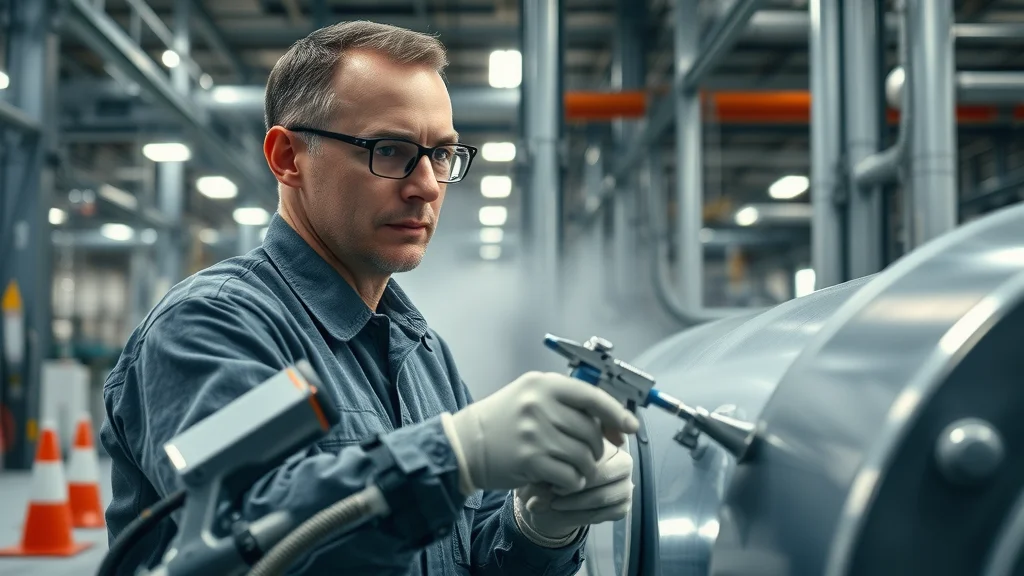
Industrial painting encompasses complex projects in facilities such as factories, warehouses, power plants, and processing centers. The scope includes extensive surface preparation—like sandblasting or abrasive cleaning—to ensure strong adhesion for specialty industrial paint. Techniques such as spray application of epoxy, polyurethane, or zinc-rich coatings provide robust protection against chemical exposure, high temperature fluctuations, and persistent moisture. Industrial painters are trained to handle hazardous materials, follow safety protocols, and target long-term preservation, often working after-hours or during plant shutdowns to minimize interruption of operations. Their painting projects require detailed planning, compliance with safety standards, and an understanding of material science to ensure both function and longevity.
A successful industrial painting job not only protects assets but also extends the lifespan of critical infrastructure. This equates to fewer repairs, improved performance, and substantial cost savings over the facility’s operation. The techniques, products, and certifications unique to this type of painting set industrial painting apart from other services—making expertise and experience non-negotiables for any large-scale or high-stakes site.
Commercial Painting: Applications in Business and Retail Environments
Commercial painting focuses on offices, retail stores, restaurants, hotels, schools, and hospitals where appearance and daily functionality are top priorities. Commercial painters prioritize fast, flexible scheduling and finish work to minimize disruption in public or business-facing spaces. The process starts with surface cleaning, patching, and priming—often less intensive than industrial preparation—and finishes with consumer-grade or professional-grade commercial paint for vibrant color retention and smooth results.
The chosen types of paint in these settings tend to favor environmental friendliness, low VOCs, and customization to integrate branding elements. While durability matters, aesthetics, safety, and customer impression are at the heart of every commercial painting job. Whether it’s refreshing a retail store’s entrance or coordinating a large-scale office repaint, the expertise of a commercial painting service lies in attention to design and timetable efficiency.
"Industrial painting is engineered to withstand harsh environments, while commercial painting focuses on appearance and customer impression." — Industry Expert
Types of Paint Used: Industrial Paint vs. Commercial Paint
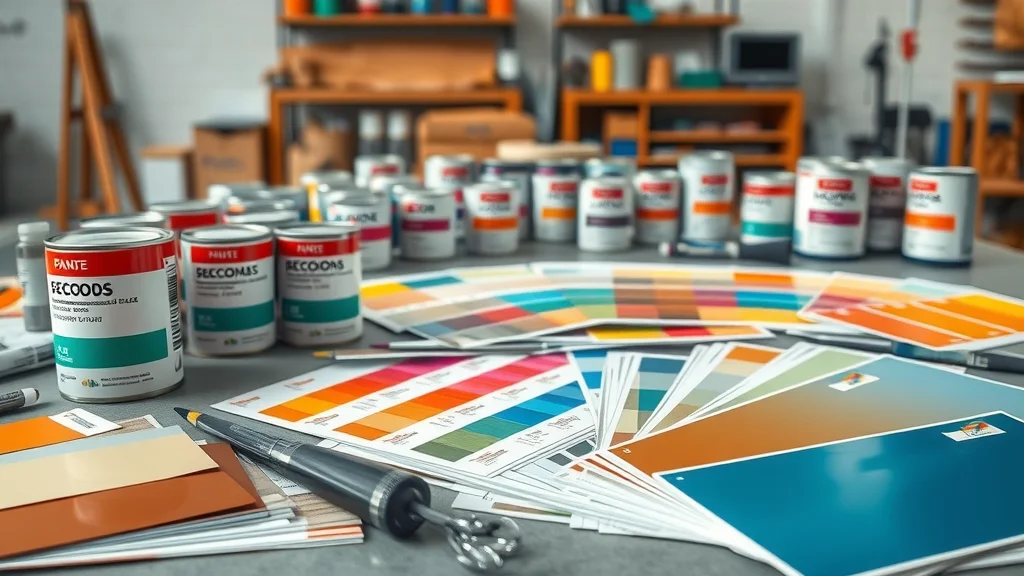
Selecting the right types of paint can make a profound difference in both performance and total cost for your painting projects. Industrial paint options often include epoxy, polyurethane, alkyd, and zinc-based coatings, which deliver resilience in high-traffic or extreme environments. By comparison, commercial paint typically utilizes latex, acrylic, or enamels known for their vibrant finishes and quick drying times—perfect for retail or office interiors.
Factor in the differences in initial investment and long-term savings: industrial paints may cost more upfront but extend lifespans, minimize shutdowns, and decrease overall maintenance. Commercial paints are ideal for frequent, budget-friendly touch-ups that keep spaces looking fresh and inviting. The right choice comes down to balancing your needs for function, durability, and appeal.
Paint Type |
Primary Use |
Durability |
Cost per Gallon |
Key Features |
|---|---|---|---|---|
Epoxy (Industrial Paint) |
Factories, Warehouses, Equipment |
Very High (10–20+ years) |
$50–$130 |
Chemical, abrasion, & heat resistance |
Polyurethane (Industrial Paint) |
Food Processing, Manufacturing Plant |
High (8–15 years) |
$45–$120 |
UV stability, flexible coating |
Acrylic/Latex (Commercial Paint) |
Offices, Retail Stores, Schools |
Moderate (3–10 years) |
$25–$60 |
Color vibrance, low odor, quick-dry |
Enamel (Commercial Paint) |
Doors, Trim, Washrooms |
Moderate (5–10 years) |
$30–$80 |
Glossy finish, easy cleaning |
Zinc-rich (Industrial Paint) |
Steel Structures, Pipelines |
Very High (15–25 years) |
$70–$150 |
Corrosion resistance, protective barrier |
Key Differences: Industrial Painting Versus Commercial Painting for Facility Managers
Durability, Lifespan, and Maintenance Needs
One of the most important distinctions between industrial painting versus commercial painting is durability. In an industrial setting, paint must protect against physical wear, high temperatures, moisture, and chemicals. Industrial paint is engineered to extend the functional lifespan of surfaces—think years, sometimes decades, of resilience with minimal maintenance. Commercial spaces, on the other hand, emphasize frequent updates to align with branding, trends, or the wear and tear of a customer-facing environment. These painting jobs are often faster, less invasive, and use products that prioritize appearance over maximum durability.
Understanding the difference between industrial and commercial applications allows managers to predict long-term maintenance requirements. While a commercial paint job may need refreshing every few years, a properly executed industrial paint system can virtually eliminate routine painting for over a decade, translating to significant operational savings in the most demanding environments.
Cost Structure and Budgeting for Industrial and Commercial Painting Projects
Budgeting for painting projects can be challenging, especially when comparing industrial and commercial jobs. Upfront costs for industrial painting are generally higher, due to surface prep, labor, safety requirements, and specialty paints. However, these investments reduce the frequency—and the scope—of future repairs. For commercial painting, cost savings are realized in efficiency, availability of contractors, and the relative affordability of most materials. Facility managers evaluating commercial and industrial painting budgets should account for not just immediate pricing but also total lifecycle costs. Consider your property’s exposure, anticipated use, timelines, and the financial impact of failing paint in highly visible or mission-critical areas.
When planning a painting project, request a detailed breakdown: price per square foot, materials, labor, and prep. Account for possible operational downtime, which is typically costlier in industrial environments. A thorough consultation with an expert in industrial and commercial painting helps clarify expectations, ensuring your investment delivers on durability, compliance, and return on investment.
Safety, Compliance, and Environmental Standards
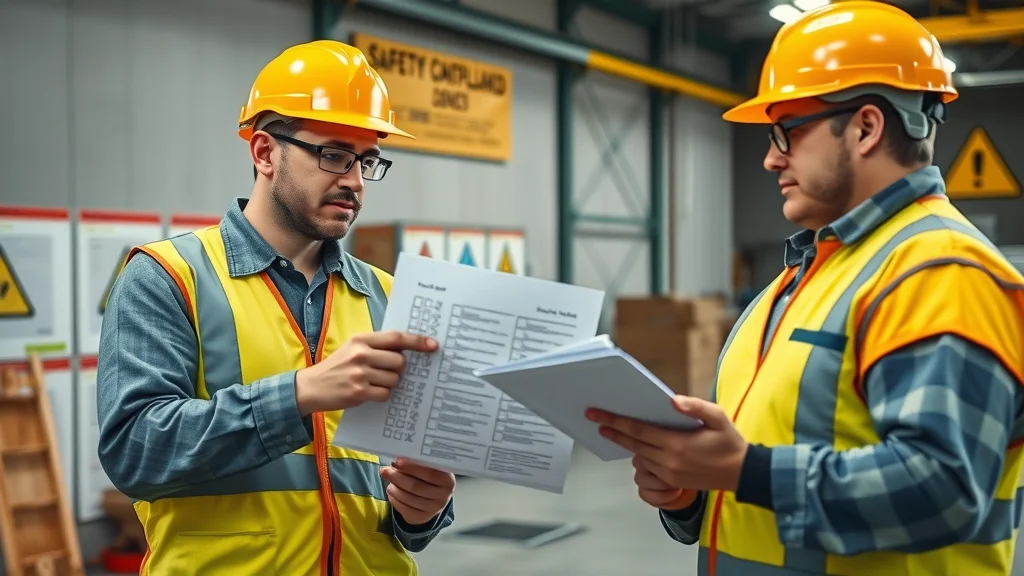
Both industrial and commercial painting must follow local, state, and federal regulations—but industrial projects face stricter requirements for safety, hazardous material handling, and environmental impact. Industrial painters need certifications in confined space work, respirator use, fall protection, and hazardous waste management. Compliance checks, documentation, and environmental impact assessments frequently accompany larger industrial painting projects.
For commercial painting, the emphasis is on minimizing disruption and ensuring safe passage for employees and customers during the job. Eco-friendly or low-VOC paints are increasingly common to support healthy work environments. Facility managers should always confirm that their painting contractor—whether for an industrial or commercial project—follows proper regulations, disposes of waste responsibly, and has protocols in place for unforeseen incidents.
Industrial Painters vs. Commercial Painters: Skills, Training & Specializations
Industrial Painter Training, Certifications, and Services
Industrial painters begin with advanced training in specialized equipment, substrates, and workplace hazards. Most complete certificates or apprenticeships covering hazardous materials, chemical-resistant coatings, sandblasting, confined space operations, and surface preparation. Ongoing education ensures they’re up to date on safety, environmental regulations, and new coatings. Their painting services frequently involve complex, multi-layered systems essential for energy, manufacturing, and warehousing facilities. When evaluating an industrial painting project, look for contractors with a proven track record and verified credentials, as this expertise is crucial for the long-term stability and safety of your plant or warehouse.
Their skillset enables them to deliver consistent results in challenging conditions and execute large-scale projects efficiently. This focus on technical proficiency separates industrial painting from less specialized commercial and industrial painting services.
Commercial Painters: Experience, Service Offerings, and Customer Approach
Commercial painters combine technical skills with a customer-focused approach. Their training centers on achieving impeccable finishes in offices, retail stores, and educational or healthcare environments, often with tight deadlines. Services range from interior and exterior painting to wallcovering, minor repairs, color consulting, and scheduled maintenance. Businesses benefit from the flexibility and reliability of experienced commercial painting services, which prioritize project management, communication, and on-schedule completion to minimize disruption and deliver visual impact.
Choosing the right commercial painter means ensuring both professionalism in finish quality and respect for your operational needs—especially important for high-traffic or customer-facing locations. Ask about past projects, crew experience, and how they manage projects to avoid surprises or missed deadlines.
Choosing the Right Painting Service for Your Project
Assessment criteria: building use, environment, and timelines
Questions to ask painting contractors
Importance of consulting with industrial and commercial painting experts

Start with a thorough assessment: What is your facility’s primary function, environmental exposure, and required timeline for completion? A painting service should be chosen according to your needs for protection, appearance, compliance, and budget. Key questions to ask contractors include: Do you have relevant certifications? What types of paint and coatings do you recommend? How do you ensure safety and minimize disruption? Can you provide references from projects similar to mine? Consulting with industrial and commercial painting experts ensures your project’s requirements are met and risk is minimized.
A reputable painting contractor will offer a detailed scope, outline of products, project schedule, and support on compliance—laying the groundwork for a successful outcome regardless of project type.
Industrial and Commercial Painting Project Considerations
Project Planning: Timeline, Budget, and Outcomes
Proper planning is integral to a successful painting project, whether it’s an industrial or commercial site. Start by determining scope—evaluate the spaces, substrates, intended use, and potential interruptions to daily operations. Accurate budgeting requires factoring in costs for surface prep, labor, material, compliance, and possible overtime. Timelines differ: industrial painting jobs are more sensitive to weather, plant shutdowns, and safety audits, while commercial painting jobs can usually be performed in phases or off-peak business hours.
Outcomes should be measurable: Has the paint improved asset protection? Is the commercial space now on-brand and inviting? Track these metrics post-project to make the most of your investment and to plan future refreshes.
Common Challenges with Commercial and Industrial Painting
Both industrial and commercial painting projects face unique hurdles. For industrial facilities, the main challenges include downtime costs, hazardous material requirements, and climate control during application. For commercial spaces, coordination with ongoing business activities, safety for customers and staff, and rapid turnaround times pose the greatest obstacles. In both types of painting, clear communication, realistic scheduling, backup plans for weather or equipment delays, and transparent cost estimates are essential to project success.
Work only with paint contractors experienced in your facility type to avoid unexpected setbacks and ensure lasting results.
Industrial Painting Versus Commercial Painting: Case Studies
Real-World Examples: Manufacturing Facilities vs. Retail Spaces
Consider two recent painting projects: In the first, a manufacturing plant upgraded its floor and production line surfaces from standard commercial coatings to specialized epoxy-based industrial paint. Although the project required a larger upfront budget and a brief facility shutdown, the result was a dramatic decrease in maintenance frequency and increased resistance to chemical spills. The second case involved a retail store that refreshed its interior and exterior branding with vibrant commercial paint. This swift overhaul attracted more walk-in customers and enhanced the store’s image, proving the importance of aesthetic-focused commercial painting in competitive markets.
These real-world comparisons underscore the core differences between industrial painting versus commercial painting: function and longevity for industrial; brand image and customer experience for commercial. Choose based on your specific goals and environment.
"Our shift from commercial to industrial paint made the difference in our warehousing costs and maintenance frequency." — Facility Manager
People Also Ask: Top Questions about Industrial Painting Versus Commercial Painting
What is considered industrial painting?
Industrial painting refers to the application of specialized coatings and techniques designed to protect equipment, machinery, and infrastructure in harsh environments. It involves advanced preparation, unique types of paint, and compliance with stringent safety and performance standards, focusing on long-term protection rather than just aesthetics.
How much should it cost to paint 1000 sq ft?
The cost to paint 1000 sq ft varies by service type. For industrial painting, expect a higher price due to specialized materials and labor ($2-$6/sq ft or more). Commercial painting typically ranges lower ($1.50-$3.50/sq ft), mainly due to simpler prep and paint. Precise quotes depend on surface condition, chosen paint, and project complexity.
Is commercial and industrial the same thing?
No, commercial and industrial painting are not the same—each serves different goals. Industrial painting prioritizes protection from chemicals, abrasion, and weather, while commercial painting focuses on finishes that appeal to customers and fit branding strategies. Both types of painting require distinct skills and paint systems.
Are industrial painters in demand?
Yes, industrial painters are in high demand, especially with growth in manufacturing, warehousing, and infrastructure projects. Their expertise in applying protective coatings and fulfilling compliance standards makes them essential for facility longevity and regulatory adherence.
Frequently Asked Questions (FAQs) on Industrial Painting Versus Commercial Painting
What industries most often require industrial painting?
Is one type of painting faster than the other?
Are there eco-friendly paint options for industrial and commercial painting?
What is the lifespan difference between commercial and industrial paint jobs?
Key Takeaways: Choosing Between Industrial Painting Versus Commercial Painting
Assess your facility’s needs and exposure factors
Industrial painting offers resilience; commercial painting enhances image
Work with expert painters who specialize in your project type
Consider cost, compliance, and longevity in your decision
Get Started with a Free Quote for Your Painting Project
Are you ready to protect your facility or enhance your commercial space? Get Started with a Free Quote — contact us today or call (508) 799-9019.
Selecting between industrial painting versus commercial painting comes down to your facility’s priorities—optimize for protection, compliance, or customer appeal with guidance from the right professionals!

Write A Comment