 Add Row
  Add
Add 

Is Your Home's Electric Panel Safe? Greg Vybiral Reveals the Hidden Risks for Homeowners
When was the last time you thought about your home’s electrical panel? For many homeowners, it’s a silent, obscure fixture—just a nondescript box in the garage or basement. But as Greg Vybiral of LSL Electric warns, treating your panel as an afterthought can lead to unexpected and potentially catastrophic consequences. From hidden brand-specific hazards to the unforeseen toll of time and modern appliances, the question is your home’s electric panel safe? isn’t just technical—it’s a foundation of household security. In this article, we dig into the tangible risks most homeowners overlook and reveal practical steps Greg has honed over more than 35 years of expert service.
"In older homes, if the electrical panel is 20 to 30 years old, breakers start to malfunction. Federal Pacific and Zinsco panels have even lost their UL listing decades ago — these are known hazards that can cause serious damage." – Greg Vybiral, LSL Electric
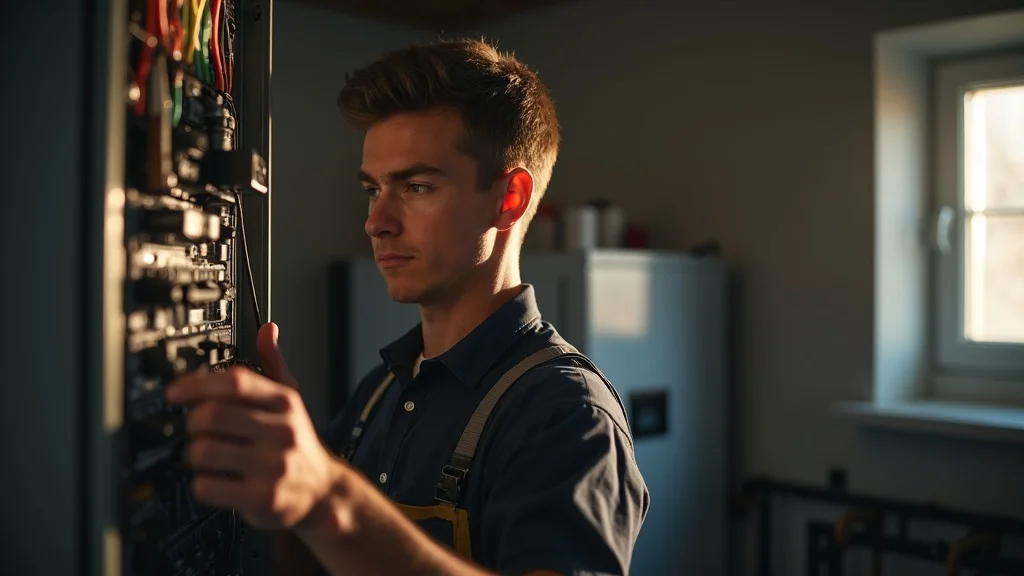
Understanding Electrical Panel Safety: Age, Brands, and the Threats Lurking Beneath
Why Age and Brand Matter More Than You Think
According to Greg Vybiral, the safety of your home’s electrical panel is determined as much by time as by design. Homeowners often underestimate the impact of a panel’s age and the notoriety of certain brands: “If you had a home built in the 1970s or early 1980s, brands like Federal Pacific Electric and Zinsco aren’t just outdated—they’re widely recognized hazards,” Vybiral points out. These panels had their safety (UL) listings stripped decades ago after their tendency for catastrophic failure became evident. It’s not just a matter of old technology; it’s a matter of tested risk.
Greg compares your home’s electrical panel to the heart of your house. Its circuits pump power just like arteries deliver blood. If the electrical "heart" becomes aged or is built from unreliable “genetics” (such as disreputable brands), the security of your home’s devices, appliances, and even its very fabric is compromised. Continuous use, added demands from modern devices, and the inevitable march of time mean that what was once safe can degrade into a hidden threat. Homeowners should be asking themselves not just “does it work,” but “do I know if this panel is even safe, given its age and brand?”
"Your home's electrical panel is like the heart pumping power through veins to your vital organs. Without proper maintenance, it breaks down just like a human heart, risking your entire home's safety." – Greg Vybiral, LSL Electric
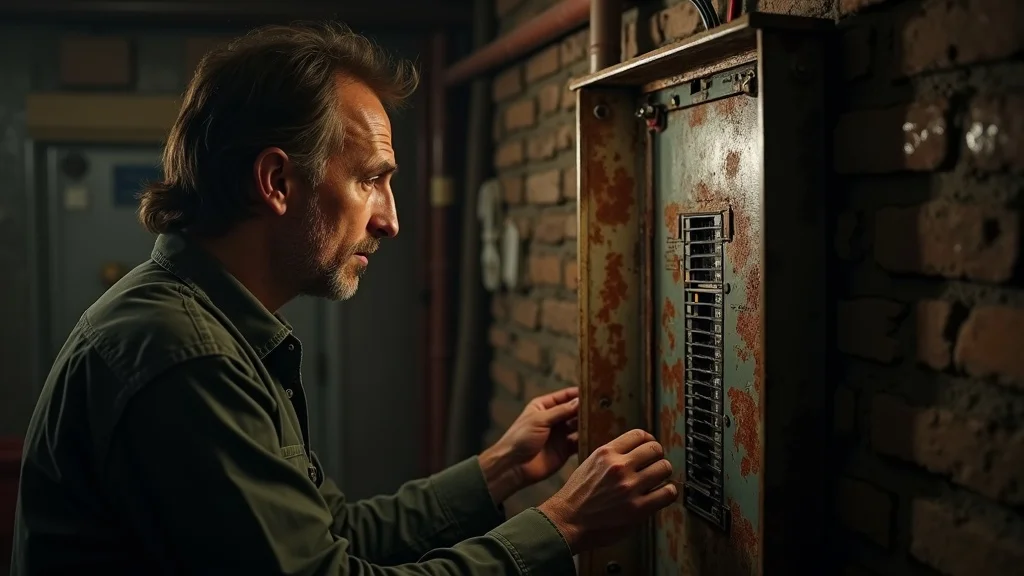
The Real-World Dangers of Ignoring Aging Panels and Connections
The consequences of neglecting an old electrical panel can be far more serious than a simple outage. Over the decades, Greg has seen the results firsthand: “Breakers and connections degrade—loose, corroded, or malfunctioning parts can cause serious damage to homeowners and their properties,” he shares. The dangers are insidious. Loose connections generate heat, increasing the risk of house fires, damaged electronics, and costly electrical failures. When outdated panels fail to trip breakers during surges, the risk of full-system overloads soars—threatening everything from your refrigerator to your family’s safety.
One of the most alarming truths, according to Vybiral, is that even a panel that “seems to work fine” can hide brewing hazards. Corroded wires, aging breakers, and unaddressed recall alerts are commonly found in homes built in the latter half of the last century. “Most people don’t realize these systems, after 20 or 30 years, are vulnerable in ways new installations are not,” Vybiral says. The result: modern energy demands on an antiquated system can spark failures with devastating consequences.
"I've seen brand new installations work flawlessly, but after 20, 30, or 40 years, breakers and connections degrade — loose, corroded, or malfunctioning parts can cause serious damage to homeowners and their properties." – Greg Vybiral, LSL Electric
How Homeowners Can Transform Electrical Panel Safety: Practical Tips from a Veteran Electrician
The Crucial Role of Regular Electrical Maintenance
For Greg Vybiral, the key to electrical panel safety isn’t just emergency repairs—it’s proactive, consistent maintenance. “We recommend that every four to five years, homeowners have a licensed electrician review all connections,” Greg advises. Just as you wouldn’t let your car or HVAC system go without routine attention, your electrical system requires the same vigilance. Preventative maintenance centers on tightening connections, checking for early signs of wear, and ensuring that even unseen problems—from heat damage to subtle corrosion—are managed before becoming catastrophic.
Greg emphasizes that this is not an optional luxury, especially for outdated panels in older homes. “Loose connections are the biggest cause of damage,” he warns. Over time, these become hotspots for heat, which can quietly break down the integrity of connection points and lead to failures or fire hazards. Routine professional servicing extends your panel’s functional life, adapts systems to new loads (such as electric vehicles or modern appliances), and delivers peace of mind. It’s a small investment in maintenance that can prevent enormous—and sometimes irreversible—costs down the road.
Schedule a licensed electrician inspection every 4 to 5 years
Focus on tightening all connection points to prevent heat damage
Replace outdated breakers and outlets in older homes proactively
Spotting When It's Time for a Panel Replacement
Knowing “when” can be just as important as knowing “how” to protect your home. Greg points out clear signals for when a panel needs more than just another tightening: frequent breaker trips, warm spots on the panel, flickering lights, or any evidence of charring or rust signal a system that’s no longer trustworthy. If your panel is over 25 years old, regardless of how well it seems to function, it may not meet the standards required for today’s electrical loads—especially with the growing use of high-draw appliances and EV chargers.
Homeowners especially need to consider a full panel replacement if their existing equipment is from a discontinued or recalled brand—or if it’s no longer recognized by Underwriters Laboratories (UL). According to Vybiral, “Early and proactive replacement of aging outlets and panels is not just wise, it’s crucial for accommodating the demands of modern living. ” The alternative? Waiting for visible signs often means waiting until avoidable damage—and unplanned costs—are already at your door.
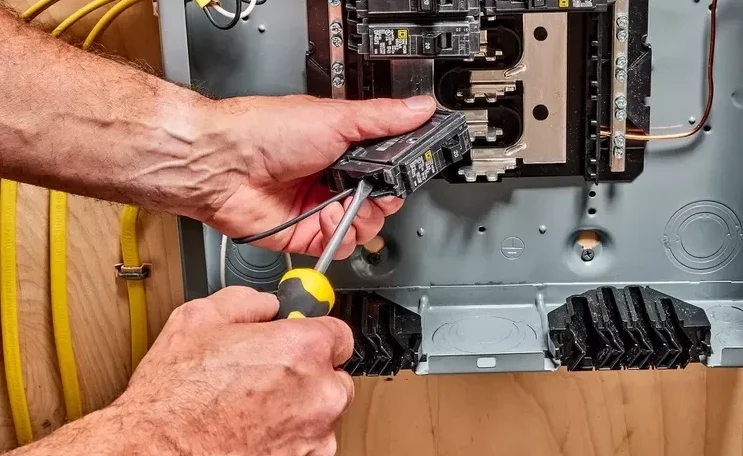
Take Charge Today: Simple Steps to Ensure Your Electrical Panel's Safety
Start with Awareness: Know Your Home’s Electrical History
The journey to a safe home electrical system always begins with awareness. Greg stresses that the first—and sometimes toughest—step is simply taking a closer look at what you already have. “Take notice of the age of the home, then schedule a maintenance visit with a licensed electrician,” he advises. Just like reviewing a home inspection before purchase, current owners should delve into the past: when was the panel last checked? Is the brand one of known safety concern? These aren’t questions for experts only—every homeowner can (and should) ask them. This foundational knowledge empowers you to make informed decisions that can prevent both minor inconveniences and life-altering disasters.
A proactive approach amplifies safety tenfold. Whether you’ve recently bought your home or have lived there for decades, it’s never too late to begin prioritizing electrical safety. The act of reviewing electrical records, consulting your home’s original specs, or scheduling that first thorough electrical audit could mean the difference between a smoothly functioning home and unanticipated hazards. According to Greg, awareness isn’t just the first step—it’s the most accessible one available to everyone.
Determine the age of your home and its electrical systems
Identify if your panel brand is one with known safety issues
Schedule a maintenance visit with a licensed electrician promptly

Key Takeaways: Protect Your Home and Loved Ones by Prioritizing Electrical Panel Safety
Older electrical panels, especially Federal Pacific and Zinsco brands, pose serious safety risks
Loose connections generate heat that can lead to fires and damage
Regular maintenance every 4-5 years significantly reduces hazards
Early replacement of aging breakers and outlets is critical for modern electrical demands
Secure Your Home's Electrical Future with Trusted Experts at LSL Electric
As technology advances and the electrical demands in our homes grow, the question is your home's electric panel safe? has never been more relevant. The most important lesson from Greg Vybiral’s decades in the field is stark: prevention beats repair every time. A single inspection, a regular tightening of connections, and the willingness to replace outdated components are the cornerstones of home safety. For peace of mind and the kind of security every family deserves, align with professionals who hold their craft to the highest standards.
"Regular inspections and proactive maintenance aren't just recommendations — they're essential in keeping your home safe and functioning efficiently." – Greg Vybiral, LSL Electric
Organizations like the Electrical Safety Foundation International (ESFI) emphasize that modernizing panels is crucial for safety and compliance with current National Electrical Code (NEC) standards. Regular inspections by a qualified electrician are recommended to identify hidden, serious defects.
Ready to protect your home’s heart? Call the licensed team at LSL Electric today for a comprehensive safety assessment and expert maintenance services. Your peace of mind is just one expert visit away.
Greg states that he's often asked "What makes you different"? He's proud to say that "We contribute a portion of our earnings to Room Redux, a local 501(c)3 organization in New Braunfels that transforms the lives of Children who deserve a fresh start" and invites others to join in transforming the lives of deserving children for a brighter future.
Contact:
Greg Vybiral, LSL Electric, (210) 323-2018, gregvybiral1@gmail.com

Write A Comment