

In today’s demanding commercial environments, commercial painting project management faces unique pressures: meet compressed deadlines, avoid workflow interruptions, and deliver immaculate results in active facilities. Yet, as any construction or facility manager knows, the true difference between chaos and seamless progress is found not just in technical skill, but in expertly crafted project orchestration. That’s why we turn to Dave Cole—second-generation leader of Arthur Cole Painting Corporation, New England’s premier commercial painting experts. Drawing from six decades of real-world commercial project success, Dave reveals precisely how you can coordinate team efforts, reduce disruption, and ensure your painting project elevates your facility without interrupting your operations.
Dave Cole's Core Strategy for Seamless Commercial Painting Project Management
For Dave Cole, streamlined commercial painting project management begins with a radical respect for the client’s operational priorities. According to Dave, the number one challenge his clients face is scheduling painting without derailing day-to-day business. As a seasoned professional, Dave’s response goes well beyond technical expertise: he orchestrates flexible scheduling, fosters clear communication, and proactively plans every detail with client operations in mind. This foundational strategy transforms commercial painting from a potential disruption into an invisible—but essential—building upgrade.
"The biggest challenge for the facility team is scheduling without disrupting day-to-day business. That’s why we actively pursue off-hour and weekend work to keep operations smooth. " — Dave Cole, Arthur Cole Painting Corporation

Minimizing Disruptions: Off-Hours Scheduling and Flexibility as Key Tactics
Leveraging After-Hours and Weekend Work to Protect Facility Operations
Dave Cole emphasizes that effective commercial painting project management prioritizes the facility’s needs above all else. The secret weapon? Off-hours labor. By scheduling project work during evenings and weekends, disruption to staff, tenants, and day-to-day business is drastically reduced. View this not as an operational inconvenience, but as a strategic investment—one that preserves your facility’s productivity and keeps your team focused on their own high-value work.
According to Dave, flexibility is essential: painters need to adjust to the facility’s rhythms, not the other way around. This approach helps facility managers and building owners sidestep the operational headaches that often arise when major projects and regular business hours overlap—a frequent concern in tenant-occupied or sensitive environments such as biotech, office parks, or retail spaces.
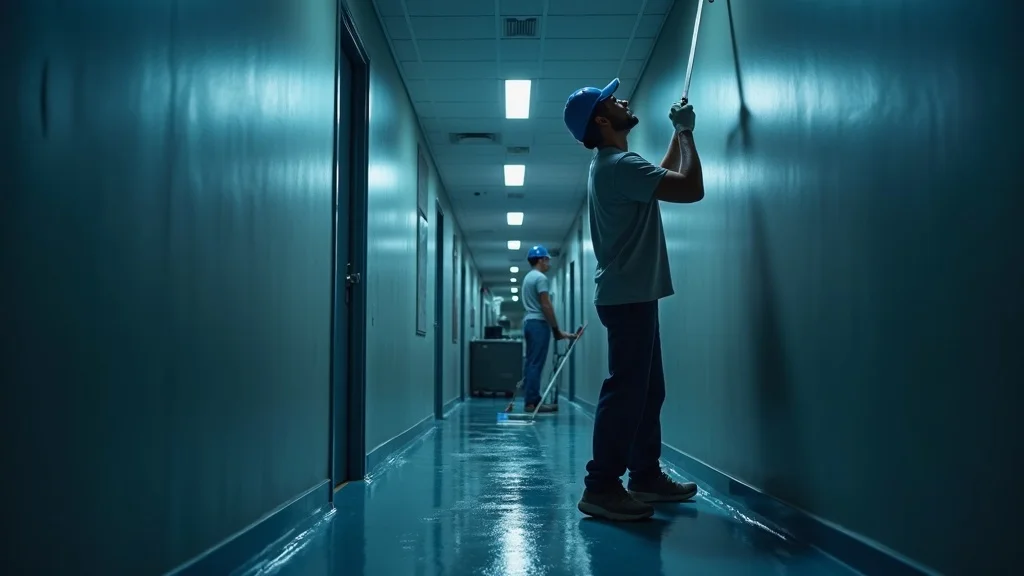
“We are very flexible and work weekends as well to ensure minimal disruption during normal business hours.”
— Dave Cole, Arthur Cole Painting Corporation
The Critical Role of Communication in Effective Commercial Painting Project Management
Coordinated Planning Meetings: Aligning Teams for Access and Workflow
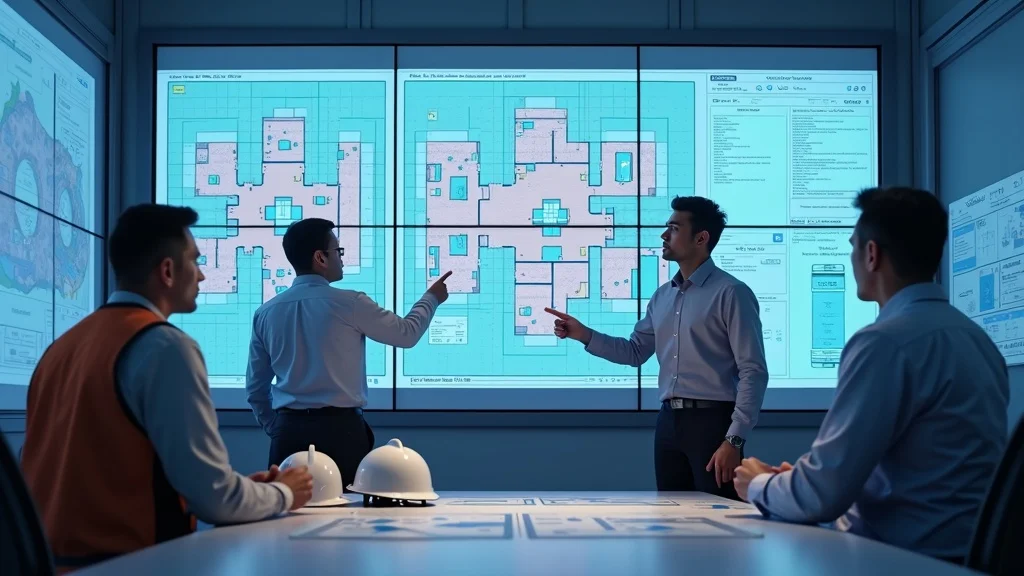
No matter how experienced your painting contractor is, a project’s success hinges on clear communication and deliberate coordination between all stakeholders. According to Dave, regular planning meetings set the tone for alignment and trust between facility staff and painting teams: “Communication is key,” he says. “We always schedule meetings between our staff and facility staff to talk through access, workflow, and logistics. ” These touchpoints ensure that everyone understands the nuances of access, security, and sensitive areas, laying the groundwork for a frictionless execution.
As Dave puts it, these meetings aren’t a formality—they’re the conduit for practical, site-specific intelligence: which areas can’t be shut down, what special access protocols exist, how various departments’ needs might evolve during the project, and when teams need common space. When both teams communicate openly, painting projects can be rendered almost invisible to building users—avoiding complaints, bottlenecks, and costly mistakes.

“Regular meetings between our team and the facility staff are key to understanding access and sensitive areas to work around.”
— Dave Cole, Arthur Cole Painting Corporation
Tactical Site Access Insights That Safeguard Operations
Another critical insight Dave offers is the value of granular, tactical knowledge about the facility’s site access and sensitive operations. Facility managers alone don’t always have the bandwidth to identify every potential pitfall, but by walking the site with the painting contractor, areas requiring special attention or alternative handling can be flagged well before work begins. This could mean working around an executive wing, avoiding high-traffic corridors during move-ins, or protecting mission-critical mechanical rooms.
Dave Cole’s approach reflects decades of experience in diverse industries—he knows that access planning is not a “one-size-fits-all” task. By mapping entry points, designing traffic flows, and reviewing site logistics in advance, potential bottlenecks or risks to facility infrastructure are neutralized early on. This systematic collaboration safeguards both security and business continuity.
Expert Recommendations: Best Practices for Construction and Facility Managers
- Schedule painting during off-peak hours or weekends to reduce operational impact
- Establish clear, ongoing communication channels between painting crews and facility staff
- Conduct thorough pre-project meetings to clarify access points and sensitive zones
- Adopt flexible timelines to adapt to dynamic operational needs
- Ensure detailed project plans that anticipate and mitigate potential disruption
Background Insights: Why Mastering Commercial Painting Project Management Matters
- Maintaining uninterrupted business operations preserves revenue flow and tenant satisfaction
- Thoughtful project management safeguards critical infrastructure and facility aesthetics
- Leveraging experienced contractors like Arthur Cole Painting Corporation ensures predictability and quality
- Sustainability in painting projects supports corporate responsibility goals and LEED certification achievements
Summary: Uniting Flexibility, Communication, and Expert Project Management for Optimal Results
- Prioritize off-hours scheduling to minimize disruption
- Maintain open lines of communication between all stakeholders
- Leverage expert insight from proven commercial painting leaders such as Dave Cole

Effective commercial painting project management isn’t just about paint on walls—it’s about orchestrating a seamless upgrade for your facility with zero business downtime. Take Dave Cole’s lead: schedule during off-hours, maintain open and regular communication, and plan every access point and timeline with care. By working with seasoned professionals like Arthur Cole Painting Corporation, you gain not only industry-leading craftsmanship but a partner dedicated to your facility’s uninterrupted success.
Ready to transform your next commercial painting project without disrupting operations? Contact Dave Cole and Arthur Cole Painting Corporation today for a tailored project plan and detailed estimate.


Write A Comment