

Imagine walking into your shop floor tomorrow and seeing not just cleanliness, but a vibrant sense of order—a place where every tool, component, and process flows effortlessly, safety risks are dramatically reduced, and efficiency drives real profit. That vision is what the 5s methodology steps deliver when fully understood and properly implemented. For Delaware Valley manufacturers in New Jersey and Philadelphia wrestling with complex, often chaotic workspaces, this isn’t a distant ideal—it’s an actionable reality within reach.
The path to this transformation demands more than surface-level tidiness; it requires strategic, expert-driven organization. Ron Schlegel, principal owner of E3 Business Consulting and a nationally respected Lean/Six Sigma authority, is here to guide you. With over 25 years of operational leadership, Ron has helped hundreds of manufacturers unleash hidden capacity, minimize safety risks, and set the stage for sustainable growth by putting people, process, and technology in sync. Let’s demystify 5s and unlock actionable insights that change the trajectory of your manufacturing floor.
Why 5s Methodology Steps Are More Than Just Workplace Tidiness
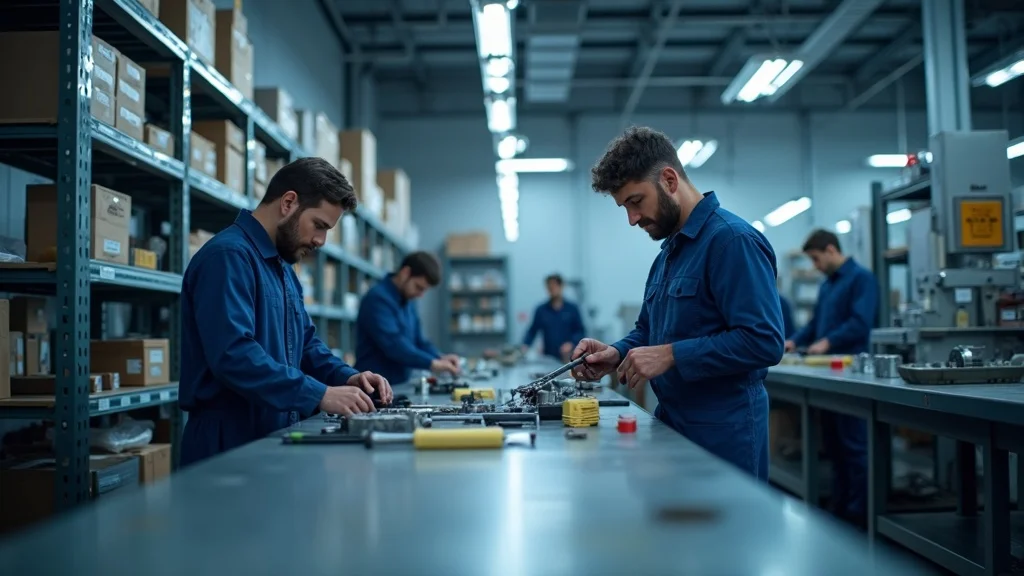
The most persistent misconception about the 5s methodology steps is seeing them as a fancy term for cleaning up. Ron Schlegel passionately refutes this. As he’s witnessed time and again consulting for both large and family-owned plants, real 5s isn’t about making a facility look pretty—it’s a disciplined approach to organizing work, surfacing hidden waste, and setting a foundation for lasting operational excellence.
“Many people think the 5s methodology is just about cleaning up your shop and making it look good. This could not be farther from the truth. The 5s methodology is really about organizing the way that you do work today. It is about assuring that you can see waste through within your organization, within the way that you currently do business so that you can extract that waste using the various lean and 6 sigma methodology tools.”
– Ron Schlegel, E3 Business Consulting
According to Ron Schlegel, the deeper power of 5s methodology steps lies in enabling your team to “see” inefficiencies embedded in everyday routines. By systematically sorting, setting in order, shining, standardizing, and sustaining, organizations don’t just tidy up—they develop the clarity needed to drive out waste, cut costs, and reinforce safety procedures. This redefinition sets the stage for continuous improvement and competitive resilience.
Real-World Impact: 5s Methodology Steps Enhancing Safety and Quality in Manufacturing
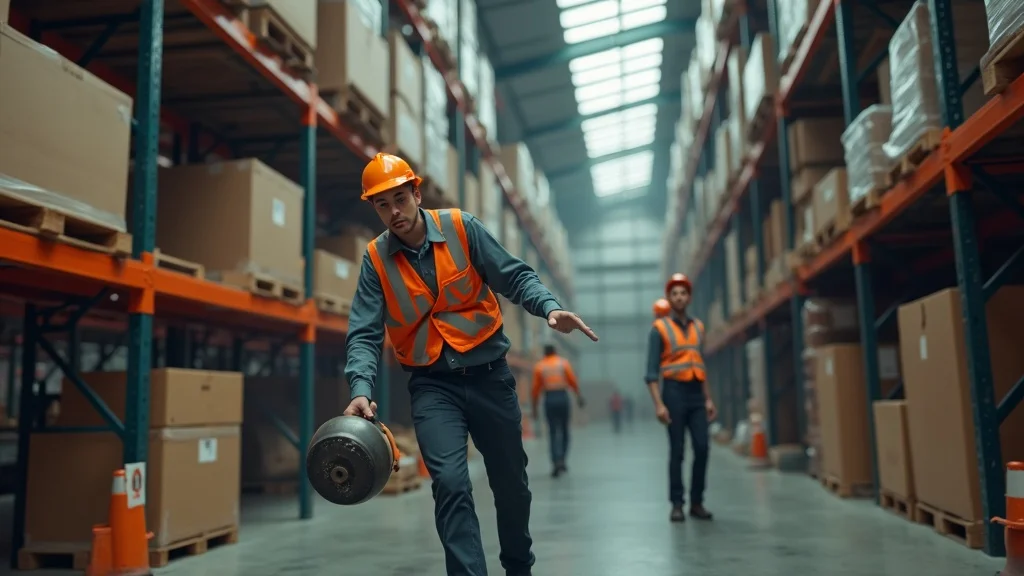
The proof for any manufacturing methodology lies in measurable outcomes. Ron Schlegel shares a gripping case from a midsized plant that illustrates why 5s is inseparable from both safety and quality:
“During one of the 5s implementation days, a large component fell from the top shelf. If anyone had been nearby, they would have gotten hurt. That was a terrible safety risk we eliminated by rethinking storage locations. Smaller components went higher where it’s safe if they fall; larger ones are stored closer to the floor.”
– Ron Schlegel, E3 Business Consulting
This incident, as Ron describes, was a turning point. The plant discovered not only unsafe storage practices but also how a lack of organization masked lurking dangers. Through applying 5s, they reorganized storage—allocating heavier items to ground-level shelves and lighter items above—directly lowering the risk of injuries and potential shutdowns.
Ron emphasizes that 5s methodology steps do much more than optimize layouts; they safeguard your people and protect product integrity. By embedding 5s into daily routines, manufacturers can swiftly translate organizational clarity into tangible quality gains and safer work environments—two factors that directly improve customer satisfaction and employee morale.
For manufacturers looking to further refine their operational processes, exploring proven project management strategies can provide additional structure and clarity. The Project Management resources from E3 Business Consulting offer practical guidance on integrating organizational improvements like 5s with broader workflow initiatives.
How Proper Organization Drives Safety and Reduces Waste
True operational breakthroughs occur when the workforce internalizes each of the 5s methodology steps as a mindset, not a checklist. Ron Schlegel notes that when teams collectively identify and address risks—such as misplaced materials or unclear workflows—they don't just reduce hazards, they steadily build a culture of accountability and improvement. A well-sorted and standardized space eliminates the “blind spots” where waste and danger fester.
It’s not about “doing 5s once”—success requires continuous engagement and vigilant monitoring. Regular audits, clear labeling, and team-driven problem-solving keep improvements alive. Ron’s experience proves that organizations sustaining high 5s discipline enjoy faster setup times, minimal inventory waste, and far fewer safety incidents, giving mid-sized manufacturers an invaluable edge in today’s competitive landscape.
Understanding Flow: The Hidden Foundation Behind Effective 5s Methodology Steps
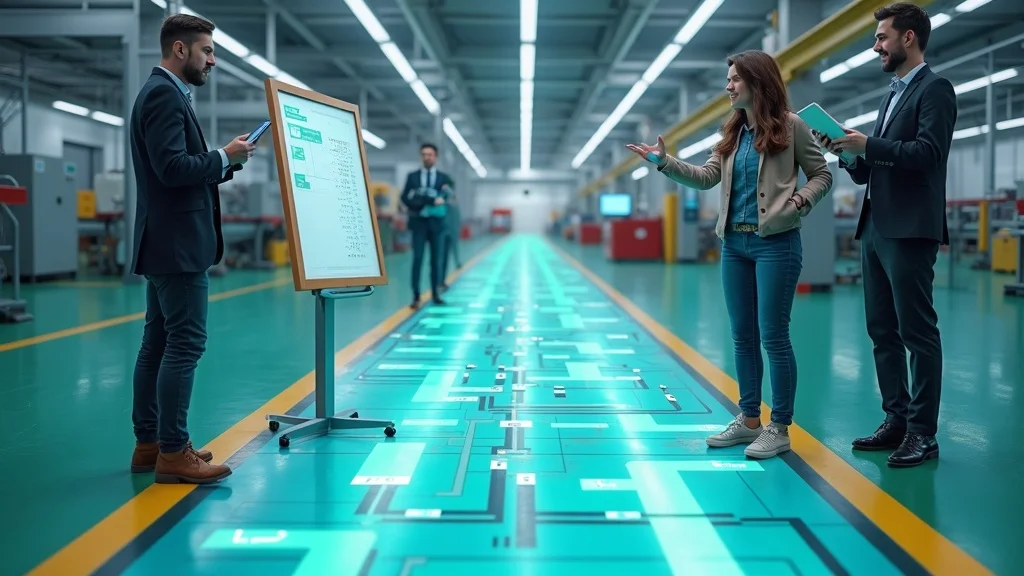
To unlock the transformative power of organizing with 5s methodology steps, manufacturers must focus on more than objects—they must map and optimize the flow of information and materials. According to Ron Schlegel, successful organizations don’t just “clean up”—they analyze how products and instructions move from station to station. This perspective reveals otherwise hidden sources of waste and uncovers opportunities for major gains in efficiency and quality control.
“5s sets you up for understanding the flow of information and the flow of material through your organization. This helps you identify waste so that you can eliminate it using the various tools. Once you identify the flow of information and material, you have the opportunity to improve performance.”
– Ron Schlegel, E3 Business Consulting
By making visible what was previously invisible—how, when, and where materials and information are delayed or duplicated—manufacturers set the stage for sustained improvement. For every Delaware Valley business that’s felt stuck by bottlenecks or unseen waste, Ron’s message is clear: 5s is your first powerful lens for diagnosing and correcting hidden problems before they stunt growth or trigger safety incidents.
Leveraging Lean and Six Sigma Tools to Amplify 5s Benefits

Ron Schlegel believes the true strength of 5s methodology steps is realized when deployed in harmony with Lean and Six Sigma tools. While 5s brings foundational order and exposes inefficiencies, Lean methodologies like value stream mapping and Six Sigma problem-solving then build on those gains—enabling deep, targeted improvements.
“In my experience,” Ron shares, “organizations that blend 5s with advanced Lean and Six Sigma practices don't just achieve short-term wins. They create a cycle of continual monitoring, rapid response to issues, and breakthrough long-term results. ” This integration is what separates merely “organized” manufacturers from true operational leaders who consistently outperform peers and drive innovation from the ground up.
- Identify hidden waste through detailed workplace organization
- Improve material handling and workspace safety
- Streamline workflows using Lean/Six Sigma principles
- Sustain continual improvement by monitoring information flow
Common Misconceptions About 5s Methodology Steps Debunked
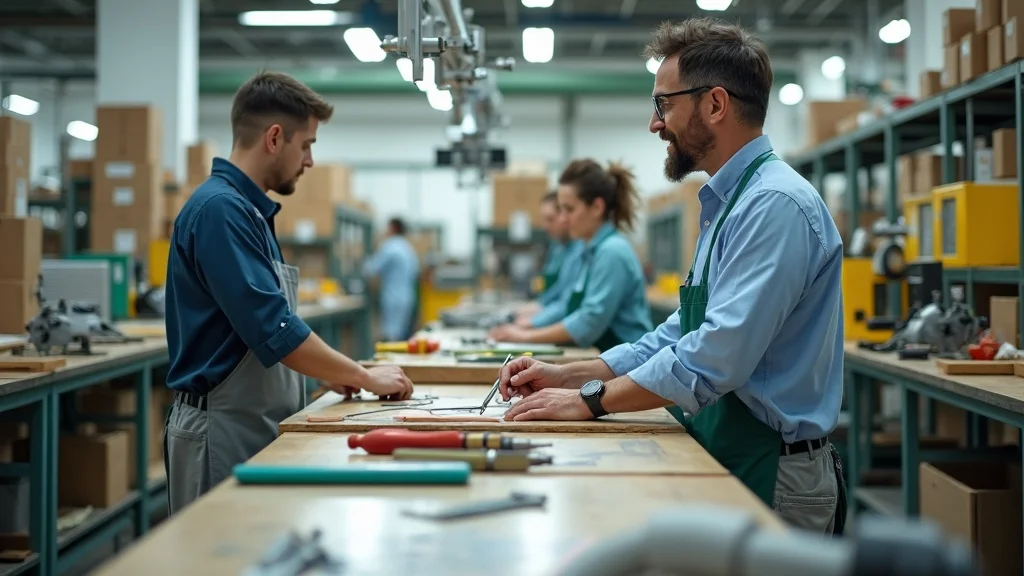
Despite widespread adoption, Ron Schlegel encounters persistent myths about the 5s methodology steps—particularly the perception that 5s is a one-time event or an effort led solely by managers or outside consultants. Ron counsels manufacturers to push beyond these misconceptions. “5s is a living system that must become everyone’s responsibility,” he emphasizes. Its benefits—operational clarity, enhanced safety, and accelerated improvement—only emerge when every team member participates in identifying, eliminating, and preventing sources of waste.
Why 5s Is a Catalyst for Operational Excellence, Not Just Clean Floors
According to Ron Schlegel, 5s is the springboard for continuous, measurable change. It’s never just “about neatness. ” When properly owned at every level, the five core steps become embedded habits that enhance teamwork, reduce cycle times, minimize unnecessary motion, and foster a culture where employees feel empowered to drive improvement. For New Jersey, Philadelphia, and Delaware Valley manufacturers hungry for a performance edge, 5s isn’t optional—it’s essential.
The expert perspective is that the real power of 5s lies not in appearance, but in aligning people and process for relentless, daily gains in health, safety, and profit. This is the new definition of operational excellence in 2026.
Key Takeaways for Delaware Valley Manufacturers to Master 5s Methodology Steps
- View 5s as a tool to expose and reduce waste, not just tidiness
- Prioritize safety by thoughtfully organizing material storage
- Map the flow of materials and information for sustained gains
- Integrate Lean and Six Sigma practices to maximize results
Next Steps: Empower Your Manufacturing Team with Ron Schlegel’s 5s Methodology Workshops
The next move is yours. As Ron Schlegel and the E3 Business Consulting team have shown, mastering the 5s methodology steps is the starting point for safer, more efficient, and profit-rich operations. What you do today will shape your business for tomorrow—because true transformation is built from the ground up, with empowered people working toward a shared vision.
If you’re ready to translate these powerful insights into immediate operational wins, schedule a bespoke 5s Methodology Workshop with Ron Schlegel. Equip your manufacturing team with the mindset, tools, and daily discipline that drive real safety, quality, and bottom-line results. It’s time to eliminate waste, unlock flow, and build a culture of sustainable excellence on your shop floor.
To continue elevating your organization’s performance, consider exploring the full spectrum of project management strategies that E3 Business Consulting offers. Their Project Management Archives are packed with insights that go beyond 5s, helping you align teams, streamline complex initiatives, and drive sustainable growth. Whether you’re seeking advanced methodologies or practical tools for everyday leadership, these resources can empower your next phase of operational excellence. Take the next step and discover how a holistic approach to project management can transform your manufacturing outcomes.
To deepen your understanding of the 5S methodology and its practical applications, consider exploring the following resources: The U. S. Environmental Protection Agency’s article, “Lean Thinking and Methods - 5S,” provides a comprehensive overview of the 5S pillars and their role in reducing waste and optimizing productivity. The Lean Construction Institute’s piece, “5S in Lean - Sort, Straighten, Shine, Standardize, Sustain,” offers insights into implementing 5S within the construction industry, emphasizing its impact on safety and efficiency. These resources offer valuable perspectives on implementing 5S to enhance workplace organization and efficiency.



Write A Comment