

In the heart of New Jersey, Philadelphia, and the Delaware Valley, manufacturers are facing a paradigm shift. No longer are factories the dingy, cluttered spaces of the past—instead, the best operations are models of organization, efficiency, and innovation. What drives this evolution? The 5s methodology steps. Yet, as Ron Schlegel of E3 Business Consulting makes clear, many businesses still misunderstand the true potential of 5s. Drawing on over two decades leading world-class manufacturing transformations, Schlegel guides us through the actionable principles behind 5s and shows how mastering these steps is the key to workplace efficiency, customer confidence, and lasting business success.
Unlock Manufacturing Success with Ron Schlegel’s 5s Methodology Steps
"The 5s methodology is a lot more than just cleaning up—it’s about organizing workstations so you can identify waste easily in every process."
— Ron Schlegel, E3 Business Consulting
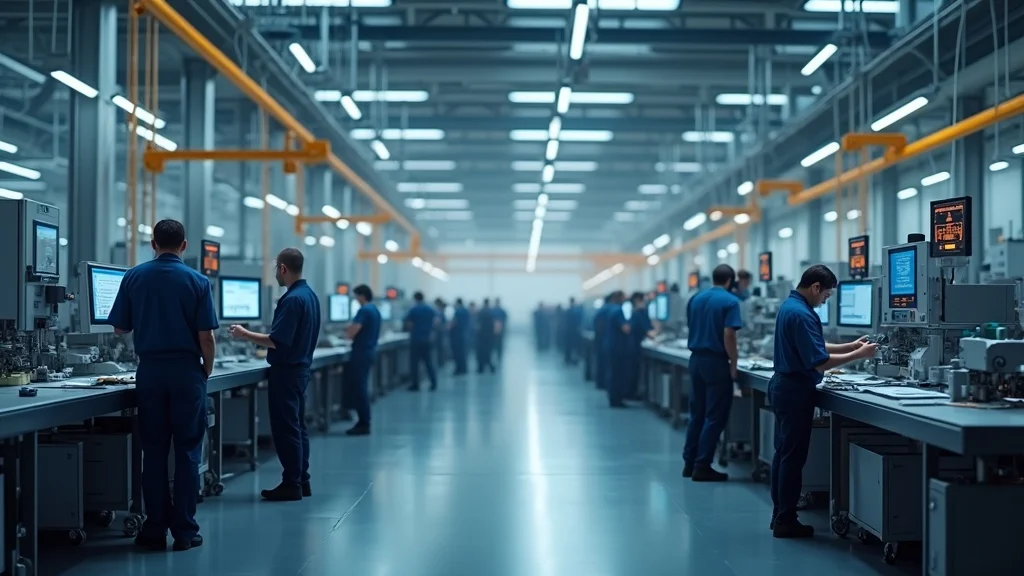
Why 5s Methodology Steps Are Critical for New Jersey and Delaware Valley Manufacturers
According to Ron Schlegel, the transformative power of 5s methodology steps cannot be overstated for local manufacturers competing in the 2026 market. Schlegel points out that when customers visit a facility, their first impression is shaped not by what’s said in a sales pitch, but by what they see on the shop floor. An organized, well-lit environment signals not only operational discipline, but also a culture committed to professionalism and continual improvement.
"A well-organized, well-lit facility with clear dashboards shows customers that this manufacturer knows how to drive performance and is focused on continuous improvement."
— Ron Schlegel, E3 Business Consulting
Too often, facilities in the region fall short of this standard due to outdated misconceptions about manufacturing. Schlegel urges leaders not to view 5s as a superficial exercise in tidiness. Instead, he describes it as a strategic foundation that enables businesses to systematically identify waste, empower teams, and demonstrate measurable commitment to excellence. "Your physical environment is your silent salesperson," he explains. "If you're aiming to be the supplier of choice, there's no shortcut to operational transparency and visual evidence of high performance. " This mindset is vital for manufacturers seeking to not only survive but thrive in the competitive, technology-driven landscape of today’s industry.
For organizations looking to further refine their operational processes, integrating 5s with robust project management practices can amplify results. Exploring the project management resources at E3 Business Consulting offers practical strategies to align continuous improvement initiatives with broader business objectives.
Transforming the Image of Manufacturing With 5s Methodology
The image of manufacturing has undergone a dramatic transformation—one that the 5s methodology steps have helped accelerate. As Schlegel emphasizes, “The history of manufacturing unfortunately, is that it is a low tech, dirty, dingy, not very well organized industry. And it’s actually the exact opposite today. ” Modern facilities showcase multi-million dollar machines managed by AI, powered by real-time data, and operated by teams with deep pride in their work.
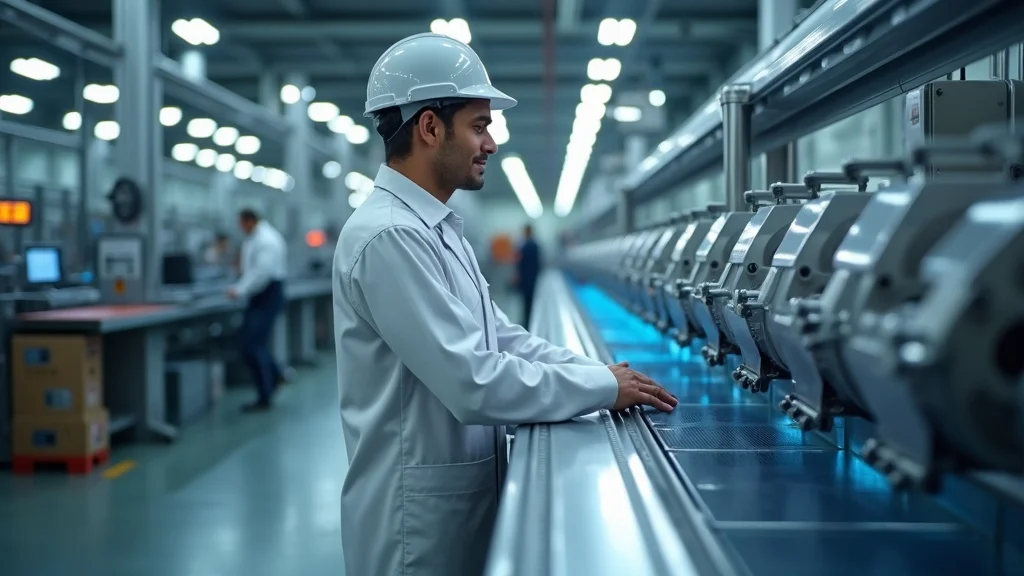
"Manufacturing today is high-tech with multimillion-dollar machines run by AI and data centers; pride in a clean, organized facility reflects pride in the products made."
— Ron Schlegel, E3 Business Consulting
For manufacturers in New Jersey and the Delaware Valley, embracing the 5s methodology steps means more than cleaning up—it’s a visible commitment to modern standards of quality and digital innovation. According to Schlegel, when customers and partners tour a facility that's organized and technologically advanced, they’re reassured about the company’s capabilities and reliability. This shift doesn’t just improve internal operations; it changes external perceptions, attracting more business and higher-value contracts. The message is clear: sustained market success rests on a foundation of visible excellence powered by 5s methodology steps.
Harnessing 5s Methodology Steps to Elevate Quality and Safety in Manufacturing
- Standardize and streamline workstation layouts for waste identification
- Promote professional expertise and pride through organized facilities
- Leverage data-driven continuous improvement from AI-enabled machinery
- Create transparent performance metrics dashboards for team engagement
- Enhance customer trust by showcasing operational excellence

Implementing the 5s methodology steps delivers a profound impact on both quality and safety outcomes. Schlegel stresses that success begins with standardizing every detail of the workstation: from tool locations to the visibility of performance dashboards. This approach enables teams to spot irregularities, errors, or inefficiencies in real time, partnering with AI-enabled machinery that turns data into actionable insight. The result is a culture of continuous improvement—a hallmark of high-performing New Jersey and Philadelphia manufacturers in 2026.
Schlegel’s experience shows that when employees take ownership of an organized space—where everything has a place and every process is transparent—professional pride and attention to detail naturally increase. This pride radiates outward, enhancing safety, boosting product quality, and building a reputation customers trust. Integrating digital boards and real-time analytics, as Schlegel recommends, keeps teams engaged and focused on measurable goals, closing the loop between standardization and ongoing improvement.
Common Misconceptions About 5s Methodology Steps Debunked
Beyond Cleanliness: The Strategic Role of 5s in Manufacturing Performance

Despite its growing popularity, the 5s methodology is still plagued by myths. The biggest? That it’s merely about “sweeping up” and improving appearances. According to Ron Schlegel, this is a fundamental misunderstanding. The real value lies in how 5s methodology steps provide a systematic way to root out waste, streamline processes, and embed operational discipline into daily behavior. “It also establishes what is the level of expertise and professionalism you have in your organization,” Schlegel notes.
In practice, successful implementation demands much more than a one-off clean-up or checklist. It requires cultural buy-in, leadership accountability, and the smart use of digital tools to sustain results. Schlegel’s experience with regional manufacturers confirms that systematic 5s management transforms behavior, instills pride, and creates opportunities for innovation. When manufacturing businesses invest in 5s, they’re demonstrating to their teams and customers that every aspect of the operation is intentional, transparent, and always improving.
How 5s Drives Workplace Culture and Customer Perception
According to Schlegel, the cultural transformation sparked by 5s is pivotal: “When customers come to visit, and they see a facility that is dark and dingy and unorganized, that’s exactly what they think about your company. . . All those things result in customers walking away with the feeling that this manufacturing company knows what drives performance. ” Implementing 5s methodology steps reminds everyone—from leadership to the shop floor—that the work environment is a mirror of organizational values and customer commitment.
This focus on culture extends beyond aesthetics. The presence of professionally designed dashboards, transparent shop floor data, and empowered employees sends a powerful message. As Schlegel observes, “When [customers] see a facility that is well organized, people are doing their jobs, [and] have boards that show dashboards. . . All of those things result in customers walking away with the feeling that this manufacturing company knows what drives performance and they are focused in on how to improve performance over the long run. ” In 2026, this perception translates directly into more business and higher customer retention—a game-changer for manufacturers across the Delaware Valley.
Actionable Tips for Implementing 5s Methodology Steps in Your Facility
- Start with visual management boards to track process efficiency
- Conduct regular audits to identify and eliminate waste systematically
- Train staff on Lean principles and empower continuous improvement
- Integrate AI and IoT data to inform decision-making and quality control
- Maintain consistent housekeeping to sustain a professional facility image

Drawing on decades of hands-on transformation, Schlegel distills implementation down to a few actionable steps: Engage everyone in the organization from day one—success with the 5s methodology steps is a team sport. Establish highly visible management boards and dashboards, empowering employees to see, understand, and act on process data. Conduct routine audits that reinforce the habit of identifying waste, fostering accountability at every level. Critically, integrate new technologies such as AI and IoT to move beyond static checklists and into proactive, data-driven management. Lastly, maintain immaculate housekeeping not just for appearance, but as an everyday affirmation of pride and professionalism.
For New Jersey and Philadelphia manufacturers eager to stand out in a competitive field, these practical tips serve as a roadmap. As Schlegel emphasizes, mastery of the 5s methodology steps transforms not just operational metrics, but the entire ethos of a manufacturing business. With consistency, engagement, and leadership commitment, what began as a drive for cleanliness evolves into a platform for sustainable growth and reputation building.
Conclusion: Why Mastering 5s Methodology Steps Is Your Competitive Advantage
- Boost workplace efficiency and safety
- Enhance product quality and customer confidence
- Cultivate a culture of pride and continuous improvement
- Position your manufacturing business for sustainable growth
Take the Next Step Toward Excellence with Ron Schlegel
According to Ron Schlegel, those who embrace the full power of 5s methodology steps will lead the region in operational excellence, employee pride, and customer satisfaction. The future demands more than old habits—success now hinges on visible professionalism, data-driven improvement, and a steadfast commitment to best-in-class practices. If you're ready to move your facility to the next level, start by instilling these principles today.
Every improvement builds on the last, setting you apart as an employer of choice and supplier of distinction. The journey to manufacturing mastery is ongoing—but with 5s as your compass, you'll navigate with confidence and clarity.
Ready to accelerate your team's results? Sign Up for Ron's Workshops and unlock the full potential of your manufacturing business today.
If you’re inspired to take your operational excellence even further, consider exploring how advanced project management strategies can complement your 5s initiatives. The Project Management Archives at E3 Business Consulting are filled with expert insights and actionable frameworks designed to help manufacturers lead complex change, drive cross-functional alignment, and sustain long-term growth. By integrating these broader management approaches with your 5s foundation, you’ll be well-equipped to navigate the evolving demands of modern manufacturing and position your business for enduring success.
To deepen your understanding of the 5S methodology and its practical applications, consider exploring the following resources: “5S Methodology | Lean Kent State Office”: This resource provides a comprehensive overview of the 5S principles, detailing each step—Sort, Set in Order, Shine, Standardize, and Sustain—and their implementation in creating an efficient and organized workspace. (kent. edu) “5S - What are The Five S’s of Lean? | ASQ”: This tutorial offers an in-depth explanation of the 5S methodology, emphasizing its role in reducing waste and optimizing productivity through a clean and well-organized work environment. (asq. org) By delving into these resources, you’ll gain valuable insights into effectively implementing the 5S methodology to enhance workplace efficiency and foster a culture of continuous improvement.




Write A Comment