

Many companies mistakenly believe that go-to-market strategy revolves solely around identifying their ideal client and crafting a pitch. However, the true complexity lies beneath in four critical layers: strategy, methodology, process, and tools/training. Understanding these layers is essential to address pain points effectively and optimize the sales process throughout the buyer journey.
Understanding the Buyer Journey: Beyond the Basics
Defining the Buyer Journey and Its Stages
The buyer journey encompasses the series of stages a prospective customer navigates when making a purchasing decision. Typically, these steps begin with awareness of a problem or need, followed by consideration of possible solutions, and finally arriving at the decision to buy. However, mastering the buyer journey requires more than just knowing these stages. It demands a nuanced view that recognizes how buyers gather information, assess options, and ultimately choose a product or service.
Successful companies don’t just create a buyer journey map; they align every internal layer of their sales and marketing strategy to it. By matching each stage of the buyer journey with corresponding steps in the sales funnel, from marketing engaging potential customers with targeted content to sales teams addressing pain points during the decision stage, they ensure a seamless customer experience that drives purchasing decisions.
Common Misconceptions About the Buyer Journey
A common misconception about the buyer journey is that it revolves solely around defining the ideal client profile and developing a marketing pitch to address their pain points. However, this approach overlooks the comprehensive nature of an effective go-to-market strategy.
As Dan Greenberg explains, “Many companies think a go to market strategy starts and ends with identifying the ideal client and their problem, but the real depth lies in aligning strategy, methodology, process, and tools to the buyer's journey.”
This quote underscores the importance of a four-layer framework that includes strategy, methodology, process, and tools combined with training sales teams to navigate the customer journey effectively. Without this alignment, marketing strategies and sales processes risk falling short.
Another frequent error is assuming that the sales team’s role is primarily to inform or educate potential buyers. In today’s digital marketing landscape, buyers often come well-informed, having researched product or service options extensively through social media and case studies. Sales teams must adapt by acting as trusted consultants who tailor their messaging to the buyer’s stage of the buyer journey, especially during the consideration stage and decision stage. Failing to resonate with buyers at these journey stages diminishes influence and reduces win rates, making sales success more a matter of chance than skill.
The Critical Stages of the Buyer Journey and How to Align Your Sales Funnel
Awareness Stage: Capturing Attention with Relevant Messaging
At the awareness stage, prospects recognize a problem or need but may not yet understand potential solutions. Businesses must capture attention with targeted, relevant messaging that speaks to the buyer’s pains and aspirations. This involves crafting educational content, digital marketing campaigns, and outreach geared toward building initial interest and trust.
Effective use of marketing channels and creative campaigns here is essential.
As Dan notes, alignment between marketing and sales efforts enables prospects to see value early on. When marketers resonate with prospects, they generate qualified leads who are more likely to progress down the funnel.

Consideration Stage: Building Trust Through Consultative Selling
During the consideration stage, buyers evaluate different solutions and vendors. This is where a consultative sales approach becomes critical. Sales teams must tailor conversations to address buyers’ specific concerns and demonstrate how their offering uniquely solves their problem.
Mapping the buyer journey to internal sales processes at this stage helps sales representatives anticipate objections, provide targeted information, and nurture trust. Aligning sales methodology with buyer thinking increases the chances of advancing discussions toward a decision.
Decision Stage: Influencing Purchase with Tailored Engagement
At the decision stage, prospective buyers finalize their choice. This phase requires sales teams to engage with highly personalized messaging, showcasing value, ROI, and differentiation. Clear communication, competitive positioning, and streamlined procurement support drive final acceptance.
How to Create a Journey Map That Resonates with Your Buyer Persona
Mapping Buyer Personas to Journey Stages
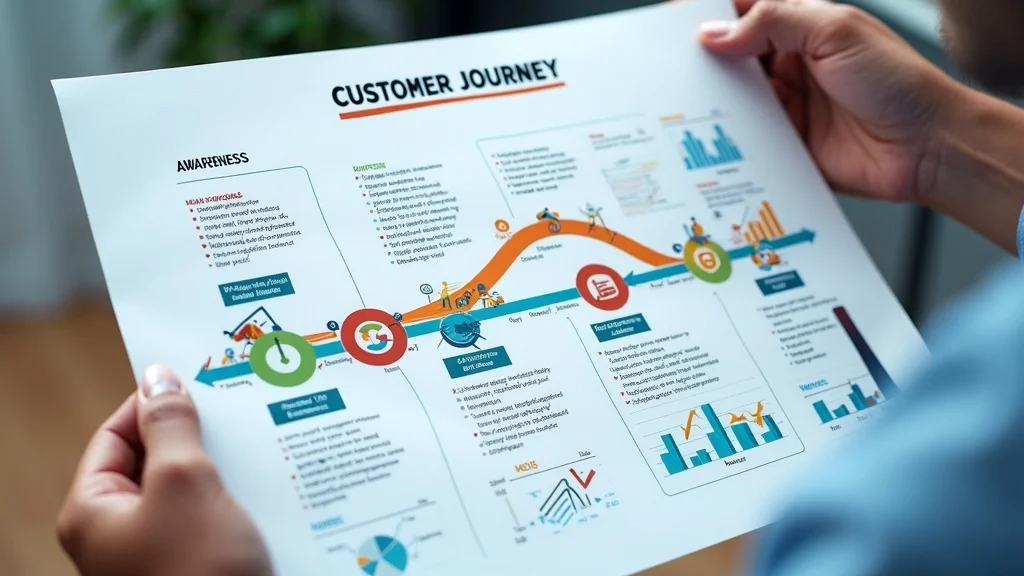
Creating an effective buyer journey map begins with detailed buyer personas—representations of your ideal customers. These personas illustrate typical behaviors, pain points, preferences, and decision drivers. By overlaying these personas onto each stage of the buyer journey, organizations can visualize buyer needs at every step.
This mapping enables sales and marketing teams to develop finely tuned strategies that align messaging and tactics with persona-specific contexts. By understanding what motivates each persona’s movement through the journey, companies create stronger resonance and increase likelihood of successful engagements.

Integrating Sales and Marketing Efforts for Seamless Experience
Integration between marketing and sales is mandatory for mastering the buyer journey. Disjointed efforts often confuse buyers, slowing progress or causing drop-offs. Instead, firms should foster collaboration to ensure marketing generates qualified leads aligned with buyer stages, and sales follows a carefully crafted process that reflects the buyer’s mindset.
Dan emphasizes, “Aligning your sales approach with the buyer’s journey is key to winning more deals. ” Companies that invest time and resources into syncing marketing messages with sales conversations will see improved buyer engagement, shorter deal cycles, and greater sales influence.
Mastering the Buyer Journey: 5 Practical Tips for Sales Success
Chart the buyer's decision stages, not just your internal sales process. Identify how many steps potential customers have already taken to better tailor your sales strategy and address their pain points.
Customize CRM stages to reflect the true buyer journey. Replace default sales funnel stages with ones that align with your target audience’s actual purchasing decisions.
Focus teams on functional outcomes rather than traditional roles. This alignment fosters collaboration and drives targeted content and case studies that resonate with potential buyers.
Create pods—small, specialized groups with dedicated tools. These teams should concentrate on delivering consistent results for specific buyer personas and customer cohorts.
Make technology tools integral to your organizational chart. Use digital marketing platforms and CRM systems as active participants in managing the buyer journey and improving customer service.
Common Mistakes to Avoid in Mastering Buyer Journey

One of the biggest pitfalls is failing to understand and respect the actual steps buyers take before making a purchase. Organizations often rely on generic sales stages that do not reflect the buyer’s true journey, causing mismatch in timing and messaging.
As Dan insightfully notes, “Buyers have often completed much of their decision-making before engaging sales teams.”
At a previous company, Dan encountered a critical pain point in sales and marketing: the absence of a clear buyer persona and target audience. For a year, his team revisited the basics by defining pain points and developing a product or service solution tailored to the ideal client. They created a comprehensive journey map reflecting the customer journey and the stages of the buyer journey, including the awareness stage, consideration stage, and decision stage. This enabled the sales team to provide targeted content and relevant content that resonated with potential buyers, improving customer satisfaction and accelerating the sales funnel. This case study demonstrates the importance of aligning marketing and sales efforts with the customer journey to enhance the purchasing decision process.

Overlooking the Importance of Process Alignment and Training
Even if a company understands the buyer journey in theory, failing to align internal sales and marketing processes can derail execution. Training teams to recognize each buyer stage and adapt accordingly is critical for resonance and influence.
Without ongoing education and alignment, sales teams may revert to outdated tactics that frustrate buyers and reduce win rates. Process clarity empowers teams to confidently engage and convert prospects.
Failing to Leverage Technology to Support Sales and Marketing

Reconciling technology with buyer-centric processes enhances sales responsiveness and marketing precision, ultimately driving more successful deal closures.
People Also Ask
What are the 5 stages of the buyer's journey?
The five classic stages of the buyer's journey include Awareness, Interest, Consideration, Intent, and Purchase. This progression tracks how a buyer first recognizes a need, researches options, weighs alternatives, decides on their intent, and finally makes the purchase.
What is the 3-3-3 rule in sales?
The 3-3-3 rule suggests that sales reps often have 3 seconds to gain attention, 3 minutes to build trust, and 3 hours to establish a buying plan. It's a framework emphasizing timely and effective engagement in the buyer journey.
What are the steps in the buyer's journey?
The buyer's journey steps typically include awareness, consideration, decision, and evaluation. These outline the buyer's path from identifying needs through to post-purchase assessment.
What are the 7 steps of the buying process?
The seven steps are Need recognition, Information search, Evaluation of alternatives, Purchase decision, Purchase, Post-purchase behavior, and Repurchase or referral. This extended model helps businesses anticipate buyer behavior at each phase.
Key Takeaways
Mastering the buyer journey requires deep alignment between sales, marketing, and buyer needs.
Defining and mapping buyer personas to journey stages enhances resonance and influence.
Technology and organizational structure play critical roles in executing effective go to market strategies.
Consultative selling aligned with buyer stages increases deal win rates.
Continuous refinement and training are essential for sustained success.
Conclusion
Begin putting the buyer at the center—map their true journey, tailor your approach, and integrate your teams. This focus transforms strategies into meaningful connections that win deals.
Take the Next Step to Master Your Buyer Journey Today!
If your sales team isn't resonating with buyers, it's time to rethink your approach. Dan Greenberg can help you build a strategy that actually works.




Write A Comment