
Imagine your brand gaining three times the audience growth of your competitors—simply by mastering the art of maximizing media impact . In a world overflowing with content and fleeting attention, organizations that harness powerful media strategies stand out, increase brand awareness, and shape trends. In this guide, you’ll discover proven techniques, practical insights, and lesser-known rules that industry leaders use to dominate headlines and thrive online. Let’s lift the veil on what really drives relentless media success.
Unlocking the Power of Maximizing Media Impact: Surprising Facts That Drive Results
Did you know that brands with high media visibility experience up to 3x faster audience growth than their competitors? Discover how maximizing media impact can set your organization apart.
Maximizing media impact isn’t just about being seen—it’s about being unmistakably memorable and relevant across all media platforms . Brands with a clear and dynamic media presence command greater loyalty, increased sales, and significantly enhance their positioning in saturated markets. By understanding how visibility and engagement work hand-in-hand, marketers can tap into earned media , leverage social media, and create captivating content that resonates deeply with their target audience . For example, a single viral video or a widely shared news mention can elevate your brand awareness almost overnight and increase visibility far beyond what expensive ads might achieve.
Maximizing media impact starts with a commitment to consistent messaging and adapting rapidly to media trends. When a brand aligns its values with content that audiences care about, shares timely stories, partners with reputable influencers, and interacts directly on social media platforms, it builds goodwill that’s hard to replicate. Consider how organizations like Nike or Dove have continued to dominate conversations by skillfully managing media coverage, engaging with their audience, and orchestrating media strategies that combine emotion, information, and call-to-action. The road to true media influence begins with understanding the unexpected power of targeted, creative advocacy—and it results in transformative business growth.

Understanding Maximizing Media Impact: Concepts, Importance, and Core Benefits
- Defining maximizing media impact in today’s media landscape
- Why maximizing media impact is vital across media platforms
- How earned media and paid media differ—and why both matter
- Real-world examples of effective media impact
Maximizing media impact means optimizing every opportunity to boost brand presence, influence, and engagement. In today’s fragmented media environment, effective media isn’t confined to traditional press releases—instead, it spans social media platforms , influencer partnerships, user-generated content, and hands-on audience interactions. The objective is to reach people where they are, with stories that matter to them, in ways that spark lasting interest.
The need to maximize media has never been greater. Each media platform —from YouTube to LinkedIn—is an ecosystem with its own rules and audience behavior. By strategically blending the strengths of paid, earned, and owned media, businesses can expand their online presence, attract diverse audience segments, and increase brand recall in surprising ways. For instance, earned media in the form of editorial coverage or viral user endorsements often carries more credibility than paid ads. On the other hand, targeted paid campaigns ensure your message lands where organic reach might be limited.
Real-world success stories illuminate the power of maximizing media impact. Consider Airbnb’s “Live Anywhere on Airbnb” earned media campaign—by leveraging influencer stories and press coverage in multiple media outlets, they not only boosted bookings but also reshaped the conversation around remote work travel. Ultimately, effective media strategies harness the distinct strengths of each channel, amplify core brand messages, and turn fleeting visibility into lasting influence.
Leveraging Social Media for Maximizing Media Impact
Social media has become the dynamo of modern communication—its instant reach, creative freedom, and two-way dialogue propel brands further and faster than traditional media ever could. To truly maximize media impact, businesses must construct social media strategies that prioritize engaging with your audience and cross-platform consistency. Success isn’t just about frequent posting; it’s about weaving the brand story into a digital conversation that inspires shares, retweets, and viral moments.
Effective use of social media platforms means knowing where your audience spends time, monitoring analytics for valuable insight, and responding to changing trends with agility. Instagram may excel for visual branding, while Twitter is the go-to for news and customer service engagement. By integrating your media content and messaging across these unique platforms, your business can significantly enhance its media coverage and increase brand presence where it matters most.
Building a Social Media Strategy That Maximizes Media Impact
- Identifying the right social media platforms for your target audience
- Integrating media strategies across different social media platforms
- Scheduling and consistency for maximizing media reach
To maximize media and grow your online presence, start by pinpointing which social media platforms align best with your target audience . If your audience is Gen Z, TikTok and Instagram may provide the greatest earned media potential. For business conversations and industry networking, LinkedIn or Twitter (now X) could be the most effective media choices. Audit your audience segments, analyze platform-specific content trends, and lean into those that offer the best fit for your goals.
Once you’ve chosen the ideal social media platforms, integrate your media strategies by maintaining a consistent voice, look, and core message across channels. Scheduling tools (like Buffer or Hootsuite) help maintain posting frequency and monitor analytics for engagement and reach. Remember, maximizing media impact relies not only on what you post but also when and where you post—keeping your brand consistently top-of-mind in your audience’s daily media landscape.
Schedule posts at times when your audience is most active and mix up the type of content shared—combining videos, stories, live streams, and carousel posts. Regular analytic reviews reveal which strategies provide valuable insight or need refining. Maximizing media means measuring, optimizing, and repeating what works to continually increase brand awareness.

Engaging with Your Audience: Techniques for Maximized Social Media
- Creating engaging content tailored to your audience
- Fostering community to boost earned media
- Utilizing data to improve media strategy outcomes
Creating engaging content is the heart of every successful social media strategy. Instead of broadcasting generic updates, focus on storytelling, visuals, and user-generated contributions that spark real conversations. Content that answers your audience’s questions, celebrates their wins, or addresses pain points, transforms followers into brand advocates. Don’t underestimate the power of relevant hashtags or interactive polls—they consistently boost visibility and engagement, creating a loop of earned media momentum.
Fostering a true sense of community encourages your audience to participate, share, and amplify your message organically. Dedicated engagement—replying to comments, re-sharing user stories, and hosting interactive campaigns—can significantly impact trust levels and deepen connections. The more your audience feels seen and heard, the more likely they are to increase your media coverage by sharing experiences within their own circles.
Backing your social media strategy with data is key to maximizing media impact. Platforms like Facebook Insights, Twitter Analytics, or Instagram Insights unveil which posts are resonating, what times drive the best results, and how your reach evolves. Use these learnings to refine content, choose new tactics, and double down on what’s working.
| Platform | Reach | Engagement | Demographic Strengths |
|---|---|---|---|
| Very High | High | Adults (25-55+), Local/Global stretch | |
| High | Very High | Youth, Gen Z & Millennials, Visual focus | |
| Medium | Medium-High | Professionals, B2B audiences | |
| TikTok | Explosive | Very High | Gen Z, Authentic creative content |
| Twitter (X) | Global | High | News, Thought Leaders, Quick Response |
Crafting Compelling Content: The Art of Maximizing Media Impact
Brilliant media content is the engine behind every instance of viral recognition and earned media success. But crafting messages that truly maximize media impact goes far deeper than clever slogans or eye-catching visuals—it’s about nurturing emotional resonance and delivering stories that audiences care about. Your content must cut through the noise, evoke action, and keep your brand at the center of the conversation.
A winning content approach blends data-driven decisions with creative intuition. Whether you’re launching a new product, sharing a customer triumph, or responding to breaking news, compelling content is your greatest ally in the battle for attention. Blend evergreen advice with timely insights; use video, storytelling, and interactive formats to boost both reach and engagement. The secret to sustained media impact? Always provide valuable, relevant information and encourage your followers to become co-creators in your media journey.
Developing Media Content That Captivates and Converts
- Storytelling for effective media campaigns
- Incorporating visuals and video across media platforms
- Balancing evergreen and timely content for sustained impact
Great storytelling sits at the core of all effective media content and media coverage. Rather than flooding audiences with facts, transform messages into relatable narratives—highlight customer journeys, humanitarian missions, or behind-the-scenes innovation. Story-led approaches create lasting connections, turning awareness into affinity and sparking conversations that maximize media exposure organically.
Visuals and video content now rule every major media platform . Short-form video, immersive graphics, and live streams drive exponentially higher engagement and reach than text alone. Experiment with how-tos, product demos, customer testimonials, or interactive video Q&As. These formats not only hold attention longer but also encourage sharing by making complex information easy to digest.
Balance your content by mixing evergreen resources (e.g., how-to guides, FAQs) with timely updates (e.g., new launches, industry reactions). This dual approach keeps your media presence fresh, relevant, and discoverable—improving both short-term spikes and long-term authority for your brand.

Mastering Earned Media: Amplifying Media Coverage for Greater Results
More than simply being covered by the press, earned media is about compelling others—journalists, influencers, and consumers—to spread your message authentically. This third-party validation significantly enhances credibility, drives traffic, and grows brand awareness at a fraction of the cost of paid ads. But success in earned media requires deliberate strategies: targeting key media outlets , forming strong relationships with journalists, and constantly optimizing your earned media approach.
Strategic PR teams craft powerful pitches, align stories with news cycles, and use metrics to refine their approach. If your narrative is newsworthy, timely, and tailored for the right platform, you’ll not only maximize media but also gain valuable backlinks, mentions, and wider authority within your industry.
Securing Coverage Across Multiple Media Outlets
- Identifying and targeting the right media outlet
- Building relationships with journalists and influencers
- Pitching newsworthy stories to maximize media impact
The first step toward increasing media coverage is researching and identifying media outlets whose audience aligns with your brand. Consider industry trade publications, local news, business magazines, podcasts, and influential blogs. Investigate which types of stories these outlets publish—product launches, thought leadership, or impact initiatives—and tailor your approach accordingly to maximize relevance and appeal.
Forming lasting partnerships with journalists and influencers requires authenticity, respect, and ongoing communication. Don’t pitch for coverage only when you need it; instead, regularly provide valuable insight, feedback, or connect them with sources within your organization. The stronger the relationship, the greater the likelihood your pitch will be prioritized in a crowded inbox.
Crafting a newsworthy pitch is both an art and a science. Focus on exclusive data, real-world case studies, or trending topics unique to your brand’s expertise. Use attention-grabbing subject lines, concise summaries, and clear calls to action to make your story irresistible. When media outlets view you as a source, your coverage and influence multiply.
Measuring and Optimizing Your Earned Media Strategy
- Key metrics for media coverage and maximizing media
- Case studies on successful earned media impact
- Adapting your media strategies for continuous improvement
Tracking and analyzing media metrics is essential for maximizing media impact. Don’t just measure volume—look at the quality of mentions, authority of the outlet, sentiment, and the actions taken by readers post-coverage. Key metrics include reach, engagement, referral traffic, share of voice, and earned backlinks.
Case studies show how brands have leveraged timely data, creative storytelling, and persistent outreach to secure features in major publications, resulting in increased website visits and new partnerships. For example, a tech startup might see zero growth through advertising alone, but a single TechCrunch feature could drive thousands of qualified leads overnight.
Continuous improvement means reviewing campaign successes and misses, adapting your pitches, and staying current with industry shifts. An agile approach to media strategies will maximize media, keep your earned media results on the upward trajectory, and ensure your brand stays top of mind with your audience.

Integrating Paid, Earned, and Owned Media for Full-Spectrum Maximizing Media Impact
- Developing a unified media strategy across platforms
- Cross-promotion techniques to maximize media
- Understanding the synergy among media platforms
The most successful brands seamlessly integrate their paid, earned, and owned media for comprehensive coverage and deeper connections. A unified media strategy ensures that all touchpoints—from social posts to press mentions and website updates—work together to build a cohesive message, amplify reach, and increase brand trust.
Cross-promotion is one of the most effective ways to maximize media. Share earned media hits across your social platforms, feature influencer testimonials in paid campaigns, and use owned channels (like blogs and email lists) to bring all streams together. This synergy drives greater audience engagement, encourages shareability, and strengthens the overall impact of every media campaign.
Understanding the unique strengths of each media platform allows you to blend strategies for the best results. Owned media offers control and consistency; earned media adds authority and reach; and paid media guarantees strategic visibility and amplification. When well orchestrated, a full-spectrum approach increases brand equity and makes your message impossible to ignore.
Target Audience Insights: Maximizing Media Impact by Reaching the Right People
- Audience segmentation for personalized media outreach
- Using analytics to refine media strategies
- Examples of brands excelling in audience engagement and maximizing media impact
No media strategy can thrive without a precise understanding of your target audience . Segment your audience into meaningful groups based on age, location, interests, purchase behaviors, and media consumption patterns. Personalized outreach makes every piece of content more relevant—leading to dramatically higher engagement and reach.
Harness analytics tools to continually monitor how different audience segments respond to your campaigns. By identifying which messages, formats, or platforms drive the most valuable results, you can adapt quickly and invest resources where they’ll make the greatest impact. Brands like Netflix and Spotify excel thanks to relentless focus on data-driven content personalization, resulting in maximum media impact and retention.
Take inspiration from brands that routinely maximize engagement and reach with tailored content—successful companies know that effective media strategies depend on deep audience insights and the willingness to pivot tactics as preferences and platforms evolve.

People Also Ask: Maximizing Media Impact—Expert Answers
What is the 5 5 5 rule on social media?
The 5 5 5 rule on social media recommends posting five pieces of content about your industry, five about your brand or business, and five pieces of content that are engaging or interactive each week. This approach ensures a balanced mix of education, promotion, and engagement, maximizing media impact by keeping your audience informed, interested, and invested in your story. Consistency with the 5 5 5 rule supports both earned media and audience retention.
What is the 60 30 10 rule for social media?
The 60 30 10 rule suggests that 60% of your social content should be valuable or educational, 30% should be shared from other sources, and 10% should be purely promotional. This rule ensures you’re providing valuable insight most of the time while still promoting your offerings and supporting industry partners. It’s an effective social media strategy for brands looking to maximize media presence without overwhelming their audience with ads.
What is the 50/30/20 rule for social media?
The 50/30/20 rule divides content into 50% inspirational, educational, or informative posts, 30% curated or shared content, and 20% direct promotions. By adopting this structure, businesses can build trust, maximize engagement, and spur audience participation—all essential for maximizing media impact across social platforms. Employing such frameworks helps keep your media strategies audience-centric and relevant.
How do you amplify media coverage?
To amplify media coverage, share your earned media wins broadly across social media platforms, company newsletters, and your website. Tag journalists and influencers, use press releases, and create engaging content formats (such as video recaps or infographics) to extend the story’s shelf life and reach. Active monitoring, timely responses, and cross-promotion across platforms ensure your message continues to gain momentum long after its initial publication.
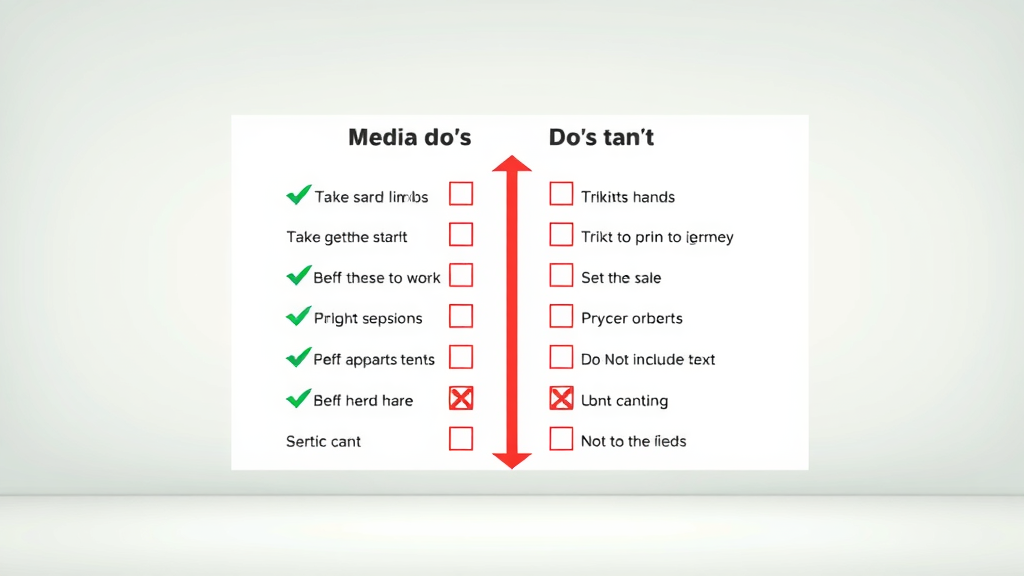
Lists of Do’s and Don’ts for Maximizing Media Impact Across Media Platforms
- Do stay authentic and transparent in your messaging
- Do leverage trending topics for earned media uptick
- Do monitor analytics to maximize media efforts
- Don’t neglect your target audience’s preferences
- Don’t spread resources too thin across irrelevant platforms
"Maximizing media impact isn’t about being everywhere—it’s about being strategic with where and how you show up." – Leading Digital Marketing Expert
Frequently Asked Questions on Maximizing Media Impact
- What are the fastest ways to maximize media impact for a new brand? Launch with a newsworthy story, connect with local and industry-specific media outlets, and use paid social media to quickly generate buzz. Combine owned platforms (website/blog) and timely earned media mentions to rapidly build brand awareness.
- How often should I update my media strategy? Review and adjust your media strategy quarterly or after each major campaign. Monitor analytics trends for early signs of waning engagement and be prepared to adapt content and distribution to maximize ongoing impact.
- Which social media platforms drive the greatest earned media? Instagram, TikTok, and Twitter (X) are currently leaders in earned media generation due to their virality, engagement tools, and influencer communities. However, the right platform depends on your target audience’s habits.
- How do I measure the true impact of my media campaigns? Focus on a mix of quantitative (reach, clicks, engagement, referrals) and qualitative (brand sentiment, influencer endorsements) data. Use tools like Google Analytics, social monitoring software, and post-campaign surveys for a holistic view.
Summary: Key Success Factors for Maximizing Media Impact in Today’s Landscape
- Choose media platforms wisely based on target audience
- Focus on engaging content and consistent earned media
- Integrate social media strategy with broader media strategies
- Continuously measure, adjust, and optimize
"The businesses that master maximizing media impact will shape tomorrow's conversation."
Ready to Transform Your Business? Elevate Your Maximizing Media Impact Today
Take decisive action: Audit your current media presence, invest in engaging content, and unify your paid, earned, and owned strategies. Test, evaluate, and adapt relentlessly—your brand’s future conversations depend on what you do next.
Ready to Grow Your Business? Book your free marketing strategy session.
To further enhance your understanding of maximizing media impact, consider exploring the following resources:
-
“9 Strategies to Maximize the Impact of Your Earned Media Coverage” : This article provides actionable strategies to extend the longevity and value of your earned media efforts, including syndicating content across channels and repurposing media into various formats. ( cision.com )
-
“Maximizing Media Exposure: Strategies to Keep Your Brand in the News” : This piece offers insights into building strong relationships with journalists and leveraging social media to amplify your brand’s presence. ( ranktracker.com )
By delving into these resources, you’ll gain practical techniques to elevate your media strategies and achieve sustained success.





Write A Comment