UPDATE
  • Home
  • Categories
    • Entrepreneurs
    • Growth Stories
    • Expert Insights
    • Innovators
    • Franchise and Expansion
    • Tools and Services
    • Commercial Property
    • Trends
April 07.2026
1 Minute Read

Navigating Auto Insurance Coverage in Connecticut: Expert Tips from a Local GEICO Exclusive Agent

Navigate Auto Insurance Connecticut: Why Local Expertise Matters

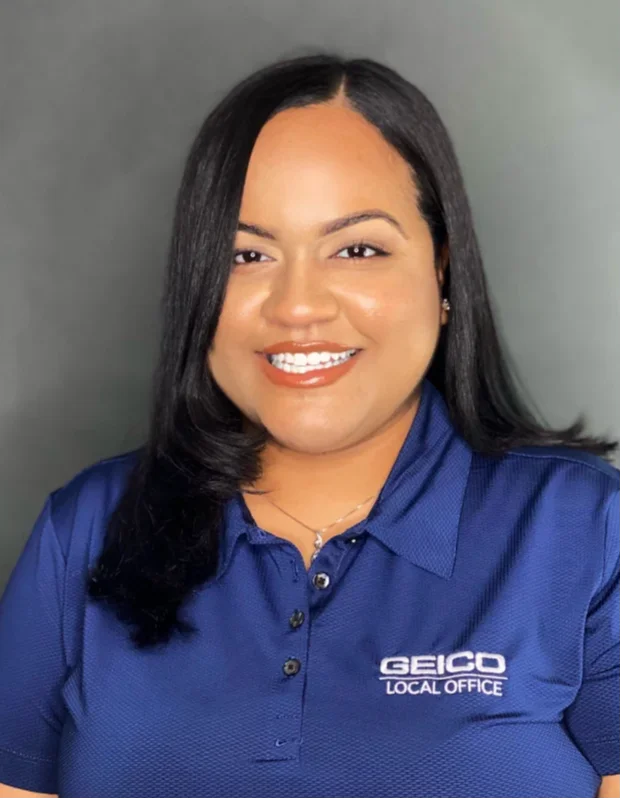
For Connecticut drivers, auto insurance is more than a legal requirement—it's a vital safeguard against unexpected trouble on the road. Yet, as Germany Jimenez a GEICO Exclusive Agent points out, assuming "insurance limits/coverages are the same in every state" can lead to critical financial risks. Local regulations, weather conditions, and community-specific risks mean that auto insurance Connecticut must be carefully tailored. In a landscape shaped by state-specific insurance laws and unique regional needs, relying purely on generic or national advice runs the risk of costly underinsurance.

According to Germany Jimenez, understanding the nuances of auto insurance coverage in Connecticut is not just smart—it's essential. “Many people believe they can cut cost because they assume insurance works the same in every state, but that simply isn’t the case here in Connecticut,” Jimenez emphasizes. Seasoned drivers and first-time policyholders should pause: are your coverage limits truly enough for the realities of Connecticut roads, weather, and law? This article, drawing from Jimenez’s decade-plus of experience and GEICO’s trusted legacy, unpacks what truly sets Connecticut auto insurance apart—and why local expertise is key to your peace of mind.

"One of the biggest misconceptions is thinking insurance is the same everywhere. But here in Connecticut, local rules and conditions make a huge difference." – Germany Jimenez
auto insurance Connecticut agent offering expert advice in a Hartford office setting

Understand Your Coverage: Avoid Being Underinsured in Connecticut

One of the most frequent—and potentially disastrous—mistakes Connecticut residents make is focusing solely on price instead of coverage adequacy. Jimenez underscores that simply choosing the lowest-priced policy can leave drivers dangerously exposed, especially when minimum liability limits often fail to cover real accident costs. Local factors such as higher medical costs, inclement weather, and increased litigation in Connecticut further amplify the risk of being underinsured. As Jimenez highlights in conversation, “Choosing cheap coverage without understanding what’s actually protected is a shortcut to regret—especially when something goes wrong. ”

Auto insurance in Connecticut requires a proactive mindset. It’s not about finding the absolute cheapest rate, but about matching policy features with your personal driving habits, assets, and risks. According to Jimenez, educating clients on the distinction between “having insurance” and “having the right insurance” makes all the difference. Thorough policy reviews with local agents familiar with Connecticut’s evolving legal and risk landscape ensure your insurance truly performs when you need it most.

"You want to make sure you have the right coverage at all times. Don’t just pay the cheapest price—understand your coverages to the fullest." – Germany Jimenez

Small Investment, Big Protection: Real Stories from a GEICO Connecticut Agent

Jimenez sees it time and again—customers underestimating how a small difference in monthly premium can yield exponentially greater peace of mind. Many Connecticut drivers rush to buy the minimum legally required coverage, thinking it's “good enough” to meet state law. But this approach, Jimenez warns, leaves families facing hefty out-of-pocket expenses if an accident escalates. “Sometimes clients choose minimum liability just to pay less,” Jimenez shares from years of local experience. “But for a small price difference, upgrading coverage can make a big difference in protection. ”

A modest upgrade—perhaps adding collision or comprehensive coverage, or increasing liability limits—can transform a policy from a bare minimum safety net to genuine financial protection. Connecticut’s unpredictable weather, dense population centers, and busy highways mean accidents are sometimes simply unavoidable; being prepared with robust, tailored coverage separates minor inconveniences from life-changing setbacks. Jimenez’s advice rings clear: investing just a little more now could save you thousands down the road, and ensure you’re making decisions from a place of strength rather than cost-cutting fear.

Connecticut family protected by GEICO auto insurance Connecticut policy at home driveway

"Sometimes clients choose minimum liability just to pay less. But for a small price difference, upgrading coverage can make a big difference in protection." – Germany Jimenez

Tailor Your Auto Insurance Connecticut Coverage to Your Specific Needs

Jimenez’s local expertise makes a compelling case: the best way to optimize auto insurance Connecticut is to tailor coverage to your unique lifestyle, assets, and risk profile. This might mean higher liability limits if you own property, additional medical payments coverage for your family’s peace of mind, or broader comprehensive coverage if you commute long distances or park outdoors. Importantly, Connecticut-specific insurance considerations—like mandatory coverage minimums and available GEICO options—should drive your decision, not one-size-fits-all national marketing.

The process need not be overwhelming. By consulting a licensed local agent like Germany Jimenez, buyers alike can efficiently evaluate their actual risk and insurance gaps. “Every customer's needs are different. That’s why it’s important to review and update your coverage as your circumstances change,” Jimenez explains. The role of a trusted local agent isn’t to push high-cost plans, but to bridge the gap between budget and genuine protection, grounded in firsthand knowledge of what works best in Connecticut’s neighborhoods.

  • Understand local insurance requirements in Connecticut

  • Evaluate liability limits vs. your assets and risks

  • Consider additional coverage options GEICO offers for peace of mind

  • Avoid the pitfall of minimum coverage for sheer savings

  • Consult a local agent who knows Connecticut nuances
auto insurance Connecticut consultation with GEICO agent and client reviewing policy documents

Connecticut Auto Insurance Myths Debunked for Buyers

Misconceptions about auto insurance Connecticut are surprisingly persistent. Jimenez sees everything from clients believing “liability only” is good enough, to buyers who don’t realize that state minimums rarely cover real accident costs. In reality, most Connecticut residents are just one major incident away from seeing the stark limitations of cheap, underpowered policies.

Jimenez insists that breaking through these myths starts with education: knowing what coverage does, what it doesn’t, and how affordable true adequacy can be. “A lot of people assume the cheapest plan will protect them, but the reality is the costs after an accident can be enormous if you’re underinsured,” Jimenez says.

Why Cheapest Isn’t Always Best in Auto Insurance Connecticut

Cheapest plans often mean minimal liability coverage - Minimal coverage risks huge out-of-pocket costs after an accident - Better coverage is often affordable and smarter long-term - Local agents like Germany Jimenez help you balance cost and protection

Too often, the allure of monthly savings overshadows the real-world math of what accident repairs, medical expenses, and potential lawsuits can add up to. According to Jimenez, “The small difference in premium for increased protection can make an enormous difference in long-term outcomes. ” Don’t ignore the expertise of local agents who understand what Connecticut drivers actually face—and can help you avoid coverage traps that put your family or your business at risk.

  1. Cheapest plans often mean minimal liability coverage

  2. Minimal coverage risks huge out-of-pocket costs after an accident

  3. Better coverage is often affordable and smarter long-term

  4. Local agents like Germany Jimenez help you balance cost and protection

auto insurance Connecticut resolving street accident with concerned drivers

Summarizing Expert Advice: Your Key Takeaway on Auto Insurance Connecticut

As the insurance landscape evolves and the realities of road risk shift, one principle stays constant for Connecticut drivers: true value comes from knowledge and customization, not from chasing the cheapest sticker price. According to Germany Jimenez, the right coverage “means being protected for genuine risk—not for the sake of compliance. ” For today’s auto insurance buyers, business owners, and professionals, consistently reviewing your insurance alignment with life’s changes isn’t just wise—it’s vital.

Jimenez’s advice is especially relevant for the Connecticut market, which sees frequent weather disruptions, heavy seasonal travel, and higher liability exposures. Working with a local GEICO agent means plugging knowledge gaps and accessing resources that national call centers simply can’t match. Comprehensive, personalized coverage becomes your buffer against chaos, lawsuits, and unpredictable costs, providing a foundation of confidence on the road and in your business.

"It’s not always about paying the cheapest rate. It’s about having the right coverages for your needs and really understanding what they mean." – Germany Jimenez

Why Consult a Local GEICO Agent in Connecticut?

When insurance needs intersect with day-to-day living, unique business operations, or major life changes, local guidance is more than a convenience—it’s a strategic advantage. Germany Jimenez and her team offer deep familiarity with Connecticut’s insurance landscape, ensuring clients select and update the auto insurance Connecticut policies that fit their real financial risks. Jimenez’s office delivers both expertise and empathy, prioritizing client well-being ahead of selling features or upsells.

The importance of engaged, trusted local service cannot be overstated. “At our agency, it’s not just about business—it’s about protecting our neighbors,” Jimenez says. When life throws a curveball, responsive customer service and an agent who understands your context can make all the difference between a smooth claim and a stressful financial scramble. For Connecticut individuals and businesses, skipping this step is never worth the risk.

  • Local expertise to navigate Connecticut insurance laws

  • Personalized coverage options that fit your lifestyle and business

  • Reliable customer service with extended hours

  • Trusted advice to avoid underinsurance pitfalls

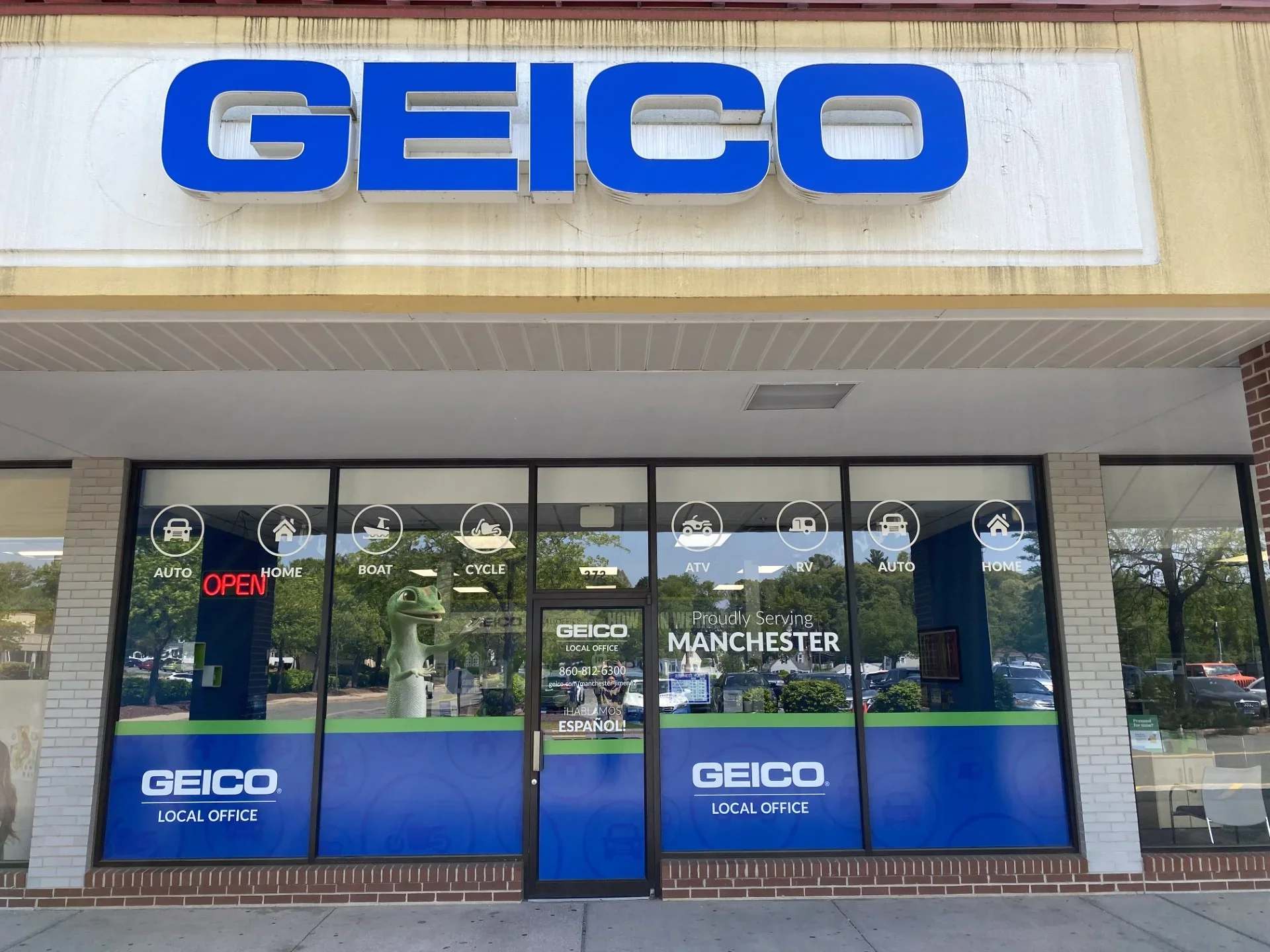
GEICO Connecticut auto insurance local agency building in town center

Take Action: Secure the Right Auto Insurance Connecticut Coverage Today

Now is the time for Connecticut drivers to reevaluate their policies—and ensure that tomorrow’s accident won’t become an unexpected crisis. The blend of GEICO’s national resources and local expertise, as embodied by Germany Jimenez in Manchester, offers a crucial safety net. With over a decade of hands-on experience and a true commitment to Connecticut’s communities, Jimenez has become the trusted guide clients rely on to demystify complex policies and deliver lasting peace of mind.

Don’t leave your family exposed to surprises. The right auto insurance Connecticut coverage is a phone call away—tailored quotes, policy reviews, and personalized advice start with a simple conversation. Germany Jimenez and her dedicated team stand ready to answer your questions, address your concerns, and help you secure robust, affordable protection built for the unique needs of Connecticut roads and lifestyles.

Call Germany Jimenez - GEICO Insurance Agent for Personalized Guidance

  • Discuss customized coverage options

  • Get accurate quotes tailored to your needs

  • Avoid common auto insurance mistakes in Connecticut

  • Benefit from a trusted local agent with over 10 years’ experience

For more info call: (860) 812-6300

Expert Insights

0 Comments

Write A Comment

*
*
Please complete the captcha to submit your comment.
Related Posts All Posts
05.21.2026

Transform Your Lead Management: Why Most Small Businesses Waste Their Leads

Update Understanding the Cost of Lost Leads When it comes to small businesses, one of the largest challenges faced is handling leads efficiently. Generating leads is one thing, but converting them into actual clients can be a daunting task. Small business owners, especially in real estate and service sectors, often burn through costly leads without taking full advantage of the potential sales. The rising cost per lead (CPL)—often exceeding $500 in real estate—makes it critical for businesses to have robust systems for managing and converting these leads. The Importance of Speed in Lead Response Research indicates that the speed at which a business responds to a lead dramatically impacts conversion rates. A study highlighted in the Harvard Business Review found that contacting a lead within the first hour significantly increases the chances of engaging them. The likelihood of contact decreases substantially as time passes. This finding underscores the need for small businesses to prioritize timely outreach. After all, in a competitive landscape, the fastest response can easily translate to winning over the customer, potentially leaving slower competitors in the dust. Building Effective Follow-Up Strategies Once a lead is contacted, the journey doesn’t end there. Follow-up is often where deals are won or lost. Most potential clients do not convert after their initial interaction; instead, they may require multiple points of contact before making a decision. Small businesses, especially in high-stakes industries, must develop follow-up strategies that are systematic, ensuring no lead is forgotten or allowed to go cold. This could include automated email sequences, scheduled check-ins, or targeted content delivery based on the lead's expressed interests. Creating Systems for Sustainability Just as important as responding quickly is the creation of systems that support a sustainable approach to managing leads. Technology can enhance efficiency by automating routine tasks and enabling businesses to focus on nurturing relationships without missing out on potential opportunities. Implementing customer relationship management (CRM) systems can streamline communications and keep track of interactions with leads. Beyond basic follow-ups, CRMs can provide insights into lead behavior, allowing businesses to tailor their messages and approaches to specific needs and preferences. The Financial Implications of Inefficiencies In the current market, every dollar spent on lead generation counts. Thus, it’s crucial for small businesses to have a firm grasp on their conversion metrics. An emphasis on conversion rate optimization (CRO) directly impacts profitability. Small businesses should routinely assess their conversion strategies and revise their lead handling methods accordingly to maximize the return on their investment. This means analyzing what worked, what didn’t, and adjusting practices to enhance future outcomes. Embracing Change: The Future of Lead Management As consumer behavior continues to evolve—prompted by advances in technology such as artificial intelligence and machine learning—small businesses must adapt to stay relevant and competitive. The systems and strategies they employ today will directly impact their ability to thrive tomorrow. Incorporating new technologies to better manage leads, from chatbots that respond instantly to initial queries to analytics tools that track customer engagement, can significantly increase conversion rates and customer satisfaction. Final Thoughts: A Call to Action for Small Businesses For small businesses struggling with lead conversion, it’s time to take action. Whether it’s optimizing response times or enhancing follow-up procedures, effective systems can transform potential losses into valuable client relationships. Investing in the right technologies and strategies can lead to sustainable growth and a stronger bottom line.

05.21.2026

Maximizing Lead Conversion Rates: Essential Strategies for Small Businesses

Update Understanding the High Stakes of Lead Management Small businesses often grapple with one critical question: how can we maximize the potential of every lead we generate? As highlighted by sales experts, many small business owners, particularly in sectors like real estate and legal services, find themselves entrapped in a costly cycle—attracting leads but failing to convert them into customers. The average cost per lead (CPL) has surged in recent years, with real estate leads costing upwards of $500. This rising expense amplifies the urgency for businesses to implement effective conversion strategies to avoid wasting valuable resources. The Importance of Speed and Structured Outreach One of the most compelling insights into lead conversion is the speed with which businesses respond to new inquiries. Research from the Harvard Business Review underscores that responding to a lead within the first hour significantly boosts the chances of successful engagement—up to seven times compared to waiting longer. Without a structured protocol for quick follow-ups, businesses risk losing warm leads to faster competitors. Moreover, the intricacies of follow-up processes play a pivotal role in conversion rates. As noted in the Salesforce report, many sales teams waste precious time on low-quality leads due to unclear follow-up strategies. Implementing comprehensive sales cadences—systematic sequences of outreach—can directly improve response rates and help maintain customer interest. Optimizing Every Step of the Sales Pipeline Lead conversion is not merely about generating more inquiries; it’s fundamentally about refining the entire sales process. Businesses need to focus on optimizing every stage of their sales pipeline, from the initial contact through to final conversion. By leveraging lead scoring and aligning marketing with sales definitions, companies can better prioritize high-intent leads, thus maximizing conversion potential. Tools that harness data for refining lead management processes can make a significant difference. For example, platforms like Sales Cloud help structure the sales process, enabling teams to track leads efficiently and speedily navigate them through the buyer's journey. The Role of Technology in Conversion Rates Technological advancements are transforming lead conversion strategies into more efficient systems. AI-driven lead scoring and automated follow-up routines help businesses manage resources better, ensuring that the most promising leads receive immediate attention. This streamlining allows sales teams to concentrate on prospects with genuine purchasing intent rather than wasting efforts on leads unlikely to convert. Furthermore, personalizing communication based on previous interactions and engagement history can significantly enhance a business’s conversion rate. Tailoring messages not only builds trust with potential clients but also positions businesses as solutions to prospective customers' specific pain points. Building a Lead Nurturing Framework Having a structured lead nurturing framework is crucial in converting leads into customers. Nurturing techniques include engaging clients through regular and relevant communication, leveraging email marketing campaigns, and utilizing retargeting ads that keep the brand in the lead's radar. For instance, a blended approach that includes quick responses, consistent follow-ups, and tailored messages can create a supportive ecosystem for the lead’s decision-making process. This ongoing engagement helps solidify the prospective customer’s relationship with the brand, increasing the likelihood of a conversion. Measuring Success: The Lead Conversion Rate Determining the effectiveness of these strategies can be done through calculating the lead conversion rate. This metric, calculated as the number of converted leads divided by the total leads, provides a clear view of how well the sales pipeline is functioning. Improving this rate not only means more revenue but also signifies a stronger correlation between marketing efforts and sales outcomes. Consequently, as businesses refine their lead conversion practices—adapting to feedback and adjusting strategies based on measurable outcomes—they can create a sustainable model that fosters growth and success. Conclusion: Your Turn to Optimize The potential for increased revenue through lead conversion optimization is vast. By investing time and resources to implement structured systems and rapid response strategies, small business owners can safeguard their bottom line and cultivate a more robust customer base. Don’t allow expensive leads to slip through your fingers. Start optimizing your lead conversion strategies today to ensure every inquiry is a step toward revenue.

05.19.2026

Unlocking Opportunities: Your Comprehensive Guide to Small Business Loans

Update Unlocking Opportunities: The Ultimate Guide to Small Business Loans Small business loans offer essential lifelines for entrepreneurs looking to grow their businesses. Whether it's funding new equipment, expanding into new markets, or managing daily operations, understanding the types and processes surrounding these loans is crucial for success. The Variety of Small Business Loans: Choose What's Right for You There are many types of small business loans, each tailored to different needs. Here’s an overview of the main loan types: Small Business Line of Credit: A flexible option that allows you to borrow up to a set limit only when you need it—ideal for cash flow management. Accounts Receivable Financing: Quick access to cash based on outstanding invoices, perfect for businesses with delayed customer payments. Working Capital Loans: Short-term loans meant to cover daily expenses, typically ranging from $5,000 to $100,000. Small Business Term Loans: Fixed amounts payable over several months or years, used for various business needs, such as operational funding and expansion. SBA Loans: These government-backed loans come with lower interest rates and favorable terms but have strict eligibility requirements. Equipment Loans: Designed to help businesses purchase essential equipment or software. Merchant Cash Advances: A fast way to secure funding, though often at higher interest rates, based on future sales. Business Credit Cards: Useful for short-term financing needs with benefits like cash-back offers. Navigating the Lender Landscape: Finding the Right Match The lending landscape has transformed, presenting a variety of options for small business owners. Lenders are no longer limited to traditional banks. Here are some types of lenders to consider: Direct Online Lenders: These fintech companies are known for their fast application processes and quick funding, often within days. Traditional Banks: Institutions like Bank of America and Chase might offer lower interest rates but usually have stricter criteria. Credit Unions: Often provide favorable terms for members with specific eligibility requirements. Alternative Lenders: More flexible in criteria, they cater to those who may struggle with traditional bank requirements. Understanding Approval Criteria: Are You Ready to Apply? Before you apply for a small business loan, ensure you meet the necessary criteria, which may include: Time in Business: Many lenders require you to have operated for at least a year, though some may accept businesses with as little as six months. Annual Revenue: Borrowers typically must meet a specified revenue threshold. Credit Score: Understand that lenders will assess both your personal and business credit scores, with many preferring scores in the low 600s or higher. Making Informed Decisions: Comparisons Are Key When evaluating potential loans, keep these factors in mind for comparison: Interest Rates: Always compare the overall borrowing cost, including any potential fees. Repayment Terms: Look for flexibility that fits your cash flow, whether you prefer short or long repayment periods. Funding Amount: Ensure the lender can meet your capital needs, ranging from thousands to millions. Alternatives to Traditional Loans: Exploring Other Funding Options If securing a traditional loan proves challenging, consider these alternative options: Business Credit Cards: They can be a good alternative for managing smaller, recurring expenses. Crowdfunding: Engage your community by raising funds through contributions in exchange for your products or services. Friends and Family: Leverage personal networks for startup capital. Personal Loans: They often come with better terms for those with strong personal credit histories. Conclusion: Empowering Your Business Journey with Small Business Loans Understanding small business loans equips you to make informed decisions that can propel your entrepreneurial journey. Whether you opt for traditional loans or explore alternative financing options, knowing your choices is the first step toward success. Take the time to assess your needs, compare offers, and find a lending solution that aligns with your business goals. The right loan can be transformative for your venture, opening doors to growth and opportunity. To make the best financial choices, consider evaluating your potential financing and set your business up for success.

Terms of Service

Privacy Policy

Core Modal Title

Sorry, no results found

You Might Find These Articles Interesting

T
Please Check Your Email
We Will Be Following Up Shortly
*
*
*