Add Row
Add Element
UPDATE
Add Element
  • Home
  • Categories
    • Entrepreneurs
    • Growth Stories
    • Expert Insights
    • Innovators
    • Franchise and Expansion
    • Tools and Services
    • Commercial Property
    • Trends
December 05.2025
1 Minute Read

Navigating Commercial vs Domestic Plumbing Markets: Key Differences and Challenges

Are you curious about what truly sets commercial vs domestic plumbing apart in today's dynamic market? Understanding these differences can empower homeowners and businesses alike to make informed decisions about plumbing services. In this comprehensive article, we unravel the distinct demands, challenges, and approaches of commercial vs domestic plumbing , guided by the expert insights of Ed Serrell of Edward Serrell Plumbing and Heating Ltd . Whether you are a business owner, homeowner, or plumbing professional, this guide equips you with essential knowledge to navigate both sectors adeptly.

Contrast between commercial vs domestic plumbing infrastructure in skyscraper and suburban house

Introduction: What Sets Commercial vs Domestic Plumbing Apart?

At first glance, plumbing might seem like a uniform trade, but the differences between commercial vs domestic plumbing systems are substantial in scope, complexity, regulations, and customer expectations. Commercial plumbing serves large-scale infrastructures like office buildings, factories, and government facilities requiring extensive planning, larger budgets, and strict compliance with regulations. In contrast, domestic plumbing focuses on individual residences where rapid response times and personalized service play a more pivotal role.

Ed Serrell, a seasoned plumbing expert from Edward Serrell Plumbing and Heating Ltd , highlights, “In commercial plumbing, the scale and planning are critical, but domestic plumbing demands flexibility and rapid response, especially for emergencies.” This fundamental difference shapes how plumbers approach work in these two spheres, influence pricing models, and define customer relationships.

Understanding Commercial Plumbing Services

Scope and Complexity of Commercial Plumbing Systems

Commercial plumbing systems are characterized by their complexity and scale. They often involve multiple floors, extensive piping networks, industrial-grade fixtures, and specialized equipment like large boilers, fire suppression systems, and backflow preventers. These systems require mechanical and engineering expertise to ensure compliance with building codes and safety standards. Unlike residential setups, commercial jobs are usually part of planned projects with detailed blueprints and timelines.

Additionally, commercial plumbers coordinate closely with general contractors, engineers, and building managers to implement solutions that serve high-density populations. This coordination elevates the technical and logistical demands of commercial vs domestic plumbing .

Commercial plumber at work handling complex piping systems in building

Typical Commercial Plumbing Problems and Solutions

Common commercial plumbing challenges include large-scale water leaks, clogged drainage systems from high usage, malfunctioning boilers, and compliance-driven retrofitting. Commercial spaces also face unique issues like water pressure management and system shutdowns during maintenance.

Addressing these problems requires prompt, skilled intervention and often bespoke solutions tailored to the building’s design and operational needs. Preventive maintenance contracts are common in commercial plumbing, ensuring systems remain efficient and downtime is minimized. Ed Serrell notes, “Commercial plumbing is more about planned work rather than reactive tasks, demanding a disciplined scheduling system to balance emergency calls without disrupting ongoing projects.”

When it comes to emergencies, both commercial and domestic environments require swift action, but the stakes and protocols can differ greatly. For a practical guide on handling urgent plumbing issues in residential settings, explore these essential steps and local contacts in what to do during a plumbing emergency in Chesterfield .

Exploring Residential Plumbing Services

Common Residential Plumbing Systems and Issues

Residential plumbing typically involves smaller scale systems: water lines, sinks, toilets, showers, boilers, and smaller heating elements. Repairs and installations tend to be more straightforward but must be completed with minimal disruption to the homeowner's daily life.

Typical domestic issues include leaky faucets, clogged drains, boiler breakdowns, and pipe bursts. Rapid response is crucial, especially in emergencies like burst pipes or heating failures during winter. Residential plumbers focus on clear communication, thorough diagnostics, and flexibility to accommodate urgent calls.

Residential plumber fixing leaking sink in home kitchen

Emergency Plumbing Services in Domestic Settings

Emergencies in homes require plumbers to act quickly and effectively, balancing speed with accuracy. Unlike commercial settings where planned downtime is possible, residential emergencies disrupt daily life abruptly. Same-day or next-day service has become a customer expectation, heavily influenced by modern consumer convenience standards.

Ed Serrell emphasizes, “We pride ourselves on being reactive — same day or next day — because many customers prefer getting the problem resolved quickly rather than shopping around.” This responsiveness, combined with transparent pricing practices, strengthens trust and customer loyalty in the domestic market.

Key Differences Between Commercial and Residential Plumbing

Scale, Regulations, and Technical Requirements

The most apparent difference between commercial vs domestic plumbing lies in scale and regulatory compliance. Commercial plumbing projects involve larger systems governed by stricter codes and inspections to satisfy health, safety, and environmental standards. The technical requirements often include specialized certifications and adherence to tendering processes detailed in contracts.

Residential plumbing involves simpler systems with more flexible regulatory oversight. Plumbers often interact directly with homeowners, requiring excellent interpersonal skills. The smaller scale enables more personalized customer service but restricts profitability unless balanced by job volume.
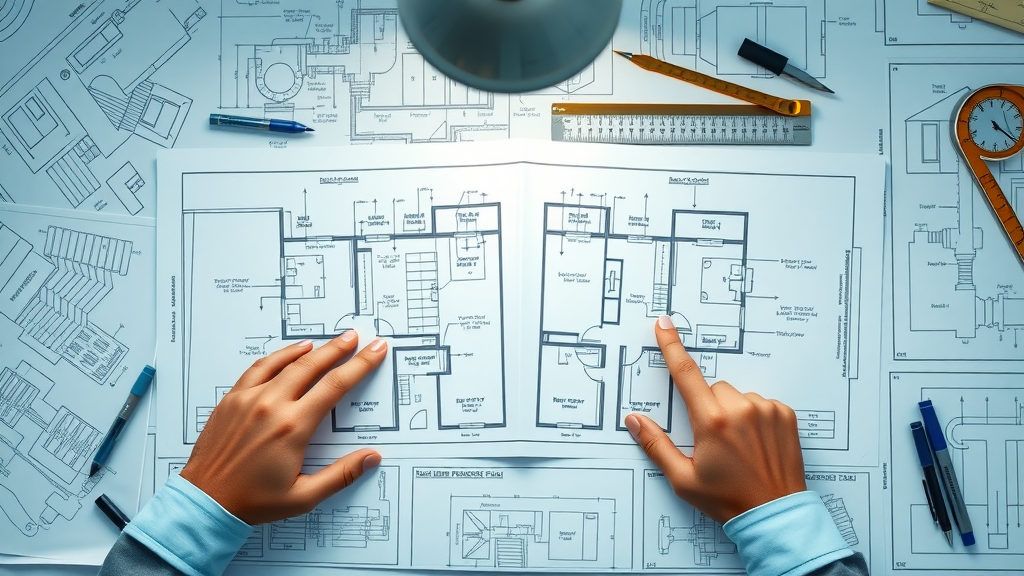
Blueprint of commercial vs residential plumbing system comparison

Customer Expectations and Service Delivery

For commercial clients, reliability and transparency in project timelines and budgets are paramount. They typically engage plumbing companies through contracts and expect comprehensive documentation and minimal disruption. Conversely, residential customers value responsiveness, clear communication, and fair pricing above all.

Ed Serrell of Edward Serrell Plumbing and Heating Ltd remarks, “Our approach is to maintain transparency and value for money, ensuring customers know exactly what to expect from start to finish.” This guiding philosophy underscores the divergent service models required by each market.

Challenges Unique to Commercial vs Domestic Plumbing Markets

Managing Emergency Plumbing in Commercial Settings

Emergencies in commercial buildings can be catastrophic, with potential for significant property damage and business interruption. Managing such emergencies requires a rapid response team and effective prioritization of issues based on severity and operational impact.

Commercial plumber responding to water main burst emergency

Balancing Cost and Quality in Residential Plumbing Services

In residential markets, balancing affordability with quality is a constant struggle. Customers often seek multiple quotes and may opt for less expensive providers despite potential quality risks. Maintaining profitability while providing high standards requires efficiency, skilled labor, and effective client communication to justify pricing.

Expert Insights: Ed of Edward Serrell Plumbing and Heating Ltd on Commercial vs Domestic Plumbing

“In commercial plumbing, the scale and planning are critical, but domestic plumbing demands flexibility and rapid response, especially for emergencies,” explains Ed, a seasoned commercial plumber.
Ed emphasizes, “Our approach is to maintain transparency and value for money, ensuring customers know exactly what to expect from start to finish.”

Business Strategies for Success in Both Markets

Building Strong Customer Relationships in Residential Plumbing

Success in residential plumbing hinges on trust, timely service, and consistent quality. Repeat business and referrals form the backbone of growth. Clear communication, transparent pricing, and demonstrated reliability foster customer loyalty.

Leveraging Commercial Contracts and Tendering Processes

Commercial plumbing growth involves mastering tender processes and delivering competitive bids while maintaining quality. Small companies can compete effectively by combining lean operations with skilled service delivery.

Comparison Table: Commercial vs Residential Plumbing Services

Aspect Commercial Plumbing Residential Plumbing
Scope Large scale, complex systems with multiple users Smaller systems, individual homes
Regulations Strict compliance, detailed codes, inspections Moderate compliance, fewer inspections
Pricing Models Contractual tenders, project-based Hourly rates, small quotes
Customer Base Businesses, institutions, government Homeowners, tenants
Challenges Project scheduling, emergency management, technical complexity Rapid emergency response, cost sensitivity, customer service

What You'll Learn

  • Differences in plumbing systems and service requirements between commercial and residential markets
  • Challenges faced by plumbers in each sector and how to overcome them
  • Expert advice on managing customer expectations and business growth
  • Key factors influencing pricing and profitability in both markets

Frequently Asked Questions

  • What is the difference between commercial and residential plumbing?
    Commercial plumbing involves larger scale systems serving businesses and institutions, with more complex regulatory requirements. Residential plumbing focuses on individual homes and smaller systems.
  • What's the difference between commercial and domestic plumbing?
    Essentially the same as the above — domestic plumbing refers to residential properties, while commercial serves business-related buildings.
  • What are the three types of plumbing?
    Typically, the three types are: residential (domestic), commercial, and industrial plumbing, each with increasing scale and complexity.
  • What makes more money, residential or commercial plumbing?
    Commercial plumbing usually offers higher profitability for larger projects but requires more planning and tendering. Residential plumbing provides steady work but often with tighter margins.

Key Takeaways

  • Commercial plumbing involves larger scale projects with planned work and tendering processes.
  • Residential plumbing requires quick response times and strong customer communication.
  • Both markets have unique challenges that require tailored business strategies.
  • Maintaining integrity, transparency, and quality service is essential for success.

Conclusion: Balancing Expertise Across Commercial and Domestic Plumbing

Navigating the domains of commercial vs domestic plumbing demands not only technical skill but also strategic business acumen and customer-focused service. As Ed Serrell of Edward Serrell Plumbing and Heating Ltd explains, balancing the contrasting demands of large-scale planning with rapid domestic responses is key to thriving in both markets. Plumbing professionals and customers benefit greatly from understanding these differences, enabling smart decisions and successful outcomes across all plumbing projects.

If you’re looking to deepen your understanding of the plumbing industry and stay ahead of evolving trends, consider exploring the latest trade secrets for sustainable plumbing and heating direct from industry professionals. This resource offers advanced strategies and eco-friendly solutions that can elevate your approach, whether you’re managing a business or maintaining your home. By integrating sustainable practices, you not only future-proof your plumbing systems but also contribute to a greener, more efficient environment. Take the next step and discover how innovation and expertise can transform your plumbing outcomes.

Book an Expert Interview for Your Business

  • Gain personalized insights from industry experts.
  • Enhance your business strategy with professional guidance.
  • Click here to schedule an expert session.

Understanding the distinctions between commercial and residential plumbing is crucial for both property owners and plumbing professionals. The article “Commercial vs Residential Plumbing” by ServiceTitan provides an in-depth analysis of these differences, highlighting aspects such as scope, complexity, and regulatory requirements. Additionally, “Understanding the Distinction: Commercial vs Residential Plumbing” by Flood Brothers Plumbing offers valuable insights into the unique challenges and considerations inherent in each sector. Exploring these resources will enhance your comprehension of the plumbing industry’s diverse demands and help you make informed decisions tailored to your specific needs.

Expert Insights

Write A Comment

*
*
Related Posts All Posts
12.07.2025

Unlocking Team Spirit: 7 Group Activities for Adults to Strengthen Bonds

Update Strengthening Bonds Through Fun: The Power of Adult Group Activities As we navigate through the complexities of adulthood, it becomes increasingly important to foster connections and strengthen bonds with our peers. Engaging in group activities designed for adults can not only rekindle the joy of collaboration but can also enhance communication and teamwork skills in meaningful ways. This article highlights various fun activities that promise to boost bonding among adults, taking inspiration from established methods of team building. The Impact of Team Building Activities Team building activities have long been recognized for their role in enhancing workplace productivity and morale. Research indicates that team bonding games can boost productivity by as much as 21%, showing how effective these activities can be in fostering a collaborative spirit among team members (Small Business Trends, 2025). From casual icebreakers to structured problem-solving exercises, these activities offer dynamic environments that encourage creativity and rapport. Engaging Icebreakers to Break Down Barriers One of the simplest yet most effective methods to boost bonding is through icebreaker activities. Air Names serves as a prime example where participants use body movements to 'write' their names in the air. This not only promotes active participation but also helps improve memory retention of names. Such activities can easily be adapted to both virtual and physical settings, making them versatile for diverse teams. Sticky Beak: A Game of Strategy and Teamwork Another engaging activity is Sticky Beak, where team members compete to collect tape loops placed on their noses. This fun and interactive game encourages laughter, quick thinking, and teamwork while challenging participants to strategize against one another. The competitive element not only entertains but also fosters a sense of camaraderie as they work together to outsmart their peers. Encouraging Meaningful Conversations with Crosstown Connections Following the engaging experiences provided by Sticky Beak, activities such as Crosstown Connections can significantly enhance interpersonal relationships. This icebreaker involves pairing up to exchange personal details using unique greetings, creating opportunities for deeper conversations. Similar to findings from reference studies, the dynamic nature of Crosstown Connections fosters inclusivity and promotes a positive environment for collaboration. The Ubuntu Effect: Promoting Inclusiveness with Ubuntu Cards Ubuntu Cards takes bonding a step further by prompting individuals to discover common experiences and similarities among each other. This activity encourages meaningful conversations and boosts morale, resonating with the idea that shared experiences can serve as strong foundations for relationship-building. Research shows that fostering these connections not only enhances team dynamics but can also lead to improved workplace satisfaction and retention. Beyond Fun: The Long-Term Benefits of Group Activities While immediate enjoyment is a significant aspect of these activities, the long-term benefits are equally remarkable. Engaging in group activities encourages participants to recognize their roles within teams, ultimately creating a healthier work culture. Regular participation in team building can lead to better communication, enhanced understanding of individual strengths, and resolve underlying team issues that may hinder productivity and collaboration. Choosing the Right Activities for Your Team It’s essential to select activities that resonate with all team members. Each person has different comfort levels with social interaction, and picking activities that everyone can engage with is paramount (When I Work). Consider incorporating games that encourage collaboration but allow for individual expression, ensuring that everyone feels included and valued. Conclusion: Take Action to Foster Connection As we explore ways to enhance personal connection and teamwork through these activities, it becomes clear that finding engaging and versatile group activities should be a priority. Not only do they make the workplace more enjoyable, but they also lay the groundwork for a collaborative environment conducive to achieving common goals. Start planning your next team-building event today to rekindle the joy of coming together and experiencing the benefits of strong interpersonal connections!

12.06.2025

Unlocking the Power of Media Scheduling: Essential Strategies for Businesses

Update The Crucial Role of Media Scheduling in Modern Business In today’s fast-paced digital landscape, effective media scheduling has become crucial for businesses looking to reach their target audience at the right time. Understanding what media scheduling is and its importance can significantly impact a brand's marketing strategy. Defining Media Scheduling: A Big Picture Overview Media scheduling refers to the strategic planning of when and where to place advertisements across various channels, including social media, television, radio, and online platforms. The goal is to maximize audience reach and engagement while optimizing budget allocation. It’s a complex process that often requires understanding demographics, consumer behavior, and current market trends to ensure that the message resonates with the intended audience. Why Media Scheduling Matters for Businesses 1. Improved ROI: A well-planned media schedule allows businesses to allocate their budget efficiently, ensuring that advertisements are shown when potential customers are most likely to be engaged. 2. Targeted Audience Reach: Media scheduling facilitates targeted marketing by helping marketers choose specific times and platforms where certain demographics spend their time the most. 3. Consistency in Brand Messaging: Regular scheduling ensures that a brand remains top-of-mind for consumers, reinforcing its messaging and presence in the market. The Dynamics of Effective Media Scheduling Businesses must consider various factors when designing their media schedules. Key elements include identifying peak times for audience engagement, understanding seasonal trends, and leveraging data analytics to refine targeting efforts. Tools that track engagement metrics can provide valuable insights that inform future scheduling decisions. Historical Context: How Media Scheduling Evolved Media scheduling history mirrors advancements in technology and consumer behavior. Traditionally, marketers relied heavily on printed media and broadcast schedules, with minimal flexibility for adjustments. The rise of digital platforms, however, has transformed the landscape. Today, businesses can swiftly adjust campaigns based on real-time data, offering a level of adaptability never before possible. Common Myths about Media Scheduling There are misconceptions that media scheduling is solely about frequency and placement. In reality, it involves a detailed analysis of when and how audiences interact with content. Moreover, some may assume that more advertising results in better engagement. Counterproductively, bombarding audiences with advertisements can lead to fatigue, reducing effectiveness. Pitfalls to Avoid in Media Scheduling One major pitfall is scheduling ads without adequate insight into the target audience. Ignoring consumer patterns can lead to wasted spend and missed opportunities. Additionally, underestimating the impact of a consistent media presence can negatively affect brand perception. Practical Insights for Your Media Scheduling Strategy 1. Utilize analytics tools to measure engagement. Track when your audience is most active and adjust your media schedule accordingly. 2. Test different media channels to determine which platforms yield the best results. Remember that different demographics engage with content in varying ways. 3. Stay informed about trends and shifts in consumer behavior, and be prepared to adapt your strategies as needed. The Future of Media Scheduling Looking ahead, technology like artificial intelligence is poised to play a significant role in enhancing media scheduling strategies. AI can analyze vast amounts of data to predict consumer engagement trends, allowing marketers to optimize their strategies further. Businesses that embrace these advancements could gain a major competitive advantage. Your Next Steps in Media Scheduling As you refine your media scheduling strategy, consider evaluating your current practices through a fresh lens. Are you adequately reaching your target audience? Are your campaigns adaptable? The answers to these questions can position your brand for greater success in a dynamic market. Effective media scheduling is more than just timing; it’s a strategic approach to enhancing brand engagement and efficiency. By understanding its importance and applying practical insights, businesses can better navigate the competitive landscape of today's media environment.

12.05.2025

What to Expect: Veteran Disability Compensation News December 2025

Did you know that in 2025, more than 5 million veterans received disability compensation—a new national record? This surge signals a pivotal shift in the landscape of veteran disability compensation and underscores crucial changes that could directly impact your monthly payments, eligibility, and benefits claims as the year comes to a close.A Surprising Shift: The Latest Veteran Disability Compensation TrendsVA reports show a remarkable increase in veteran disability compensation approvals during 2025 according to new data from the Department of Veterans Affairs.Application success rates have improved after recent legislative and policy updates, making it easier for eligible veterans to access benefits.Many disabled veterans, including those with new or worsening conditions, are receiving updated disability ratings and higher monthly payment rates.“Recent figures show that more than 5 million veterans received disability compensation in 2025, marking a historic high.”This upswing in veterans disability compensation not only sets new precedents for program accessibility but also introduces major updates that every veteran and their families need to track as the year closes. Understanding these changes helps you secure the compensation benefit you’ve earned, take advantage of added amounts, and avoid common pitfalls in the VA benefit application process.What You'll Learn About Veteran Disability Compensation for 2025Key program changes shaping eligibility and claims approval ratesPayment updates for monthly compensation—including new rates, basic monthly payment figures, and expanded added amountsHow to navigate new VA benefits seamlessly through the application and appeals processExpert answers to top questions facing disabled veterans this DecemberUnderstanding Veteran Disability Compensation: An OverviewWhat Is Veteran Disability Compensation?Veteran disability compensation is a monthly benefit paid by the Department of Veterans Affairs (VA) to veterans with service-connected disabilities. Its core purpose is to provide financial security, support rehabilitation, and ease the transition to civilian life for those whose health was impacted by active duty military service.This benefit is not contingent on income, and it supplements other federal government support, such as Social Security, but is tailored to recognize the sacrifices of service members.Core eligibility factors include: documented proof of a service-connected injury or illness, an official VA disability claim, and a subsequent disability rating assigned by the department. The disability rating determines both basic monthly rates and potential for receiving added amounts if you have dependents or severe conditions.Whether you are a newly separated service member or a veteran revisiting your benefits, understanding eligibility is foundational. These factors directly affect your ability to access compensation benefits and added amounts, ensuring you and your family members receive the full support entitled to you.Monthly Payment Structures for 2025For December 2025, the VA has updated monthly payment rates for all veterans disability compensation recipients. These changes are based on both cost-of-living adjustments and new legislative updates designed to better align compensation with current economic realities.The monthly rate now accounts for dependent status—like whether you have a spouse, dependent children, or dependent parents—alongside your VA-assigned disability rating. The basic monthly compensation amount rises as your rating and number of dependent family members increase.2025 Monthly Payment Table for Veteran Disability CompensationDisability RatingVeteran OnlyWith SpouseWith Spouse & ChildWith Dependent Parent(s)10%$180$180$180$19030%$532$584$634$63250%$1,041$1,163$1,228$1,22570%$1,853$2,039$2,168$2,159100%$3,737$3,991$4,148$4,122It’s crucial for veterans to check regularly for updates to the monthly payment tables, as rates can shift mid-year or in response to temporary benefit provisions.Current VA Benefit Changes Impacting Veterans Disability CompensationOverview of VA Benefits Updates for 2025Several legislative changes in 2025 are reshaping how va benefits and veteran disability compensation are calculated and distributed.New rules have been enacted to simplify benefit access, clarify required documentation for disability claims, and shorten application processing timelines.Effective dates for these new policies began rolling out in late 2024 and will continue into early 2026. Many veterans will automatically transition under the new rules, but some will need to submit updated documentation.Veterans are encouraged to review official VA updates, monitor their benefit status by logging into VA.gov, and seek guidance from a VA-accredited representative to ensure compliance with changing regulations, especially if your situation involves complex factors like home loan eligibility or combined disabilities.New Disability Rating Criteria & Impact on Monthly PaymentsThe disability rating scale has undergone meaningful adjustments in 2025 to better reflect both new medical knowledge and legislative intent. These ratings remain the core determinant of the basic monthly rate and subsequent added amounts for dependents or severe circumstances.Even slight changes in your official disability rating can raise (or lower) your monthly payment. For instance, moving from a 70% to 80% rating triggers a substantial increase in compensation, and may also open new eligibility for dependent-related added amounts and aid and attendance benefits if you or a family member requires extra care.“Accurate disability ratings are the key to maximizing your veteran disability compensation in 2025.”How Added Amounts Affect Your Veteran Disability CompensationWhat Are Added Amounts?Added amounts (sometimes called aid and attendance benefits) are increases to your veteran disability compensation if you meet certain conditions. This includes supporting dependent children, parents, or a spouse who receives aid and attendance, or if your recognized disability is classified as severe (such as with traumatic brain injuries or the loss of use of limbs).Categories that trigger added amounts include: dependent children below 18, full-time college students aged 18-23, dependent parents with insufficient income, and spouses who require regular assistance for daily living activities.The added amount structure is vital for veterans with complex family situations or severe medical needs. These extra dollars are meant to reflect the additional financial and caregiving obligations you shoulder, ensuring veteran and family well-being.How to Calculate Added Amounts for Disabled VeteransThe amount you receive depends on your overall disability rating and the number of eligible dependents or special circumstances. For example, a 100% disabled veteran with a spouse, two children, and a dependent parent will receive a combination of increased basic monthly rate and several added amounts.Special added amounts may be triggered by: if your spouse receives aid and attendance, if you have multiple dependent children, or if a dependent parent resides with you and meets income requirements. Additional increments also apply for specific medical conditions such as traumatic brain injuries or loss of sight.2025 Added Amounts Table (Examples)Added Amount Category2025 Monthly Added AmountEligibility ExampleEach additional child under 18$100Veteran with three children under 18Dependent child aged 18–23 (in school)$350Veteran’s child attending college full-timeSpouse receives Aid and Attendance$188Veteran’s spouse requires daily medical careEach dependent parent$127Low-income parent living with veteranVeteran requires Aid and Attendance$695100% disabled veteran needing regular helpReviewing these tables is crucial. If your dependent status has changed, or if you or your spouse receives aid and attendance, update your records now with the VA. Maximizing the added amounts can substantially influence your total monthly payment in December 2025.Navigating the Application Process for Veteran Disability CompensationEssential Steps for Applying in 2025Prepare Your Documentation: Gather military service records, current medical evidence, and prior VA correspondence.Submit Your Claim: Access the official VA claim portal at VA.gov and follow the online prompts for disability compensation.Complete Additional Forms: If you’re claiming added amounts for dependents or special needs (like aid and attendance), be sure to attach the appropriate supporting documents.Monitor Claim Status: Check your application progress regularly and respond promptly to any requests for further information from the Department of Veterans Affairs.Avoid Common Mistakes: Double-check for missing dependent information, unsigned forms, or incomplete medical records—these frequently delay approvals.Documentation must be clear and comprehensive—be thorough in detailing your medical conditions, dependent status, and any need for aid or attendance benefits. Missing or inaccurate information is a top cause of delayed or denied claims.Appeal Options: What to Do if Your VA Benefit Is DeniedFor claims denied in 2025, there are several appeal pathways: request a Higher-Level Review, submit a Supplemental Claim with new evidence, or file a Board Appeal if you disagree with the VA decision.To strengthen your appeal, gather additional supporting evidence such as recent medical evaluations, updated documentation on dependents or added amount eligibility, and letters from healthcare providers.Consulting a VA-accredited representative or advocacy group can often make a critical difference in reversing denials and maximizing your disability compensation benefit.Frequently Asked Questions About Veteran Disability CompensationHow are monthly payments for veteran disability compensation calculated in December 2025?Monthly payments depend on your official VA disability rating (from 0% to 100%), your dependent status (spouse, children, or dependent parents), and eligibility for added amounts such as aid and attendance. The 2025 monthly payment charts, which update annually, factor in legislative changes and cost-of-living adjustments. For December 2025, these rates range from $180 (10% rating, veteran only) to more than $4,000 (100% rating with several dependents).What recent changes to VA benefits should I be aware of?Notable policy updates in 2025 involve streamlined claim processes, new forms for added amounts and dependent status, and expanded eligibility for secondary conditions and aid and attendance. Review your current benefits and application status regularly, as you may now qualify for incremental increases or expedited appeals.When can added amounts be included in my disability compensation?You are eligible for added amounts if you have dependent children, a spouse who receives aid and attendance or requires daily living support, one or more dependent parents, or if you yourself require additional care. For example, if your spouse begins to receive aid and attendance benefits, your monthly compensation can increase by nearly $188 per month under the new guidelines.What should disabled veterans expect from the application process in 2025?The process remains highly structured but is now faster and more digital-friendly. Veterans must prepare accurate documentation, file their claim online or by mail, include all supporting details for added amounts, and monitor communications from the Department of Veterans Affairs. If denied, there are clear, efficient appeals options to support quick resolution and timely payment of your veteran disability compensation.Expert Insights: Maximizing Your Veteran Disability Compensation in 2025"Applying early and updating all records are vital for securing your full veteran disability compensation." - VA Accredited RepresentativeBeing proactive throughout the disability claim process ensures that your monthly payment reflects all relevant changes in your dependent status, disability rating, and eligibility for added amounts. Expert guidance often leads veterans to uncover additional benefits they might otherwise miss, from home loan advantages to new special allowances.Key Takeaways for Veteran Disability Compensation in December 2025Monthly payments may have changed — review your status and the latest 2025 payment tables.Eligibility for added amounts is expanding for dependent children, spouses receiving aid, and parents.Understand the impact of disability rating adjustments on your total compensation.Appeal and update your documentation promptly to avoid missed benefits or delayed payments.Helpful Resources and Further Reading on VA Benefits and Veteran Disability CompensationVisit Official VA Disability Compensation Page for the latest forms, eligibility guides, and online application tools.Connect with Veteran Service Organizations (VSOs) for free advocacy, claim assistance, and appeal support.Explore the Department of Veterans Affairs’ Benefits Portal for resources on home loan, education, and additional VA benefits.People Also Ask About Veteran Disability CompensationWhat is the maximum veteran disability compensation I can receive in December 2025?The maximum veteran disability compensation for December 2025 is over $4,200 per month for a 100% disability rating with multiple dependents and qualifying for specific added amounts. Always check the latest VA charts and consult an accredited advisor to be sure your compensation reflects all eligible categories for your family members and needs.What is the fastest way to get a VA benefit decision for disability compensation?To get a quicker VA benefit decision in 2025, file your disability claim online through the official VA portal, use fully developed claim (FDC) routes, and ensure all medical documentation, dependent information, and special circumstance evidence (like aid and attendance) is uploaded correctly. Avoid incomplete applications and respond swiftly to any requests from the VA.Does the December 2025 cost-of-living adjustment impact my monthly payment?Yes, the 2025 cost-of-living adjustment (COLA) has increased veteran disability compensation monthly rates across all levels. Review your payment letter or the VA’s updated online charts to ensure you’re receiving the correct amount based on your disability rating and dependent status. If the amount seems incorrect, contact the VA or a qualified advisor immediately for review.A clear, friendly presentation uses animated charts and simple graphics to break down the 2025 updates—covering monthly payment rates, added amounts, and important eligibility shifts. You’ll see:Visual representations of veteran families and step-by-step application flowAnimated payment tables highlighting differences in disability rating and dependent statusIllustrative breakdowns on how added amounts and aid and attendance work for spouses, children, and parentsKey advice on optimizing your claim in the new VA benefit environmentThis video is a must-watch for both new and returning applicants looking to understand changes coming this December.See our tutorial: A step-by-step animated guide demonstrates how to navigate the online application portal for veteran disability compensation in 2025. The video covers:Pre-filing checklist of documents and eligibility factorsScreen-by-screen instructions for entering service history, dependent status, and medical evidenceCommon mistakes to avoid—highlighted with real-world scenariosSubmission tips and instructions on tracking your application statusIdeal for first-time applicants and veterans seeking a smoother, faster application process.Conclusion: Secure Your Veteran Disability Compensation Today“2025 brings critical changes to VA benefits — stay informed, act early, and secure your future.”Now more than ever, taking timely action and staying informed about updates to veteran disability compensation is critical. Sustained awareness ensures you don't miss new opportunities for monthly payment increases and added amounts as December 2025 approaches.For questions, appeals, or a personalized consultation about your claim, speak with an accredited advisor or reach out directly for support.Get Personalized Support for Your Veteran Disability CompensationCall us @ 904.312.5342 for expert help with your VA claim, appeals, or questions about your compensation. Our experienced team is ready to ensure you receive the full benefits you’ve earned.

Terms of Service

Privacy Policy

Core Modal Title

Sorry, no results found

You Might Find These Articles Interesting

T
Please Check Your Email
We Will Be Following Up Shortly
*
*
*