
Did you know that over 60% of website traffic starts with a search engine query? Think about what that means: if your website isn’t optimized with proven on-page SEO secrets, you’re missing out on a massive traffic potential. Today, get ready to unlock actionable techniques that can dramatically improve your site’s visibility, boost search engine rankings, and deliver instant website wins—even if you’re not an SEO expert.
Revealing the Impact of on-page SEO: Unlock Immediate Website Success
- Did you know that over 60% of website traffic starts with a search engine query? on-page SEO is the key player behind these numbers, rapidly driving brands to search engine prominence. Prepare to master insider strategies that unlock instant results.

When done right, on-page SEO delivers near-immediate benefits by making your website more appealing and accessible for both users and search engines. By targeting the most critical ranking factors—like keyword placement, meta descriptions, and internal links—brands not only enhance their site’s structure but also directly influence their positions in the search engine results page (SERP). Real businesses routinely report traffic spikes, higher click-through rates, and increased engagement after implementing robust on-page SEO tactics. As search engines become smarter, mastering these techniques is the quickest way to achieve and maintain online visibility, making on-page SEO a non-negotiable priority for any website looking for rapid growth and market relevance.
Understanding on-page SEO: The Foundation for Lasting Search Engine Success
Defining on-page SEO and Its Critical Role in Search Engine Rankings
on-page SEO refers to the practice of optimizing every element within a web page—from content and HTML tags to internal links, title tags, and meta descriptions—to help it rank higher on search engines like Google. Unlike off-page or technical SEO, the focus here is entirely within your control: what you publish, how you construct your pages, and the way you guide users through your content.
The key for lasting search engine success is relevance and accessibility. Search engines crawl web pages seeking signals that indicate valuable, targeted information tailored for user queries. By aligning page content, headers, and links with target keywords and user intent, you turn each page into a powerful vehicle for organic traffic and top rankings. Effective on-page SEO ensures that your site is not just found, but chosen, in the competitive results page.
How on-page SEO Directly Influences Search Engine Algorithms
Search engines continuously update their algorithms to reward high-quality, relevant, and well-structured content. Factors like proper title tag optimization, well-placed keywords, descriptive alt text for images, and a strategic internal link structure all send powerful signals to algorithms about the value and context of your website.
on-page SEO isn't just about ranking higher—it's about satisfying both bots and human users. When you optimize heading tags (h1, h2, h3), craft thoughtful meta descriptions, and utilize featured snippet formatting, you enhance crawlability, improve user experience, and stand out in the search engine results page . This dual benefit is why leading brands make on-page SEO a core part of their digital marketing strategy.
“The single most important page SEO factor is relevance. Create content for the user first—and search engine rankings will follow.” – Industry SEO Expert

Evolution of on-page SEO: Key Developments in Search Engine Optimization
on-page SEO has evolved dramatically from keyword stuffing and meta tag reliance to an emphasis on user experience, relevance, and semantic search. Over the past decade, Google’s algorithm updates (like Panda, Hummingbird, and RankBrain) have pushed webmasters to create more valuable, user-centric content. Today, tactics like enriched schema markup, natural keyword placement, and link structures that reflect user journeys define on-page SEO excellence.
Modern search engine optimization incorporates machine learning and intent recognition, rewarding freshness and uniqueness alongside traditional ranking signals. As such, optimizing your site requires staying updated on both foundational practices and the latest trends in search engine behavior. Embracing this evolution ensures sustained and scalable success, not just fleeting boosts.
Statistics: Measurable ROI and the Immediate Results of Effective on-page SEO
Industry statistics highlight the ROI potential of on-page SEO: Sites that prioritize optimized title tags, meta descriptions, and internal links often see traffic increases of up to 30% within months. Ninety-three percent of all online experiences still begin with a search engine, making on-page SEO improvements direct drivers of measurable wins.
Effective on-page SEO can also decrease bounce rates by keeping users engaged with targeted, high-quality content. Nearly 60% of marketers report instant improvements in rankings and click-through rates after revamping key on-page elements. For any organization focused on growth, these numbers are too compelling to ignore.
Essential Components of Effective on-page SEO
- Optimized Title Tags for Higher Visibility
- Compelling Meta Descriptions for Increased CTR
- Strategic Use of Heading Tags (h1, h2, h3)
- High-Quality, Relevant Page Content
- Keyword Research and Intelligent Placement
- Internal Links to Guide the User Journey
- Authoritative External Links for Credibility
- Optimized Images (img, alt text)
- Structured Data for Featured Snippets
Importance of Title Tag Optimization in on-page SEO
The title tag is your web page’s front door in search results—a well-optimized one can dramatically boost click-through rates and rankings. It tells users and search engines what to expect on a page, making keyword inclusion and accuracy critical. Poorly optimized title tags confuse both bots and users, often leading to lost traffic opportunities.
To harness the power of on-page SEO , craft concise and relevant title tags that incorporate your target keyword . Keep them under 60 characters so they display properly, and focus on unique, compelling messaging that sets your page apart on the search engine results page.
| Title Tag Best Practices | Impact on SEO Ranking | Example |
|---|---|---|
| Include target keyword | Direct ranking factor | “Affordable SEO Services for Small Businesses” |
| Keep under 60 characters | Prevents truncation—improves CTR | “How to Boost Website Traffic with on-page SEO” |
| Unique for each page | Avoids duplicate content issues | Site-wide: “SEO Audit Checklist for 2024” |
The Role of Heading Tags (h1, h2, h3) in Organizing Page Content for SEO
Strategic use of heading tags (h1, h2, h3) not only organizes page content for easy scanning but also sends meaningful structure signals to search engines. Your H1 should tell both users and algorithms exactly what the page is about—often including the main keyword . Subheadings like H2 and H3 break down main topics, supporting both user navigation and topical authority for SEO.
An optimized heading structure leads to clearer user experience , boosts dwell time, and increases the likelihood of appearing in a featured snippet . Always align anchor text in headings with the target keyword and keep the hierarchy logical and consistent for enhanced page seo.

Meta Description and Meta Descriptions: Writing for Both Users and Bots
A well-crafted meta description summarizes each web page for users and search engines, directly influencing click-through rates on the results page. It should include the target keyword , offer a concise preview of your page content, and entice users to choose your result over competitors. Although meta descriptions aren’t direct ranking factors, they contribute significantly to user experience and effective on-page SEO.
Remember to write unique meta descriptions for every page. These brief statements should remain under 160 characters and highlight unique selling points or information, encouraging action without misleading the audience or search engines.
List of Elements for a High-Converting Meta Description (with examples)
- Target keyword naturally placed: “Learn on-page SEO secrets for instant website wins and top Google rankings.”
- Action-oriented language: “Discover, Find out, Get instant…”
- Clear value proposition: “Boost your site’s traffic quickly”
- Concise and direct (under 160 characters)
- Unique for each web page
Keyword Research and Target Keyword Placement for Maximum on-page SEO Impact
Thorough keyword research forms the backbone of any successful on-page SEO strategy. By identifying high-value search terms aligned with user intent, you can ensure your page content matches exactly what people are seeking. Intelligent placement means including your target keyword in the title tag, headings, meta description, and sprinkled judiciously throughout the page content.
Overusing your target keyword (keyword stuffing) can harm rankings and diminish user trust. Instead, support primary keywords with semantic variations and naturally integrate them, especially early in the content and within anchor text. This approach builds context for search engines and provides a smoother reading experience.
Creating High-Quality Page Content: The Core of on-page SEO
How to Write Compelling Page Content that Ranks Higher
Compelling page content engages users, answers their questions, and satisfies the search intent behind the keyword. To rank higher , focus on providing unique value—go beyond surface-level answers and give readers actionable insights, in-depth research, and clear organization. Always supplement core information with relevant internal and external links to keep readers exploring and to build topical authority.
Balance technical optimization with creativity: use short paragraphs, incorporate bullet points and lists, and highlight the main keyword where natural. Visual assets (images, diagrams, infographics) further increase engagement, accessibility, and shot at a featured snippet.
“Great content answers the searcher’s intent and utilizes both internal and external links to provide value.” – Search Engine Journal

Optimizing Content for Featured Snippet Opportunities
Featured snippets are “position zero” results that highlight concise, direct answers above standard search results. To target these positions, format your on-page content for clarity: use question-based headings, bullet lists, tables, and definitions that clearly address the target keyword. Present your answer in the first paragraph after a heading whenever possible.
By molding your content structure—especially lists and summaries—you increase the likelihood of search engines selecting your page for a featured snippet . Answer commonly searched questions directly, reference related topics, and use internal links to support contextual depth.
Smart Formatting: Utilizing Title Tags, Internal Links, and External Links
Smart content formatting not only improves readability but multiplies your SEO gains. Leverage bold headings, bullet and numbered lists, and clear anchor text that relates to the main topic. Regularly incorporate relevant internal links to guide users to crucial supporting pages. Link out to authoritative external links for further credibility and to give users access to highly trusted information sources.
Use short, informative paragraphs and highlight your main keyword naturally in important places (intro, headers, conclusion). Internal linking strengthens the interconnectedness of your site, boosting page seo and search engine understanding.
- Bullet points and numbered lists
- Short paragraphs for easy scanning
- Highlighting main keyword throughout content
- Incorporating featured snippet formatting
Importance of Relevance, Freshness, and Uniqueness in on-page SEO
Search engines reward content that is not just relevant but also recent and unique. Relevance means every section on the page is tailored to meet the intent and expectations of the searcher, using the right keywords and context. Freshness signals—such as recently updated content or new statistics—can bump a page higher, especially for time-sensitive queries.
Uniqueness goes beyond plagiarism-free writing; it’s about offering perspectives or data your competitors don’t have. Combine up-to-date information with original research, graphics, or expert insights to ensure your pages remain valuable and visible on the engine results page.
Building a Winning Internal Link and External Link Structure
Strategy for Effective Internal Links to Boost on-page SEO
Thoughtfully developed internal links guide visitors from high-traffic pages to strategic resources, keeping them engaged and signaling content relationships to search engines. They distribute link equity, improve crawl paths, and keep users exploring your site for longer periods, thereby boosting your on-page SEO power.
Use descriptive anchor text that incorporates the target keyword of the destination page when possible. Regularly audit your internal links to maintain relevancy and fix broken links, ensuring the smoothest possible user journey and site structure.
Checklist: Best Practices to Create Internal Links
- Use relevant, keyword-rich anchor text
- Link to both high-value and supporting pages
- Avoid orphaned pages (every page should have at least one internal link)
- Update links as new content is added
| Metric | Description | Impact | Example |
|---|---|---|---|
| Anchor Text | Descriptive, keyword-focused text for links | Improves context and relevancy | “SEO audit checklist” |
| Number of Internal Links | Links within the same website | Enhances site structure and crawlability | Multiple links referencing related guides |
| Logical Hierarchy | Pages organized in tiers/categories | Easier navigation for users and bots | From homepage → service page → blog post |
Leveraging External Links from Trusted Sources for Page SEO Authority
Quality external links to respected industry sites strengthen your page’s trustworthiness in the eyes of search engines and users. Linking out to high-authority sources tells algorithms that your content is well-researched and valuable, which can indirectly boost your rankings.
When using external links , ensure each one adds genuine value to your page content and directs users to trustworthy, relevant pages (not competitors). This practice deepens your own page’s context and demonstrates your commitment to user experience and transparency.

Balancing Internal and External Links Within Page Content
Balancing internal and external links is key—too many outbound links can dilute your message, while too few may limit the depth and trustworthiness of your content. Anchor text for both should remain natural, descriptive, and varied to avoid over-optimization issues.
An effective on-page SEO strategy integrates both link types where they make the most sense, directing users to further resources while consolidating your site’s own authority and topical coverage.
Optimizing Images for on-page SEO Performance
Crucial on-page SEO Steps: Image Alt Tags, File Names, and Compression
Properly optimized images are crucial for modern SEO—great visuals make content more engaging, but can also bog down your site if not managed well. Start by naming image files with descriptive, keyword-relevant terms to improve discoverability. Add alt text that accurately describes each image using the target keyword where appropriate; this not only helps with accessibility but signals extra context to search engines.
Compress images to minimize loading times and use responsive formats so visuals display cleanly on mobile devices. Every image on your site should pull its weight in driving SEO performance as well as user satisfaction.
- Descriptive file names relevant to target keyword
- Optimized alt tags with semantic relevance
- Image compression to enhance page speed
- Responsive image formats for mobile SEO
The Role of Images in Featured Snippets and Search Engine Visibility
Images with optimized alt text and proper placement can increase your chances of being selected for featured snippets—especially for recipe, product, or step-by-step how-to content. Search engines often pull high-quality, well-tagged images along with summaries for enhanced rich results in the SERP.
Always align image SEO best practices with your on-page SEO strategy, ensuring visuals contribute to both user engagement and technical ranking factors.
Schema Markup and on-page SEO: Earning Featured Snippets
Steps to Implement Schema for on-page SEO Featured Snippets
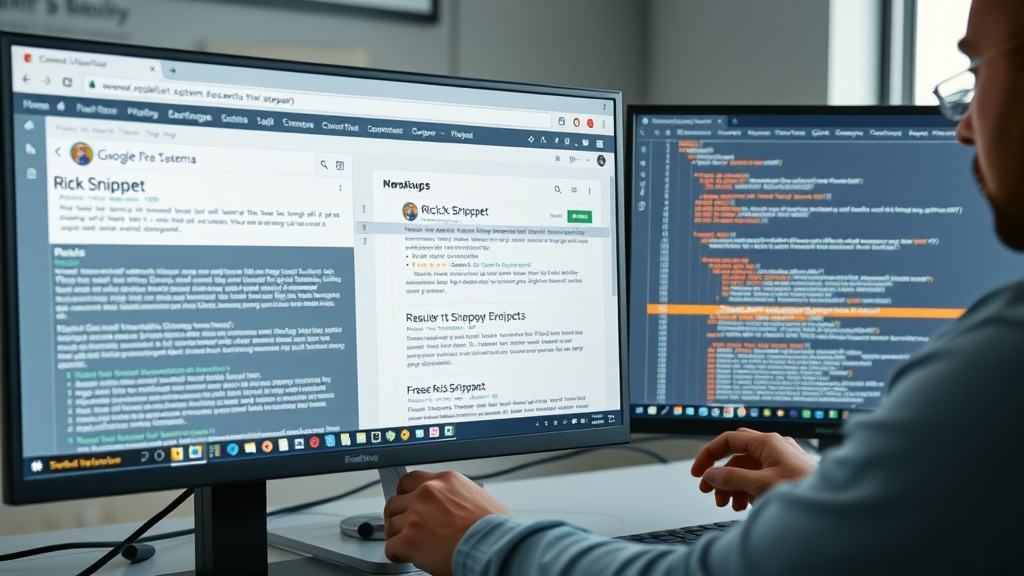
Schema markup is code added to your web pages that gives search engines context about your content, dramatically improving your chances of earning rich snippets and featured positions. Add JSON-LD or Microdata code snippets highlighting key page elements (products, ratings, FAQs) directly in your website’s HTML.
Identify high-value pages ripe for rich results by using Google’s Structured Data Testing Tool and closely following schema.org documentation. Start with must-have markups like “Article,” “Breadcrumb,” or “FAQ” schema for immediate visibility improvements in the engine results page.
How Schema Affects Rankings and Page Visibility
Implementing schema markup drives greater click-through rates by visually enhancing your listings in search results. While not all schema types are direct ranking factors, the increased engagement and trust can translate to higher rankings over time.
Pages optimized with relevant schema are more likely to appear as featured snippets and in other Google SERP features, giving you an edge in hyper-competitive search landscapes.
Maintaining and Auditing Your on-page SEO for Ongoing Success
How to Perform Regular on-page SEO Audits
Running regular on-page SEO audits is essential for maintaining and growing your rankings. Use SEO audit tools (like Screaming Frog or SEMrush) to review title tags, meta descriptions, heading tags, internal links, and image alt text across key landing pages. Analyze for broken links, duplicate content, missing schema, or outdated keywords.
Make it a quarterly habit to conduct sitewide audits, updating any weak elements, and run after major algorithm changes. Doing so ensures your site remains competitive and responsive to shifting search engine priorities.
| SEO Audit Task | Frequency | Critical Tools |
|---|---|---|
| Title Tag & Meta Description Review | Quarterly | SEMrush, Screaming Frog |
| Internal/External Link Check | Monthly | Ahrefs, Google Search Console |
| Schema Markup Validation | Quarterly or at new page creation | Google Structured Data Tool |
Adapting Page Content to Evolving Search Engine Updates
Search engines constantly evolve, updating algorithms that can influence ranking factors overnight. To remain competitive, adjust page content frequently to reflect new best practices—refresh keyword targets, update meta descriptions, and add new internal or external links as relevant trends emerge.
Keeping your on-page SEO flexible and proactive means not only auditing but also implementing changes regularly. For long-term success, stay engaged with SEO communities and monitor search engine news for vital updates.
“Consistent on-page SEO review is the difference between climbing and falling in SERPs.” – Digital Marketing Leader
Case Study: Sites That Achieved Instant Website Wins via on-page SEO
Countless websites have achieved record growth thanks to strategic on-page SEO adjustments. For example, a mid-sized ecommerce site implemented keyword-focused title tags, improved meta descriptions, and added relevant internal links throughout their product pages. Within 90 days, organic sessions increased by 32%, and average rankings for target keywords jumped from the second to the first results page.
Another B2B service provider saw a 20% increase in leads after updating schema markup and regularly reviewing their on-page SEO signals. These real-life wins underscore the immediate impact possible when you prioritize smart, tactical on-page improvements.
Video Guide: Step-by-Step on-page SEO Optimization (Video 1)
Coming Soon: A comprehensive walkthrough video showing how to optimize every element of your page for instant SEO results, from creating powerful title tags to internal linking strategies.
Video Tutorial: How to Structure Your Page Content for SEO Success (Video 2)
Coming Soon: Learn the exact steps to format your content for maximum SEO impact, including smart use of headings, bullet lists, featured snippet setup, and image optimization.
Expert Insights and Actionable Quotes on on-page SEO
Top Tips from Industry Leaders for Implementing Effective on-page SEO
Leading experts recommend aligning every page element with both search engine and user intent, updating page SEO regularly, and integrating high-value external and internal links. Focus on continuous learning : the landscape changes rapidly, so keeping up with innovations is critical to lasting success.
Keep site navigation clean, leverage schema markup, and prioritize technical details like mobile optimization and page speed. Above all, always create content for the user first—search engines are following their signals closer than ever.

Common Mistakes to Avoid in on-page SEO for Instant Website Wins
- Keyword stuffing in title tags and page content
- Ignoring internal and external links strategy
- Overlooking meta descriptions and schema markup
- Neglecting mobile optimization of images
People Also Ask
What is an on-page SEO?
on-page SEO refers to the process of optimizing individual webpages—including content, title tags, internal links, external links, meta descriptions, and images—to achieve higher rankings and earn more relevant traffic from search engines.
What are the 4 types of SEO?
The four types of SEO are on-page SEO , off-page SEO, technical SEO, and local SEO, each addressing distinct strategies to enhance visibility in search engine results.
What is an example of an on-page SEO factor?
A common on-page SEO factor is the use of an optimized title tag —making sure the main keyword is included and the tag accurately describes the page content to boost search engine rankings.
What is on-page SEO vs technical SEO?
on-page SEO involves optimizing webpage content and HTML elements (such as title tags, meta descriptions, and internal links), while technical SEO refers to backend site optimizations like website speed, mobile usability, and structured data implementation.
Frequently Asked Questions about on-page SEO
How often should on-page SEO be revisited?
on-page SEO should be reviewed quarterly or whenever you update significant portions of your site content or experience major search engine algorithm updates.
Does optimizing images improve on-page SEO scores?
Yes, images that are optimized with descriptive alt tags and proper file names enhance accessibility and help websites achieve higher rankings.
What role do internal links play in on-page SEO?
Internal links guide visitors through your site, spreading link equity and helping search engines better understand page relationships—key for boosting both usability and rankings.
Quick Reference Lists for on-page SEO Success
- Always include your target keyword in headers and meta descriptions
- Keep title tag length under 60 characters
- Use varied internal and external links
- Refresh page content to meet new search intent
on-page SEO Strategy Recap: The Path to Instant Website Wins
- Align every element of your page SEO—from title tag to meta description to internal links—with user intent and search engine algorithms
- Create and update high-quality, user-focused page content regularly
- Implement schema and optimize for featured snippet visibility
- Continuously audit and refine your on-page SEO efforts to stay ahead
Ready for Your on-page SEO Breakthrough?
Achieve instant website wins by transforming your on-page SEO approach today. Still have questions? Let's have a chat, call 904-385-5213
To enhance your understanding of on-page SEO and implement effective strategies, consider exploring the following resources:
-
On-Page SEO: How to Optimize for Robots and Readers : This comprehensive guide from Ahrefs delves into key on-page SEO techniques, including keyword placement, header tag usage, and content structuring to improve both search engine rankings and user experience. ( ahrefs.com )
-
On-Page SEO: Complete Guide and Best Practices for 2024 : SEOBoost’s article offers a detailed overview of on-page SEO best practices, covering aspects such as proper heading usage, content optimization with the right keywords, and the importance of adding multimedia elements to enhance user engagement. ( seoboost.com )
By integrating the insights and strategies from these resources, you can effectively optimize your website’s on-page SEO, leading to improved search engine visibility and user engagement.





Write A Comment