
Did you know that two homes on the same street can pay thousands more—or less—on roofing costs , even if they're the same size? Roofing costs aren’t just about picking the cheapest shingles or finding someone with a hammer. Whether you’re bracing for your first roof replacement or hunting for practical ways to stretch your home improvement budget, the right knowledge can save you real money. Keep reading for insider tips, real numbers, and pro advice on getting the best deal, avoiding costly mistakes, and understanding every line on your roofing estimate—all while ensuring your roof lasts for decades.
Revealing Roofing Costs: Surprising Facts Every Homeowner Needs to Know
Why Roofing Costs Matter More Than You Think
- Discover how the final bill on a roof replacement can swing by thousands of dollars just by material or contractor choice. Learn about the hidden replacement cost factors that impact your savings.
When it comes to roofing costs , homeowners often experience sticker shock—especially when realizing how dramatically prices can swing between different roofing contractors and roofing materials. The average cost of a roof replacement for an average-sized home can be as wide-ranging as the choices themselves, with the full roof replacement cost affected by factors many homeowners overlook. For example, opting for an asphalt shingle roof versus a metal roof can change your project total by several thousand dollars. Even a small detail, like the roof pitch or local labor costs, can send the price soaring.
It’s not uncommon to receive estimates that differ by 30% or more for the exact same home improvement project, simply because of choice of roofing contractor or lack of understanding about labor cost breakdowns. Understanding each element that affects the replacement cost is crucial to making an informed and cost-effective decision, instead of being blindsided by hidden fees or subpar work. Whether you’re preparing a budget for a future replacement or need emergency roof repair right now, knowledge is your best tool for savings—and for long-term peace of mind.

What You Need to Know About Roofing Costs Before Replacing Your Roof
- The essentials of roof replacement and how average cost is calculated
- Key elements that influence roof replacement cost
- Actionable strategies to compare roofing contractor quotes
- How labor cost, roof size, and roofing material choices dramatically affect your replacement cost budget
If you’re preparing to replace your roof , it’s critical to understand how roofing costs are formed. The average cost typically includes the materials (like asphalt shingle or metal roofing), the labor cost for removing and installing your new roof, and additional expenses such as disposal, permits, and warranties. Homeowners sometimes focus only on the visible costs, like the price per square foot for new shingles, but neglect factors such as the labor costs in their area or roof pitch, both of which can significantly impact your replacement budget.
The size of your roof —measured in square footage—is another major determinant of replacement cost. Bigger roofs, or those with steep slopes, often require more time, materials, and professional expertise, which translates to higher roofing costs. Always request at least three estimates from reputable roofing contractors, and break down each quote by material costs, labor costs , and warranty options. Comparing not just the bottom line but the value and details in each estimate helps you avoid costly surprises and get the best deal for your roof replacement .
How Roofing Costs Are Calculated: The Real Price of Roof Replacement
Understanding the Average Cost of a Roof Replacement
- National and state average cost insights; Key cost drivers—including asphalt shingle, metal roof, roofing materials, and square foot pricing; Typical range for a shingle roof or full roof replacement for homes of different square footage sizes
Calculating the actual cost of a roof replacement is a complex process influenced by several variables. The national average cost for a typical asphalt shingle roof on a 2,000 sq ft home ranges from $8,500 to $12,000, but prices may climb dramatically with the use of metal roofing, architectural shingles, or specialty materials. Local market dynamics also play a role— labor costs can differ significantly from state to state, and even between urban and rural areas. For example, replacing the same size roof in Arkansas or Missouri may cost thousands less than on the West Coast.
Beyond the type and quality of roofing materials , square foot pricing is determined by how simple or complex your roof is. Multi-story homes, multiple chimneys, or intricate roof shapes typically require more time and skill, increasing the overall roof replacement cost . Some homeowners are surprised to learn that two houses with identical square footage can have wildly different total costs because of accessibility, roof pitch, and regional differences in contractor fees. Being aware of these cost drivers allows you to budget with confidence—and negotiate more effectively for your full roof replacement.
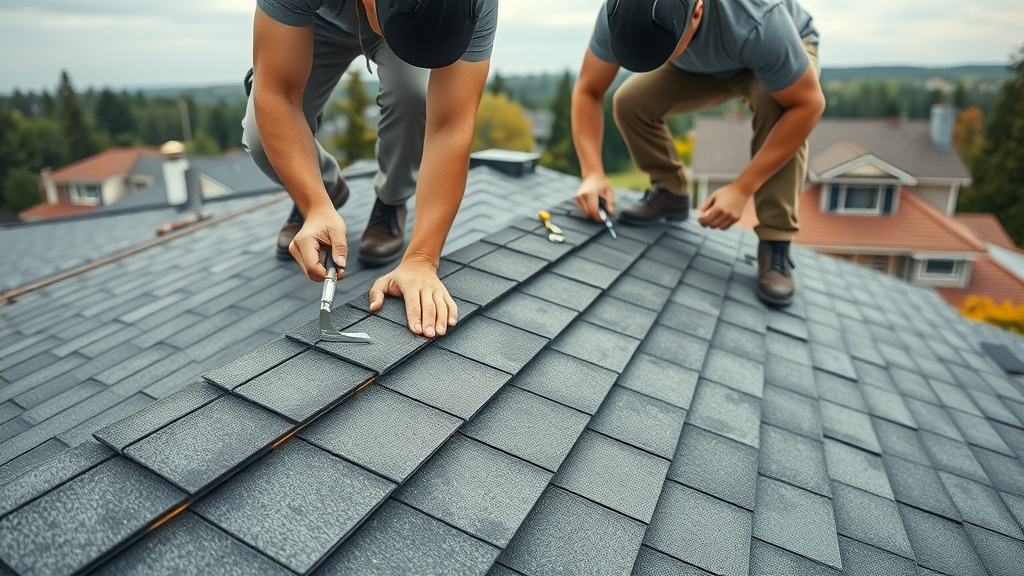
What Affects Your Roofing Costs? Breaking Down Replacement Costs by Key Factors
Roofing Materials and How They Shape Your Roof Replacement Cost
- Impact of asphalt shingles, metal roofing, and other roofing material; How replacing your roof with premium roofing materials changes your replacement cost
The roofing material you select is the single most decisive factor in your total replacement cost. Asphalt shingles are the most common—and usually the most cost-effective—choice for residential homes, offering a solid mix of durability and price point. Homeowners upgrading to metal roofing or clay tiles can expect a substantially higher bill, with metal often running two to three times the cost per square foot compared to standard asphalt shingle. Premium roofing materials yield a longer lifespan and greater curb appeal, but also require higher initial investment and sometimes specialized labor.
When deciding on the type of roof for your replacement, factor in local climate, desired longevity, and maintenance needs. While asphalt shingle roofs generally last 15–30 years, high-end materials like slate or metal can protect your home for 40–70 years. However, the up-front replacement cost can be a hurdle. Calculating the long-term return on investment helps you decide whether investing in metal roofing or architectural shingles is a smart choice for your budget, and comparing these options with the help of a roofing contractor can uncover both savings and value.

Labor Cost and Roofing Contractor Fees Explained
- How labor costs differ by region, roofing pro reputation, and project complexity; Ways to negotiate with roofing contractor for better deals
The labor cost of a roof replacement can account for 40–60% of your total bill. Regions with a shortage of experienced roofing pros, or places where construction work is in high demand, often have inflated labor costs. The experience and reputation of your chosen roofing contractor also matter—skilled professionals may charge more, but often deliver higher-quality results and longer-lasting installations. Don’t be afraid to ask for a detailed labor cost breakdown and get clarity on exactly what’s included in your estimate: Is old roof removal covered? Are there disposal or travel fees?
Negotiating with your roofing contractor isn’t only permitted—it’s encouraged. Request line-item quotes, compare at least three offers, and ask about seasonal deals or price-matching policies. Even small savings per square foot add up on a large project. Be wary of deals that seem “too good to be true,” as cutting corners with low-cost labor can result in costly roof repairs or premature replacement. A good roofing pro should welcome your questions and provide references, confirming their track record for delivering quality roof replacement at a fair price.
Roof Size, Pitch, and Square Footage: How They Affect Your Full Roof Replacement Price
- Examples of roof replacement cost by roof size and square footage, including 1000, 2000, and 2500 sq ft homes; Effect of roof pitch and complexity on replacement costs
The size of your roof —expressed in square feet —is an obvious but sometimes underestimated factor in your roof replacement costs . A 1,000 sq ft roof might cost $4,000 to $7,000 to replace with asphalt shingles, while a 2,000 sq ft home typically sees costs from $8,000 to $14,000, depending on roofing materials and local labor cost. As roof size increases, the overall labor cost and material needs do as well, but some economies of scale may help larger projects enjoy slightly better per-square-foot pricing.
Steep roof pitches or complex designs, like multi-level homes with valleys and dormers, increase both time and skill required, which bumps up replacement cost. Contractors may charge additional fees for roofs that are challenging to access or require specialized safety equipment. Always have your roofing contractor perform an in-person inspection to assess the roof’s actual square footage, complexity, and unique risks, ensuring your estimate for the full roof is both accurate and comprehensive.
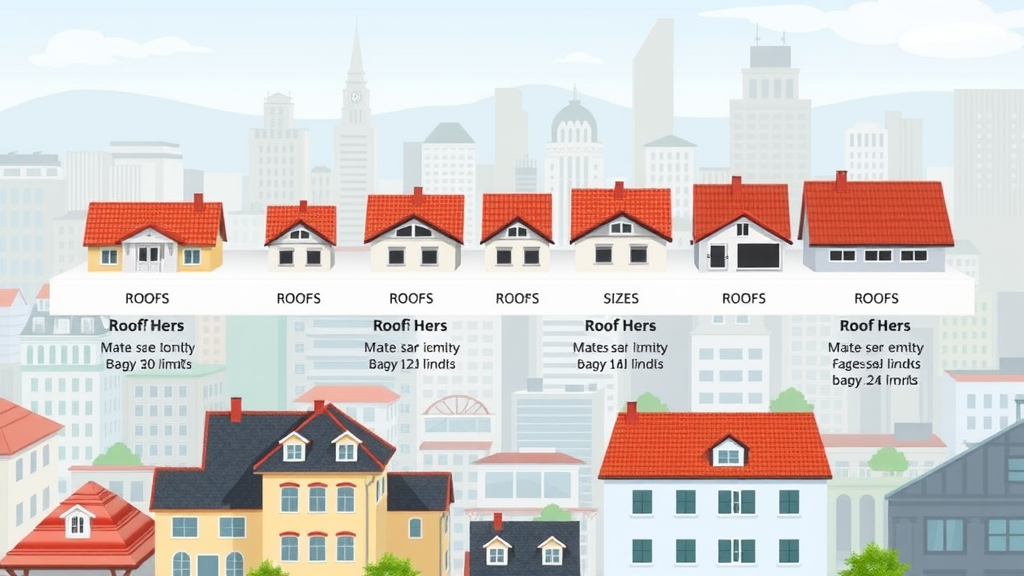
Comparing Replacement Cost Options: Roofing Materials and Labor Savings
| Roofing Material | Low-End Material Price ($/sq ft) | High-End Material Price ($/sq ft) | Low-End Labor Cost ($/sq ft) | High-End Labor Cost ($/sq ft) | Estimated Range for 2,000 sq ft Roof |
|---|---|---|---|---|---|
| Asphalt Shingle | $1.20 | $4.00 | $1.50 | $2.50 | $7,000 – $11,000 |
| Architectural Shingle | $2.00 | $5.20 | $1.80 | $3.00 | $9,500 – $15,000 |
| Metal Roofing | $4.00 | $14.00 | $3.00 | $4.50 | $12,000 – $20,000 |
| Clay Tile | $7.00 | $15.00 | $4.50 | $7.00 | $18,000 – $34,000 |
| Shake Shingle (Wood) | $5.00 | $12.00 | $3.50 | $5.50 | $12,000 – $22,000 |

Insider Tips to Cut Roofing Costs Without Compromising Quality
- Top strategies for saving on labor cost and replacement costs
- How to get multiple quotes and compare roofing contractors
- Evaluating roofing material lifespans and return on investment
- Seasonal savings and local supplier deals
Savvy homeowners know there are many ways to cut roofing costs —without cutting corners. Start by gathering multiple bids from highly rated roofing contractors in your area, ensuring you receive apples-to-apples estimates in terms of labor cost, materials, and warranty. Use this competitive advantage to negotiate for discounts on installation or upgrades. Consider off-season installations—late fall or early spring—when many roofing pros offer lower labor rates to fill their schedules.
Comparing material options by cost per year of expected lifespan gives you the best value proposition. For example, while metal roofing is more expensive up front than asphalt shingle, you may save money over decades by avoiding frequent repairs or premature replacement. Don’t overlook local supplier sales or manufacturer rebates, which can reduce your project’s total cost by hundreds or even thousands. Lastly, ask your chosen roofing contractor about bundled deals (like gutter or insulation upgrades) to stretch your full roof replacement budget further.

Roof Repair or Full Roof Replacement? Deciding What’s Right for Your Home
- Signs that you need roof repair vs. full roof replacement
- Average cost difference between repair and replacement
- How to leverage roofing pro advice for the best outcome
The decision between investing in roof repair and opting for a full roof replacement can make a huge difference to your wallet. Minor leaks, a small area of damaged shingles, or isolated flashing issues might only require simple repairs, costing a fraction of the price of full replacement. However, repeated leaks, extensive water damage, or visible sagging are clear indications that it’s time for a replacement—especially if your roof is nearing the end of its expected lifespan.
On average, basic roof repairs run between $300 and $1,500, while full roof replacement costs for an average home are typically $7,000 to $14,000, depending on materials and labor. Always get a thorough inspection from a trusted roofing pro before making a final decision. Experienced contractors will give honest advice and explain the long-term risks of delaying replacement—helping you achieve the most cost-effective and durable solution for your home.
Roof Replacement: Regional Pricing Guides and Realistic Budgets
- State-by-state roof replacement cost differences
- Why Arkansas and Missouri stand out for replacement cost savings
- Average cost for full roof jobs across the country
Roofing costs vary dramatically depending on where you live. States with lower overall labor costs or abundant roofing pros—like Arkansas and Missouri—often see substantially lower roof replacement cost than high-cost regions. While the national average hovers around $10,000 for a typical shingle roof, Arkansans routinely report costs of $6,500 to $9,000, and Missourians commonly pay between $6,800 and $12,000 for similar homes. Factors like local regulations, weather patterns, and supply chain issues can push prices up or down.
Roof Replacement Cost Trends: Are Prices Rising in 2024?
- Recent price trends for asphalt shingle, metal roof, and popular roofing materials; Labor cost inflation and how to lock in low replacement costs
As of 2024, roof replacement costs are generally trending upward nationwide due to inflation, labor shortages, and increasing material prices. Asphalt shingle prices have remained more stable compared to premium options like metal or clay tile, but nearly all projects face some cost escalation year over year. Locking in quotes early and opting for in-season material deals can help homeowners shield themselves from sudden price spikes, while working with established contractors may yield better access to bulk purchasing discounts.
Roofing Contractor Selection: Finding the Best Value for Your Roofing Costs
- How to vet a roofing contractor for track record and quality
- Essential questions to ask about replacement cost, labor costs, and warranty
- Tips to avoid common roof replacement scams
Finding the right roofing contractor is just as important as choosing the right materials. Start by checking each pro’s licensing, insurance, and recent customer reviews. Ask for a portfolio of completed roof replacements similar in size and scope to yours, and request references to verify their quality. A reputable contractor should be transparent about their labor cost, provide a detailed written estimate, and outline the warranties for both workmanship and materials.
Always inquire about who will be on-site during your project and whether any subcontractors will be used. Avoid “storm chaser” or fly-by-night contractors who pressure you for payment or fail to provide proper documentation. By thoroughly vetting your roofing contractor before signing a contract, you help guarantee a smooth project and a roof that’s built to last.

Cost-Saving Mistakes to Avoid When Replacing Your Roof
- Risks of cutting corners on roof replacement cost
- Dangers of skipping proper roof repair or choosing inferior roofing materials
- How to ensure your shingle roof or metal roof lasts for decades
It’s tempting to chase the lowest bid or do a “quick fix,” but sacrificing quality to minimize roofing costs can backfire—sometimes disastrously. Many homeowners who skip essential roof repairs, or opt for inferior roofing materials, discover that shoddy work results in leaks, mold, or structural damages within just a few seasons. These shortcuts nearly always lead to higher replacement costs than if a reputable roofing pro had been trusted from the beginning.
To maximize the lifespan of your new shingle roof or metal roof , never skip on underlayment, ventilation, or proper flashing installation. Ensure your contractor pulls the necessary permits and uses materials specified in your contract. Careful planning, along with smart material and labor choices, will help you avoid rookie errors and lock in long-term savings for your roof replacement.
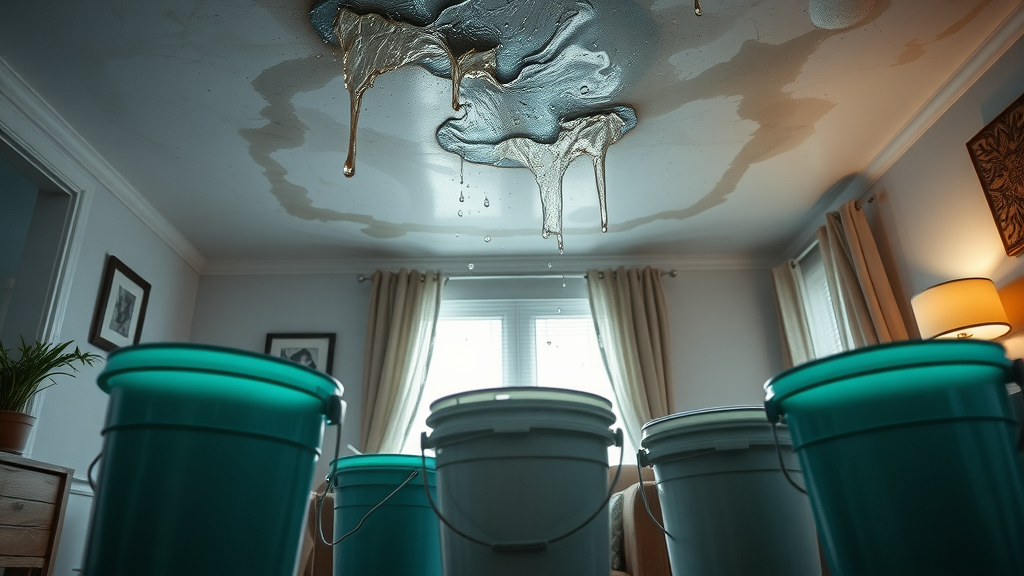
Voices from the Field: Real Homeowners on Roofing Costs
“Our replacement cost was nearly cut in half after comparing three roofing contractor bids and choosing composite shingles over metal roofing.” – Jessica M., Missouri
“We underestimated labor costs until we realized every roofing pro has a different rate for full roof replacement.” – Patrick T., Arkansas
Getting Your Roofing Costs Right—Step-By-Step Planning Checklist
- Measure roof size and assess condition
- Compare roofing material replacement cost
- Get multiple roofing contractor estimates
- Review labor costs and warranties
- Decide between roof repair and total replacement
- Plan for full roof replacement budget
- Inspect completed project for quality
Watch: A step-by-step explainer showing how roofing costs add up, visual guides for materials, and what makes each project unique.
People Also Ask: How much is a roof for a 2000 sq ft home?
The cost for a 2000 sq ft home varies depending on the roofing material, with asphalt shingle ranging $7,000–$11,000, and metal roof or premium materials reaching up to $20,000. Labor cost and regional pricing also influence the total roof replacement cost.
For a 2,000 square foot home, the biggest cost factor is your choice of material. Asphalt shingles are the most economical, with full roof replacement costs commonly between $7,000 and $11,000 nationwide. Opting for a metal roof or architectural shingle can increase your replacement cost up to—or even beyond—$20,000. Labor costs and your local market (urban versus rural, demand for skilled roofing pros) can further swing your total cost by several thousand dollars. To budget accurately, always base estimates on your actual square footage and ask for all-in labor and material pricing.
People Also Ask: What is the average cost of a new roof in Arkansas?
The average cost for a new shingle roof in Arkansas is $6,500–$9,000, depending on roof size, selected roofing material, and local labor costs. Asphalt shingles typically offer the lowest replacement cost among roofing materials in this region.
Arkansas is known for some of the most competitive roof replacement cost averages in the country, mainly due to lower labor costs and affordable materials. Most homeowners pay $6,500–$9,000 for a new asphalt shingle roof on a moderate-sized home. Metal roofing and specialty materials increase the cost, but even these are more affordable than in high-demand states. Always verify that contractors are licensed and get a detailed breakdown of material and labor cost before work begins.
People Also Ask: How much does it cost to replace a roof in MO?
Roof replacement cost in Missouri generally ranges between $6,800 and $12,000 for typical residences, with labor cost, roofing contractor fees, and the choice between shingle roof or metal roof being the biggest factors in the final price.
Homeowners in Missouri benefit from relatively stable roofing costs, with a strong supply of skilled roofing pros and a broad range of material choices. Expect to pay between $6,800 and $12,000 for a standard asphalt shingle roof replacement. Metal roofing, clay tile, and premium options push replacement cost higher. Getting at least three quotes from reputable roofing contractors ensures you find the best deal suited to both your budget and your full roof replacement needs.
People Also Ask: How much does it cost to replace 1000 sq ft of roof?
For a 1000 sq ft roof, asphalt shingles might run $4,000–$6,000. Metal roofing and higher-end materials can increase the full roof replacement cost significantly. Square foot pricing is the most accurate way to budget replacement cost.
Smaller homes or additions with a 1,000 sq ft roof generally enjoy lower roof replacement costs , with asphalt shingle installations starting at around $4,000–$6,000. Metal roofing could set you back $8,000–$12,000 or more, while premium materials climb even higher. Always use your exact square footage and specific material choice when gathering estimates to avoid over- or under-budgeting. This method remains the fairest and most accurate way to forecast total cost for your unique roofing project.
Watch: A pro roofing contractor explains what they factor into roof replacement costs — and how homeowners can save more.
Essential Questions About Roofing Costs—Your Top FAQs Answered
- What time of year is cheapest for full roof replacement? Late fall and early spring are often the best times to book, when demand for roofing pros drops and you can secure off-season discounts on labor costs.
- How does roof pitch affect labor cost? Steep or complex roof designs typically increase labor cost due to greater safety risks and extra installation time. Always clarify pitch pricing in your estimate.
- Is there a big difference in cost between replacing asphalt shingle versus metal roofing? Yes. Metal roofing can be two to three times the price of asphalt shingle per square foot, but may last much longer. Evaluate up-front cost versus lifetime value.
- What should you look for in a quality roofing contractor? Confirm licensing, insurance, local reviews, and a clear written estimate with breakdowns for both material and labor costs.
Key Facts and Figures Every Homeowner Should Know About Roofing Costs
| Roof Type | Avg. Material Cost ($/sq ft) | Avg. Labor Cost ($/sq ft) | Total Avg. Cost per sq ft |
|---|---|---|---|
| Asphalt Shingle | $1.50 – $4.00 | $1.70 – $2.75 | $3.20 – $6.75 |
| Metal Roofing | $4.00 – $14.00 | $3.50 – $4.50 | $7.50 – $18.50 |
| Clay Tile | $7.00 – $15.00 | $4.50 – $7.00 | $11.50 – $22.00 |
| Shake Shingle (Wood) | $5.00 – $12.00 | $3.50 – $5.50 | $8.50 – $17.50 |
Watch: See the top mistakes homeowners make on roof replacement costs—and how to avoid them for long-lasting results.
Your Next Steps: Secure the Best Roofing Costs for Your Project
- Gather at least three bids
- Assess every quote for labor cost, roofing material quality, and replacement costs breakdown
- Prioritize reputable roofing contractor reviews and transparent replacement cost details
- Take immediate action to schedule your roof inspection and achieve real savings today!
Conclusion: Take charge of your roofing costs—get multiple quotes today, assess all options thoroughly, and work only with contractors you trust for lasting home value and peace of mind.
Understanding the various factors that influence roofing costs is essential for homeowners planning a roof replacement. The article “Roofing Costs Explored: Save Thousands with These Insider Tips” provides comprehensive insights into material choices, labor expenses, and strategies to optimize your investment.
For a detailed breakdown of roof replacement costs by material and type, consider consulting the “2025 Roof Replacement Costs | Average New Roof Cost Per Square” guide. This resource offers up-to-date pricing information, helping you make informed decisions based on your budget and preferences.
Additionally, the “Roof Replacement Cost in 2025 - NerdWallet” article delves into the various factors affecting roofing expenses, including material costs, labor rates, and regional considerations. This guide can assist you in understanding the full scope of potential expenses and how to plan accordingly.
By leveraging these resources, you can gain a clearer understanding of roofing costs and make decisions that align with your financial goals and home improvement needs.


Write A Comment