
Imagine waking up after a night of strong winds only to find mysterious debris scattered in your yard. You look up, wondering if your roof—your home’s first line of defense—has silently suffered. Don’t wait for water stains or expensive repairs to reveal what’s been happening overhead. Learning how to spot wind damage roofing signs early can save your home from thousands in repair and heartache later. This guide will equip you with practical knowledge to recognize the earliest warning signs of problem and empower you to protect your home.
Early Detection: Why Recognizing Wind Damage Roofing Signs Matters
- Understanding the risks of wind damage to roof structures
- The importance of prompt roof inspection after high winds
- How early identification of roofing damage protects your home
When strong winds or intense storms sweep through your neighborhood, your roof endures the brunt of flying debris and relentless gusts. Missing even minor wind damage early can quietly compromise your roof’s integrity, making it more vulnerable to water infiltration and costly structural issues. By learning the most common wind damage roofing signs, you can address issues before they escalate—protecting your home, your family, and your wallet.
After high winds, performing a timely roof inspection is crucial. Not only can you spot obvious damage to your roof, but you’ll also catch subtle warning signs that might otherwise go unnoticed until expensive leaks or water stains appear inside your home. Early identification helps you act decisively—calling a roofing contractor for prompt roof repair instead of suffering from thousands in repair costs later. Whether it’s curling shingles, granule loss, or flashing that’s been disrupted, catching wind damage to your roof early is your best strategy for long-term protection.
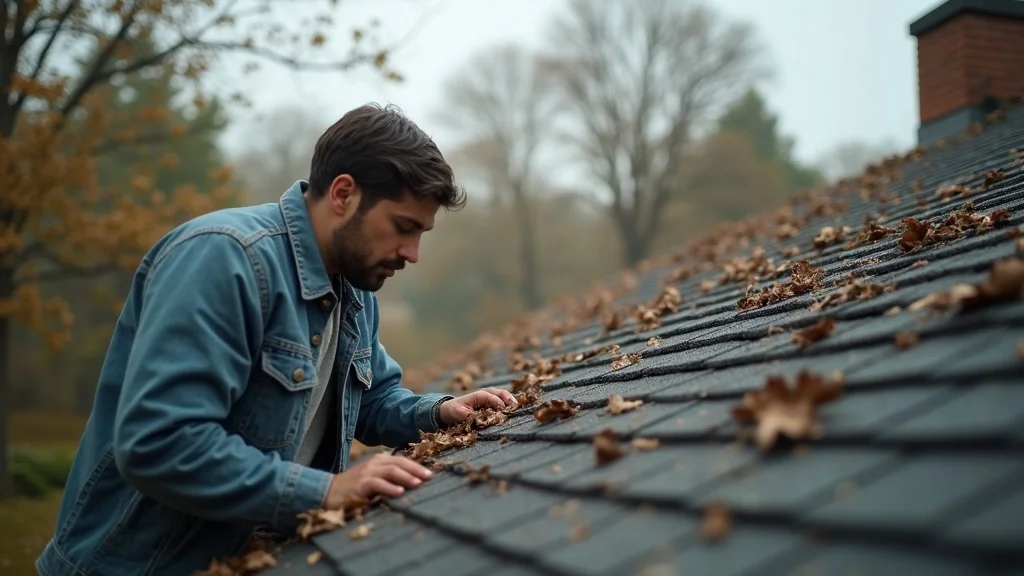
What You'll Learn About Wind Damage Roofing Signs
- Common signs of wind damage roofing signs to watch for
- The difference between granule loss, shingle movement, and other damage to roof components
- When it's time to contact a professional roof contractor
- Essential steps for a thorough roof inspection
By the end of this guide, you’ll know exactly how to identify wind damage roofing signs, the importance of granule loss, and when to call in a professional roofing contractor. You’ll get a practical, step-by-step playbook for conducting your own roof inspection and learn how to document damage for insurance claims or roof repair. Whether it’s understanding the nuances between different types of storm damage or protecting your home’s value, these insights will leave you prepared and confident after every bout of strong wind.
Key Warning Signs of Wind Damage Roofing Signs
Visible Shingle Damage and Missing Shingles
- Curling, lifting, or entirely absent shingles as storm damage warning signs
- How to spot wind damage to roof edges and ridges
The most recognizable wind damage roofing signs nearly always involve your shingles. After strong winds or a recent storm, look for shingles that are curling upwards, cracked, bent, or—most tellingly—missing entirely. These warning signs often start near the edges and ridges of your roof, where gusts hit hardest and can pry up even well-installed shingles. When sections of your roof’s outer layer are exposed, your home becomes instantly vulnerable to water damage, leaks, and further wear from even minor weather events.
Missing shingles usually appear as small, dark patches on your otherwise uniform roof surface. Meanwhile, curling or lifting shingles may look warped or out of alignment—clear signals that the adhesive strips have been compromised by wind damage to the roof. Don’t forget to check areas around chimneys, vents, and valleys where wind-driven rain and uplifted edges are common. Each visible defect signals a break in your home’s armor against the elements. Prompt roof repair or professional roof inspection should follow before costly water stains appear inside your home.
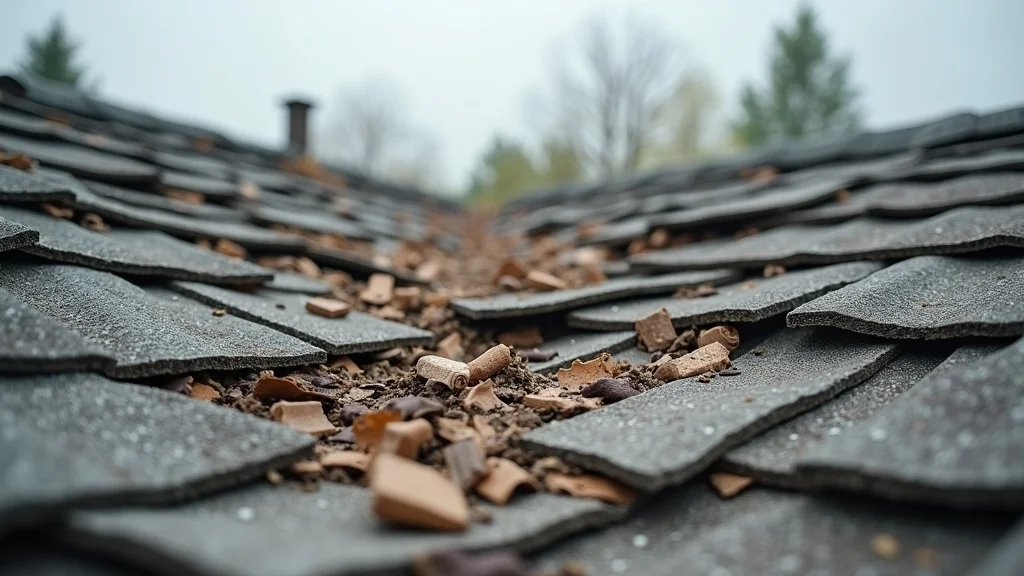
Granule Loss and Surface Erosion
- Identifying granule loss on roof surfaces
- Why granule loss increases the risk of roof damage
Granule loss can be subtle but is one of the most telling wind damage roofing signs. After high winds, check your gutters and downspouts for piles of fine, sand-like granules. These granules are vital; they shield asphalt shingles from damaging UV rays and prolong their lifespan. If you notice bare spots on your shingles or lots of granules washed away, your roof is losing its protective layer. This surface erosion is a warning sign that future water damage or roof leaks are much more likely without timely roof repair.
Not every granule found in a gutter spells disaster, especially on a new roof as leftover granules may wash off. However, sudden, uneven granule loss (especially after storms) indicates that wind or flying debris has compromised sections of your roof. Addressing this type of damage early can prevent more extensive and expensive repairs, keeping your roof structurally sound and protecting your home from water infiltration during future storms.
While inspecting your roof for wind damage, it's also wise to pay attention to other vulnerable exterior features—especially your chimney. Regular chimney inspections can help you spot issues early and prevent related water or structural problems. For a detailed look at how often you should schedule these checks, explore this essential guide to chimney inspection and cleaning.
Water Stains and Interior Water Damage
- Recognizing water stains on ceilings and attic
- The connection between wind damage to roof and interior water stains
Water stains are interior red flags that your roof has suffered wind damage, even if you can’t see missing shingles outside. Spotting yellow or brown discoloration on your ceilings, walls, or in your attic often means water is sneaking past the roof barrier—most likely due to gaps created by lifted shingles, failed flashing, or wind-driven rain. Acting on interior water stains quickly is essential, as unchecked leaks can lead to mold growth and costly structural problems inside your home.
Always investigate the source of any new water stains right after storms or strong winds. Even if the damage isn’t immediately apparent on your roof’s surface, small compromises in roof underlayment or decking can allow water inside. Don’t ignore these subtle but crucial warning signs: prompt action and a thorough roof inspection can prevent minor damage from spiraling into major, expensive repairs.

"Even small signs of wind damage can quickly escalate to bigger problems if left unaddressed."
In-Depth Look: Different Types of Damage to Roof Structures from High Winds
Flashing and Vent Damage
- Twisted or missing flashing as a sign of storm damage
- Vent dislocation and related roof damage
Flashing—thin metal strips that seal the gaps around chimneys, skylights, vents, and roof valleys—provides critical protection against leaks. High winds often twist, bend, or entirely rip away flashing, leaving seams exposed. When you see loose, missing, or visibly bent flashes after a storm, it’s a potent warning sign your roof has been compromised and water may be able to enter through unprotected joints.
Vents can also be knocked loose or completely dislodged in high winds, especially ridge or static vents that sit near roof peaks. Damaged vents not only invite water inside but can also disrupt your attic’s airflow, impacting insulation and increasing your risk for interior water damage. If wind has shifted or damaged flashing and vents, schedule a professional roof inspection immediately to prevent further damage to your roof and home.
Decking and Underlayment Compromise
- Hidden roof damage revealed during professional inspection
- Warning signs that decking or underlayment have been breached
Sometimes wind damage to your roof can be nearly invisible from outside. Decking (the wooden layer beneath shingles) and underlayment (the protective moisture barrier) may develop problems that only surface when a roofing contractor gently lifts shingles for a closer look. Warning signs include a soft or spongy feel beneath your feet when walking on the roof, subtle sagging, or visible dampness in the attic.
A compromised underlayment means water has a much easier path into your home, bypassing the main barriers that keep your roof dry. Decking rot or hidden holes can go undetected until water stains, wood damage, or even mold show up inside your home. For comprehensive safety, have a professional inspection performed after every major storm or whenever you see any other wind damage roofing signs.

Leaning Chimneys and Displaced Components
- How wind damage can affect chimneys and satellite dishes
- Correcting damage to your roof fixtures promptly
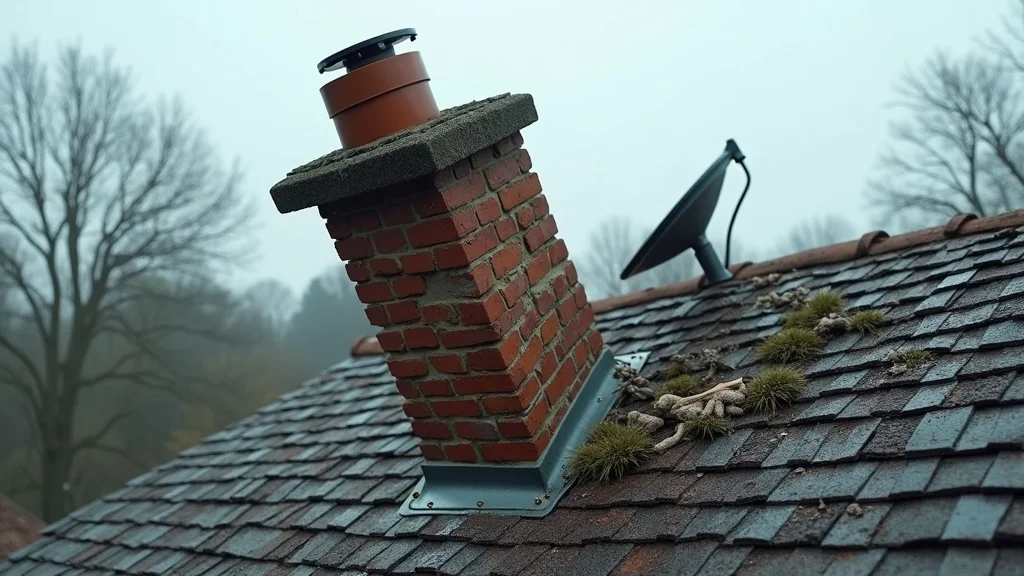
High winds can cause more than shingle loss—they may also shift or tilt roof fixtures like chimneys, satellite dishes, and solar panels. A leaning chimney or out-of-place equipment is an immediate sign of storm damage and can threaten your entire roof structure if not corrected quickly. Damage to these heavy components can also open up new entry points for water, causing leaks or even structural collapse if left neglected.
Inspect around all roof-mounted equipment after every windstorm, and check for detached brackets, cracks near chimneys, or movement in satellite dishes. If you find any devices that appear unstable or have shifted from their original position, contact a roofing contractor to secure and repair these fixtures as soon as possible—protecting both your roof and any critical systems attached to it.
Storm Damage and Roof Damage: When to Seek a Professional Roof Inspection
- Best practices after suspected wind damage to roof
- How a roofing contractor evaluates wind damage roofing signs
- Why a professional roof inspection is critical before roof repair
After enduring particularly high winds or spotting any of the warning signs discussed above, schedule a professional roof inspection as soon as possible. Roofing professionals are trained to detect even subtle wind damage roofing signs—such as slight granule loss, hidden decking problems, or minor shingle movement—that may be easily overlooked by untrained eyes. Early professional intervention ensures accurate assessment and identifies whether you need roof repair, roof replacement, or more thorough insurance documentation.
During a roof inspection, a roofing contractor methodically checks all roof surfaces, flashing, vents, and underlayment areas for both visible and invisible damage. They use professional tools and their expertise to confirm the extent of the damage to your roof, providing you with a detailed report useful for both repairs and insurance claims. Don’t delay—waiting to call for an inspection can allow water stains, mold, and structural issues to develop out of sight inside your home.
Watch:Comparing Wind Damage Roofing Signs to Other Types of Roof Damage
| Type of Damage | Common Signs | Primary Causes | Repair Considerations |
|---|---|---|---|
| Wind Damage | Missing/lifted shingles, granule loss, bent flashing, leaning chimneys | High winds, flying debris, storms | Replace missing shingles, repair flashing/vents, inspect inside for hidden water damage |
| Hail Damage | Bruised shingles, pock-marked surfaces, scattered granule loss | Hailstorms (ice impacts) | Replace bruised shingles, possible full replacement for severe hail impact |
| Water Damage | Water stains inside home, mold/rot, dripping leaks | Long-term leaks, storm infiltration, failed underlayment | Repair leaks, replace rotted materials, improve waterproofing |
| Age-Related Damage | Curling/brittle shingles, color fading, consistent granule loss over time | UV exposure, age, normal wear | Consider full roof replacement, upgrade materials |
Roof Repair or Roof Replacement: What’s Next After Finding Wind Damage to Roof?
- Guidelines for roof repair versus roof replacement
- Partnering with a qualified roofing contractor for repair
- Scheduling regular upkeep to minimize future storm damage
If you uncover wind damage roofing signs, deciding between roof repair and full roof replacement is the next big question. Minor issues—such as a few missing shingles or superficial flashing damage—can often be quickly repaired by a skilled roofing contractor. But if damage covers a large area, or if the underlayment and decking are compromised, a complete roof replacement may be the safest and most cost-effective approach long-term.
Always seek the honest opinion of a roofing professional after storm damage. They can advise whether patching will keep your home protected or if it’s time for a new roof. Establishing a regular inspection and maintenance schedule—especially after repeated storms or wind events—will help minimize future damage to your roof and keep your investment secure year after year.
Insurance Claim Essentials: Navigating Wind Damage To Roof Claims
Preparing Documentation for Insurance Claims
- Collecting evidence of damage to your roof
- How granule loss and water stains factor into your claim
Filing an insurance claim for wind damage to roof effectively starts with thorough documentation. Take clear, detailed photos of all visible wind damage roofing signs, such as missing shingles, granule loss in gutters, or water stains inside your home. Supplement with inspection reports from a certified roofing contractor and record the date of the storm or high winds.
Insurers want proof that roof damage resulted directly from a covered event. Granule loss and water stains are critical evidence, often showing how wind-driven weather affected your roof both outside and inside your home. Organize all documentation—photos, contractor estimates, and any maintenance records—before contacting your insurance company. Proper documentation helps ensure that your claim is processed smoothly and fairly.
Handling Adjusters and Adjusting Strategies
- Tips for talking with an insurance adjuster
- Why certain phrases may impact your claim outcome
When an insurance adjuster visits to inspect roof damage, it pays to be courteous but cautious. Avoid admitting fault or speculating on causes ("I think it was just old age"). Instead, stick to facts, provide your documentation, and let the adjuster make determinations. Certain phrases, such as “it’s just cosmetic damage,” may result in a denied or reduced claim.
Partner with your roofing contractor during the adjuster meeting if possible—they can point out wind damage roofing signs that the adjuster might miss. Let the professionals communicate details, answer technical questions, and help ensure your claim reflects the true extent of storm damage. With expert support, you can maximize your insurance benefit and get the right repairs or replacement for your roof.
"A well-documented inspection is your strongest ally when filing a wind damage insurance claim."

How to Tell If Your Roof Has Wind Damage?
Expert Methods for Identifying Wind Damage Roofing Signs
- Step-by-step visual roof inspection process
- Common signs of wind and storm damage revealed by professionals
To check for wind damage roofing signs, start with a ground-level inspection—scan for missing shingles, shingle debris, or flashing in your yard. Use binoculars to inspect your roof’s edges and ridges, the most vulnerable spots during high winds. Next, check gutters for granule loss and inspect your attic for water stains or daylight coming through the roof boards.
Professional roofers add another layer by carefully lifting shingles to inspect the underlayment, feeling for soft or sagging areas, and evaluating all roof penetrations (vents, chimneys, solar panels). If in doubt, schedule a roofing contractor to perform a thorough, safe, and detailed inspection—sometimes what’s invisible does the most damage.
Watch:How to Prove Wind Damage To Roof?
Documenting Roof Damage for Insurance and Repairs
- Photographing wind damage roofing signs
- Gathering roof inspection reports
Proving wind damage to roof for your insurance claim or roof repair estimate starts with a photographic record. Capture images of all visible storm damage: missing or curled shingles, granule buildup, exposed underlayment, or water stains inside your home. Take wide-area shots for overall context and close-ups for detail, noting the locations and extent of the damage to roof components.
Add copies of your official professional inspection report for credibility, and keep any communications with your roofing contractor and insurance provider for future reference. Well-organized evidence makes your claim stronger, helps contractors plan accurate repairs, and even protects your roof warranty for years to come.
What is the 25% Rule in Roofing and How Does It Apply to Wind Damage Roofing Signs?
Applying the 25% Rule to Roof Damage and Insurance Claims
- Understanding partial versus complete roof replacement
- What insurers look for after storm or wind damage
The “25% rule” is an insurance guideline stating that if wind, storm, or hail damage affects more than 25% of your roof’s surface area, your entire roof may be eligible for replacement rather than piecemeal repairs. Insurers use this rule to determine if patchwork repairs would leave your roof vulnerable or inconsistent in appearance and function.
During the inspection process, your roofing contractor can estimate what percentage of your roof has been damaged and document it for your insurance claim. If the total damage to your roof surpasses the 25% threshold, insurers may approve full replacement based on their policies and findings. Accurate assessment is key—so detailed inspection and documentation matter greatly after strong winds.
What Not to Say to a Roof Insurance Adjuster
Communication Tips for Wind Damage Roofing Claims
- Common pitfalls and phrases to avoid
- Partnering with your roofing contractor during the process
Carefully choosing your words can make a significant difference with insurance adjusters. Avoid downplaying roof damage (“It’s probably nothing,” or “It’s only cosmetic”), admitting fault, or speculating on the cause. Simple, fact-based communication is best—point out observed wind damage roofing signs and provide your documentation. Letting a professional roofing contractor guide the conversation or answer technical questions can strengthen your claim and help avoid costly claim denials.
Remember, your goal is to show the direct connection between recent storm damage and the current problems with your roof—not to debate the cause or extent by yourself. Rely on your evidence and your contractor’s expertise to ensure your home gets the repair or replacement it deserves.
Prevention Tips: Protect Your Home from Future Wind Damage Roofing Signs
- Scheduling routine professional roof inspections
- Investing in wind-resistant materials and roof repair upgrades
- Regularly checking for warning signs of damage to your roof
Preventing wind damage is far easier—and less expensive—than repairing it. Schedule routine roof inspections, especially after severe storms or high winds. Modern, wind-resistant shingles and reinforced flashing offer an extra level of security, so ask your roofing contractor about upgrades during your next repair or replacement.
Between professional visits, check your roof after every storm for the warning signs mentioned in this guide. Staying proactive not only protects your home and investment, but also provides peace of mind every time the wind picks up in your neighborhood.
Watch:FAQs: Wind Damage Roofing Signs and Roof Repair
-
How often should I inspect my roof for wind damage roofing signs?
It’s wise to inspect your roof at least twice a year—commonly in spring and fall—and after any major storm or wind event. Routine inspections help catch wind damage early and maintain your roof warranty. -
Can undetected storm damage void my roof warranty?
Yes, if you ignore or fail to address damage to your roof, many warranties may become voided due to neglect. Always act quickly on signs of storm or wind damage to protect your warranty and your investment. -
What is the best time of year for a roof inspection?
Spring and fall are ideal for roof inspection, as moderate weather conditions allow professionals to safely access and assess your roof. Schedule additional inspections after any known high winds or storms in your area.
Key Takeaways – Identifying Wind Damage Roofing Signs Quickly
- Spotting wind damage roofing signs early helps preserve your investment
- Professional roof inspections are vital after high winds and storms
- Proactive maintenance and prompt roof repair enhance home protection
Ready to Act?
- 📞 Speak With a Local Roofing Specialist Now → “Call us at (301) 913-0650 and get answers from a real person right here in Montgomery County.”
Protecting your roof from wind damage is just one part of maintaining a safe and resilient home exterior. If you’re interested in taking a more comprehensive approach to home care, consider learning about the importance of regular chimney inspections and cleanings. Staying proactive with all your exterior systems not only prevents costly surprises but also extends the life of your home’s most critical defenses. Discover expert recommendations and practical tips in this in-depth guide to chimney maintenance—and take the next step toward total peace of mind, no matter what the weather brings.
After reviewing the top search results for “wind damage roofing signs,” here are two authoritative resources that provide comprehensive insights into identifying and addressing wind damage on roofs: “Wind Damage on Roof: Signs & What to Do” by Premier Roofing offers an in-depth look at how wind affects roof structures, detailing the mechanisms of damage and the importance of timely inspections. (premier-roofing. com) “Wind Damaged Roof: How to Identify, Document & Repair Wind Damage (2025)” by WeatherShield provides a thorough guide on recognizing wind damage on asphalt shingles, including visible signs like missing or lifted shingles and hidden damages that may not be immediately apparent. (weathershieldroofers. com) If you’re serious about protecting your home from wind-related roof damage, these resources will equip you with the knowledge to identify issues early and take appropriate action.





Write A Comment