

Did you know that mold growth after a flood can begin within just 24 hours? If you’re not prepared, unchecked mold can spiral from a minor nuisance to a major threat, putting your home — and your health — at serious risk. Most homeowners never imagine they’ll face a hazardous mold outbreak, but an unexpected flood or heavy rain can trigger rapid mold invasion that’s both destructive and difficult to reverse. In this comprehensive guide, you’ll learn expert strategies to control and stop mold before it has a chance to gain hold, protecting your loved ones and the place you call home.
Are You Prepared to Fight Mold Growth After a Flood?
Mold growth after a flood is a silent enemy that takes advantage of damp interiors and unprepared homeowners. While water damage is the first crisis most people tackle after flooding, the real health risk often creeps in during the coming hours and days. Once excess moisture lingers — whether from water-damaged flooring, soaked carpets, or hidden leaks — colonies of indoor mold rapidly develop and release billions of airborne mold spores. This hidden threat can worsen air quality inside your home, triggering respiratory problems or even allergic reactions, especially for those with weakened immune systems or existing health issues.
The key to outsmarting mold is knowing what actions to take — and taking them quickly. Proactive steps can mean the difference between a swift recovery and extensive mold remediation or structural damage later. Beyond just drying out flooded rooms, it’s vital to implement targeted prevention strategies, like thorough cleaning with mold inhibitors and continuous dehumidification to prevent mold from growing back. If left unaddressed, mold growth can escalate into a full-blown health and safety hazard. Understanding the warning signs and taking immediate initiative are the cornerstones for reclaiming your home after water damage.
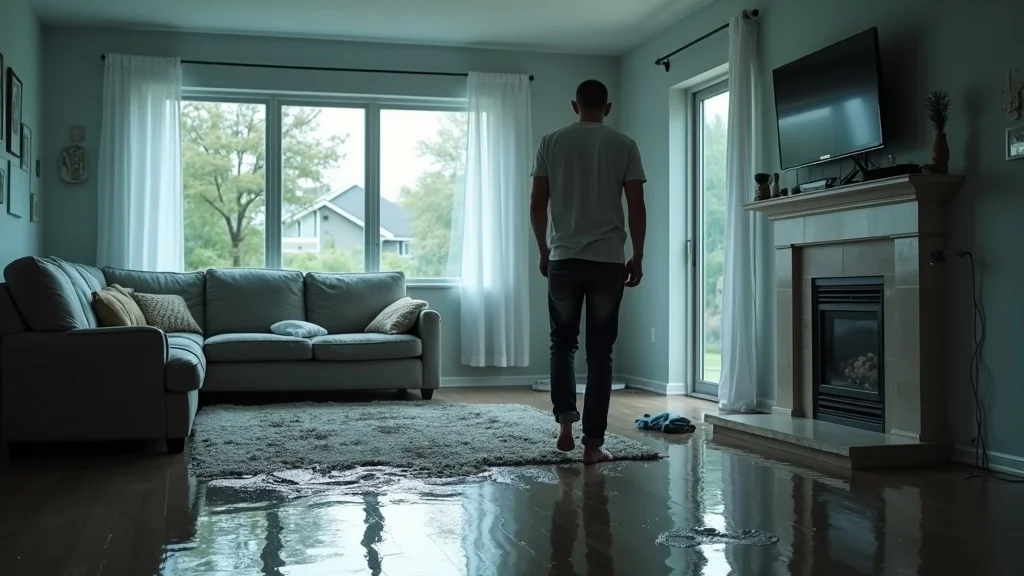
What You'll Learn About Mold Growth After a Flood
- The timeline and stages of mold growth after a flood
- Effective steps to stop mold from growing after flooding
- Warning signs and health impacts of indoor mold
- Practical strategies for addressing water damage
- The advanced connection between mold exposure and autoimmune conditions
Understanding Mold Growth After a Flood
- Difference between mold spores and visible mold
- Common indoor mold varieties found post-flood
- Conditions that accelerate mold growth
When a flood occurs, the aftermath invites not just water damage but a microscopic invasion of mold spores. These invisible particles float through the air, landing wherever moisture collects. Mold spores are the seeds for future trouble—they’re always present indoors and outdoors, but only form visible infestations when the right conditions for mold growth are met. After water damage, surfaces like drywall, insulation, or even furniture become prime territory. Varieties such as Aspergillus, Penicillium, and Stachybotrys (black mold) flourish under such moist conditions, releasing more spores that threaten indoor air quality.
Conditions for mold build-up intensify with stagnant water, poor ventilation, and ambient warmth. Once a room is flooded, humidity can skyrocket, especially if the home is closed up or the weather is hot. Add darkness and time, and you have the perfect recipe for mold to thrive. Surface stains and musty odors are initial clues, but by the time you see fuzzy spots on walls or ceilings, the problem is well underway. It’s crucial to break this cycle fast — because exposure to mold isn’t just unsightly or smelly, but carries real health risks for your family.
"Mold doesn’t wait for your schedule—it begins growing within hours of excess moisture, especially after water damage." – Home Restoration Expert
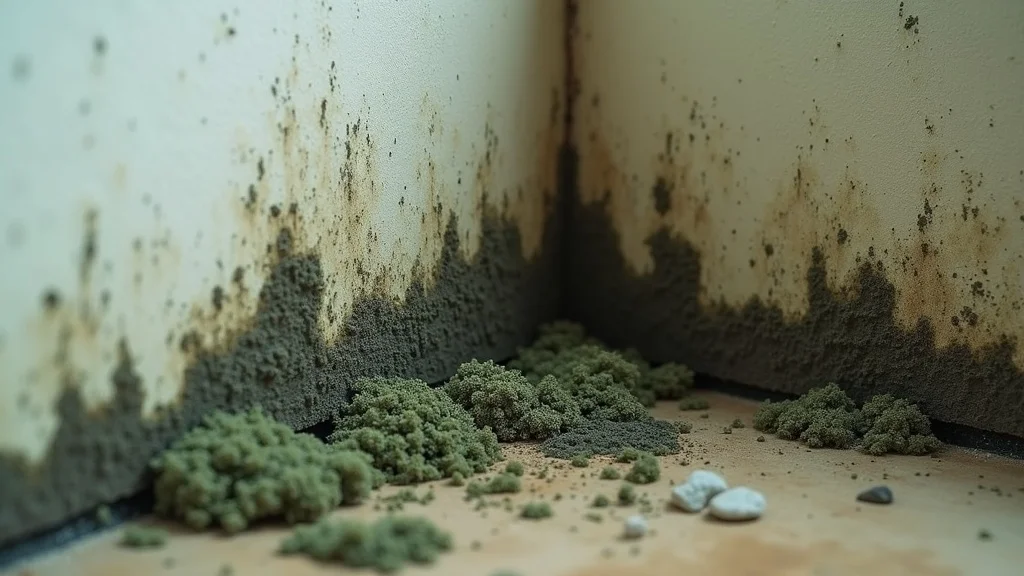
Water Damage and Its Link to Rapid Mold Growth
- What qualifies as water damage after a flood
- Why drying out is not enough to tackle indoor mold
- Guidelines for safely handling contaminated water
Water damage after a flood doesn’t just mean pools of standing water — it extends to soaked carpets, warped wood, damp drywall, and even hidden pockets of saturation behind walls or beneath floorboards. As soon as materials become wet, they create favorable conditions for mold. While the first instinct is often to dry things out, this step only tackles the surface issues. Indoor mold can take root deep within porous materials, requiring more than evaporation to resolve.
Moreover, floodwater may be contaminated with sewage, pesticides, or hazardous chemicals—bumping up the health risk for anyone involved in cleanup. The Environmental Protection Agency and Centers for Disease Control and Prevention both offer strict guidelines for handling water-damaged spaces, emphasizing the need for protective equipment, careful removal of soaked materials, and use of EPA-approved disinfectants. This isn’t a time for shortcuts: Ignoring hidden moisture or failing to properly disinfect can guarantee a return of mold spores and future outbreaks.
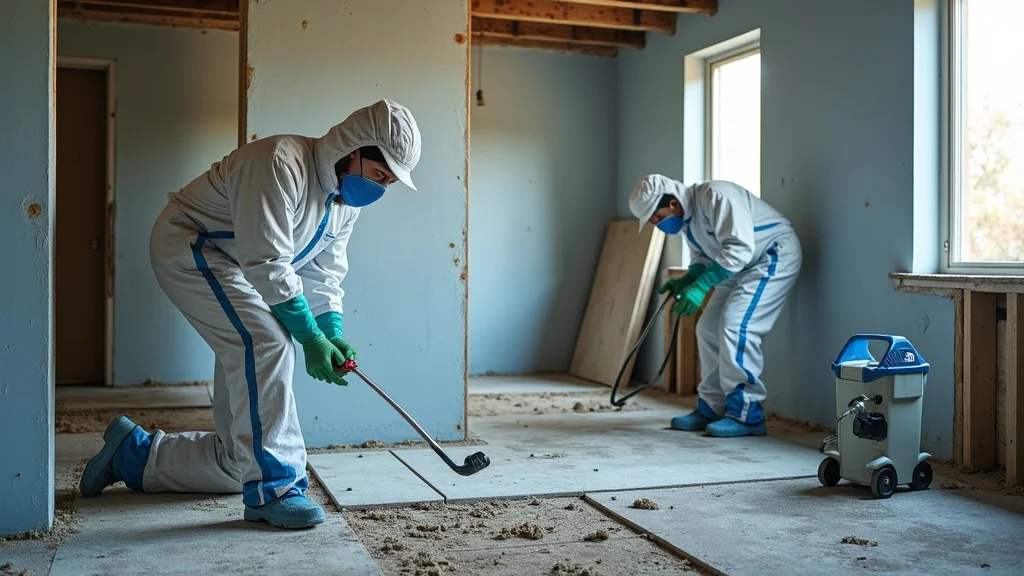
Timeline: How Soon Does Mold Grow After a Flood?
| Time After Flood | Mold Growth Activity |
|---|---|
| 0–24 hours | Spores become active if moisture stays |
| 24–48 hours | Mold starts colonizing surfaces |
| 48–72 hours | Spread accelerates, visible mold |
Mold operates on a rapid schedule, especially after heavy rain or a burst pipe. Research and experience from remediation experts show that mold spores become active in less than a day if water remains unattended. Colonization starts within 24–48 hours and becomes widespread by the third day, making immediate action critical. This underscores why addressing water damage comprehensively — not just drying but also disinfecting and removing water-logged materials — is so vital for preventing mold from taking hold in your living spaces.
The early stages of growth are easily missed, especially since mold may begin under floors, behind walls, or within insulation. Homeowners often underestimate the speed and persistence of indoor mold outbreaks, focusing only on cosmetic repairs without realizing the hidden danger lurking out of sight. If you want to protect your air quality and your home's long-term condition, paying attention to the mold timeline and acting decisively is essential for recovery.
Recognizing the earliest warning signs of water damage is crucial for stopping mold before it starts. For a deeper dive into subtle indicators and expert advice on what to watch for after a flood, explore the comprehensive archive of water damage warning signs to help you stay ahead of potential issues.
How to Stop Mold Growth After a Flood
- Ventilate and dehumidify affected areas
- Remove standing water and soaked materials
- Apply mold-inhibiting cleaning solutions
- Monitor for signs of persistent moisture or mold
The battle plan to prevent mold growth after a flood is fourfold. Start with aggressive ventilation — open windows and doors to move fresh air through rooms, and use fans and dehumidifiers to draw out lingering humidity. Next, extract every bit of standing water and physically remove anything that cannot be completely dried, including moldy items like carpets, insulation, and saturated drywall. These materials act as a mold feast, rapidly decaying and fueling indoor air contamination if not removed within 1-2 days.
After clearing out debris, scrub all hard surfaces with a proven mold-inhibiting cleaning solution (like a mixture of detergent and water, followed by an EPA-registered disinfectant). Always wear personal protective equipment, including masks and gloves. Continue to monitor the affected area for hidden moisture, using tools like moisture meters if possible. Detecting and correcting even small leaks or humid spots is crucial to preventing a relapse of mold growth after a flood. If you see persistent stains, notice musty odors, or experience worsening allergy symptoms, don’t hesitate to call a mold remediation service for expert help.

Ten Warning Signs of Mold Toxicity After Water Damage
- Persistent coughing or throat irritation
- Nasal congestion
- Skin rashes
- Eye irritation
- Chronic fatigue
- Difficulty breathing
- Frequent headaches
- Sinus infections
- Unusual musty odors
- Memory issues or confusion
Exposure to indoor mold after water damage produces a range of health issues. Beyond visible stains or odors, toxic mold impacts air quality and can spark a variety of symptoms, particularly among sensitive individuals. Persistent coughing, worsening respiratory problems, chronic fatigue, and even mental fog might all indicate exposure to moldy environments. Rash, eye and sinus irritation, or constant headaches shouldn’t be shrugged off either. These symptoms often arise subtly but grow worse with continued mold exposure. If you notice unusual musty odors, visible fuzz, or reminders of recent flooding, connect the dots and consider thorough inspection. Unchecked, these warning signs may lead to serious, long-term health risks.
Children, seniors, and those with compromised immune systems are especially vulnerable to the cumulative health effects of mold spores. Even after weathering the storm, monitoring for these symptoms is vital. If multiple household members experience similar problems after water damage, consult a healthcare provider and arrange for environmental testing or professional mold remediation immediately.

Special Consideration: Can Hashimoto's Cause Mold Exposure?
Many people wonder about the link between autoimmune diseases, like Hashimoto's thyroiditis, and mold exposure. While Hashimoto’s itself doesn’t directly cause mold problems, those with the condition may be more sensitive to environmental triggers such as indoor mold. Immune-compromised individuals often have a heightened response to mycotoxins found in mold spores, putting them at increased risk for new or worsening symptoms following water damage. This is why experts, including the Environmental Protection Agency and Centers for Disease Control, recommend that vulnerable groups be especially cautious during flood cleanup.
If you have Hashimoto’s or another autoimmune disorder, partnering with your doctor and mold remediation specialists is crucial. Health risks from even modest exposures can destabilize thyroid function or escalate inflammation in sensitive individuals. The key takeaway? If your household includes someone with Hashimoto’s, act even more swiftly to prevent mold growth after a flood, and don’t hesitate to request professional mold remediation.

Preventing Indoor Mold: Proven Strategies for Your Home
- Regularly inspect vulnerable areas (basements, attics)
- Invest in quality dehumidifiers
- Seal cracks and leaks promptly
- Use mold-resistant building materials when possible
Long-term prevention goes beyond immediate flood recovery. Regularly inspecting rooms prone to dampness — like basements, attics, and crawl spaces — helps catch problems before they escalate. Purchase quality dehumidifiers to maintain healthy humidity levels year-round, especially in climates prone to heavy rains or extreme weather due to climate change. Promptly repairing leaks or sealing foundation cracks will minimize conditions for mold to appear in the first place.
Consider upgrading with mold-resistant drywall, insulation, or paints in renovation projects. These materials make it harder for mold spores to take hold, even when minor leaks or condensation happen. For comprehensive protection, stay vigilant about air quality, and ensure your HVAC and ventilation systems are properly maintained. These efforts together can dramatically reduce the need for costly mold remediation and preserve both your family's health and the structural integrity of your home.

Common Mistakes Homeowners Make After Water Damage
- Waiting too long to act
- Only cleaning visible mold, ignoring hidden growth
- Relying solely on fans or air conditioning
- Neglecting personal protective equipment (PPE)
Many homeowners inadvertently worsen mold growth after a flood with avoidable errors. The biggest is delay — mold can advance from invisible to problematic within a day or two, so hesitation compounds the issue. Next, focusing just on visible mold misses hidden infestations inside walls or beneath floors, where weak spots quickly turn serious. It’s tempting to run fans or crank the air conditioning, but this alone won’t fully dry out saturated spaces and may even circulate potentially harmful spores into your indoor air.
Another pitfall is neglecting safety gear. Working without gloves, respirators, or protective suits exposes you directly to mold spores and contaminated water. Always follow the recommendations of agencies like the Environmental Protection Agency and Centers for Disease Control and Prevention by gearing up before entering any water-damaged area. Addressing these mistakes will keep you and your family safer while making restoration faster and more thorough.

Expert Quotes on Fighting Mold After a Flood
"Acting quickly—not just to dry but also to disinfect—makes all the difference in keeping mold growth after a flood from spreading." – Bob Villa-style Restoration Expert
People Also Ask: Mold Growth After a Flood
How soon does mold grow after a flood?
Mold spores become active within 24 hours after a flood when moisture is present. Rapid colonization can begin by 48 hours, with visible growth appearing on surfaces such as drywall, wood, and carpet soon after. This underscores why immediate drying, ventilation, and removal of soaked materials are crucial for preventing widespread mold growth after a flood.
How to stop mold from growing after a flood?
To stop mold from growing after a flood, quickly ventilate the affected areas, use dehumidifiers to reduce humidity, remove soaked carpet or damaged materials, and clean all hard surfaces with mold-inhibiting solutions. Monitor for persistent moisture, and if you detect any musty odors or visible mold, seek professional mold remediation to protect your air quality and home.
What are the 10 warning signs of mold toxicity?
Common warning signs of mold toxicity include persistent coughing, throat irritation, nasal congestion, chronic fatigue, skin rashes, eye and sinus irritation, frequent headaches, difficulty breathing, unusual musty odors inside the home, and cognitive issues such as confusion or memory loss. Noticing more than one of these symptoms after water damage warrants immediate action to prevent further exposure to mold.
Can Hashimoto's cause mold exposure?
Hashimoto’s does not cause mold exposure itself, but individuals with this autoimmune condition may have a heightened sensitivity to environmental toxins, including mold spores. Mold exposure can trigger stronger symptoms in immune-compromised people — making it vital for those with Hashimoto’s to be extra vigilant and seek quick remediation after water damage.
FAQs on Mold Growth After a Flood
-
Can insurance cover mold growth after a flood?
Insurance policies for water damage vary greatly. Some cover mold remediation if the claim is directly related to sudden, accidental flooding, but not all policies provide this protection. Always check your coverage specifics and ask your agent about mold-related add-ons. -
Is professional remediation always necessary?
For small, surface-level mold, careful DIY cleanup can work. But for widespread, hidden, or recurring mold—from significant water damage—professional remediation is critical to protect your health and your home’s structure, and to ensure proper containment and removal. -
What natural cleaning agents work for indoor mold?
Simple methods, like scrubbing non-porous surfaces with a mix of vinegar or baking soda and water, may help with minor mold spots. However, serious or recurring outbreaks require stronger solutions — always prioritize your health and consult experts if the problem is extensive.
Key Takeaways for Handling Mold Growth After a Flood
- Address water damage immediately to prevent indoor mold
- Recognize early warning signs of mold toxicity
- Practice proven prevention strategies to protect your home
- Seek expert help if in doubt about effective removal
Next Steps to Stop Mold Growth After a Flood
The fight against mold growth after a flood doesn’t end with initial cleanup. Establish a regular inspection routine, maintain dehumidifier usage, and stay vigilant for signs of moisture or musty smells. Should you suspect hidden mold or if health symptoms arise, act without delay—call in a reputable mold remediation service. It’s always better to over-respond than under-react when the health and safety of your household are at stake. Don’t hesitate to reach out to trusted professionals like Gold Coast Flood Restorations at (619) 449-9611 for comprehensive support and peace of mind.
If you’re committed to protecting your home from future disasters, it’s wise to expand your knowledge beyond mold prevention. Take the next step by exploring the broader spectrum of water damage warning signs and solutions—you’ll discover proactive tips, expert insights, and advanced strategies to safeguard your property year-round. By staying informed and prepared, you can minimize risks, respond faster to emergencies, and ensure your living environment remains safe and resilient no matter what nature brings. Your journey to a healthier, mold-free home starts with awareness and the right resources at your fingertips.
Conclusion: Defending Your Home Against Mold After Flooding
By acting fast, investing in prevention, and recognizing the dangers of indoor mold, you can protect your home and health after water damage. Ready to safeguard your family? Call Gold Coast Flood Restorations at (619) 449-9611.
To further enhance your understanding of mold growth after a flood, consider exploring the following authoritative resources: The U. S. Environmental Protection Agency’s (EPA) guide, “Floods and Mold Growth,” offers comprehensive information on preventing and addressing mold issues post-flooding. The Centers for Disease Control and Prevention (CDC) provides a detailed resource titled “After the Storm – Mold and Moisture: What Can I Do to Prevent Mold Growth After the Flood Waters Are Gone? A Guide for Residents,” which outlines practical steps for homeowners to mitigate mold risks following a flood. These resources offer valuable insights and actionable steps to effectively manage and prevent mold growth in your home after a flood.




Write A Comment