Add Row
Add Element
UPDATE
Add Element
  • Home
  • Categories
    • Entrepreneurs
    • Growth Stories
    • Expert Insights
    • Innovators
    • Franchise and Expansion
    • Tools and Services
    • Commercial Property
    • Trends
February 18.2026
1 Minute Read

Stop Waiting—Facility Maintenance Painting Tips to Save You Money

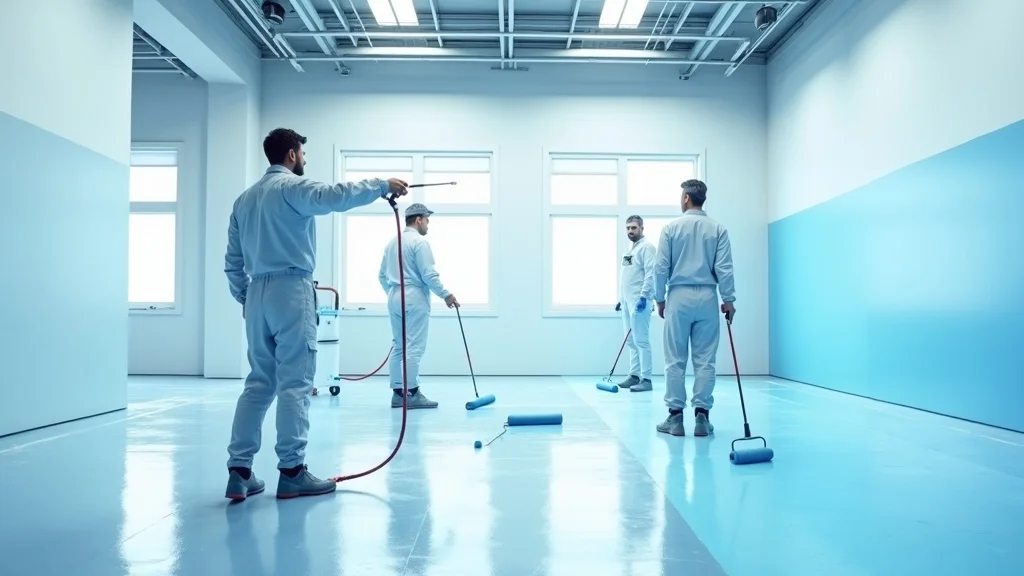
Professional commercial painters performing facility maintenance painting with expertise and precision in a modern workspace

If you’re responsible for a high-traffic commercial space, you already know: facility maintenance painting can make or break your operation’s long-term costs, appeal, and employee morale. Too often, decision-makers delay this essential step—assuming that doing it in-house will save money, or thinking that painting is merely cosmetic. But that hesitation can quietly introduce unforeseen expenses, disrupt workflow, and undermine your facility’s reputation. Today, we bring you hard-won truths from Dave Cole of Arthur Cole Painting Corporation, a company legendary for six decades of painting excellence across the Northeast. Drawing on Dave’s insights, we’ll challenge myths, reveal strategic approaches, and map out a smarter, more cost-effective path for facility managers, building owners, and construction professionals.

Why Facility Maintenance Painting Isn’t Just Another Expense

A pervasive misconception among facility managers and property owners is that facility maintenance painting is just another operational cost—easy to trim or push off. Yet, as Dave Cole of Arthur Cole Painting Corporation emphasizes, painting is far more than paint applied to surfaces; it is risk mitigation and a cornerstone of infrastructure protection.

Too often, leadership believes they can save by delegating painting to in-house staff. However, Dave’s decades in the field consistently reveal the opposite: “Many facility managers think they can save money by handling painting in-house, but that often leads to higher costs down the road. ”— Dave Cole. The real costs appear slowly: patchy finishes, early deterioration, and unplanned disruptions that could have been avoided through expert intervention.

The Hidden Costs of DIY Painting in Facility Maintenance

According to Dave Cole, the perceived savings from using internal staff for painting evaporate in the face of practical realities. Untrained painters—no matter how well-intentioned—struggle with techniques, surface preparation, and application consistency. This results in inconsistent coverage, which accelerates the need for touch-ups and creates unsightly wear. As Dave explains, “We have the experience. We have the workforce. And we have equipment to do the job. ” The reality is that without specialty tools and knowledge, even small mistakes multiply quickly, leading to repeated paint jobs, more material waste, and increased downtime.

Let’s not forget the hidden costs that ripple through a facility: operational disruption, safety risks, and diverted staff focus. In the end, what looked cheaper upfront often forces a costly cycle of repairs and emergency fixes—a lesson confirmed by seasoned industry veterans.

  • Inconsistent coverage leading to premature wear
  • Lack of proper equipment and specialty materials
  • Disruption to daily operations from untrained personnel

Maintenance staff confronting challenges with DIY facility maintenance painting, resulting in uneven paint finishes and workplace disruption

How Professional Commercial Painters Deliver Long-Term Savings

When you work with an established commercial painting contractor, you unlock decades of technical insight, a skilled workforce, and access to specialty coatings tailored for every unique setting. Dave Cole highlights this premium: “With decades of experience, our workforce and equipment ensure efficient, high-quality results that a facility’s own staff can’t easily replicate. ” The expertise ensures each project meets demanding timelines and standards while eliminating the guesswork. This expertise pays off with durable finishes that require fewer touch-ups, less material waste, and minimized interruptions.

Moreover, a partnership with a professional painting company brings peace of mind. Facilities are evaluated for traffic patterns, exposure to chemicals, wear-prone surfaces, and regulatory requirements. As a result, each maintenance cycle is planned and executed for maximum value with the best possible products and methods. According to Dave Cole, this strategic investment in facility maintenance painting consistently delivers returns far beyond the capabilities of in-house solutions—a perspective endorsed by leading operations directors and property managers throughout New England.

Ongoing Facility Maintenance Painting: The Key to Sustained Facility Appeal and Morale

A one-off painting project can create an immediate visual upgrade, but ongoing facility maintenance painting produces lasting organizational value. Facility managers attuned to regular maintenance cycles report profound ripple effects—boosted morale among staff, loyalty from tenants, and an exceptional impression on visitors. “Maintaining your facility’s appearance boosts staff morale and leaves a strong positive impression on visitors. ” — Dave Cole, echoes what decades of workplace studies have concluded.

According to Dave Cole, high standards in appearance demonstrate commitment to staff and occupants, reinforcing a culture of care and professionalism. In retail, offices, biotech labs, and warehouses alike, a consistently well-maintained space enhances pride, productivity, and retention—outcomes that extend far beyond basic aesthetics. Regular commercial painting helps facilities stand out in a competitive market by communicating attention to detail and operational excellence, underscoring the smart business case for long-term planning.

Upkeep Beyond Aesthetics: Why Regular Painting Matters

The benefits of facility maintenance painting transcend first impressions. According to Dave Cole, the right maintenance schedule creates a powerful synergy: safeguarding surfaces while amplifying organizational morale. “Oh, keep the facility looking in an upkeep. An upkeep. We'll keep it looking exceptional for their own staff and for visitors. ” From manufacturing floors to office parks, this attention keeps environments inviting and safe.

Proactive managers know that keeping up with painting doesn’t just protect against scuffs. It prevents minute cracks, inhibits mold and rust, and extends the functional lifespan of building materials—ensuring that every dollar spent on capital improvements delivers maximum value. According to Arthur Cole Painting Corporation, predictable, visible maintenance signals reliability and forethought to all stakeholders.

Facility staff enjoying a morale boost in a recently painted, well-maintained space, thanks to expert facility maintenance painting

Protecting Infrastructure Through Timely Maintenance Painting

One of the greatest strengths of ongoing painting is its role in infrastructure preservation. By routinely applying specialty coatings, savvy facility managers prevent the slow, silent damage caused by moisture, chemicals, and mechanical abrasion. Dave Cole has seen firsthand how facilities that prioritize scheduled painting avoid massive outlays for repairs—especially on exposed steel, piping, and high-traffic surfaces.

In industries subject to regulatory compliance and extreme operating conditions, painting is not just maintenance—it’s risk abatement. Arthur Cole Painting’s commitment to using state-of-the-art products and environmentally responsible coatings ensures that buildings not only look sharp but also withstand real-world abuse. Delaying or economizing on these cycles may seem harmless until corrosion, delamination, or contamination trigger downtime or emergency repairs—a scenario every operations director dreads.

  • Prevents corrosion and material degradation
  • Extends lifespan of building surfaces and equipment
  • Avoids costly emergency repairs and downtime
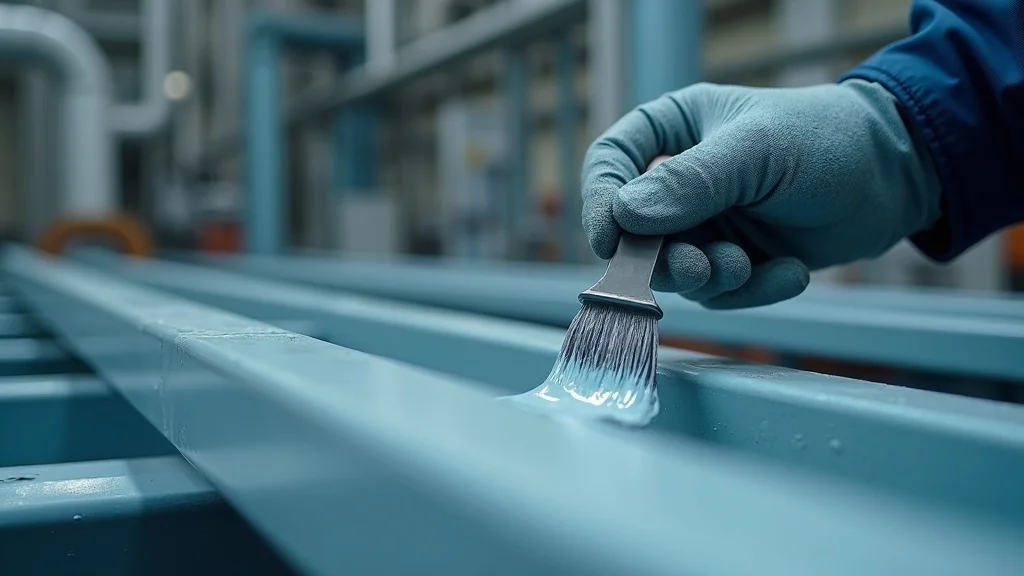
Detail of facility infrastructure being protected by expert facility maintenance painting, showing anti-corrosion coatings in action

Best Practices for Facility Maintenance Painting from Industry Experts

Aligning with best practices in facility maintenance painting isn’t just about materials; it’s about partnering with the right experts, smart planning, and strategic execution. According to Dave Cole, longevity and value are delivered through relationships built on expertise and transparency.

Selecting a painting partner should go beyond simple price comparisons. Look for a contractor with documented experience in your industry, demonstrated safety protocols, and a portfolio showcasing both aesthetic and protective work. Arthur Cole Painting Corporation, for example, is trusted across Greater Boston and New England thanks to decades of seamless project delivery and their ability to collaborate flexibly around client operations.

Choosing the Right Commercial Painting Partner

Facility managers should evaluate contractors beyond credentials. As Dave Cole notes, proven experience in challenging environments, access to industrial-grade equipment, and mastery of specialty coatings are all non-negotiables. Partnering with a team that communicates clearly, plans proactively, and consistently meets deadlines ensures you avoid the uncertainties and hidden costs of fly-by-night operators.

A genuine expert will offer clarity from the initial estimate through project completion, guaranteeing minimal disruption and maximum performance throughout the process. Ultimately, this partnership is what takes facility maintenance painting from an expense to a strategic investment.

  • Look for proven experience in commercial and industrial sectors
  • Verify access to specialized equipment and coatings
  • Ensure seamless project management to minimize operational disruption

Scheduling and Planning for Cost-Effective Maintenance Painting

Proper planning is the linchpin of cost savings. Arthur Cole Painting Corporation recommends facility managers work closely with their contractor to develop detailed maintenance plans tailored to their building’s unique needs. Cycle planning—prioritizing high-traffic and mission-critical zones, accounting for occupancy schedules, and aligning with other capital improvement projects—ensures that maintenance becomes a reliable budget item, not an unexpected emergency.

According to Dave Cole, this proactive approach leads to flawless results with minimal disruption. Coordinating with facilities and operations teams enables a seamless workflow, even in active spaces, maximizing uptime while delivering superior finish quality. These strategies are what empower leaders to focus on growth and innovation, not costly reactive maintenance.

Facility manager collaborating with a commercial painting contractor on a cost-effective facility maintenance painting plan, reviewing blueprints and schedules
  • Developing a long-term painting maintenance plan
  • Prioritizing high-traffic and critical areas
  • Coordinating with facility operations for minimal downtime

Unlocking the Full Value of Facility Maintenance Painting: Summary and Next Steps

Transforming facility maintenance painting from a reactive expense to a strategic asset is how industry leaders win on efficiency, appearance, and cost control. As demonstrated by Dave Cole and the Arthur Cole Painting team, success begins with understanding the true costs and benefits, committing to ongoing care, and forging partnerships that guarantee results.

When you make these investments—guided by professionals who anticipate your needs—you secure not just a more beautiful environment, but a safer, more productive, and more resilient facility. “Facility maintenance painting is an investment that pays dividends in appearance, morale, and long-term cost savings. ” – Dave Cole
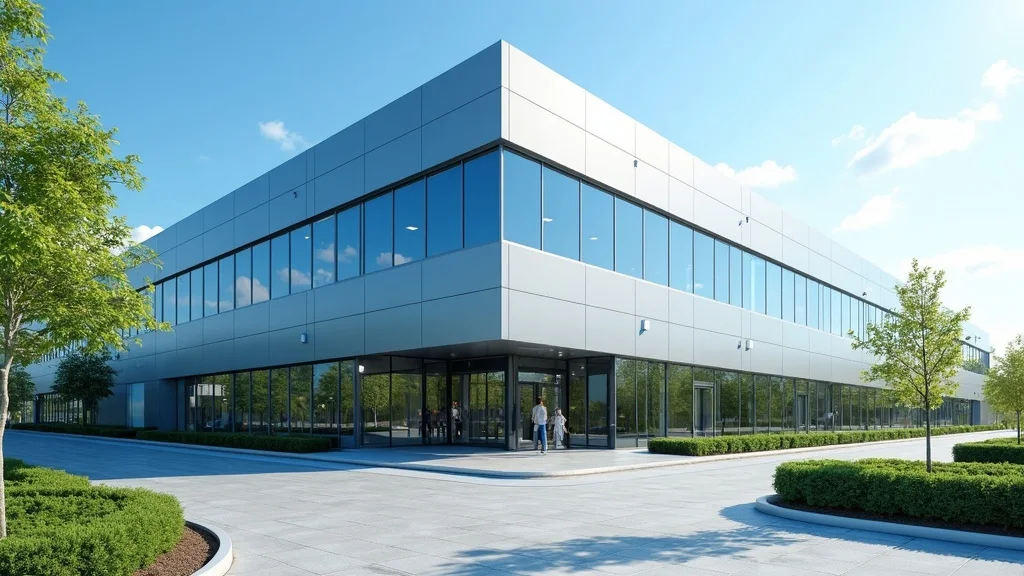
Modern commercial building displaying the benefits of professional facility maintenance painting with an impeccable exterior finish
  1. Understand the real costs and benefits of professional painting
  2. Commit to ongoing maintenance to protect and enhance facility value
  3. Partner with experienced commercial painters for predictable results

Ready to take the next step and protect your facility’s future? Reach out to proven industry leaders like Arthur Cole Painting Corporation for a detailed consultation tailored to your building’s specific challenges. Don’t let short-term thinking undermine your biggest asset—make facility maintenance painting part of your strategy, and watch your investment pay off for years to come.


Expert Insights

0 Comments

Write A Comment

*
*
Related Posts All Posts
02.18.2026

Unlock Success with lss certification workshops Today

In today’s fiercely competitive manufacturing landscape across New Jersey, Philadelphia, and the entire Delaware Valley, **maintaining a competitive edge is not just about investing in machines and capital—it's about empowering your people and refining your processes**. As organizations strive for operational excellence and sustainable growth, one methodology is rapidly emerging as a game-changer: lss certification workshops. But what does it take to harness the real power of Lean Six Sigma in your factory, and how can these hands-on workshops transform both your culture and your bottom line? The answers come straight from Ron Schlegel—a seasoned Lean/Six Sigma practitioner with a 25+ year track record guiding iconic manufacturing brands. He has witnessed firsthand how a strategic blend of people, process, and technology becomes the launchpad for consistent, measurable improvement. With an approach rooted equally in data and human connection, Ron’s insights uncover how structured, high-impact workshops don’t just solve today’s bottlenecks—they unlock your team’s true potential and set the standard for continuous improvement. Why LSS Certification Workshops Are Essential for Delaware Valley Manufacturers According to Ron Schlegel, principal at E3 Business Consulting, many manufacturers underestimate the disruptive power of traditional thinking when faced with today’s evolving challenges. He notes that the **best lss certification workshops inject fresh methodologies, challenge entrenched habits**, and provide practical, actionable tools that address everyday manufacturing pain points. These are not passive, lecture-driven seminars; they are tailored, hands-on sessions designed to catalyze strong organizational engagement right from the shop floor up to the executive level. The workshops begin by tackling an immediate, real-world issue unique to each organization. “Our workshops bring new ideas and methodologies directly addressing day-to-day manufacturing pain points with actionable Lean Six Sigma tools—turning small wins into widespread organizational engagement,” says Ron Schlegel of E3 Business Consulting. "Our workshops bring new ideas and methodologies directly addressing day-to-day manufacturing pain points with actionable Lean Six Sigma tools—turning small wins into widespread organizational engagement." — Ron Schlegel, E3 Business Consulting LSS certification workshops aren’t just problem-solving sessions—they are catalysts for a culture shift. By engaging cross-functional teams in practical problem-solving, these workshops initiate a ripple effect: early successes build organizational momentum, prompting broader participation as more employees want to be a part of solution-driven change. Schlegel emphasizes that team-based learning transforms the workplace dynamic, converting isolated efforts into unified, continuous improvement initiatives. For manufacturers looking to further enhance their operational efficiency, integrating Lean Six Sigma with robust project management practices can amplify results. Exploring project management strategies tailored for manufacturing environments can provide additional frameworks to support successful Lean initiatives and ensure sustainable process improvements. Harnessing Team-Based Problem Solving to Drive Continuous Improvement Team-driven workshops introduce a disciplined, structured approach to identifying and tackling manufacturing pain points. According to Schlegel, the process begins with a clear focus on a pressing issue—creating immediate relevance for participants and enabling the tools of Lean Six Sigma to be applied in context. This method unlocks hidden opportunities and exposes previously unrecognized inefficiencies, all while fostering a culture of trust and shared accountability. When teams experience early victories—whether reducing wasted motion, accelerating a design review, or improving process flow—the motivation to expand Lean initiatives becomes self-sustaining. Schlegel observed, “Once you have a successful team, more people want to be part of that. ” The momentum generated by team-based accomplishments paves the way for widespread adoption of continuous improvement as a daily habit, not an occasional project. Overcoming Barriers: Addressing Time Constraints to Achieve Long-Term Efficiency Gains A recurring obstacle for manufacturers considering lss certification workshops is the persistent challenge of time. Many plant leaders and team members are already working extended hours, so the prospect of diverting focus—even temporarily—from day-to-day operations can feel daunting. Schlegel acknowledges this pushback: employees wonder, “How can we dedicate time to changing the way we do things when we’re already maxed out every week?” Schlegel’s perspective reframes this hesitation entirely. He argues that investing a few focused hours now positions your business for exponential gains. In his words, “Investing time today, despite busy schedules, yields scalable growth without the need for additional hires—improving product quality and operational efficiency. ” "Investing time today, despite busy schedules, yields scalable growth without the need for additional hires—improving product quality and operational efficiency." — Ron Schlegel, E3 Business Consulting By participating in LSS workshops, manufacturers learn how to leverage existing talent more effectively, enabling growth and higher output without immediately increasing headcount. Schlegel notes that the temporary investment of time unlocks future capacity and results in smoother, more reliable operations—laying the foundation for scaling the business while maintaining or even improving employee work-life balance. Ultimately, the “time barrier” is reframed as an opportunity: a strategic investment in training and process improvement delivers operational resilience, boosts morale, and positions the entire company to handle growth spurts or market shifts with agility. According to Schlegel, seeing LSS training as an investment, not a distraction, is the mindset shift that separates thriving manufacturers from those merely treading water. Why Viewing LSS Workshops as an Investment, Not a Distraction, Boosts Manufacturing Success Schlegel emphasizes that the key to successful adoption lies in executive buy-in and transparent communication. When leaders openly articulate the long-term benefits—such as improved product quality, reduced cycle times, and the ability to scale efficiently—teams are more inclined to value the sacrifice of immediate productivity for future gains. He advises: “If you can invest time today to have a better product going forward, to be more efficient, you can use that same number of people to scale your company at a higher level of sales without having to hire more people. ” Integrating Lean Six Sigma workshops into your business is not about quick fixes or cosmetic changes. It’s about intentionally carving out space for foundational improvement, enabling every team member to contribute to the company’s success through smarter, more informed decisions backed by proven methodologies. Real-World Impact: Streamlining Product Design Through Structured LSS Methodologies Nothing illustrates the value of LSS workshops like a true success story. Schlegel recounts a recent engagement with a manufacturer struggling with frequent bottlenecks in new product development. The company’s design teams felt overwhelmed by a complex, ambiguous workflow. Addressing these frustrations, Ron led a workshop that broke the entire design process into discrete, attainable steps, utilizing Lean Six Sigma tools to pinpoint exactly what needed to be accomplished at each phase. The transformation was immediate: “By breaking down complex design processes into clear, milestone-driven steps equipped with Lean Six Sigma tools, we helped a manufacturer cut cycle times and accelerate decision-making,” says Schlegel. Introducing milestone-based stage gates gave the team clarity on handoffs and deliverables, drastically reducing decision bottlenecks and trimming the time required to launch new products to market. "By breaking down complex design processes into clear, milestone-driven steps equipped with Lean Six Sigma tools, we helped a manufacturer cut cycle times and accelerate decision-making." — Ron Schlegel, E3 Business Consulting This structured approach produced measurable outcomes: reduced cycle time for new products, clearer decision points, and greater cross-functional collaboration. According to Schlegel, “Having a very structured, organized flow of work allowed them to make decisions quicker and allowed the cycle time for new product design to actually shrink. ” The experience demonstrates how lss certification workshops give teams a playbook for attacking bottlenecks wherever they occur, equipped with proven tools perfectly matched to real-world manufacturing challenges. Case Study: From Bottlenecks to Breakthroughs in New Product Development The lesson is clear: when you combine employee insight, Lean Six Sigma frameworks, and real business problems, you unleash powerful breakthroughs that last. Schlegel's approach wasn’t about imposing theoretical models but rather co-creating a new workflow with the team—ensuring buy-in, clarity, and ownership at every step. As a result, the organization not only fixed a pressing problem but also gained the skillset and confidence to address future challenges head-on. Schlegel’s real-world impact stories underscore the fact that **LSS certification workshops are not optional add-ons**; they are foundational investments in sustained growth, innovation, and workforce empowerment. Key Takeaway: Stay Competitive with LSS Certification Workshops Manufacturing in the Delaware Valley is becoming more competitive every quarter. The companies that will succeed are those who combine cutting-edge technology with a relentless commitment to continuous improvement—and that means leveraging the power of lss certification workshops to their fullest. If Your Competitors Are Advancing with LSS, Falling Behind Is Not an Option The ultimate truth for manufacturers: “If your competitors are doing it, and you are not, you are going to be falling behind,” asserts Schlegel. Lean Six Sigma is now a required competency, not a luxury. Companies that fail to engage their people and adopt structured improvement methodologies will soon see their market share erode—while those who invest in training and team-based problem-solving accelerate ahead, able to deliver quality, speed, and adaptability in ever-tightening markets. How LSS Workshops Drive Measurable Productivity Improvements Employee Empowerment through Collaborative Problem Solving Scaling Business Growth Without Increasing Headcount Structured Approaches to Reduce Lead Times in Manufacturing Building a Sustainable Competitive Advantage with Lean Six Sigma Next Steps: Harness the Power of LSS Certification Workshops with Ron Schlegel If you’re ready to close the competitive gap and foster a culture of operational excellence in your plant, it’s time to take action. Ron Schlegel invites manufacturing leaders in New Jersey, Philadelphia, and the Delaware Valley to transform their organizations by participating in tailored, results-focused workshops. These sessions draw on decades of expertise, proven methodologies, and a passion for developing people to turn your pain points into launching pads for growth. "Lean Six Sigma combined with a people-first approach unlocks your team's full potential—helping Delaware Valley manufacturers thrive today and tomorrow." — Ron Schlegel, E3 Business Consulting Sign up for Ron’s hands-on workshops specifically tailored for New Jersey, Philadelphia, and Delaware Valley manufacturers Learn how to identify and solve your manufacturing pain points with proven Lean Six Sigma tools Engage your teams to catalyze small successes into transformational change The time to act is now—before your competitors leave you behind. As you consider the next steps for your organization’s growth, remember that operational excellence is a journey, not a destination. Expanding your knowledge of project management best practices can further strengthen your Lean Six Sigma initiatives and help you navigate complex manufacturing challenges with confidence. For a deeper dive into advanced strategies and leadership insights that drive sustainable results, explore the Project Management resources at E3 Business Consulting. Unlock new perspectives and equip your team with the tools to lead your industry into the future. To further enhance your understanding of Lean Six Sigma (LSS) certification workshops and their impact on manufacturing efficiency, consider exploring the following resources: Lean Six Sigma Online Certification Training Program - Purdue University This program offers comprehensive online LSS training, including Green Belt, Lean Principles, and Black Belt courses. Designed for professionals at various career stages, it provides flexible learning options to help you achieve operational excellence. (purdue. edu) Lean Six Sigma World Conference - WORKSHOPS The Lean Six Sigma World Conference features interactive workshops, such as the Yellow Belt Certification Workshop, which combines instruction with hands-on application of LSS concepts. These sessions are ideal for beginners and practitioners seeking to deepen their understanding of Lean and Six Sigma methodologies. (leanandsixsigma. org) By engaging with these resources, you can gain valuable insights into LSS certification workshops and their role in transforming manufacturing processes.

02.18.2026

How to Identify Signs of Being Used in Business Relationships

Update The Dangers of Being Used in Business Relationships In the complex network of business interactions, the danger of being manipulated or exploited is all too real. Just as financial abuse leads to vulnerabilities in personal relationships, a similar dynamic exists in professional settings. The warning signs of being used in business can often mimic those of intimate relationships. It’s crucial to recognize these patterns early on. Recognizing the Signs of Exploitation One of the first indicators of exploitation in a business relationship is a lack of mutual benefit. If you consistently find yourself making sacrifices while the other party seems to reap all the rewards, it may signify manipulation. Similar to signs of financial abuse, where one partner controls the other's access to resources, in business, a lack of open communication about profits, roles, and expectations might indicate a problematic partnership. Additionally, if your intuition starts to signal discomfort each time you engage with a colleague or partner, it’s essential to take heed. Frequently, the metrics for identifying such dysfunction are subtle. Emotional and Financial Dependency: A Red Flag Dependency can manifest in various ways within a business context. It can be seen when one party attempts to control another’s income or decision-making abilities. In financial abuse, partners may compel each other indirectly to maintain economic dependence. In a business partnership, this can translate into monopolizing access to key clients, leads, or financial resources. Such dependency inhibits your ability to make independent decisions, effectively shackling you to a relationship that might not have your best interests at heart. Counteracting Manipulative Tactics: Establishing Boundaries Setting clear boundaries in business is crucial for safeguarding your interests. Just as victims of financial abuse are advised to assert control over their personal finances, professionals must communicate their limits in partnerships. Identifying specific tasks, sharing resources equitably, and ensuring visibility in financial dealings can help maintain a balanced dynamic. For instance, if a colleague relies on you for critical information and never reciprocates, escalating this issue early on can prevent further imbalance. The Power of Open Financial Discourse Effective communication around financial aspects is a cornerstone for thriving business relationships. Partners should strive for transparency regarding revenue-sharing models and expenditures. This opens the door for mutual accountability and clarity, akin to recognizing financial abuse in personal relationships. When each party comprehends their contributions and resultant benefits, it paves the way for healthy collaboration. Understanding Your Worth: Gaining Financial Literacy Financial literacy is essential for recognizing when someone may be taking advantage of your skills and resources. This knowledge empowers you to evaluate the fairness of your business relationships. Similar to addressing the ramifications of financial exploitation, understanding the financial impacts of your collaborations equips you to make informed decisions. Whether negotiating contracts, assessing workloads, or evaluating potential partners, being financially aware strengthens your position and fosters healthier business practices. Taking Action: Seeking External Support Similar to those grappling with financial abuse, reaching out for support can provide insight and assistance in managing potentially exploitative relationships. Professional advisors, mentors, or negotiation coaches can offer guidance and strategies to navigate challenging dynamics in your business life. Moreover, seeking communities or networks, much like survivors of financial abuse, can lead to collective empowerment and resilience through shared experiences. Learning from Experience: Building Healthy Relationships Building meaningful and equitable business relationships requires vigilance and an understanding of past red flags. Acknowledging the mistreatment sources can fortify your resolve, enabling you to recognize similar patterns elsewhere. Just as learning to spot financial abuse is imperative to building safer personal connections, this practice is paramount in professional environments. Understanding these dynamics is not just about recognition; it’s a vibrant step towards fostering a fair, equitable business landscape where all stakeholders feel valued and respected.

02.17.2026

Unlock Lean Six Sigma Manufacturing to Boost Efficiency Now

Ron Schlegel’s Core Insight: Lean Six Sigma Manufacturing is a Cultural Transformation Driving Profitability in New Jersey SMEs When most small to mid-sized manufacturers hear about Lean Six Sigma manufacturing, the first anxiety that surfaces is cost. According to Ron Schlegel of E3 Business Consulting, this is the greatest misconception holding New Jersey SMEs back from transformative growth. Drawing from over 25 years of hands-on leadership guiding organizations through process improvement, Ron reveals: successful Lean Six Sigma deployment is far more than a spreadsheet exercise or a box-checking project—it’s a company-wide cultural transformation that reshapes attitudes, behavior, and purpose at every level of the operation. This culture shift isn’t superficial; it reaches deep into the roots of everyday workflow, impacting how employees—from operators to executives—perceive their value and participate in improvement. The more individuals internalize Lean Six Sigma principles, the more opportunities surface for breakthrough efficiencies, cost savings, and pride in their roles. As Ron Schlegel puts it, only when everyone, from the front lines to the C-suite, understands how Lean Six Sigma affects their job and workflow does the real profit potential emerge. He emphasizes that fostering broad engagement leads to tangible, sustainable improvement: The expert's perspective is that the path to organizational profitability is paved with cross-functional empowerment and continuous learning at every level. "Lean Six Sigma is really a cultural change for the organization... The more people engaged, the more success you will have because people understand how it impacts their job and workflow." — Ron Schlegel, E3 Business Consulting Why Lean Six Sigma Manufacturing is Vital for New Jersey, Philadelphia, and Delaware Valley Manufacturers Today According to Ron Schlegel, the urgency for Lean Six Sigma manufacturing adoption has never been greater. The manufacturing landscape in New Jersey and the greater Delaware Valley is evolving at a breakneck pace. Customers now demand not just quality and speed but innovation—with an expectation of continual improvement. Traditional methods, Ron warns, can leave manufacturers stuck in yesterday’s marketplace: “If you’re not able to move fast in improving your procedures and your processes, you will not have success going forward. ” This insight is more than a warning; it’s a call to action for regional SMEs not to merely survive, but to redefine themselves as agile, customer-focused leaders. What makes Lean Six Sigma indispensable in today’s regional manufacturing climate? Ron spotlights two catalyzing shifts: the relentless escalation of customer expectations and the risk of being outpaced by more agile competitors. Evolving with customers—by integrating their voice into every improvement decision—brings loyalty, repeat business, and a direct line between process improvement and rising profitability. According to Ron, those companies that continuously adapt and align with customer-defined value secure not only their future but also their reputation for operational excellence. For manufacturers looking to translate these principles into actionable steps, effective project management is essential. Exploring practical approaches to project management for process improvement can help SMEs structure their Lean Six Sigma initiatives for maximum impact and sustainability. "If you are not able to move fast in improving your procedures and your processes then you will not have success going forward." — Ron Schlegel, E3 Business Consulting How Listening to Customer Needs Powers Lean Six Sigma Success and Drives Business Growth One of Ron Schlegel’s most powerful revelations is the underestimated value of direct customer input in shaping manufacturing strategy. In the transcript, he recounts a transformative experience: by asking customers what they truly valued in a low market-share product, the team uncovered that usability—not price—was the decisive factor. They redesigned the product accordingly, creating a ripple effect of benefits for both their clients and their own business. This story shatters the misconception that Lean Six Sigma is only about internal cost-cutting. Instead, Ron’s approach demonstrates how actively seeking and acting on customer insights positions SMEs for genuine market advantage. This customer-centric mindset transforms ordinary improvement projects into engines for long-term growth. Ron insists that Lean Six Sigma is at its most powerful when organizations look beyond their own walls to anticipate and fulfill evolving client needs. His approach combines data-driven rigor with a deep commitment to customer alignment, ensuring that every change in process or product directly enhances business value. According to Ron Schlegel, Lean Six Sigma’s true potential is unlocked not by routines or checklists—but by continually listening and responding to the customer’s evolving voice in the market. "We discovered that the highest value was not price but the use of the product itself, so we redesigned it to better suit the customer’s needs." — Ron Schlegel, E3 Business Consulting Strategic Steps New Jersey SMEs Can Take to Embed Lean Six Sigma Manufacturing for Effective Process Improvement To move Lean Six Sigma manufacturing from theory to tangible ROI, Ron Schlegel outlines several actionable steps for SMEs in New Jersey and the greater Philadelphia region. These are not abstract recommendations, but a proven blueprint drawn from his decades of operational leadership. The roadmap centers on employee engagement, customer integration, and data-driven problem-solving—creating a system where continuous feedback and measurable outcomes fuel ongoing gains. Ron champions a holistic approach where leaders don’t just push process improvement from the top down, but actively empower teams at every level with Lean Six Sigma training and tools. According to Ron, this democratization is what allows even small and mid-sized companies to compete with industry giants. Process changes should always be mapped to real workflow impacts and regularly assessed for efficiency and profitability. As the manufacturing world grows more complex, this disciplined approach enables SMEs to build resilience, become more agile, and carve out sustainable competitive advantage. Engage employees across all levels to foster a culture of continuous improvement. Integrate customer feedback to align process improvements with evolving market demands. Train teams in Lean Six Sigma methodologies to empower data-driven decision making. Use a business process approach to understand the impact of changes on daily workflows. Regularly measure process efficiency and profitability to sustain competitive advantage. Common Misconceptions About Lean Six Sigma Manufacturing and How to Overcome Them Despite its proven record, Lean Six Sigma manufacturing is burdened by stubborn myths—many of which Ron Schlegel systematically dispels through lived experience. A frequent objection from SMEs is the perceived prohibitive cost. However, Ron notes that properly executed Lean Six Sigma delivers sustainable cost savings far outweighing initial investments, through improved efficiency, reduced waste, and better resource allocation. The myth that Lean Six Sigma is just about slashing costs also misses the point—Ron’s guidance always circles back to innovation, customer-centric improvements, and long-term profitability as primary outcomes, not side effects. Another barrier Ron often encounters is the belief that Lean Six Sigma is a technical toolkit reserved for engineers or large corporations. He counters that true impact comes only when every individual—regardless of background or title—sees themselves as a critical stakeholder in the improvement journey. By fostering an inclusive, cross-organizational mindset, companies can unlock collaborative problem-solving and the full creative potency of their teams. Ron’s workplace philosophy: Lean Six Sigma is not just what you do, it’s how you collectively think and improve—from the assembly line to the customer’s hands. Myth: Lean Six Sigma programs are prohibitively expensive for SMEs.Fact: When implemented properly, they deliver sustainable cost savings and efficiency gains. Myth: Lean Six Sigma is only about cutting costs.Fact: It drives innovation, customer-centric improvements, and long-term profitability. Myth: It’s just a set of tools for engineers.Fact: It requires a cross-organizational cultural shift involving everyone. Key Takeaway: Listen to Your Customer to Truly Unlock Lean Six Sigma Manufacturing Potential All of Ron Schlegel’s insights converge on one essential point: true success in Lean Six Sigma manufacturing is inseparable from a relentless focus on the customer. According to Ron, the companies that outperform competitors are the ones that never stop listening—continuously shaping their processes, products, and culture to serve the customer’s evolving expectations. In Ron’s world, operational excellence and customer loyalty are two sides of the same coin. To put it plainly: process improvement disconnected from the customer is improvement in name only. Ron stresses that by aligning every major decision with customer-defined value, New Jersey SMEs can move beyond incremental gains into sustainable, strategic transformation. His advice isn’t theoretical—it’s rooted in years of seeing businesses renew themselves simply by prioritizing the customer’s voice above legacy habits or ego-driven decision-making. "Develop processes, listen to your customer, and use that alignment to drive improvement decisions within your organization." — Ron Schlegel, E3 Business Consulting How Aligning Internal Operations with Customer Expectations Creates a Win-Win for SMEs and Their Clients Ron Schlegel believes the most dramatic improvements happen when internal process changes directly support what clients value most. He has witnessed organizations shift from reactive to proactive by continuously seeking feedback, questioning old assumptions, and rebuilding their service models accordingly. This approach goes far beyond periodic surveys—it demands that every leadership decision, workflow tweak, and employee metric ties back to the explicit requirements and aspirations of the customer. By aligning internal operations with external customer feedback, SMEs can foster an environment where innovation thrives and trust deepens. The payoffs are tangible: smoother workflows, higher product adoption, and recurring client relationships that fuel bottom-line growth. According to Ron, delivering a superior customer experience isn’t just an outcome of Lean Six Sigma manufacturing—it’s the central operating principle that drives win-win results for both company and client. Conclusion: Transform Your New Jersey SME with Lean Six Sigma Manufacturing — Drive Efficiency, Profitability, and Customer Loyalty Ron Schlegel’s blueprint for embedding Lean Six Sigma manufacturing aims much higher than simply cutting waste; it’s about empowering everyone in your business to continuously find new value for your customers. In Ron’s words, excellence is a habit cultivated through ongoing listening, open collaboration, and a total alignment of culture, process, and technology around the needs of those you serve. If you’re ready to outpace the competition, unlock new efficiencies, and build lasting loyalty, Lean Six Sigma is your catalyst for transformation. Next Steps to Take Assess your current processes with a customer-centric lens. Initiate Lean Six Sigma training programs tailored for SME scale. Engage leadership and frontline employees in continuous improvement initiatives. "In today’s competitive landscape, continuous daily improvement aligned with customer expectations is the secret to sustained success." — Ron Schlegel, E3 Business Consulting Ready to unlock your manufacturing efficiency? If you’re an SME in New Jersey, Philadelphia, or the Delaware Valley, and you’re looking to transform operations, boost profitability, and cement customer loyalty, now’s the time to act. Let Ron Schlegel and E3 Business Consulting guide your journey with Lean Six Sigma manufacturing for measurable results. Reach out today to start your path toward operational excellence. To further expand your understanding of operational excellence and how it interconnects with broader business strategies, consider exploring the full range of project management insights and resources available from E3 Business Consulting. These articles offer advanced perspectives and practical frameworks that can help you elevate your organization’s performance, foster innovation, and sustain growth in a rapidly changing marketplace. Take the next step in your improvement journey by leveraging expert guidance tailored to the unique challenges of today’s manufacturers. To deepen your understanding of Lean Six Sigma manufacturing and its transformative impact on efficiency and profitability, consider exploring the following resources: Lean Thinking and Methods - Six Sigma: This resource from the U. S. Environmental Protection Agency provides an overview of Six Sigma methodologies, emphasizing their role in reducing process variation and enhancing environmental performance. Lean Six Sigma in Manufacturing: Reduce Production Waste: This article offers practical examples of how Lean Six Sigma principles have been applied in manufacturing settings to minimize waste and improve product quality. By delving into these materials, you’ll gain valuable insights into implementing Lean Six Sigma strategies to drive operational excellence and customer satisfaction in your manufacturing processes.

Terms of Service

Privacy Policy

Core Modal Title

Sorry, no results found

You Might Find These Articles Interesting

T
Please Check Your Email
We Will Be Following Up Shortly
*
*
*