Add Row
Add Element
UPDATE
Add Element
  • Home
  • Categories
    • Entrepreneurs
    • Growth Stories
    • Expert Insights
    • Innovators
    • Franchise and Expansion
    • Tools and Services
    • Commercial Property
    • Trends
April 05.2026
1 Minute Read

Storm Damage vs Roof Wear and Tear: What You Must Know

Did you know? Every year, thousands of homeowners lose out on insurance dollars simply because they confused storm damage with normal roof wear and tear. Being able to tell the difference isn’t just a matter of maintenance—it may mean the difference between a covered repair and a denied claim. If you own a home, understanding “storm damage vs roof wear and tear” is a must to protect your investment, reduce costly repairs, and avoid major insurance headaches.

Unveiling the Difference: Why Storm Damage vs Roof Wear and Tear Is Critical for Homeowners

When a storm rolls through, many homeowners rush outside to check for missing shingles or scattered debris, but the most costly roof issues often escape plain sight. The key to guarding your home’s value and securing insurance coverage lies in recognizing whether your roof damage is due to sudden storm damage or gradual wear and tear. Home insurance companies scrutinize claims for these distinctions—misidentifying the type of damage could mean thousands in denied coverage or paying for a roof replacement out of pocket.

Failing to know the difference doesn’t just impact your wallet—it can also leave your home vulnerable to further severe weather, higher energy bills, and hidden leaks that lead to mold or structural problems. Keeping an older roof in top shape is more important than ever, especially given how weather patterns are growing more severe. Reading this guide will help you prevent costly repairs and arm you with the knowledge to fight for your claim if a weather event does strike.

"Many homeowners are shocked to learn that what looks like minor wear can mean thousands of dollars in denied claims if misidentified during inspection. "

What You'll Learn About Storm Damage vs Roof Wear and Tear

  • Core differences between storm damage and wear and tear
  • Signs to help you visually identify each
  • Implications for insurance claims and coverage
  • Steps to take after identifying potential roof damage
  • Expert advice on inspections and maintenance
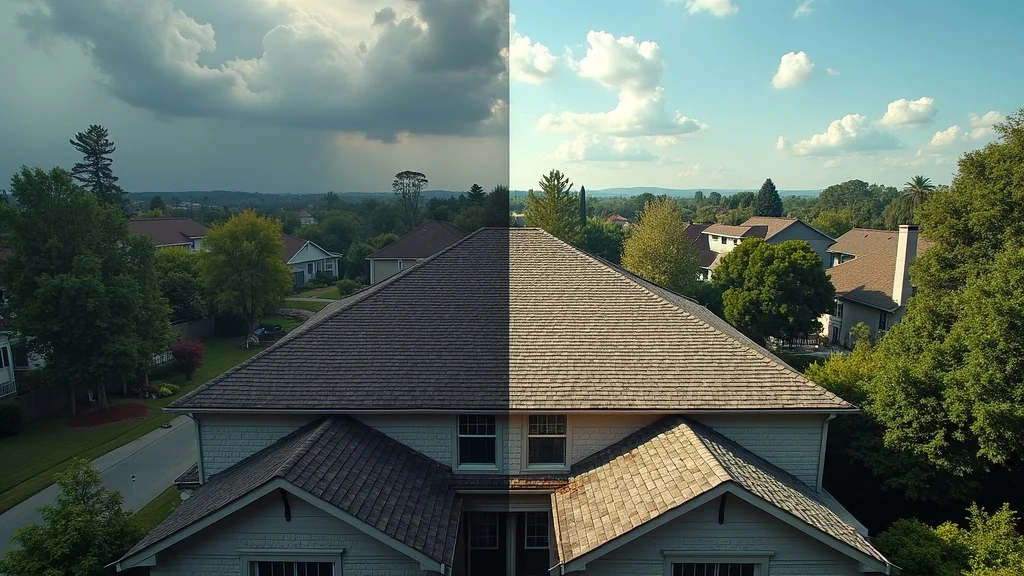
High-contrast split view of two house roofs: one damaged by a storm with missing shingles, the other showing subtle age wear and granule loss — demonstrating storm damage vs roof wear and tear — photorealistic suburban scene with dramatic lighting

Defining Storm Damage vs Roof Wear and Tear

Understanding Storm Damage: Causes and Characteristics

  • Severe weather
  • Hail, wind, and rain impact
  • Immediate vs cumulative effects

Storm damage refers to roof damage caused by sudden, intense natural events—think hailstorms, high winds, or torrential rain pouring down during a specific storm. These weather events often leave behind a trail of lifted or missing shingles, dented flashing, or clusters of granule loss on your asphalt shingles. While the most obvious effects of storm damage like a fallen tree limb or scattered shingles may be spotted easily, others—like bruises from hail or subtle cracking—can go unnoticed until leaks appear.

The defining feature of storm damage is its abruptness and clear cause; there is often a direct line between a recent storm and the visible harm. Insurance companies frequently see insurance claims for hail damage or wind damage following severe weather. Often, the entire roof doesn’t need replacement, but if a large section is damaged, coverage may mandate it. Always document storm impacts as soon as possible by photographing lifted shingle areas, dents, and debris—these details help support your insurance claim before normal wear and tear can muddy the distinction.

Normal Wear and Tear: The Gradual Impact on Roof Longevity

  • Sun exposure
  • Aging materials
  • Routine degradation

Every roof faces normal wear and tear—the natural aging process fueled by sun exposure, fluctuating temperatures, and years of rain or snow. Over time, roofing materials lose flexibility and granules begin to wash away from asphalt shingles. Colors fade and the roof’s surface looks dull compared to new construction. These routine degradation signs are a far cry from sudden damage caused by storms, which tend to produce more erratic patterns and sharper breaks.

Unlike storm damage, normal wear is slow and predictable. You’ll see uneven granule loss, thinning spots, minor curling of shingle edges, and overall dullness. This “aging” is expected and not covered by most insurance policies. Continuous roof inspection helps spot small issues before they develop into costly repairs. Recognizing these gradual signs, versus dramatic impact from a specific storm, is essential when talking with an insurance adjuster or planning a roof replacement for an older roof.

Key Visual Cues: How to Spot Storm Damage vs Roof Wear and Tear
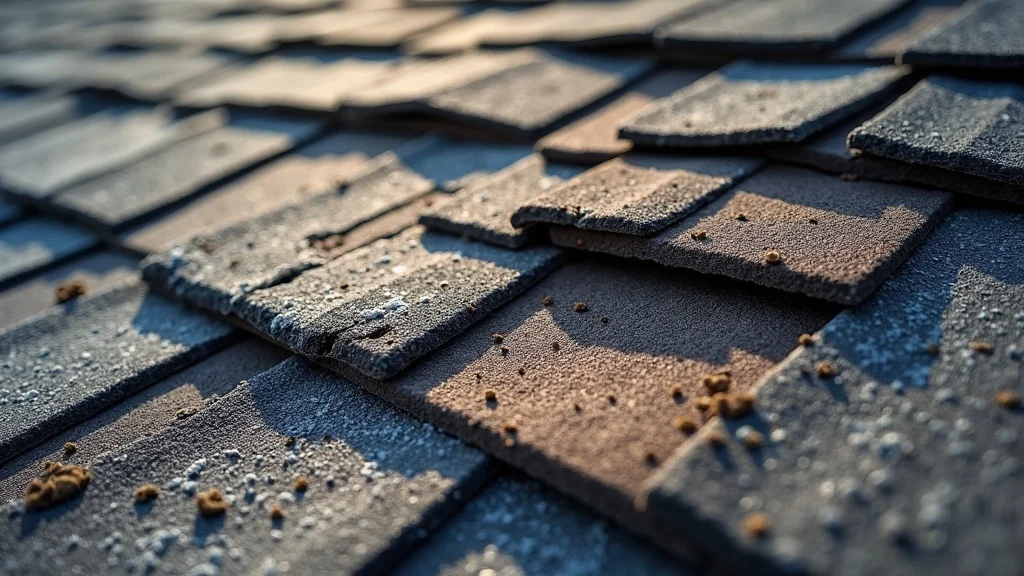
Detailed close-up of asphalt roof shingles: hail impacts, dark bruises (storm damage) adjacent to faded areas with granule loss (wear and tear) under bright sunlight — showcasing asphalt shingle textures and subtle debris from a recent storm
  • Shingle loss (storm damage)
  • Granule loss (wear and tear)
  • Structural vs superficial changes

Visual inspection is your first defense against escalating roof damage. The most telling signs of storm damage are missing shingles, clusters of dark bruising from hail damage, and dents or cracks caused by wind-blown debris. You might also spot lifted shingles or exposed underlayment after severe weather. These are significant red flags for insurance companies—documentation here is crucial to avoid your claim being dismissed as simple normal wear.

In contrast, normal wear and tear shows up as gradual granule loss across broad areas, shingle curling, fading, or slight cracking without a clear pattern. The effects are typically uniform, appearing as the entire roof ages, rather than abrupt and localized. Knowing how to distinguish storm damage (new, sharp, irregular) from routine degradation (old, even, predictable) gives you leverage when discussing insurance claims or negotiating repairs with a roofing company.

Comparison of Storm Damage vs Roof Wear and Tear: Visual Checklist
Indicator Storm Damage Wear and Tear
Shingle Appearance Missing, torn, or badly lifted shingles (often in clusters) Curling, cracking, or fading over large areas
Surface Texture Localized granule loss (around dents/impacts); bruises, dents from hail or debris Widespread gradual granule loss and smooth shiny spots
Pattern Irregular, often linked to a specific storm or side of the roof Uniform aging signs on all exposures
Underlayment Exposure Exposed underlayment, sometimes torn by flying debris, found after storms Rare, unless roof reaches end of its life span
Causation Documented severe weather incident, news, or community reports General long-term exposure, climate, and aging process

Roof Inspection: Evaluating for Storm Damage and Wear and Tear

  • Conducting a thorough roof inspection
  • When to hire a professional vs DIY
  • Documentation tips for both storm damage and normal wear

Conducting a roof inspection is a critical step in preserving your home and supporting future insurance claims. Begin with a routine walk-around after each recent storm, checking for obvious issues such as missing shingles, scattered debris, and punctures. Don’t forget to look inside your attic for signs of leaks, damp insulation, or water stains—these are often overlooked but can reveal early storm damage. For normal wear and tear, look closely at the shingle surface texture, color uniformity, and any spots developing shiny patches or granule loss.

If you spot suspicious roof damage—especially after severe weather—consider calling in a licensed professional. Roofing pros have trained eyes that can distinguish storm damage from normal wear, and their documented inspection reports carry weight with insurance companies. Always snap clear, time-stamped photos before making any changes so you have solid evidence if you need to file an insurance claim. Keeping records of maintenance and inspections is another way to ensure you get fair treatment during the claim process. The cost of professional help is minor compared to the risk of a denied claim or missed costly repairs.

Professional roofer performing a roof inspection, documenting storm damage and wear with notepad and camera on a residential roof after a recent weather event

Video Guide: Professional Roof Inspection for Storm Damage vs Roof Wear and Tear

The Role of Insurance: Storm Damage vs Roof Wear and Tear Claims

How Insurance Companies Assess Roof Damage and Normal Wear

  • Policy language differences
  • Typical exclusions for wear and tear
  • What constitutes a valid storm damage claim

Insurance policies are clear: most only cover sudden, accidental damage—not the predictable effects of aging. When you file an insurance claim after a severe weather event, the adjuster’s job is to spot the difference. Evidence of a specific storm damage incident, like scattered hail dents or entire missing shingles after a storm, is usually covered. In contrast, insurance companies will deny claims pointing only to gradual, normal wear and tear.

Review your policy to understand its stance on roof damage: look for exclusions related to older roof materials or maintenance clauses requiring routine roof inspection. Insurance companies favor clear timelines and supporting photos, so prompt, thorough documentation of both storm impact and typical wear strengthens your case. Be proactive, and know that even the best insurance company may reject claims if your documentation is vague or inconsistent with a recent severe weather report.

Tips for Filing an Insurance Claim for Storm Damage vs Roof Wear and Tear

  • Dos and don’ts when talking to adjusters
  • Common mistakes and red flags
  • Importance of documenting damage clearly

When it comes to insurance claims for storm damage vs roof wear and tear, success hinges on preparation and what you say. DO focus on observable, weather-specific roof damage with clear, date-stamped photos. DON’T admit to neglect, regular maintenance lapses, or mention that the roofing is simply “old. ” These admissions can turn a valid storm damage claim into a routine wear denial.

Common mistakes include failing to document all damage, starting repairs before the insurance adjuster visits, or using ambiguous descriptions like "minor issues. " It’s best to have a roofing company or inspector present during your adjuster’s assessment to help point out details supporting your case. Save all communications, and if you’re unsure, consult a public adjuster to be your advocate.

Expert Insights: Preventing Roof Damage from Storms and Normal Wear

"Routine roof inspections are your best defense against costly long-term repairs — and can be the key to a successful insurance claim after a storm. "

Preventive action is worth its weight in gold, especially when it comes to your roof. Scheduling seasonal roof inspections can address small issues before they require costly repairs or lead to leaks following the next severe weather event. Experts recommend that you address lifted shingles, clear gutters, and check flashing each spring and fall—and after any major storm. Prompt maintenance not only extends your roof’s lifespan but can be the difference between insurance approval and denial.

By making roof care a consistent routine, you strengthen your position with insurance companies and delay the need for expensive roof replacement. Plus, you protect your home’s structure and comfort as unpredictable weather patterns continue to challenge even the best-constructed homes.

Maintenance Best Practices: Guarding Against Storm Damage and Wear and Tear

  1. Seasonal inspection checklist
    • Inspect for loose, missing, or lifted shingles
    • Check attic for water stains and proper ventilation
    • Look for moss, lichen, or algae on roofing material
    • Evaluate flashing and sealants for cracks
  2. Gutter cleaning after severe weather
    • Remove storm debris, pine needles, and leaves promptly
    • Check for securely attached downspouts
    • Spot any granule deposits as an indicator of recent shingle damage
  3. Professional maintenance recommendations
    • Schedule a licensed roofer for annual comprehensive inspection
    • Repair small issues before they expand
    • Keep detailed records of repairs and inspections to help future insurance claims
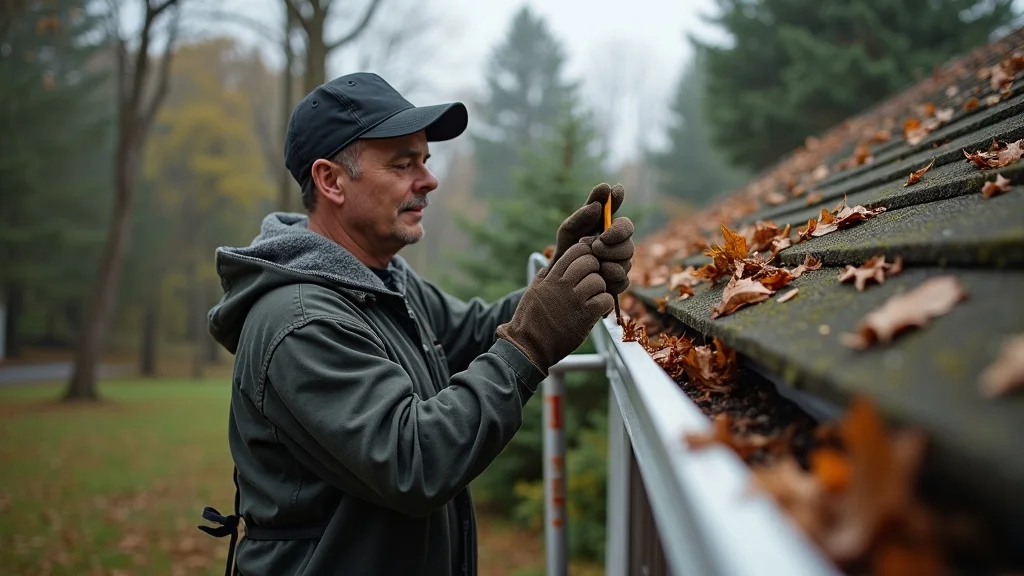
Homeowner cleaning gutters after storm, using gloves and scoop, standing on a ladder next to a one-story house roof with leafy debris — a maintenance best practice for storm damage and wear and tear prevention

People Also Ask: Storm Damage vs Roof Wear and Tear

What is the 25% rule in roofing?

  • The 25% rule refers to state regulations where replacement is required if more than 25% of the roof is damaged. How this impacts storm damage vs roof wear and tear decisions.

Infographic roof diagram highlighting 25% of shingles outlined, illustrating the 25% rule in roofing—a factor in storm damage vs roof wear and tear coverage

The “25% rule” applies in many states, mandating that if more than one-quarter of your roof is damaged by a single event—such as a specific storm—insurance companies may be required to pay for the entire roof replacement, not just the area that was harmed. This rule does not typically apply to normal wear and tear, which is considered the homeowner’s responsibility over time. Knowing this guideline can influence both how you approach an insurance claim and the recommendations a roofing company provides.

Will insurance cover storm damage to roof?

  • Coverage is typically available for sudden storm damage, but not for ongoing wear and tear. Policy details and claim documentation are crucial.

Most insurance policies do cover sudden and accidental storm damage if you report it promptly and document the loss with clear photos and inspection notes. However, gradual wear and tear or lack of maintenance isn’t covered. Always check your policy language for exclusions and speak with your insurance company before making repairs on a roof damage claim.

Can a roofer do my roof when it's 45 degrees out?

  • Most roofing can be performed in cooler temperatures, with considerations for material adherence and safety.

Roofing work—including repairs for storm damage or normal wear—can usually be done at 45 degrees Fahrenheit, though there are some material-specific precautions. Asphalt shingles can become brittle and may require gentle handling, and adhesives might set more slowly. Reputable roofing companies adjust techniques to ensure quality work even in cooler weather, maintaining warranty standards without compromising safety.

What not to say to a roof insurance adjuster?

  • Avoid admitting neglect, routine wear, or ambiguous statements. Focus on observable storm damage and proper documentation.

When meeting your adjuster, avoid saying phrases like “the roof is just old,” or “I haven’t had it checked in years. ” Instead, point to evidence of recent storm damage and have records on hand showing you’ve performed routine roof inspection and maintenance whenever possible. Keep your language clear, factual, and focused on immediate, observable damage.

Frequently Asked Questions: Storm Damage vs Roof Wear and Tear

  • How often should I inspect my roof for storm damage and wear?
    Inspect at least twice a year—spring and fall—and after any severe weather event. Regular checks are key to catching both storm damage and gradual wear and tear before problems escalate.
  • What if I’m not sure whether it’s storm damage or wear and tear?
    If unsure, hire a roofing company or professional inspector for an unbiased evaluation. They can help you distinguish between hail damage, storm impacts, and normal wear.
  • Can my insurance rates increase after a storm damage claim?
    While making a legitimate insurance claim for a weather event shouldn’t penalize you under most policies, repeated claims or evidence of neglect may impact renewal or rates. Always consult your insurance company for details.
  • Does maintenance impact claim decisions?
    Absolutely. Insurance companies prefer to see a record of regular roof inspections and repairs. Neglect can be grounds for denying a storm damage claim—even if your roof damage was caused by a recent event.

Friendly insurance adjuster meeting with homeowner outdoors, discussing roof damage inspection photos, set in front of the property with partial roof view — supportive claims conversation

Key Takeaways: Staying Ahead of Storm Damage vs Roof Wear and Tear

  • Early identification can save time, money, and insurance hassle.
  • Knowing the differences is crucial for coverage and maintenance.
  • Professional inspections provide leverage in successful insurance claims.

Final Thoughts and Next Steps

  • Don’t wait—take timely action on every sign of storm damage or roof wear and tear to avoid expensive setbacks.
  • Prevent costly repairs by scheduling regular inspections and leaning on roofing professionals for guidance.

🏡 Check If Your Roof Damage Qualifies for Insurance Coverage → “Upload a photo or book an inspection — we’ll handle the adjuster and paperwork for you.”

Step-by-Step Process: Uploading Roof Photos and Booking an Inspection

✅ Get a Free Roof Inspection in Rockville Today → Worried about a leak or missing shingles? Schedule a no-cost inspection with our licensed Rockville roofing experts.

Understanding the distinction between storm damage and normal roof wear and tear is crucial for homeowners, as it directly impacts maintenance decisions and insurance claims. To deepen your knowledge on this topic, consider exploring the following resources: “Storm Damage vs Wear and Tear: What’s the Difference and What Should You Do?” (milledgeroofs. com) This article provides a comprehensive overview of how to identify storm damage versus wear and tear, offering practical advice on subsequent steps to protect your home. “Roof Damage vs. Wear and Tear: How Insurers Try to Blame the Age of Your Roof” (itl. legal) This piece delves into the tactics insurance companies may use to attribute roof damage to aging, guiding homeowners on how to effectively counter such claims. By consulting these resources, you can gain a clearer understanding of roof damage assessment and navigate insurance processes more effectively.

Expert Insights

0 Comments

Write A Comment

*
*
Please complete the captcha to submit your comment.
Related Posts All Posts
04.05.2026

Unlocking Potential: How to Empower Your Team for Better Work

Update Empowering Your Team: The Key to Greater EfficiencyIn today’s fast-paced business environment, the ability to delegate effectively is more crucial than ever. Empowering your team to take ownership and make informed decisions not only strengthens their skills but also unleashes productivity in ways micromanagement simply cannot achieve. Research indicates that companies with highly engaged teams outperform their peers significantly, underscoring the importance of a culture of empowerment.The Struggle with MicromanagementMicromanagement is often mistakenly seen as a path to productivity. However, it leads to decreased morale and a toxic work environment. A study from Gallup reveals that empowered employees are 67% more likely to put in more effort at work compared to their less empowered counterparts. In light of these findings, it’s essential for leaders to recognize that empowerment is not just beneficial; it’s necessary for maintaining organizational effectiveness.Creating a Culture of EmpowermentTrue empowerment is not merely delegating tasks but requires intentional strategies to establish the right framework. Here are key elements to consider:1. Establish Clear GoalsEmployees perform better when they understand the overall objectives. Setting common goals while allowing individual paths to achieve them creates a sense of ownership. Collaborative brainstorming sessions can help harness diverse ideas that might lead to innovative solutions.2. Utilize Strengths-Based AssignmentsEmpowering team members begins with understanding their strengths. By assigning tasks based on individual capabilities, leaders can enhance productivity. Gallup's research indicates that employees who use their strengths daily are more engaged and less likely to leave the organization.3. Foster Open CommunicationTransparency is critical in creating an empowered team atmosphere. Leaders should aim to maintain open lines of communication, making themselves available for questions and feedback. This practice builds trust, allowing team members to feel secure in their decision-making abilities.4. Embrace Mistakes as Learning OpportunitiesIn an environment where employees feel safe to take risks, mistakes should be viewed as stepping stones to success. Positive reinforcement and constructive feedback can motivate team members to learn rather than fear repercussions.5. Be a Supportive MentorLeaders must model the behavior they wish to see in their teams. Offering mentorship and taking an active interest in team members’ career aspirations fosters mutual respect and increases overall team morale. A culture that celebrates small victories inspires team members to strive for excellence.Understanding the Four Essential Elements of EmpowermentTo build a truly empowered team, it is essential to grasp both its core foundations and practical aspects. This includes:AuthorityAuthority should align closely with the task at hand. Leaders must ensure that team members understand the boundaries of their decision-making powers.CapacityProviding adequate tools and resources is equally important. Investing in employee training enhances their ability to act decisively and improves workplace confidence.ContextEnsure team members comprehend how their individual contributions fit into the larger organizational mission. This strategic context helps align their objectives with the company’s goals.DesireFinally, motivating employees to take ownership of their roles is crucial. An emotionally supportive environment encourages employees to make decisions without fear of missteps.Final Thoughts: The Empowered WorkforceLeaders face the responsibility of shaping a work culture that fosters empowerment, thereby enabling their teams to deliver exceptional results. Empowerment is not just a tool; it is the backbone of a successful organization that values its people. By creating an environment where employees are encouraged to innovate and take the reins, organizations can witness significant improvements in performance and engagement.

04.03.2026

Step-by-Step Guide to Residential Solar Installation in Connecticut with Premier Improvements Solar Experts

Unlock Residential Solar Installation Savings: Adam Cooke’s Core Message to Connecticut Homeowners Residential solar installation in Connecticut isn’t just about reducing your electricity bill—it’s about making a long-term investment in your home’s value, energy independence, and environmental impact. Yet, as Adam Cooke of Premier Improvements Solar knows from decades of experience, many homeowners hesitate because they misunderstand the true financial benefits. According to Adam Cooke, “The biggest misconception people have is that they won’t save any money. The truth is, with the 30 percent federal tax credit and local incentives, the savings are real and significant. ” This pivotal truth refocuses the discussion: Connecticut’s solar opportunity is not merely about technology—it’s about taking decisive action now to maximize ROI before incentives expire. As a local, veteran-owned company at the forefront of Connecticut’s solar revolution, Premier Improvements Solar brings a level of expertise, integrity, and transparency rare in the energy industry. Their hands-on approach demystifies installation and demonstrates—through real homeowner journeys—how timing, planning, and partnership with the right installer transform energy bills and deliver enduring peace of mind. If you’re a homeowner, property manager, or sustainability consultant, understanding these steps and incentives can turn uncertainty into confidence, unlocking the significant savings available today. "The biggest misconception people have is that they won’t save any money. The truth is, with the 30 percent federal tax credit and local incentives, the savings are real and significant." – Adam Cooke, Premier Improvements Solar Why Timing Is Critical: Don’t Miss the 30% Federal Tax Credit Window According to Adam Cooke, there has never been a more critical time for residential solar installation in Connecticut. The highly coveted 30% Federal Solar Investment Tax Credit (ITC), which can save homeowners tens of thousands of dollars, is slated to expire soon. Adam Cooke emphasizes that “Understanding the installation process is crucial because this tax credit won’t last forever. Homeowners need to act now to maximize their financial benefits. ” For those on the fence, this isn’t just a sales pitch—it’s a well-supported financial fact. Missing out could mean paying full price for solar just a year from now, making today’s incentives a rare, fleeting advantage. The ITC isn’t the only incentive at risk. Connecticut-specific programs—like Green Bank financing and battery storage rebates covering up to 70% of installation costs—layer even more opportunity for savings. Industry-wide, the consensus is clear: the combination of federal and local support represents an unprecedented window of affordability for local homeowners. Premier Improvements Solar’s comprehensive consultation helps clients seize these opportunities before they disappear—empowering them to lock in rates, secure their rebates, and realize the full financial promise of residential solar installation. "Understanding the installation process is crucial because this tax credit won’t last forever. Homeowners need to act now to maximize their financial benefits." – Adam Cooke Step-by-Step Residential Solar Installation Process: Insights from Premier Improvements Far from being an overwhelming technical project, the residential solar installation process—when expertly managed—unfolds in a clear, logical sequence. Adam Cooke and Premier Improvements Solar combine advanced software, satellite imaging, and certified personnel to deliver tailored solutions, every step designed for performance and peace of mind. Their process typically includes an initial free consultation, precise system design, seamless permit handling, and high-efficiency panel installation—all integrated with, if needed, new Owens Corning Duration® roofing. As Adam notes, understanding this journey helps homeowners plan ahead, anticipate timelines, and ultimately achieve activation within three to four months. Take, for instance, the recent example from their portfolio: a homeowner needed a full roof replacement prior to going solar. Premier Improvements Solar installed a new high-performance Owens Corning roof, allowed 30 days for settling, and then seamlessly added solar panels. This holistic approach not only guaranteed hardware longevity and optimal system performance but also synchronized all construction and permitting deadlines—making integrated roof and solar upgrades accessible and worry-free for every client seeking lasting value from their investment. Integrating Roofing and Solar Panels: A Proven Strategy for Long-Term Success According to Adam Cooke, proper sequencing of roof work and solar panel installation is a game-changer for Connecticut homeowners. “For one recent customer, we installed a new Owens Corning roof first, then waited 30 days for it to settle before installing solar. The total timeline was just 3–4 months before system activation. ” This isn’t just a one-off case—it’s a proven strategy that Premier Improvements Solar has honed over many projects. Pairing a new roof with a top-tier solar system ensures that both investments are protected under comprehensive warranties, dramatically reducing future maintenance and eliminating redundant project costs. Homeowners benefit not only from hassle-free installation but also the powerful synergy of high-efficiency roofing and high-output solar electricity production. Comprehensive integration prevents the need for solar panel removal or roof repairs mid-lifecycle, a risk with piecemeal projects. This peace of mind is amplified by Premier Improvements Solar’s robust, 25-year warranties on both roof and solar components, ensuring that today’s investment in energy independence remains secure for decades. "For one recent customer, we installed a new Owens Corning roof first, then waited 30 days for it to settle before installing solar. The total timeline was just 3–4 months before system activation." – Adam Cooke Initial free consultation and customized solar system design using advanced software and satellite imaging Professional installation by certified specialists Permit and utility coordination handled Integration with high-efficiency Owens Corning roofing solutions Final system activation and real-time performance monitoring Maximizing Benefits: How to Choose Connecticut’s Best Residential Solar Installer Navigating the sea of solar installers in Connecticut can feel daunting—yet Adam Cooke’s advice distills the decision into three non-negotiable principles. First, “Stay local—support and trust a Connecticut-based company familiar with local regulations and incentives. ” Premier Improvements Solar’s local roots and 5-star customer reviews position it uniquely to anticipate town-by-town permitting quirks and secure maximum available incentives. Second, “Get multiple quotes to compare costs and services. ” This empowers homeowners to benchmark both pricing and value, instantly exposing outliers and high-pressure tactics. Third, and perhaps most importantly, “Choose experienced installers with proven track records and strong customer reviews. ” A certified, award-winning solar partner like Premier Improvements Solar translates advanced technical know-how into a frictionless experience, from the first site visit to flip-the-switch activation. Adam Cooke’s core message remains steadfast: informed comparison and trust in local expertise are the foundations of a successful, stress-free residential solar installation journey. Adam Cooke’s Top Tips for Homeowners Stay local – support and trust a Connecticut-based company familiar with local regulations and incentives Get multiple quotes to compare costs and services Choose experienced installers with proven track records and strong customer reviews "The key takeaway for homeowners: Stay local, get multiple quotes, and work with experienced installers to ensure smooth installation and maximum savings." – Adam Cooke Common Misconceptions Debunked: The Real Financial Impact of Residential Solar Installation Even with overwhelming evidence, several myths persist around residential solar installation. Adam Cooke has encountered these time and again, so let's set the record straight. The myth that "solar doesn’t save money" ignores the concrete savings unlocked through federal and state incentives, net metering, and optimized energy production, all of which can slash annual energy bills for most families. Equally misleading is the fear that installation drags on for ages—whereas, with proper planning and an experienced team, activation typically arrives within three to four months, including even large roofing projects. Lastly, concerns about complex integration with existing roofs are outdated. As Adam has demonstrated, integrating new Owens Corning roofing and solar panels is now a highly refined process, trusted by leading manufacturers and supported by extended joint warranties. By dispelling these myths, Premier Improvements Solar arms homeowners with the knowledge and confidence needed to move forward decisively, ensuring massive, long-term savings and a resilient home energy solution. Myth: Solar doesn’t save money – Fact: Federal and state incentives and net metering can significantly reduce energy bills. Myth: Installation takes too long – Fact: Typical installations take 3–4 months with proper planning. Myth: Complex integration with existing roofs – Fact: Combining new roofing with solar is a well-established process ensuring durability. Supporting Connecticut’s Sustainability Goals Through Smart Solar Investments Leveraging Connecticut-Specific Incentives for Maximum ROI According to Adam Cooke, Connecticut homeowners stand to benefit the most when leveraging available incentives, including the soon-to-expire federal tax credit, CT Green Bank financing, and robust net metering and battery rebates. These local programs make residential solar installation a powerful driver of both personal savings and statewide sustainability goals. By investing now, homeowners not only lock in years of direct utility bill reduction, but also advance Connecticut’s renewable energy transition—delivering lasting value for themselves and future generations. Premier Improvements Solar’s step-by-step guidance ensures no rebate or tax credit is left unknown or unused. Their systematic, transparent approach helps maximize every dollar of return on investment. When paired with high-performance panels and advanced battery storage solutions, including certified Tesla Powerwall and FranklinWH units, Connecticut families achieve both financial flexibility and true energy independence—protected against rising utility costs and grid volatility. 30% Federal solar investment tax credit (expiring soon) CT Green Bank financing options Net metering for energy credits Battery storage rebates covering up to 70% of costs Final Thoughts: Your Roadmap to Confident Residential Solar Installation in Connecticut The decision to pursue residential solar installation in Connecticut goes beyond immediate savings—it is an act of securing your energy future, increasing home value, and supporting state-wide clean energy progress. With the collective experience, transparent process, and local know-how of Premier Improvements Solar, homeowners are empowered to capitalize fully on today’s fleeting financial incentives and install with absolute confidence. As Adam Cooke underscores, “With expert guidance and local trust, homeowners can confidently invest in a solar future that offers energy independence and real financial savings. ” Now is the time to act: align with a proven expert, ensure seamless roof-solar integration, and make a decision that will benefit your family for decades. Don’t let uncertainty or misconceptions delay your energy freedom. From initial consultation to final system activation, the path forward is clear—and the rewards are both immediate and enduring. Let Connecticut’s top solar experts guide you as you unlock every possible benefit, build sustainability into your daily life, and lead by example in your community. Act now to capitalize on expiring tax credits Partner with local experts who understand Connecticut’s unique solar landscape Prepare for a seamless roof and solar installation process "With expert guidance and local trust, homeowners can confidently invest in a solar future that offers energy independence and real financial savings." – Adam Cooke Take the Next Step to Solar Savings Today Selected CTA For more info, visit: https://www.premierimprovementsone.com/ or Call: (860) 969-4006

04.03.2026

Master Downsell: Boost Sales Funnel Success with Effective Downsells

“Every sale has its own story.” Mastering downsell as a sales technique can convert hesitant prospects into loyal customers, positively influencing your bottom line. Downselling means offering a cheaper product when the initial offer or premium product is declined, turning hesitation into a purchase and enhancing customer lifetime value. Learn how to implement downsell strategies effectively within your sales funnel to boost conversions and build customer loyalty.Downsell’s Role in the Sales FunnelNot every potential customer accepts the initial offer or premium version. Downselling provides a lower price alternative that fits the customer’s price range, increasing the likelihood they will make a purchase. This customer-centric approach builds trust, creates loyal customers, and optimizes your sales funnel.“Downselling builds loyalty and opens doors to more sales.” – Hugh TafelRecognizing when a customer hesitates due to price allows you to offer a cheaper product that matches their budget. This sales technique secures the sale, supports customer success, and increases customer lifetime value. Combining upsells and downsells creates a balanced sales funnel that maximizes profit margin and customer satisfaction.Defining Downsell and Its Importance in Sales StrategiesA downsell is a sales technique where offering a more affordable alternative prevents losing potential customers after the initial offer is rejected. This guides customers through the sales funnel toward making a purchase. Downselling complements upselling, both essential sales strategies for maximizing revenue and customer satisfaction.Building Customer Loyalty with DownsellingDownselling plays a vital role in increasing customer loyalty and lifetime value. Offering a cheaper alternative during the checkout process shows empathy and flexibility, encouraging repeat purchases and future upsells. This sales and build strategy nurtures long-term relationships that improve your bottom line.Balancing Upsells and Downsells in Your Sales FunnelStrategically combining upsells and downsells addresses different customer needs and objections. Align product tiers and sequence offers to maintain brand integrity and enhance the customer experience, resulting in higher conversion rates and customer loyalty.Common Mistakes to Avoid in DownsellingAvoid undervaluing your products, overwhelming customers with too many options, or mistiming your downsell offers. Maintain positive messaging and integrate downsells authentically to preserve your brand’s reputation and build customer loyalty.Top Downsell Tactics for Sales SuccessTrack and analyze customer objectionsOffer relevant cheaper alternativesPersonalize your messagingCreate urgency with limited-time offersBundle downsells with added valueMeasure results and optimize strategiesFollow up to encourage future upsellsFAQs on DownsellingHow to introduce a downsell without devaluing your brand? Emphasize how the product matches customer needs and use positive, solution-focused language.Which industries benefit most from downsell techniques? SaaS, e-commerce, retail, healthcare, and education sectors see strong results.How often should downsells be offered? Use sales funnel data to trigger downsells at key dropoff points, avoiding overuse.Key TakeawaysDownselling is a strategic sales technique that increases sales and builds customer loyalty.Timing and presentation are critical for effective downsells.Balance upsells and downsells to optimize your sales funnel.Source: Double Your Profits via Subtle 2% Improvements – The Ultimate Guide to Increased Profits for Every Business or Profession by Hugh Tafel. All rights reserved.Source: https://streetsmartsmba.pro/free-book

Terms of Service

Privacy Policy

Core Modal Title

Sorry, no results found

You Might Find These Articles Interesting

T
Please Check Your Email
We Will Be Following Up Shortly
*
*
*