

Imagine walking into a modern office space to find flickering lights, a failing HVAC system, and frustrated employees—businesses depend on seamless facility operations to keep productivity high and costs low. Yet, as any experienced facility manager knows, effective facility maintenance isn’t just about quick fixes; it’s about proactive management, dedicated teams, and the right tools to keep everything running smoothly. Struggling with facility maintenance? Here's the fix: this guide will break down top challenges, actionable solutions, and proven strategies for property managers, business owners, and anyone tasked with keeping commercial buildings in top condition.
Identifying Facility Maintenance Challenges for Business Owners and Facility Managers
Common facility maintenance obstacles faced by organizations: Constant equipment failures, emergency repairs, difficulty tracking work orders, and juggling scheduled maintenance tasks with urgent requests.
The role of maintenance management in modern facilities: Modern maintenance management focuses on preventative planning, smart resource allocation, and using facilities management software to reduce downtime and extend asset life.
Why proactive facilities maintenance matters: Preventing problems before they escalate protects investment, keeps staff and visitors safe, and reduces costly emergency repair scenarios with your facility maintenance program.
"A well-maintained facility is the backbone of operational success." — Leading Facility Manager

What You'll Learn About Facility Maintenance
Clear definitions of facility maintenance, maintenance management, and facilities management
How to implement effective preventive and predictive maintenance
Key responsibilities of a facility maintenance technician and manager
Modern tools, software, and schedules for streamlined facility maintenance
Understanding Facility Maintenance: Meaning, Scope, and Importance
Facility Maintenance Defined
Facility maintenance refers to the ongoing care, repair, and proactive upkeep of buildings, building systems, and equipment within a property or commercial building. It includes building maintenance—addressing HVAC unit issues, lighting, plumbing, and safety—as well as broader maintenance management, work order tracking, and regulatory compliance. Facilities maintenance ensures not only the asset life of physical structures but also the efficiency of operations and occupant comfort. Effective facilities management results in safer, cleaner, and more functional environments where asset life is preserved through scheduled maintenance, predictive analytics, and skilled maintenance teams.
The Impact of Facilities Maintenance on Business Continuity
Robust facility maintenance is critical for business continuity, ensuring that unexpected equipment failures or emergencies do not disrupt operations. Poor building maintenance can result in more frequent downtime, reduce productivity, and lead to unnecessary costs for emergency repair. By integrating property maintenance—like landscaping and exterior care—with routine facilities maintenance tasks such as HVAC servicing and internal repairs, businesses can mitigate risk, protect their people, and sustain reliable operations. In short, ongoing facilities maintenance directly influences business outcomes by preventing interruptions and enabling smoother day-to-day functioning.
The Facility Manager’s Role in Effective Maintenance Management
Key Responsibilities of Facility Managers
A facility manager is responsible for overseeing all aspects of facility maintenance, from the initial submission of a work order to the completion of complex repairs. This includes reviewing building system needs, managing maintenance teams, prioritizing maintenance tasks, and balancing the daily demands of work orders versus long-term maintenance schedule goals. Facility managers also serve as vital communicators between property owners, tenants, and vendors, ensuring expectations are met and safety guidelines are followed.
Skills and Certifications for Facility Managers
Building maintenance expertise: Facility managers must understand electrical, mechanical, plumbing, and HVAC systems. They use this expertise to coordinate preventive and corrective maintenance across the property while anticipating future needs.
Safety, compliance, and scheduling: In addition to technical knowledge, managers need up-to-date safety certifications and mastery of scheduling software solutions. They must coordinate inspections, ensure OSHA and local code compliance, and keep accurate digital records of all maintenance activities.
"Effective maintenance management demands technical knowledge and strong communication."

Types of Facility Maintenance: A Complete Breakdown
Preventive Maintenance
Definition and key processes: Preventive maintenance involves scheduled, routine actions like HVAC inspections, filter replacements, equipment lubrication, and lighting checks to avoid unexpected breakdowns. This structured maintenance program keeps assets running smoothly and extends asset life.
Example maintenance schedule: A facility manager may schedule quarterly HVAC checks, monthly safety inspections, weekly lighting audits, and bi-annual fire safety testing—each with corresponding work orders logged in facility management software.
Predictive Maintenance and Modern Technology
Predictive maintenance uses data-driven insights from sensors, monitoring equipment, and facility management software to forecast the likely timing of a maintenance task. For instance, sensors may track vibration trends in motors or HVAC system temperatures. When data indicates wear or imminent failure, managers can schedule maintenance work only as needed, reducing unnecessary repairs and optimizing resources.
Corrective and Routine Building Maintenance
Corrective maintenance addresses issues once a problem is detected, such as fixing a leaking pipe or responding to a failed light fixture. Routine building maintenance covers repetitive, low-complexity activities like janitorial work, groundskeeping, or regular waste disposal. Both are critical parts of a complete maintenance management strategy in commercial buildings.
Best-in-class facility maintenance programs combine preventive, predictive, corrective, and routine tasks—coordinated through digital work order systems—to ensure nothing falls through the cracks and emergency repairs are minimized.
Overview Table: Four Types of Maintenance
Type of Maintenance |
Description |
Benefits |
Example |
|---|---|---|---|
Preventive Maintenance |
Scheduled inspections and tasks to prevent failures |
Longer asset life, reduced downtime, fewer emergency repairs |
Quarterly HVAC unit servicing |
Predictive Maintenance |
Data-driven repairs based on sensor monitoring and analytics |
Only repair what’s needed, optimized costs, extended equipment life |
Real-time alerts for motor vibration issues |
Corrective Maintenance |
Repairs made after fault or breakdown occurs |
Fixes urgent issues, necessary for unforeseen faults |
Emergency repair of failed elevator |
Routine Maintenance |
Regular, repetitive low-level upkeep and cleaning |
Maintains basic facility standards, cleanliness, and safety |
Daily janitorial services |

Developing a Solid Maintenance Schedule for Facility Maintenance
Why Maintenance Scheduling is Critical
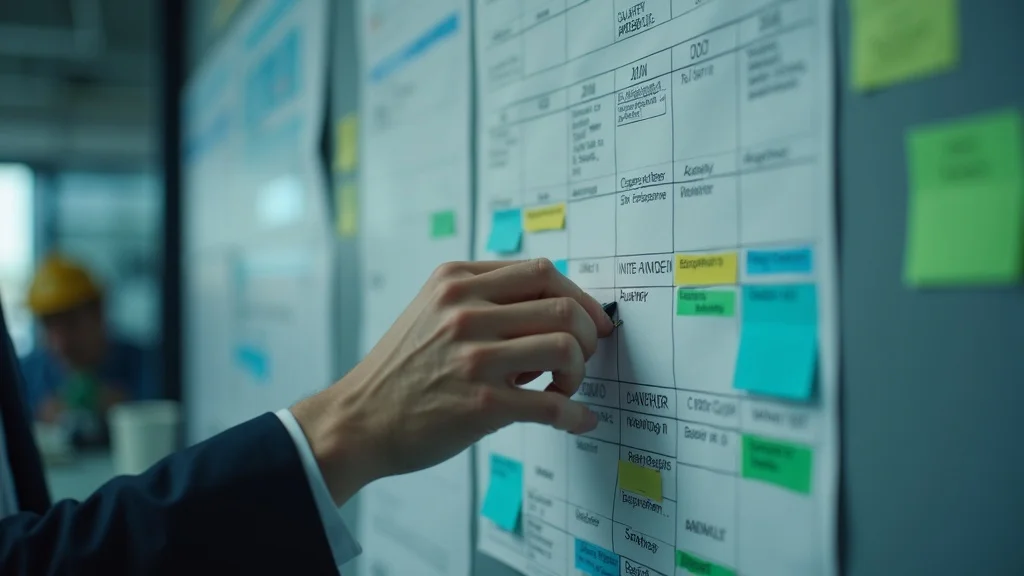
Creating and following a clear maintenance schedule is the foundation of proactive facility maintenance. Without consistent scheduling, critical maintenance tasks such as HVAC checks, safety inspections, and routine equipment lubrication can be overlooked, leading to costly equipment failure or emergency repairs. A structured schedule enables facility managers to evenly distribute workload, keep all assets running smoothly, and ensure regulatory compliance. Maintenance schedules also empower teams to manage work orders more efficiently, reducing downtime across commercial buildings or property portfolios.
Maintenance Schedule for Commercial Buildings
Use a template that covers daily, weekly, monthly, and annual work orders such as fire extinguisher inspections, HVAC maintenance, predictive sensor checks, and pest control audits.
Inspections should be logged digitally for easy tracking, while automatic alerts from facility management software help keep schedules on target.
Maintaining a maintenance schedule ensures no essential procedure—like electrical panel checks or water leak detection—is missed, minimizing both minor disruptions and major failures for business owners and property managers.
The Power of Maintenance Management Software in Facility Maintenance
Key Features of Facilities Management Software
Work order automation and record-keeping: Today’s facility management software streamlines every phase of maintenance management. Features include automated work order creation, easy digital record archiving, searchable maintenance history, asset tracking, and real-time notifications for scheduled or overdue maintenance tasks.
Streamlining Work Orders and Predictive Maintenance
Real-time monitoring and alerts: Maintenance management software is critical for predictive maintenance, leveraging sensor integration to provide real-time insights and instant alerts to facility managers. This lets teams respond rapidly to anomalies, preventing equipment failure and enabling smarter, data-based decisions for commercial building operators.
Facility Maintenance Technicians: Frontline Experts in Maintenance Work
Roles and Responsibilities of a Facility Maintenance Technician
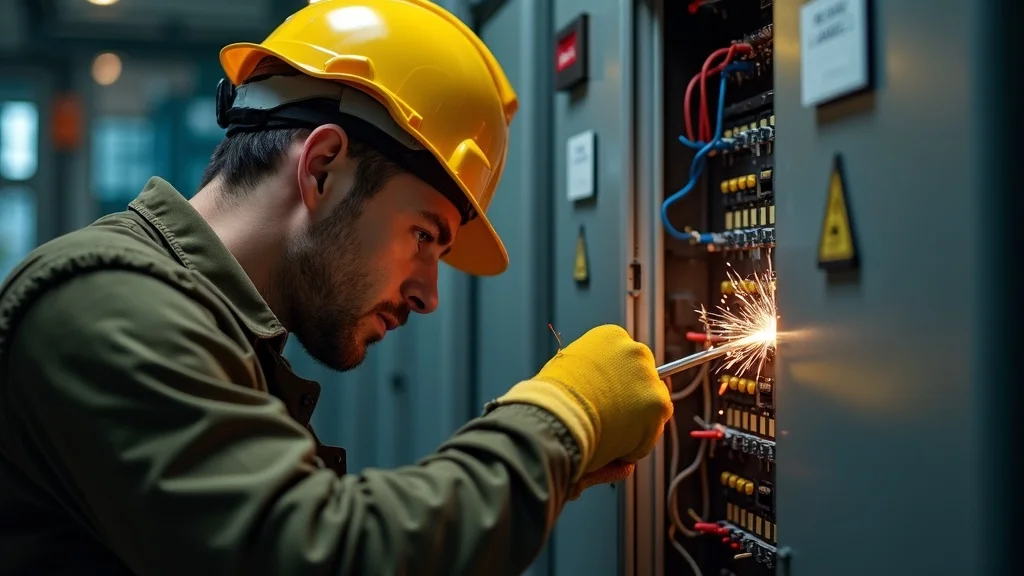
A facility maintenance technician is responsible for performing routine building maintenance, handling minor repairs, completing preventive maintenance tasks, and responding to urgent work orders. Technicians act as the eyes and ears of the maintenance program, diagnosing issues in HVAC, lighting, electrical, and plumbing systems. Their expertise is key to preventing equipment failures and ensuring all scheduled maintenance is meticulously executed.
Maintenance technicians also play a significant role in keeping digital and manual records, reporting anomalies to facility managers, and contributing to a collaborative, efficient maintenance team.
Training, Certifications, and Career Pathways
Essential skills: Maintenance technicians must understand technical systems, adhere to safety protocols, and continue developing specialized knowledge. Certifications such as HVAC, electrical, or plumbing, as well as digital literacy for management software, are increasingly valuable.
Career pathways are diverse, from junior maintenance assistant to senior technician, supervisor, or eventually facility manager, with demand for skilled professionals growing in all commercial property sectors.
Facility Maintenance in Commercial Buildings and Properties
Unique Needs in Commercial Properties
Commercial properties present unique facility maintenance challenges, including larger HVAC systems, stricter safety standards, and higher foot traffic compared to residential settings. Property maintenance covers external grounds and landscaping, while facility maintenance focuses on the ongoing care of building systems and interiors. Coordinating both is key to effective facilities management and to supporting business continuity in commercial buildings.
Facility Maintenance for Multiple Sites
Scaling maintenance management for multiple commercial sites demands centralized schedules, shared work order platforms, and an organized team structure. Facility managers overseeing several locations benefit from software solutions that give holistic overviews, enable fast resource reallocation, and ensure that best practices are standardized for all properties under their care.
Best Practices and Lists for Effective Facility Maintenance
-
Top 10 Facility Maintenance Best Practices:
Develop comprehensive preventive maintenance schedules.
Leverage predictive maintenance tools and sensors.
Centralize work order submissions and records with software.
Regularly train the maintenance team on new technologies.
Conduct periodic facility audits and inspections.
Pursue ongoing certification and skill development.
Track asset life and replacement cycles for key equipment.
Implement safety and compliance checks into every maintenance task.
Encourage open communication among facility managers, technicians, and occupants.
Review vendor and contractor performance regularly.
-
Essential checklists for maintenance managers:
Daily, weekly, and monthly maintenance tasks logged in management software
SOPs (standard operating procedures) for emergency repairs and equipment failures
Inspection logs and compliance documentation
Inventory of critical spare parts
-
Tips for improving preventive maintenance strategies:
Analyze failure data and maintenance histories to refine schedules
Automate alerts for overdue tasks
Establish clear performance metrics for maintenance work
Create cross-training opportunities for maintenance technicians

People Also Ask
What is the meaning of facility maintenance?
Facility maintenance refers to the comprehensive care, repair, and ongoing upkeep of buildings, systems, and equipment within a property or commercial building. This ensures that all aspects of facility management—like electrical, HVAC, lighting, and safety systems—are maintained for smooth operation and asset longevity.
Is FM a good career?
Facility maintenance and management offer stable, rewarding career paths with opportunities for advancement, technical training, and specialization. The demand for expert facility managers and technicians continues to grow as businesses increasingly value efficient facility operations and asset management.
What are the 4 types of maintenance?
The four primary types of facility maintenance are preventive, predictive, corrective, and routine maintenance. Each plays a vital role in the overall strategy of maintenance management for commercial buildings and properties.
What does a facility maintenance person do?
A facility maintenance person is responsible for routine inspections, repairs, preventive maintenance, responding to work orders, and ensuring safety and operational efficiency in a facility. They form the backbone of any maintenance program, handling both scheduled and emergency maintenance work.
FAQs: Facility Maintenance Essentials
How does predictive maintenance differ from preventive maintenance in facility maintenance?
Predictive maintenance relies on sensor data and analytics to anticipate specific equipment failures, allowing maintenance to occur only when it's truly needed—reducing unnecessary tasks. Preventive maintenance, by contrast, follows a set schedule regardless of system status, aiming to prevent failure through routine inspections and tasks.
What tools are essential for facility managers in maintenance management?
Essential tools include facilities management software, mobile devices for digital work orders, asset tracking platforms, and sensor-based monitoring systems for predictive maintenance. These tools allow facility managers to efficiently assign, track, and confirm maintenance activities across commercial buildings.
How can facility managers streamline work orders more efficiently?
Facility managers can streamline work orders by centralizing all requests in digital management platforms, automating notifications for overdue or upcoming tasks, assigning priorities, and keeping transparent communication channels open with technicians and stakeholders. This approach ensures fewer manual errors and faster response times for maintenance work.
Key Takeaways for Achieving Effective Facility Maintenance
Regular facility maintenance is crucial for asset life and safety
Preventive and predictive maintenance strategies minimize downtime
Facility maintenance software and skilled technicians drive efficiency
Ready to Transform Your Facility Maintenance?
Get Started with a Free Quote or call (508) 799-9019.



Write A Comment