Add Row
Add Element
UPDATE
Add Element
  • Home
  • Categories
    • Entrepreneurs
    • Growth Stories
    • Expert Insights
    • Innovators
    • Franchise and Expansion
    • Tools and Services
    • Commercial Property
    • Trends
July 15.2025
1 Minute Read

Struggling with HVAC? Here's the Fix for Common Issues

"Did you know up to 50% of American homes experience some form of HVAC failure every year?" This staggering statistic underscores the importance of regular HVAC maintenance and timely repairs by qualified HVAC contractors to ensure home comfort and energy efficiency.

If you’ve ever woken up to a freezing house or suffered through an unexpected wave of summer heat indoors, you’re not alone. The HVAC industry reports that nearly half of all American homes experience HVAC system hiccups annually, leading to discomfort, health risks, and increased energy costs. Today's HVAC systems are more advanced and complex than ever, but that also means troubleshooting failures and keeping up with evolving regulations can seem overwhelming. In this in-depth editorial, we'll dive into common HVAC headaches, provide actionable fixes, unpack regulatory changes coming in 2025, and share expert contractor strategies. By the end, you'll know exactly how to regain control of your home's climate and save money while doing it.

Recognizing the Most Common HVAC Problems—and How to Fix Them

Modern HVAC systems are the backbone of home comfort and safety, yet issues like poor airflow or strange noises can quickly turn your sanctuary into a source of stress. Understanding the core problems and knowing how to respond not only preserves your peace of mind but can also prevent costly repairs down the line. For example, frequent cycling—when your unit turns on and off more than it should—often signals a dirty air filter, while inconsistent room temperatures could reveal challenges with ductwork or a failing thermostat.

Experienced HVAC contractors continually emphasize the importance of proactive HVAC maintenance, as small issues can quickly escalate into costly system failures. Consider the impact of unchecked refrigerant leaks: not only can these diminish efficiency and cause uneven cooling, but new EPA regulations mean you could face higher costs for repairs. An experienced HVAC contractor can spot these red flags early, ensuring that your system complies with both safety standards and environmental requirements. To avoid discomfort and unnecessary expenses, it’s essential to stay informed and follow advice from trusted HVAC contractors who recommend preventative maintenance.

Spotting early warning signs—such as unusual noises, inconsistent cooling, or sudden spikes in your energy bill—can help you address issues before they escalate. For a practical guide on what to watch for and how to respond, explore these air conditioning repair tips and warning signs of a faulty AC to keep your system running smoothly.

Why Your HVAC Matters: Essential Comfort and Safety

Your HVAC system is far more than a luxury—it’s a safeguard for your family’s health and well-being. Properly functioning HVAC equipment helps maintain even temperatures, filters out allergens, and keeps hazardous carbon monoxide at bay. As the HVAC industry evolves with increasing focus on energy efficiency and decarbonization, these systems play a critical role not just in comfort but in reducing your home's global warming potential and environmental footprint.

Ignoring minor HVAC system malfunctions can trigger a domino effect impacting your energy bills and your home’s air quality. Chronic issues like unusual odors or unexpected power bills aren’t just inconveniences—they’re indicators that something major could go wrong. Today’s smart thermostats and connected HVAC systems provide even more control, but only when maintained and calibrated by professionals knowledgeable in both classic and emerging technologies. Understanding why your HVAC unit matters means respecting its central role in daily life and staying vigilant about maintenance needs.

Happy young Asian woman working remotely from home with laptop and tablet while adorable little daughter hugging from behind
  • Poor airflow from vents

  • Frequent cycling or inconsistent temperatures

  • Unusual noises or odors

  • Unexpected increases in energy bills

Real-World Examples: Troubleshooting Common HVAC Headaches

Let’s break down a few real-life HVAC scenarios homeowners frequently encounter and show how to respond. When your central air blows warm air instead of cool, the most likely culprit is either low refrigerant or a clogged filter. Swapping out the air filter is a quick DIY fix, but low refrigerant means it’s time to call a certified HVAC contractor, especially as refrigerant transition laws tighten.

If you’re hearing strange noises—like grinding, squealing, or rattling—during startup, worn motor bearings could be the reason. Not addressing these noises promptly may result in expensive repairs or even total HVAC system failure. Often, the smartest step is to schedule preventive maintenance with skilled HVAC contractors . Don’t wait until the problem makes your home unlivable.

Common HVAC Symptoms and Solutions

Symptom

Likely Cause

Recommended Action

Warm air instead of cool

Low refrigerant or clogged filters

Check the air filter, call HVAC contractor

Strange noise on startup

Worn motor bearings

Schedule preventive maintenance

Thermostat not responding

Wiring issue or dead batteries

Replace batteries, inspect wiring

hvac technician inspecting indoor air handler with flashlight and multimeter

Understanding the Modern HVAC Industry: Rapid Change and New Challenges

The past few years have brought unprecedented changes to the HVAC industry . From new safety standards and the evolving landscape of EPA regulations on refrigerants to technology leaps—like smart thermostats and advanced diagnostics—the industry is experiencing its biggest shakeup since the widespread adoption of air conditioning. These updates can make sense for energy savings and environmental concerns, but they also create uncertainty for homeowners, HVACR industry professionals, and anyone with aging HVAC equipment .

The ripple effect across supply chains and product lines has been massive, with delays and price hikes for certain parts, and an ongoing push for decarbonization. As energy efficiency becomes not only a goal but a regulatory requirement, staying ahead of the curve is now essential for both comfort and compliance. Homeowners who keep in touch with trustworthy HVAC contractors can more easily navigate this shifting field, ensuring they’re ready for the next generation of regulations and technology.

How the Refrigerant Transition Is Impacting the HVAC Industry

"The refrigerant transition is the single biggest regulatory change to affect HVAC contractors in a decade." — Industry Analyst

The move away from high-global-warming-potential refrigerants is remaking the HVAC industry . This refrigerant transition , mandated by EPA regulations and motivated by climate goals, is upending availability and compliance standards. Contractors and suppliers are scrambling to adapt to new legal limits and find low- warming potential substitutes. For homeowners, this means higher upfront costs if your HVAC system needs refrigerant and increased urgency to transition to approved solutions.

Navigating refrigerant transitions isn’t just a technical challenge; it’s also about interpreting rapidly changing rules. Some older systems may become obsolete as certain refrigerants are banned, which is why staying informed about your unit’s specifications—and discussing your options with a knowledgeable HVAC contractor —is paramount.

The Evolving Role of HVAC Contractors and Advancements in Technology

The role of HVAC contractors is rapidly evolving to include expertise in new HVAC technologies, EPA regulations, and smart system cybersecurity. No longer simply mechanical troubleshooters, today’s contractors must act as both technical experts and trusted advisors—well-versed in the nuances of new HVAC technology, environmental compliance, and even cybersecurity related to smart systems. Staying on top of EPA regulations and the state of the HVAC industry helps contractors offer up-to-date solutions that keep homes comfortable and in compliance with the latest safety standards.

In this new era, contractors are also driving the adoption of connected thermostats, remote diagnostics, and more energy-efficient HVAC systems . These advances mean better performance and reliability for your home, with an eye on both efficiency and decarbonization. Connecting with forward-thinking HVAC professionals gives you access to the latest innovations—and the peace of mind that your home is built to withstand whatever the future holds.
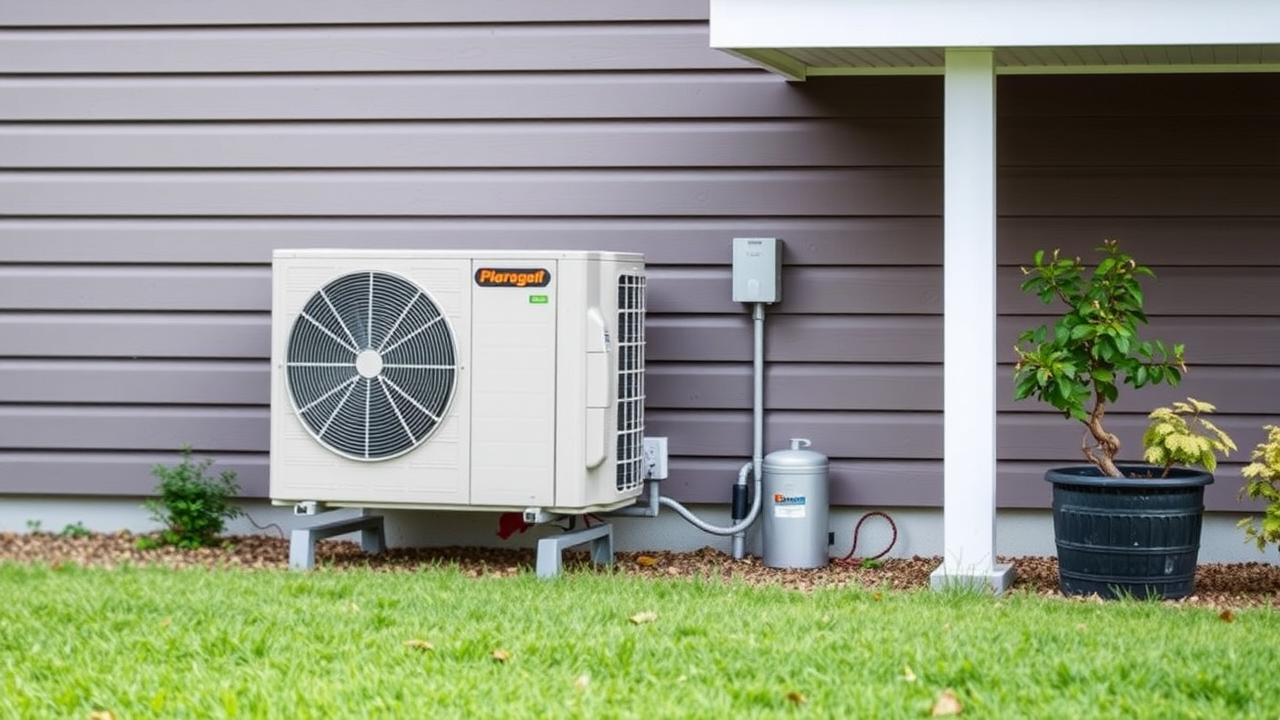
Strategies from Leading HVAC Contractors: Staying Informed and Prepared

Knowledge is power in the rapidly evolving HVAC industry . With regulations, technology, and product lines constantly shifting, the best defense against expensive surprises is proactive diligence. Leading HVAC contractors recommend that homeowners stay informed by subscribing to reputable HVAC industry newsletters, attending webinars, and asking detailed questions during service visits. Owners who make sense of these trends are positioned to adapt on their terms, not under last-minute pressure.

Taking existing HVAC system maintenance seriously isn’t just about comfort—it’s protection against new regulations and supply chain disruptions. Inquire about available annual maintenance programs, check with contractors about looming refrigerant rules, and insist on thorough documentation after every service. Industry transparency and preparation will become your best tools as the HVAC landscape continues to evolve.

Staying Informed: Why Homeowners Must Pay Attention to HVACR Industry News

  • Enroll in annual maintenance programs

  • Ask about refrigerant compliance before repairs

  • Request detailed reports from your HVAC contractor

Keeping tabs on the latest HVACR industry news gives homeowners a head start in managing their systems, as they can anticipate regulatory and technological changes well before they impact daily life. Steps like requesting service records and monitoring for relevant industry shifts are the practical foundation for smooth, uninterrupted home comfort.

Don’t wait until you experience the biggest challenge with your HVAC—embrace proactive learning and choose experienced contractors to guide you through the evolving landscape.

What You'll Gain by Mastering Your Home’s HVAC: Comfort, Efficiency, and Cost Savings

The benefits of truly understanding and maintaining your HVAC system extend well beyond basic comfort. By investing in regular maintenance and staying on top of regulatory changes, you can significantly improve efficiency and lessen monthly utility expenses. In the face of ongoing refrigerant transition and increased scrutiny on home energy use, being proactive leads to substantial financial rewards.

Homeowners who invest energy and attention into their HVAC systems frequently see higher resale values, improved air quality, and peace of mind, knowing they’re protected against breakdowns and able to capitalize on federal incentives for efficiency upgrades. As society aims for smarter, greener living, mastering these systems positions you ahead of the curve.

  1. Prevent unnecessary HVAC breakdowns

  2. Reduce monthly energy costs

  3. Prolong the lifespan of your HVAC system

Sometimes, seeing is believing. Explore video guides covering real-world troubleshooting, repairs, and maintenance routines demonstrated by leading HVAC contractors . These visual resources make it easy to understand each step—from filter changes to full system diagnostics—helping you handle minor issues confidently while knowing when to call a professional.

The evolving landscape of hvac industry challenges means there are new approaches to traditional problems. Watching skilled contractors in action shines a light on the best practices that keep your home comfortable year-round, regardless of what curveballs the latest regulations or technologies throw your way.

Watch: Top 5 Most Common HVAC Problems Solved by Leading HVAC Contractors

Video content provides a front row seat to industry best practices as HVAC professionals tackle everything from poor indoor air quality to troubleshooting complex control systems. Observe the problem-solving skills of expert HVAC contractors , and discover actionable tips for keeping your own system running like new.

Whether you’re replacing a thermostat, identifying sources of uneven heating and air, or coping with refrigerant leaks, seeing professionals address real-life problems enhances your understanding and helps you communicate effectively during service visits.

People Also Ask: What is changing with HVAC in 2025?

Key Regulatory Shifts Shaping the HVAC Industry in 2025

The year 2025 marks a major turning point for the HVAC industry , with several pivotal regulatory updates taking effect. Notably, there are new EPA regulations on refrigerants , targeting high-global-warming-potential chemicals to fight climate change. This means older HVAC systems relying on phased-out refrigerants may become more costly—or impossible—to repair.

Compliance will require not only technical changes but also attentive documentation and proof of proper refrigerant handling. Industry experts and analysts—including vice president-level executives at leading manufacturers—agree these new standards are reshaping the design, installation, and long-term maintenance of all major product lines across the country.

futuristic cityscape with advanced eco-friendly hvac infrastructure and smart grid

People Also Ask: Where is the HVAC convention 2025?

Navigating the 2025 HVACR Industry Events and Networking Opportunities

The most influential networking event for the HVACR industry in 2025 will be the AHR Expo, taking place in Chicago. This convention brings together leading HVAC contractors , manufacturers, technology providers, and analysts, showcasing the latest innovations, compliance solutions, and energy-efficient product lines.

Attending industry conventions like this offers a unique opportunity to stay informed about crucial EPA regulations , connect directly with manufacturers, and explore high-efficiency equipment before it hits the broader market. For contractors and homeowners alike, these events are essential for understanding the evolving landscape and preparing for the future of home comfort.

People Also Ask: Is refrigerant banned in 2025?

Refrigerant Bans and What They Mean for Your Home’s HVAC System

In 2025, several high-global-warming-potential refrigerants—including some widely used in older HVAC systems —will officially be banned or heavily restricted. This change, driven by international environmental agreements and American EPA regulations , aims to dramatically reduce the environmental impact of heating and air equipment.

For homeowners, this may require either an upgrade to an approved system or replacement of banned refrigerants under professional supervision. HVAC contractors can help determine if your equipment is affected and outline options for transition, from retrofitting compatible systems to complete unit replacement. The key takeaway: don’t wait until 2025 to act if your unit may soon be out of compliance.

People Also Ask: Should I buy a new HVAC unit before 2025?

Weighing the Pros and Cons of Upgrading Your HVAC Before New Rules Arrive

Deciding whether to replace your HVAC system before the 2025 rule changes requires balancing several factors: system age, current maintenance needs, ongoing repair costs, and regulatory compliance. While upgrading may mean higher upfront costs, it can save you in the long run through reduced energy expenses and access to federal incentives targeting high-efficiency equipment.

On the flip side, recent models may be eligible for retrofitting to accommodate new refrigerants. Consult with an HVAC contractor who’s up-to-date on regulations and product lines—they’ll help you evaluate the best path forward, ensuring long-term savings and hassle-free operation.

Insights from Top HVAC Contractors and Industry Leaders

Leading voices in the HVAC industry agree that staying informed about HVACR industry changes is crucial, as these shifts present both challenges and opportunities for homeowners and contractors alike. Panel discussions featuring seasoned HVAC contractors , analysts, and company vice presidents offer invaluable insights on navigating the regulatory maze, adapting to emerging technologies, and managing supply chain uncertainties.

These videos synthesize the collective wisdom of the industry, helping both homeowners and professionals prepare for the unknowns ahead. Topics range from decarbonization strategies and safety standards to keeping pace with increasingly connected HVAC systems . Staying informed means you’re not just reacting to industry shifts—you’re prepared to thrive as they unfold.

FAQs About HVAC: Your Most Pressing Questions Answered

How often should I have my HVAC inspected?

Industry experts recommend scheduling a professional HVAC system inspection at least once a year, preferably in the spring or fall. Regular check-ups catch minor problems before they become costly breakdowns, extend the lifespan of your unit, and keep energy bills in check. If your system is older or you’ve recently experienced issues, consider more frequent inspections.

Are smart thermostats compatible with every HVAC system?

While smart thermostats work with many modern HVAC systems , compatibility isn’t universal. Some older equipment or multi-stage heating and air units may require adapters or specialized installation. Always consult your HVAC contractor to confirm that the thermostat you choose will function safely and correctly with your system.

What should I look for when hiring an HVAC contractor?

Seek out licensed and insured HVAC contractors with current certifications and verified experience. Read reviews, request references, and ensure they’re knowledgeable about industry standards, new EPA regulations , and emerging technology. A reputable contractor will provide clear estimates, detailed service reports, and prioritize both safety and efficiency.

How do HVAC industry changes impact my home’s resale value?

A well-maintained, up-to-date HVAC system is a substantial asset when selling your home. Buyers increasingly value energy-efficient equipment and compliance with the latest regulations, both of which can boost your property’s appeal and value. Staying ahead of industry shifts makes your home more attractive and future-ready.

Key Insights and Takeaways from Today’s Rapidly Changing HVAC Landscape

  1. Stay updated on new refrigerant and regulatory requirements

  2. Prioritize regular HVAC contractor maintenance visits

  3. Invest in energy-efficient solutions amid ongoing HVAC industry shifts

Ready to Experience a Reliable HVAC System? Take Your Next Step Today

Don’t wait for a system failure to take action. Reach out to a trusted HVAC contractor , schedule preventive maintenance, and explore efficiency upgrades that fit your budget—future-proof your comfort today.

As you continue your journey toward a more efficient and reliable home, consider expanding your knowledge of eco-friendly solutions and the latest industry trends. Discover how the shift to safer, environmentally responsible refrigerants is shaping the future of air conditioning by reading about safe and eco-friendly refrigerant options for your HVAC system . Staying informed about these advancements not only helps you make smarter decisions for your home but also positions you to take advantage of new technologies and incentives as they emerge. The more you know, the better equipped you'll be to create a comfortable, sustainable living environment for years to come.

Sources

  • Energy Star – Heating & Cooling

  • EPA: Section 608 Refrigerant Management

  • AHR Expo 2025 Announcement

  • ACHR News

  • HVAC.com Resources

To enhance your understanding of HVAC systems and their maintenance, consider exploring the following resources:

  • “What Is HVAC? How Home Ventilation Systems Work” : This article provides a comprehensive overview of HVAC systems, detailing their components and functionality. It’s an excellent starting point for homeowners seeking to grasp the basics of heating, ventilation, and air conditioning. ( bhg.com )

  • “What Is HVAC? Heating, Ventilation, and Air Conditioning Basics” : This resource delves into the fundamentals of HVAC systems, explaining how they operate and the importance of regular maintenance. It also offers insights into different types of systems and their suitability for various home environments. ( angi.com )

By consulting these resources, you’ll gain valuable knowledge on HVAC systems, enabling you to make informed decisions about maintenance and upgrades to ensure optimal home comfort.

Tools and Services

0 Comments

Write A Comment

*
*
Please complete the captcha to submit your comment.
Related Posts All Posts
04.06.2026

Unlocking Business Potential: How to Choose the Right Accounting Software

Update Choosing the Right Accounting Software: A Game-Changer for Businesses In today's fast-paced business environment, efficient financial management is crucial for success. Selecting the right accounting software can significantly streamline operations, enhance productivity, and ultimately affect a business's bottom line. While numerous solutions exist, understanding each one’s unique offerings is key to choosing the best fit for your specific needs. Understanding Your Business Needs Before diving into the top accounting software solutions, it's vital to assess your business's unique requirements. Factors such as company size, complexity of financial transactions, and specific features desired can heavily influence the choice. For example, a service-based business might prioritize robust invoicing and expense tracking features, whereas a manufacturing firm may need comprehensive inventory management integrated with accounting functions. Top Accounting Software Options for 2026 FreshBooks: The Choice for Service-Based Businesses FreshBooks is a standout option ideal for small businesses, particularly those providing services. Its user-friendly interface, which boasts a high ease-of-use rating of 4.9, makes it especially attractive for newcomers to accounting. Starting at $21 monthly, it offers powerful invoicing tools and excellent customer support, empowering business owners to focus more on growth rather than mundane bookkeeping tasks. NetSuite: The All-In-One ERP Solution For larger organizations, NetSuite’s robust ERP capabilities cannot be overlooked. This software integrates accounting, inventory, and CRM functionalities, enabling a seamless operation across various business functions. Its customizable quote-based pricing makes it scalable and suitable for enterprises with complex needs, allowing businesses to efficiently manage their global operations. Zoho Books: Affordability Meets Functionality Zoho Books stands out for its affordability, starting at just $15 per month, and offers vital features like automated workflows and multilingual invoicing. It integrates well within the larger Zoho ecosystem, which enhances its capabilities significantly, particularly for small to medium-sized enterprises looking to scale without breaking the bank. QuickBooks Online: The Industry Standard Often regarded as the leading accounting solution, QuickBooks Online thrives with its depth and flexibility in functionalities. Its extensive reporting capabilities and integrations make it suitable for various businesses, ranging from freelancers to established companies. While its pricing can be on the higher side, its robust features justify the cost for many. Wave: The Best Free Option for Small Businesses For microbusinesses and solopreneurs, Wave offers remarkably powerful features without any monthly subscription fees. With capabilities in invoicing, expense management, and basic reporting, it serves as an ideal entry-level solution, although it may lack advanced features as businesses grow. Its ease of use and completely free core features make it a promising choice for those just starting out. What to Consider When Choosing Accounting Software When selecting accounting software, consider scalability, costs, ease of use, and the support offered by the provider. In the early stages, free tools can suffice, but as businesses expand, investing in a more comprehensive solution becomes necessary to accommodate increasing complexities in financial management. A sound strategy includes not only evaluating the immediate functionalities but also considering how these tools fit into your long-term growth plan. Concluding Thoughts: Make a Wise Choice The landscape of accounting software is vast and filled with options tailored for different business needs. Whether you’re a freelancer, a growing service-based company, or a large enterprise, your choice of software can dramatically influence your operational efficiency. Taking the time to match the right solution with your business’s requirements will pave the way for better financial management and sustainable growth.

04.05.2026

Boost Profits Fast with These Service Retention Strategies

In today's fiercely competitive automotive landscape, dealerships can no longer afford to treat service retention as an afterthought. Maximizing loyalty through effective service retention strategies is not just a buzzword—it's the key to sustainable profit growth and a loyal customer base that keeps your service bays humming. But what if the traditional wisdom about retention actually stands in your way? Enter Michael Barich of The Fixed Ops Doc, a consulting authority who has spent decades inside the trenches of dealership service departments, transforming operational headaches into repeat business gold mines. For Fixed Operations Directors, General Managers, Dealer Principals, Service Managers, Automotive Group Executives, and Operations Managers hungry to move the profitability needle, this article dives headlong into Barich’s field-proven approach—a customer-centric philosophy and process-driven execution that truly deliver “aha!” moments for those ready to put old myths to bed. Michael Barich on Breaking Dealer Misconceptions About Service Retention Dealers often build their service retention strategies on assumptions that, while comfortable, may be fundamentally flawed. According to Michael Barich, one of the most deeply rooted misconceptions is that loyalty can be achieved simply by forcing customers to fit into the dealership’s operational schedule. In Barich’s extensive consulting experience, this backwards approach doesn’t just kill loyalty—it actively encourages customers to look elsewhere. "Many dealers have it wrong—they expect customers to work on the dealer’s schedule instead of theirs. That disconnect kills loyalty." — Michael Barich, The Fixed Ops Doc Barich emphasizes that dealerships must flip their mindset. Too many still expect customers to come back purely out of legacy habit, when in truth, the modern customer’s loyalty is earned by adapting to their needs and schedules. The expert’s perspective is that dealers who fail to recognize this shift suffer not only in lost retention, but also in long-term profitability. Dealers who prioritize convenience and customer experience are light-years ahead—they don’t just keep customers, they multiply them through word-of-mouth and recurring business. Why Respecting Customer Time is the Ultimate Loyalty Booster in Service Retention Strategies Service retention strategies only work when dealerships respect the single most valuable resource any customer has: their time. As Barich points out, “We have to start respecting customers’ time by delivering quality service quickly—an oil change and tire rotation should never take more than 60 minutes. ” The underlying truth is that in the fast-paced world of 2026, customers view time as non-negotiable. If a dealership forces a customer to choose between waiting for hours or finding a competitor, that customer rarely comes back. "We have to start respecting customers’ time by delivering quality service quickly—an oil change and tire rotation should never take more than 60 minutes." — Michael Barich, The Fixed Ops Doc According to Barich, respecting time is foundational to trust—and trust is the engine of repeat business. When service takes too long, customers feel undervalued, regardless of price or promotion. In his consulting work, Barich has repeatedly seen how slashing service cycle times directly translates to measurable increases in customer retention. Efficiency becomes the ultimate differentiator: not only does it reduce operational costs, but it also dramatically increases the likelihood that customers will return for future needs, thus doubling down on total profit per client. The Cost of Convenience: How Dealer-Centric Scheduling Undermines Repeat Business Barich is unapologetically blunt: the legacy approach of dealer-centric scheduling is a relic that costs businesses more than they realize. When dealerships prioritize workflow optimization at the staff or facility level, often at the expense of the customer’s availability, the message sent is clear—dealer convenience trumps guest satisfaction. Service retention strategies fall flat if customers feel ‘shoehorned’ into inconvenient appointment times or left waiting unnecessarily long. The result? Lowered goodwill, increased customer churn, and a damaged reputation. In Barich’s experience, customers who feel their time is disregarded are not just less likely to return; they’ll often share their frustrations widely. Conversely, streamlining operations around customer-preferred time slots—backed by transparent communication on service duration—boosts the likelihood of repeat visits. Dealerships that align operations with customer convenience create advocates, not just clients. Express Maintenance: The Proven Formula to Accelerate Service Retention and Profits When it comes to practical solutions, Barich pulls no punches—transition to express maintenance models is the most powerful game-changer he’s witnessed. According to his expertise, deploying two technicians on a single express service bay allows dealerships to handle triple the customer volume per hour without sacrificing precision or customer satisfaction. The multiplier effect is not just theoretical—it’s a math-proven strategy that unlocks exponential growth. "Switching to a two-technician express service model lets the same service bay push through three cars per hour without sacrificing quality. The math doesn’t lie." — Michael Barich, The Fixed Ops Doc Barich shares practical insights: by dividing labor and integrating systematic checks, a standard express maintenance workflow consistently delivers a complete oil change and tire rotation in under 45 minutes per vehicle. This increases bay throughput, elevates technician productivity, and—most importantly—inspires customer loyalty by drastically reducing wait times. Quality control remains non-negotiable as streamlined redundancies ensure nothing falls through the cracks, from torqueing lug nuts to confirming drain plug security. As Barich teaches, “You simply can’t argue with the math or the ROI on that level of commitment. ” Implementing Redundancies to Guarantee Service Quality and Speed The cornerstone of Barich’s blueprint is building redundancies into the express service process. It isn’t just about speed—it’s about ensuring every step is completed right, every time. With two-person teams, tasks are cross-checked and completed in parallel, enabling efficiency without compromise. Barich underscores that each express bay becomes a mini production line, blending mechanical precision with human oversight for relentless reliability. Double technician teams for express maintenance Consistent 45-minute express services per vehicle Built-in checks: re-torque lug nuts, inspect drain plugs, and fluid levels Implementing such a model not only boosts service retention but also enhances staff accountability and confidence. Barich notes that when every technician is part of a seamless, repeatable process, errors plummet and customer satisfaction soars. Express maintenance, with redundancies locked in, reinforces to both staff and clients that your dealership values speed and excellence—a message that delivers profits and loyalty in equal measure. Key Takeaway: Transparency and Timely Service Are Non-Negotiable for Customer Retention According to Barich, the foundation for long-term customer retention—and the growth that follows—lies in two pillars: absolute transparency and a relentless respect for the customer’s time. Dealerships that openly communicate service expectations, deliver on their promises, and shorten cycle times position themselves as the obvious, trustworthy choice for ongoing automotive care. "Be transparent and massively emphasize respect for the customer’s time if you want them to come back." — Michael Barich, The Fixed Ops Doc Barich's guidance is to treat these principles as cultural, not just operational. When transparency and efficiency become part of every team member’s DNA, customers feel genuinely seen and valued. This builds emotional loyalty—something far harder to break or imitate than any coupon or discount promotion. In a market flooded with promises and promotions, Barich’s strategies anchor loyalty in authentic actions, not empty talk or superficial perks. Actionable Tips for Fixed Ops Leaders to Enhance Service Retention Strategies Barich knows that theory alone doesn't drive results. To help dealership leaders put these concepts into practice, he recommends a focused set of actionable steps: Audit current service cycle times to identify bottlenecks Train staff on express maintenance protocols emphasizing speed and accuracy Use performance metrics to measure ROI of fast service initiatives Communicate openly with customers about service times and process improvements Leaders who implement these strategies see immediate improvements—not just in operational efficiency, but in how customers perceive and value their dealership. According to Barich, it’s these operational details, executed consistently, that separate profit leaders from lagging peers. Understanding the Bigger Picture: How Service Retention Fits Into Dealership Profitability The impact of effective service retention strategies ripples far beyond the service bay. As Barich explains, every improvement made to streamline service and respect customer time directly boosts dealership profitability. Customer satisfaction isn’t just a feel-good metric—it translates into tangible revenue growth by both increasing repeat visit frequency and raising the average customer lifetime value. For progressive automotive leaders, the fixed operations department offers the most controllable lever for long-term profit maximization. Barich’s consulting work emphasizes the simple math: the greater the throughput and loyalty, the higher the revenue base, with fixed ops forming the backbone of dealership resilience through market cycles. In 2026, the most successful groups are those who seamlessly align retention strategies with bottom-line results. Common Myths About Service Retention Strategies Debunked The expert’s perspective is that many dealership leaders still believe service retention is too costly or that quick service undermines quality. Barich debunks these myths with data and experience: "It costs far more to replace a lost customer than to retain one. " In reality, streamlined express service paired with robust quality checks reduces rework, lowers churn, and builds trust. Barich’s proven results show that properly executed, these strategies are both cost-effective and operationally scalable. Another common misconception is that customers just want the lowest price. In truth, today’s vehicle owners value speed, accuracy, and transparency—they’ll gladly pay a fair rate for service that fits their lives and delivers as promised. Barich’s work with leading dealerships proves: if you win back their time, you win their loyalty and their business. The ROI Impact: Faster Services Mean More Throughput, Higher Satisfaction, and Increased Revenue When dealerships properly apply service retention strategies, the business case is as straightforward as it is compelling. By shrinking wait times and multiplying daily throughput per bay, labor utilization spikes—and with it, overall revenue and profit margins. Staff morale improves as technicians see results and customers respond with appreciation and loyalty. Reduce customer wait times and increase goodwill Maximize labor productivity with efficient technician deployment Boost repeat business through positive service experiences The ROI isn’t just found in numbers on a spreadsheet—it becomes evident in higher CSI scores, better retention metrics, and organic growth through enthusiastic referrals. Barich’s consulting clients consistently transform into local market leaders, setting a new bar for what modern fixed operations can achieve. Next Steps: Transform Your Service Department into a Loyalty and Profit Powerhouse Implementing Barich’s proven service retention strategies gives your dealership a clear advantage. The time to act is now—customers no longer wait for outdated processes. Elevate your service department with workflows and scheduling built on customer-first principles: Adopt express maintenance workflows Invest in team-based servicing Prioritize customer-centric scheduling Explore Customized Consulting to Elevate Your Fixed Ops Performance If you’re ready to take your fixed operations to the next level, now is the moment to implement these insights. Action—and execution—separate leaders from laggards in today’s market. For a deeper dive into customized service retention solutions and to unlock the full profit potential of your service department, contact The Fixed Ops Doc or call (708) 744-5425. Put Michael Barich's expertise to work and transform your dealership into a loyalty and profit powerhouse.

04.05.2026

Discover the Best Free Business Software Solutions to Empower Your Small Business

Update Unlocking Free Business Software Solutions for Small Businesses In today’s fast-evolving business landscape, small businesses often face the task of managing operations seamlessly while keeping costs low. With various free business software solutions available, harnessing technology can now be more accessible and efficient than ever. Let’s explore some standout tools that can transform your daily operations. EngageBay: The CRM Powerhouse First on the list is EngageBay, which offers a free customer relationship management (CRM) platform allowing small businesses to manage up to 250 contacts. This solution enhances not only customer interactions but also facilitates better engagement through its integrated sales pipeline and marketing features. Effective CRM tools like these are crucial for small business owners seeking to improve their connection with clients without overwhelming their budgets. Wave: Simplify Your Finances Next, we have Wave, which allows unlimited invoicing and estimates, completely free. For business owners feeling bogged down by financial paperwork, Wave simplifies billing from anywhere, ensuring that administrative tasks do not detract from focusing on core business activities. Mobile access ensures that invoicing can be handled efficiently, making it a go-to tool for many small businesses. MailerLite: Email Marketing Made Easy Connecting with customers effectively through email marketing is essential, and MailerLite's free plan caters to businesses with up to 1,000 subscribers. Features include dynamic content capabilities, allowing personalized messages to enhance customer engagement. By integrating MailerLite with Zapier for automation, businesses can streamline communication tasks without excessive manual input. Trello: Organize Your Projects As one of the most popular project management tools, Trello allows users to create unlimited boards and tasks at no cost. With a user-friendly interface, businesses can efficiently organize their projects, enhancing productivity. Utilizing Trello can create a visual roadmap for tasks, enabling teams to collaborate seamlessly on various initiatives. Zapier: Automate Your Workflows For those looking to enhance productivity, Zapier connects multiple applications, automating workflows for increased efficiency. By reducing the number of manual tasks, small businesses can focus on growth while ensuring that their tools work in synchrony. Future-Proofing with Free Business Solutions Leveraging these free tools, small businesses can significantly impact their efficiency and customer engagement strategies without incurring heavy costs. As market demands shift, the ability to adapt and integrate these software solutions prepares small business owners for sustainable growth. Each tool previously discussed offers specific advantages, but when combined, they create a robust infrastructure capable of handling various business tasks. Practical Tips for Choosing the Right Tools Choosing the right software tools can feel overwhelming, so here are some practical tips for small business owners: **Assess Your Needs:** Determine what areas of your business need the most support, such as CRM, invoicing, or project management. **Explore Integrations:** Ensure the tools you choose can easily connect with each other, minimizing data silos. **Check for Scalability:** Look for solutions that can grow with your business, offering paid versions or features when needed. **Read User Reviews:** Gain insights from other small business owners to find out what works best in real-world applications. **Trial the Software:** Many platforms offer free trials or free tiers; use these to understand their functionality before committing. Conclusion: Empower Your Small Business While technology can seem daunting, utilizing free business software solutions can set your small business on the path to success. By leveraging tools like EngageBay, Wave, MailerLite, Trello, and Zapier, you can streamline operations, enhance customer relations, and improve overall productivity, all while keeping costs manageable. Embrace these technologies to empower your small business today!

Terms of Service

Privacy Policy

Core Modal Title

Sorry, no results found

You Might Find These Articles Interesting

T
Please Check Your Email
We Will Be Following Up Shortly
*
*
*