• Home
  • Categories
    • Entrepreneurs
    • Growth Stories
    • Expert Insights
    • Innovators
    • Franchise and Expansion
    • Tools and Services
    • Commercial Property
    • Trends
June 17.2025
1 Minute Read

Struggling with Video Content Creation? Try These Tips

Did you know that only 12% of brands are truly satisfied with the engagement their video content creates—even as 94% say video boosts user understanding of their products? Video content creation holds tremendous potential, but many creators and brands struggle to achieve results that stand out. In this guide, you’ll unlock fresh strategies, industry insights, and step-by-step solutions for making your video content genuinely effective in 2024 and beyond.

Video content creation in a vibrant creative workspace with video editors and creators collaborating around equipment, contemporary office, brainstorming session

Surprising Truths: Why Most Video Content Creation Efforts Fail & How You Can Succeed

Despite the massive surge in video content creation for marketing, education, and social media, many ambitious projects fall flat. The main culprit? A lack of clear goals, underdeveloped content strategy, and missing optimization for each media platform . Businesses and creators often pour resources into producing an online video or explainer video without ensuring it’s tailored to their target audience and aligned with current content trends. Add in rushed video production —with little time for editing or post-production polish—and you’re left with videos that don’t engage or convert.

Successful creators embrace a holistic approach to creating video content . They start with a concrete plan: mapping the audience journey, defining metrics for engagement, and adapting their content creation to fit the quirks of each social media platform or website. This means more than just shooting a video; it means building a narrative, emphasizing brand voice, and applying the tools and techniques needed to produce quality video that drives results.

  • 94% of businesses say video content has helped increase user understanding of their product or service.
  • Just 12% of brands say they are truly satisfied with the engagement their video content creates.

Infographic displaying video content effectiveness statistics, animated percentage bars indicating trends in online video engagement and reach, social media icons

Achieve Your Goals: What You'll Gain from Mastering Video Content Creation

Mastering video content creation transforms your content strategy and empowers you to break through the digital noise. By understanding the workflow from idea conception to video editing and publishing, you gain the ability to inspire, educate, and connect with your target audience on a new level. Whether you want to drive conversions, build a loyal following, or showcase your brand’s expertise, strategic video creation is essential.

  1. Develop purposeful video content for any online platform
  2. Understand the elements of a great video and video production
  3. Learn video editing for impactful results
  4. Craft content strategy targeted at your audience
  5. Boost your reach through optimized online video content
  6. Explore different types of videos for various objectives
  7. Unleash advanced techniques for professional video creation

The Importance of Video Content Creation for Modern Brands

In the fast-paced digital landscape, video content creation drives far more than views or clicks. It’s the engine behind contemporary content marketing strategies, helping brands connect emotionally and intellectually with their consumers. Unlike plain blog posts, videos quickly communicate complex ideas, showcase video products , and reinforce your brand message in a matter of seconds. For modern brands, video content is no longer a “nice-to-have”—it’s the cornerstone of successful marketing strategy .

How Video Content Drives Engagement, Conversions, and Brand Loyalty

Videos outperform other formats for retention and engagement. People remember 95% of a message when it’s watched in a video compared to only 10% when reading text. — Insivia. That’s why a single well-crafted video can dramatically increase click-through rates, boost time-on-page, and deliver a compelling narrative that resonates. Moreover, interactive elements—like shoppable links or calls-to-action within the video—can guide viewers down your conversion funnel in real time.

“People remember 95% of a message when it’s watched in a video compared to only 10% when reading text.” — Insivia

Engaged viewers captivated by video content on laptops, tablets, and phones, cozy home environment, showing engagement and interaction with online video

Case Studies: Real Businesses That Succeeded with Video Content

Let’s look at a few case studies that highlight the transformative power of video. Company A used a tailored explainer video to clarify their product benefits, resulting in a 30% sales increase in just one quarter. Brand B focused on story-driven social media video content , tripling their social engagement and follower count within months. Startup C upgraded their video editing processes, achieving higher consistency, stronger brand identity, and measurable audience growth across all their online channels.

  • Company A: Leveraged explainer video to boost product sales
  • Brand B: Used video content to grow their social media presence
  • Startup C: Implemented video editing improvements for more polished video content

Crafting a Robust Content Strategy for Video Content Creation

A robust content strategy is the foundation of successful video content creation . It ensures every video product serves a clear purpose, aligns with your brand voice, and meets the needs of your target audience . Begin by mapping out your key objectives: What do you want viewers to think, feel, or do after watching your video? Next, outline specific metrics—such as engagement rate or sales conversions—that will define your success.

Defining Your Video Content Goals and Target Audience

Identifying your goals and target market shapes your approach to video creation . Are you aiming to educate, entertain, or persuade? Do you know who you’re speaking to—demographics, pain points, social interests? Crafting buyer personas, conducting surveys, and monitoring analytics can help you sharpen your focus and build content your audience truly values .

Marketer planning video content strategy, creating buyer personas with strategy boards and post-it notes, focused on mapping target audience for content creation

Selecting Suitable Media Platforms and Social Media Channels

Not every media platform works for every audience. Research which social media platforms your potential customers use most—Instagram for Gen Z, LinkedIn for professionals, YouTube for broad awareness, and so on. Tailor your video product for each channel by adjusting video length, format, and messaging style. Optimization for each online video and its algorithms can dramatically improve visibility and engagement.

  1. Identify which media platforms your target audience uses
  2. Adapt your video product to different social media platforms
  3. Optimize for each online video algorithm

Evaluating Content Creation Resources: In-House vs. Outsourced

Deciding between building an in-house team and outsourcing your video content creation affects your creative flexibility and workflow. In-house teams offer full control and brand consistency, but need ongoing investment in equipment and training. Outsourcing gives you access to professional expertise and the ability to scale projects quickly; however, communication and brand alignment might become challenging.

Option Pros Cons
In-house Team Full Control, Brand Consistency High Cost, Training Needed
Outsourcing Access to Expertise, Scalable Less Brand Control, Communication Issues

Types of Videos to Master in Video Content Creation

The most impactful video content leverages a variety of formats to achieve distinct marketing and communication goals. While every business and creator should experiment with multiple types of videos , some universally effective categories consistently deliver results.

Great Video Formats: Educational, Promotional, and Explainer Video Styles

Educational videos teach a skill, clarify complex topics, or provide valuable information—ideal for nurturing trust and authority. Promotional videos highlight products or services, focusing on driving interest and conversions. Explainer video styles break down intricate processes with animation, screen shares, or engaging graphics, boosting user understanding and decision confidence for any online video campaign.
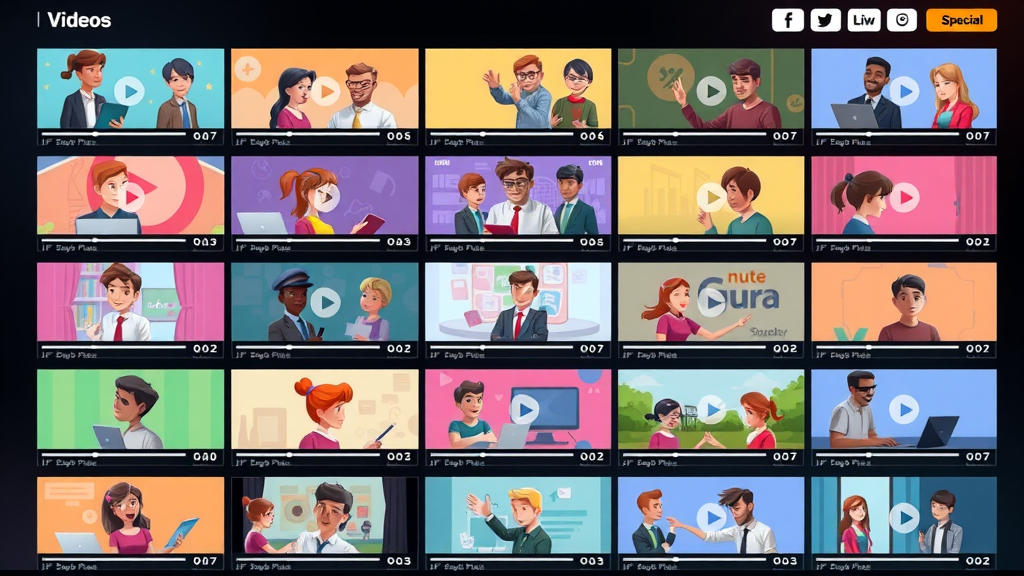
Diverse video content thumbnails representing educational, promotional, and explainer video formats, creative display for online and social media video creation

Videos for Social Media: Adapting Video Content for Every Platform

To succeed with videos for social media , tailor your content style and presentation for each platform’s unique landscape. Platforms like Instagram Reels and TikTok cater to short, punchy clips under a minute, while YouTube thrives on longer, narrative-driven or educational videos. Facebook and Instagram stories leverage personal storytelling and raw, behind-the-scenes vibes, while LinkedIn prioritizes professional, informative content. Always deliver a quality video experience, regardless of platform length and format.

  • Short-form videos for Instagram Reels and TikTok
  • Story-based videos for Facebook and Instagram
  • Quality video for YouTube and LinkedIn

Essential Steps in Video Content Creation: From Idea to Publication

Every piece of standout video content is built on a workflow that covers much more than filming. To achieve consistent results, your process should address four key phases: pre-production, production, editing, and post-production optimization. Here’s how to guide your video from initial concept to a published, engaging asset.

Pre-Production: Ideation, Scripting, and Storyboarding for Video Content

Planning is paramount in video content creation . During pre-production, generate ideas that align with your goals, outline primary messages, and script every beat for quality video results. Storyboarding—noting visuals, transitions, music cues, and graphics—provides a visual roadmap, ensuring smooth production and clear creative direction for any video product .

Shooting and Production: Equipment, Lighting, and Filming Techniques

Video production begins with setting up the right environment: reliable cameras, appropriate lighting setups, clear audio gear, and distraction-free backgrounds. Use cinematic techniques—such as different shot types, camera movement, and perspective changes—to create dynamic, engaging video. Even low-budget shoots can deliver great video quality with thoughtful planning and basic equipment upgrades.

Professional video production set with cinematographer adjusting camera on tripod and lighting, ready for quality video shooting in content creation

Video Editing: Turning Raw Footage into Quality Video Content

Video editing is where your raw clips become compelling stories. Whether you’re a beginner using iMovie or a pro working in Adobe Premiere Pro, choose a video editor suited to your skillset and workflow. Focus on creating seamless transitions, cutting unnecessary footage, and adding music or graphics to elevate production value. Don’t forget to integrate brand visuals—logos, palettes, and fonts—to maintain consistency across all your content.

  • Video editor software options for different skill levels
  • Tips for seamless video editing and transitions
  • Adding branding elements to your video creation

Hands editing video content on professional software in dual-monitor setup, content creation workflow in a modern editing bay

Post-Production: Optimizing Video Content for Search Engine and Media Platforms

Proper post-production ensures your video reaches the right audience and performs well on search engines and each media platform . Craft keyword-rich titles, compelling descriptions, and effective tags to help your videos get discovered. Design custom thumbnails that stand out in crowded feeds, and double-check your video meets all platform-specific quality standards for smooth playback.

  • How to optimize titles, descriptions, and tags for search engines
  • Creating video content thumbnails that draw clicks
  • Ensuring video content meets quality standards

Digital marketer optimizing video metadata on social media platforms and search engines, glowing graphs and dashboards, workflow for content creation

Top Tools for Video Content Creation: Enhance Your Workflow

The right tools streamlined for your process can make or break your video content creation journey. Here are some of the top-rated solutions for editing, production, and visual storytelling in 2024.

Best Video Editor Software for Efficient Editing

Adobe Premiere Pro and Final Cut Pro X are favorites among professionals for their advanced control, adaptability, and plugin support. DaVinci Resolve offers powerful color grading and editing in one free package, while iMovie remains the go-to choice for beginners creating video on Mac devices. Each video editor can help you achieve high production value, provided you match features to your goals.

  • Adobe Premiere Pro
  • Final Cut Pro X
  • DaVinci Resolve
  • iMovie (for beginners)

Online Video Resources and Content Creation Tools

Great videos often need extra graphics, assets, and templates—quickly. Canva streamlines visual design with drag-and-drop simplicity. Animoto excels for rapid explainer video creation. InShot brings polish to mobile productions, making it easy to clip, combine, and brand content before sharing. Explore these tools to enhance speed and creativity throughout your content creation process.

  • Canva for visual design
  • Animoto for quick explainer video creation
  • InShot for mobile video editing

Desk with multiple devices displaying popular video editor software interfaces, tools for fast and efficient video content creation

Tips & Tricks: Creating Video Content That Converts

Conversion-focused video content blends creativity with strategic intent. Here’s how to make your video stand out and spur viewers to take action, no matter the media platform .

How to Make Your Video Stand Out with Storytelling and Audience Engagement

Start every video product with a hook to capture attention in the first few seconds. Use authentic storytelling to build emotional connection, and punctuate your narrative with clear calls to action . Incorporate case studies to add proof, and invite interaction with questions or prompts. The most engaging video content is tailored, interactive, and visually distinctive.

  1. Hook your audience within the first 5 seconds
  2. Use clear calls to action at every stage of video creation
  3. Leverage case studies for credibility

Measuring Success: Metrics for Video Content Performance

Effectively measuring your video content ensures you’re creating value and guides future improvements. Key metrics include:

  • Audience retention
  • Engagement rate
  • Conversion rate
  • Social shares and comments

Business analyst reviewing interactive video content analytics dashboard with graphs and KPIs in a modern studio environment

People Also Ask: What do video content creators do?

Roles and Responsibilities of Video Content Creators

Video content creators are responsible for planning, producing, filming, and editing videos for diverse platforms. They ensure each quality video aligns with brand goals and supports the overall content strategy . Their work covers idea generation, audience targeting, hands-on video production, and the post-production polish that helps each video product stand out online.

People Also Ask: What are the 5 C's of content creation?

Understanding the 5 C's: Content, Context, Connection, Community, and Conversion

The five C’s offer a framework for impactful video content creation : Craft content that delivers value, ensure the context is right for your target audience , foster connection with viewers, nurture a loyal community , and focus on driving measurable conversion —turning viewers into customers or advocates.

People Also Ask: How much should I charge for video content creation?

Pricing Video Content Creation: Factors to Consider

Pricing for video content creation depends on the project’s scope, complexity of video production , level of video editing required, platform-specific formatting, and your technical or storytelling expertise. Typical rates range from $50 to $250+ per hour, with larger campaigns or advanced content strategy work commanding higher fees.

People Also Ask: What are the 7 steps of content creation?

The 7 Key Steps of Video Content Creation

  1. Define objectives
  2. Research the target audience
  3. Develop content strategy
  4. Plan and storyboard
  5. Produce and film
  6. Edit and optimize
  7. Distribute and analyze results

Frequently Asked Questions about Video Content Creation

  • What is the difference between video editing and video production? Video production involves planning, shooting, and capturing raw footage, while video editing is the process of refining that footage—cutting scenes, adding effects, and integrating sound—to produce the final online video ready for distribution.
  • How many types of videos are most effective for businesses? The most effective types of video for businesses are explainer videos, product demos, customer testimonials, educational tutorials, and promotional ads. Each serves unique goals within a well-rounded content strategy .
  • What skills should a beginner focus on in video content creation? Beginners should prioritize foundational skills such as basic camera operation, lighting, clear audio capture, simple video editing, storytelling, and adapting content for specific platforms or audiences.
  • How do search engines rank video content? Search engines evaluate video content by analyzing relevance in titles, descriptions, tags, view counts, engagement rates, watch time, and the richness of accompanying metadata or transcripts.
  • What are some common mistakes in online video content creation? Common pitfalls include unclear messaging, neglecting content strategy , poor audio/video quality, lack of platform optimization, and weak calls to action.

Final Recommendations: Elevate Your Video Content Creation Strategy

Key Tips for Creating Great Video Content That Stands Out

  1. Start with a focused content strategy
  2. Experiment with video production and editing tools
  3. Adapt content for each social media platform
  4. Analyze performance and iterate regularly

Ready to Transform Your Video Content Creation? Let's Have a Chat

Tackle your video content creation challenges with expert guidance — call 904-385-5213 and unlock your brand’s creative potential today.

In this video walkthrough, learn practical steps and expert tips for impactful video content creation.

See real examples of how to enhance your video content with editing and post-production best practices.

Get the latest tips on creating video content optimized for leading social media platforms.

Action Step: Evaluate your current video strategy and start implementing even one new tip from this guide for your next video project. Success is only a strategy away!

To enhance your video content creation efforts, consider exploring the following resources:

  • “5 Brilliant Tips for Creating Video Content” ( visme.co )

This article offers practical advice on understanding your audience, utilizing high-quality visuals, setting clear goals, incorporating effective calls-to-action, and tracking performance to optimize your video content strategy.

  • “13 Top Tips to Create a Video Content Strategy (with Examples)” ( storychief.io )

This guide provides insights into defining your target audience, choosing relevant video topics, creating scripts, selecting appropriate formats, and planning production and editing processes to craft a robust video content strategy.

If you’re serious about elevating your video content creation, these resources will provide you with actionable strategies and examples to achieve success.

Extra News

0 Comments

Write A Comment

*
*
Please complete the captcha to submit your comment.
Related Posts All Posts
08.22.2026

America Needs More than AI: The Critical Call for Infrastructure Investment

Update Why America Can't Rely Solely on AIAs America stands on the brink of another technological wave, the belief that artificial intelligence alone can drive our economy is rapidly proving inadequate. True progress in our country hinges on a delicate balance between digital advancements and vital physical infrastructure. The reality we face is that just as the advent of the internet transformed business and communication, the future economy will rely heavily on both intelligent technology and reliable infrastructures. Without this synergy, we risk falling behind other nations that understand the importance of a multifaceted approach to economic growth.The Legacy of Post-War InfrastructureReflecting back on our nation's history, we see how much of today's infrastructure was constructed in the wake of World War II. The ambitious building initiatives from the 1940s through the 1960s laid down the foundations for modern America. From highways that expanded cross-country travel to electrical grids powering businesses, these investments facilitated a thriving American economy, unlocking opportunities and creating competitive advantages that once distinguished the country on the global stage.This era was marked not just by construction but by a vision for a connected America. The interstate highway system, for example, didn’t just enhance transportation; it was critical for national defense and facilitated trade. Having reliable infrastructure allowed American businesses to flourish, expand their reach, and innovate. Meanwhile, communities could experience unprecedented growth as families moved in search of economic opportunity.The Urgency of Today's Infrastructure NeedsYet as the digital revolution unfolded, investment in physical infrastructure stagnated. According to analyses, many essential systems are gasping under the weight of age and overextension. America faces a staggering $3.7 trillion deficit in infrastructure funding that threatens to derail our economic momentum. Roads, bridges, and public buildings—so crucial for everyday operations—require immediate attention and revitalization. In fact, over 2,000 cities highlight the dire need for repairs exceeding a trillion dollars, often causing delays and hazards that impact daily life for millions of Americans.The consequences of neglecting these areas can lead to severe productivity losses, economic downturns, and increased safety hazards. For instance, crumbling roads not only pose risks for drivers but also hinder the transportation of goods, ultimately leading to higher prices for consumers. Moreover, various studies have shown that every dollar invested in infrastructure can yield multiple returns in productivity and growth, making it an urgent priority for policymakers.Modernizing Infrastructure for a Digital AgeToday's definition of infrastructure must expand to encompass not only roads and transit systems but also energy grids, internet connectivity, and advanced logistics networks. As the demand for reliable electricity surges due to AI and increased domestic manufacturing, we cannot afford to overlook these needs. Our competitive capacity now depends on our ability to modernize and digitalize our infrastructure to meet evolving demands.For instance, smart grids that integrate AI and renewable energy sources can enhance efficiency, reduce waste, and provide real-time data to improve service delivery. Connectivity issues, especially in rural areas, hinder businesses and communities from participating fully in the digital economy. Addressing these issues is not merely a technical challenge—it’s also about equity and opportunity for all Americans.A Workforce for the FutureHowever, it is not enough to simply invest in new physical assets; America also needs a workforce to operate and maintain these systems. Skilled professionals—including engineers, electricians, welders, and other tradespeople—will play a critical role in shaping our nation’s infrastructure future. Just as we invest in technology, we must concurrently invest in the technical and vocational training of our workforce, ensuring that they are equipped to handle both today’s challenges and future innovations.Preparing our workforce for these roles requires a multifaceted approach. This includes not only education in traditional settings but also partnerships between educational institutions and industries to create apprenticeship programs that provide hands-on experience. Initiatives should focus on retraining individuals from declining sectors as well, giving them the tools to adapt to new demands in an evolving economy.Renewing America's Spirit of InnovationThe need for a robust infrastructure is not just a matter of logistics; it represents the very spirit of innovation and resilience that defines America. By bridging the gap between our digital aspirations and physical realities, we can stimulate economic growth and rebuild the foundation upon which our digital age stands. Through strategic investment in infrastructure—paired with a competent workforce—we can ensure that America does more than just invent the future; we can build it with foresight, determination, and unity.Innovative thinking in how we incorporate technology into physical systems can also yield environmental benefits, such as sustainable building materials and energy-efficient solutions that not only reduce carbon footprints but create healthier communities. As cities grapple with climate change, integrating sustainability into infrastructure planning will be crucial.Conclusion: A Call to ActionAs we reflect on our past successes and look ahead to the new challenges posed by a rapidly changing economy, it is essential that we rally around the twin commitments of investing in infrastructure and nurturing our workforce. Together, these elements will empower America to forge ahead, constructing the pathways to prosperity for generations to come. Let us advocate for policies that prioritize these investments, recognizing that the strength of our economy—and our future—depends on a solid foundation of both innovation and infrastructure.

08.07.2026

Are We Witnessing the Demise of Traditional Job Titles in Workplaces?

Update The Evolution of Job Titles in the Modern Workforce As workplaces evolve in response to technological advancements and societal changes, so too do the titles that accompany these roles. Traditional job titles have long been the backbone of professional identity. Yet, as we find ourselves in an era characterized by flexibility and innovation, there's a growing sentiment that perhaps these conventional titles are becoming obsolete. In industries across the board—from tech to education to healthcare—companies are beginning to rethink how they label roles and responsibilities. Why Job Titles Matter Job titles do more than just describe a role; they convey status, responsibility, and career progression. For many, a title carries weight, melding identity with professional aspirations. However, as roles become more cross-functional, rigid job titles can serve as barriers rather than bridges. Consider the rise of terms like 'Chief Happiness Officer' or 'Growth Hacker'; they reflect a shift towards appreciating skills over hierarchy. This shift signals a broader understanding that the workplace is not just about where you fit within a structure, but about the value you add. In today's job market, a person's title can influence their professional journey significantly. For instance, candidates applying for positions often emphasize their titles on resumes to showcase their level of expertise and authority within their respective fields. Yet, in fast-paced environments, where collaboration and versatility are valued, this neat categorization is beginning to unravel. Some argue that job titles can pigeonhole employees, preventing them from exploring other areas of their potential. Embracing Agile Job Structures In practice, embracing an agile work structure can break down hierarchies that traditional job titles impose. Firms integrating flexible teams find that a diverse skill set is more beneficial than a prestigious title. For instance, tech giants such as Google and Facebook promote 'flattened' structures where innovative ideas can emerge from anywhere—regardless of title. This change aligns with a growing trend where organizations prioritize outcomes and collaboration over strict role definitions. The shift towards this agile framework extends beyond large tech companies. Smaller businesses and startups are embracing similar models, recognizing that fostering creativity among all employees can lead to groundbreaking ideas and solutions. When every team member feels empowered to contribute, the onus for innovation does not rest solely on traditional leaders. This environment not only promotes creativity but also boosts morale and employee satisfaction. Counterarguments: The Case for Traditional Titles Despite this transformative wave, there remains a strong argument for retaining traditional job titles. Many professionals still prefer the clarity and recognition that established titles provide. In competitive job markets, a well-defined title can make a significant impression and serve as a shorthand for skills and responsibilities. Moreover, in industries such as finance or law, where reputations are often built on pedigree and experience, traditional titles can confer an essential form of legitimacy. Job seekers value clarity in titles, as employers frequently use them to filter applicants based on perceived qualifications. Until there is a universal shift in how organizations value contributions over titles, many will likely continue to cling to established nomenclature. Global Perspectives on Job Titles Globally, attitudes toward job titles vary. In some cultures, conventional titles are still deeply entrenched, reflecting long-standing traditions of hierarchy. In contrast, startups in regions like Silicon Valley are at the forefront of the job title revolution, emphasizing creativity and innovation. As globalization continues to influence the workforce, these differing perspectives may influence how businesses internationally adapt their title structures. In Asia, for example, job titles often reflect an individual’s position within the company’s hierarchy. This traditional view contrasts sharply with the egalitarian ideals seen in many Western companies, where titles may be viewed as impediments to creativity and collaboration. Understanding these cultural norms is vital, especially for multinationals navigating diverse markets, as the expectations surrounding job titles can significantly affect employee engagement and satisfaction. A Future Beyond Titles? Looking forward, it’s conceivable that job titles might fade into obscurity. Organizations could develop systems where skills, achievements, and team contributions take precedence over titles. For example, skill tags might replace job titles entirely, creating a more fluid identity that evolves with the employee's growth. This paradigm shift would require a substantial change in how both employers and employees perceive success and recognition in the workplace. Implementing a system of skill tags could promote a culture of continuous learning and development, as employees seek to acquire new skills to advance their careers, irrespective of their formal titles. Conclusion: Adaptation is Key No matter the trajectory, the conversation surrounding job titles is indicative of larger trends in the workforce. The primary focus must remain on adaptability, whether that means redefining titles or embracing a skill-based approach. As our professional landscape continues to evolve, employees and employers alike should be open to rethinking what it means to hold a job in the modern world. A flexible approach that values skills over traditional hierarchies may benefit all parties, paving the way for a more engaged and innovative workforce.

06.22.2026

Exploring Americana Through the Eyes of World Cup Fans in 2026

Update A Cultural Tapestry UnraveledThe 2026 FIFA World Cup is more than just a sporting event; it’s a moment when the world converges in America, allowing fans to experience not only the thrill of soccer but also the rich, ordinary culture of American life. As international visitors pour into the U.S. for matches, they find themselves captivated by everyday experiences that define American identity.World Cup Fever: A Shared ExperienceAs the stage is set for the 2026 tournament, it’s evident that this event is uniquely positioned to highlight America’s blend of cultures. With 48 teams competing for the ultimate prize, the World Cup amplifies the excitement. According to recent insights from a survey by YouGov, approximately 87 million Americans have shown interest in the World Cup, with fans ranging from diverse backgrounds. Recognition of this diverse fanbase can be seen in the unexpected insights they share about everyday amenities, amplifying the cultural exchange happening across social media platforms.Through the Lens of New FriendsWorld Cup fans are documenting their experiences on platforms like TikTok and Instagram, sharing stories not only of thrilling goals but also the sweetness of free ice water, the thrill of 24-hour shopping, and the friendliness of American customer service. In one viral video, a Belgian fan dubbed a supermarket experience as "surreal." Dr. Rachel J.C. Fu, a tourism expert, explains, “Tourists do not simply consume landmarks; they consume daily life.” This blurring of lines between visitor and local encapsulates the spirit of the World Cup, which fosters friendship and communal experiences among fans from all over the globe.America's Transformative ExperienceThe last time the U.S. hosted the World Cup in 1994, soccer was still finding its footing in the national consciousness. Fast-forward to 2026; we see a different America—one where soccer culture is more vibrant and dynamic. The anticipation for this tournament carries the hope of uniting communities across the country, emphasizing shared values and diverse heritage.A Mix of Demographics and LoyaltiesThe influx of fans represents an exciting demographic shift. As reported, 17% of followers began watching soccer in the last five years, indicating a growing interest in the game among younger audiences, particularly women and minorities. This shift is not just a statistic; it demonstrates the changing fabric of America’s soccer fandom where personal identity plays a significant role in team loyalty, whether through family heritage or admiration for standout players.Building Bridges Between CulturesThe World Cup serves as a cultural bridge. Many fans have expressed their surprise at the warmth of the locals and the peculiarities of everyday life in America. In Boston, for example, Scottish fans have taken the city by storm, seamlessly mixing with locals and sharing joyful experiences. Even in the midst of competition, the essence of hospitality and engagement roots deeper connections that transcend mere fandom.Where Fandom Meets PatriotismFor many soccer enthusiasts, the World Cup encapsulates patriotic feelings that are magnified at international sporting events. Interestingly, 58% of soccer fans report feeling patriotic during these competitions. For Americans, supporting a team becomes intertwined with national pride, regardless of the team’s country of origin, allowing brands and organizations to tailor outreach efforts that resonate with the enriched cultural landscape.The Road Ahead: Emotional Connections in SportsThe 2026 World Cup is poised to create unforgettable experiences—ranging from those special moments shared in stadiums to the simple interactions occurring in everyday settings. As tourists express awe at the culture surrounding them, they help to shape and transform perceptions of American life.Takeaway: Cherishing Human ConnectionsAs we approach the World Cup, the emphasis should be placed on cherishing these human connections, whether through shared experiences in stadium seats or casual conversations during a meal. Creating an environment ripe for cultural exchange is essential in making the 2026 FIFA World Cup an event to remember far beyond the final whistle.

Where small business makes big moves.

COMPANY

  • Privacy Policy
  • Terms of Use
  • Advertise
  • Contact Us
  • Menu 5
  • Menu 6

ABOUT US

Daily Business Wire is the go-to hub for entrepreneurs, franchise owners, and growing companies. It features interviews, market insights, business tools, and exit strategies. A trusted platform for thought leadership and visibility.

© 2026 CompanyName All Rights Reserved. Address . Contact Us . Terms of Service . Privacy Policy

Terms of Service

Privacy Policy

Core Modal Title

Sorry, no results found

You Might Find These Articles Interesting

T
Please Check Your Email
We Will Be Following Up Shortly
*
*
*