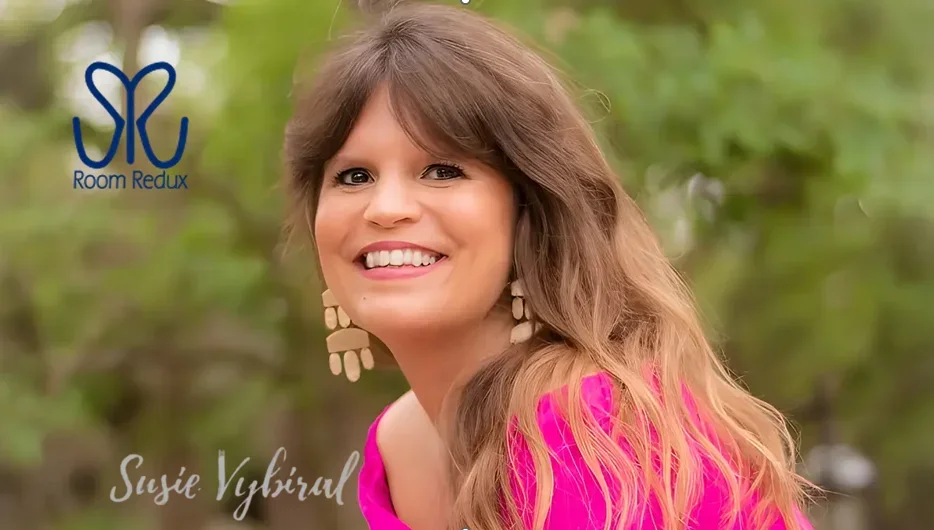
What was your goal in founding Room Redux based on "miracles in makeovers" when you first founded your organization? For parents navigating the unimaginable heartbreak of witnessing their child suffer from abuse, the answer holds the key to something more than hope—real, tangible healing. Few understand this promise better than Susie Vybiral, founder of Room Redux, honored nationally and internationally as an advocate, and renowned leader in child abuse recovery.In this in-depth exploration, Susie guides us beyond surface-level awareness, showing how miracles in makeovers are the linchpin in a child’s journey out of trauma toward safety and a new beginning. Her work and research reveal a life-changing truth: changing a survivor’s environment can be the decisive first step toward breaking the cycles of abuse and restoring a future filled with possibility.Susie Vybiral's Vision: Why Founding Room Redux Was Essential for Healing Abused Children“People understand that children are being abused, but they don't fully understand that an environment change is crucial for their healing.” – Susie Vybiral, Room ReduxAs a national child advocate and founder of Room Redux, Susie Vybiral saw firsthand the invisible weight children carry after experiencing physical and sexual abuse. According to Susie, society rarely grasps the full significance of environment in a child's recovery. Most see therapy as a cornerstone but overlook how a child’s bedroom—the very place where fear once lived—can either anchor trauma or ignite healing. Her vision for Room Redux was forged in these realizations: to bridge this gap and champion the overlooked power of environmental transformation.Leveraging her background as a family advocate and doctoral candidate in psychology—and recognized as the 2022 National Honoree for L’Oreal Paris Women of Worth—Susie designed Room Redux not merely as a nonprofit, but as a movement. The mission: to replace triggers with comfort, and let children see their world as safe again. Susie explains that through Room Redux, "the goal was always clear: break the cycle by starting in the very space where healing should begin—their room." This isn't just about new paint or furniture; it's about narrative-changing interventions for lasting recovery.For those interested in seeing the real-world impact of these transformations, you can explore a visual collection of completed room makeovers that highlight the tangible difference a renewed environment can make in a child's healing journey by visiting the Room Redux Gallery. These before-and-after stories offer a powerful testament to the organization's mission in action.The Central Role of Environment in Child Abuse Recovery“When I was a family advocate, I realized we have to change their environment and remove triggers so that they can heal and prosper.” – Susie Vybiral, Room ReduxHow room transformations remove environmental triggersPsychological impact of a fresh, safe bedroom spaceBreaking cycles of abuse through healing spacesParents often grapple with what comes after the disclosure of abuse. Therapy is vital, but as Susie observed, if a child's everyday environment remains unchanged, the very triggers of trauma linger in plain sight. According to Susie, the core of Room Redux’s philosophy lies in the “removal of environmental triggers”—those hidden reminders embedded in personal belongings, familiar smells, or even where a bed is placed.Scientific studies increasingly back Susie’s perspective: children’s healing accelerates in environments that feel safe, new, and theirs. A bedroom makeover is not mere aesthetics—it severs the subconscious thread linking old spaces to pain. As Susie often points out, “healing requires not just treating the mind, but nurturing the physical space that surrounds recovery. ” By doing so with compassion, Room Redux helps kids step into rooms that symbolize a fresh start—pivotal in disrupting long-standing cycles of fear and mistrust.Miracles in Makeovers: More Than Just a Room Change“Each makeover is a tangible step toward hope and a fresh start, transforming not only spaces but life trajectories.” – Susie Vybiral, Room ReduxA miracle in a makeover arises from Room Redux’s unique commitment: each room rebuild is deeply personalized, attentive to the child’s tastes, comfort, and sense of agency. As Susie emphasizes, these makeovers do more than update décor; they reconstruct a child’s view of what is possible for them, imbuing a once-painful space with energy, safety, and hope.While therapy sessions have their place, Susie’s life-changing insight stems from combining emotional, psychological, and physical renewal. Room Redux’s approach offers children not only a new physical environment but also a visible affirmation that their pain is seen, their story matters, and their future can indeed be different. According to Susie, “this new room says ‘you are worth it’—an essential message for deep, lasting healing. ”The Emotional and Psychological Benefits Behind Room Redux’s MissionCreating a sanctuary for emotional safetySupporting healing through personalized roomsEmpowering children and families through renewed environmentsSusie Vybiral insists that every child who undergoes a Room Redux transformation gains not just a sanctuary but a message of hope from the very walls around them. The new room, chosen and curated around comfort and their unique identity, becomes a daily source of security. This sanctuary is what allows children to distance themselves from trauma and embrace restful sleep, creative play, and learning—without fear of what those four walls once represented.Personalized rooms demonstrate, in a way no words could, that a child’s environment can reflect their value and potential instead of past pain. Parents, often demoralized by the limitations of talk therapy or counseling alone, find renewed strength in seeing their child’s confidence and optimism return. As Susie often explains, “empowering children and families through renewed environments is at the heart of what Room Redux does—giving not just a room, but restoring a sense of agency over their own story. ”Understanding the Impact: Beyond Awareness to ActionToo often, parents are discouraged by the slow pace of healing or feel powerless against the depth of their child's trauma. Susie Vybiral highlights a crucial gap: “many see awareness as action, but real change requires transforming the everyday reality in which a child lives. ” Room Redux reminds us that active intervention—a new room, for instance—moves a family from compassion to productive action, enabling momentum in the healing journey.According to Susie, the measure of Room Redux’s success is not just in the smiles on reveal day, but in the new trajectories that follow. Long after the makeover, parents report increased openness, fewer nightmares, and a rekindled sense of hope. The underlying message: change begins at home, and parents have the agency to champion this shift with intention and care.Common Misconceptions Parents Face About Abuse RecoveryFocusing solely on therapy without environmental changeUnderestimating the role of physical space in trauma recoveryOverlooking triggers hiding in personal environmentsDespite unprecedented awareness around child abuse recovery, many parents still view counseling as a one-size-fits-all solution. Susie warns that therapy alone, without environmental change, leaves children vulnerable to hidden reminders of trauma. She has seen families make every effort possible, missing only the critical—and surprisingly achievable—step of changing their child’s personal space. “Parents underestimate the power of a healing environment,” Susie stresses, urging them to consider everything from stuffed animal collections to wall colors as potential sources of either comfort or distress.Old toys, specific cloth patterns, or arrangements inherited from before the abuse can prolong or reawaken trauma. According to Susie, identifying and removing these seemingly small but powerful triggers can dramatically accelerate recovery, leading to breakthroughs no amount of dialogue alone can achieve. The healing journey, she emphasizes, requires both the heart and the home.Actionable Insights for Parents: How to Support Healing Through EnvironmentPrioritize creating safe, nurturing living spacesIdentify and remove environmental triggersEngage with support organizations like Room ReduxSusie Vybiral equips parents—and anyone supporting an abused child—with a practical, hopeful playbook for igniting change at home. First, she encourages parents to prioritize the creation of safe, nurturing living spaces, treating the home as a living part of the healing process. Painting, decluttering, or rearranging can have therapeutic impact, provided the goal is always the child’s sense of choice and comfort.Next, Susie stresses the importance of regularly identifying and removing environmental triggers—no detail is too small. She recommends involving children gently in the process, validating their preferences, and celebrating their courage in voicing discomfort. Finally, she urges families to engage with trusted organizations like Room Redux for guidance, resources, and expert help. As Susie explains, “parents are the frontline healers; empowering them with knowledge and practical tools changes everything. ”About Susie Vybiral and Room Redux's National ImpactSusie’s leadership as a nationally recognized child advocateAwards and honors underscoring Room Redux’s influenceCollaborations with law enforcement and child protective agencies strengthening the missionAccording to her peers, Susie’s steadfast leadership has made Room Redux a beacon of innovation in child abuse recovery. A recipient of numerous awards—including the L’Oreal Paris Women of Worth National Honoree and an honorary doctorate—Susie is a trusted voice at conferences for the FBI, the National Center for Missing and Exploited Children, and child welfare organizations across the country. These collaborations strengthen Room Redux’s mission, multiplying its impact for thousands of children with every new bedroom transformation.Room Redux stands not just as a nonprofit, but as a national movement for trauma-informed healing. Under Susie’s guidance, the organization has built bridges between advocacy, psychology, and actionable family intervention, magnifying the effect that targeted room makeovers can have on breaking intergenerational patterns of abuse. By focusing national attention on environmental healing, Susie has forever changed the roadmap for survivors—and the families who love them.Why Environment-Centered Healing Is Critical to Breaking Cycles of AbuseChallengeTraditional ApproachRoom Redux's Environment-Focused SolutionTrauma triggers at homeCounseling onlyTransforming bedrooms to remove triggersRepeating abuse cyclesReactive measuresCreating hopeful environments to disrupt patternsEmotional instabilityMedication & therapySafe spaces fostering emotional securityThis side-by-side comparison lays bare what Susie Vybiral learned as a family advocate: real healing requires more than traditional interventions. While therapy and medication can address symptoms, changing the core environment—literally rewriting the backdrop of a child’s daily life—removes the silent, lingering seeds of trauma. The tradition of counseling, as Susie notes, must be paired with proactive, physical interventions so children can step confidently into not just a new room, but a new chapter of hope.This approach disrupts cycles that otherwise persist through generations. Children grow to trust their own resilience, families cultivate a new culture of safety, and the possibility of lasting emotional security becomes real and reachable. Room Redux’s mission exemplifies why today's parents can and should be powerful agents of change—not just for their own children, but for future generations as well.Key Takeaways: Transform a Child’s Life by Transforming Their SpaceHealing from abuse demands more than awareness – environment mattersRoom Redux’s makeovers bring measurable hope and fresh beginningsParents can be powerful agents of change by focusing on safe spacesThe journey of a child recovering from physical or sexual abuse does not start or stop in a therapist's office—it is interwoven with every detail of their world. Susie Vybiral’s vision for Room Redux has proven one simple but profound fact: transforming a child’s environment transforms their future. Safety, comfort, and hope are not abstract ideals but real results, delivered one room at a time. For every family struggling to find their next step, Susie’s message resounds: “You have the power to rewrite the ending. Start with where your child wakes up tomorrow. ”Take the Next Step to Support Your Child’s Healing JourneyReady to take action? If you or someone you know is supporting a child through recovery from abuse, consider how their environment can play a crucial role in healing. Discover more about Room Redux’s mission, review resources for identifying environmental triggers, or get involved in bringing these miracles in makeovers to families in need. Every new beginning starts with a single step—and sometimes, with a single room.If you’re inspired by the transformative stories shared here, there’s a wealth of additional insight waiting for you. The Room Redux Gallery offers a broader perspective on the organization’s national impact, showcasing a variety of room makeovers and the hope they bring to children and families. Exploring these real-life examples can deepen your understanding of how the environment shapes recovery and may spark new ideas for supporting your own loved ones. Let these stories encourage you to take the next step—whether it’s seeking support, volunteering, or simply reimagining what healing can look like in your home.CONTACT: Susie Vybiral Ph: (830) 743-8320 Email: Hello@roomredux.orghttps://www.RoomRedux.orgThe National Center for Missing and Exploited Children Cyber Tip Line - 800-843-5678The FBI Tip Line - 800-225-5324Texas Fusion Center - 844-643-2251National Child Abuse Hotline - 800-422-4453




Write A Comment