UPDATE
  • Home
  • Categories
    • Entrepreneurs
    • Growth Stories
    • Expert Insights
    • Innovators
    • Franchise and Expansion
    • Tools and Services
    • Commercial Property
    • Trends
June 16.2026
3 Minutes Read

Transform Your Workplace: Effective Corporate Space Planning Strategies

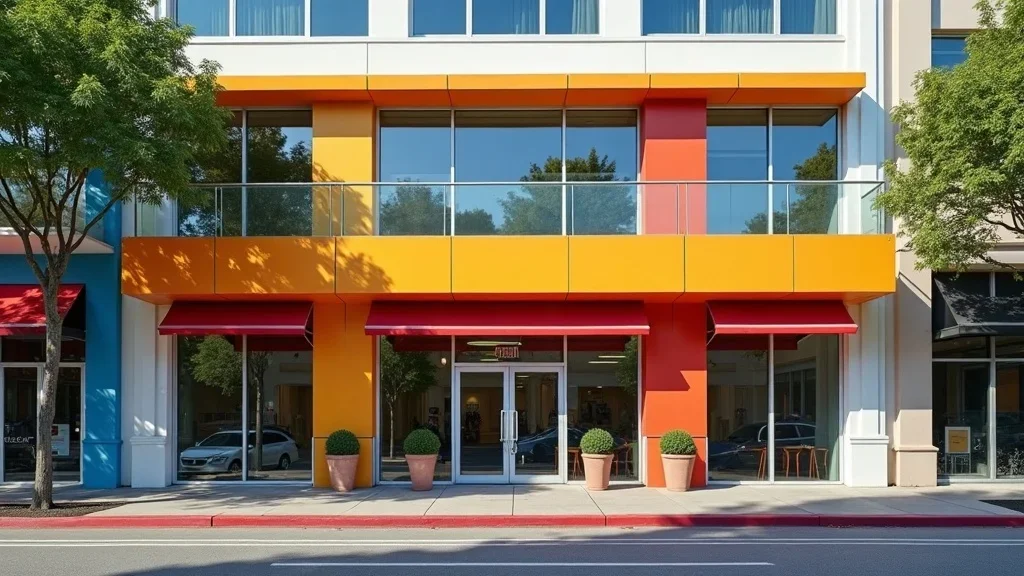
Corporate space planning in a modern office with glass partitions.

Transforming Workplaces: The Importance of Effective Corporate Space Planning

In the continuously evolving landscape of work, particularly due to the hybrid work culture gaining traction post-pandemic, corporate space planning has emerged as a critical focus for organizations aiming to enhance productivity and employee satisfaction. Understanding how to optimize physical spaces can influence not just how effectively a company operates, but also how employees feel about their work environment. With insights drawn from the latest trends and advanced technologies, let’s delve into effective strategies for corporate space planning.

Why Space Planning Matters: A Perspective Shift

A decade ago, corporate office space was often characterized by cubicles and closed offices; today, flexibility reigns supreme. Companies are shifting to dynamic layouts that not only accommodate a range of work styles but also foster collaboration and innovation. With hybrid schedules leading to fluctuating office attendance, the importance of adaptive space design is amplified. With McKinsey suggesting a potential decrease in office demand by 20% as remote work gains traction, the need for effective space optimization has never been more prominent (Source: Matterport).

1. Start with a Comprehensive Space Audit

The first step in any effective corporate space planning initiative is conducting a thorough space audit. This involves assessing current space utilization, occupancy rates, and understanding how different areas are being used. Engage employees in the process through surveys and feedback sessions; their insights can illuminate how well your current office layout meets their needs. Not only does this help in identifying underutilized spaces, but it fosters a culture of involvement and respect for employee preferences, boosting morale in the workplace.

2. Leverage Technology for Real-time Insights

Utilizing sophisticated space management tools, such as IoT sensors and analytics software, can provide real-time data on how spaces are utilized throughout the workweek. This objective data empowers office managers to make informed adjustments and engages employees by showcasing how their feedback is directly influencing change. Technologies enable organizations to continuously monitor occupancy patterns, ensuring that space planning is a dynamic and evolving process.

3. Engage Employees in the Planning Process

Employee involvement extends beyond surveys and audits; it's crucial to actively solicit their input in planning changes. Creating focus groups or using employee representation can foster ownership and ease transitions for any new initiatives in space layout. Those who are consulted about changes are more likely to be engaged with the outcome, thus maximizing the effectiveness of the new arrangements.

4. Purposeful Design: Creating Distinct Zones

Effective corporate space planning also means designing distinct zones within the office. Space allocation should balance areas for collaboration with spots designated for focused work, enabling employees to easily transition between different tasks. The goal is to create environments conducive to their work styles while also integrating areas designed for meetings and casual interactions, which can aid in team cohesiveness.

5. Address Safety and Compliance Standards

In the midst of redesigning workspaces, it’s essential to prioritize safety and compliance with local regulations. Regular audits can help maintain an environment that not only meets workplace safety requirements but ensures accessibility for all employees. Implementing ergonomic furniture and layouts that allow proper movement and safety aids in reducing fatigue and long-term discomfort for employees.

6. Build Flexibility into Your Design

The hybrid work model necessitates flexibility; spaces should be easily reconfigurable based on the varying number of employees present. Usage of modular furniture, movable walls, and adaptable layouts allows companies to pivot seamlessly as attendance fluctuates. For instance, huddle rooms may need frequent transitioning into open collaboration spaces based on team needs.

7. Regularly Assess, Iterate, and Improve

Finally, space planning is an ongoing process that requires regular assessment and iteration. As teams grow and change, so too should the workspace. Collect and analyze employee feedback continuously and revise plans based on this input. A successful office space management strategy treats the environment as a living system that can evolve alongside workplace dynamics.

Conclusion: The Path Forward in Corporate Space Planning

As organizations navigate new work paradigms, prioritizing corporate space planning initiatives will be essential for sustaining productivity and employee engagement. Understanding the importance of flexibility, effective technology utilization, and ongoing employee involvement can transform the corporate workspace into a hub of creativity and collaboration. By fostering environments that resonate with employee needs, companies can not only save on real estate costs but also empower an enthusiastic and engaged workforce, ensuring long-term success in a hybrid working world.

Commercial Property

0 Comments

Write A Comment

*
*
Please complete the captcha to submit your comment.
Related Posts All Posts
06.25.2026

Struggling with commercial painting? Here’s the Fix

Imagine this: You walk up to a business and immediately notice faded paint, peeling trim, and weathered surfaces. It instantly shapes your impression—would you trust your business with a company whose building looks neglected? If you’re struggling with commercial painting challenges like these, you’re not alone. There’s good news: improving your property’s appearance, value, and safety is just a few professional brushstrokes away. In this guide, we reveal how expert commercial painting services can revitalize your property and fix common pitfalls, drawing on 40+ years of expertise from The Painting Pros in San Jose.Why Commercial Painting Matters for Your BusinessCommercial painting is more than just a fresh coat of paint; it’s about setting your business apart in a competitive environment. A professional paint job instantly boosts curb appeal, catching the eye of every passerby and making your business stand out. This visual impression translates to increased customer confidence and a stronger brand presence. The right painting service can also ensure your commercial building is protected from the elements, with durable coatings designed for long-term performance in both interior and exterior commercial environments. Whether you’re a property manager, business owner, or general contractor, investing in quality commercial painting supports your goals—from maintaining property value to meeting rigorous industry standards.Boosts curb appeal and brand presenceProtects commercial buildings from weather and wearEnhances property value for property managers and general contractorsMeets industry regulatory standards, including EPA lead-safe certificationWhat You'll Learn in This Guide to Commercial PaintingTackling a commercial painting project can feel overwhelming, but with the right knowledge, you’ll have the keys to success. This comprehensive guide walks you through the essentials, helping you choose the best commercial painting service, understand material differences like commercial paint vs. residential, and avoid costly missteps that can delay your project or raise the painting cost. We’ll share exclusive tips from leading commercial painters in San Jose, known for their EPA lead-safe practices and 5-star customer satisfaction, ensuring your next project is done right from start to finish.The essentials of choosing the right commercial painting serviceKey differences between commercial paint and residential paintHow to plan a successful commercial painting projectInsider tips from top-rated commercial painters in San JoseUnderstanding Commercial Painting: Definitions and ScopeWhat is Commercial Painting?“Commercial painting is more than just color—it’s an investment in the professional image of your business.” — The Painting ProsAt its core, commercial painting means applying specialized coatings to large-scale or complex structures such as office buildings, warehouses, retail spaces, and healthcare facilities. Unlike residential painting, which typically focuses on single-family homes, commercial painting services must address unique functional needs—such as high-durability finishes, anti-microbial coatings, or compliance with EPA and industry regulations. The commercial painter is thus not just an applicator but a craftsperson who understands surface conditions, traffic patterns, and the long-term demands of high-use venues. When you invest in commercial painting, you gain benefits beyond aesthetics: you improve safety, code compliance, and business performance, ensuring that your painted surfaces look great no matter how much foot traffic or weather they endure.Types of Commercial Painting ServicesProfessional commercial painting services encompass a variety of project types tailored to diverse business environments. Interior painting addresses everything from lobbies and conference rooms to warehouses and production spaces, using paints designed for easy cleaning and resistance to scuffs and stains. Exterior commercial painting not only refreshes the building’s facade for market appeal but also adds critical weatherproofing with specialized primers and elastomeric coatings. For businesses requiring more, commercial painters offer niche solutions—antimicrobial or chemical-resistant coatings for hospitals, food production facilities, and industrial sites. Your choice of paint and application method is customized to serve your building’s unique usage, ensuring both visual excellence and functional durability.Interior painting for offices, warehouses, and retail spacesExterior commercial painting to protect and beautify buildingsSpecialized coatings for industrial and healthcare environmentsThe Painting Pros Advantage: Experienced Commercial Painters in San JoseFull-Service Offerings for Commercial Painting ProjectsThe Painting Pros sets itself apart in San Jose by delivering complete painting service packages for any commercial painting project. Their process starts with a personalized consultation, during which skilled commercial painters assess your building’s needs and develop a project plan that aligns with your goals, schedule, and budget. The team strictly follows EPA lead-safe protocols, ensuring every paint job is environmentally responsible and safe for occupants. Project management is at the heart of their service, coordinating efforts with property managers and general contractors for seamless execution—on time and with minimal business disruption. With every project, The Painting Pros’ 40+ years of experience shine through, making them a trusted resource for property managers and business owners seeking quality results.Consultation with commercial painter expertsLead-safe and environmentally responsible processesProject management for property managers and general contractorsWhy Choose a Certified Commercial Painter?Certification and reviews matter in commercial painting. The Painting Pros are EPA lead-safe certified, meaning your commercial paint job is completed with health, safety, and compliance top of mind. They boast a 5-star Google rating, underscoring their consistent customer satisfaction and reliability. With quality assurance and adherence to industry best practices, you can proceed with confidence that your property will be protected, every step of the way. These credentials also mean The Painting Pros stay up-to-date with evolving painting services standards, materials advancements, and regulatory requirements, offering you peace of mind, especially when working on commercial environments that demand rigorous compliance.EPA lead-safe certification5-star Google rating for customer satisfactionQuality assurance and best practicesPlanning Your Commercial Painting ProjectAssessing Your Commercial Building’s NeedsA successful painting project begins long before the first brushstroke. Start by thoroughly evaluating your commercial building—identify high-traffic zones that require especially durable commercial paint, and inspect existing surfaces for peeling, cracks, or stains. Often, a commercial painter will recommend a pressure wash or minor repairs to ensure a flawless finish and long-lasting results. Collaboration with property managers and general contractors is key, as it ensures all stakeholders’ concerns—such as hours of operation, tenant needs, and safety protocols—are addressed before work begins. This careful assessment phase sets the foundation for an efficient, on-schedule project, minimizing delay and disruption for your business.Identifying high-traffic areas requiring durable commercial paintEvaluating existing paint job and scheduling pressure wash or repairsCollaboration with property managers and general contractorsHow to Choose the Right Commercial Painting ServiceSelecting the right painting service can make or break your commercial painting project. Start by asking prospective contractors about their experience—look for a strong portfolio that features similar commercial projects and verifiable, positive client testimonials. Check their insurance coverage, licensing, and commitment to quality (including EPA lead-safe certification). Evaluate service offerings and project timelines, ensuring they can work around your business hours to minimize disruption. Lastly, understand the painting cost factors at play, from square foot coverage to prep work needs and material choices. The best service providers combine value with performance, offer transparent communication, and back their work with warranty and inspection.Questions for contractors: experience, portfolio, insuranceComparing painting service offerings and timelinesUnderstanding painting cost factors and valueStep-by-Step Process: How Commercial Painting WorksPreparation and Surface CleaningProper preparation is key to achieving the professional, long-lasting results you expect from a commercial painting project. Your commercial painter begins with a thorough pressure wash for exterior commercial painting, removing dirt, mildew, and old paint that can interfere with new coatings. For interior spaces, surface cleaning and patching is just as crucial—ensuring smooth walls, proper adhesion, and a flawless finish. Detailed masking, taping, and protection protocols protect windows, trim, and landscaping from overspray and paint drips, safeguarding your property throughout the project. Skipping these steps increases painting cost in the long run, as poor prep work leads to peeling, uneven coverage, and premature wear.Pressure wash and surface prep for exterior commercial paintingMasking, taping, and protection protocolsChoosing the Best Commercial Paint and MaterialsThe choice of materials in a commercial painting service is never random—it's calculated for durability, safety, and aesthetic intent. Professional commercial painters specify paints, primers, and coatings engineered for rigorous environments, offering superior resistance to fading, weather, chemicals, or foot traffic. Increasingly, options include low-VOC and environmentally-friendly paints that support indoor air quality goals, especially important for healthcare, education, and high-density office spaces. Value comes from selecting brands and product lines that stand the test of time; cheap alternatives may initially save on painting cost, but quickly show wear or require frequent touch-ups, costing more per square foot in the long run.Durability and longevity factors for paint selectionLow-VOC and environmentally-friendly optionsExecuting the Painting ProjectWith prep work complete and materials selected, your commercial painters proceed with expert application. Techniques vary: brush and roller for detail work, or airless spraying for large exterior commercial painting jobs needing fast, smooth coverage. Strict attention to project timeline management means dividing the job into clear phases—surface repair, priming, topcoating, and final touch-ups—optimizing efficiency and coordination among painting crews, property managers, and tenants. A quality commercial painting project is as much about minimizing disruption and keeping to promised schedules as it is about visual perfection. The best outcomes follow a logical, transparent work plan—set by experienced commercial painters who value communication and accountability from start to finish.Overview of professional application techniquesProject timeline management for painting projectsTop Benefits of Professional Commercial PaintingInvesting in professional commercial painting delivers a suite of benefits that influence your business from the inside out. Newly painted interiors tend to uplift employee morale and productivity, while polished exteriors boost customer confidence and make your property memorable. A quality paint job using advanced materials and best practices extends the useful life of your commercial building, reducing the frequency and expense of major remodels. Importantly, working with certified commercial painters ensures your property meets all relevant codes and safety standards, lowering liability risks and keeping occupants protected in every paint job.Boosts employee morale and customer confidenceExtends the lifespan of your commercial buildingHelps ensure code compliance and property safetyCommercial Painting for Property Managers and General ContractorsStreamlining Painting Projects Across Multiple SitesFor property managers and general contractors, coordinating commercial painting projects across multiple locations is a complex logistical task. Experienced commercial painters streamline this process through diligent scheduling, minimizing interruptions to tenants and daily business operations. Advance communication keeps all stakeholders in the loop, reducing surprises and maintaining trust. By partnering with a commercial painting service known for project management expertise, you can drive successful outcomes while avoiding common pitfalls like missed deadlines or afterhours confusion.Coordinating schedules for minimal business disruptionCommunicating with stakeholders and building occupantsHow to Work Effectively with a Commercial Painting CompanyAchieving a flawless, hassle-free painting project requires clear communication and careful documentation. Start by agreeing on contracts that spell out scope of work, project timelines, insurance requirements, and deliverables. Make sure both property managers and commercial painters have shared expectations on access, security, and cleanup responsibilities. Routine site meetings and open feedback channels enable quick problem-solving and keep the project on track. Effective collaboration leverages the experience of all parties and delivers painting projects that meet or exceed expectations, with minimal disruption to daily business.Establish clear expectations and deliverablesKey documents: contracts, insurance, scope of workInterior vs. Exterior Commercial Painting: Key DifferencesWhile interior painting and exterior commercial painting might seem similar at first glance, each presents unique challenges and requirements. Preparation varies—interior spaces require masking delicate office equipment, while exteriors need extensive pressure washing and hazard management. The choice of paint also changes: interior jobs demand low-VOC, washable coatings that support a comfortable workspace, whereas exteriors rely on weatherproof, UV-resistant, and highly durable commercial paint. Finally, commercial painters must observe distinct environmental and safety standards for each service type, ensuring worksite safety for occupants and compliance with industry or municipal regulations for both interior and exterior painting service.Preparation techniques and safety standardsPaint types: interior painting vs. exterior paintingEnvironmental considerations for each painting serviceCommercial Painting Cost: Factors to ConsiderMajor Influences on Painting CostPainting cost for a commercial project depends on several variables, each influencing the final investment. The size of the commercial building—measured in square foot—directly impacts labor and material needs. More square footage means longer prep work, especially if surface repairs such as patching or pressure wash are required. The type of commercial paint chosen (standard vs. premium, interior vs. exterior) not only affects material costs but can also dictate how often your building needs repainted down the road. By understanding these factors, you can work with commercial painters to set realistic budgets, avoid cost overruns, and confidently plan for every phase—whether your project is a single location or part of a multi-building rollout.Square foot coverageRequired repairs and prep workType of commercial paint selectedCompare Influential Factors & Their Impact on Commercial Painting CostCost FactorHow It Affects Painting CostNotesSquare Foot CoverageLarger areas require more materials and labor. Cost scales with square footage.Critical for accurate estimating; efficiency improves in larger jobs.Prep Work & RepairsExtensive prep (pressure washing, patching) adds to labor hours and materials.Better prep leads to longer-lasting paint; often the most variable cost component.Paint & CoatingsPremium, low-VOC, or specialty paints increase upfront cost but enhance longevity.Choice affects appearance, performance, and maintenance intervals.Building ComplexityDifficult access areas, height, and architectural details add to cost.Requires lifts, scaffolding, or specialized equipment.Choosing the Best Commercial Painting Service: Top ConsiderationsWhen deciding on a commercial painting service, weigh more than just the lowest estimate. Consider the company’s reputation, the experience of their commercial painters, and the comprehensiveness of their service warranty. Review portfolios for similar projects, and request a post-project inspection or walkthrough to confirm quality deliverables. Choosing the best match for your property means securing a partner who stands behind every paint job with pride and professionalism—like The Painting Pros, with decades of service to San Jose businesses and a 5-star Google rating.Reputation and experience levelService warranty and post-project inspectionPortfolio of previous commercial painting projectsLists: Common Challenges in Commercial Painting ProjectsLogistics in operating business hoursDealing with complex building featuresWeather delays for exterior commercial paintingQuotes from Business Owners and Property Managers on Commercial Painting“Thanks to The Painting Pros, our office transformation was quick, clean, and hassle-free — highly recommended!”“The expertise they brought to our multi-location rollouts ensured every commercial painting project was completed flawlessly.”Key Takeaways for a Successful Commercial Paint JobStart with a professional assessment of your buildingSelect lead-safe, certified, and experienced commercial paintersCoordinate closely to minimize disruption and ensure qualityPeople Also Ask: Commercial Painting FAQsWhat is commercial painting?Commercial painting involves applying specialty paints and coatings to large structures such as office buildings, warehouses, and retail spaces to enhance durability, protection, and appearance. Unlike residential painting, commercial painting addresses the unique demands of high-traffic, regulatory-compliant, and functionally diverse spaces.Is commercial painting hard?Yes, commercial painting poses unique challenges compared to residential jobs. It requires expert prep work, specialized equipment, regulatory compliance (like EPA lead-safe practices), careful coordination to minimize business disruption, and the ability to manage large-scale or multi-site projects under tight deadlines.How much do commercial painters get paid?Wages for commercial painters vary based on experience, location, and project complexity. Professional commercial painters with specialized certifications and experience managing commercial projects generally earn competitive rates reflecting their expertise and the demanding nature of the work.Is commercial painting profitable?Commercial painting can be highly profitable for both painting companies and property owners who invest in quality work. For painting professionals, large-scale jobs bring steady income; for property managers, quality commercial painting improves asset value, reduces maintenance cycles, and attracts respected tenants or clients.FAQs About Commercial Painting and Painting ServicesHow long does a typical commercial painting project last?Project length varies based on scope, but most commercial painting projects take from a few days to several weeks. Larger or multi-site projects may require more coordination for minimal business disruption.What surfaces can be painted by commercial painters?Commercial painters can paint a wide range of surfaces—drywall, concrete, metal, wood, stucco, and more—using specialty commercial paint tailored to surface type and use.What safety protocols are followed in commercial paint jobs?OSHA and EPA standards are strictly adhered to, including the use of lead-safe certified products, protective equipment, secured work areas, and compliance with industry best practices.Can commercial painting services work after business hours?Yes, reputable painting services, including The Painting Pros, often accommodate after-hours or weekend schedules to minimize disruption to business operations during commercial painting projects.Schedule Your Free Estimate for Commercial PaintingReady for a hassle-free, polished, and protected commercial building? Schedule your free estimate today with The Painting Pros and start your transformation with San Jose’s most trusted commercial painters. Call The Painting Pros at (408) 868-2662.Conclusion: The Professional Edge with The Painting ProsThe secret to a lasting, powerful business image is a professional commercial painting solution. Let The Painting Pros show you the difference their expertise can make.

06.14.2026

Struggling with exterior commercial painting? Here’s the Fix

Imagine pulling up to your business and seeing a tired, faded building that fails to represent the modern, professional image you’ve worked so hard to build. Or perhaps your commercial property’s exterior paint is starting to peel and crack, undermining its curb appeal and overall value. If you’re battling with exterior commercial painting headaches—whether it’s choosing the right paint, mastering exterior design ideas, or simply making your property look inviting and polished—you’re not alone. This comprehensive guide breaks down everything you need to know, including proven strategies, expert techniques, and maintenance tips directly from San Jose’s trusted pros. Let’s turn those exterior painting struggles into visible, lasting success.Achieving Professional Results in Exterior Commercial Painting: A Comprehensive GuideTackling an exterior commercial painting project can feel overwhelming, especially when balancing aesthetics, longevity, and modern home exterior trends. The key to a flawless finish isn’t just in the brush strokes but in understanding all the elements that contribute to a stand-out result—from careful planning and expert preparation to thoughtfully curated design ideas. Whether you manage an office building or a bustling retail space, implementing the right steps elevates your business’s visual impact and long-term protection. In this guide, you’ll discover practical insights used by industry veterans like The Painting Pros, guaranteeing you’ll achieve results that are not only visually stunning but also remarkably durable and easy to maintain.From selecting the most appropriate elastomeric coatings to navigating the latest color palettes and floating canopy inspirations, this article is built for property managers, owners, and business decision-makers seeking to transform outdated exteriors. Embrace exterior design ideas that balance a modern edge with practical value, and learn maintenance strategies to keep your investment looking fresh year after year. By the end, you’ll understand each step, material, and decision required to accomplish your exterior commercial painting goals—so your building reflects the high standards of your brand.What You'll Learn in This Exterior Commercial Painting GuideKey considerations for successful exterior commercial paintingPreparation steps for optimal resultsHow to select colors and finishes to match exterior design trendsExpert exterior design ideas and home exterior tipsModern techniques like elastomeric coatings for commercial applicationsMaintenance strategies to extend the life of your exterior commercial paintingThe Importance of Exterior Commercial Painting for Your Property’s ValueThe exterior of your building is the first thing clients, customers, and visitors see—it sets the tone for their entire experience. A professionally executed exterior commercial painting job is about so much more than aesthetics. It acts as the frontline defense against weather, pollution, and wear, directly influencing property value and business reputation. The look of your exterior walls, choice of paint colors, and design ideas all send a message about your brand’s attention to detail and quality.Investing in high-quality home exterior or commercial painting immediately elevates curb appeal, making your property more inviting and instilling confidence among clients and tenants. Furthermore, a fresh, well-maintained façade showcases pride of ownership and can even contribute to higher occupancy rates and lease values. Effective exterior design not only updates your property visually—integrating elements like a modern edge, floating canopy, or bold front door colors—but also delivers a durable barrier against moisture intrusion and UV damage. Ultimately, thoughtful exterior commercial painting is a strategic business move that pays dividends in both appearance and long-term value.How Exterior Design and Home Exterior Influence Curb AppealYour property’s exterior design represents an opportunity to impress at first glance. Features like clean lines, tailored made designs, and contemporary front door colors convey a modern home sensibility that’s just as critical for business exteriors. The right paint palette and thoughtful exterior design ideas can completely transform an aging or generic building into a standout asset—especially when following trends drawn from both home exterior design and the latest in commercial architecture.Simple updates—adding a floating canopy, choosing striking paint colours, or revitalizing landscaping—can make your façade more attractive and memorable. Remember, the exterior speaks for your business before anyone steps inside, so strategic design choices create a powerful visual impact. This effect is further enhanced by professional application and modern coatings like elastomeric, which resist fading and environmental damage, maintaining your investment’s fresh look long after the initial work.Key Steps to a Successful Exterior Commercial Painting ProjectStarting your exterior commercial painting project with a solid plan is essential for achieving the best results. Establishing objectives, selecting top-tier paints and materials, and consulting with experienced industry experts (such as The Painting Pros in San Jose) can make all the difference. The key steps—meticulous surface evaluation, selecting the right coatings, and aligning your choices with modern home and business exterior design trends—work together to ensure that your façade stands out for years to come.Each stage, from prep to finish, must be executed with precision. Whether you’re integrating statement entryways or experimenting with bold color shifts, it’s critical to follow a process that enhances both the immediate look and future durability of your commercial property. In the following sections, we’ll break down preparation, color choices, cutting-edge materials, and tips to overcome common challenges in exterior commercial painting.Preparation Process for Modern Home and Business ExteriorsProper preparation is the bedrock of any lasting exterior commercial painting job. Start by identifying and addressing surface issues—inspect for cracks, stains, or signs of moisture on exterior walls. Repairing faults before applying any coating prevents premature paint failures and helps elastomeric coatings adhere correctly, especially on challenging surfaces like stucco or masonry. Once repairs are complete, move to cleaning and sanding—removing dirt, old paint, and mildew ensures that primers and paints bond seamlessly, resulting in those coveted clean lines typical of modern home and home exterior design projects.The priming step is essential, particularly if your exterior walls require coverage over previous dark colors or bare substrates. Using high-quality primers tailored for your surface (wood, concrete, metal) guarantees better coverage and uniform color beneath the final coat. Applying elastomeric coatings at this stage provides an added layer of weatherproofing, crucial for commercial buildings exposed to the elements. The combination of meticulous prep work and advanced products like elastomeric coatings protects your investment and delivers a premium, tailored made finish.Identifying and addressing surface issuesCleaning, sanding, and priming importanceUsing elastomeric coatings for challenging surfacesChoosing the Right Exterior Design Ideas and ColorsThe impact of your exterior commercial painting project hinges on selecting design ideas and colors that resonate with both current trends and your brand identity. Start by incorporating modern home aesthetics, favoring palettes that blend neutral tones with bold accents. Considering your industry’s design cues—such as using a statement front door or glass panels for a retail business—aligns your property with consumer expectations and signals innovation.Evaluate trending exterior colours within your sector and consider the psychology of color, which can evoke specific emotions and associations. For example, cool grays impart professionalism and tranquility, while vibrant accent shades like a colorful front door or architectural floating canopy add instant curb appeal and modern edge to your business. Use tools and resources to visualize options or consult with design services to preview how choices will interact with existing surroundings or landscaping.Incorporating modern home aestheticsEvaluating exterior design trends in your industryConsidering color psychology for exterior designMaterial & Paint Selection for Exterior Commercial PaintingChoosing the optimal paint, finishes, and coatings is pivotal for ensuring your exterior commercial painting project stands the test of time. Not all products are created equal—commercial buildings require durable, high-performance solutions like acrylic latex or elastomeric coatings to withstand heavy use and harsh weather. With countless textures and sheens available, understanding the pros and cons of each finish can help tailor your project to your building’s needs and property goals.Elastomeric coatings are especially valuable for challenging surfaces, such as stucco or masonry, as their flexible formulation bridges small cracks and prevents water intrusion. When evaluating materials, factor in the long-term maintenance benefits and compatibility with both your substrate and environmental demands. Consulting with professionals ensures you select materials that enhance curb appeal, reduce upkeep, and support your broader exterior design strategy.Selecting the Best Paints, Elastomeric Coatings, and FinishesTop-quality acrylic latex remains the industry standard for most office buildings due to its combination of durability, color retention, and ease of maintenance. For masonry surfaces prone to expansion and contraction, elastomeric coatings offer unmatched waterproofing and flexibility—effectively sealing exterior walls for years. Oil-based paints are often used for metal exteriors but can require more maintenance compared to modern water-based options. Consider finishes: matte provides a contemporary look and hides surface imperfections, while semi-gloss or gloss can be perfect for accent elements like the front door, trim, or floating canopy.Always consult product specs, aiming for those designed specifically for commercial exteriors and vetted by experts like The Painting Pros. The right balance of coverage, adhesion, and finish—for your property and climate—leads to superior visual impact and extended paint life. Don’t forget to review color sample boards and consider lighting before making final decisions, ensuring the selected tones highlight the unique features of your building’s exterior design ideas.Expert Advice: Exterior Commercial Painting Insights from The Painting Pros“With over 40 years in commercial and residential painting, The Painting Pros understands the unique needs of every exterior project. Rely on experience for results that last.”Exterior Commercial Painting: Design Ideas for a Modern Home or BusinessSuccessful exterior commercial painting isn’t just about protection—it’s about making a statement. The best exterior design ideas for commercial spaces draw inspiration from modern home architecture, seamlessly combining curb appeal, innovation, and function. Incorporate bold elements like a floating canopy or dramatic glass panels to create a modern edge, while well-chosen paint colours and a striking front door set your business apart from the rest. Keeping landscaping low maintenance and energy-efficient ensures the entire exterior complements your company’s goals and ethos.When developing your own design ideas, look to industry leaders and local examples for inspiration. Consider consulting with exterior design services to apply tailored made designs that fit your branding and practical requirements for your property type.Exterior Design Ideas and Home Exterior Design TrendsCurrent trends in home exterior design—like crisp, clean lines, layered neutral palettes, and high-contrast accents—are equally at home on modern commercial buildings. A floating canopy adds drama and offers shelter for clients, while a vibrant front door becomes a powerful visual focal point. For a truly modern edge, integrate energy-efficient finishes such as solar-reflective paint, paired with drought-tolerant landscaping to make your commercial property stand out and minimize upkeep.Explore tailored exterior design ideas that reflect your company’s image—sleek metal railings, creative use of timber, or even painted murals for visual impact. The goal is to create a memorable first impression that speaks to professionalism and forward-thinking values, ensuring your building’s exterior is as impressive as your interior design services.Floating canopy inspirationStatement front door color optionsEnergy-efficient finishesLow-maintenance landscaping for commercial exteriorsCommon Challenges in Exterior Commercial Painting and How to Overcome ThemLike any major project, exterior commercial painting comes with its own set of challenges—environmental factors, ongoing maintenance, and the everyday demands of a working commercial property. Adapting your project to conquer these hurdles is key for a finish that’s both beautiful and resilient. By anticipating issues like weather disruptions, heavy foot traffic, and surface preparation hurdles, you’ll protect your investment and minimize costly rework or touch-ups.In the sections below, we’ll explore proven solutions for the two most pressing issues, ensuring your home exterior or business stays vibrant and protected through every season and scenario.Adapting to Weather and Environmental ConditionsWeather is a persistent influence in exterior commercial painting. Temperature swings, humidity, rain, and strong UV exposure all affect how paint adheres, dries, and endures. Choosing paint and elastomeric coatings formulated for your regional climate is crucial—they provide the flexibility and moisture-resistance necessary to avoid premature cracking or fading. Scheduling your project for optimal conditions (typically mild, dry weather) is another simple but powerful step to avoid unnecessary delays or quality issues.For properties in San Jose and Silicon Valley, working with local, lead-safe certified pros like The Painting Pros ensures your paint formulas are precisely matched to the local climate, maximizing both visual impact and longevity. Experienced painters can also recommend protective solutions like UV-resistant finishes or anti-microbial additives to match seasonal concerns and environmental exposures.Addressing Maintenance Concerns on Busy Commercial PropertiesHigh-traffic locations face extra wear—dirt, debris, occasional impacts, and accelerated weathering. Regular maintenance is essential to keep your exterior commercial painting fresh. This includes scheduled inspections to quickly spot any issues, targeted seasonal touch-ups, and professional cleaning to remove pollutants that can erode surfaces or fade colors. Maintenance strategies should be customized for your business operations—allowing necessary work to be performed outside of peak hours and minimizing disruption.Partnering with knowledgeable painting professionals offers a tailored approach—using coatings that suit your maintenance budget and the property’s unique needs. Over the years, The Painting Pros have built maintenance plans for a wide range of San Jose businesses, proving that proactive care not only preserves visual appeal but also substantially extends the lifespan of your investment.Popular Paint Types and Coating Options for Exterior Commercial PaintingPaint TypeBest ForDurabilityMaintenanceAcrylic LatexOffice BuildingsHighLowElastomericStucco or MasonryVery HighLowOil-basedMetal ExteriorsMediumModerateMaintenance Tips for Long-lasting Exterior Commercial Painting ResultsRoutine care ensures your exterior commercial painting investment remains vivid and protected over many seasons. Schedule inspections every few months to catch minor cracks, peeling, or fading early—these simple checks allow for quick repairs before they spread. Pair inspections with seasonal touch-ups, focusing on high-traffic or weather-exposed zones to maintain clean lines and a polished façade. Cleaning techniques are also vital: soft-washing exterior walls to remove dirt, mildew, and pollutants can greatly prolong the freshness of your paint and safeguard your home exterior against environmental damage.Establishing a preventive maintenance schedule with professionals is best practice for busy commercial sites. Service providers like The Painting Pros can recommend custom plans, combining inspections, cleaning, and expert touch-up strategies suited to your specific property. Remember, ongoing care not only extends the functional life of your paint but also keeps your property’s visual impact sharp, helping your business stand out month after month.Scheduled inspectionsSeasonal touch-up strategiesCleaning techniques to protect your home exterior or business investmentPeople Also Ask About Exterior Commercial PaintingWhat is the meaning of exterior?The exterior refers to the outer surface or part of a building, structure, or object—distinct from the interior. In exterior commercial painting, it means every part of the building’s outer façade that can benefit from protective or decorative paint.What does external mean?‘External’ relates to the outer part or surface of something. In exterior commercial painting, it specifically refers to painting the outside surfaces of a commercial building.What is another word for exterior?Synonyms for exterior include outside, façade, surface, outer side, and frontage—regularly used when planning exterior commercial painting or discussing home exterior design.Frequently Asked Questions About Exterior Commercial PaintingHow often should I repaint commercial building exteriors?What is the role of elastomeric coatings?Can exterior commercial painting improve energy efficiency?Exterior Commercial Painting: Key TakeawaysMeticulous preparation is essential for long-lasting exterior commercial paintingMaterial and coating choice impacts durability and appearanceModern exterior design ideas can revitalize your commercial propertyWorking with trusted, experienced professionals ensures the best outcomeSummary and Next Steps for Your Exterior Commercial Painting ProjectReady to transform your business façade? Schedule your free estimate at https://paintingpros.com/contact-us/For best results and a flawless exterior, call us at (408) 868-2662 today!

06.14.2026

Difference Between Preventive and Corrective Facility Maintenance Explained

Imagine this: Your facility’s HVAC system suddenly fails during a peak business day, grinding operations to a halt and leaving employees and clients uncomfortable. Moments like this highlight why understanding the difference between preventive and corrective facility maintenance is critical—not just for avoiding chaos, but for ensuring seamless, cost-effective facility management.Understanding the Difference Between Preventive and Corrective Facility MaintenanceAt its core, the difference between preventive and corrective facility maintenance revolves around timing and intent. Preventive maintenance involves scheduled maintenance activities designed to avoid unexpected breakdowns by anticipating issues before they cause disruption. In contrast, corrective maintenance is performed in reaction to equipment failure—addressing faults only once problems have occurred. Recognizing which strategy—or what blend of both—fits your facility management approach can greatly impact operational efficiency, maintenance costs, and business continuity.Business owners and facility managers should consider that preventive and corrective maintenance are not mutually exclusive. Instead, both play vital roles in a holistic maintenance program. By understanding the value and challenges of each, facility leaders can make informed decisions about their maintenance program, leveraging resources wisely and reducing unplanned downtime.Scenario-Based Introduction: When Facility Downtime Impacts Business PerformanceImagine a major piece of industrial equipment breaks down without warning, stalling production and leading to financial losses. This unplanned downtime doesn’t just cost money in repairs—there's also lost productivity, unhappy clients, and stressed maintenance teams scrambling for a fix. Now, picture the alternative: a regular maintenance schedule identifies worn components early, allowing for repairs to be made at minimal cost and disruption. These contrasting scenarios demonstrate why distinguishing between preventive and corrective maintenance is crucial for sustainable facility management and a robust maintenance strategy.What You'll Learn in This Guide on the Difference Between Preventive and Corrective Facility MaintenanceClear definitions of preventive and corrective maintenanceHow both strategies fit into overall facility managementComparison of maintenance tasks, strategies, and program implementationAnswers to common questions about preventive and corrective maintenanceFacility Management Fundamentals: Maintenance Strategies OverviewImportance of Effective Facility ManagementFacility management goes beyond daily cleaning and repair—it’s the backbone of operational success. A strong maintenance management approach reduces unplanned downtime, enhances safety, and extends equipment longevity. When business owners invest in structured maintenance strategies, they create workplaces where equipment failures and emergencies are the exception, not the norm. That’s why robust maintenance management systems are essential for maintaining business performance and protecting facility assets.The right type of maintenance can mean the difference between a smoothly-running operation and frequent costly disruptions. Facility managers who prioritize maintenance planning empower their teams to address issues proactively, ensuring that production, service delivery, and daily business activities experience minimal interruptions. Ultimately, effective facility management isn’t just about maintaining property—it's about driving business results.Overview of Maintenance Strategies: Preventive, Corrective, and MoreThere isn’t a single maintenance approach that fits every facility. Common maintenance strategies include: Preventive Maintenance: Proactive, scheduled work designed to stop problems before they start. Corrective Maintenance: Repairs and replacements carried out after a problem has occurred. Reactive Maintenance (Breakdown Maintenance): Emergency fixes deployed in response to failures (a subset of corrective maintenance). Predictive Maintenance: Uses technology and data analytics to forecast when equipment needs attention. Proactive Maintenance: Focuses on identifying and eliminating root causes of equipment issues. Choosing among these strategies depends on the facility’s needs, budget, and regulatory requirements. Most modern operations integrate several types to keep assets running smoothly and maintain cost control.How Maintenance Management Elevates Business PerformanceA well-designed maintenance program is a strategic asset for any organization. By effectively integrating maintenance management systems, businesses streamline work order tracking, prioritize maintenance tasks, and allocate resources efficiently. With fewer unexpected breakdowns and more planned maintenance, companies benefit from lower repair costs, safer work environments, and longer equipment life.Additionally, the ability to analyze historical maintenance logs lets facility managers identify recurring issues and adjust strategies, transforming potential problems into actionable improvements. With a comprehensive approach to facility management, businesses can boost productivity and better serve their customers—further proving the critical role of maintenance management.Defining Preventive Maintenance in Facility ManagementWhat is Preventive Maintenance?Preventive maintenance is a proactive approach involving regular, scheduled maintenance activities meant to prevent failures and minimize unexpected downtime. These tasks are performed while equipment is still running, thereby addressing potential issues before they escalate into costly repairs. Preventive maintenance is best described as a planned process that focuses on keeping equipment, systems, and facilities in optimal condition through recurring inspections and routine servicing.This type of maintenance is a key pillar in successful facility management, ensuring critical assets operate reliably. It requires detailed recordkeeping, well-structured maintenance plans, and strong commitment from both facility managers and maintenance teams. By investing in preventive maintenance, organizations can realize significant cost savings and operational efficiencies over time.Preventive Maintenance Tasks and SchedulingTypical maintenance tasks included in a preventive plan involve routine inspections (checking for wear and tear), calibrations, lubrication, replacements of filters or parts, and systems testing. A maintenance schedule is developed based on manufacturer recommendations, compliance rules, and equipment criticality to ensure that no asset is overlooked.For example, a facility management team may perform monthly inspections on HVAC systems, quarterly checks on fire safety equipment, and biannual servicing of elevators. Integrating a computerized maintenance management system (CMMS) ensures these jobs are not missed and documentation is easily accessible. Proper scheduling maximizes asset availability, minimizes interruptions, and provides a workflow for systematic maintenance tasks—making the entire facility more reliable.Benefits of Preventive Maintenance for Facility ManagementThe primary advantage of preventive maintenance is its ability to extend the life of facility assets, reduce unplanned downtime, and lower overall maintenance costs. By taking preemptive steps to catch potential problems early, facility managers limit emergency repairs, reduce work order backlogs, and promote safety within the business environment.Additionally, a solid preventive maintenance program boosts the morale of the maintenance team, as they work with fewer “fire drills” and feel empowered to keep the environment safe and operational. This approach also supports compliance with health, safety, and environmental standards—essential for protecting both people and the business itself. By emphasizing regular, planned interventions, **preventive maintenance** forms the backbone of every effective facility management plan.Preventative Maintenance vs. Predictive and Proactive MaintenanceWhile **preventive maintenance** relies on calendars or meters to schedule tasks, predictive maintenance takes things further by using sensors and analytics to determine exactly when service is needed, potentially making interventions even more targeted and cost-effective. **Proactive maintenance** shifts the focus to preventing failures by addressing root causes, such as training staff to use equipment correctly or changing workflows.The distinctions are subtle but crucial: **preventive maintenance** is scheduled, **predictive** is data-driven, and **proactive** is cause-based. Most facilities benefit from a blend of these approaches, adopting new technologies and strategies as their operational needs evolve. Ultimately, embracing both **preventive** and **proactive maintenance** leads to fewer surprises and more controlled maintenance activities.Exploring Corrective Maintenance in Modern Facility ManagementWhat is Corrective Maintenance?Corrective maintenance begins after an unexpected failure occurs. This type of maintenance, often called “repair maintenance,” involves responding to breakdowns or defects that interrupt facility operations. The focus here is on restoring equipment or systems to working condition as swiftly as possible, which can mean anything from replacing a blown circuit to fixing a leaking roof.A corrective maintenance strategy may be necessary for non-critical assets or when the cost of routine preventive checks outweighs the risk of repair costs. However, exclusive reliance on reactive maintenance puts facilities at risk for higher expenses, more unplanned downtime, and potential safety issues. Facility managers must weigh these risks and benefits carefully when building their overall maintenance strategy.Corrective Maintenance Tasks and Their RoleCorrective maintenance tasks might include responding to equipment breakdowns, replacing failed components, resealing leaks, or resetting malfunctioning systems. Unlike planned maintenance, these activities occur with little or no advance notice, and typically require maintenance teams to troubleshoot quickly, secure replacement parts, and coordinate with other departments.In practice, this means a maintenance team may have to quickly diagnose and repair a burst pipe in the middle of the workday or restore a critical conveyor that suddenly stops. These urgent repairs are essential for returning the facility to full operation but often disrupt regular workflows and can lead to higher stress for both staff and management. That’s why balancing preventive and corrective maintenance is crucial for sustainable facility management.Examples of Corrective Maintenance: Reactive ResponseMany corrective tasks arise directly from unexpected events. Examples include replacing a failed HVAC compressor after it stops working, repairing a conveyor belt that’s torn during use, or fixing a leaking roof following a severe storm. Each scenario requires an immediate response, often disrupting ongoing planned maintenance tasks and stretching the availability of the maintenance team.Corrective maintenance is sometimes confused with reactive maintenance, but there is a subtle distinction. While corrective maintenance refers broadly to any fix performed after a fault, reactive maintenance usually implies an urgent, emergency response. In both cases, the reactive approach is necessary at times, but ideally kept to a minimum through strong preventive measures and thoughtful planning.Corrective Maintenance vs. Reactive Maintenance: Key DifferencesCorrective maintenance and reactive maintenance are often used interchangeably, but not all corrective tasks are emergencies. Corrective maintenance covers any unplanned repair, ranging from minor fixes addressed during a routine check to major downtime-causing breakdowns. Reactive maintenance is a subset of corrective maintenance focused solely on urgent, time-sensitive emergencies that must be prioritized over other scheduled tasks.The best facility management programs use preventive maintenance to minimize unexpected incidents but remain equipped for quick, effective corrective actions when the unexpected does occur. Tracking patterns in failures can also inform improvements in your maintenance strategy, reducing the overall need for reactive responses over time.Preventive and Corrective Facility Maintenance: Key DifferencesComparing Preventive and Corrective Maintenance StrategiesCriteriaPreventive MaintenanceCorrective MaintenanceApproachProactive, scheduled tasksReactive, performed after failureTimingBefore issues occurAfter equipment failure or faultGoalMinimize breakdowns, extend asset lifeRestore functionality, resume operationsCost ControlReduces long-term expensesMay lead to higher costs if over-relied uponSuits Which Assets?Critical, high-value equipmentNon-critical or less essential assetsExamplesScheduled filter changes, routine inspectionsEmergency repairs, parts replacement after failureImpact on Facility Operations and Cost ControlThe difference between preventive and corrective facility maintenance goes beyond vocabulary—it directly impacts day-to-day operations, safety, and budgeting. Preventive maintenance minimizes unplanned downtime, keeps equipment performing at its best, and helps control costs by preventing major issues before they occur. In contrast, relying heavily on corrective or reactive maintenance often leads to expensive overhauls, delayed projects, and increased risk of equipment failure.To optimize cost control and maintain high operational standards, modern facility management best practices encourage a blend of these maintenance strategies. By tracking system data, using a robust management system, and empowering your maintenance team to follow both scheduled and on-demand tasks, businesses can drive efficiencies while keeping emergencies at bay.Best Use Cases for Preventive and Corrective MaintenancePreventive maintenance is best for mission-critical assets where failure would cause significant business interruption or risk, such as HVAC units, elevators, and fire safety systems. It’s also ideal for organizations aiming to optimize regulatory compliance or meet strict safety standards.Corrective maintenance is appropriate for secondary systems where unplanned downtime won’t cripple the business, or when the cost of continuous monitoring outweighs the risk of repair. Facility managers should tailor their maintenance plan to assign the right level of proactive versus corrective efforts based on asset value, usage, and impact.Corrective and Preventive Maintenance: A Balanced ApproachStriking the right balance between corrective and preventive maintenance transforms facility management from a never-ending cycle of emergencies to a strategic, resilient operation. Combining regular scheduled work with rapid response to unexpected issues keeps costs predictable, extends asset life, and frees up your maintenance team to focus on both immediate needs and long-term improvements.Successful business owners and facility managers understand that a hybrid maintenance strategy—supported by smart data, effective scheduling, and a skilled team—will always outperform a purely reactive approach.Implementing a Maintenance Program: Facility Management Best PracticesDeveloping an Effective Maintenance Management SystemAt the heart of modern facility management is a reliable maintenance management system. Whether digital or manual, your system should enable seamless scheduling, tracking, and reporting of all maintenance activities. This foundation helps managers assign work orders, monitor compliance, and analyze trends over time. Clear communication, detailed documentation, and ongoing training are vital for a system that grows with your business and adapts to new challenges.Implementing a strong maintenance management system helps avoid lost work orders and ensures every asset is covered by the appropriate type of maintenance. Sophisticated tools allow facility managers to review maintenance histories, predict potential issues, and optimize scheduling, driving long-term value for the organization.Integrating Preventive and Corrective Maintenance into Your StrategyTo fully leverage both preventive and corrective facility maintenance, start by categorizing all assets according to their criticality, usage, and repair history. High-value assets should have comprehensive preventive programs, while lower-priority items may rely on corrective tactics. Assigning priorities enables the maintenance team to focus on what matters most, streamlining both cost and effort.Next, create maintenance schedules that allow for both planned and unplanned interventions. For instance, schedule routine servicing during off-hours, reserving bandwidth for unexpected emergencies. This integrated approach minimizes disruptions, enables resource sharing, and ensures every facility management goal is addressed.Maintenance Task Scheduling and Resource PlanningA detailed maintenance schedule is the map that keeps your facility management journey on course. Use maintenance calendars, digital dashboards, and regular team meetings to review progress, make adjustments, and avoid overcommitting resources. Good planning keeps the workload balanced, prevents burnout, and ensures all team members are clear on their responsibilities.Most successful programs include a mix of daily, weekly, and monthly checklists—reviewed and updated based on feedback and equipment performance data. Resource planning should factor in staff capability, backup resources, spare part availability, and downtime windows. These practical steps keep operations running smoothly, regardless of which type of maintenance arises.Leveraging Technology for Maintenance Program SuccessToday’s facility managers rely on powerful technologies like computerized maintenance management systems (CMMS), Internet of Things (IoT) sensors, and predictive analytics to transform how they schedule, execute, and refine maintenance programs. These solutions automate reminders, flag early signs of equipment wear, and help optimize both preventive and corrective maintenance tasks.With the right digital tools, managers can efficiently distribute work orders, document maintenance include activities, and achieve new levels of transparency with leadership and staff. This shift from paper-based to tech-enabled systems sets the stage for smarter, more adaptive facility management programs built for the challenges of the future.Maintenance Strategies in Action: Real-World ApplicationsCase Study: Transitioning from a Reactive Approach to Proactive Maintenance — A mid-size manufacturer experienced frequent downtime from unplanned failures. By launching a preventive maintenance program and leveraging a CMMS, breakdowns dropped 50% in one year, and repair costs fell dramatically. This shift empowered the maintenance team to focus on value-added projects and strengthened the facility’s competitive edge.Quote: Expert Insight on Preventive and Corrective Facility Maintenance —“Successful facilities prioritize preventive maintenance, yet always prepare for the unexpected with rapid-response corrective strategies. The right blend can mean the difference between profit and disruption.” — Facility Management ConsultantLists: Common Maintenance Tasks for Facility ManagementList of Preventive Maintenance TasksInspect and lubricate motors, bearings, and fansReplace air and water filtersCalibrate sensors and safety devicesTest emergency lighting and alarmsClean HVAC coils and condenser unitsDocument asset conditions during scheduled visitsList of Corrective Maintenance TasksReplace broken light fixturesRepair leaking pipes or valvesSwap failed circuit boards in control systemsFix malfunctioning entry doors or locksRestore downed machinery to working order after breakdownExamples of Predictive and Proactive Maintenance TasksMonitor vibration or heat in motors via sensorsAnalyze oil samples from hydraulic systemsRefine maintenance schedules based on wear patternsProvide operator training for correct equipment usePeople Also Ask - Key Questions about the Difference Between Preventive and Corrective Facility MaintenanceWhat is the difference between preventive maintenance and corrective maintenance?Preventive maintenance aims to keep equipment functioning and avoid breakdowns by performing regular, scheduled tasks, while corrective maintenance focuses on repairing equipment and systems after a fault has occurred.What are the 4 types of preventive maintenance?The four main types are time-based, usage-based, condition-based, and predictive maintenance. Each type serves different needs in a facility management strategy.What are the 3 P's of maintenance?People, Process, and Product: These are foundational elements in developing an effective maintenance management system.What is preventive and corrective maintenance?Preventive maintenance involves scheduled service to prevent issues, while corrective maintenance deals with addressing failures or breakdowns as they happen.FAQs: Facility Management and Maintenance ProgramsHow can facilities benefit from combining preventive and corrective maintenance?A mixed approach lets facilities prevent many potential failures with scheduled tasks, while retaining flexibility to address unplanned issues quickly. This blend drives cost savings, maximizes uptime, and improves safety.What role does a management system play in maintenance strategies?A robust management system streamlines tracking, scheduling, work order assignment, and recordkeeping, ensuring nothing slips through the cracks. This leads to more reliable, data-driven decision making.Are there risks with relying solely on corrective or reactive maintenance?Yes—such an approach often results in higher long-term costs, unexpected downtime, reduced asset life, and increased stress on maintenance teams.How does predictive maintenance fit into facility management?Predictive maintenance adds a layer of intelligence by monitoring real-time equipment data to predict when service is needed, reducing both unnecessary tasks and emergency repairs.Key Takeaways from the Difference Between Preventive and Corrective Facility MaintenanceThe right balance of preventive and corrective maintenance improves efficiency and reduces cost.A tailored maintenance program supports long-term facility management goals.Utilizing modern management systems and strategies leads to better outcomes.Getting Started with a Maintenance Strategy That Works for Your FacilityEmpowering Business Owners and Facility Managers for SuccessConnect with maintenance experts to develop your strategic plan.Get Started with a Free Quote — Contact Us or call (508) 799-9019.

Terms of Service

Privacy Policy

Core Modal Title

Sorry, no results found

You Might Find These Articles Interesting

T
Please Check Your Email
We Will Be Following Up Shortly
*
*
*