 Add Row
  Add
Add 


Katie Lamphere Reveals the Biggest Misconceptions About Veteran Hiring in Automotive Employer Education
The landscape of automotive employer education is rapidly evolving, yet one of the most persistent barriers remains the misunderstanding of what veterans bring to the automotive workforce. According to Katie Lamphere of Veterans In Automotive, the perception gap is wider than most industry leaders realize. There's a prevailing notion that veterans are best suited solely for technical or sales positions, neglecting the broad leadership, discipline, and adaptability honed through military service. Lamphere asserts that this core misconception not only limits veterans' potential for advancement, but also inadvertently sidelines a vital source of leadership for dealer groups and automotive HR teams.
For dealer principals and HR directors, the consequences of this misconception are twofold. On the one hand, organizations overlook leadership talent with proven crisis-management skills and high-level problem-solving capabilities. On the other, veterans themselves often don’t realize that their experience has direct applications across numerous departments beyond mechanical or sales roles. As Lamhpere passionately explains, challenging these beliefs is the first step toward unlocking a transformative workforce pipeline.
"There's a big disconnect when it comes to the resume of a veteran and what the requirements are for a job in automotive. Many believe veterans only fit mechanical or sales roles, but their leadership skills transcend those boundaries." - Katie Lamphere, Veterans In Automotive
Breaking Down Barriers: Why Automotive Employer Education Must Evolve to Attract Veteran Talent

The Disconnect Between Military Skills and Automotive Industry Expectations
One of the most systemic obstacles facing veteran hiring in automotive isn’t a lack of interest but a deep-seated disconnect. As Katie Lamphere notes, employers frequently undervalue the core competencies veterans develop in the military, from leadership to logistics, operations, and complex troubleshooting. These skills directly map to high-impact functions across the automotive sector—be it service management, fixed operations, or corporate logistics. However, HR teams and corporate recruiters often struggle to translate non-civilian experience into their job descriptions.
Simultaneously, veterans leaving military service are rarely exposed to the full spectrum of automotive careers during their transition programs. They may envision a narrow field of opportunity: “mechanic or sales. ” This lack of exposure is compounded by resume formats and civilian job language mismatches, further muddying the path forward. Lamphere urges automotive leaders to recognize that the leadership, discipline, and technical proficiency embedded in military training not only meet but frequently exceed the sector’s evolving workforce needs.
"Employers often underestimate how military leadership and technical skills translate directly to automotive roles beyond the traditional scope. At the same time, veterans often don’t know about the diverse opportunities available." - Katie Lamphere, Veterans In Automotive
Collaborative Solutions: Enhancing Military Transition with Automotive Employer Education

According to Katie Lamphere, bridging this divide requires more than passive job postings or generic outreach. Effective automotive employer education must start with sustained collaboration between military transition programs and industry partners. By intentionally integrating career navigation resources and live job exposure into exit pipelines, dealer groups can make a compelling case for automotive careers long before veterans hit the open job market.
Lamphere’s experience shows that hands-on engagement—hosting tailored events, providing day-in-the-life walk-throughs, and fostering mentorship programs—transforms passive interest into active recruitment. These partnerships allow both parties to understand each other’s needs, expectations, and the language barriers that often stall progress. Importantly, she emphasizes that automotive organizations should invest in reciprocating military partners with educational resources, clear pathways, and supportive onboarding initiatives.
"Collaboration is key. The automotive industry needs to partner with military transition programs to educate and prepare veterans — offering insights into careers and matching skill sets to opportunities." - Katie Lamphere, Veterans In Automotive
Proven Strategies to Maximize Automotive Employer Education for Veteran Hiring Success
Veterans in Automotive Initiative: Annual Events Driving Awareness and Connections
- Host tailored recruitment events on military installations
- Provide ‘A day in the life’ experiences to showcase automotive careers
- Highlight transferable military skills with direct industry equivalencies
- Offer targeted additional training programs supported by government and industry
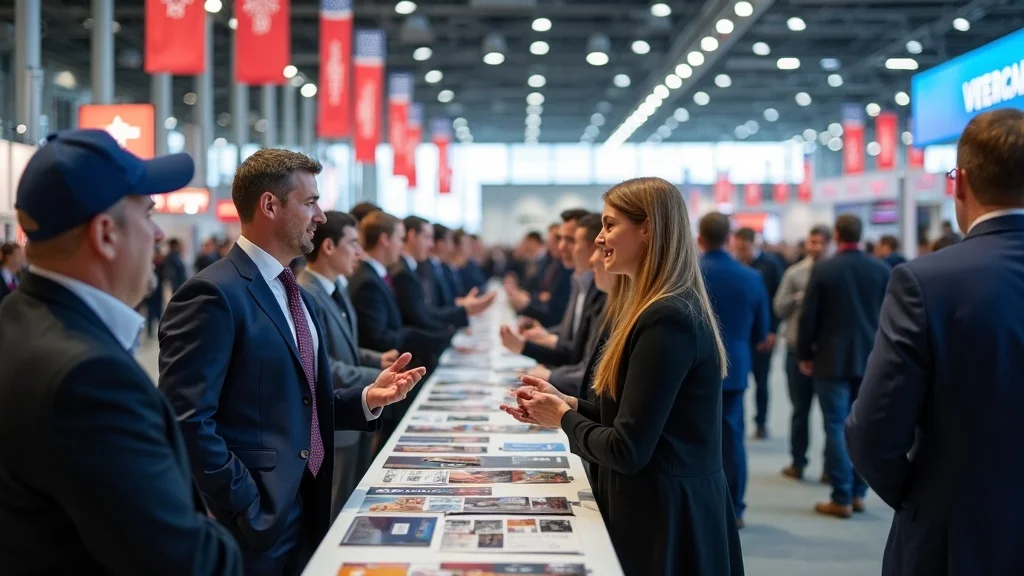
Through the Veterans In Automotive Initiative led by Lamphere, annual events are serving as a catalyst for greater industry understanding. These events are more than networking—by inviting veterans directly onto dealership floors and into leadership huddles, employers can dispel myths while veterans see, firsthand, the breadth of career pathways available to them. “A day in the life” shadow opportunities transform abstract job descriptions into lived experience, while tailored recruitment events help match skills with open roles in real time.
Furthermore, these events create space for honest dialogue between veterans and employers; the former can communicate the scope of their training and ambitions, while HR managers gain visibility into transferable competencies that often elude standard recruitment processes. Lamphere asserts that such engagement is crucial—not just to place veterans in jobs, but to cultivate a vibrant community of purpose-driven professionals for the sector’s future.
Leveraging Government and Industry Training Programs to Grow Veteran Talent Pools
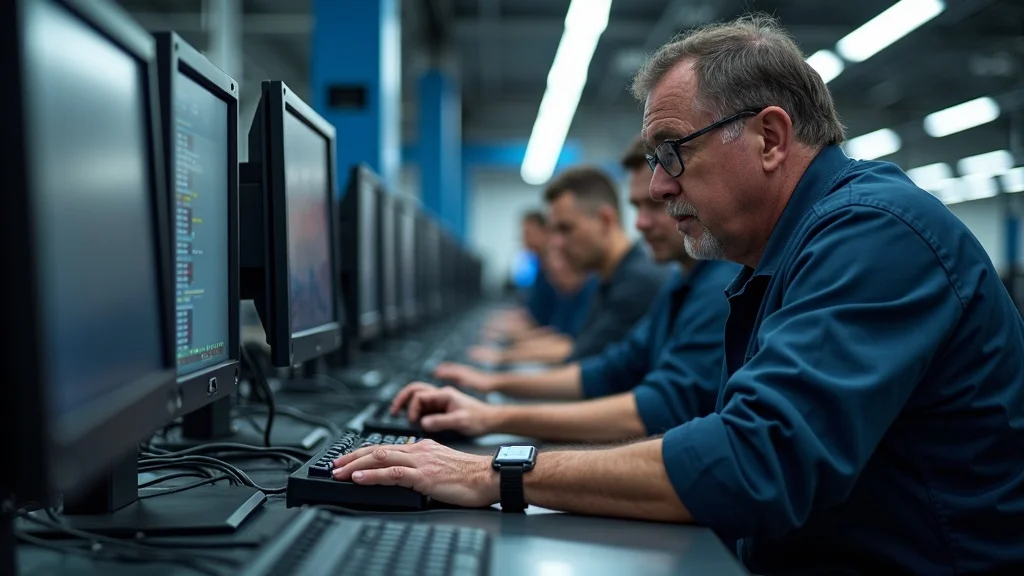
Lamphere emphasizes the vital role of government and industry-sponsored training programs in building a talent pipeline rooted in veteran potential. These programs align structured technical education with the evolving requirements of modern dealerships and service centers. By pairing their military background with new certifications or technology-driven upskilling, veterans transition seamlessly into leadership and specialist roles that automotive employers need to fill.
Supporting these efforts means not only encouraging veterans to harness their existing skill sets but also equipping automotive businesses to collaborate with government agencies for ongoing funding and curriculum development. As Lamphere suggests, when veterans arrive at dealerships already versed in diagnostic tools or dealership management software, their impact is immediate. This proactive approach ensures a continuous flow of disciplined, high-performing candidates prepared for rapid advancement.
Common Misconceptions and How Automotive Employer Education Can Change Perceptions
- Veterans only qualify for mechanic or sales roles – in fact, leadership and technical skills apply across departments
- Military resumes don’t align with civilian job descriptions – translating skills bridges this crucial gap
- Automotive industry recruitment lacks veteran-focused initiatives – dedicated programs change this dynamic
According to Katie Lamphere, tackling misconceptions isn’t simply about raising awareness—it’s about fundamentally restructuring how automotive employer education evaluates applicants. When employers move beyond rigid hiring templates and actively translate military resumes into industry equivalents, the pool of qualified candidates broadens significantly. Lamphere encourages organizations to invest in education for their HR teams on understanding military ranks, certifications, and transferable skills.
Likewise, she advocates for ongoing learning at every level—from hiring managers and CSR leaders to regional operations heads—so that the value of veteran talent is recognized and celebrated. Dispelling long-held beliefs that veterans “only fit” in certain boxes will not only promote equity but also unlock an invaluable reservoir of leadership and resilience vital for the industry’s sustained growth.
Key Takeaways: Why Automotive Dealer Groups and HR Must Prioritize Veteran Hiring Education

- Closing the perception gap unlocks leadership talent with exceptional discipline and work ethic
- Working collaboratively with organizations like Veterans in Automotive improves recruitment outcomes
- Continuous engagement through education and events strengthens veteran retention and growth
It’s clear from Katie Lamphere’s expertise that the next leap in automotive workforce development rests on closing the awareness and translation gaps between veterans and employers. Dealer principals, HR teams, and workforce development coordinators who champion these principles can expect not only more robust applicant pipelines but improved retention, elevated morale, and access to a steady influx of adaptable leaders. By embracing collaborative partnerships with organizations like Veterans In Automotive, stakeholders signal a commitment to both business excellence and social responsibility.
Lamphere’s vision is not just about hiring—it’s about empowering a cycle of learning, reinvestment, and mutual respect that positions the automotive industry as an employer of choice for those who have served.
Next Steps: Empower Your Automotive Employer Education for Veteran Hiring Today
For automotive dealers, HR professionals, and CSR leaders looking to harness the untapped potential of veteran talent, now is the time to act. Start by integrating dedicated veteran education initiatives within your recruitment processes, collaborate with transition programs, and support immersive events where skill translation is both visible and measurable. Leverage targeted training partnerships and ensure every hiring manager is fluent in reading between resume lines to spot invaluable leadership potential.
As Katie Lamphere of Veterans In Automotive underscores, “Transforming perceptions is the engine for true workforce growth. ” The momentum built by supporting veteran hiring goes far beyond staffing pipelines—it shapes a culture of resilience, innovation, and long-term success.
Ready to transform your automotive employer education strategy? For personalized consultation, partnership opportunities, or to sponsor groundbreaking events, visit Veterans In Automotive or call (954) 242-0433 today.
To further enhance your understanding of automotive employer education and its impact on veteran hiring, consider exploring the following resources: “Build a Pipeline of Automotive Workers with Career and Technical Education Students”: This guide outlines strategies for employers to collaborate with Career and Technical Education (CTE) programs, facilitating work-based learning placements for roles such as automotive technicians and diesel mechanics. It emphasizes the benefits of integrating CTE students into the workforce to address skill gaps and build a robust talent pipeline. (michigan. gov) “Employer Partners | CLTCC Transportation”: Central Louisiana Technical Community College (CLTCC) offers programs in automotive technology and collision repair, highlighting the importance of employer partnerships in providing hands-on training and developing a skilled workforce. This resource details how collaboration between educational institutions and employers can effectively prepare students for careers in the automotive industry. (transportation. cltcc. edu) By engaging with these resources, you can gain valuable insights into effective strategies for bridging the veteran hiring gap through targeted automotive employer education initiatives.


Write A Comment