
Ron Schlegel’s Core Thesis: Why Process Improvement Training Is a Game-Changer for Delaware Valley Manufacturers
For manufacturers in New Jersey, Philadelphia, and across the Delaware Valley, the demand for operational excellence has never been greater. With fierce competition and shrinking margins, every organization is seeking a competitive edge. Process improvement training emerges as a proven catalyst, not just for incremental changes, but for transformative leaps in productivity, efficiency, and team engagement. Ron Schlegel of E3 Business Consulting, renowned for guiding manufacturers toward sustainable profitability, argues that such training isn't just beneficial—it's mission-critical. His 25-plus years of leadership, including Lean/Six Sigma mastery, fuel a people-centric approach that consistently unlocks measurable, lasting success.
According to Ron Schlegel, while manufacturers may invest in cutting-edge machinery or automation, real differentiation happens when teams are equipped to step back, analyze, and improve how work is actually done. "Too often, companies misjudge process improvement training as time lost from production," he says, "but the reality is—done right—it turbocharges your throughput and return on every operational dollar. " With a background spanning Zodiac Aerospace, Wastequip, Molex, and Albion Engineering, Schlegel speaks from extensive, hands-on experience leading change at both the shop-floor and strategic levels. This article unpacks his compelling insights on why now, more than ever, manufacturers must prioritize process improvement training to outpace peers and build future-ready businesses.
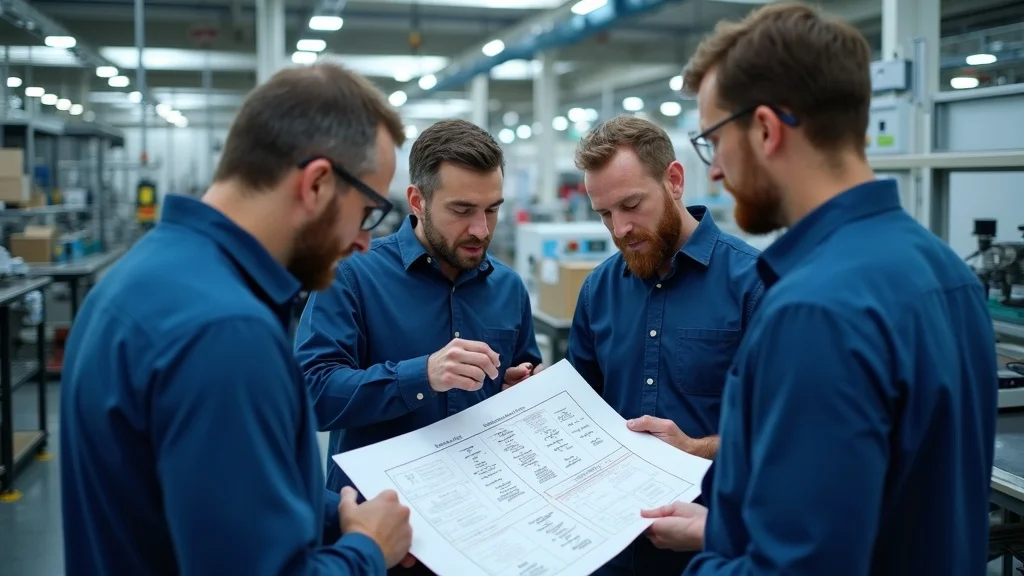
“If you are not using lean tools to improve your performance every day, you are actually falling behind.”
— Ron Schlegel, E3 Business Consulting
Dispelling the Myth: Process Improvement Training Doesn’t Disrupt Production—It Accelerates It
A persistent fear among manufacturing leaders is that pulling staff away for process improvement training will derail production and cut into output. According to Ron Schlegel, this misconception is one of the greatest barriers to progress. The expert's perspective is that when you take a holistic view of the process and integrate training as an enabler—not a detour—you actually unlock efficiencies that boost throughput, not hinder it. Many manufacturers fall into the trap of seeing training as theoretical or separated from the “real work. ” However, Schlegel argues that properly structured training does the opposite: it immerses people in real-world problem solving that immediately pays back in operational gains.
As Ron explains, reluctance to invest in employee development out of fear of lost production time is shortsighted. Manufacturers who embrace a comprehensive look at their entire process, engaging teams in skills development while simultaneously tackling production pain points, see faster setups, smoother handoffs, fewer defects, and increased capacity. “People think training takes away from the production schedule, but with a full process overview and targeted improvements, we actually make manufacturing more efficient. ” – Ron Schlegel, E3 Business Consulting. His decades-spanning experience reveals that embedding learning into the workflow—rather than quarantining it—amplifies outcomes, turning downtime into the launchpad for higher performance.
Integrating process improvement training with effective project management practices can further streamline manufacturing operations and ensure that new efficiencies are sustained over time. For practical strategies on aligning process initiatives with project goals, explore the project management resources from E3 Business Consulting.
- Identify inefficiencies in the entire production process
- Apply lean manufacturing tools to streamline these areas
- Measure improvements in cost and lead time
- Sustain gains through continuous employee engagement
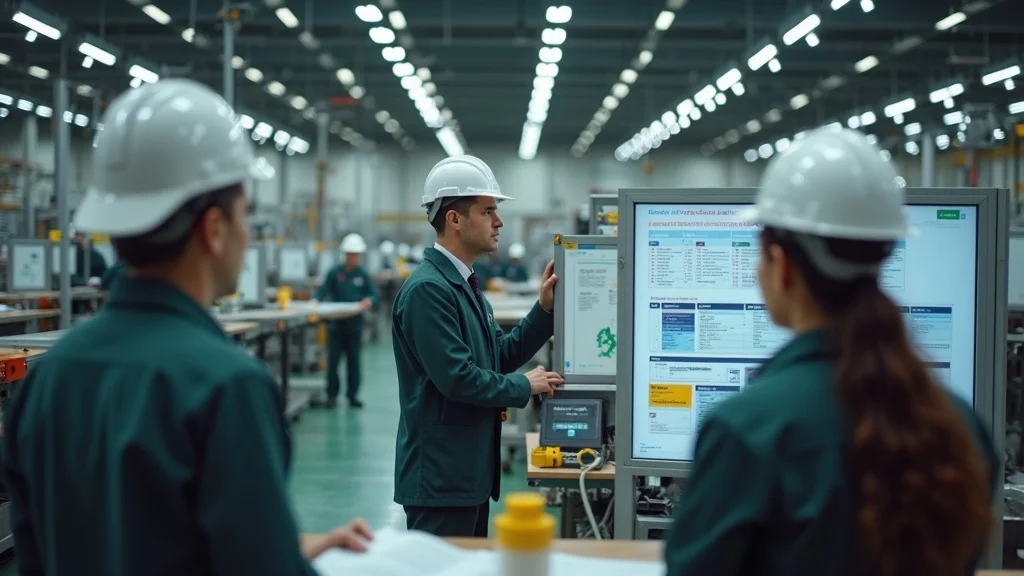
The Competitive Imperative: How Lean Manufacturing Training Fuels Success in the Delaware Valley
The Delaware Valley is home to a dense cluster of manufacturers competing in local and global markets. In this dynamic region, even the slightest inefficiency can threaten market share. Ron Schlegel highlights that process improvement training—centered on lean manufacturing tools—is not just an operational fix but a strategic necessity. “Every competitor could be improving daily with lean tools—standing still means falling behind. ” – Ron Schlegel, E3 Business Consulting. In other words, today's best practices are tomorrow's table stakes, and yesterday’s methods are a roadmap to obsolescence. Manufacturers who delay or neglect structured process improvement risk losing cost competitiveness and agility.
According to Schlegel, training arms teams not only with knowledge, but with the daily discipline to hunt for waste and inefficiency—a practice that delivers performance compounding over time. When every employee, from the boardroom to the shop floor, uses lean tools to orchestrate incremental wins, the result is a flywheel effect: faster cycle times, higher yields, and the ability to respond to market changes with agility. He emphasizes that, in a sector where labor and material costs continue to rise, the ability to extract value from every phase of production is what differentiates defenders from disrupters.
Real-World Impact: Lower Costs and Shortened Lead Times Through Process Improvement
It’s easy to discuss process improvement training in the abstract, but real impact is measured where it counts: cost structure, lead times, and customer satisfaction. Ron Schlegel draws from a wealth of case studies, illustrating how lean processes—powered by dedicated training—yield dramatic business results. According to Schlegel, every stage of manufacturing has untapped savings and hidden bottlenecks. By uncovering these through disciplined training, organizations can do more with less, pass savings to customers, and meet even aggressive delivery targets.
Consider the example he shares: “We helped companies not only reduce costs but also improve delivery times—key lean process outcomes that transform manufacturing competitiveness. ” – Ron Schlegel, E3 Business Consulting. By teaching teams to map value streams and systematically eliminate non-value-added steps, Schlegel has seen organizations move from firefighting mode to proactive progress. For leaders, this means not just hitting numbers, but building a reputation as a reliable supplier—an attribute that wins repeat business, boosts customer satisfaction, and fortifies market position year over year.
- Lower price points due to reduced manufacturing costs
- Ability to consistently meet delivery schedules by shortening lead times
- Enhanced customer satisfaction through reliable operations
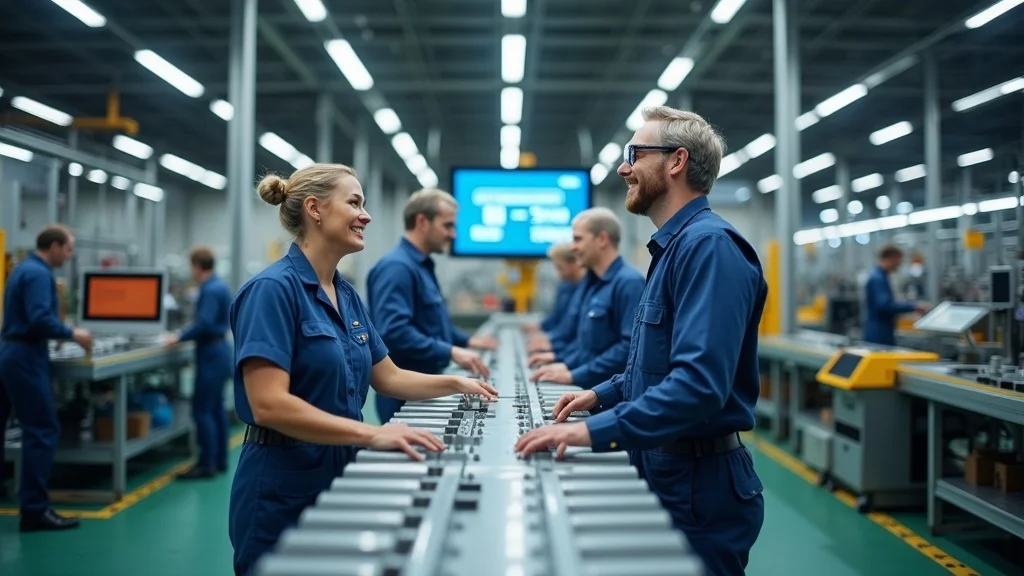
Beyond Tools: Empowering Employees and Building Sustainable Growth Through Process Improvement Training
At the heart of Ron Schlegel’s approach is a firm belief that sustainable improvement is built on empowered, engaged teams—not just systems and spreadsheets. Process improvement training isn’t a one-off event or a checklist—it’s a culture change, driven by employees at all levels. Schlegel’s experience guiding manufacturers through turnarounds and growth phases reveals a consistent pattern: when employees are taught not just the “how” but the “why” behind improvement, they become proactive problem-solvers and change agents.
According to Schlegel, fostering continuous improvement means equipping employees to surface challenges, propose solutions, and take ownership of outcomes—day in and day out. As teams see tangible results from their ideas, accountability and morale accelerate. "By combining people-focused leadership with lean process strategies, manufacturers unlock true competitive advantage. " – Ron Schlegel, E3 Business Consulting. The real win comes when improvement is no longer just a management initiative but a shared pursuit, aligning every process change with strategic business goals for long-term impact.
- Fostering a culture of continuous improvement and accountability
- Engaging employees to identify and solve operational challenges
- Aligning process improvement with business goals for lasting impact
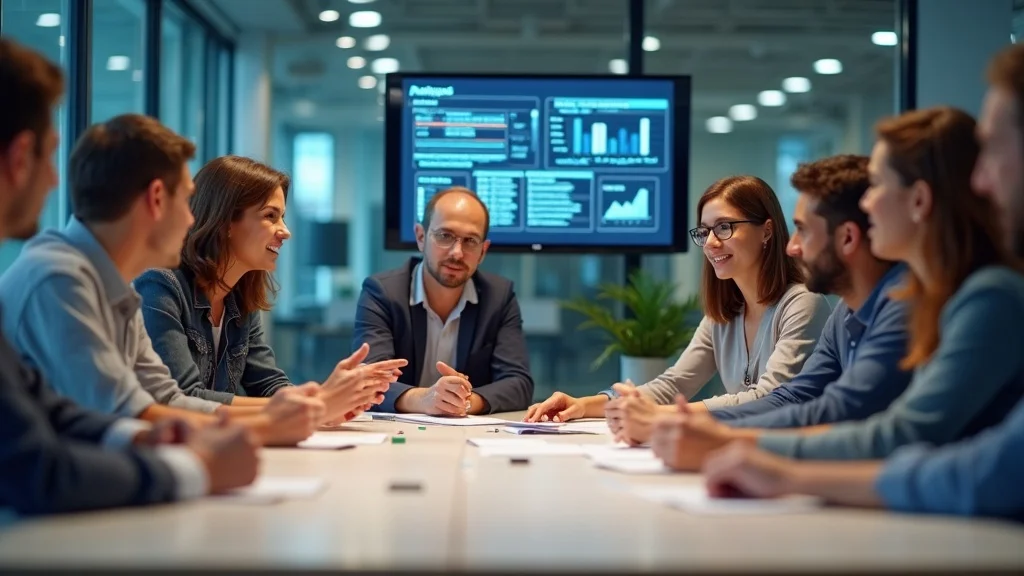
Key Takeaways: Why Manufacturers in New Jersey, Philadelphia, and Delaware Must Invest in Process Improvement Training Today
- Process improvement training accelerates efficiency without halting production
- Lean manufacturing tools are essential to stay competitive in the Delaware Valley
- Training yields measurable gains in cost, delivery, and team engagement
- Empowered teams drive continuous improvements that sustain profitability
Next Steps: How to Unlock Your Manufacturing Potential with Ron Schlegel’s Expert Workshops
The Delaware Valley manufacturing sector stands at an inflection point—those who invest today in process improvement training and employee development will set the pace for tomorrow’s winners. Ron Schlegel’s workshops are purpose-built to help teams not only learn lean principles, but apply them in the factory for immediate results and long-term advantage. From reducing costs and cycle times to boosting morale and strategic agility, Schlegel helps organizations turn intention into impact.
For manufacturing leaders in New Jersey, Philadelphia, and across the region, there’s never been a better time to elevate your operation. As Ron Schlegel underscores, the path to breakthrough performance is paved with empowered people and proven process. The next decisive move is yours.
“By combining people-focused leadership with lean process strategies, manufacturers unlock true competitive advantage.”
— Ron Schlegel, E3 Business Consulting
Ready to drive measurable improvements in your manufacturing operations? Sign up for Ron Schlegel’s process improvement training workshops tailored for Delaware Valley manufacturers—designed to help your team learn, apply, and sustain lean manufacturing success.
As you continue your journey toward operational excellence, consider how integrating robust project management methodologies can further amplify the results of your process improvement efforts. The Project Management Archives at E3 Business Consulting offer a wealth of insights on aligning teams, managing change, and sustaining momentum across complex initiatives. By exploring these resources, you’ll discover advanced strategies to bridge the gap between process optimization and long-term business growth—empowering your organization to thrive in a rapidly evolving manufacturing landscape.
To further enhance your understanding of process improvement training, consider exploring the following resources:
- “LEAN Process Improvement: Delivering More with Less” (amanet.org)
This course teaches practical tools and techniques to help you identify waste, streamline workflows, and deliver more value with fewer resources.
- “Continuous Improvement Techniques” (asq.org)
This interactive course presents widely accepted definitions for quality and examines continuous improvement techniques, encouraging learners to use some of the tools and methods discussed.
If you’re serious about enhancing your manufacturing operations, these resources will provide you with valuable insights and practical strategies to implement effective process improvement training.





Write A Comment