
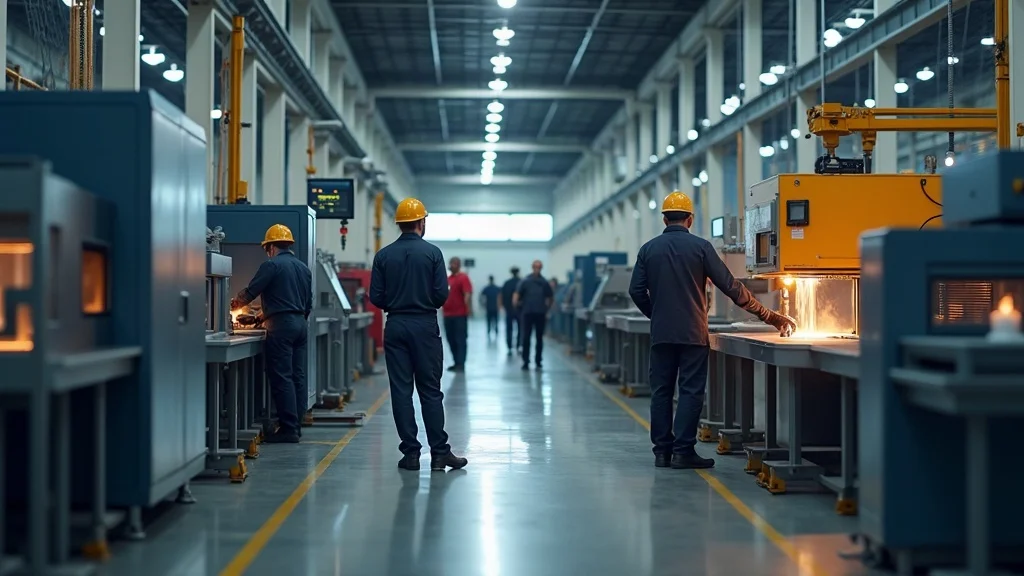
Ron Schlegel's Expert Insight: The True Power Behind Cellular Manufacturing Layout
"The biggest misconception is that it is difficult for operators to adjust to a different way of doing business. Instead, cellular manufacturing empowers operators to learn multiple tasks across machines, making them more valuable assets to the organization." – Ron Schlegel, E3 Business Consulting
For many Delaware Valley manufacturers, the transformation toward a cellular manufacturing layout is often met with hesitation. The prevailing belief is that employees will resist fundamental change, or struggle to adapt to a more integrated, collaborative way of working. But, as Ron Schlegel—a seasoned authority with over 25 years of hands-on leadership in process improvement and operational excellence—asserts, this assumption couldn't be further from the truth. According to Ron, the journey to cellular manufacturing is less about forcing operators out of their comfort zones, and more about empowering them to become dynamic problem solvers and multi-skilled contributors.
"Operators are far more adaptable than most leaders realize," Schlegel explains. He has seen first-hand that, when given clarity and purpose, employees not only accept new approaches, but thrive within them. Transitioning to a cellular manufacturing layout opens the door for operators to master a variety of tasks across different machines within a cell, making them intrinsically more valuable and elevating the performance of the entire organization. As he likes to emphasize, the most powerful results come from engaging operators as architects of their own success—a perspective that’s continually proven essential in today’s rapidly evolving manufacturing landscape.
Why Delaware Valley Manufacturers Must Rethink Their Floor: Addressing Workforce Challenges with Cellular Layouts
"Since manufacturing jobs have moved overseas over the last 20 years, skilled operators are scarce. Retraining existing people to manage multiple machines in a cellular setup reduces hiring pressures and boosts operational flexibility." – Ron Schlegel, E3 Business Consulting
The Delaware Valley—spanning Philadelphia, New Jersey, and greater Pennsylvania—has long been a powerhouse of innovative manufacturing. However, in the wake of decades of offshoring, organizations now grapple with a leaner, less-experienced labor pool. The struggle to attract, onboard, and retain skilled operators is one of the defining challenges for manufacturers in 2026, compounded by growing competition and shifting market demands.
According to Ron Schlegel, the solution is not to focus solely on recruitment, but on maximizing the capabilities of current teams. By implementing a well-designed cellular manufacturing layout, companies can cross-train workers, enabling a single operator to efficiently manage multiple machines or processes. This approach doesn’t just relieve staffing pressures; it fundamentally reshapes the work environment, making it possible to maintain—and even accelerate—production levels despite workforce shortages. Schlegel’s experience shows that creating skilled, multifaceted teams yields both immediate efficiencies and long-term resilience for manufacturers ready to adapt.
For manufacturers seeking to further streamline their operations, integrating effective project management principles can be a game-changer when implementing new layouts or cross-training initiatives. Exploring practical strategies from the project management archives can provide actionable guidance for coordinating change and ensuring smooth transitions on the shop floor.
Empowerment Through Multi-Skilling: The Strategic Workforce Advantage
- Enhanced operator flexibility and engagement. By teaching staff to handle a variety of roles, manufacturers develop both adaptability and morale across the floor.
- Improved production flow with reduced wait times and bottlenecks. Cellular layouts unleash speed by aligning equipment for seamless, end-to-end workflow.
- Lower dependency on new hires amid a tight labor market. The ability to do more with your current workforce mitigates the risks posed by talent shortages and labor costs.
Cellular manufacturing layouts create a strategic advantage that resonates deeply with the real-world pressures Delaware Valley manufacturers face. As Schlegel emphasizes, "Organizations that cultivate flexibility in their workforce not only reduce operating risks—they also empower their people to innovate and lead continuous improvement. " This culture shift is the foundation for future-proofing operations in a global marketplace, transforming what was once workforce adversity into a core business advantage.
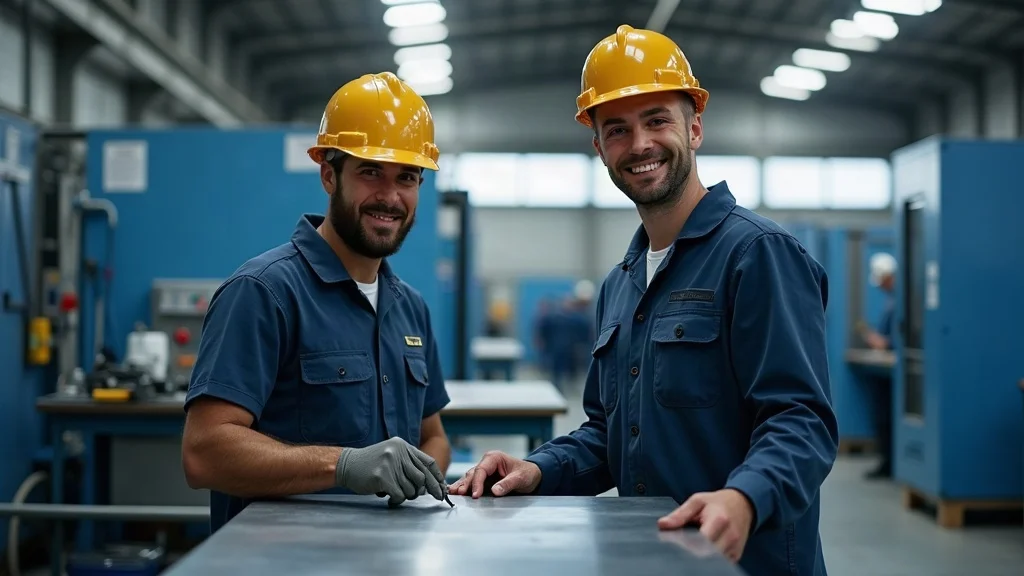
Real-World Success: Cellular Manufacturing Layout Transforming Sheet Metal Production
"By transitioning from a process-based layout to cellular manufacturing, one operator began efficiently running two to three machines simultaneously, dramatically increasing productivity and reducing waste." – Ron Schlegel, E3 Business Consulting
Theory is one thing; results are another. As Schlegel recounts, E3 Business Consulting recently guided a Delaware Valley sheet metal operation through a transformative shift from a conventional process-based setup to a streamlined cellular manufacturing layout. Previously, each machine required a dedicated operator, limiting flexibility and perpetuating bottlenecks along the line. After realigning production into manufacturing “cells” and investing in operator retraining, a single individual could efficiently manage up to three machines at once. The impact was striking: increased throughput, reduced waste, and a newfound sense of pride and engagement among the operators themselves.
The expert’s perspective is that aligning cell design, operator training, and empowerment not only boosts productivity but also catalyzes a culture of continuous improvement. For small and mid-sized manufacturers, these wins compound over time, rapidly enhancing competitiveness in a challenging market.
Key Elements that Made the Cellular Setup Effective
- Careful cell design to minimize operator travel and streamline workflow.
- Comprehensive retraining programs to elevate operator skill sets.
- Operator involvement in designing the cell to unlock buy-in and accountability.
According to Schlegel, successful transformation hinges on a holistic approach: "You have to consider not just the machines or the layout, but how people move, communicate, and take ownership in their daily tasks. " In the featured case, workflow optimization went hand-in-hand with hands-on learning, ensuring each operator understood the purpose behind every change. Genuine operator participation in planning the cellular layout yielded breakthroughs—not only in process efficiency, but also in morale and commitment to results.

Common Misconceptions and How to Overcome Them for Smooth Cellular Manufacturing Adoption
- Myth: Operators resist change — Reality: Involve them as co-creators for enthusiastic adoption
- Myth: Cellular layouts are complex — Reality: Thoughtful design makes operations intuitive
- Myth: Retraining is too costly — Reality: Long-term gains in agility and productivity far outweigh initial investment
Time and again, Ron Schlegel sees manufacturers stumble over unfounded beliefs that stall progress. One common fear is that operators will reject new workflows; however, Ron maintains that direct engagement transforms skepticism into advocacy. “If you include them in the process, operators become your biggest champions of efficiency,” he notes. Another barrier is the fear of complexity; Ron’s consulting experience reveals that, with intentional planning, even intricate processes can become intuitive to master.
Finally, leaders often balk at the initial costs of retraining, yet the return on investment—lower overhead, fewer errors, and a nimble, empowered team—pays back manifold. According to Schlegel, successful adoption is all about building a partnership culture: "The best ideas for layout often come from those who use it every day. " When you treat operators as problem-solvers instead of obstacles, you unlock breakthrough performance.
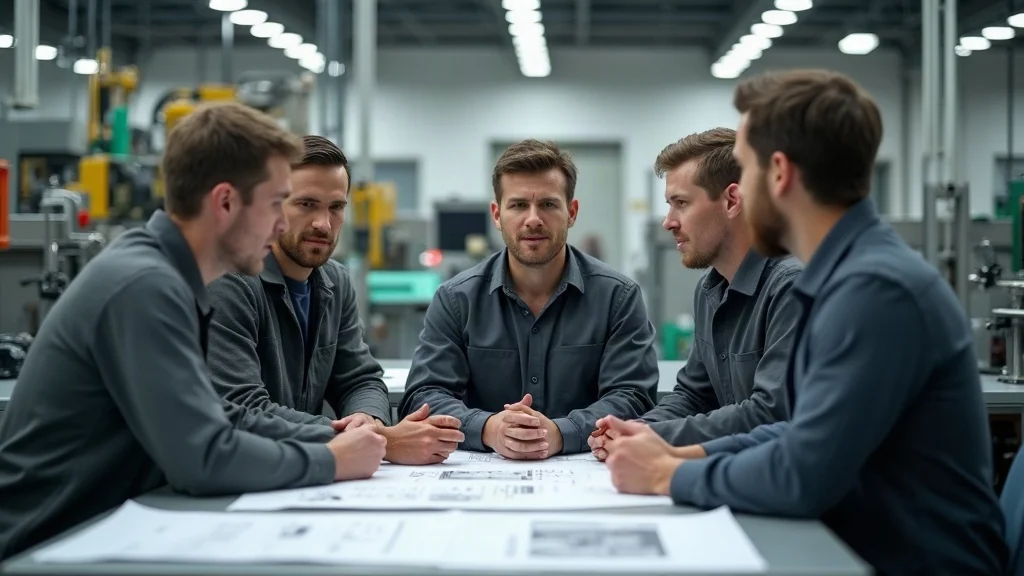
Actionable Takeaway: Equip Your Operators, Transform Your Process
"Operators will adapt and excel if given a logical process and are treated as key contributors. Empowered operators are the cornerstone of efficient cellular manufacturing." – Ron Schlegel, E3 Business Consulting
The single greatest lever for process transformation isn’t technology or capital investment—it’s people. Schlegel’s extensive work with Delaware Valley manufacturers has repeatedly demonstrated that the surest path to a high-performance cellular manufacturing layout starts by investing in your own workforce. Give operators clarity, the right tools, and a voice in shaping the workflow, and watch as ownership and efficiency skyrocket. This not only drives measurable process improvement but helps build a sustainable model for continuous growth in an unpredictable economic climate.
According to Ron, businesses looking to enhance both agility and retention should start on the shop floor: engage, cross-train, and empower their teams. This fosters not just technical skill, but a culture of pride, accountability, and innovation—making operational improvements a shared mission rather than a top-down demand.
Top 3 Tips for Getting Started with Cellular Manufacturing Layouts
- Involve operators early in cell design to ensure usability and buy-in.
- Invest in cross-training to build versatile, multi-skilled teams.
- Analyze and redesign workflow to minimize waste and travel time.
Ron Schlegel advises manufacturing leaders to treat the layout process as a team project, not just an engineering exercise. By inviting operators to participate at the earliest stages, companies can surface invaluable insights and ensure change is rooted in reality. Effective cross-training multiplies staff flexibility and enables seamless production even during turnover or peak demand. Detailed workflow analysis, meanwhile, is the backbone of waste reduction—empowering teams to identify inefficiencies and drive rapid, lasting gains.
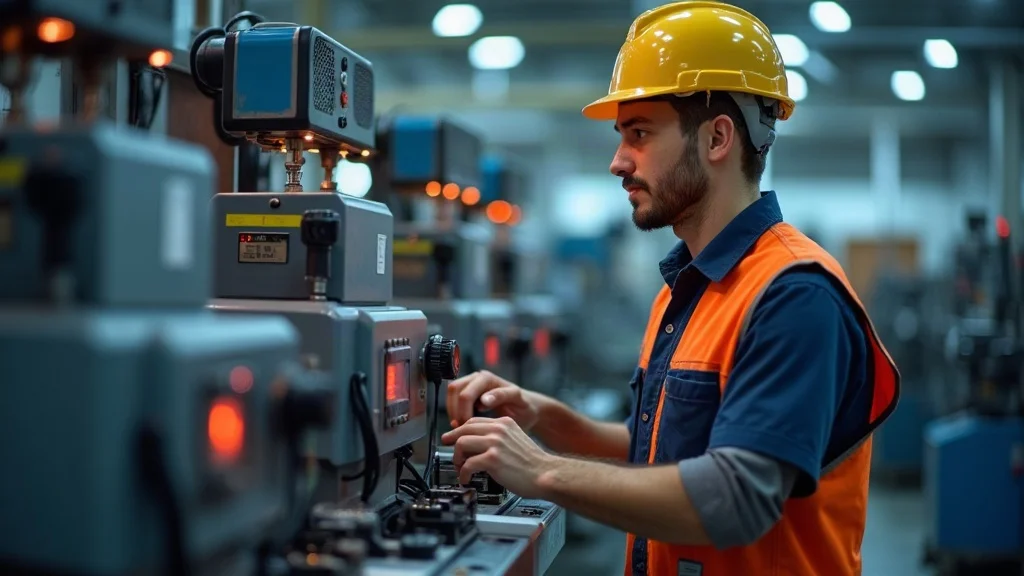
Summing Up: Cellular Manufacturing Layout as a Strategic Lever for Delaware Valley Manufacturers
- Unlock greater productivity by leveraging multi-skilled operators
- Address workforce shortages with targeted retraining and layout innovation
- Create a culture of continuous improvement by making operators key stakeholders
As Delaware Valley manufacturers seek an edge in an intensely competitive landscape, the transition to cellular manufacturing layouts emerges not just as a solution to workflow inefficiency but as a vital strategy for unlocking latent workforce potential. According to Ron Schlegel, the ultimate measure of operational excellence isn’t just how much a company can produce, but how well it can inspire, equip, and retain the people driving that productivity.
By investing in operator engagement, retraining, and thoughtful design of production cells, you transform your factory — not just in efficiency or bottom-line terms, but in the vibrancy of its culture. Now, more than ever, the most sustainable route to manufacturing excellence is rooted in your people’s growth and ownership.
Take the Next Step: Enhance Manufacturing Excellence in Your Facility
Are you ready to revolutionize your operations? Partner with experts who understand both the technical and human dimensions of cellular manufacturing layouts. Schedule a strategic consultation with Ron Schlegel at E3 Business Consulting to explore how your team can become the engine of your future success. The most effective change starts with empowering your people—unlock their potential today.
If you’re inspired to elevate your manufacturing processes even further, consider broadening your perspective with advanced project management methodologies. The project management resources at E3 Business Consulting offer a wealth of insights on orchestrating complex change, aligning teams, and sustaining operational excellence. By integrating these strategic approaches with your cellular manufacturing initiatives, you can unlock new levels of efficiency and resilience. Take the next step in your journey—explore proven frameworks that empower your organization to thrive in today’s dynamic manufacturing environment.
To deepen your understanding of cellular manufacturing layouts and their transformative impact on production efficiency, consider exploring the following resources:
-
The article “Lean Thinking and Methods - Cellular Manufacturing” by the U.S. Environmental Protection Agency provides a comprehensive overview of how cellular manufacturing supports lean production by organizing workstations to facilitate smooth material flow, thereby reducing waste and improving flexibility. (epa.gov)
-
The “Cellular Manufacturing” entry on IEEE Technology Navigator offers an in-depth exploration of the principles and applications of cellular manufacturing, including its historical development and integration with group technology. (technav.ieee.org)
If you’re serious about optimizing your manufacturing processes, these resources will provide valuable insights into implementing cellular manufacturing layouts effectively.


Write A Comment