

Ron Schlegel’s Core Insight: Lean Kanban Systems Drive Inventory Precision and Cost Savings
For manufacturers in the Delaware Valley—and across New Jersey and Philadelphia—competitive advantage hinges on the ability to manage inventory with precision, speed, and cost discipline. Yet, despite their pivotal value, lean kanban systems are still shrouded in misunderstanding. According to Ron Schlegel, Principal of E3 Business Consulting and a seasoned Lean/Six Sigma leader with over 25 years’ experience, the real power of Kanban lies not just in its visible simplicity, but in the data-driven, strategic discipline it brings to inventory management. Schlegel cautions against underestimating Kanban’s complexity: when deployed thoughtfully, it becomes a tool for operational transformation—cutting wasted time and cash, strengthening supplier partnerships, and protecting your organization’s reputation.
"The real process of defining a Kanban takes many pieces of data information ... and creates an algorithm that defines how and how much inventory is used."
As Ron Schlegel of E3 Business Consulting explains

Why Understanding Lean Kanban’s Complexity Is Crucial for Manufacturers
Many manufacturers mistakenly believe implementing a Kanban system is a plug-and-play solution—simple, almost automatic. But as Ron Schlegel emphasizes, this misconception can lead to critical oversights and missed opportunities. The truth is, building a successful lean kanban system requires rigorous analysis of real-time data: understanding inventory turnover rates, lead times, order frequencies, and demand variability. Manufacturers who fail to account for such nuances risk implementing generic processes that do not align with their unique operational needs. Schlegel's background in both family-owned shops and corporate giants has taught him that every SKU, every component, demands its own thoughtful algorithm—the backbone of a resilient and responsive Kanban system.
"The biggest misconception of Kanban inventory management is that it is simple and therefore possibly incorrect."
As Ron Schlegel of E3 Business Consulting puts it
If you want to improve delivery performance and cost control, you must start with a strategic approach. According to Schlegel, successful Kanban is not just about pulling cards—it’s about pulling insights from within your data. This means collaborating across your supply chain, regularly reviewing performance, and refining your Kanban formulas to minimize errors and maximize inventory flow. The result? Fewer surprises, smoother operations, and a strategic asset that propels your entire business forward.
For manufacturers seeking to deepen their understanding of process optimization and project delivery, exploring additional project management strategies can provide practical frameworks that complement lean Kanban systems and drive even greater operational efficiency.
How Lean Kanban Systems Protect Your Organization’s Delivery and Reputation
The consequences of poor inventory management reach far beyond occasional stock-outs. For manufacturers in the Delaware Valley, a single missed delivery date can ripple through entire customer chains, harming reputation, eroding trust, and losing business to more agile competitors. Ron Schlegel’s experience across aerospace, industrial, and product design sectors underlines this: tightly-controlled lean kanban systems ensure you have the right parts, at the right time—every time. At its best, Kanban is about more than cost; it’s about consistently delivering value and reliability to your customers.
"Inventory management is directly related to the success of an organization... Kanban lowers the financial burden and sets you up to deliver on time."
As Ron Schlegel of E3 Business Consulting explains
Schlegel underscores that effective Kanban balances two vital imperatives: minimizing inventory carrying costs while guaranteeing supply availability. When you hold too much stock, you tie up cash that could otherwise fuel growth. Hold too little, and you risk production stoppages and urgent, expensive expedites. By tailoring Kanban loops and replenishment triggers to your unique demand signals, you protect both your profit margins and your promise to the market.
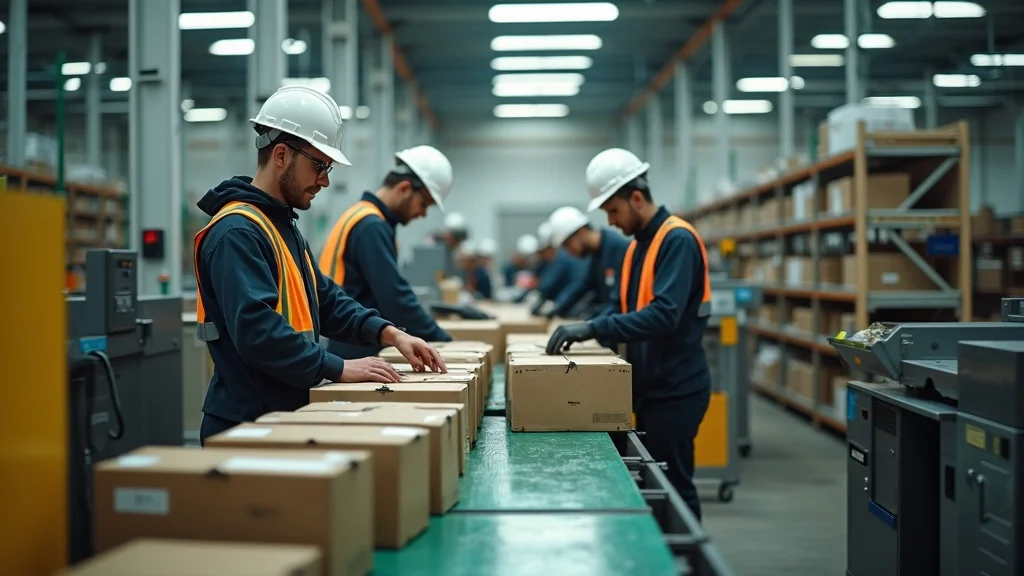
Balancing Inventory Levels to Avoid Costly Waste and Missed Deliveries
- Minimize excess inventory that ties up capital
- Ensure timely availability of parts for production
- Maintain supplier relationships through efficient inventory control
A Real-World Success Story: Streamlining Suppliers Using Lean Kanban in Mechanical Assembly
What does a Kanban transformation truly look like from the inside? According to Schlegel, the practical benefits can be game-changing. He recounts leading a mechanical assembly operation with thousands of inventory items sourced from a daunting list of 10 to 15 suppliers. The complexity was overwhelming—juggling inbound deliveries, resolving supplier hiccups, and ensuring every last bolt arrived when needed. The breakthrough came with a bold step: consolidating the supplier base down to only three trusted partners, and then inviting them to actively manage Kanban inventory on-site.
"We consolidated from 10 or 15 suppliers down to 3, with their representatives managing inventory on-site, reducing hardware on hand by 15% and cutting management time."
As Ron Schlegel of E3 Business Consulting describes it
By moving to a supplier-managed lean kanban system, the team not only eliminated 15% of hardware from their shelves (freeing up significant capital), but also slashed the administrative burden. No longer was internal staff chasing suppliers—instead, supplier reps visited twice weekly, checked inventory levels, and replenished bins with optimal quantities. This arrangement drove clarity, reduced errors, and freed leadership to focus on innovation and growth. According to Schlegel, such integration transforms the supplier relationship into a true partnership—one driven by shared outcomes, transparency, and efficiency.

From Managing 15 Suppliers to Just 3: The Power of Supplier-Managed Kanban
- Consolidate supplier base to key partners
- Implement supplier-managed inventory checkpoints
- Track and replenish Kanban bins regularly
- Measure inventory reduction and time savings
Essential Steps for Manufacturers to Successfully Implement Lean Kanban Systems
So how can Delaware Valley manufacturers replicate this success? As Schlegel advises, rushing into Kanban without preparation is a recipe for frustration. The process should always begin with setting strategic goals: What problems do you need Kanban to solve? What are your target metrics—cost reduction, delivery performance, lead time compression? By gathering robust data on all inventory items and mapping out your current process intricacies, you lay the groundwork for a Kanban solution that’s built to deliver sustainable gains.
"Make sure that you set your goals upfront... Use data to select the right process, start small, learn, and scale to drive cost down and improve efficiency."
As Ron Schlegel of E3 Business Consulting urges
Schlegel particularly stresses piloting your first Kanban loop on a manageable scale: don’t attempt to convert all inventory at once. Choose a category representing around 10% of your SKUs or dollar volume. Implement, measure, and—crucially—gather lessons from real-world results to refine your approach before full rollout. This approach allows your team to develop confidence with the system and enables ongoing optimization, embedding a culture of continuous improvement and data-led decision-making.

Practical Tips to Kickstart Your Lean Kanban Journey
- Define clear objectives aligned with business goals
- Collect comprehensive inventory and process data
- Choose an appropriate Kanban system tailored to your inventory complexity
- Pilot with manageable inventory size before full rollout
- Continuously track performance and refine processes
Why Delaware Valley Manufacturers Must Embrace Lean Kanban Systems Now
In a region renowned for manufacturing depth and diversity, staying ahead depends on more than tradition—it demands operational innovation. According to Ron Schlegel, lean kanban systems are no longer optional for those aiming to survive and thrive in 2026 and beyond. Tightening economic conditions, evolving supply chains, and higher customer expectations all push manufacturers to build more flexibility and cost-awareness into their operations. Implementing Kanban unlocks real-time adaptability: you respond faster to market changes, optimize cash flow by lowering inventory, and deepen partnerships with suppliers who can grow with you. Schlegel’s experience demonstrates, again and again, that organizations mastering Kanban not only deliver with greater predictability but also outpace their rivals in both growth and resilience.
Today's buyers demand more than products—they demand reliability and speed. Kanban empowers manufacturers to precisely coordinate people, process, and technology, driving step-change improvements in delivery metrics, supplier relations, and employee engagement.

Competitiveness Through Operational Excellence and Cost Control
- Increase responsiveness to market demand
- Lower working capital tied in inventory
- Improve supplier collaboration
- Enhance on-time delivery and customer satisfaction
Final Summary: Lean Kanban Systems as a Strategic Asset for Manufacturing Success
At their core, lean kanban systems offer far more than a set of scheduling cards—they deliver a framework for enduring excellence in inventory management, operational flexibility, and market responsiveness. Ron Schlegel’s career stands as testament to how disciplined Kanban deployment can revolutionize not just manufacturing lines, but entire organizations. By embracing data, empowering cross-functional teams, and building tight-knit supplier partnerships, Delaware Valley manufacturers can unlock measurable gains in delivery, profitability, and customer trust. As the business landscape grows more competitive, the time to act is now.
"Lean Kanban is not just a tool, it’s a disciplined system that, when done right, improves delivery, cost efficiency, and organizational reputation."
As Ron Schlegel of E3 Business Consulting concludes
To realize the full advantage of lean kanban systems, manufacturers should start with focused pilots, stay committed to data-driven improvements, and foster a culture of continuous learning across teams and supply partners. As Schlegel encourages, the journey to operational excellence is a marathon, not a sprint. Take smart first steps, and let experience—and results—guide your path forward.

Next Steps for Manufacturers Ready to Unlock Lean Kanban’s Potential
Ready to take your first step? Ron Schlegel and E3 Business Consulting stand ready to guide Delaware Valley manufacturers through every stage of lean kanban adoption—from discovery to full-scale transformation. Schedule a discovery call with Ron Schlegel today to unlock your operational potential and secure a competitive futures for your team, your customers, and your bottom line.
If you’re inspired to elevate your manufacturing operations beyond inventory management, consider exploring the broader landscape of project management best practices that drive sustainable growth and innovation. By integrating advanced project management methodologies with lean Kanban principles, your organization can achieve greater agility, cross-functional alignment, and long-term resilience. Take the next step in your continuous improvement journey and discover how strategic project leadership can unlock new levels of performance across your entire enterprise.
To deepen your understanding of lean Kanban systems and their transformative impact on inventory management, consider exploring the following resources:
-
The article “Lean Kanban Explained: What You Need to Know” provides a comprehensive overview of how Kanban integrates with Lean principles to enhance workflow efficiency and reduce waste.
-
The U.S. Environmental Protection Agency’s page on “Lean Thinking and Methods - JIT/Kanban” offers insights into the environmental benefits of implementing Just-in-Time and Kanban systems, highlighting their role in minimizing overproduction and reducing waste.
If you’re serious about optimizing your manufacturing processes and achieving operational excellence, these resources will provide valuable strategies and real-world examples to guide your journey.




Write A Comment