
For manufacturers across the Delaware Valley, the rise of smart factory technology is more than a buzzword—it's the key to operational transformation and resilience in today's unpredictable industrial climate. Whether you operate in New Jersey, Philadelphia, or beyond, embracing artificial intelligence (AI) and the Internet of Things (IoT) could position your business on the cutting edge of efficiency and competitiveness.
Guiding us through this shift is Ron Schlegel of E3 Business Consulting, a veteran industrial engineering leader with over 25 years igniting growth, innovation, and sustained excellence. Drawing on deep expertise in Lean, Six Sigma, and strategic change, Ron’s perspective reveals why smart factory technology empowers—not replaces—your workforce, and how it’s already driving powerful results on the factory floor.
Ron Schlegel’s Core Insight: Smart Factory Technology Empowers Operators, Not Replaces Them
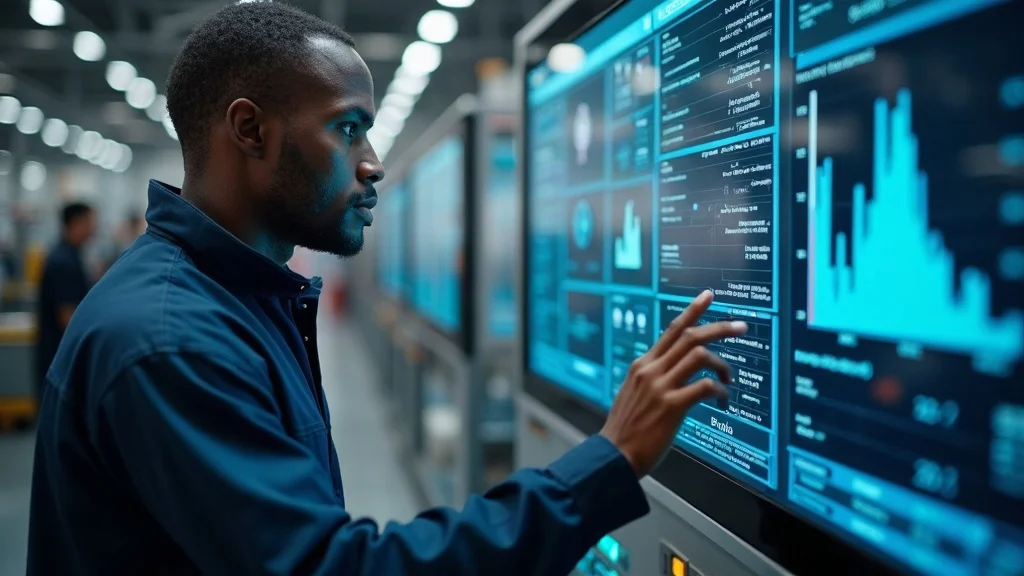
As Ron Schlegel of E3 Business Consulting explains: "AI systems are feared by manufacturing operators because they think that the AI will replace them. But in reality, AI is only going to make their work more efficient and effective in making their company successful."
According to Ron Schlegel, a pervasive myth persists: that AI and smart factory technology threaten jobs by automating away the need for skilled operators. This fear, he says, is both overblown and misguided. The reality is transformative but fundamentally different. Rather than displacing human expertise, these technologies enhance it, placing real-time data and predictive insight directly into the hands of operators and supervisors. As a result, individuals on the factory floor are empowered to make smarter, faster decisions that drive efficiency, safety, and product quality.
Drawing on lessons from decades of operational leadership, Schlegel stresses that the future belongs not to robots, but to people who are willing to embrace and master AI-enhanced processes. "AI will never replace the operator who knows AI," he emphasizes. By integrating these advanced tools, manufacturers ensure their teams can adapt, learn, and contribute greater value—making both the workforce and the business more resilient to market change.
For manufacturers looking to maximize the impact of smart factory initiatives, effective project management is essential to ensure seamless integration and sustained results. Discover practical strategies and real-world examples in the project management resource hub to help guide your digital transformation journey.
The Transformation Edge: How Smart Factory Technology Elevates Manufacturing Efficiency
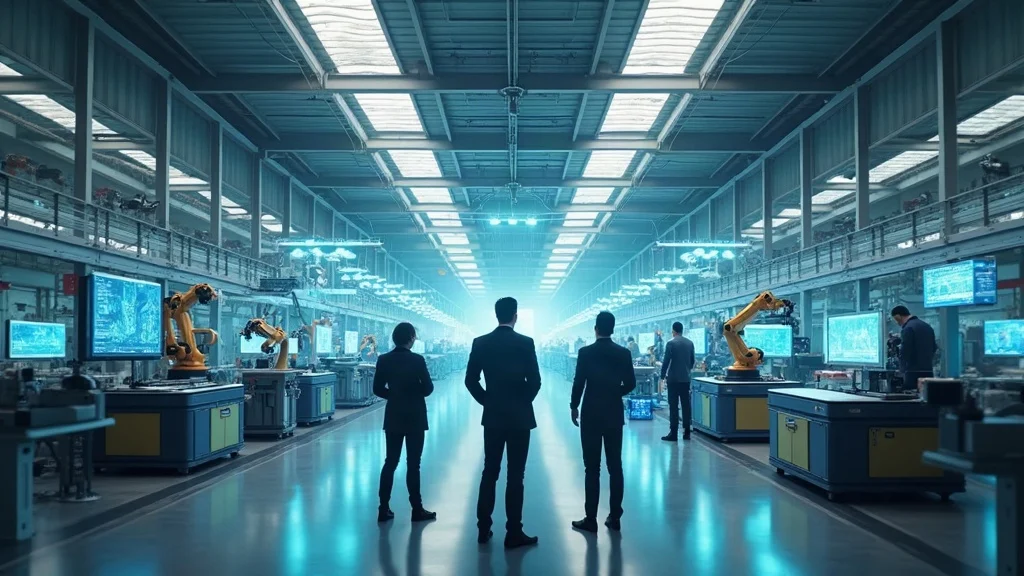
As Ron Schlegel of E3 Business Consulting observes: "Allowing operators to know more about their processes, their equipment, when their equipment will break down ... are all constraints that AI alleviates because it gives you more information than you've ever had before at your fingertips."
The cornerstone of smart factory technology is actionable insight: fusing IoT sensor data and AI analytics to provide a 24/7 view of vital equipment and process performance. Schlegel notes that for many Delaware Valley manufacturers, this leap means far more than flashy dashboards—it’s about gaining clarity on everything from current machine status to subtle trends predicting failure or quality issues. This new level of process visibility lets teams move from guessing to knowing, minimizing risk and waste.
Moreover, embracing smart factory technology is essential for manufacturers determined to control costs, minimize unscheduled downtime, and optimize output. With these systems in place, operators and engineers stop firefighting and start problem-solving. Armed with predictive alerts and data-backed suggestions, they can fine-tune operations to extract the maximum possible value from every asset—while continuously improving safety, satisfaction, and sustainability.
From Reactive to Proactive: A Real-World Smart Factory Success Story

As Ron Schlegel of E3 Business Consulting demonstrates: "With AI and IoT sensor data, we helped a molder move from break-down maintenance to predictive maintenance, reducing downtime and producing higher-quality products by maintaining peak machine performance."
Ron Schlegel shares a compelling example: a manufacturing client transitioning from reactive, after-the-fact repairs to a predictive maintenance approach. Traditionally, maintenance occurred only after a machine failure—costing time, productivity, and morale. By introducing IoT sensors and AI analytics, Ron’s team enabled this company to monitor in real-time how environmental factors, material variability, and component wear influenced critical assets like molding machines.
This data wasn’t just monitored—it was mined for hidden patterns. AI systems flagged emerging trends, signaling when specific components risked impending failure. Maintenance schedules became proactive, with interventions performed before disruptions occurred. According to Schlegel, the tangible benefits were immediate and profound: “We reduced lead time, cut downtime, and raised product quality by ensuring machines consistently operated at peak levels. ” This story epitomizes the promise of smart factory technology—turning uncertainty into opportunity through information-led action.
Key Smart Factory Technology Takeaway for Delaware Valley Manufacturers
As Ron Schlegel of E3 Business Consulting underscores: "The only operators replaced by AI are those who are replaced by operators who know AI. Start the process now to add tremendous value to your organization."
For Schlegel, the message to Delaware Valley manufacturers is clear and urgent: those who seize the smart factory technology advantage today will become tomorrow’s leaders. Operators’ most crucial asset is not just experience but their ability to learn and leverage these new digital tools. The transition isn’t about replacing people but about unlocking the unique synergy between human skill and digital intelligence.
According to Schlegel, success in this new era demands that organizations act now to cultivate AI literacy across every level—from shop floor teams to executive leadership. Starting small, experimenting, and growing internal expertise ensures you’re not left behind as competitors harness new efficiencies, insights, and innovations.
Addressing Operator Fears: AI as an Enabler, Not a Threat
- Enhances operators' effectiveness through real-time data insights
- Predicts equipment failures to avoid costly downtime
- Boosts product quality by maintaining optimal machine conditions
- Empowers employees to focus on higher-value tasks

Schlegel has witnessed firsthand how the right approach helps dispel fear and foster excitement. By involving operators early, providing transparent training, and celebrating their successes with smart factory technology, businesses transform skepticism into advocacy. Operators become stewards of innovation, proposing optimizations and troubleshooting with digital tools that amplify—not replace—their expertise.
This cultural shift translates to stronger teams, less turnover, and a business where everyone is invested in progress. As each employee learns to unlock deeper insights and anticipate issues, they discover opportunities to reduce error, enhance quality, and concentrate on high-impact work that furthers their sense of pride and ownership.
Why Smart Factory Technology is Critical for Delaware Valley Manufacturers Today
- Gain unparalleled process visibility with AI and IoT integration
- Prevent unexpected equipment failures and reduce lead times
- Stay competitive by embracing data-driven manufacturing
- Foster a culture of continuous improvement and employee empowerment
The adoption of smart factory technology is no longer a futuristic goal—it's a necessity for manufacturers seeking to lead in efficiency, agility, and growth. As Ron Schlegel affirms, these systems are the backbone for building a flexible enterprise that can respond to volatile markets, supply chain shocks, and rising customer demands.
By leveraging solutions that offer unmatched process transparency and predictive power, Delaware Valley manufacturers fortify themselves against competitive threats, ensure rapid response to challenges, and lay the groundwork for a continuous improvement ethos propelled by both data and people.
Supporting Your Smart Factory Journey: Lean and Six Sigma Foundations
Integrating Smart Factory Tech into Existing Operational Excellence Frameworks
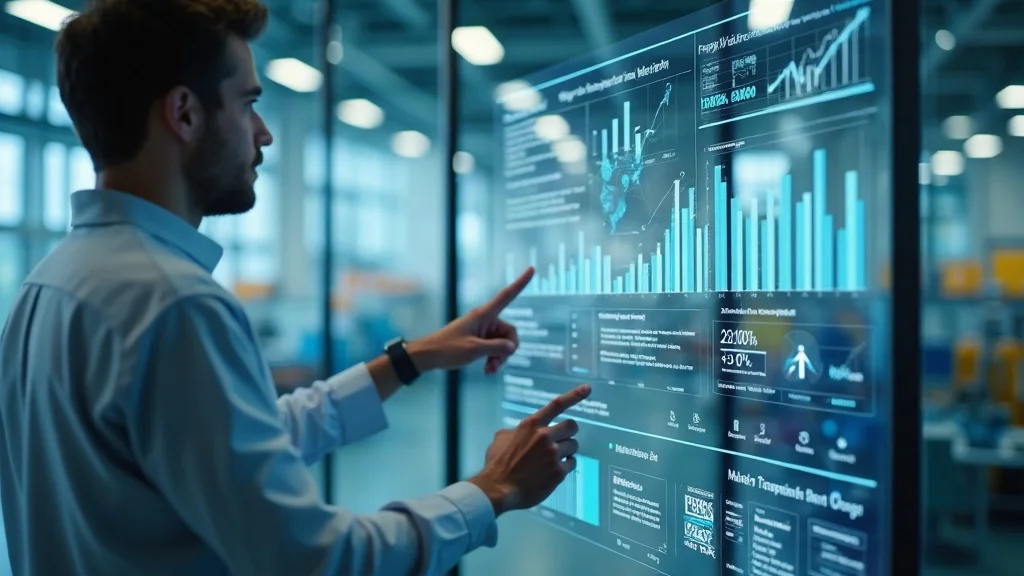
A hallmark of Ron Schlegel’s methodology is the seamless integration of smart factory technology into structured frameworks like Lean and Six Sigma. Drawing on his extensive training and deployment experience, Schlegel recommends that organizations adapt their continuous improvement practices—such as root cause analysis, process mapping, and KPI tracking—by layering in live sensor data and predictive AI insights.
This synergy means operational excellence leaders can act faster and with more precision. Instead of waiting for post-mortem reports, teams can identify “hidden factories,” uncover bottlenecks, and prioritize change initiatives based on solid evidence, all in real-time. Whether through enhanced dashboards or mobile alerts, this connected approach breaks down silos and paves the way for truly data-driven decision-making across the shop floor.
Driving Sustainable Growth through People, Process, and Technology
Central to Schlegel’s philosophy—and proven by many of his client successes—is the belief that lasting transformation depends on a harmonious balance of people, process, and technology. While digital tools offer unprecedented technical capabilities, it’s the human element that turns possibility into performance. Investments in smart factory technology must be matched with ongoing training, collaborative process design, and open leadership.
When people are empowered to experiment, trust data, and voice improvement ideas, organizations build a culture of innovation and resilience. Over time, this foundation enables scalable growth, improved profitability, and the ability to navigate industry disruptions. Schlegel’s hands-on, data-driven yet people-first approach ensures that technology becomes a catalyst for growth—not just another system to manage.
Conclusion: Embrace Smart Factory Technology to Secure Your Future Competitiveness
- Understand the transformative potential of AI and IoT for manufacturing
- Start building AI literacy among operators and leaders today
- Leverage data insights to shift from reactive to proactive maintenance
- Embed smart factory technology into your operational strategies
The future of manufacturing in the Delaware Valley is being shaped right now, and the competitive edge goes to those who start the journey without delay. Smart factory technology isn’t about eliminating jobs—it’s about equipping people with tools to amplify what they do best. According to Ron Schlegel, the competitive stakes are clear: “If you don’t know AI, you risk being replaced by someone who does. Get ahead and become invaluable by learning what this transformative technology can do for your business. ” Begin integrating these technologies, empowering your workforce, and building your roadmap for sustainable, tech-powered success.
As you consider your next steps toward operational excellence, remember that smart factory technology is just one piece of a broader transformation puzzle. For a deeper dive into how project management best practices can accelerate your digital initiatives and drive sustainable change, explore the Project Management Archives at E3 Business Consulting. There, you'll find expert insights and actionable frameworks to help you lead your organization confidently through every phase of innovation. Take your learning further and unlock the strategies that will keep your business ahead in a rapidly evolving manufacturing landscape.
Next Step: Join Ron Schlegel’s Workshops to Master Smart Factory Technology
Ready to accelerate your organization’s evolution? Learn directly from Ron Schlegel—tap into his transformative workshops designed specifically for manufacturers in New Jersey, Philadelphia, and the Delaware Valley region. Master smart factory technology with hands-on guidance, real-world strategies, and actionable tools that ensure you, your team, and your business are future-ready. Contact E3 Business Consulting today to reserve your spot and ignite your path to peak efficiency.
To further explore the transformative potential of smart factory technology, consider the following resources:
-
“What Is a Smart Factory? Benefits and Best Practices”: This comprehensive guide from SAP delves into how integrating machines, data, AI, and automation can optimize production processes, offering insights into the benefits and best practices of smart factories. (sap.com)
-
“Industry 4.0, Smart Factory, and Connected Manufacturing”: Deloitte Insights provides an in-depth analysis of the smart factory concept, highlighting its features, benefits, and the evolving landscape of connected manufacturing. (deloitte.com)
These resources offer valuable perspectives on implementing smart factory technologies to enhance manufacturing efficiency and competitiveness.





Write A Comment