
Did you know? The average combi boiler can throttle your flow rate to just 12–15 litres per minute, no matter how powerful it sounds on paper
Unveiling the Science – Why the Warmflow vs. Gledhill Decision Matters for Your Hot Water Needs
gledhill: which stainless steel giant is right for your home? comes down to more than brand reputation
Switching to an unvented hot water cylinder from Warmflow or Gledhill completely changes the game. These systems store pre-heated water, ready to deliver 20+ l/min right from the mains at high pressure to multiple outlets without compromising performance. It’s not just about size—the right cylinder paired with proper installation ensures reliable supply and futureproofs your home. Let’s break down why your choice between Warmflow and Gledhill matters, not just in specs, but in day-to-day comfort and long-term reliability.
"Did you know? Combi boilers can limit your flow rate to just 12–15 litres per minute. Switching to the right stainless steel hot water cylinder can transform shower time for your entire family."
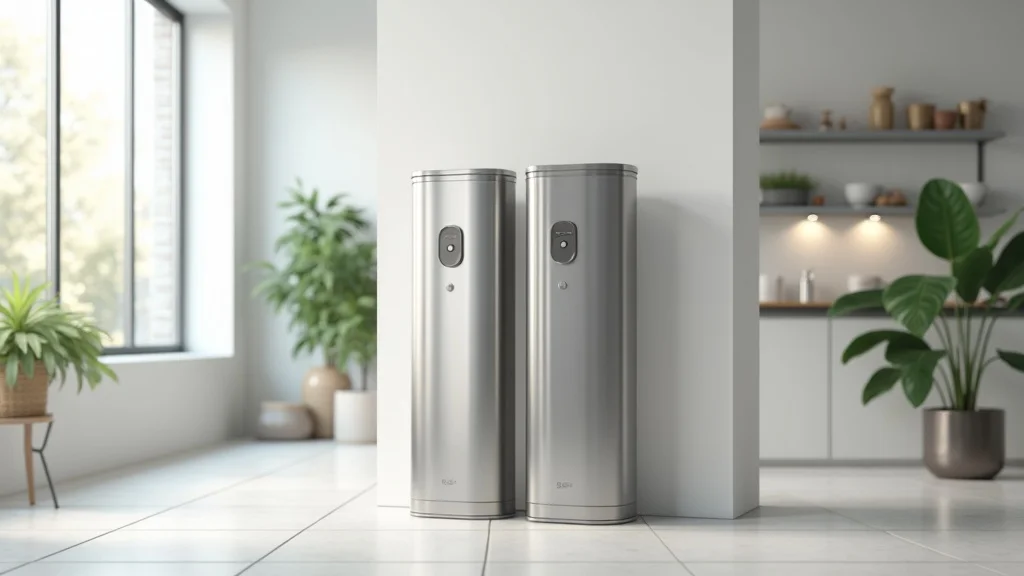
What You'll Learn About Warmflow vs. Gledhill: Which Stainless Steel Giant Is Right for Your Home?
- Differences between Warmflow and Gledhill stainless steel cylinders
- How unvented and vented cylinders really compare on flow, efficiency, and longevity
- Technical insights on hot water cylinders for UK homes, including pressure and heat loss considerations
- Key takeaways from a senior heating engineer
Understanding Hot Water Cylinder Choices: The Combi Bottleneck vs. Unvented Cylinder Performance
The Combi Boiler Bottleneck: Science of Water Pressure
Too many UK homes settle for a combi boiler, thinking it’s the “no-tank” solution, only to discover the limits when demand grows. Here’s how the science works: combi boilers heat water instantly using the gas burner, meaning your flow rate is capped by how fast it can heat incoming cold water—typically 12–15 l/min, regardless of your mains pressure or pipe size. Try running two showers and the reality hits: temperatures dip or remain lukewarm, and pressure drops as the flow rate splits across outlets. This can be a real nuisance for busy families or homes with more than one bathroom.
Even worse, a combi’s performance declines in cold months when the incoming main is icy and the boiler struggles to keep up. As a professional, I often see households upgrade to improve “hot water pressure,” only to get stuck in the combi bottleneck. The vented cylinder isn’t much better in this regard—if it’s gravity-fed from a cold water tank in the loft, you’re dependent on the height of the tank above your taps, not your true mains pressure. Bottom line: combi and vented hot water cylinders both have inherent supply limits you can’t “hack” with fittings or bigger pipes. For genuine pressure and supply, unvented cylinders are the solution.

Unvented Cylinder Advantages: High-Pressure Supply for Modern Homes
The real game changer is the unvented hot water cylinder. Unlike vented cylinders, unvented systems are fed directly from the mains. That means pressure isn’t dependent on a cold water tank's gravity—your shower, bath, or tap gets mains pressure, usually delivering 20+ litres per minute. For new UK builds or larger homes retrofitting with multiple bathrooms, this higher flow rate is a huge step up. Imagine three people running showers at once or filling a bath in minutes with no pressure drop. This convenience, comfort, and reliability is why unvented cylinders are now considered the gold standard in modern domestic hot water storage.
For families with growing hot water demand, unvented hot water cylinders offer several key advantages. They provide consistent pressure across multiple outlets, improve overall efficiency by heating and storing water during off-peak times, and can readily integrate with renewables such as solar or heat pumps. However, it’s essential to match installation to your property—mains pressure testing and correct sizing are crucial for true results (as we do at Plumbrite). Installing an unvented cylinder without verifying your incoming pressure can be a costly mistake, so professional assessment matters.
| Cylinder Type | Pressure Source | Flow Rate | Ideal For |
|---|---|---|---|
| Combi Boiler | Mains (Limited) | 12–15 l/min | Flats, small homes |
| Unvented Cylinder | Mains (Direct) | 20+ l/min | Homes with multiple bathrooms |
| Vented Cylinder | Cold Water Tank | Variable/Gravity | Older properties, loft installations |
How to Choose: Warmflow vs. Gledhill Hot Water Cylinder Features Breakdown
What Sets Warmflow Stainless Steel Cylinders Apart?
Warmflow cylinders have long been a trusted name for their robust manufacturing standards and durable stainless steel construction. As a heating engineer, I’ve found that Warmflow places a strong emphasis on build quality, using high-grade duplex stainless steel that’s naturally resistant to corrosion. This makes them an excellent choice for UK water conditions, especially in areas with harder water. Their models typically offer excellent heat retention, with superior insulation technology wrapped in a compact design, meaning less energy lost to the airing cupboard and lower energy bills for your family.
One standout of Warmflow’s lineup is their aftersales support. With a 25-year warranty and responsive UK-based service, Warmflow provides substantial peace of mind for homeowners seeking longevity and reliability. Their cylinders are engineered for fast recovery—so hot water is quickly available even during heavy use—and the brand’s support team is known for clear technical guidance when you need it. If you want a cylinder engineered for easy UK installation, high-performance insulation, and solid warranty backing, Warmflow is a top contender.
- Build quality and manufacturing standards
- Heat retention and insulation features
- Warranty terms and aftersales support
Gledhill Cylinders: Known for Longevity and Innovation
Gledhill’s reputation is rooted in innovation and design flexibility, catering to a wide range of UK homes. One major advantage is their diverse selection of both unvented and vented hot water cylinders, allowing precise system matching whether you’re retrofitting a Victorian property or specifying for a new-build. Gledhill offers standard and specialist models sized for even the largest households, with robust engineering designed for long-term performance in demanding scenarios. Their insulation and stainless steel construction are top notch, ensuring strong heat retention and low standing heat loss figures.
Where Gledhill stands out is in their range of cylinders compatible with renewable energy sources. Many models are “solar-ready” or heat pump compatible—futureproofing your hot water system if you’re considering low-carbon upgrades. With a strong UK support network and a 25-year warranty mirroring Warmflow, Gledhill consistently earns positive feedback from both installers and homeowners for reliability and value across a spectrum of property types.
- Unvented and vented cylinder options
- Specialist models for larger UK homes
- Integrating renewables: solar and heat pump-ready choices
Comparing Hot Water Performance: Vented Cylinder vs. Unvented Cylinder
Hot Water Cylinder Efficiency: Heat Loss, Recovery, and Mains Pressure
When it comes to efficiency, the hot water cylinder you choose affects not just performance but your monthly running costs. The main factors are heat loss (how much heat escapes from stored water over 24 hours), rapid recovery (how fast the cylinder reheats after use), and, crucially, the supply pressure it delivers to your taps and showers. Unvented hot water cylinders from both Warmflow and Gledhill are engineered for minimal heat loss, often with thick, pressure-tested insulation and precise control systems. This means less energy wasted and hot water on tap whenever you need it—even after back-to-back showers.
It’s not just about swapping in a new cylinder, though. Professional installation includes a mains pressure test and correct sizing, ensuring your property’s incoming water pressure matches the system. In my experience, seeing disappointing results is nearly always the result of skipping this critical assessment. That’s why at Plumbrite, every unvented hot water cylinder installation is paired with a heat loss calcuation and on-site mains pressure test. Your cylinder is only as effective as the system supporting it, and that’s the key difference between a disappointing upgrade and a transformational one.
"A true hot water upgrade isn't just about swapping the cylinder – it's about sizing, correctly matching pressure, and ensuring your installation passes the Mains Pressure Test." — Plumbrite Senior Engineer
Installation, Running Costs, and Warranty: Warmflow vs. Gledhill Cylinders
Installation Requirements for Hot Water Cylinders in the UK
There’s a technical distinction between vented and unvented cylinder installations—and every UK property is different. Unvented cylinders require installation by a G3-certified engineer, as they connect directly to the mains and involve safety valves, expansion vessels, and sometimes a pressure-reducing valve. The entire system has to pass a strict mains pressure test to ensure reliable operation. Vented cylinders are typically less complex to install, relying on a gravity-fed cold water tank in the loft. However, vented hot water systems don’t deliver modern high-pressure supply, and installation often involves extra pipework and loft space.
In terms of logistics, both Warmflow and Gledhill make installation relatively straightforward for professionals, but unvented cylinders demand more upfront planning and require a dedicated discharge route for the pressure relief valve. Expect installation by a qualified engineer to take most of a working day for a standard system, with total costs including the cylinder typically ranging between £1,100 and £1,700 depending on size and additional pipework. Getting it right is vital—not only for performance and comfort, but to maintain full compliance with building regulations and warranties.
Warranty Comparison: Stainless Steel Cylinder Lifespan
Both Warmflow and Gledhill back their cylinders with 25-year warranties—a testament to the durability of modern stainless steel designs. These warranties typically cover the inner vessel against corrosion and leaks, provided the unit is installed by a qualified engineer and maintained annually. In practical terms, most quality cylinders easily last beyond a decade, especially if installed and maintained properly. The choice between these brands won’t meaningfully impact warranty length, although Gledhill’s broader range of renewable-ready cylinders may appeal if you plan future upgrades.
After years of servicing water cylinders on the market, I’ve found both brands deliver on the promise of longevity, thanks to high manufacturing standards, strict pressure-testing, and advanced insulation. The key to a long lifespan, though, is regular system checks and addressing limescale in hard water regions, which both brands withstand well but not indefinitely.
Annual Maintenance and Energy Efficiency
Annual maintenance is required for unvented cylinders to keep the system safe and performing optimally. This includes inspecting safety valves, expansion vessels, thermostats, and insulation, as well as checking for leaks and corrosion points. Both Warmflow and Gledhill are engineered to make service straightforward: spare parts and technical support are widely available in the UK. Ignoring annual checks can void warranties and risk safety—so budget for regular maintenance, usually less than £100 per year when combined with your heating system service.
On energy efficiency, both brands have made huge strides. Gledhill and Warmflow cylinders now have heat loss rates as low as 1.5–2.1 kWh per 24 hours. For a typical household, that means only a few pounds lost each month, and with quality insulation, the savings stack up annually. Energy-efficient hot water cylinders are a must for lowering bills and reducing your carbon footprint, especially as energy prices rise and more homes move to renewable heating systems over the next decade.
| Brand | Typical Price (Installed) | Warranty Length | Heat Loss per 24h | Notable features |
|---|---|---|---|---|
| Warmflow | £1,100–£1,600 | 25 years | 1.5–2.0 kWh | Fast recovery, UK-made |
| Gledhill | £950–£1,700 | 25 years | 1.6–2.1 kWh | Range for renewables |
Real-World Reviews: Hot Water Cylinders Tested by UK Homeowners
- Case study: Four-person household with high shower demand
- User feedback: Running costs and reliability over 5 years
- Performance in hard water areas
A four-person family recently upgraded from a combi boiler to a Gledhill unvented cylinder, aiming to solve the morning queue for showers. Five years on, they report consistently strong pressure across two showers and even the kitchen tap—even during busy school mornings. The running costs stayed in line thanks to the excellent cylinder insulation, and despite living in a hard water region, no major limescale issues have developed. As a senior engineer, I see similar long-term satisfaction with both Warmflow and Gledhill installs—especially when proper sizing and pressure testing are performed at the outset.
Reliability stands out most in homes with high hot water demand or where families expect constant flow. Both brands have proven themselves in hard water areas, with little sign of corrosion or performance decline when maintained annually. In my experience, most warranty calls stem from installation errors or skipped maintenance, not product failure—a testament to the quality of modern stainless steel water cylinders on the market.

"Since fitting a Gledhill unvented cylinder, we no longer queue for morning showers and the heating bills are lower too."
Key Takeaways: Warmflow vs. Gledhill Stainless Steel Hot Water Cylinders
| Key Decision Area | Warmflow | Gledhill |
|---|---|---|
| Best for | Smaller homes, rapid install | Custom set-ups, renewables |
| Heat retention | Excellent | Very good |
| Price range (installed) | £1,100–£1,600 | £950–£1,700 |
| Warranty | 25 years | 25 years |
| UK support | Strong | Strong |
| Renewable compatibility | Limited models | Extensive range |
FAQs: Everything You Need to Know Before Choosing a Stainless Steel Hot Water Cylinder
What is the best brand for unvented cylinder?
There’s no single “best” unvented cylinder brand, but Warmflow and Gledhill are consistently at the top alongside brands like Heatrae Sadia and Telford. The right choice depends on your property, water demand, and renewable plans. Both Warmflow and Gledhill offer strong build quality, long warranties, and excellent UK support.
Which is better, copper or stainless steel hot water cylinders?
Stainless steel cylinders have become the professional’s choice due to their durability, resistance to corrosion, and excellent heat retention. Copper cylinders are still used in some vented cylinder installations, especially for custom sizes, but stainless steel typically offers a longer lifespan and is lighter, making it easier to install in most UK homes.
Are Telford Tempest cylinders any good?
Telford Tempest is highly regarded for quality and robust design, especially in their best unvented cylinder ranges. Their unvented cylinders use duplex stainless steel and deliver strong performance and warranty support. If you’re comparing cylinders on the market, Tempest is a solid competitor to Warmflow and Gledhill.
What’s the difference between a direct and indirect hot water cylinder?
A direct hot water cylinder uses an internal electric immersion heater to heat water, ideal for homes without a gas boiler. An indirect cylinder is heated by a separate boiler (usually gas or oil) via a coil inside the cylinder; it’s better suited if you already have a system boiler or are upgrading your central heating system for larger hot water demand.
People Also Ask: Hot Water Cylinder Buyer Questions
What is the best brand for unvented cylinder?
The best unvented cylinders in the UK include Warmflow and Gledhill as market leaders. The best choice will depend on system design, property size, and the need for renewables compatibility.
Which is better copper or stainless steel hot water cylinders?
Stainless steel hot water cylinders typically last longer, are lighter, and are more resistant to corrosion than copper. They’re now the preferred option for most new hot water cylinder installations.
Are Telford Tempest cylinders any good?
Yes, Telford Tempest unvented cylinders are well-regarded. They use high-quality duplex stainless steel and offer excellent thermal performance plus robust warranties.
What’s the difference between a direct and indirect hot water cylinder?
A direct cylinder heats water via built-in immersion elements (electric), while an indirect cylinder heats water using a coil supplied by a separate boiler or renewable system. Indirect is best if you have a system boiler; direct suits homes relying solely on electric heating for hot water.
The Science of Comfort: Plumbrite’s Proven Process for Choosing Your Next Hot Water Cylinder
- Accurate heat loss calculation for your property
- On-site mains water pressure test
- System matching: vented hot water or unvented hot water cylinder selection
- The professional edge: why installation matters for water cylinders and home comfort
Ready to Upgrade? Speak with a Plumbrite Heating Engineer About Warmflow vs. Gledhill on 07933 830316
Conclusion: The decision between Warmflow and Gledhill is about more than metal. It’s about correctly sizing, matching your system, and futureproofing comfort for your household. Book your pressure test and get personal guidance from a qualified engineer—ring Plumbrite today on 07933 830316 for truly expert advice.




Write A Comment