UPDATE
  • Home
  • Categories
    • Entrepreneurs
    • Growth Stories
    • Expert Insights
    • Innovators
    • Franchise and Expansion
    • Tools and Services
    • Commercial Property
    • Trends
April 10.2026
1 Minute Read

What are the most common garage door problems homeowners face, and how can they identify early warning signs before a complete failure occurs?

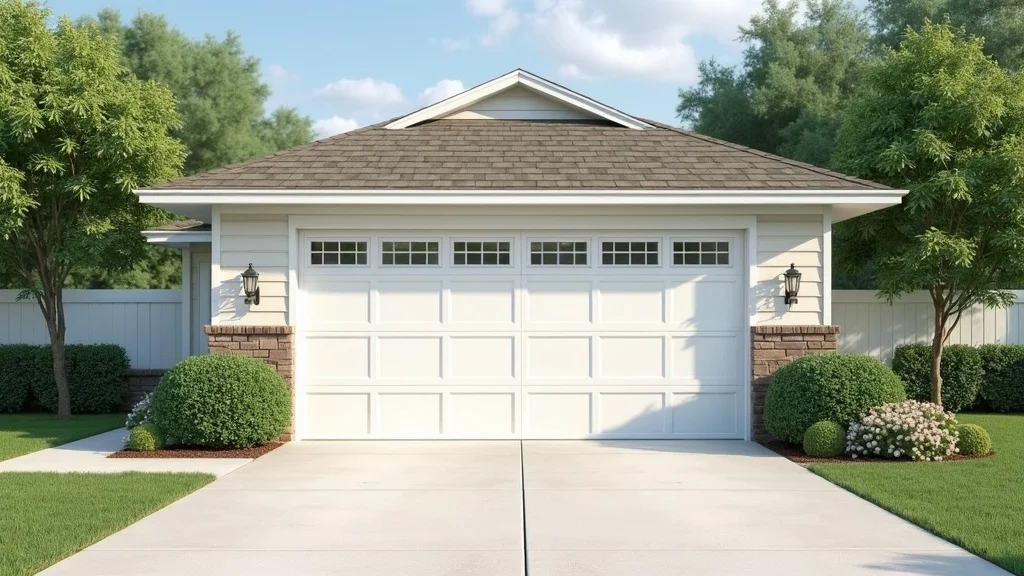
Clean suburban garage exterior with classic double garage door, representing common garage door problems homeowners face

Payton Myers Reveals: Why Homeowners Must Recognize Garage Door Issues Before Complete Failure

Garage doors are the silent guardians of our homes—protecting what matters most, enabling easy access, and ensuring everyday convenience. Yet, as Payton Myers of SureFix Garage Doors emphasizes, many homeowners underestimate the critical role of regular inspections and timely maintenance. Neglecting the early warning signs can quickly turn a minor nuisance into a major, costly repair. According to Myers, “The truth is, a garage door isn’t just a simple slab of metal or wood; it’s a complex mechanism with dozens of components all working in tandem. Over time, even a slight misalignment or a worn spring can cascade into total system failure if left unaddressed. ”

“There’s a lot of intricate moving parts in the garage door. Many homeowners would be surprised how just a little bit of maintenance can go a long way and avoid bigger repair costs.”
– Payton Myers, SureFix Garage Doors

Every time you hear a new rattle, experience a jerky motion, or the opener doesn’t respond promptly, your garage door is likely signaling trouble. Myers’s years of hands-on experience reveal that homeowners who understand and act on these signals can prevent stressful emergencies and save significant money. Let’s unpack the most common garage door problems and learn how you can become proactive in safeguarding your home.

The Hidden Complexity Behind Common Garage Door Problems

What are the most common garage door problems homeowners face? Most people immediately picture a crumpled panel or a door stuck halfway, but as Payton Myers explains, the real culprits are usually much subtler. Garage doors are engineered with intricate components—each with specific tolerances and wear points. Springs relieve the bulk of the lifting weight, tracks keep everything aligned, and the opener orchestrates movement smoothly. Over time, the harsh reality is that “invisible” issues such as wear, misalignment, and lack of lubrication quietly set the stage for catastrophic failures. According to Myers, “A lot of people ignore those little squeaks and wobbles—until suddenly the door won’t budge at all. ”

“Most people think about obvious damage like dents or a door that won’t open, but smaller issues like worn springs or misaligned tracks often sneak up and cause big failures.”
– Payton Myers, SureFix Garage Doors

Homeowners often don’t realize that problems like grinding noises, uneven door movement, or slight delays are more than minor annoyances—they’re early warning signs. As Myers regularly observes, ignoring these can disable both safety features and the entire mechanism, resulting in sudden breakdowns and, in some cases, even risking injury. Pinpointing the source of these common issues—whether worn springs, misaligned tracks, faulty openers, or weathered seals—not only protects your garage but strengthens the security and integrity of your entire home.

If you notice your garage door is off track or suspect a cable issue, understanding the difference is crucial for effective troubleshooting. For a detailed breakdown of how to distinguish between track and cable problems—and when to seek professional help—explore this guide on identifying whether you need garage door track repair or cable repair.

  • Worn or Broken Springs

  • Misaligned or Damaged Tracks

  • Faulty Garage Door Opener Mechanism

  • Damaged Panels or Rollers

  • Noisy or Jerky Door Movement

  • Weather Seal Deterioration

Close-up of worn garage door spring, illustrating early warning signs of garage door failure

How to Identify Early Warning Signs Before Your Garage Door Fails

Early detection is the homeowner’s best ally. Payton Myers highlights that subtle cues—a stuttering opener, changes in movement speed, or even small shudders—often mean more than meets the eye. As Myers points out, “Homeowners who get in the habit of listening and looking for differences in how their door operates are the ones who stay ahead of costly emergencies. ” These subtle shifts, whether unusual banging, scraping, or hesitation, are indicators that immediate attention is warranted. Ignoring them could result in a door that refuses to open when you need it most—or worse, sudden component failure when you’re least prepared.

“Regular inspection for subtle changes, like unusual noises or slower door response, can dramatically reduce the risk of costly emergency repairs.”
– Payton Myers, SureFix Garage Doors

To stay a step ahead, Myers stresses the importance of periodic, hands-on checks. Observing whether the door runs smoothly, examining tracks for bends, testing the auto-reverse feature, and simply listening for new sounds can make all the difference. Not only does this reduce risk—it actively boosts the lifespan and performance of your garage door, preventing unexpected headaches and giving you peace of mind. Proactive homeowners who heed these signs, Myers notes, almost never face surprise, high-ticket repairs. The confidence of knowing your home’s largest moving object is in prime condition is invaluable.

Effective Maintenance Tips to Extend Your Garage Door’s Lifespan

According to Payton Myers, a garage door is not unlike a car—both need regular care to operate reliably. The difference? Many overlook their garage door until it’s too late. To overcome this, the expert recommends a blend of simple DIY habits and strategic professional checkups. “Consistent, scheduled maintenance,” Myers shares, “is the best insurance policy against major failures. ” That means more than just oiling a hinge; it extends to regular checks of every connection, safety sensor, and seal.

A well-organized maintenance routine not only keeps common garage door problems at bay but also lengthens the system’s overall service life. These habits—checking for loose bolts, ensuring weatherproofing, and monitoring response times—might seem minor, but together they form a holistic shield against wear and breakdown. Homeowners who embrace these steps find themselves with quieter, smoother, and safer garage doors—all while avoiding those “surprise” calls for urgent service in the dead of winter.

  1. Lubricate moving parts every six months

  2. Check and tighten hardware regularly

  3. Test auto-reverse safety features monthly

  4. Inspect weather seals for wear

  5. Schedule professional maintenance annually
Homeowner inspecting garage door hardware and alignment to spot early warning signs

Why Trusting Experts Like Payton Myers and SureFix Garage Doors Matters

While some tasks are perfect for DIY, garage door repairs and critical adjustments are often best left to skilled professionals. Payton Myers andhave built their reputation on diligence, unrivaled expertise, and transparent customer care. Myers firmly believes that quality service extends beyond the repair itself: “Every inspection, no matter how routine, is treated as an opportunity to ensure our clients’ safety and their peace of mind. ”

“We approach every job with dedication, ensuring your garage door operates flawlessly to protect your home and family.”
– Payton Myers, SureFix Garage Doors

According to Myers, trusting experts isn’t just about convenience—it’s about safeguarding both your property and those you love. The professional’s trained eye can identify root causes, foresee developing issues, and provide custom, practical solutions that simply aren’t achievable through YouTube tutorials. With SureFix Garage Doors, homeowners are guaranteed a service built on deep knowledge, clear communication, and genuine care—the foundation for a safer, more reliable home environment.

Common Misconceptions About Garage Door Problems

Payton Myers over the years , has seen countless myths lead homeowners astray. One widespread belief is that “ignoring small noises is harmless.” Yet, Myers’s inspection logs prove the opposite: what starts as a faint creak can escalate to a snapped spring or derailment, leading to expensive emergencies. Another dangerous misconception is the trust in all-purpose DIY fixes. While some tasks are easy, many garage door repairs pose risks if not performed correctly—a jammed torsion spring, for instance, can cause serious injury.

Perhaps the most persistent myth is the belief that professional checkups are unnecessary. As Myers warns, garage doors are heavy, high-tension systems that demand periodic expert oversight for safety, reliability, and legal compliance. Skipping those professional checkups often means minor problems hide in plain sight until they manifest as full-blown failures. Recognizing and resisting these misconceptions empowers homeowners to take smarter, safer actions.

  • Ignoring small noises is harmless

  • DIY fixes are always safer and cheaper

  • Garage doors don’t need regular professional checkups
Professional garage door technician showing homeowner safe garage door operation

Key Takeaways: Protect Your Home and Wallet by Acting Early

The wisdom of Payton Myers rings clear: safeguarding your garage door through proactive steps is a direct investment in your home’s resilience and your family’s safety. Major emergencies are almost always preceded by early warning signs that, when addressed, avert disaster and spare your budget.

Split view comparing a neglected damaged garage door versus a well-maintained one to highlight early warning signs
  • Proactive maintenance prevents major breakdowns

  • Early detection saves costly repair bills

  • Expert guidance guarantees safety and durability

Ready to Keep Your Garage Door in Top Shape? Contact SureFix Garage Doors Today!

As Payton Myers and the SureFix Garage Doors team have shown, a little vigilance and regular care can transform your entire approach to home safety and maintenance. Start with small habits—listen, observe, and inspect—and trust a qualified expert when your door shows subtle changes. Your garage door will reward you with years of smooth, reliable service.

Don’t let minor issues become major setbacks. For true peace of mind and comprehensive garage door solutions, reach out to SureFix Garage Doors. Experience the difference that dedication, expertise, and personal care can make—even for your home’s most overlooked system.

If you’re interested in taking your garage door maintenance knowledge even further, consider exploring the nuances between different types of repairs and how to prioritize them for long-term reliability. Understanding whether your issue stems from the tracks, cables, or other components can empower you to make smarter decisions and communicate more effectively with professionals. For a deeper dive into diagnosing and addressing specific garage door concerns, be sure to review our comprehensive resource on track versus cable repair solutions. Expanding your expertise now can help you prevent future headaches and ensure your garage door remains a dependable asset for years to come.

CONTACT: Payton Myers, SureFix Garage Doors ( 801) 210-8554

Email: info@surefixgarage.com Website: https://www.SureFixGarage.com

URGENT 24/7 Garage Door Repair, Installation & Replacement Services

SERVING: https://surefixgarage.com/service-area/

Expert Insights

0 Comments

Write A Comment

*
*
Please complete the captcha to submit your comment.
Related Posts All Posts
05.23.2026

Critical Tax Filing Deadlines: Ensure You File On Time to Avoid Penalties

Update Understanding Tax Filing Deadlines: A Comprehensive Guide Filing taxes can often feel overwhelming, especially with the myriad of deadlines and regulations that come into play each year. Whether you're a salaried employee, a freelancer, or a business owner, knowing when to file can save you time and money. This article seeks to clarify the key tax deadlines everyone should be aware of for this tax year. The Importance of Tax Deadlines Each year, the IRS sets specific dates when taxes must be filed to avoid penalties. For many, this deadline typically falls on April 15—but in 2023, it was pushed to April 18 due to scheduling conflicts. It's vital to keep track of these dates as missing them can lead to fines that accumulate over time. Key Filing Dates to Mark on Your Calendar Here are some of the most critical tax deadlines that all taxpayers should circle on their calendars: April 18, 2023: This is the main tax filing deadline for individuals and most businesses. March 15, 2023: The deadline for partnerships and S corporations to file. October 16, 2023: If you filed for an extension, this is when your return is due. Being aware of these dates, as highlighted in the IRS guidelines, can help you avoid unnecessary penalties. Understanding Extensions: What You Need to Know If you're unable to meet the April 18 deadline, you can apply for an extension using Form 4868. However, it's critical to remember that an extension only gives you more time to file the paperwork, not to pay any taxes owed. Therefore, if you expect a tax bill, make your best estimate and pay it to avoid accumulating interest and penalties—an often misunderstood aspect of tax filing. Consequences of Missing Deadlines Failing to file or pay your taxes on time can lead to a slew of penalties. If you owe money, the IRS typically begins charging interest and penalties immediately after the due date. Conversely, if you're due a refund but file late, you generally won’t incur any penalties, but you risk losing the refund after three years if not claimed. Tips for Staying Organized During Tax Season The months leading up to tax deadlines can be chaotic, but there are effective strategies to keep yourself organized. Keep Accurate Records: Maintain all necessary receipts and documents to ensure you're prepared when it's time to file. Utilize Technology: Consider using tax software to simplify the process; many programs even offer reminders for key dates. Consult a Professional: If your tax situation is particularly complex, enlisting the help of a CPA can save you time and stress. Future Predictions: Changes in Tax Regulations Tax laws are often fluid, changing year by year. With the introduction of new regulations and policies, such as those affecting state and local tax deductions, it’s essential to stay informed about upcoming changes. For instance, the recent tax legislation reflects ongoing negotiations regarding deductions and refund processes, which could influence future tax filings. Conclusion: Take Charge of Your Taxes By understanding the critical tax deadlines and the implications of missing them, you can take proactive measures to manage your tax responsibilities effectively. It's beneficial to stay informed and organized, and reach out for help when needed. This will allow you to file confidently and accurately, ensuring your financial health remains intact. Ultimately, being proactive can make a significant difference in your tax experience. For further personalized advice or if you're unsure about your specific tax situation, consider consulting a tax professional.

05.21.2026

Transform Your Lead Management: Why Most Small Businesses Waste Their Leads

Update Understanding the Cost of Lost Leads When it comes to small businesses, one of the largest challenges faced is handling leads efficiently. Generating leads is one thing, but converting them into actual clients can be a daunting task. Small business owners, especially in real estate and service sectors, often burn through costly leads without taking full advantage of the potential sales. The rising cost per lead (CPL)—often exceeding $500 in real estate—makes it critical for businesses to have robust systems for managing and converting these leads. The Importance of Speed in Lead Response Research indicates that the speed at which a business responds to a lead dramatically impacts conversion rates. A study highlighted in the Harvard Business Review found that contacting a lead within the first hour significantly increases the chances of engaging them. The likelihood of contact decreases substantially as time passes. This finding underscores the need for small businesses to prioritize timely outreach. After all, in a competitive landscape, the fastest response can easily translate to winning over the customer, potentially leaving slower competitors in the dust. Building Effective Follow-Up Strategies Once a lead is contacted, the journey doesn’t end there. Follow-up is often where deals are won or lost. Most potential clients do not convert after their initial interaction; instead, they may require multiple points of contact before making a decision. Small businesses, especially in high-stakes industries, must develop follow-up strategies that are systematic, ensuring no lead is forgotten or allowed to go cold. This could include automated email sequences, scheduled check-ins, or targeted content delivery based on the lead's expressed interests. Creating Systems for Sustainability Just as important as responding quickly is the creation of systems that support a sustainable approach to managing leads. Technology can enhance efficiency by automating routine tasks and enabling businesses to focus on nurturing relationships without missing out on potential opportunities. Implementing customer relationship management (CRM) systems can streamline communications and keep track of interactions with leads. Beyond basic follow-ups, CRMs can provide insights into lead behavior, allowing businesses to tailor their messages and approaches to specific needs and preferences. The Financial Implications of Inefficiencies In the current market, every dollar spent on lead generation counts. Thus, it’s crucial for small businesses to have a firm grasp on their conversion metrics. An emphasis on conversion rate optimization (CRO) directly impacts profitability. Small businesses should routinely assess their conversion strategies and revise their lead handling methods accordingly to maximize the return on their investment. This means analyzing what worked, what didn’t, and adjusting practices to enhance future outcomes. Embracing Change: The Future of Lead Management As consumer behavior continues to evolve—prompted by advances in technology such as artificial intelligence and machine learning—small businesses must adapt to stay relevant and competitive. The systems and strategies they employ today will directly impact their ability to thrive tomorrow. Incorporating new technologies to better manage leads, from chatbots that respond instantly to initial queries to analytics tools that track customer engagement, can significantly increase conversion rates and customer satisfaction. Final Thoughts: A Call to Action for Small Businesses For small businesses struggling with lead conversion, it’s time to take action. Whether it’s optimizing response times or enhancing follow-up procedures, effective systems can transform potential losses into valuable client relationships. Investing in the right technologies and strategies can lead to sustainable growth and a stronger bottom line.

05.21.2026

Maximizing Lead Conversion Rates: Essential Strategies for Small Businesses

Update Understanding the High Stakes of Lead Management Small businesses often grapple with one critical question: how can we maximize the potential of every lead we generate? As highlighted by sales experts, many small business owners, particularly in sectors like real estate and legal services, find themselves entrapped in a costly cycle—attracting leads but failing to convert them into customers. The average cost per lead (CPL) has surged in recent years, with real estate leads costing upwards of $500. This rising expense amplifies the urgency for businesses to implement effective conversion strategies to avoid wasting valuable resources. The Importance of Speed and Structured Outreach One of the most compelling insights into lead conversion is the speed with which businesses respond to new inquiries. Research from the Harvard Business Review underscores that responding to a lead within the first hour significantly boosts the chances of successful engagement—up to seven times compared to waiting longer. Without a structured protocol for quick follow-ups, businesses risk losing warm leads to faster competitors. Moreover, the intricacies of follow-up processes play a pivotal role in conversion rates. As noted in the Salesforce report, many sales teams waste precious time on low-quality leads due to unclear follow-up strategies. Implementing comprehensive sales cadences—systematic sequences of outreach—can directly improve response rates and help maintain customer interest. Optimizing Every Step of the Sales Pipeline Lead conversion is not merely about generating more inquiries; it’s fundamentally about refining the entire sales process. Businesses need to focus on optimizing every stage of their sales pipeline, from the initial contact through to final conversion. By leveraging lead scoring and aligning marketing with sales definitions, companies can better prioritize high-intent leads, thus maximizing conversion potential. Tools that harness data for refining lead management processes can make a significant difference. For example, platforms like Sales Cloud help structure the sales process, enabling teams to track leads efficiently and speedily navigate them through the buyer's journey. The Role of Technology in Conversion Rates Technological advancements are transforming lead conversion strategies into more efficient systems. AI-driven lead scoring and automated follow-up routines help businesses manage resources better, ensuring that the most promising leads receive immediate attention. This streamlining allows sales teams to concentrate on prospects with genuine purchasing intent rather than wasting efforts on leads unlikely to convert. Furthermore, personalizing communication based on previous interactions and engagement history can significantly enhance a business’s conversion rate. Tailoring messages not only builds trust with potential clients but also positions businesses as solutions to prospective customers' specific pain points. Building a Lead Nurturing Framework Having a structured lead nurturing framework is crucial in converting leads into customers. Nurturing techniques include engaging clients through regular and relevant communication, leveraging email marketing campaigns, and utilizing retargeting ads that keep the brand in the lead's radar. For instance, a blended approach that includes quick responses, consistent follow-ups, and tailored messages can create a supportive ecosystem for the lead’s decision-making process. This ongoing engagement helps solidify the prospective customer’s relationship with the brand, increasing the likelihood of a conversion. Measuring Success: The Lead Conversion Rate Determining the effectiveness of these strategies can be done through calculating the lead conversion rate. This metric, calculated as the number of converted leads divided by the total leads, provides a clear view of how well the sales pipeline is functioning. Improving this rate not only means more revenue but also signifies a stronger correlation between marketing efforts and sales outcomes. Consequently, as businesses refine their lead conversion practices—adapting to feedback and adjusting strategies based on measurable outcomes—they can create a sustainable model that fosters growth and success. Conclusion: Your Turn to Optimize The potential for increased revenue through lead conversion optimization is vast. By investing time and resources to implement structured systems and rapid response strategies, small business owners can safeguard their bottom line and cultivate a more robust customer base. Don’t allow expensive leads to slip through your fingers. Start optimizing your lead conversion strategies today to ensure every inquiry is a step toward revenue.

Terms of Service

Privacy Policy

Core Modal Title

Sorry, no results found

You Might Find These Articles Interesting

T
Please Check Your Email
We Will Be Following Up Shortly
*
*
*