

Did you know that over 60% of global ad spend is now digital? Digital marketing isn’t just a trend—it’s the essential foundation of success for brands of every size in today’s competitive media platforms. From captivating social media campaigns to the art of building brand awareness through content, digital marketing touches every part of our online experience. Whether you’re a beginner searching for clarity or a business leader seeking an advantage, understanding digital marketing unlocks growth in today’s media platform-driven world. Dive in to learn why, how, and where digital marketing will shape your future success.
A Startling Look at Digital Marketing: Surprising Stats & Unconventional Facts
Digital marketing continues to change the way businesses connect with audiences. Surprising statistics reveal a stunning shift: over 60% of all advertising dollars are now spent online. This isn’t just about big brands—small businesses, non-profits, and even local shops now rely on social media, content marketing, and search engine strategies to reach their target audience more efficiently than ever before. Social media platforms like Facebook, Instagram, and TikTok have become modern storefronts, revolutionizing digital marketing, while traditional TV, radio, and print media struggle to maintain relevance.
One of the most unconventional facts is how fast digital marketing adapts. In just a decade, the number of people engaging with digital ads and branded content has doubled, making media platforms essential for brand awareness and direct communication. Algorithms now personalize ads for millions, allowing businesses to deliver the right message at the right time to the right person. The wide range of digital marketing channels—from influencer marketing to email marketing—ensures you can always find your audience where they are most receptive. As a result, digital marketing efforts drive innovation and help brands respond instantly to trends and changes.

The Explosion of Digital Marketing in Social Media and Media Platforms
The role of social media platforms in digital marketing is nothing short of explosive, driving brand awareness and engagement across diverse target audiences. Today, businesses of all sizes leverage a variety of media platforms to not only advertise their products or services but also to foster genuine engagement with their target audience. Platforms such as Facebook, Instagram, LinkedIn, and TikTok offer dynamic ways to build brand awareness, test new ideas, and interact directly with consumers in real time.
The rise of shareable content and viral campaigns has transformed how brand messages are distributed. With user-generated content, influencer marketing, and interactive posts, digital marketers achieve a level of brand authenticity rarely possible with traditional channels. The ease of measuring marketing efforts on these platforms lets brands adjust in real time, maximizing the benefits of digital marketing with every post, like, and share.
As you explore the impact of social media on digital marketing, it’s helpful to stay updated on the latest trends shaping these platforms. For a deeper look at what’s ahead, discover the top social media trends to watch for 2025 and see how emerging features and audience behaviors are influencing digital strategies.
"Over 60% of global ad spend is now digital." — Industry Report
What You'll Learn About Digital Marketing
The fundamental definition of digital marketing
Core digital marketing channels, including social media and search engine strategies
How brand awareness is built through various media platforms
Effective content marketing and email marketing techniques
Step-by-step insights for beginners in online marketing
FAQs and real-world examples of successful digital marketing campaigns
Defining Digital Marketing: An Introduction
What Is Digital Marketing?
At its core, digital marketing is all about using the internet and electronic devices—like computers, smartphones, and tablets—to connect businesses with their target audience in meaningful ways. It includes a wide range of marketing channels found online: from eye-catching social media posts and engaging search engine results to strategic email marketing and interactive content. Each channel helps brands promote products or services, drive brand awareness, build relationships, and, ultimately, increase sales.
Unlike traditional marketing, which focuses on TV, radio, or print, digital marketing leverages social media platforms and search engine strategies to meet customers right where they spend their time: scrolling, searching, and streaming on digital media platforms. The real magic comes from analytics and personalization—marketing campaigns can be adjusted in real time to better meet a specific audience's needs, offering a more personalized and measurable impact than ever before.

The Evolution from Traditional to Digital Marketing
The journey from traditional to digital marketing has been revolutionary for businesses and consumers alike. Traditional marketing—think billboards, newspapers, and TV ads—once dominated the landscape. But these channels often lacked accurate ways to track results and target specific customer groups. Digital marketing, on the other hand, harnesses technology and data to reach people at the perfect moment, no matter their location.
As social media platforms exploded in popularity, digital marketing strategies evolved rapidly. Search engine optimization (SEO), content marketing, and email marketing replaced the old scattershot methods with precise, data-driven approaches. Companies can now launch a digital marketing campaign, monitor every click, and instantly adjust strategies for better results. The shift has leveled the playing field—opening powerful, cost-effective media platforms to brands of every size.
"The businesses that do not market with digital end up losing out on getting new clients - Terence Douglas Douglas Digital Agency "
Core Elements of Digital Marketing
Social Media Marketing: Harnessing the Power of Media Platforms

Social media marketing is one of the most popular digital marketing channels for reaching and inspiring a wide range of potential customers. By leveraging platforms like Facebook, Instagram, Twitter, and LinkedIn, brands can share content that resonates, spark conversations, and create loyal communities built around their products or services.
The key strength of social media lies in its interactive nature. Businesses can receive immediate feedback, adjust marketing efforts based on engagement, and broadcast messages to millions at a minimal cost. Campaigns focusing on user-generated content, live streams, and influencer collaborations often go viral—rapidly increasing brand awareness and audience reach. With real-time analytics, marketers can see what works and tweak their content marketing strategy for continual improvement.
Search Engine Optimization (SEO) in Digital Marketing
Search engine optimization (SEO) is a vital digital marketing channel for boosting a website’s visibility on search engines like Google and Bing. When your content is optimized, it appears higher in search engine results, making it easier for your target audience to find your brand—before they even know what they’re looking for!
SEO involves using relevant keywords (like “digital marketing” or “online marketing”), updating your website structure, and ensuring content is valuable and trustworthy. This allows businesses to attract passive, organic traffic without constantly paying for ads. The result? More qualified visitors, better brand awareness, and a steady flow of potential customers nurtured over time.
Content Marketing Strategies for Brand Awareness

Effective content marketing, a key digital marketing channel, helps brands demonstrate authority and build meaningful connections by delivering valuable information, guidance, or entertainment. This goes far beyond basic blog posts. Today’s content marketing strategies include everything from educational videos and webinars to actionable guides, engaging infographics, and interactive quizzes—each tailored for a target audience’s needs and preferences.
An important aspect of content marketing is consistency. Brands that regularly create and share quality content on their websites and social media platforms see increased brand awareness and better engagement from their audience. By providing solutions and insights, these brands naturally earn trust, setting the stage for strong digital marketing campaigns that convert curious visitors into loyal customers.
Email Marketing: Nurturing Your Target Audience
Email marketing remains one of the highest-ROI marketing channels available. By sending thoughtful, personalized emails to segmented groups of subscribers, brands can nurture relationships, remind potential customers of new products or special offers, and keep their brand top-of-mind.
Unlike public-facing posts, email marketing allows for direct conversations and personalized journeys tailored to each recipient’s interests and behaviors. Sophisticated automation tools let marketers trigger emails based on user actions—delivering the right content at the right time. Good email marketing blends value and relevance, making it an indispensable part of any effective digital marketing strategy.
Paid Media Marketing and Online Marketing Campaigns
Paid media marketing includes all forms of online advertising where brands pay for exposure—like Google Ads, Facebook Ads, and sponsored posts. This marketing channel offers immediate visibility, helps brands reach precisely defined target audiences, and drives rapid results. Paid campaigns are especially useful for launching products, promoting events, or testing marketing messages across different media platforms.
Paid media marketing campaigns work best when combined with organic digital marketing efforts like SEO or content marketing to maximize reach and conversions. Together, they allow businesses to maximize reach, refine messaging, and balance short-term gains with long-term growth. Performance can be tracked closely, making it easy to optimize your budget for the best results.
The Role of Data Analytics in Measuring Marketing Efforts
A unique quality of digital marketing is the ability to measure almost anything. Data analytics help marketers understand what works, what doesn’t, and where to invest more resources. From website traffic and click-through rates to email opens and conversion statistics, analytics power continuous improvement.
The real benefit is in actionable insights: marketers can see if a campaign is reaching the right target audience, which channels are converting most effectively, and how brand awareness shifts over time. As digital marketing strategies evolve, analyzing marketing efforts helps businesses make smarter decisions, turning every campaign into a long-term learning opportunity.
Advantages: Key Benefits of Digital Marketing for Brands
Cost Efficiency Compared to Traditional Marketing Channels

One of the greatest benefits of digital marketing is cost efficiency, making it an affordable media marketing solution for brands of all sizes. Traditional methods—like print, TV, or radio—can be expensive and out of reach for many brands, especially small businesses. Digital marketing flips the script, offering affordable entry points and scalable solutions across various marketing channels. Whether it’s running targeted social media ads, setting up pay-per-click campaigns, or launching an email newsletter, brands can choose platforms that fit their budget—tracking every dollar spent for maximum results.
Digital marketing provides a better return on investment (ROI) because it allows precise audience targeting and real-time adjustments. Low-cost content marketing and affordable influencer partnerships can often produce high engagement, brand awareness, and conversions at a fraction of the cost of traditional ads—making digital marketing a must for business growth.
Expansive Reach on Social Media Platforms
With billions of active users worldwide, social media platforms offer brands almost unlimited reach. Whether targeting niche communities, engaging local audiences, or launching global campaigns, brands can connect with potential customers at scale—without geographic barriers or high upfront costs.
The interactive nature of social media also encourages greater brand engagement. Comments, shares, and direct messages build meaningful relationships, while algorithms amplify quality content to wider audiences. For small businesses and international brands alike, social media opens the door to rapid growth and high-impact digital marketing campaigns.
Real-Time Engagement with Your Target Audience
Digital marketing efforts empower brands to engage in real time, responding instantly to current events, customer questions, or trending topics on social media platforms. This immediacy builds trust with the target audience—making each interaction feel personal and authentic.
Real-time engagement means that digital marketing efforts can be tweaked instantly, ensuring campaigns stay relevant and effective. Whether replying to a comment, launching a flash sale, or updating ad creative, brands maintain a constant dialog with their community. The result? Higher loyalty, deeper brand awareness, and a marketing channel that adapts as quickly as the market does.
Personalization and Measurable Marketing Campaigns
Personalization is one of the defining features of digital marketing strategies. Brands can segment their audience by demographics, interests, behaviors, and more—delivering the right message at exactly the right moment. This individualized approach increases the effectiveness of digital marketing campaigns, boosting click-through rates and conversions.
Measurability sets digital marketing apart from traditional marketing. Every campaign, from email marketing to content marketing and social media ads, generates data for analysis. Brands can track performance, A/B test strategies, and measure ROI—ensuring that every decision is data-driven and focused on continuous improvement.
"Digital marketing allows brands to deliver the right message to the right customer at the right time — every time." — Digital Marketing Strategist
Types of Digital Marketing Explained
Digital Marketing Channel |
Description |
Key Benefits |
|---|---|---|
Search Engine Optimization (SEO) |
Optimizing content for search engine visibility |
Increased organic traffic |
Social Media Marketing |
Engaging audiences on platforms like Facebook, Instagram |
Brand awareness, community building |
Content Marketing |
Publishing valuable, consistent content |
Authority building, audience retention |
Email Marketing |
Personalized email campaigns |
Lead nurturing, high ROI |
Paid Advertising |
Sponsored ads on search engines or social media |
Immediate reach, targeted exposure |
Affiliate Marketing |
Partnering with affiliates to promote products |
Cost-effective scaling |
Influencer Marketing |
Leveraging influencers for brand promotion |
Rapid credibility, niche targeting |
How Digital Marketing Differs from Traditional Marketing

Digital vs. Traditional Channels: Media Platforms and Methods
The contrast between digital marketing and traditional marketing is stark. Traditional channels—like TV, radio, and print—cast a wide net but often lack precise audience targeting and measurement tools. They offer mass messaging, but tracking ROI or engagement can be a challenge.
Digital marketing, by comparison, thrives on personalization and data. Media platforms such as social media, search engines, and email enable marketers to tailor communication, track behaviors, and deliver content specifically matched to each visitor. The ability to test, refine, and measure every aspect of a campaign—with immediate feedback—gives brands an unprecedented edge. Embracing digital marketing means embracing a future where every marketing effort is accounted for, adjusted, and improved.
Traditional Marketing |
Digital Marketing |
|---|---|
TV, Radio, Print Ads |
Social Media, Email, Search Engines |
Mass messaging |
Personalized targeting |
Difficult to measure |
Data-driven & trackable |
Understanding Digital Marketing Strategies
Building an Effective Digital Marketing Campaign
Creating a successful digital marketing campaign starts with clear goals and a deep understanding of your target audience across various media platforms. Whether your aim is to boost brand awareness, generate leads, or drive sales, you need a firm grasp of what matters most to your customers and how they interact with different marketing channels.
Effective campaigns blend channels like content marketing, social media marketing, email marketing, and paid advertising to reach audiences where they are most active. By defining measurable objectives—such as website traffic, leads, or conversions—and using analytics to track progress, marketers can continuously fine-tune their efforts for maximum impact. The best campaigns are agile, adapting to shifts in platforms, consumer behavior, and competitor activity.
Choosing the Right Marketing Channels for Your Target Audience

Selecting the ideal mix of digital marketing channels comes down to deeply knowing your audience. Younger users may favor media platforms like TikTok and Instagram, while professionals gravitate toward LinkedIn. Email marketing might work best for nurturing long-term leads, while paid search engine ads grab those ready to buy.
Research where your target customers spend their time and test marketing strategies across multiple platforms. Use data analytics to compare performance and invest more heavily in channels driving the best results. A well-rounded, flexible approach lets brands capitalize on media marketing trends and pivot as audiences shift.
Integrating Content Marketing, Social Media, and Email Tactics
The most successful digital marketing strategies don’t rely on a single channel—they integrate several for a seamless experience. For example, content marketing establishes thought leadership and provides value, social media platforms spark conversations and viral sharing, and email nurtures high-potential leads into loyal customers.
When these platforms work together, the impact is multiplied. Content can be promoted across multiple media platforms for broader reach, and email newsletters can drive traffic back to fresh blog posts or new product launches. Cross-channel campaigns create more brand touchpoints, reinforcing messages and accelerating results.
Optimizing Marketing Efforts for Maximum Impact
Optimization is all about getting better results with fewer resources. Regularly review your digital marketing efforts and marketing campaigns to see what’s working—and what isn’t. Experiment with different creative formats, ad copy, posting times, or audience segments to find what resonates most.
A/B testing, data analytics, and continuous learning help brands maximize every digital marketing campaign. By keeping strategies data-driven and customer-focused, you ensure your brand stays ahead of trends and builds ongoing momentum across all key digital marketing channels.
The Role of Social Media in Digital Marketing
Major Social Media Platforms for Digital Marketing
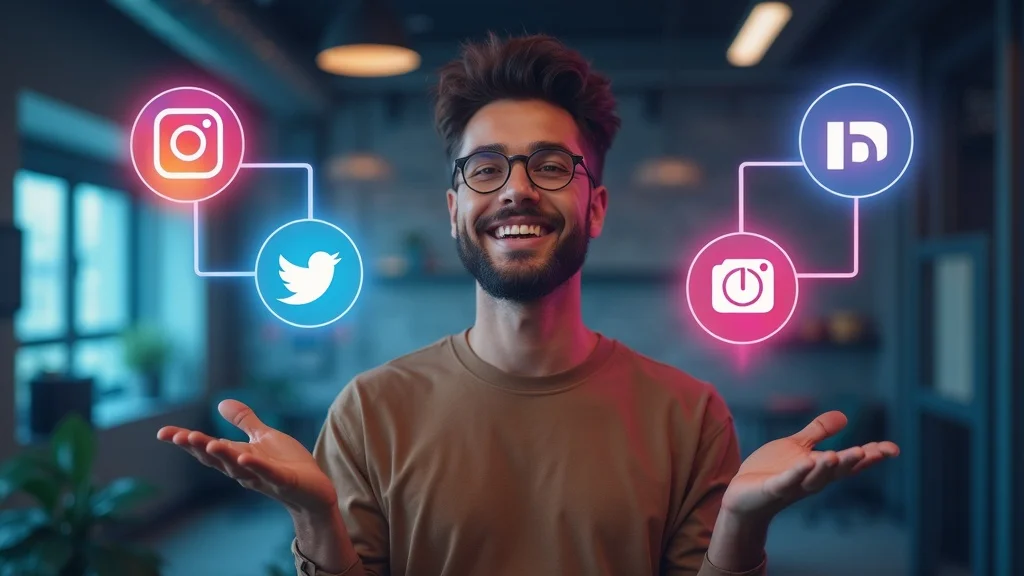
Each social media platform serves a distinct audience and marketing purpose. Facebook attracts diverse age groups and offers powerful ad targeting. Instagram is visual and ideal for brand storytelling. Twitter excels for real-time conversations, while LinkedIn is perfect for B2B networking. TikTok delivers short-form, creative content to younger audiences.
Brands thrive by tailoring content and campaigns to each platform’s strengths. For example, share behind-the-scenes stories on Instagram, thought leadership articles on LinkedIn, and viral challenges or trends on TikTok. Smart use of multiple channels increases reach and reinforces brand messaging for every segment of your audience.
Selecting the Right Social Media Platform for Your Brand
Choosing where to invest digital marketing efforts depends on your goals and the target audience you want to reach. Start by observing which social media platforms your customers use most. Are they engaging with brands on Facebook? Do they follow industry leaders on LinkedIn? Conduct surveys, review analytics, and test content across channels to identify the best fit.
Remember, it’s better to excel on one or two platforms than to spread efforts too thin across many. Focus your social media marketing strategy on where you can build authentic community and spark meaningful engagement. Over time, expand your presence as your resources and understanding of media platform trends grow.
Benefits of Media Platforms for Building Brand Awareness
One of the top benefits of digital marketing is the ability to rapidly increase brand awareness. Media platforms allow brands to go from unknown to industry leaders through creative campaigns, viral content, and influencer collaborations. Social media also enables customer advocacy—satisfied users sharing their experiences amplify a brand’s message far beyond its original reach.
By consistently delivering value and listening to customer feedback on media platforms, businesses earn trust and recognition. Direct communication, instant sharing, and algorithm-driven visibility make social media an essential hub for brand awareness in today’s digital world.
Measuring the Success of Digital Marketing Campaigns
Key Performance Indicators (KPIs) in Digital Marketing
Tracking the right key performance indicators (KPIs) allows brands to measure the true effectiveness of every digital marketing campaign. Common KPIs include website traffic, conversion rates, click-through rates (CTR), return on ad spend (ROAS), and social media followers or engagement rates. Email marketing metrics—like open rates and unsubscribes—further help gauge customer interest and campaign quality.
The smartest digital marketing strategies go beyond vanity metrics. By focusing on KPIs tied directly to business goals—like lead generation or purchases—brands make data-driven decisions that maximize resources and growth.
The Importance of Data in Digital Marketing Efforts

Data is the backbone of every high-performing digital marketing strategy. Marketers use analytics tools to evaluate everything from campaign reach and audience demographics to revenue generated from each channel. Real-time dashboards bring clarity, revealing which marketing efforts drive the most value—and where there’s room for improvement.
Without data, campaigns risk underperforming or overspending. With it, brands fine-tune every aspect of marketing efforts: audience targeting, content types, timing, and creative direction. Over time, the insights gathered lead to increasingly successful and cost-effective marketing campaigns.
Improving Future Marketing Campaigns with Analytics
The true power of digital marketing lies in learning from every campaign. Brands that leverage analytics can identify patterns, capitalize on successes, and avoid repeating mistakes. Detailed reports reveal which marketing channels perform best, which messages resonate, and how customer behaviors change over time.
Continuous optimization ensures that each digital marketing campaign is smarter and more impactful than the last—fueling ongoing growth and innovation in a competitive media platform landscape.
Challenges and Common Pitfalls in Digital Marketing
Avoiding Oversaturation on Social Media Platforms
While digital marketing offers incredible reach, oversaturation is a real risk—especially on crowded social media platforms. Too many posts, repetitive content, or aggressive ad campaigns can drive your audience away. To combat this, focus on quality over quantity. Ensure each message adds value, tells a story, or invites interaction.
Listen to audience feedback and monitor engagement metrics to avoid fatigue. Test new content formats and embrace variety, but always stay true to your brand’s core values and voice. Keeping your marketing efforts fresh and engaging helps maintain lasting connections on social media and beyond.
Maintaining Brand Awareness Amidst Competition

With so many brands vying for attention on digital and media platforms, standing out can be tough. Consistency, creativity, and authenticity separate the winners from the noise. Invest in story-driven content, user engagement campaigns, and unique positioning to remain memorable as competitors ramp up their digital marketing strategies.
Regularly review your visual branding, messaging, and campaign consistency across channels—misalignment can dilute brand awareness and weaken marketing campaigns. By investing in ongoing learning and adapting to market shifts, brands stay visible even as competition heats up.
Adapting Digital Marketing Strategies to Trends
Digital marketing moves fast, with algorithms and user preferences shifting constantly. Staying ahead requires regular research, trend analysis, and a willingness to test new ideas—from emerging social platforms to new ad formats and creative content types.
Encourage your team to experiment and fail fast, using analytics to guide future choices. Brands that adapt quickly maintain a competitive edge, keeping their marketing strategy relevant, effective, and engaging for evolving audiences.
Digital Marketing for Beginners: Step-by-Step Guide
Understand your business goals and target audience
Choose the best digital marketing channels
Develop compelling content marketing strategies
Implement paid and organic media campaigns
Utilize analytics to refine marketing efforts

"Start small, measure results, and scale digital marketing campaigns for sustainable growth." — Beginner's Guide Author
People Also Ask: Digital Marketing Insights
What does a digital marketer do exactly?
Answer:
A digital marketer creates, manages, and optimizes marketing campaigns across various digital media platforms. Their role includes social media management, search engine optimization, content marketing, email strategy, and analyzing marketing efforts to build brand awareness and engage the target audience.
How do I begin in digital marketing?
Answer:
To start in digital marketing, first learn about fundamental channels like social media, email marketing, SEO, and content marketing. Practice by creating accounts on major platforms, test different types of digital marketing campaigns, and stay updated on industry trends.
What are the 7 types of digital marketing?
Answer:
The seven types of digital marketing include: (1) SEO, (2) content marketing, (3) social media marketing, (4) pay-per-click (PPC), (5) affiliate marketing, (6) email marketing, (7) influencer marketing.
Is digital marketing easy for beginners?
Answer:
Digital marketing is accessible for beginners, especially with the abundance of resources online. However, achieving mastery requires ongoing learning, experimentation, and keeping up with changes to digital marketing channels and platforms.
Essential FAQs on Digital Marketing
What is the best digital marketing channel for small businesses?
How often should a company run digital marketing campaigns?
Can digital marketing replace traditional advertising?
What skills are required for a career in digital marketing?
How is ROI measured in digital marketing efforts?
Key Takeaways: Embracing Digital Marketing for Business Success
Digital marketing encompasses a wide range of marketing channels and strategies.
Social media platforms and search engines play pivotal roles in brand building.
A well-planned digital marketing campaign can yield measurable, cost-effective results.
Continuous learning and adaptation are essential for sustained marketing success.
If you’re ready to take your digital marketing knowledge to the next level, consider exploring foundational strategies that drive sustainable business growth. Our in-depth guide on building a growth foundation for your brand reveals how to align your marketing efforts with long-term objectives and create a scalable framework for success. By understanding the bigger picture and integrating advanced tactics, you’ll be equipped to adapt, innovate, and lead in the ever-evolving digital landscape. Start your journey toward smarter, more impactful marketing today.


Write A Comment