• Home
  • Categories
    • Entrepreneurs
    • Growth Stories
    • Expert Insights
    • Innovators
    • Franchise and Expansion
    • Tools and Services
    • Commercial Property
    • Trends
November 09.2026
1 Minute Read

When a client brings you a project, how do you guide them from the initial conversation to a design that fits their needs, vision, site, and budget? Walk me through your process and the key decisions along the way.

Ryan Thewes’ Core Thesis: Aligning Vision, Style, and Budget is the Foundation of Successful Design Projects

When a client brings you a project, the journey from initial conversation to a completed design hinges on an intricate balancing act: needs, vision, site, and budget must harmonize at every stage. For Ryan Thewes, principal at Ryan Thewes Architect and a recognized leader in modern and organic architecture, this isn’t just a process—it’s a philosophy rooted in expertise, empathy, and genuine respect for the client’s dreams. In a landscape crowded with architects, finding someone who truly resonates with your style and priorities can make all the difference. According to Ryan, "Choosing an architect is all about somebody that relates to your style and what you're looking to do. " — Ryan Thewes, Ryan Thewes Architect From the outset, Ryan’s approach is personal, not transactional. He rarely advertises because clients are drawn to his body of work—and the unique vision it represents. This organic connection forms the backbone of transformative residential and occasionally commercial projects alike, where every detail reflects both the owner’s ambitions and the realities of the site and budget.

Residential architecture consultation with modern blueprints in sunlit studio, exemplifying when a client brings you a project, how do you guide them from the initial conversation to a design that fits their needs, vision, site, and budget?

Why Style Alignment is Non-Negotiable for Clients and Architects

For Ryan Thewes, style is more than aesthetics—it’s a language for expressing dreams and values. Too often, clients overlook the depth of meaning behind their initial spark of inspiration. As Thewes explains: "Most people find me by looking around. . . they have something in mind they want to accomplish aesthetically. " — Ryan Thewes, Ryan Thewes Architect This underscores a crucial insight: choosing the right architect requires introspection from the client and transparency from the professional. Ryan emphasizes that every architect has a unique stylistic “fingerprint,” and ensuring alignment at the start prevents costly detours later. When style and vision clash, even the most technically perfect project can feel hollow and disjointed. Thewes’s commitment is clear. By focusing his Nashville-based practice exclusively on modern, organic designs, he naturally attracts clients who “get it”—avoiding mismatches that lead to frustration and wasted resources. The result is remarkable client satisfaction and a legacy of projects that resonate on a deeply personal level.

Expert Insights: Navigating Budget Flexibility Without Compromising Design Vision

Budget isn’t a roadblock; it’s an opportunity for creative problem-solving. According to Ryan Thewes, the ability to tailor solutions across a spectrum of price points is what sets truly client-centered architects apart. In his own words: "We work within a wide range of budgets. . . finding ways to accomplish goals that also fit within certain budgets. " , Ryan Thewes, "This flexibility is rare". Many architects, as Ryan notes, take a one-size-fits-all approach, designing for a fixed budget regardless of client needs. But for Thewes, the architect’s role is to “dig in”—to unearth the hidden “must-haves” and “nice-to-haves,” relentlessly searching for cost-effective ways to reach big goals. This viewpoint not only ensures that the client’s resources are respected, but that design integrity is preserved. According to Thewes, “most architects will only do things one way,” but true mastery is measured by how gracefully constraints are leveraged into inspired, buildable solutions.

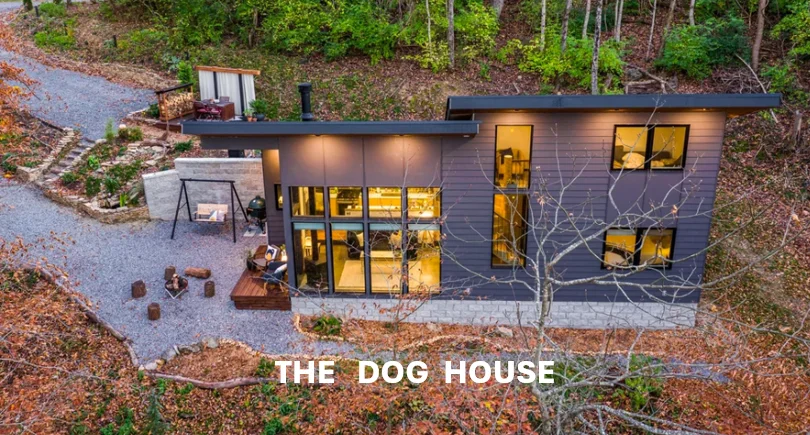
A practical example of this philosophy in action can be seen in projects like The Dog House, where creative collaboration and budget-conscious design resulted in a modern, organic home that reflects both the client’s vision and the unique characteristics of the site. This case highlights how thoughtful architectural choices can deliver exceptional results without exceeding financial boundaries.

Creative Budget Strategies That Set Modern Architects Apart

  • Digging deep to understand client goals

  • Tailoring design options to budget constraints

  • Collaborating with builders early in the process

  • Prioritizing impactful design elements

Expanding on these budget-aligned solutions, Ryan emphasizes the importance of early collaboration. By engaging builders and contractors from the project’s onset, feasibility and costs are monitored in real time, not just at the bidding phase. This cross-functional dialog prevents last-minute sticker shock and ensures every choice is intentional. Lastly, Ryan Thewes’s approach to value engineering centers on prioritizing the elements that deliver the most satisfaction—be it a striking stairwell, a smart use of natural light, or sustainable material choices. Decisions are made with surgical precision: What elevates the design? What maintains the client’s vision without excess? This is how budget becomes a springboard for innovation, not a ceiling for compromise.
The Right Architect for the Right Project: Importance of Style and Team Synergy

Thewes asserts, time and again, that success rests on synergy. Beyond architectural prowess, what truly propels a project from blueprint to occupancy is an unbroken chain of communication and shared purpose. As Ryan frames it: "It’s a team approach where the owner, architect, and builder all work towards the same goal." The implication is clear. Style and technical skill are necessary but not sufficient; the intangibles of trust, teamwork, and mutual respect are the catalysts for a smooth, inspiring journey. According to Thewes, making construction “easy and fun” is about more than avoiding disputes—it’s about building a culture of collaboration that lifts everyone involved.

How Teamwork Between Owner, Architect, and Builder Enhances Project Outcomes

Ryan points out that when owner, architect, and builder operate as a cohesive unit, projects remain on track—on time, on budget, and on vision. This triad ensures blind spots are eliminated, accountability is shared, and innovative ideas are quickly vetted and implemented. Thewes values making every stakeholder feel invested in the project's success, which limits miscommunication and sustains momentum from beginning to end. According to Thewes, involving builders early isn’t merely about logistics; it transforms the project dynamic. Builders become creative partners rather than afterthoughts, and this openness often yields breakthroughs in constructability and design quality. The result? Projects that not only meet but often exceed client expectations—on every front.

Why Attempting to Fit a Square Peg in a Round Hole Costs Time and Money

Too frequently, clients or architects attempt to overlay mismatched design ideas or ignore their true priorities—resulting in wasted effort, inflated costs, and disappointing outcomes. Ryan's perspective is that choosing an architect out of convenience or expediency, rather than aligned vision, is a recipe for frustration. The seasoned advice from Ryan Thewes is that project success depends on authentic alignment at every decision point. From stylistic vision to practical feasibility, he encourages clients to “do the homework”: study past projects, have frank conversations, and never force a partnership where the fundamentals don’t mesh. With the right fit, both time and money are maximized—rather than lost to preventable missteps.

Background and Context: The Organic Architecture Influence Behind Ryan Thewes’ Design Process

  • Connection to Frank Lloyd Wright’s philosophy of design growing naturally from the site

  • Influence of mentorship under Bart Prince and understanding dramatic, unique architectural expressions

  • Focus on sustainable, green building science integrated with aesthetic goals

Ryan Thewes’s approach is deeply rooted in the principles of Organic Architecture. Inspired early by Frank Lloyd Wright’s iconic integration of structures with their surroundings, Thewes is guided by the belief that a building should grow logically and naturally from its site and client’s needs. This commitment was strengthened through apprenticeships with masters like Don Erickson and especially Bart Prince, where Thewes absorbed not just innovations in geometry and dramatic expression, but also the importance of innovation and working in harmony with natural contexts. Sustainability and green building science are inseparable from his process. According to Thewes, incorporating eco-conscious solutions isn’t just “nice to have”—it’s essential, especially as modern clients demand both performance and authenticity. Every design decision, material selection, and spatial arrangement is filtered through this lens, charting a direct path from inspiration to construction that respects site, budget, and vision in equal measure.

Applying Organic Architecture to Modern Residential and Commercial Projects

Thewes’s body of work exemplifies how Organic Architecture principles can be translated into modern residential and commercial work. Even when projects are more commercial in nature, Thewes draws on signature themes—flowing forms, extensive use of natural light, careful site orientation—to ensure spaces feel both innovative and deeply connected to place. According to Thewes, this philosophy does not mean all projects look alike; rather, it means every solution springs from a foundational respect for the project’s unique spirit, site, and objectives. Whether designing a private residence or a public-facing facility, his process maximizes both creative potential and budget certainty, leveraging decades of study under the Wright lineage and his own national reputation for organic, sustainable builds.

Architect sketching organic forms for residential project, demonstrating modern design and how to guide clients from vision to style and budget alignment

Key Decisions in Guiding Clients from Initial Conversation to Design Completion

  1. Initial discovery of client’s vision and style preferences

  2. Aligning architectural style with client expectations and site requirements

  3. Discussing and defining realistic budget ranges

  4. Collaborating with builders to assess feasibility

  5. Iterating designs that balance uniqueness with cost constraints

  6. Finalizing a design focused on seamless integration with the site and easy construction

The answer to “when a client brings you a project, how do you guide them from conversation to completion?” is as much about listening as it is about expertise. Ryan Thewes’s method follows a nuanced, sequential path designed to eliminate surprises and foster creative breakthroughs: The initial meeting is about uncovering what truly matters to the client—their “why” behind the project. This isn’t mere small talk; it’s an essential blueprint for all that follows. Next comes a deep dive into stylistic fit and site-specific realities—does the design philosophy match not just the wishes but also the constraints? Budgets are never an afterthought: Ryan ensures these talks are frank and transparent to avoid disappointment. Only after these fundamentals are established does design begin in earnest. Builders are engaged early to pin down cost and feasibility, while design iterations focus on shaping something unique yet grounded in practical limits. It’s an interplay between respecting boundaries and transcending them—an art that Ryan has honed over decades at the intersection of Nashville’s most distinctive projects.

Common Missteps and How Ryan’s Approach Avoids Them

In the evolving landscape of modern architecture and client expectations, there are pitfalls that Ryan sees all too often—mistakes that can quickly derail even the most promising project. However, Thewes’s deliberate, client-centered approach provides a safeguard against these common errors: Avoiding style mismatch by clear upfront communication Preventing budget overruns through flexible design solutions Building consensus early among owner, architect, and contractor Thewes believes the project trajectory is determined within the first few conversations. Clear, honest dialog about expectations, vision, and finances is what prevents the dreaded “moving of goalposts” halfway through a build. By putting the hard questions on the table early, he ensures mutual trust and shared purpose—laying the groundwork for project success no matter the scale or complexity. The hallmark of Ryan’s process is adaptability without compromise. His willingness to revise, iterate, and problem-solve within fixed constraints reflects a depth of professionalism and intuition that clients find invaluable.

Assured architect presenting final modern design, highlighting client guidance from initial project inquiries through style and budget fit

Summary: Creating Client-Centered, Budget-Aligned, and Visually Authentic Architectural Solutions

At every stage, Ryan Thewes brings clients’ aspirations to life—while ensuring style, budget, and site work together seamlessly. The foundation of his process is a transparent, collaborative relationship that prioritizes honesty, flexibility, and a passion for excellence. In Ryan’s own words: "I want it to be easy and fun for the client and the builder as well. . . we’re all on the same team." . This mantra isn’t just a slogan—it’s a promise rooted in decades of experience, award-winning design, and a legacy of satisfied clients. When an architect truly listens, adapts, and leads with both vision and pragmatism, projects reach their full potential—financially, aesthetically, and functionally.

Next Steps: Connect With Ryan Thewes Architect to Transform Your Vision Within Budget

  • Personalized consultation on your project vision and needs

  • Tailored design strategy honoring your style and site

  • Budget-aligned solutions with proven creative flexibility

Ready to transform your ambitions into a living, functional space that reflects your vision, values, and resources? Connect with Ryan Thewes Architect today for a consultation that puts your style, site, and budget at the forefront. Experience a process where every decision is collaborative, every design is distinct, and every outcome is a true reflection of you.

If you’re inspired by the process of aligning vision, site, and budget, consider exploring more of Ryan Thewes’s portfolio to see how these principles come to life in a variety of unique projects. Each build, from intimate residences to innovative commercial spaces, demonstrates the transformative power of organic architecture and client-focused design. By delving into other featured works, you’ll gain a deeper appreciation for the creative strategies and sustainable solutions that define Ryan’s approach. Discover how thoughtful architectural guidance can elevate not just your project, but your entire experience of home and place.

Contact:

Ryan Thewes Architect T / (615) 517-4186 E / ryan@ryanthewes.com

W / https://www.ryanthewes.com

Author: Ryan Thewes, Ryan Thewes Architect

Ryan Thewes, a native of southern Indiana, graduated from the Ball State University College of Architecture and Planning in 2000. While in school, Ryan studied the architecture of Frank Lloyd Wright, which made a strong impression on his development as a designer. He felt a kinship with Wright’s ideas on architecture, which seemed to closely resemble his own. Ryan was inspired by Wright’s bold use of geometry, veneration of nature and his ability to integrate a building with its site. Wright called his work “Organic Architecture,” which came from his belief that a building’s essence or character should derive from the design process in the same way a living organism grows from a seed–logically and naturally from the inside out.


Expert Insights

0 Comments

Write A Comment

*
*
Please complete the captcha to submit your comment.
Related Posts All Posts
11.09.2026

Struggling with automated lead capture? Here's the Fix

Automated lead capture is no longer a “nice to have”—it has rapidly become the lifeblood of modern business growth. Yet too many businesses still confuse having a digital presence with actively generating leads, and in 2026, that’s an expensive mistake. How can growth-minded leaders transform their results and build a reliable customer generation machine? For answers, we turn to Ken Tucker of Changescape Web, who draws on over two decades of elite marketing expertise and pioneering human-driven AI to deliver a masterclass in actionable, real-world strategies. This article unpacks Tucker’s proven approach, so you can unlock explosive growth—without wasting another dollar on underperforming tactics. Ken Tucker's Core Thesis: Automated Lead Capture is Non-Negotiable for Business Growth "The biggest misconception is that most people just build a website that’s basically nothing more than a digital brochure. They really don’t put much focus on lead capture." — Ken Tucker, Changescape Web According to Ken Tucker, businesses are often stuck in the “digital brochure” trap—pouring resources into attractive websites that fail the one test that truly matters: capturing qualified prospects. It’s a costly oversight, especially in a landscape where buyers expect instant ways to connect, inquire, and solve their problems. Tucker’s perspective is crystal clear: building automated lead capture systems isn’t optional for businesses seeking sustainable growth. Tucker’s decades of strategic leadership have shown him repeatedly that the web is littered with beautiful but inert sites. These sites lack functional forms, chatbots, or intelligent follow-up mechanisms. As he emphasizes, “Having a nice website is worthless if it doesn’t make it effortless for leads to reach out and for you to respond instantly. ” The bottom line: Modern businesses must now embed AI-powered, responsive systems at every digital touchpoint to continually drive revenue and avoid falling behind more adaptive competitors. Why Automated Lead Capture Must Be Priority One for Business Owners and Marketing Leaders "If you’re just building a digital and people don’t see an easy way to contact you, guess what? They won’t contact you. And if you also have a phone number or a form that they can fill out and then you don’t respond, they’re going to move on to your competitor." — Ken Tucker, Changescape Web Responsiveness isn’t just a feature—it’s your competitive advantage in automated lead capture. Tucker explains that today’s consumers don’t wait around for answers. If your site doesn’t have immediate, accessible options for reaching your team—and if your response isn’t nearly instantaneous—you’re giving your competition a direct line to your hard-won prospects. He points out a brutal truth for anyone investing in digital marketing: Any gap between lead inquiry and meaningful response is a revenue leak. According to Tucker, this means poor follow-up isn’t just costing you individual deals; it’s compounding attrition across your paid advertising, SEO, and referral channels. “People want to get their problem solved. They don’t have time to muck you around,” Tucker notes. The implication is clear—every unresponsive moment equates to wasted marketing spend. Businesses must shift from merely capturing leads to nurturing them, leveraging automated systems so not a single opportunity slips through the cracks. The critical link between responsiveness and lead conversion: Immediate engagement means higher conversion rates and greater customer satisfaction. How poor follow-up wastes both leads and marketing spend: Leads lost to slow response cost you in ad dollars, time, and reputation. Why capturing leads is just the first step in an automated customer journey: Conversion depends on structured, AI-powered nurture that outperforms mere collection of contact forms. The Response Engine IQ System: Ken Tucker’s Proven Framework to Build a Customer Generation Machine "We built what we call a response engine IQ system, looking at 5 key components to make sure every business is responsive to every lead that comes in regardless of time of day." — Ken Tucker, Changescape Web Driven by a philosophy that true business growth is engineered, Ken Tucker’s Response Engine IQ system offers a battle-tested blueprint for transforming how organizations approach automated lead capture and follow-up. As the founder of Growth Officer IQ and Changescape Web, Tucker saw firsthand that disjointed tactics rarely deliver scalable results. Instead, he developed a holistic operational framework that blends human oversight with AI automation to maximize conversions and ROI. What sets the Response Engine IQ system apart? It’s more than just collecting leads—it's about architecting an intelligent system for perpetual customer generation, engagement, and retention. According to Tucker, this approach hinges on five core components, carefully woven together with AI to ensure no lead gets lost, every inquiry is responded to 24/7, and every dollar invested produces compounding returns. Businesses seeking to win in today’s market must implement such a system or risk irrelevance in the face of smarter, more responsive competitors. Key Components of an AI-Driven Responsive Lead Capture Strategy Lead capture-focused websites that go beyond digital brochures: Tucker stresses the need for interactive, conversion-driven sites as the cornerstone of any automated lead capture strategy. Forms, click-to-call buttons, and clear “next step” prompts are essential. AI phone systems and chatbots to engage and book appointments: Automation shouldn’t just collect contact data—Tucker’s clients use AI tools that respond to queries, have real conversations, and even schedule meetings instantly, closing the gap between interest and conversion. Strategies to reengage current and past customers to prevent revenue leaks: According to Tucker, a common mistake is neglecting those who have already trusted your business. Automated email and SMS outreach bring “low-hanging fruit” back into active sales conversations, boosting customer lifetime value. Automated systems to gather online reviews for social proof and SEO benefits: “Building online reputation fuels both trust and SEO,” Tucker emphasizes. AI-driven review requests help companies build bulletproof local authority and outrank competitors in search. Continuous follow-up systems that nurture leads from capture to conversion: AI and intelligent automation handle reminders, check-ins, and upsells—ensuring prospects don’t get cold and that every lead gets pushed through the funnel toward close. Common Misconceptions and Pitfalls in Automated Lead Capture Businesses Must Avoid Despite the rapid rise of smart digital tools, Ken Tucker warns that many companies still fall into costly traps. Relying on a single web form or expecting leads to “figure it out” is a recipe for missed opportunities. A true automated lead capture ecosystem requires seamless, multi-channel responsiveness—where voice, chat, SMS, and email are intelligently integrated and performance is constantly iterated upon. Tucker also notes a dangerous tendency among businesses to ignore the post-capture journey. The expert’s perspective is that automated systems only work if backed by rigorous, timely follow-up—and AI tools must be employed not just for efficiency but for strategic engagement. Without these elements, companies will continue wasting marketing dollars and handing revenue to more prepared rivals. Mistaking a simple website form for an effective lead capture system: Real results demand a comprehensive, conversion-driven digital ecosystem, not just a “Contact Us” field. Ignoring timely and consistent follow-up after leads are captured: Delay equals lost deals. Automated, AI-driven nurture is imperative for keeping prospects engaged before competitors swoop in. Underestimating the role of AI tools in streamlining responsiveness: Today’s leading SMBs use chatbots and AI phone systems to act as 24/7 sales assistants, instantly delivering value and booking meetings. Failing to leverage online reviews as a crucial marketing asset: Reviews aren’t just for vanity—they fuel social proof, drive SEO, and dramatically improve trust and conversion rates. Actionable Tips from Ken Tucker for SMBs to Optimize Automated Lead Capture Implement a comprehensive lead capture and nurture system integrating AI tools: Tucker recommends evaluating your process holistically, ensuring every stage from first click to closed deal flows seamlessly and is enhanced by smart automation. Use chatbots and AI phone systems for instant engagement 24/7: This strategy enables you to never “miss” a prospect, no matter the hour—critical for industries where timing determines the winner. Focus on building repeat business with existing customers to maximize lifetime value: According to Tucker, automating recall campaigns and loyalty programs often produces the highest ROI with minimal cost. Prioritize online review generation to boost local SEO and credibility: AI or automated systems can request, track, and respond to reviews, establishing authority and climbing local search rankings. "If you don’t focus on the nurture after the lead capture, you’re just wasting your time. You’ve gotta have a system that captures leads and then follows up with them." — Ken Tucker, Changescape Web Tucker’s top tip? Never separate capture from nurture. Instead, embed follow-up protocols into your automation process so every lead is guided from inquiry to sale with zero friction. As he’s seen across diverse SMBs, this dual focus is what turns sporadic success into a “customer generation machine”—dramatically lowering acquisition costs and boosting marketing ROI. Conclusion: Unlock Business Growth by Mastering Automated Lead Capture and Nurture Automated lead capture is fundamental to converting prospects into loyal customers. Responsiveness and AI-powered follow-up systems prevent revenue leakage and maximize marketing ROI. Ken Tucker’s Response Engine IQ framework offers a cutting-edge, proven approach combining human-driven AI and strategic marketing mastery. Businesses ignoring these systems risk losing valuable leads to competitors with smarter customer generation machines. If you want to turn your digital presence into a relentless source of clients and measureable revenue, take your cues from Ken Tucker: Build a system that not only captures but also nurtures every lead through to conversion using both human insight and AI-driven tools. Deploying strategies like the Response Engine IQ framework means you’re not just catching leads—you’re incubating loyal customers and maximizing every dollar invested in your business growth. Next Step: Schedule a Marketing Clarity Call to Build Your Automated Lead Capture Strategy "Our clients who implement a strategic, AI-powered customer generation machine see measurable revenue growth and stronger brand authority." — Ken Tucker, Changescape Web Ready to stop losing leads and start scaling? Take the next step—schedule a Marketing Clarity Call with Ken Tucker and discover how an expertly architected automated lead capture system can become your most valuable business asset. Don’t just compete—dominate your market with a smarter, AI-driven customer generation machine. To enhance your understanding of automated lead capture strategies, consider exploring the following resources: “Lead-o-matic — Capture Meta leads, follow up on WhatsApp automatically”: This platform specializes in capturing leads from Meta lead ads and automating follow-ups via WhatsApp, ensuring prompt engagement and reducing the risk of losing potential clients. (lead-o-matic.com) “Axythra Lead System - Automated Lead Capture That Runs 24/7 Without Ad Spend”: Axythra offers a system that operates continuously without the need for advertising expenditure, capturing and managing leads efficiently to support business growth. (axythra.tech) If you’re serious about optimizing your lead capture processes, these resources provide valuable insights and tools to help you implement effective automated strategies.

11.07.2026

Unlock the Magic of human-driven ai marketing—You’ll Never Go Back

In today's fiercely competitive digital marketplace, business owners, marketing directors, and executive leaders are constantly searching for the next edge—a strategy or technology that doesn’t just keep them afloat, but propels them ahead. Enter human-driven AI marketing: the emerging superpower that’s about to transform the way you achieve local SEO, content creation, and sustained growth. But here’s the secret most people miss: the real breakthrough doesn’t lie in simply “adding AI. ” It’s about blending the irreplaceable nuances of human strategy with AI’s machine efficiency—unlocking results you’ll never get from one alone. Ken Tucker, founder of Changescape Web and visionary 'Fractional Growth Officer,' is leading this charge. With decades of high-level marketing mastery—and a bold commitment to the fusion of strategy and state-of-the-art AI—he’s here to reveal why success now demands the human-driven approach to AI marketing. Buckle in: what you learn here could reshape your whole perspective. Ken Tucker's Core Thesis: Why Human-Driven AI Marketing is a Game-Changer for Business Leaders "Most people forget the human driven part of it. They just put simple prompts into an AI platform and then take the results and just use those as is. There's really not much guiding when you do that." – Ken Tucker, Changescape Web According to Ken Tucker, a significant misunderstanding still dominates the conversation around AI marketing: the misconception that AI works best unassisted. Many business leaders are tempted to shortcut the process—dropping generic prompts into a platform and calling it a day. The underlying assumption is that technology alone is enough to solve their SEO and content problems. But Tucker—a leader whose consultancy, Growth Officer IQ, has powered transformative results for ambitious small and mid-sized businesses (SMBs)—firmly rejects this notion. For Tucker, it’s the human strategy driving the AI that unlocks real business growth. “Far too often, organizations hand the reins to AI with no roadmap, no brand voice, and no guiding insight,” he cautions. The outcome? Unremarkable “AI slop” that’s indistinguishable from what competitors produce, failing to reflect your unique value or expertise—and failing, most importantly, to move the needle in local search rankings or customer trust. This is why human-driven AI marketing isn’t just a buzzword. It’s the very foundation of success in today’s disruptive marketplace. The Crucial Role of Human Expertise in AI-Driven Marketing Success "You really have to make it your own. It has to be in your voice. Has to demonstrate your expertise, has to have insights, has to explain the way you do your business." – Ken Tucker, Changescape Web Tucker’s deep expertise is rooted in decades of consulting, having architected growth strategies for a stunning array of organizations. What sets his approach apart? It’s the unflinching insistence that the best marketing content springs from the intersection of human insight and technological support. Tucker emphasizes that AI alone will never understand the nuances of your company’s voice, brand promise, or market position—unless it’s explicitly trained to do so, under skilled human guidance. As Tucker reveals, real transformation begins when an organization’s unique values, solutions, and personality are actively infused into the AI engine. It takes a growth officer’s touch to ensure content resonates with your audience, reflects genuine expertise, and communicates how you do business differently. Artificial intelligence becomes not a replacement for human marketers, but a power tool—one that marketers wield to bring out the very best in every customer episode and search touchpoint. “If you’re not shaping the output,” Tucker notes, “you’re wasting the opportunity. ” How Human-Driven AI Elevates Local SEO and Content Creation for Small and Mid-Sized Businesses Intentional Content Creation: More Than Just AI Output "We've already trained the AI tools that we use on what the business is, who they are, their core values, and their products, so the content we create has intention and purpose." – Ken Tucker, Changescape Web Intentionality is the overlooked ingredient in modern marketing, and it’s where human-driven AI marketing truly shines. “We do this all the time for our clients,” says Tucker, referencing his firm’s hands-on process of training AI on the unique DNA of each business—a process that encompasses core values, product differentiation, customer segments, and signature brand tone. Instead of churning out forgettable “fill-in-the-blank” blog posts, Growth Officer IQ leverages AI as a proactive partner—helping identify high-impact topics, uncover untapped SEO keywords, and generate data-driven content outlines. But crucially, every piece is crafted, edited, and refined by seasoned humans who understand the business goals and ensure true message market fit. Content with intention isn’t an accident; it’s the natural result of disciplined, deliberate collaboration between smart AI and sharper people. Training AI with company culture and voice: This ensures every content piece truly echoes your brand strengths and business personality—never generic, always authoritative. Using AI for topic discovery aligned with business goals: Smart AI surfaces the keyword opportunities you might miss, but it’s the human’s job to select topics that drive actual local leads and conversions. Creating unique, value-driven content instead of generic AI text: According to Tucker, every draft must reflect the intentions and expertise of your team, not just what’s convenient for an algorithm. Maximizing Marketing ROI Through Human-Driven AI Strategies Every ambitious business leader is laser-focused on ROI—but few realize that the best returns don’t come from picking sides between humans and machines. Instead, as Tucker’s Fractional Growth Officer model proves, the sweet spot is leveraging the predictive power and efficiency of AI while retaining human-crafted messaging and strategic oversight. This hybrid method delivers measurable, repeatable, and scalable results—often at a fraction of the cost of hiring a full-time CMO or content team. According to Ken Tucker, when organizations invest in training AI with their real business intelligence and customer data, the outputs are dramatically more targeted and persuasive, allowing for swift adaptation to market shifts and the relentless pace of SEO changes. Human steering prevents misfires and guarantees that every campaign reinforces both your authority and your distinctive position in the market. In essence, AI amplifies what sets you apart. But only if guided with vision and discipline. Debunking Common Misconceptions About Human-Driven AI Marketing Misconception: AI outputs are ready to publish without human refinement Reality: Strategic human oversight is essential for voice and quality Misconception: AI alone can boost search rankings Reality: SEO results come from blending AI with expert marketing strategy Despite growing awareness, dangerous myths cling to the edges of the AI marketing conversation—myths that can sabotage your results if left unchecked. One of the most common is the belief that AI-generated content is plug-and-play: ready for consumers without any refinement. As Ken Tucker makes clear, “Handing raw AI output to your audience is like serving microwaved dinner at a five-star restaurant. ” The truth? Only seasoned marketers can transform AI output into brand-defining content that wins trust and dominates SEO. Another widespread fallacy: that AI on its own guarantees better rankings or funnel conversions. In reality, best-in-class SEO requires a tapestry of strategic tactics—creative copy, nuanced keyword targeting, link building, and ongoing adaptation—all woven together under expert guidance. “SEO success comes from disciplined integration, not isolated automation,” Tucker stresses. AI is a force multiplier, but only when its power is harnessed by knowledgeable professionals who understand both algorithmic shifts and human psychology. Actionable Insights: How to Start Implementing Human-Driven AI Marketing Today Engage experts who understand both AI technology and SEO strategies Invest time in training AI tools with your unique brand voice and values Focus on content that educates, informs, and reflects your business expertise Regularly analyze AI-generated marketing to refine and optimize messaging So, how can you unlock the full potential of human-driven AI marketing—while avoiding the generic noise crowding the web? Tucker recommends a clear roadmap that ensures both efficient implementation and lasting results. First, don’t go it alone. Engage fractional growth officers or partners who combine AI fluency with SEO and content mastery. These professionals act as bridge-builders—connecting your business knowledge with AI’s abilities for sharper targeting and output. Second, commit the resources (and time) to fully train your AI tools, infusing them with your brand values, service differentiators, and market ambitions. The return on this investment is exponential: you get content and campaigns that spotlight your voice, accelerate authority, and dominate local search. Final Takeaway: The Imperative of a Human-Driven AI Approach in Today's Competitive Market "If you don't even know what that means or how to get started, you really need to be working with a company that deeply understands AI technology implementation as well as SEO and content creation." – Ken Tucker, Changescape Web Combines AI efficiency with unique human insight Leverages fractional growth leadership for scalable success Accelerates sustainable business growth with measurable ROI To thrive in 2026’s landscape, your business needs more than just automation or data—it needs strategic fusion. Human-driven AI marketing is the unlock: it empowers your team to act with confidence and clarity, magnifying your unique differentiators and ensuring you’re both efficient and irreplaceably authentic. As growth-minded leaders, you can finally bridge the gap between technological speed and the unmistakable voice of your brand—positioning yourself as the irrefutable authority in your niche. Ready to Harness Human-Driven AI Marketing for Your Business? "Human-driven AI is not just a tool—it’s your competitive advantage in the evolving digital landscape." – Ken Tucker, Changescape Web Take the Next Step Towards Smarter Marketing Your next growth leap is waiting. Start by auditing your current marketing for authenticity and effectiveness. Then, connect with an expert who knows how to merge human-driven insights with the most advanced AI tools—crafting campaigns that drive real results in local SEO, content marketing, and scalable ROI. Ready to stop settling for ordinary outcomes? Connect with Changescape Web and discover how human-driven AI marketing can put you miles ahead—today and for years to come. To deepen your understanding of human-driven AI marketing, consider exploring the following resources: “Human-First AI Marketing® | The Official Definition by Avenue9”: This article introduces the Human-First AI Marketing® philosophy, emphasizing the use of AI to amplify authenticity, trust, and human judgment in marketing strategies. (avenue9.com) “Human-Led AI Marketing: A 2026 Operating Model”: This piece discusses practical approaches to integrating AI into marketing operations, highlighting the importance of human oversight in strategy, creativity, and execution. (thegutenberg.com) These resources provide valuable insights into effectively combining human expertise with AI capabilities to enhance marketing outcomes.

11.03.2026

How CEOs Can Build Authority with Weekly Expert Articles in 2026

Most CEOs still treat authority like a side effect of success: something that “just happens” if they run a good company, hit their numbers, and show up on a few panels a year. That worked a decade ago. It will not work in 2026. The leaders who win the next cycle will be the ones who publish weekly expert articles that clearly articulate their thinking, their direction, and their unique way of solving problems. The pushback I hear most often is predictable: “I don’t have the time,” “I’m not a writer,” or “We’ll get to content later, once things calm down. ” Underneath all of that is one core misconception—that building authority with weekly expert articles requires a massive amount of upfront work and a level of organization most CEOs simply don’t have. It doesn’t. What it requires is a system: a repeatable structure that captures your voice once and turns it into a cadence your team can run without you. Why Most CEOs Miss the Authority Game—and How to Flip the Script Authority isn’t about endless hustle—it’s about having the right cadence and clarity. Clarence Williams The Costly Misconception: Upfront Work Isn’t the Real Barrier to Weekly Expert Articles The real barrier to consistent weekly expert articles is not time; it’s mental friction. Most CEOs imagine a blank page, a two-hour block on the calendar that never actually happens, and the pressure to be “brilliant” every week. That image alone is enough to keep even the most disciplined leader from publishing regularly. Perfectionism quietly paralyzes visibility, and the market never gets to hear what you actually think. The myth of overwhelming prep: Why perfectionism paralyzes When authority content feels like a writing assignment, it dies. Perfectionism turns every article into a project that has to be “worth it” before it leaves your drafts folder. In reality, your audience isn’t waiting for a masterpiece—they’re looking for a clear signal that you understand where the market is going and how you’re steering the company through it. A consistent flow of expert articles, even if each one is just 5–7 paragraphs of focused insight, will outperform a rare, over-engineered manifesto every single time. How a lack of structure sabotages visibility (and what to do instead) Without a defined structure, every new article feels like starting from zero—new topic, new angle, new format, new anxiety. That’s why most leaders “post when inspired” and then disappear for months. The fix is simple: a repeatable outline rooted in your mission, vision, and values. When you have a blueprint—here’s how we open, here’s the problem we’re speaking to, here’s the takeaway we reinforce—creating weekly expert articles becomes plug-and-play for your team instead of a weekly creative crisis for you. For CEOs looking to translate their expertise into tangible business outcomes, integrating authority content directly into your sales process can be a game-changer. Discover how sales authority content can drive trust and accelerate deal cycles by visiting this guide on leveraging authority in sales communications. Missing out: What it costs CEOs to NOT publish consistently in 2026 In 2026, not publishing consistently is no longer neutral—it’s negative. Buyers, candidates, investors, and partners are already searching your name and your company alongside the problems they care about. If you aren’t showing up with clear, searchable, expert content, someone else will. You don’t just lose eyeballs; you lose narrative control. You let competitors, review sites, and generic AI content define your expertise for you. That is a quiet but very real tax on valuation, recruitment, and deal flow. The Brand Voice Blueprint: Turning Mission, Vision, Values Into Lasting Authority A single brand voice interview is the accelerator for a year’s worth of expert articles. Clarence Williams From Voice Interview → Blueprint → Unstoppable Marketing Execution The turning point for most CEOs is realizing they don’t need to “become content creators. ” They need to be interviewed once, deeply and thoughtfully, and have everything else built from there. That’s where a structured brand voice interview comes in. Instead of asking you to write, I sit down with you for a guided conversation that extracts your mission, vision, values, and the key themes you want to own in your market. Brand Voice Interview: Extract the CEO’s authentic story, mission, and values In a brand voice interview, I’m listening for more than sound bites. I’m mapping how you think, what you care about, the language you naturally use, and the direction you’re driving the company. We cover where the company is going, what you refuse to compromise on, the problems you’re obsessed with solving, and the beliefs that set you apart. That becomes your raw material—the DNA of every weekly expert article that will go out under your name. Blueprint Creation: Build a strategic structure for easy weekly content From that interview, I create a content blueprint: a living document that translates your mission, vision, and values into specific content lanes and article types. For example, one lane might be “category leadership,” another “operator-level insights,” another “culture and people,” and another “future of the industry. ” Each lane becomes a series of weekly expert articles with working titles, core points, and calls to action. Now your marketing team—and your private newsroom, if you have one—is not guessing what to write. They’re executing against a strategy anchored in your direction. Delegated Execution: Free up CEO time—let your marketing team drive the cadence Once the blueprint exists, the CEO’s involvement can drop to minutes, not hours. Your team or a specialized partner can draft, polish, and publish your weekly expert articles based on that structure. Your role becomes high-leverage: a short monthly conversation to update priorities, a quick review of angles, and final approval where needed. The heavy lifting—SEO optimization, formatting, syndication, and repurposing—is handled by people who live in that world every day. Cadence Is King: How Consistent Content Evolution Makes CEOs Unmissable Your first article will not be your best, but your tenth will make you unforgettable. Clarence Williams One of the most liberating truths about authority building is this: your early content is allowed to be imperfect. The power of weekly expert articles is not in any single piece—it’s in the visible evolution of your thinking over time. By your tenth article, patterns emerge. Your strongest ideas repeat. Your market starts to recognize your language and your stance. You move from “who is this?” to “I know exactly how this person thinks, and I trust it. ” How regular publishing refines your message and grows your influence Every article is a small, public iteration of your message. When you publish weekly, you get rapid feedback—internally from your team, externally from your market. Certain ideas resonate more. Certain phrases get quoted, replied to, and repeated in meetings. Over a few months, the noise falls away and a clear, compelling narrative emerges. That refined narrative is what shows up in sales conversations, investor decks, recruiting calls, and media requests. The network effect: Syndicating vs. “posting and hoping” Publishing a single article on your company blog and hoping people find it is not a strategy; it’s a wish. The CEOs who become unmissable treat each weekly article as an asset to be syndicated: posted on the company site, shared on LinkedIn, highlighted in email, repurposed into short posts, quoted in pitches, and re-used in decks. When your weekly expert articles are systematically syndicated, every piece multiplies your surface area in the market instead of quietly collecting dust. Staying top of mind with minimal CEO effort The irony is that the CEOs who seem “everywhere” often have less direct content involvement than the ones sporadically posting once a quarter. The difference is cadence and system. With the right blueprint, a 20–30 minute monthly conversation can fuel four to six long-form, high-quality articles plus derivative content. Your market experiences you as consistently present, thoughtful, and forward-looking, while your calendar stays focused on running the company. The Authority Desk Method: Why Leaders Choose a Private Newsroom Model When I built The Authority Desk, I designed it specifically around the constraints and ambitions of CEOs, founders, and operators. The model is simple: treat your personal brand and your weekly expert articles the way a serious publication treats its editorial calendar. That means you get a private newsroom—strategy, interviewing, writing, editing, SEO, and syndication—dedicated to amplifying your thinking while you stay focused on leading. Personalized, search-optimized articles—done for you Every article is built from your actual words and perspective, but elevated through rigorous editing, research, and SEO. The goal is to have you show up where decision-makers are already looking: search results, social feeds, newsletter features, and internal Slack threads where your articles are being shared. Instead of generic thought leadership that could have been written by anyone, your content becomes unmistakably yours—distinct in tone, stance, and substance. Zero drag on your calendar: 20 minutes a month = four feature articles I work with leaders who simply do not have spare hours available. That’s why the process is built around ultra-efficient, high-yield conversations. In about 20 minutes, I can capture enough insight to fuel multiple feature-length, weekly expert articles. From there, the newsroom handles drafting, revisions, and final polish. Your cognitive load is minimized; your authority footprint is maximized. Your voice: polished, cited, respected—no more ghostwritten generic fluff Most ghostwriting falls flat because it smooths out the edges that make you compelling. The result is safe, forgettable content that sounds like everyone else. I take the opposite approach. The brand voice interview and ongoing conversations ensure every article sounds like you on your sharpest day—clear, direct, and grounded in experience. Over time, those weekly expert articles become the library people cite when they say, “Here’s how this CEO thinks about the future of the space. ” Top Authority Moves for CEOs: The Takeaway List If you want to build real authority in 2026 without turning yourself into a full-time content creator, focus on these moves and bake them into your system rather than relying on bursts of inspiration. Anchor every article in your company’s current mission and evolving vision Authority is not about commenting on everything; it’s about consistently speaking from a clear center of gravity. When each of your weekly expert articles is rooted in your mission and where you’re taking the company, the market begins to associate you with a specific direction and set of stakes. That alignment makes your content feel less like marketing and more like a window into how you lead. Leverage your blueprint—don’t reinvent the wheel every week Once you have a content blueprint, use it. Rotate through your key content lanes, revisit themes with updated data or stories, and let repetition work in your favor. You’re not trying to surprise your audience every week; you’re trying to reinforce the few critical ideas you want associated with your name. The blueprint keeps your weekly expert articles focused instead of scattered. Prioritize syndication and consistency for exponential reach A good article, poorly distributed, is a wasted asset. Decide upfront where every article goes: website, LinkedIn, email list, partner channels, internal communications, even sales enablement. Then commit to a realistic but firm cadence. Two great articles a month, reliably published and syndicated, will outperform a random flurry of content that disappears as quickly as it appears. Trust partners who capture your authentic tone and insights The wrong partner adds work to your plate. The right partner removes it. Look for people who start with a deep brand voice process, who can articulate your mission and vision back to you cleanly, and who are willing to show you finished work before you commit. When you trust that your weekly expert articles will sound like you and support your strategy, saying “yes” to consistent publishing becomes an easy decision. Ready to Move From Unknown to Unmissable Authority? It’s not about having time. It’s about having the system. Clarence Williams In 2026, the CEOs who win will be the ones whose thinking is visible, searchable, and consistently reinforced through weekly expert articles. Not because they wrote every word themselves, but because they built a system that turns their insights into a steady drumbeat of authority in the market. The gap between “too busy to publish” and “everywhere my buyers look” is a structured brand voice interview, a clear blueprint, and a trusted execution engine. If you’re ready to treat your expertise like the strategic asset it is, I invite you to experience what a private newsroom can do for you. At The Authority Desk, I offer qualified leaders a fully crafted first feature article at no cost or obligation, built from a brief conversation and delivered in your voice. From there, you’ll know exactly what’s possible when your ideas stop living in meetings and start compounding in public, week after week. To deepen your understanding of how authority content can transform not just your personal brand but your entire go-to-market strategy, explore the broader landscape of sales authority content. This resource offers actionable frameworks and advanced tactics for integrating thought leadership into every stage of your sales funnel, helping you unlock new levels of trust and influence in your industry. To enhance your understanding of the importance of consistent expert content for CEOs, consider exploring the following resources: “Insights | The Expert’s Business”: This publication delves into the dynamics of transforming expertise into a sustainable business model, offering weekly articles that address the challenges and strategies involved. (theexpertsbusiness.com) “ExpertLinked Weekly”: A podcast series that provides professional development insights, featuring discussions on career strategies and leadership, which can be instrumental for CEOs aiming to establish authority through regular content. (expertlinked.in) Engaging with these resources will provide you with actionable strategies and insights to effectively build and maintain authority through consistent expert content.

Where small business makes big moves.

COMPANY

  • Privacy Policy
  • Terms of Use
  • Advertise
  • Contact Us
  • Menu 5
  • Menu 6

ABOUT US

Daily Business Wire is the go-to hub for entrepreneurs, franchise owners, and growing companies. It features interviews, market insights, business tools, and exit strategies. A trusted platform for thought leadership and visibility.

© 2026 CompanyName All Rights Reserved. Address . Contact Us . Terms of Service . Privacy Policy

Terms of Service

Privacy Policy

Core Modal Title

Sorry, no results found

You Might Find These Articles Interesting

T
Please Check Your Email
We Will Be Following Up Shortly
*
*
*