
Imagine your facility’s steel structures, pipelines, and equipment constantly exposed to particles, grit, and flowing water. Over time, these elements wear away protective coatings, leaving underlying metal vulnerable to corrosion and costly asset failure. Today, prioritizing abrasion resistance in anti-corrosion coatings isn’t just best practice—it’s an urgent need for any business owner or facility manager determined to safeguard assets in tough environments like grit chambers and industrial plants.
Recognizing Abrasion Resistance in Anti-Corrosion Coatings: The Foundation of Long-Term Asset Protection
Business owners and facility managers have long fought an uphill battle against wear and corrosion, especially in demanding zones such as grit chambers or industrial plants. But what often separates long-lasting infrastructure from early asset failure is the strength of a resistant coating with proven abrasion resistance. The combination of high-wear and corrosion threat in such environments means coatings must perform double duty, resisting both physical abrasion and chemical attacks for true, lasting protection coatings.
Understanding abrasion resistance begins with recognizing how abrasive materials—like sand or grit—constantly stress coatings on metal components. In environments with persistent agitation or particulate matter, such as municipal wastewater treatment and confined space work areas, resistant coatings are exposed to an unrelenting attack. Without proper abrasion resistance, these coatings rapidly degrade, shortening the service life of critical assets. Investing in the right coating system is pivotal for long-term corrosion protection, saving significant costs by preventing premature breakdown and extending asset lifespan.
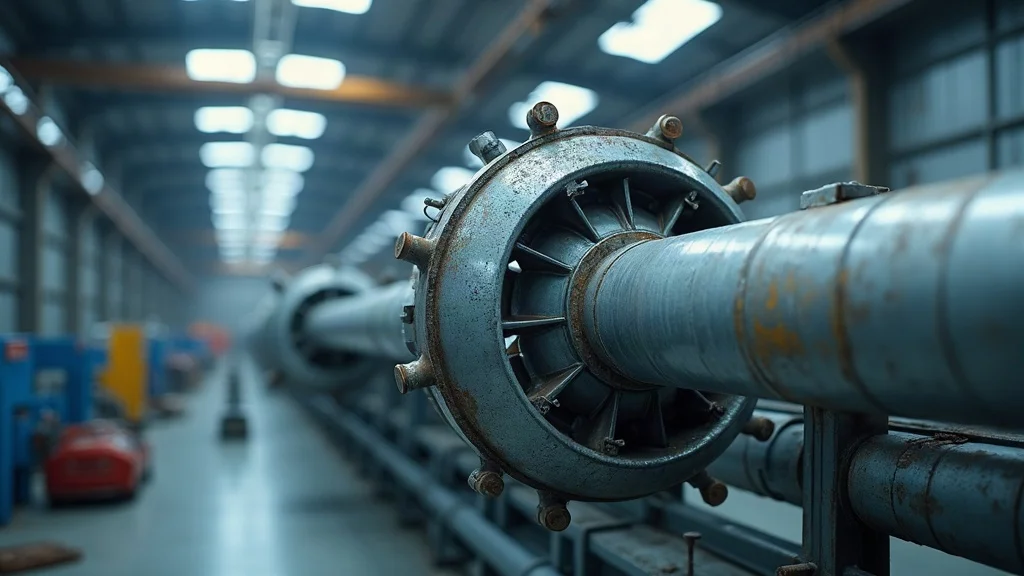
What You'll Learn About Abrasion Resistance in Anti-Corrosion Coatings
- Key reasons abrasion resistance is vital for anti-corrosion coatings
- How resistant coatings work in demanding environments like grit chambers
- Which coating systems and types offer the best corrosion protection
- Current approaches to measuring abrasion resistance in coatings
The Critical Role of Abrasion Resistance in Grit Chamber and Grit Chambers Environments
Few locations test the limits of anti-corrosion coatings like grit chambers, where debris, flowing abrasive particles, and water combine to accelerate coating wear. Here, abrasion resistance isn’t just beneficial; it’s essential for preventing both rapid coating loss and underlying corrosion. In grit chambers and similar high-wear environments, coatings must withstand constant motion from sand, silt, and particulate-laden water without losing their protective seal. If the coating system falters, costly downtime, repairs, and infrastructure degradation quickly follow.
Choosing the correct resistant coating for these environments involves a holistic understanding of both the grit chamber’s operational conditions and the types of abrasion encountered. Coating systems must be specifically formulated for the severe friction and debris exposure these settings impose. Facility managers should focus on those coating types proven to handle repeated impact and high particle loads, as mere corrosion resistance alone will not ensure durability. Optimal performance depends as much on the right product as it does on rigorous surface preparation and correct application—factors that directly influence the longevity and effectiveness of protection coatings.
Surface Preparation and Protective Coating Requirements in Coating Systems
Before even selecting a coating system, proper surface preparation stands as the single most decisive step in achieving lasting abrasion resistance. Inadequate cleaning or surface profile can lead to poor adhesion and rapid failure of any protective coating, no matter how advanced. In challenging settings like grit chambers or confined space environments, contaminants such as oils, salts, and previous coatings must be fully removed. This ensures the new resistant coating makes a physical and chemical bond with the substrate—essential for enduring abrasive attack and maintaining corrosion protection over the asset’s service life.
Standards for surface preparation often include abrasive blasting or mechanical cleaning, tailored to the base metal’s condition and environmental demands. Application expertise, including controlling humidity and substrate temperature, is equally critical. Only a meticulous approach guarantees the resistant coating will act as a true barrier, resisting attack from both abrasive and corrosive agents. When applied correctly and following a high-quality preparation process, a protective coating system dramatically reduces failure risks in even the toughest grit chamber conditions.
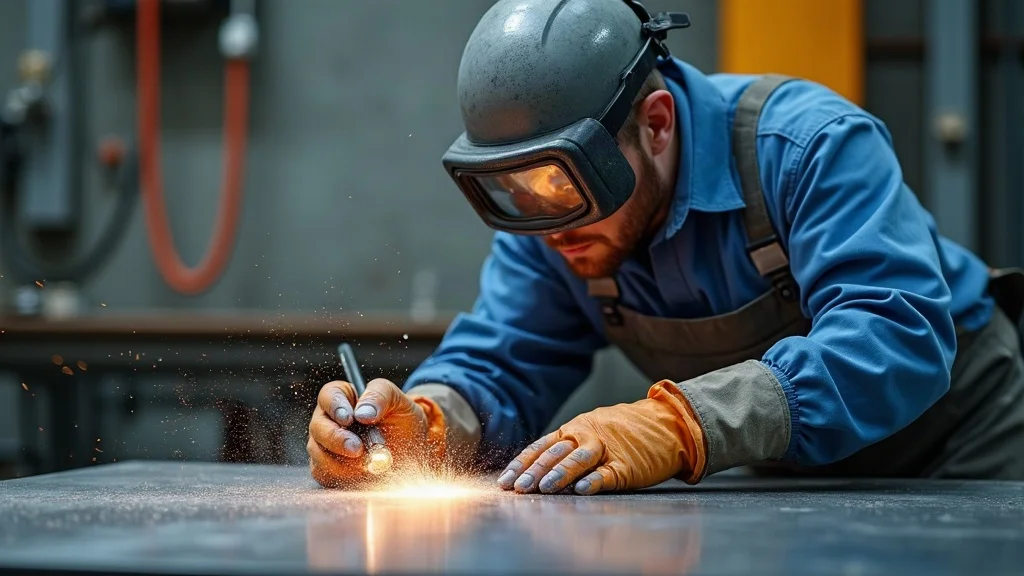
“Selecting the correct abrasion resistant coating system is the first step in ensuring your facility’s long-term performance against corrosion and wear.” — Industry Expert
How Abrasion Resistance Powers Resistant Coating Performance
Beyond the initial protection, abrasion resistance empowers resistant coatings to sustain their performance in the harshest conditions—such as inside grit chambers, high-traffic industrial floors, and areas exposed to moving equipment. The right combination of chemistry and physical durability enables coatings to absorb impacts and friction without losing integrity, maintaining an uninterrupted shield against water and corrosive agents. As a result, facility managers benefit from extended maintenance cycles and minimized risk of asset failure.
The choice of coating system—whether for confined space work or wide variety of other applications—directly impacts its abrasion performance. Epoxy, polyurethane, and fluoropolymer coating types each offer distinct balances of toughness, flexibility, and chemical resistance. Optimizing for both abrasion resistance and corrosion protection means selecting products designed for the specific stressors and operational realities of your facility. Such targeted decisions not only extend the service life of assets, but also make it easier for designers and owners to plan preventative maintenance, reducing downtime and operational costs.
Understanding Coating Types for Optimal Abrasion and Corrosion Protection
Coating types used in anti-corrosion applications vary significantly in abrasion resistance. For instance, epoxy coatings are renowned for their strong adhesion and chemical resistance, making them good choices for many industrial settings. However, in high-wear zones such as grit chambers, flexible polyurethane coatings can outperform epoxies due to their impact and abrasion tolerance. Fluoropolymer and advanced ceramic-filled coatings maximize longevity where both chemical and abrasive threats are high. Designers and owners should work closely with coating specialists to identify which combination of resistant coatings will best match asset needs and site-specific wear patterns.
The decision also involves weighing maintenance expectations and environmental factors: confined space work may demand quicker curing systems, while exterior applications contend with UV exposure. Each coating type comes with trade-offs, so understanding their real-world abrasion test results and documented field performance is essential for investing wisely in long-term corrosion protection coatings.
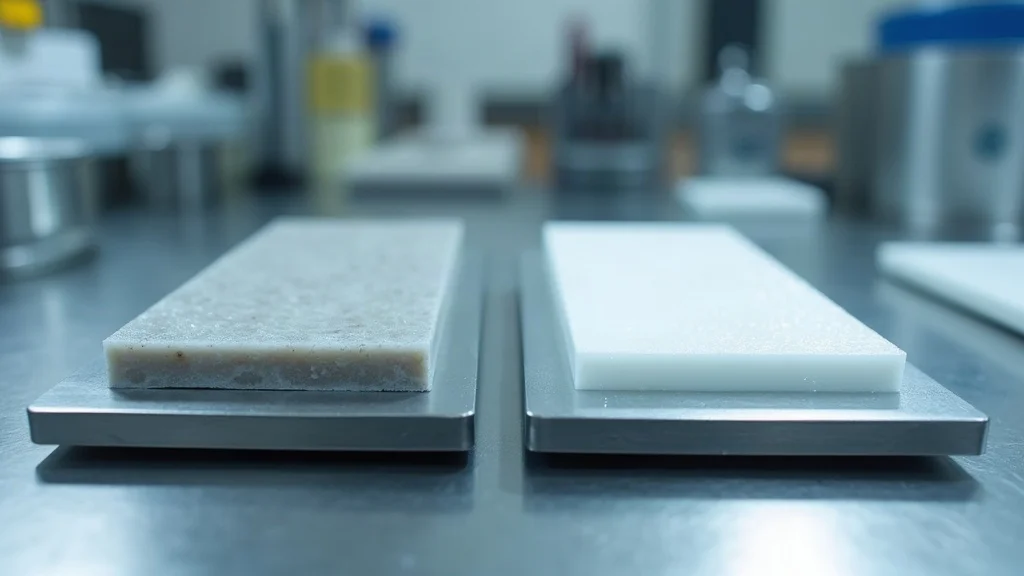
Protective Coating Systems for Confined Space and High-Wear Environments
Confined space environments—like inside tanks, pipes, or remote sections of municipal wastewater systems—pose extra application and wear challenges for coating systems. Here, surface preparation may be more difficult, and coatings must handle limited ventilation, variable humidity, or chemical contamination. Abrasion resistance is particularly crucial, as particles can accumulate and circulate during washdowns or operation, subjecting coatings to more frequent wear cycles.
High-performance protective coating systems for these spaces often use multi-layer approaches that combine the best attributes of several coating types. For example, an epoxy primer for adhesion and chemical resistance might be topped with a polyurethane or fluoropolymer layer for abrasion and impact performance. Such systematized solutions let facility managers and company owners tackle both high-abrasion and corrosive exposures, ensuring assets like pumps, pipelines, and the interior of confined tanks remain protected across a wide variety of service conditions.
| Coating Type | Key Properties | Abrasion Resistance | Typical Applications |
|---|---|---|---|
| Epoxy | Excellent chemical resistance, strong adhesion | Good, but less flexible under impact | Grit chambers, pipelines, industrial flooring |
| Polyurethane | Highly flexible, good UV stability | Very high, resists repeated abrasion | High-wear floors, exterior equipment |
| Fluoropolymer | Superior chemical and UV resistance | High, excels in harsh chemical and abrasive zones | Confined space tanks, wastewater systems |
| Ceramic-filled Epoxy | Extreme hardness, robust against particles | Excellent, designed for maximum abrasion | Heavy-duty grit chambers, pump housings |
People Also Ask: What type of coating is best for abrasion resistance?
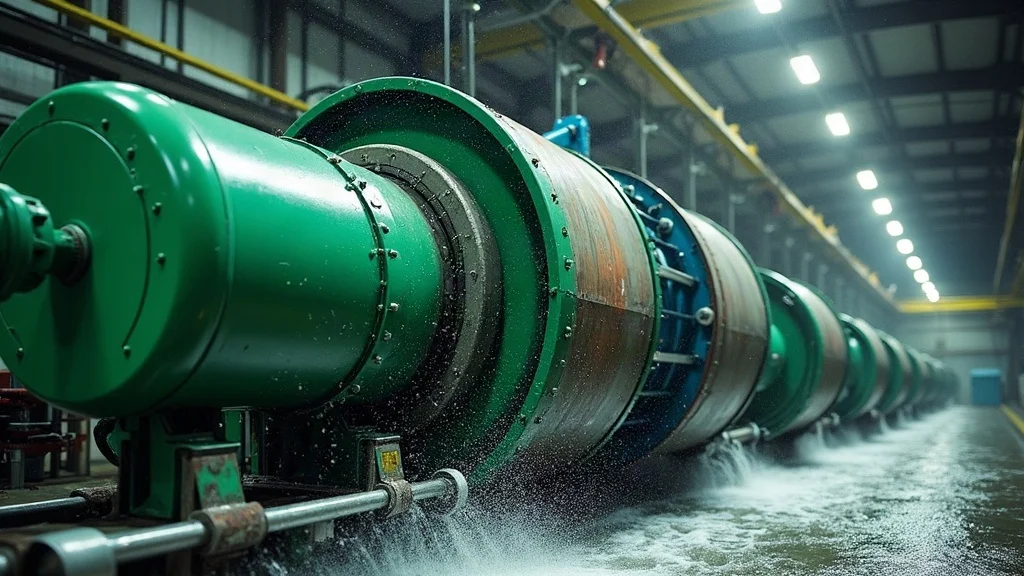
Answer: The Best Resistant Coatings for Abrasion Resistance in Anti-Corrosion Applications
The best resistant coatings for abrasion in anti-corrosion settings often include polyurethane and ceramic-filled epoxy systems, both known for exceptional longevity in high abrasion areas such as grit chambers and municipal wastewater facilities. Polyurethane’s flexibility allows it to absorb physical impacts without cracking, making it ideal for areas with frequent mechanical agitation or heavy traffic. Ceramic-filled epoxies, meanwhile, deliver a tough, glass-like barrier that shrugs off abrasive wear and extends service life in the most challenging industrial settings. These coatings, when correctly matched to the application and applied over a well-prepared surface, offer superior corrosion protection in combination with maximum abrasion resistance for a variety of confined space work and industrial applications.
Both epoxy coatings and advanced fluoropolymer coatings are valued for their proven field track record in grit chambers and abrasive municipal wastewater environments. By working with professionals who understand coating types and environmental stressors, asset owners can select a protective coating system tailored for both durability and peace of mind.
People Also Ask: How to calculate abrasion resistance?
Answer: Methods and Standards for Calculating Abrasion Resistance in Coating Systems
Abrasion resistance is measured using standardized tests designed to quantify how much wear a coating can endure before failure. Common methodologies include the Taber Abrasion Test, where a coated panel is rotated under abrasive wheels until a set level of wear is recorded, and falling sand tests, which measure coating durability against continuous abrasive particle flow—a scenario very similar to what occurs in grit chambers. The outcome is usually expressed as weight or thickness loss, helping designers and owners objectively assess which coating systems will best withstand on-site abrasion over time.
Industry standards, such as ASTM D4060, guide how to perform these tests and interpret the data. In real-world applications, these test results, combined with field experience in environments like municipal wastewater and confined space work, offer the most reliable basis for selecting protection coatings. Regular inspection, documentation, and occasional re-testing are also recommended, as ongoing verification ensures assets continue to benefit from optimal abrasion and corrosion protection throughout their service life.
People Also Ask: What is abrasion resistance?
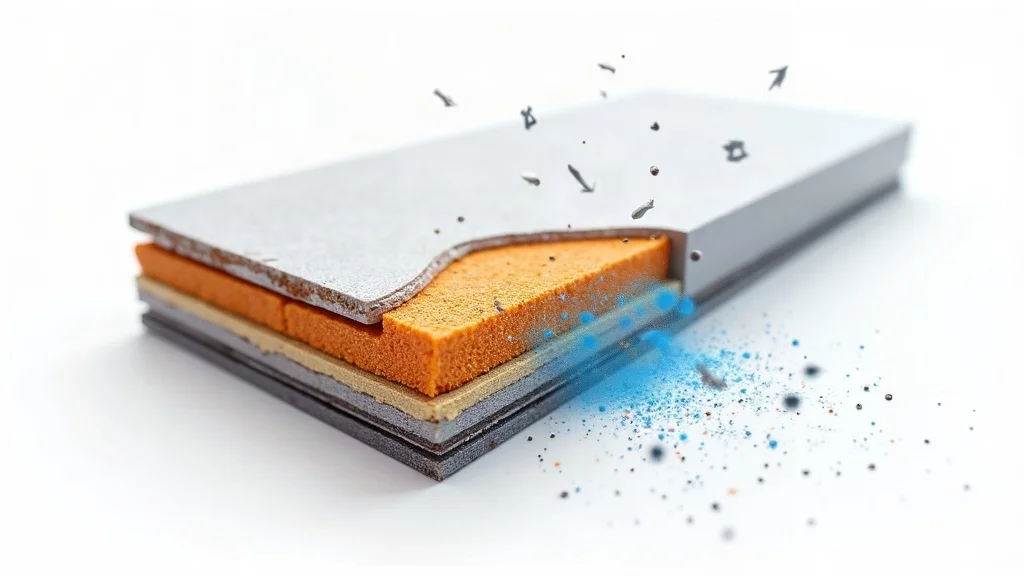
Answer: Defining Abrasion Resistance in Anti-Corrosion Coatings
Abrasion resistance in anti-corrosion coatings refers to the coating’s ability to resist being worn away by mechanical action, such as rubbing, scraping, or repeated contact with moving particles. In commercial facilities, especially in grit chambers or high-traffic industrial spaces, this means maintaining a durable barrier despite constant attacks from sand, slurry, tools, or machinery. Superior abrasion resistance allows coatings to stay intact and continue safeguarding the underlying metal components, dramatically reducing the risk of asset failure, unexpected downtime, and costly repairs.
This property is critical in all coating systems designed for harsh conditions, as it directly supports a coating’s overall performance and longevity in delivering corrosion protection. When coatings fail by abrasion, underlying corrosion typically accelerates, so sustained resistance delivers peace of mind and operational savings for facility and property managers alike.
People Also Ask: What are the two most popular types of anticorrosion coatings?
Answer: Overview of Resin and Epoxy-Based Coating Types
Among the wide variety of anti-corrosion solutions, resin-based and epoxy coatings are the two most commonly applied types for industrial and municipal infrastructure. Epoxies are valued for their high chemical resistance and adhesion—making them good for wet, corrosive environments—and are frequently used as primers or base layers in multi-coat systems. Polyurethane, often classified under resin-based coatings, provides superior flexibility and impact resistance, particularly important in abrasive areas found in grit chambers and floors with heavy mechanical movement.
Both types can be tailored or combined into advanced protection coatings, allowing facility managers to address site-specific risks—whether it’s abrasion, chemical attack, or confined space application needs. Their adaptability and reliability across a wide variety of industries make them the foundation of most modern protective coating system designs aiming to extend the service life of key assets.
Frequently Asked Questions About Abrasion Resistance in Anti-Corrosion Coatings
- How do abrasion resistance and corrosion protection work together? – Abrasion resistance prevents early wear of coatings, while corrosion protection guards against chemical damage. Together, they vastly extend the asset’s service life, especially in environments like grit chambers where both damages occur simultaneously.
- What are common signs of coating failure in high-abrasion areas? – Visible thinning, blisters, bare metal exposure, and rust stains are all red flags that a protective coating is losing effectiveness due to abrasion and needs intervention.
- Why is surface preparation so important for resistant coatings? – Proper surface preparation ensures good adhesion between coating and substrate, crucial for withstanding abrasion forces and preventing early breakdown in protective coatings systems.
- Can new coating systems be applied over existing protection coatings? – Sometimes, yes, but only if the older coating is intact and well-bonded. Otherwise, full removal and surface preparation are often necessary for best results with the new resistant coating.
Key Takeaways for Business Owners and Facility Managers
- Abrasion resistance directly impacts coating longevity in corrosive and high-wear settings.
- Understanding coating types and carefully evaluating environments such as grit chambers help ensure optimal protection.
- Routine inspection and appropriate surface preparation are essential for reliable corrosion protection coatings.




Write A Comment