 Add Row
  Add
Add 

Ever wondered why your boiler keeps losing pressure—even after you’ve checked the system a dozen times? The surprising truth is, most boiler pressure problems rarely start at the boiler itself. Uncover the reasons behind dropping pressure and get expert advice on what to look for around your home!
- Understand what boiler pressure really means for your heating and hot water
- Spot the true causes of low boiler pressure and why pressure is too low in many UK homes
- Learn why losing pressure is rarely due to a faulty boiler unit
- Get reliable tips for diagnosing and preventing future pressure problems
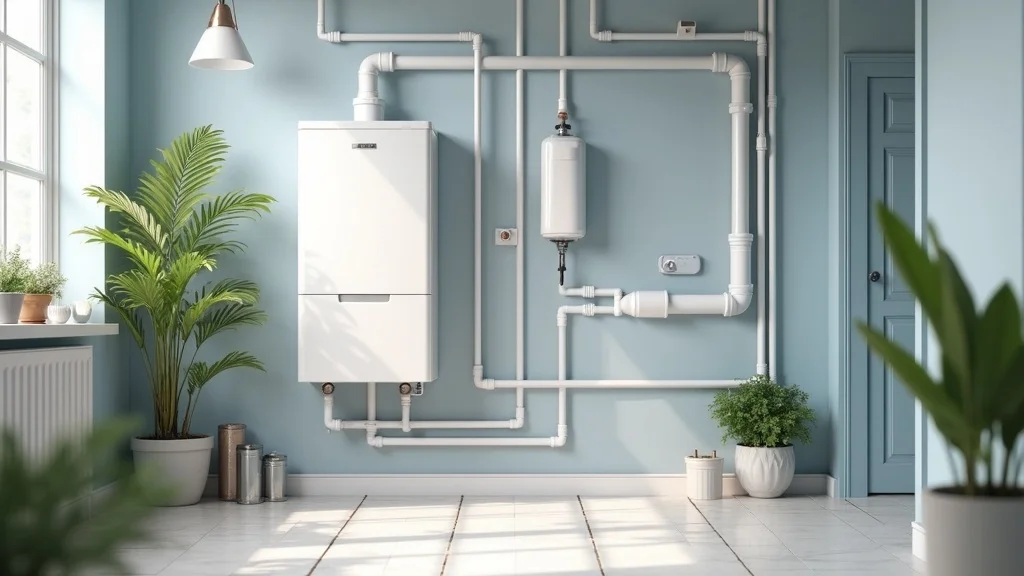
Understanding Why Boiler Pressure Problems Rarely Start at the Boiler
When your boiler pressure drops or the pressure is too low, it’s natural to suspect the boiler unit itself. But, in reality, most cases of losing pressure are caused by issues located elsewhere in your central heating system. Pressure loss is a sign that something in the wider system—like the radiators, pipes, or valves—is out of balance. Boiler pressure isn’t only about what’s going on inside your boiler; it’s the combined result of your entire heating and hot water network working together. In most homes, the boiler simply shows you the symptom—a falling pressure gauge reading—but the actual root cause is usually hidden in less obvious places.
To diagnose accurately, you should not just focus on the boiler but look at the system pressure throughout your heating loop. Simply topping up the boiler may not solve recurring issues unless you address the cause: leaks, faulty components like the expansion vessel, or old fittings and filling loops. Recognising this is vital—not only for restoring consistent heating or hot water, but also to avoid unnecessary repair costs and maintain a safe home. Let’s break down what you really need to know about boiler pressure and why more times than not, the issue isn’t the boiler at all.
What Is Boiler Pressure? Demystifying the Basics
Before you can fix a problem, you need to understand what boiler pressure really means. Your home's heating system relies on the right amount of water and air pressure to keep hot water moving smoothly through the pipes and radiators. The pressure reading you see on your boiler—usually shown by a pressure gauge—tells you if there’s enough pressure in the central heating system for everything to function correctly.
When the pressure level dips too low or spikes too high, it can cause heating or hot water to go cold, or—worse—trigger error codes that switch your combi boiler off entirely. Keeping the right pressure not only keeps you warm but makes sure your boiler is working safely and efficiently. Next, let’s clarify what’s considered normal and what you should watch for.
Typical Boiler Pressure Level: The Essentials for Homeowners
- A low boiler pressure warning usually means the pressure is too low for the system to work effectively. If the pressure gauge drops below 1 bar (the green zone on most UK boilers), your boiler can’t circulate hot water properly.
- Normal operating pressure for most UK boilers is between 1 and 2 bars—check your manufacturer’s guide or sticker on the panel.
- If you notice your system is losing pressure frequently, or if the pressure won’t rise after you refill using the filling loop, it almost always points to a wider issue outside the boiler unit itself.
It’s important to remember that pressure drops aren’t always an obvious sign of a failing boiler. They're often signals to investigate the whole heating system, especially in older homes or if you haven't had annual maintenance with a Gas Safe engineer.
Common Myths: Why Boiler Pressure Problems Rarely Start at the Boiler
Despite what you might read online or hear from friends, the vast majority of boiler pressure issues arise from systemic problems and not the boiler's core mechanics. Over time, it’s easy to blame the main unit, but from years of professional insight, it’s actually rare! Leaks, airlocks, aging expansion vessels, and faulty valves are far more common culprits for the frustrating experience of your pressure is too low or losing pressure time and again.
"Many homeowners assume the boiler is always at fault, but in practice, system-wide issues are far more frequent causes of losing pressure or noticing low boiler pressure." — Plumbrite Expert
Understanding the heating system as a complete loop helps you see why simply replacing or fixing the boiler rarely solves ongoing pressure issues. So, if you’ve checked the boiler and things still aren’t right, it’s time to look further afield—with an expert’s guidance.
Key Components Affecting Why Boiler Pressure Problems Rarely Start at the Boiler
The Heating System: Where Pressure is Lost
Your central heating system is a maze of pipes, radiators, and joints that carry hot water from the boiler to every room. When there’s an issue anywhere in this system, you’ll often spot it first through a pressure drop on your boiler gauge. Leaks can develop in radiator valves, corroded pipes, or ageing joints. Even a tiny pinhole leak, invisible to the naked eye, can cause low boiler pressure or repeated pressure loss.
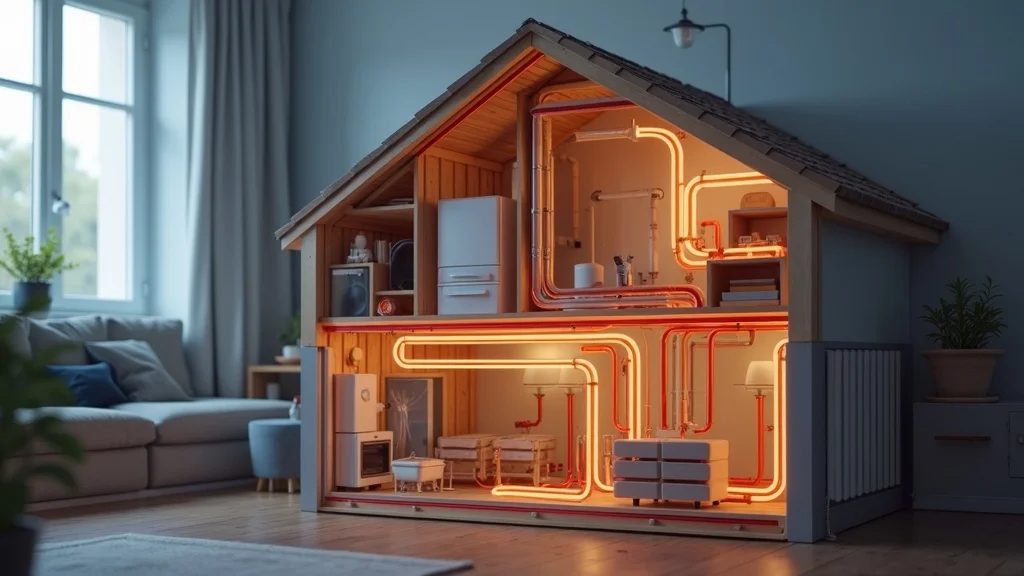
If you notice uneven heating, cold spots in one radiator, or dampness around joints, you may be experiencing a system pressure problem unrelated to the boiler. That’s why thorough checks extend far beyond the boiler unit—focusing on every inch where water pressure might escape, often out of sight. Regular visual checks and early attention can prevent bigger issues and costly repairs down the line.
- Main areas for pressure loss: radiators, visible pipes (especially bends and joints), underfloor heating manifolds, and exposed valves.
- Obvious sign of a problem: slow heating, cold radiators, or unexplained puddles near pipework.
Expansion Vessel: A Crucial Player in Boiler Pressure
The expansion vessel is a hidden hero in your system, designed to absorb extra pressure as hot water expands during heating cycles. If your vessel fails—due to age, worn seals, or internal rust—your system can’t maintain consistent pressure levels. This often results in the pressure is too low, the need to frequently top up the system, or sudden pressure drops whenever you run your central heating.
- Common expansion vessel issues: waterlogged (no air left inside), split diaphragm, or corroded fitting to pipework.
- If your boiler pressure drops as soon as the heating comes on, this is often a failing expansion vessel, not the boiler unit.
Knowing the signs of expansion vessel trouble helps target repairs quickly, saving you the expense of a new boiler when only a secondary part needs attention. If you’re unsure, consulting a Gas Safe registered engineer will make sure you get a professional diagnosis.
Pressure Relief Valve (PRV) and the Filling Loop
The pressure relief valve (PRV) is a safety device that releases water if the heating system goes above safe pressure. If the PRV starts leaking, or if the filling loop (used to refill your system with mains water) is left slightly open, your system will keep losing pressure no matter how many times you top it up. These simple problems often lead to frequent pressure loss, and you might notice a slow drip from a pipe outside the house—the PRV’s discharge pipe.
- The filling loop should always be closed except when topping up the system. Leaving it open introduces excess water, which can cause faults.
- Faulty PRVs may continuously leak, showing as a slow loss of pressure. Fixing or replacing these is a common solution for repeat issues.
Remember: replacing or tightening these components almost always stops the problem, no matter how many times the boiler pressure seems to drop.
Why Boiler Pressure Problems Rarely Start at the Boiler: Diagnosing Causes
Diagnosing pressure loss is about taking a step back and looking at the whole picture. Most cases are not direct boiler faults but originate from other vulnerable points in your heating system. The most common culprits? Leaks in hidden pipes, faulty expansion vessels, worn or mis-installed PRVs, and sometimes even trapped air (airlocks).
System Leaks: The Number One Culprit in Losing Pressure
- Look for damp spots, water stains, or corrosion near radiators, pipes, or underfloor connections.
- Persistent need to refill the filling loop is a classic sign of a system leak.
- If water is escaping, it often does so in hidden crawl spaces or under flooring—hard to spot, but a Gas Safe registered engineer can help pinpoint the source.
Leaks are especially common in older homes with old water systems, joints that have weakened over time, or where radiators have been moved or replaced. If you find recurring puddles—no matter how small—it’s almost always a system leak rather than a boiler issue.
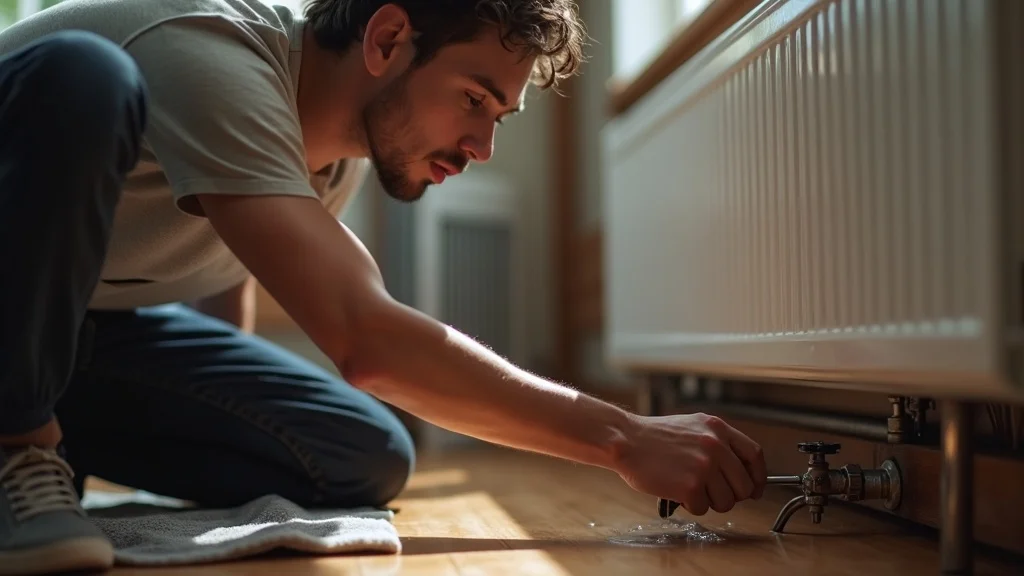
Airlocks and Pressure Issues
- Airlocks occur when air gets trapped, blocking water from circulating.
- Common symptoms include uneven heating, gurgling sounds in pipes and radiators, and pressure that won’t rise even after using the filling loop.
- Frequently, bleeding your radiators removes trapped air—but if pressure keeps dropping, you may have a leak as well.
If you hear unusual noises or find one or more radiators don’t heat up despite repeated attempts to refill, trapped air could be disturbing the balance in your system. This is rarely the boiler’s fault, and is easily remedied with thorough system venting and diagnostics.
Incorrect Installation or Aging Components
- Poor installation, especially in older systems, can leave joints and valves prone to leaks.
- An aging expansion vessel or worn PRV may slowly lose function, leading to persistent, hard-to-trace pressure drops.
- Expansion vessels and PRVs should be assessed during annual servicing; replacing them is more affordable than fitting a new boiler.
Many issues seen by professionals turn out to be a result of outdated or badly installed parts, rather than fundamental problems inside your boiler. Annual checks with a Gas Safe engineer can keep everything working as it should, for both safety and comfort.
Table: Boiler Pressure Problems and Non-Boiler Causes
| Common Pressure Problems | Usual Symptom | Typical System Cause | Boiler Directly Responsible (Yes/No) |
|---|---|---|---|
| Low Boiler Pressure | Boiler cuts out, noisy radiators, cold spots | System leak in pipes/radiators or PRV issue | No |
| Frequent Pressure Drops | Pressure falls soon after refill | Expansion vessel failure, repeated airlocks | No |
| Pressure Won’t Rise | Can’t add pressure using filling loop | Closed isolation valves, jammed filling loop, PRV letting water escape | No |
| Pressure Too High | Relief valve releasing water, over-top-ups | Faulty expansion vessel, filling loop left open | Rarely |
| Boiler Error Codes | Boiler lockout, blinking pressure warning | System-wide airlocks or leak, rarely internal fault | No |
People Also Ask: Addressing Boiler Pressure Concerns
Why is the pressure not going up on my boiler?
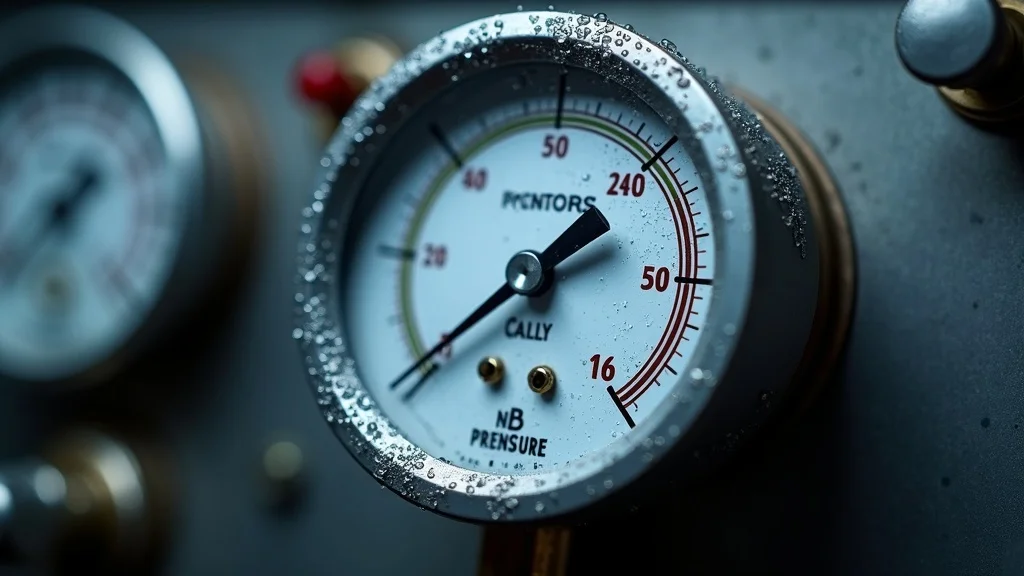
- There are several reasons your boiler pressure won’t increase, even after using the filling loop. Common causes include closed or stuck valves on the filling loop, blockages in the pipework, or a faulty pressure relief valve (PRV) letting water out as quickly as you add it.
- Always check that the filling loop valve is fully open, and if you’re unsure, call a Gas Safe registered engineer. System blockages from sludge or limescale can also make it hard for pressure to recover.
Why is my boiler losing pressure but no leak?
- Sometimes, you might see losing pressure even when you can’t spot any visible leaks. Often, this can be due to hidden internal leaks around joints or under floorboards. A faulty pressure relief valve might also let out water slowly, or air trapped within the system can affect pressure.
- Internal leaks might show as small puddles after the heating runs or corrosion near joints. If in doubt, arrange for professional maintenance to rule out less obvious causes.
What are the symptoms of airlock in a boiler?
- The most obvious signs are uneven heating (some radiators warm, others cold), gurgling noises from radiators or pipes, and a pressure gauge that doesn’t rise, even after using the filling loop.
- Repeated airlocks can sometimes signal leaks or deeper issues with the expansion vessel or valves—so if the problem comes back, arrange a system check.
Why does the pressure drop when I start my boiler?
- If the pressure drops as soon as the heating kicks in, this usually points to a failing expansion vessel. The vessel can no longer absorb the expanding hot water, causing water to be lost through the pressure relief valve or leaks in the system.
- Water loss from the system or internal air leaks might also cause an instant pressure drop. These are rarely direct boiler faults but signs of trouble elsewhere.
Preventing Why Boiler Pressure Problems Rarely Start at the Boiler: Practical Tips

- Check visible pipes for signs of leaks, corrosion, or old water marks at joints and near radiators. Dampness or staining often points to the source of pressure loss.
- Regularly monitor your pressure gauge. If pressure levels drop repeatedly, don’t just top up: look for the root issue.
- Book annual servicing with a Gas Safe engineer. A check every year can prevent many common issues—especially if you have an older heating system or suspect there are hidden leaks or airlocks.
By following these steps, you can spot small issues before they turn into expensive repairs and ensure your central heating system serves you safely for years to come.
Coming soon: Watch a professional demonstrate how to check radiators, pipes, and joints for system leaks. See close-ups of water marks, corrosion, and what telltale pressure dips look like in the real world.
Coming soon: Learn how fluctuating pressure levels appear on your gauge and what’s likely causing the change—clear, slow-motion demos and easy explanations fit for any UK homeowner!
When to Call a Professional & How Plumbrite Investigates Why Boiler Pressure Problems Rarely Start at the Boiler
- If you see persistent pressure drops, recurring boiler error codes, or signs of dampness near pipes and radiators, it’s time to call a Gas Safe registered engineer right away.
- Plumbrite engineers look for the underlying cause, not just a quick fix—using expert diagnostics to identify leaks, failing valves, or hidden expansion vessel problems before suggesting repairs or a new boiler.
- Get a comprehensive report on your system’s health and peace of mind knowing every issue has been checked.
FAQs: Why Boiler Pressure Problems Rarely Start at the Boiler
-
What causes pressure issues if not the boiler?
Usually, it’s system leaks, a faulty expansion vessel, old pipework, or a malfunctioning PRV—rarely the boiler’s own mechanics. -
Can I fix low boiler pressure myself?
You can top up using the filling loop, but if the problem returns, seek professional diagnosis to avoid recurring damage. -
How do I know if there’s a system leak or faulty expansion vessel?
Recurring low pressure, needing to refill often, or water marks near fittings are the main signs—it’s wise to call a Gas Safe engineer for checks. -
When is it time for a new boiler?
If the boiler is over 10–15 years old, constantly needs repairs, or fails safety checks, you might need a new boiler, but most pressure problems can be fixed without replacement.
Key Takeaways on Why Boiler Pressure Problems Rarely Start at the Boiler
- Most boiler pressure issues are due to problems elsewhere in the central heating system, not the boiler itself.
- Regular diagnostics and maintenance prevent costly repairs and keep your home safely heated.
- Trust experts like Plumbrite to investigate the whole system—not just treat symptoms.
For Reliable Pressure Diagnostics—Contact Plumbrite
- Call Plumbrite today on 07933830316 or email: sales@plumbrite.org.uk
Conclusion: Don’t just top up your boiler and hope for the best—discover why boiler pressure problems rarely start at the boiler and trust Plumbrite’s experts to keep your system running safely and smoothly.




Write A Comment