
In the rapidly evolving biotech industry, facility management isn’t just about keeping up appearances—it’s about preserving life-saving innovation and ensuring uncompromised safety. From sterile research labs to high-stakes manufacturing floors, the slightest flaw in facility upkeep can disrupt critical processes or, worse, introduce contamination risks. Nowhere is this truer than with commercial painting biotech projects: a discipline where only meticulous expertise will do. Dave Cole, the driving force at Arthur Cole Painting Corporation, brings over six decades of specialized experience to bear on this high-stakes challenge. In the following sections, Cole unpacks why expert care isn’t just recommended for biotech painting—it’s absolutely non-negotiable.
Dave Cole on Why Tailored Commercial Painting Biotech Is Essential for Your Facility
According to Dave Cole, clean room environments demand painting standards leagues above typical commercial spaces. Every product, every surface finish, and every application technique is scrutinized in biotech—and for good reason. “Failing paint film” is not a cosmetic issue here; it is an operational hazard. If a wall or ceiling starts to peel or degrade, it becomes a genuine contamination vector, threatening product integrity and, by extension, the bottom line. Tailoring painting solutions for biotech facilities means understanding how even microscopic particles from a failed coating can compromise research outcomes and manufacturing safety.
"They cannot have any paint film that is failing. These areas have to be clean at all times." – Dave Cole, Arthur Cole Painting Corporation
Cole’s experience at Arthur Cole Painting Corporation—spanning new construction, occupied repainting, and maintenance painting—underscores the unique needs of biotech spaces. These environments impose relentless demands, from stringent sterility to round-the-clock production, making it critical for painting professionals to know the science behind every layer they apply. To succeed, only deep familiarity with biotech’s operational tempo and risk profile will do. As Cole has repeatedly seen, a tailored solution is about more than just the product; it’s about anticipating and eliminating risk at every turn.
Maintaining Uncompromised Clean Rooms Through Specialized Painting Approaches
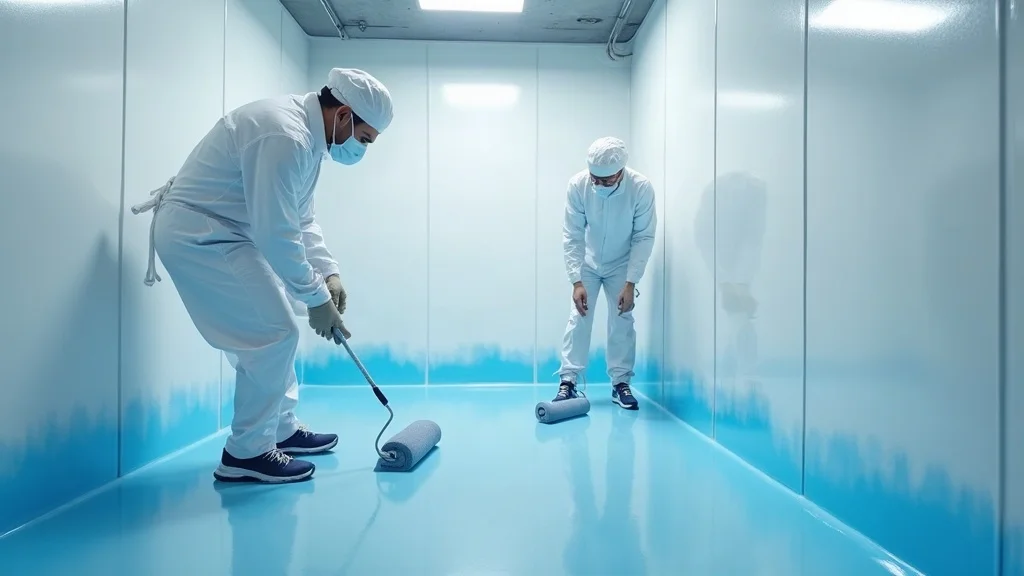
Clean rooms and plant areas are the nerve centers of biotech facilities. Dave Cole emphasizes that these environments must remain uncontaminated at all times, not just during inspections or audits. The meticulous selection of coatings, proper surface prep, and strictly outlined maintenance protocols are non-negotiable in ensuring that paint films remain intact for the long term. Specialized epoxy coatings—chosen for their durability and ease of sterilization—are often the central defense against contamination. But application isn’t as simple as following a datasheet: it’s about understanding airflow, substrate porosity, and environmental exposures that only seasoned contractors fully appreciate.
The pressure to maintain these standards is relentless. Even one oversight—a missed spot, an incompatible primer, or residual dust under a finish—can lead to expensive shutdowns and product losses. Cole’s territories, including LEED Platinum certified facilities and high-performance pharmaceutical labs, demonstrate that expertly executed painting is an invisible guardian of product safety. This is why Arthur Cole Painting Corporation invests in continuous training and state-of-the-art equipment: there is no margin for error when the cost of contamination can reach millions.
Navigating Compliance and Safety Standards in Commercial Painting Biotech Projects
The commercial painting biotech sector is defined by rigorous compliance and safety requirements. Dave Cole underscores the specialized training and protocols necessary to even step foot in these environments. Painting crews must be adept not only at typical safety practices but also at the intricacies of gowning—a tightly controlled process to prevent the introduction of particulates—and at handling materials with ultra-low VOC emissions essential for biotech’s air quality controls.
"Working in these environments requires training involving gowning and using low-VOC, especially with epoxy coatings." – Dave Cole, Arthur Cole Painting Corporation
According to Cole, VOC (volatile organic compound) compliance isn’t just a box-checking exercise; it’s a central pillar of operational integrity. Facilities require documentation not only for regulatory purposes but for ongoing assurance that nothing in the maintenance process could introduce risks to air quality, personnel safety, or product sterility. Epoxy coatings, especially, require careful handling given their chemical profiles and curing demands. Arthur Cole’s teams arrive fully certified, bringing decades of process knowledge to ensure complete alignment with biotech’s regulatory frameworks.
The Critical Role of VOC Compliance and Gowning Protocols
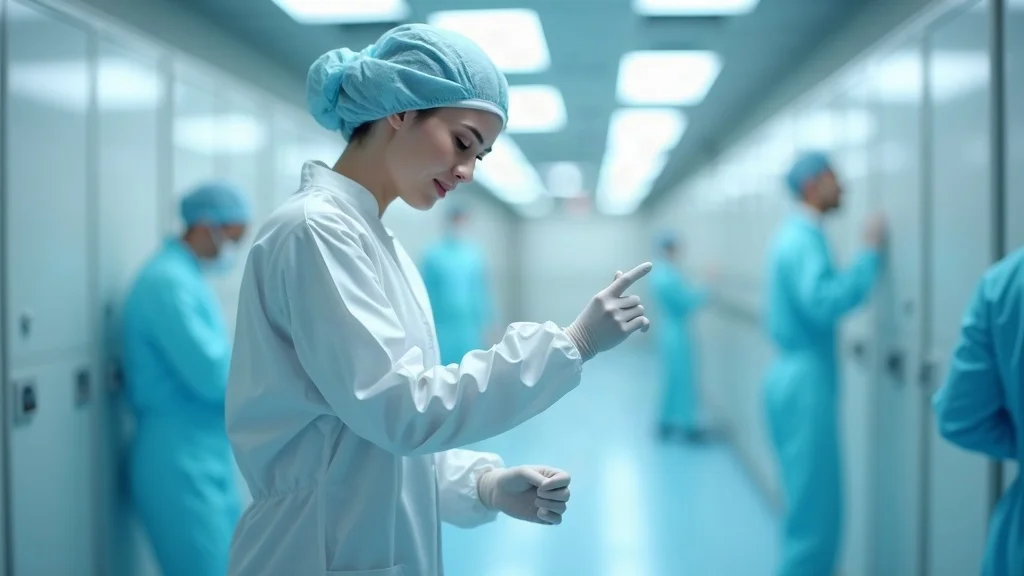
Gowning isn’t just procedure—it’s ritual. Every painting professional working in a biotech environment must follow tightly orchestrated steps to don sterile attire, ensuring no lint, skin particle, or outside contaminant is brought inside. Dave Cole emphasizes that the right training here is mission-critical. Painting contractors must be comfortable and precise with these steps, because even the best coating can’t compensate for poor protocol. Arthur Cole Painting Corporation ensures its teams undergo site-specific training before every biotech project—an investment rooted in the recognition that real compliance demands constant vigilance.
VOC compliance is another area where expertise matters. The regulations around air quality in biotech—and their ramifications—are significant. Low- and zero-VOC coatings are now industry standards, and contractors need to understand how to select products that harmonize with a facility’s air exchange rates and surface compatibility. It’s about more than compliance; it’s about proactively safeguarding the health of both the facility and its personnel. As Cole points out, only those who truly specialize in biotech painting understand the subtle interplay between coatings, environment, and process.
Choosing the Right Contractor: Experience Matters in Commercial Painting Biotech
According to Dave Cole, expertise isn’t simply a plus—it’s indispensable. The margin for error in biotech is razor thin, and the wrong choice in contractor can lead to operational disruptions, failed compliance audits, or worse, product recalls.
"It's critical to find a contractor with multiple years of experience so facility engineers are confident there will be no disruption to manufacturing." – Dave Cole, Arthur Cole Painting Corporation
For facility managers and engineers, the trust that comes from a proven partner is invaluable. Arthur Cole Painting Corporation’s long track record in biotech is a testament to their total understanding of not only technical requirements but also site logistics and workflow coordination. Cole emphasizes that every project is a balance between speed and precision: lean too far either way, and the consequences can ripple across supply chains and cost millions. The ideal contractor brings decades of biotech-specific know-how to every project, ensuring deliverables aren’t just met—they’re exceeded without compromise.

Avoiding Disruption: Why Experienced Painting Contractors Are Non-Negotiable
Biotech facility operations are continuous, leaving no margin for extended downtimes. Dave Cole insists that only veteran contractors can anticipate and prevent spills, scheduling conflicts, or quality failures that might necessitate costly stop-works. This sort of foresight isn’t learned overnight; it’s the byproduct of years spent navigating biotech regulations, working around sensitive equipment, and communicating proactively with every stakeholder involved. For Arthur Cole Painting Corporation, this means ongoing communication with facility teams and strict adherence to every client-specific requirement.
Ultimately, when the question is protecting product integrity and minimizing operational risk, experience becomes irreplaceable. Cole’s philosophy is simple: disruptions aren’t just inconvenient; they’re existential threats in biotech. Working with painting contractors who truly understand the lifecycle of a biotech project is the surest way to safeguard facility uptime, hygiene, and long-term value.
- Top 3 Compliance Requirements for Commercial Painting in Biotech Facilities
- 5 Key Benefits of Specialized Epoxy Coatings in Clean Rooms
- Essential Training and Protocols Painters Must Follow in Biotech Environments
Understanding the Broader Impact: Painting Solutions and Facility Integrity in Biotech
Commercial painting biotech solutions are rarely top-of-mind for outsiders, but Dave Cole argues they are central to larger operational outcomes. Proper painting practices don’t just maintain visual appeal—they support product consistency, ensure smooth inspections, and preempt costly rework. This bigger-picture awareness is especially critical when minor facility issues can have cascading effects on manufacturing success.
According to Cole, cutting corners on painting can unintentionally undermine years of R&D. Surfaces that harbor microbial growth or delaminate under sterilization protocols are not minor nuisances, but legitimate threats. The best painting teams view their role as guardians of process continuity, understanding that each surface they treat is part of a larger mosaic safeguarding facility performance and regulatory standing.
How Proper Painting Supports Manufacturing Consistency and Safety
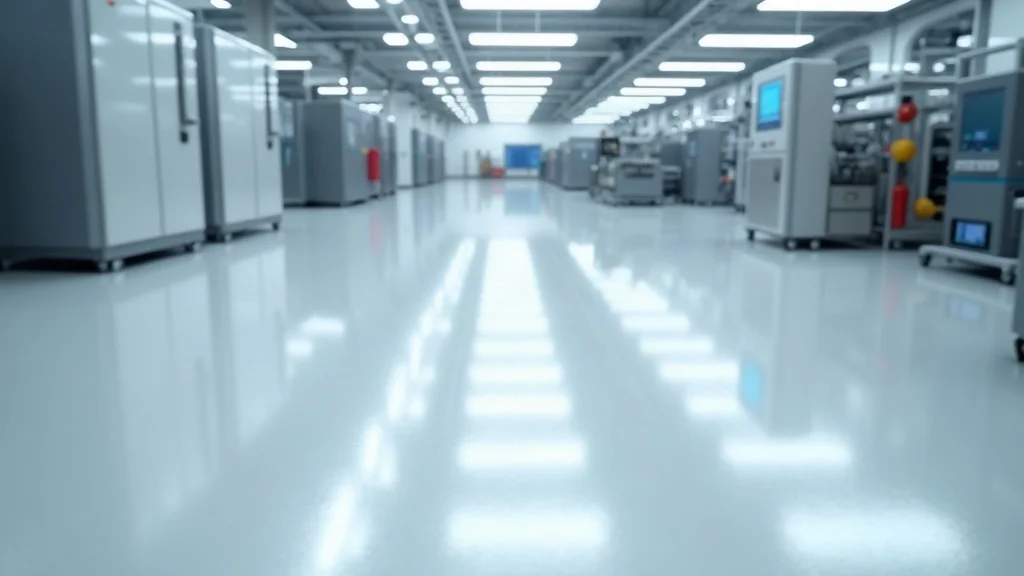
Consistent, compliant painting builds the invisible “shield” that protects sensitive biotech processes. Dave Cole emphasizes that high-performance epoxy coatings and wall finishes are integral in preventing microbiological incursions and supporting stringent decontamination efforts. This approach not only helps facilities pass regulatory inspections but also allows them to maintain production schedules without interruption.
The expert’s perspective is that painting isn’t background noise; it’s a front-line operation in the race to maintain market competitiveness. Well-chosen coatings support everything from controlled substance handling to advanced tissue research. With modern biotech pushing ever-closer to the boundaries of science, only facilities built on this kind of high-skill foundation will stay ahead.
Common Misconceptions About Commercial Painting Biotech and Safety
One of the biggest myths that Dave Cole encounters is the belief that biotech facility painting is the same as standard commercial work. In truth, every product, tool, and application method must be carefully adapted to the structural and functional realities of biotech spaces. Misunderstanding the need for VOC-compliance, misjudging exposure risks, or failing to properly gown and prep can be disastrous.
Cole’s ongoing dialogue with construction managers and facility leaders surfaces another common mistake: underestimating the importance of contractor vetting. Facility teams must look well beyond price when selecting a painter, scrutinizing before-and-after portfolios, employee training records, and long-term project outcomes. The right questions on the front end save untold costs and headaches down the line.
- Identify contractors with proven biotech painting expertise
- Ensure all coatings comply with industry VOC standards
- Verify painter training on clean room gowning and protocols
Summary: The Vital Role of Expert Commercial Painting Biotech Services
Why Precision and Experience in Painting Are Critical for Biotech Facilities
For decision-makers in biotech, the stakes couldn’t be higher. As Dave Cole and Arthur Cole Painting Corporation have demonstrated, only a blend of skill, experience, and stringent process control can provide the lasting protection and assurance these facilities command. The challenges are multifaceted—from air quality compliance to surface integrity and scheduling flexibility—but the rewards are measured in years of uninterrupted, risk-free production.
Next Steps: Partnering with a Trusted Expert to Protect Your Facility
Dave Cole’s advice is explicit: never compromise when it comes to biotech facility painting. The best outcomes stem from specialized teams who bring extensive, relevant experience and uncompromising attention to detail—teams like Arthur Cole Painting Corporation. For facility and construction managers seeking to protect their facility and ensure manufacturing continuity, the path is clear: elevate your standards, demand proven expertise, and always bet on contractors with biotech credentials. Secure your facility’s integrity and regulatory future by acting now.
Get Started with a Free Quote - https://colepainting.com/contact/ or call (508) 799-9019.




Write A Comment