

Did you know: Over 1 in 5 UK homes with a new gas boiler will report heating failures within just five years? Despite impressive technology and promises of efficiency, many families are left shivering when their modern boilers break down—sometimes repeatedly
A Startling Truth: Why Modern Boilers Still Fail Despite New Standards
So, what’s going wrong? For many homeowners, the answer lies beneath the surface
Recent studies reveal the gap between expectation and reality. Despite their energy-saving potential, modern gas boilers are only as strong as their weakest link: proper installation, regular servicing, and total system cleanliness. Even minor mistakes—like a blocked condensate pipe or unstable boiler pressure—can cause sudden breakdowns. Old heating systems may have been less efficient, but they often proved more forgiving. Today, the push for greener, cleaner energy sometimes means a single oversight can undo all the promised reliability. Let’s examine why these advances often fall short of delivering true peace of mind, and what most homeowners are never told about keeping their central heating running smoothly.

- Recent data showing boiler problems in the UK: Over 20% of households encounter significant central heating failures within five years of boiler replacement.
- Comparison between old heating systems and modern boilers: Older systems were bulkier but tolerated small issues better than sensitive new models.
- Why the promise of advanced gas boiler technology often falls short: Small installation or maintenance errors impact high-performance components more directly, leading to rapid breakdowns.
What You'll Learn: Boiler Problems Every Homeowner Needs to Know
- The hidden factors behind why modern boilers still fail — and what most homeowners are never told
- How heating system inefficiencies, pilot light problems, and condensate pipe blockages cause far more than just cold showers
- Practical tips to keep your central heating system robust—so you don’t have to worry about sudden hot water loss or winter breakdowns
The Main Causes: Why Modern Boilers Still Fail — And What Most Homeowners Are Never Told
Poor Installation: The Overlooked Factor
Without a gas safe registered engineer and clear communication during installation, even the best boiler can become a faulty boiler within months. Poorly fitted pipe connections, skipped system flushes, or cheaply rushed jobs mean your gas boiler starts its life already on borrowed time. Homeowners may never notice the warning signs—like strange noise, uneven radiators, or fluctuating boiler pressure—until a full breakdown occurs in the coldest week of the year.
Is your pressure gauge consistently reading low pressure or fluctuating? Do you regularly need to reset the pilot light or notice slow heating? Chronic issues like these are usually traced back to those first hours in your home, when shortcuts or lack of care leave lasting issues in the heating system
For a deeper look at how professional installation standards can make or break your heating system’s reliability, it’s worth exploring the importance of working with trusted, standards-driven experts who prioritise long-term performance over quick fixes.
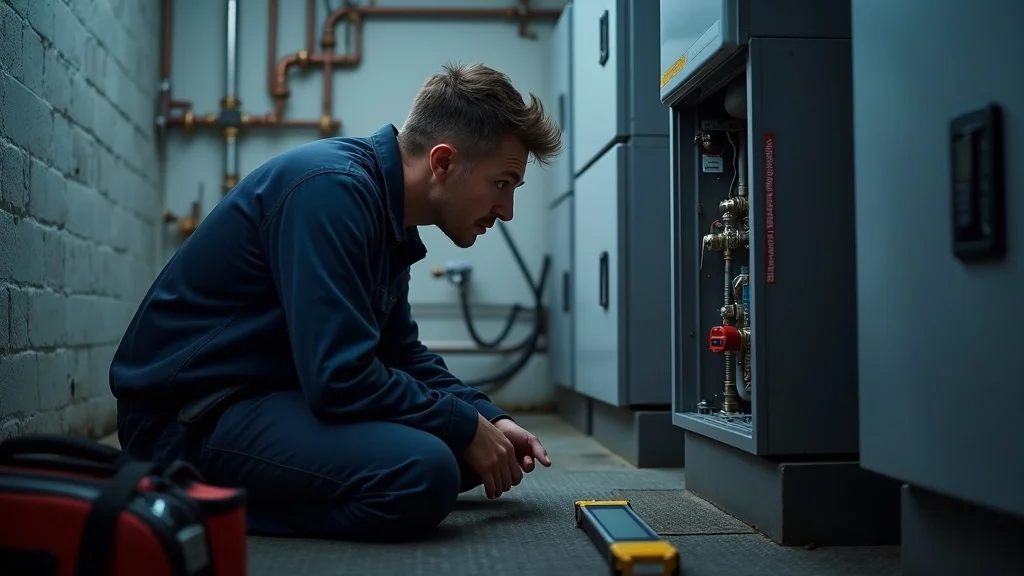
- Substandard boiler installation lays the groundwork for chronic boiler problems
- Warning signs include noisy pipes, frequent pressure drops, and slow heating
Skipped Servicing: Cutting Corners with Gas Boilers
It’s tempting to save a little money by skipping a year’s boiler service, but regular servicing is critical for maintaining proper boiler pressure, keeping your warranty valid, and extending your gas boiler’s lifespan. A missed service quickly leads to hot water inconsistencies and unreliable central heating, especially as minor parts wear out or pilot light sensors become gummed up. Over time, unnoticed issues like low pressure, trapped air, or dirt buildup can develop into full-blown boiler failures—leaving you with no heating and a large repair bill.
Manufacturers recommend at least one service per year, performed by a gas safe registered engineer who checks the filling loop, pressure gauge, and combustion controls. These check-ups often catch small problems—like a sluggish pump or faulty ignition—before they shut down your heating system. Regular servicing isn’t optional; it’s as essential as checking the tyres on your car, and it keeps breakdowns, cold showers, and hot water supply issues to a minimum.
- Annual servicing protects boiler pressure, efficiency, and warranty
- Hot water inconsistency and boiler problems often stem from skipped maintenance
System Contamination: The Silent Boiler Killer
Over time, debris, corrosion, and sludge build up in your central heating system, silently clogging pipes and heat exchangers. This contamination blocks the smooth flow of water, forcing modern boilers to work harder, become noisy, and eventually fail. Many people aren’t told that a new boiler fitted onto an old, unclean system is a recipe for disaster—within months, your high-tech boiler may need urgent repairs due to dirt from radiators or ageing pipework.
The solution? Demand a full system flush and ask your engineer about magnetic filters for your heating system before any new boiler installation
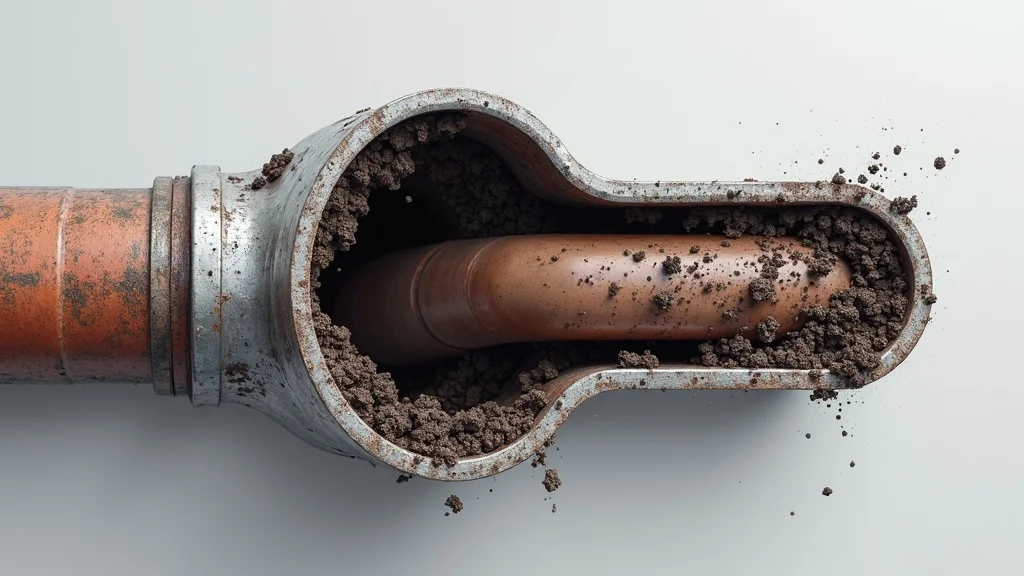
- Debris and sludge block efficient operation in modern boilers
- Central heating system flushing and filtration prevent contamination-related failures
Incorrect Sizing: Misjudging Heating System Needs
Choosing the right size for your gas boiler is more critical than ever. An undersized system won’t cope on the coldest days, causing stress on the boiler and uneven heating across the home, while an oversized system cycles on and off, wasting energy and wearing out key components prematurely. Many homeowners trust a “one size fits all” approach, but factors like property size, hot water demands, and radiator setup require careful, professional calculations.
The wrong size causes persistent issues—constantly resetting boiler pressure, adjusting thermostats, or listening to that strange noise every morning. Both small flats and larger properties can suffer: smaller homes can overheat, while big houses never fully warm up. Consult an experienced boiler engineer who can recommend the right model for your specific central heating system and make sure your heating and hot water are always on demand.
- Size errors undermine both comfort and energy savings
- Professional assessment ensures consistent, reliable central heating
Table: Comparing Common Boiler Problems in Modern vs. Older Heating Systems
| Problem | Modern Boilers | Older Boilers | Prevention Tips |
|---|---|---|---|
| Boiler Pressure Drops | Frequent, sensitive sensors flag errors | Often go unnoticed until major issue | Check the pressure gauge, top-up via filling loop, annual servicing |
| Hot Water Issues | Disrupted by small faults in sensors or controls | Usually less affected unless severe failure | Flush system, ensure regular servicing |
| Component Failure | Digital controls, pilot light sensors prone to malfunction | Robust but less efficient | Gas safe installation & regular checks |
| System Contamination | Easily blocked, fails with sludge | Handles debris more robustly | System filter & thorough flush before installation |
| Carbon Monoxide Risk | Low with modern models if maintained | Higher with poorly vented, older systems | CO detector, annual safety check |
Expert Insight: What Most Homeowners Are Never Told About Boiler Pressure
“Many homeowners are unaware that low or high boiler pressure is often a sign of deeper issues with the central heating system, not just the boiler itself.” – Senior Engineer, Plumbrite
Boiler pressure is the heartbeat of your entire system. If it’s inconsistent—a common issue with modern boilers—you’re nearly guaranteed to face ongoing boiler problems. Unstable boiler pressure often signals hidden issues: trapped air, leftover debris, or a poorly installed system. These problems require more than just a topping up with the filling loop; they demand a critical look at the whole heating system. Don’t ignore the warning lights—seek help before small signals become major failures.
Consistent pressure ensures reliable heating and hot water throughout the home. Always consult your boiler manual and act if you notice pressure drops, strange noises, or frequent resets. Regular checks help extend your boiler’s life well into the long run.
Hidden Dangers: Central Heating System and Condensate Pipe Issues
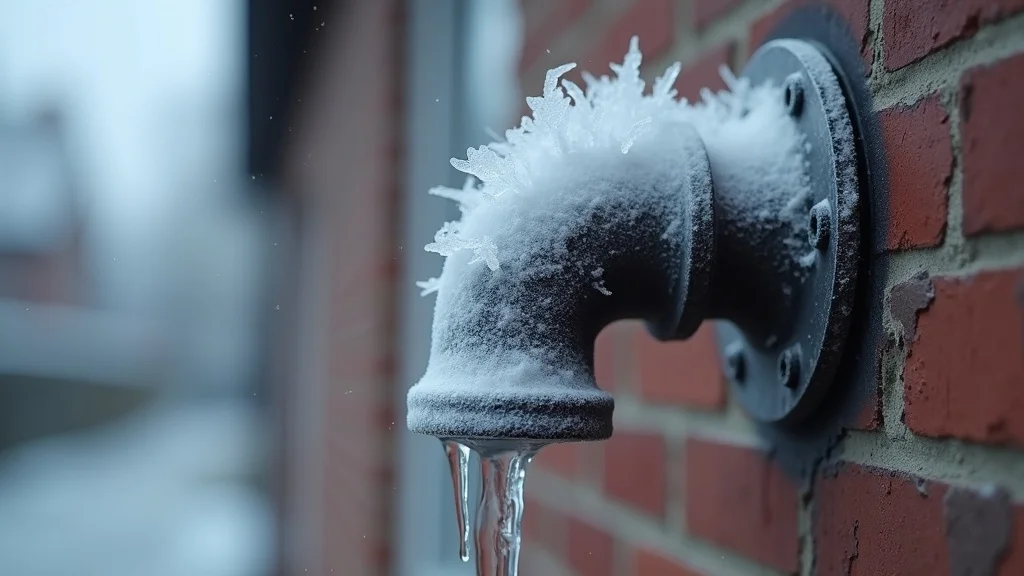
- A blocked or frozen condensate pipe can trigger a complete shutdown—even in brand-new boilers.
- Modern central heating systems are highly efficient, but a single ignored blocked condensate line can lead to a total lack of heat and hot water, just when you need it most.
Blocked condensate pipes often occur during winter’s cold snap, causing the boiler to shut off as a protective measure. That means even a brand new gas boiler may refuse to work, leaving you with no heating and a chilly home. Older models, with fewer safety interlocks, may have kept struggling, but modern systems are designed to prevent dangerous carbon monoxide backflow at all costs. Be proactive—insulate your outdoor pipes and get your system checked before the freeze hits!
Top Reasons Why Your Modern Gas Boiler Isn’t As Reliable As You Think
- Inadequate installation by uncertified engineers
- Boiler problems from missed annual checks
- Faulty boiler components from system contamination
- Incorrect heating system design or boiler pressure mismanagement
- Ignored signs of pilot light malfunction or reset needs
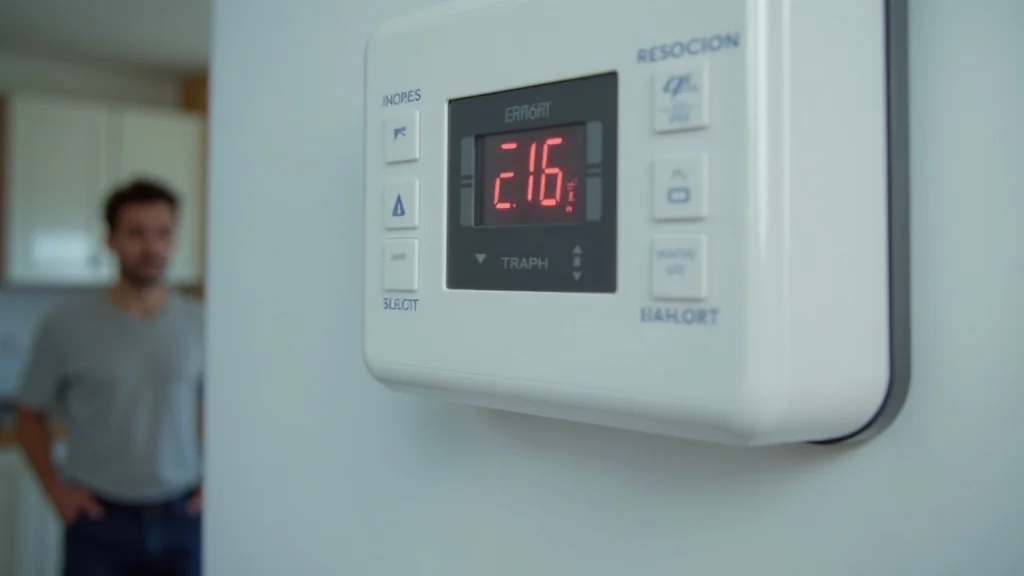
Warning Signs: Faulty Boiler Symptoms Every Homeowner Should Watch For
- Drops in boiler pressure on your pressure gauge
- Irregular or unreliable hot water supply
- Frequent need to reset or reignite the pilot light
- Noisy boiler operation—listen for unfamiliar hissing, banging, or gurgling
- Visible leaks or drips from pipe joints or beneath the boiler
Spot these issues early and you’ll avoid the long run anxiety of a mid-winter breakdown or costly replacement. Most symptoms appear weeks or months before total system failure—don’t ignore them.
In this expert breakdown, a registered engineer from Plumbrite demonstrates real-life boiler setups, explaining—using crystal-clear diagrams—how system contamination, low pressure, and poor installation lead to repeated boiler problems. By following best practices, homeowners can ensure smooth, reliable heating in every room.
People Also Ask: What is the Most Common Cause of Boiler Failure?
What is the most common cause of boiler failure?
Answer: System contamination and poor installation top the list, often resulting in disturbed boiler pressure, inefficient heating system operation, and repeated boiler problems.
People Also Ask: What Will Replace Gas Boilers in 2025?

What will replace gas boilers in 2025?
Answer: Government directives indicate a move toward heat pumps and alternative low-carbon heating systems, though not all homes or central heating system layouts will be suitable in the short-term.
People Also Ask: How Long Should a Modern Boiler Last?
How long should a modern boiler last?
Answer: With proper installation and annual servicing, a modern gas boiler can last 10-15 years — but skipped checks and unresolved boiler pressure issues drastically shorten this lifespan.
People Also Ask: Which Boiler Is Most Likely to Explode?
Which boiler is most likely to explode?
Answer: While rare, older and poorly serviced boilers with faulty boiler controls or pressure relief valves carry the highest risk. Modern boilers have more safety features, but still require regular servicing to prevent hazardous situations.
Watch a series of case studies where Plumbrite’s engineers identify the root causes behind repetitive boiler failures—demonstrating quick diagnostic checks and how proactive care prevents inconvenient (and expensive) breakdowns.
How to Prevent Modern Boiler Problems: Plumbrite’s Standards-Led Solutions
- Only use gas safe registered engineers for installation and check-ups
- Never skip annual boiler servicing (keep your record in your boiler manual!)
- Request a full central heating system flush before fitting a new boiler
- Get expert advice on correct sizing for your home and hot water needs
- Monitor boiler pressure—act if you see big swings, loss of hot water, or frequent resets

Key Takeaways: Why Modern Boilers Still Fail — And What Most Homeowners Are Never Told
- Most modern boiler problems stem from preventable installation and maintenance issues
- Understanding your central heating system is essential for long-term reliability
- Professional, standards-led advice prevents expensive and sometimes dangerous breakdowns—don’t take a risk on shortcuts
FAQs: Why Modern Boilers Still Fail — And What Most Homeowners Are Never Told
-
Why is my modern boiler losing pressure regularly?
Constant pressure loss is commonly due to leaks, system contamination, or a faulty pressure relief valve. Check the pressure gauge regularly, and if you’re having to top up frequently, call a gas safe engineer to diagnose the root cause. Never ignore this warning sign, as it leads to bigger boiler problems. -
How often should I service my gas boiler?
Annual servicing by a certified engineer is vital. Skipping a year risks voiding your warranty and shortens your gas boiler’s lifespan. Set a reminder in your phone to make sure your system gets the yearly attention it needs for the long run. -
What are early signs of a faulty boiler?
Look out for noisy operation, frequent resets, drops in pressure, hot water inconsistency, and visible leaks. Addressing these early with professional help can prevent sudden breakdowns and costly repairs. -
Can a new boiler still have pilot light problems?
Yes—even a new boiler can suffer if the pilot light sensor is faulty, there’s trapped air, or the boiler was not installed correctly. If your pilot light goes out regularly or is hard to reignite, get a qualified engineer to check for deeper issues. -
What is the best way to protect my central heating system?
Invest in professional installation by gas safe engineers, ensure annual servicing, and consider a system flush and magnetic filter to keep your boiler and heating system clean and clear of harmful debris.
Why Trust Plumbrite? Setting the Gold Standard in Heating System Care

“We see the same preventable boiler problems in homes every winter—most could be avoided with better installation and regular care.” – Plumbrite Head Engineer
- Decades of expertise with gas boilers and modern central heating systems
- Proactive approach: system flushing, bespoke boiler sizing, and ongoing scheduled servicing
- Transparent, customer-first communication and up-to-date safety knowledge
Conclusion: The Truth About Why Modern Boilers Still Fail — And What Most Homeowners Are Never Told
- Modern boilers offer efficiency, but success depends on correct installation and diligent maintenance
- Contamination, incorrect sizing, and lack of servicing are persistent threats—preventable with standards-led care
- Invest in professional heating system care and enjoy reliable comfort when others don’t see breakdowns coming
If you’re ready to take your home’s comfort and efficiency to the next level, understanding the value of working with a team that’s truly committed to your long-term satisfaction is essential. Discover how a customer-focused, standards-driven approach can transform not just your heating system, but your entire experience as a homeowner. For a closer look at the principles and dedication that set industry leaders apart, explore our commitment to your digital success—and see how expertise, transparency, and care can make all the difference in your next project.


Write A Comment