

Why Tripped Breakers May Be a Sign Your Home Needs Dedicated Circuits
If your lights dim when the microwave starts, your garage tools keep tripping breakers, or your oven shuts off another appliance, your home's electrical system may be telling you something.
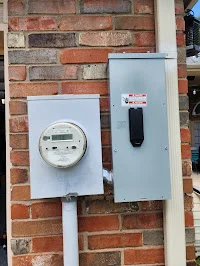
Electrical experts say many of these problems begin with overloaded shared circuits. Homes built in the 1980s, 1990s, and early 2000s often weren't designed for today's electrical demands. Modern families may be charging a Tesla, Ford F-150 Lightning, or Rivian, working from a home office, running a Bosch dishwasher, a Samsung refrigerator, a Whirlpool dryer, and a Trane air conditioning system—all at the same time.
A dedicated circuit supplies electricity to one appliance or piece of equipment instead of sharing power with several outlets or devices. By giving larger electrical loads their own circuit, homeowners can reduce nuisance breaker trips, improve appliance performance, and meet current electrical safety standards.
James Adams, Master Electrician and owner of ABR Electric, says homeowners shouldn't ignore breakers that trip repeatedly.
ABR Electric serves homeowners throughout McKinney, Allen, Plano, Frisco, Prosper, Celina, Melissa, Princeton, Fairview, Lucas, Murphy, and surrounding Collin County communities. The company is also a Tesla Certified Installer, regularly installing dedicated circuits for Tesla Wall Connectors as well as home EV chargers for Ford, Rivian, Lucid, Chevrolet, Hyundai, and other electric vehicles.
According to Adams, repeated breaker trips are usually a warning that an electrical circuit is carrying more demand than it was designed to handle—not simply a sign of a faulty breaker.
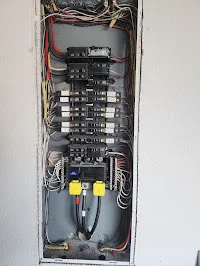
Circuit breakers are designed to shut off power before wires get too hot. If a breaker keeps tripping, it's usually a sign that too many high-powered appliances are sharing the same circuit—not that the breaker is "bad."
Many of today's appliances are designed to have their own dedicated circuit, including:
Electric ranges from GE, Whirlpool, Frigidaire, Samsung, and LG
Clothes dryers, including Maytag, Whirlpool, LG, and Samsung
Refrigerators from KitchenAid, Bosch, GE, and Frigidaire
Built-in microwaves from Sharp, Panasonic, GE, and Whirlpool
Central air conditioners and heat pumps from Trane, Carrier, Lennox, Goodman, and American Standard
Tesla, Ford, Rivian, and other EV charging stations
Garage equipment such as DeWalt, Milwaukee, Makita, Bosch, and SawStop table saws and power tools
Sump pumps from manufacturers like Zoeller, Liberty Pumps, and Wayne
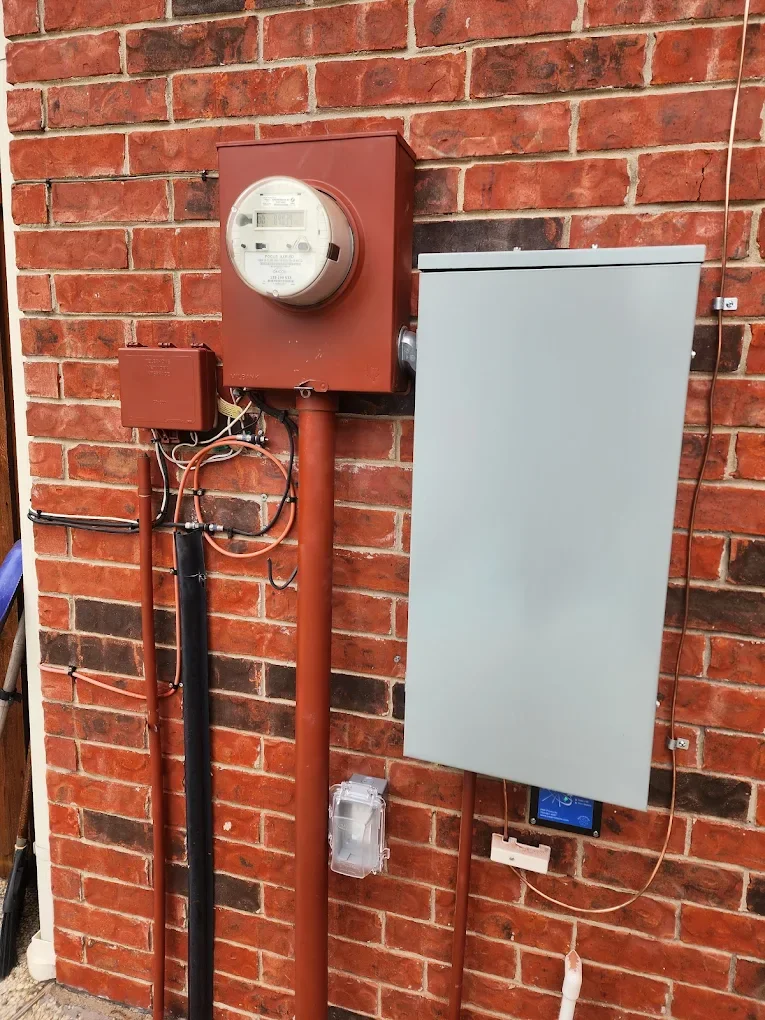
Without their own circuit, these appliances may compete for available power, causing nuisance breaker trips, voltage drops, or reduced performance.
Homeowners should also watch for other warning signs, including warm breakers, flickering lights, burning odors, or outlets that lose power when another appliance starts.
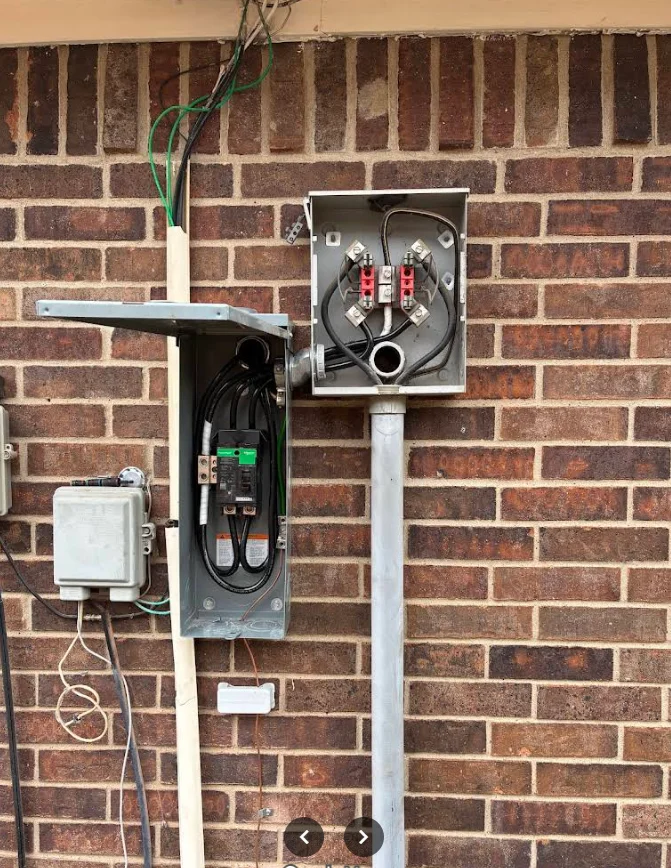
James Adams says even something as simple as an unusual smell can point to hidden electrical damage.
"Smell it. No, I'm not pranking you, really." — James Adams, Master Electrician, ABR Electric
He explains that overheated electrical components can leave behind a burnt plastic odor long before they completely fail.
Loose electrical connections are another common concern. According to Adams, heat created by poor connections can slowly damage electrical equipment over time, even if everything appears to be working normally.
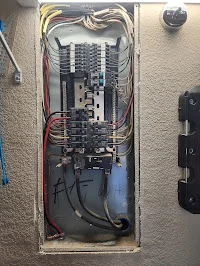
When homeowners experience repeated electrical problems, electricians typically inspect the home's electrical panel, identify which appliances are sharing circuits, and determine whether additional dedicated circuits are needed. Modern electrical codes require dedicated circuits for many high-demand appliances because they improve both safety and reliability.
While a tripped breaker may seem like a small annoyance, electrical professionals say it is often the home's way of preventing a much larger problem.
As Adams puts it:
"Protect and secure." — James Adams, Master Electrician, ABR Electric




Write A Comment