 Add Row
  Add
Add 

Did you know a single dripping tap can waste over 5,500 litres of water a year—enough to fill a small swimming pool? Now imagine the hidden costs when that unaddressed drip leads to mould, damp, and significant structural damage within your home
Understanding the Anatomy of a Leak: Beyond the Drip
When you first notice a damp patch or the faint sound of a drip, you’re witnessing only the tip of the iceberg. The anatomy of a leak goes far deeper, with water often finding clever, hidden pathways through your home’s plumbing system. Leaks can stem from minor cracks in pipework, faulty joints, or pressure imbalances that worsen over time. What you see—a puddle, a musty smell, or mould—usually signals a much more complex issue beneath the surface.
Most homeowners believe a quick fix, such as tightening a joint or using some tape, will solve the problem. In reality, these fast fixes often mask systemic faults. Over time, water seeps into walls and floors, bypassing damp proofing and leading to substantial repair costs. Understanding how these invisible processes work is the crucial first step to preventing thousands of pounds in damage and preserving your asset value for the future.
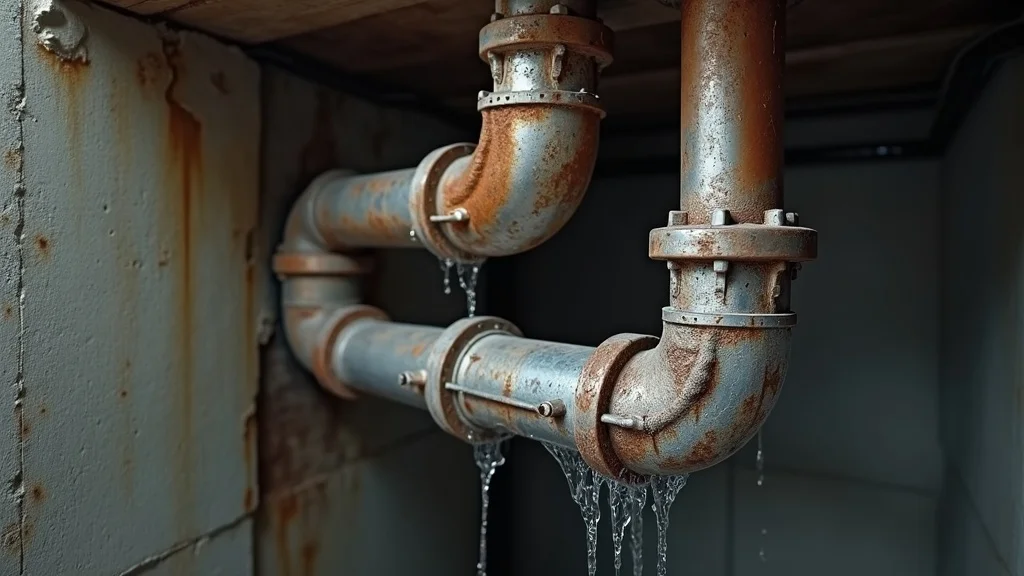
"Did you know a single dripping tap can waste over 5,500 litres of water a year — enough to fill a small swimming pool?"
What You'll Learn in this Deep Dive into The Anatomy of a Leak
- How leaks form in domestic plumbing systems
- Why damp proofing and proper damp survey methods matter
- Genuine first steps to spotting warning signs
- Why 'quick fixes' can escalate costs
- The role of diagnostic engineering in leak prevention
- FAQs and expert advice for peace of mind

The Physics Behind The Anatomy of a Leak: Why Systemic Issues Hide in Plain Sight
Pressure Imbalances and the Genesis of Leaks
Plumbing systems are designed to move water efficiently, but over time, pressure imbalances develop from wear and tear, temperature changes, and even local weather conditions. Excessive pressure can create stress points, leading to bulges or splits in otherwise sturdy pipework. These hidden weaknesses often escape the naked eye, causing tiny leaks that worsen with every passing day.
The trouble is, most quick fixes only address what’s visible on the outside. For example, wrapping a leaking joint with tape relieves the symptom but not the source. Continual high-pressure surges exploit the same weak areas, causing the problem to resurface—sometimes catastrophically. Left unchecked, these issues can lead to rapid structural damage, black mould, and sky-high repair costs, jeopardising both the property’s value and your peace of mind.

Warning Signs: Identifying Hidden Problems Before They Multiply
Unexplained increases in your water bill, persistent damp patches, and localised loss of water pressure are common warning signs of underlying leaks. If overlooked, these issues can multiply rapidly, leading to larger scale damage such as stained ceilings, musty smells, or the appearance of black mould. Spotting these signals early is vital for minimising both emergency repair costs and long-term losses associated with insurance claims.
The first step in leak prevention is to become familiar with these warning signs and act before a minor inconvenience spirals into an emergency repair. Homeowners often underestimate the magnitude of systemic leaks, opting for fast fixes that offer temporary relief. Unfortunately, such solutions can mask the real problem, making effective damp proofing and damp survey methods all the more crucial to preserving your home’s structural integrity and asset value.
Damp Proof, Damp Proofing, and Damp Surveys: How Leaks Affect Structural Integrity
How Leaks Compromise Damp Proofing
Damp proofing is a vital barrier built into properties to keep moisture out. Yet, once a leak develops, water can easily bypass these defences, undermining the entire system. A single, undiagnosed leak allows moisture to penetrate walls and floors, defeating years of careful damp proofing in weeks. This can result in unseen water accumulation, exacerbated by localised pressure changes, and often manifests as visible damage only when it’s too late.
Without a comprehensive damp survey, even the best damp proof barriers can’t protect a property from structural damage caused by persistent, hidden leaks. This is where emergency repairs often fail; they may stem the water flow temporarily but miss the need for full restoration, reinforcing how crucial professional diagnosis is for long-term asset value.
When to Consider a Damp Survey
Scheduling a damp survey should not just be a last resort. Instead, it’s an essential part of every homeowner’s maintenance plan, especially if you notice any warning signs or have a history of leaks. A thorough damp survey assesses damage to your damp proofing and uncovers hidden threats before they become severe.
Early surveys can significantly reduce future repair costs, detect minor cracks or early mould development, and provide a crucial paper trail for insurance claims. Timely intervention offers peace of mind and ensures you’re not hit with thousands of unexpected expenses down the line.
Key Findings: Damp Survey Results in Leak-Affected Homes
Damp surveys frequently reveal: moisture ingress pathways, extent of structural damage, areas where damp proofing is compromised, and early warning signs such as bubbling paint or minor cracks. These findings are critical in informing an accurate diagnosis—often showing that what appeared to be a 'minor' issue is a symptom of systemic failures.
By documenting these areas thoroughly, professional surveyors can build a robust case for targeted repairs, avoiding costly repeat visits or future buyer disputes, and ensuring ongoing asset value. Insurance claims are more likely to be successful with this objective paper trail, proving you’ve taken the responsible first step.
| Repair Approach | Upfront Cost | 5-Year Cost (Avg.) | Risk of Repeat Issues | Impact on Property Value |
|---|---|---|---|---|
| Quick Fix (e.g. tape, sealant) | £50–£150 | £2,500–£5,000 | High | Negative |
| Systemic Damp Proofing & Professional Diagnosis | £500–£2,000 | £500–£2,300 | Low | Positive |
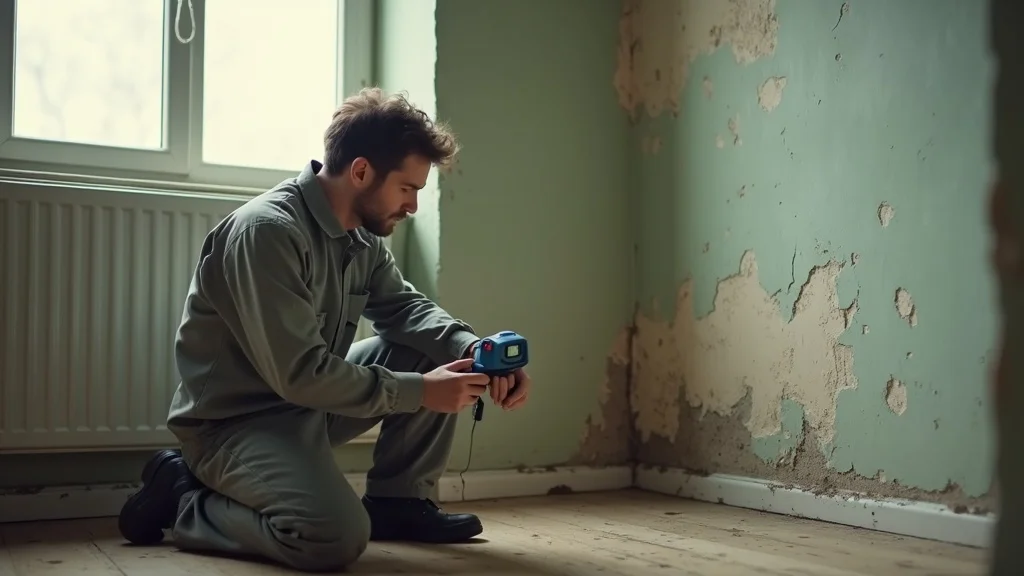
Quick Fixes vs Proper Plumbing Diagnosis: The True Cost
What Are 'Quick Fixes' in Plumbing?
Quick fixes, or fast fixes, refer to easy and temporary repairs applied in hope of stopping the immediate issue without investigating its source. Common examples include wrapping plumbing tape over leaks, applying sealants, or ignoring pressure test protocols. While these solutions offer initial relief, they rarely solve the underlying problem, leaving your home and your finances vulnerable.
Relying on quick fixes can actually escalate repair costs, making insurance claims trickier and increasing the risk of repeat emergency repairs. Over time, neglected systemic issues undermine damp proofing, leading to an inevitable cycle of patchwork maintenance instead of lasting peace of mind. The true cost is often thousands, not just in repairs, but in reduced property value and denied coverage on future insurance claims.
Typical Quick Fixes and Their Risks
- Tape wraps
- Temporary sealant use
- Ignoring pressure test protocols
- Overlooked insurance claim pitfalls
Each of these ‘solutions’ may promise a fast fix, but they come with inherent risks. Tape wraps can degrade quickly and fail under pressure. Temporary sealants crack, allowing leaks to reappear and undermine damp proofing. Skipping thorough pressure tests leaves the root cause undiagnosed, while “DIY” repairs can compromise your insurance claim, especially if damage escalates. Every time a fast fix is applied, the risk of significant structural damage increases.
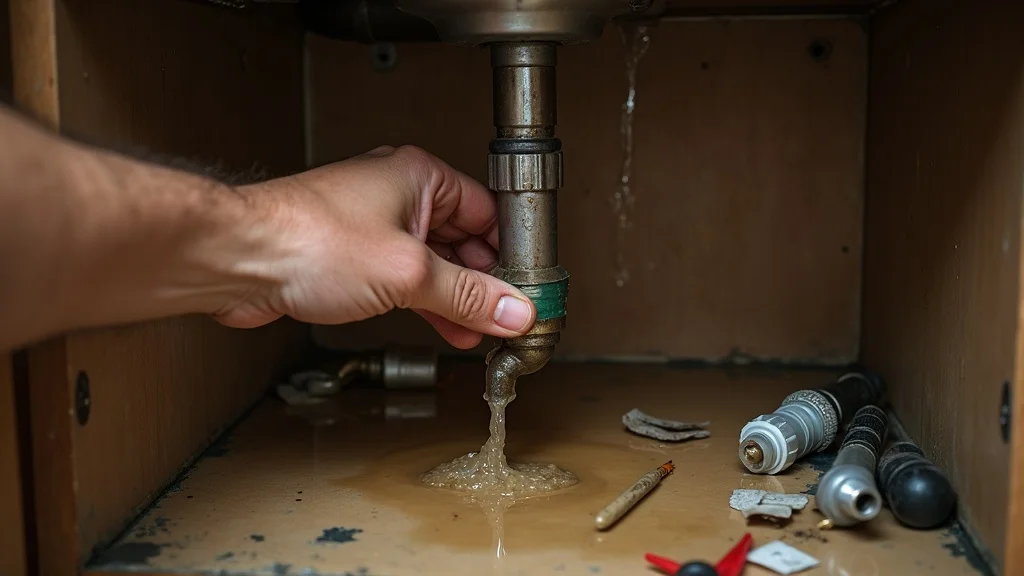
Plumbrite’s Diagnostic Process: Solving Leaks from the Source
Step-by-Step: Engineering Diagnosis – The First Step to Lasting Peace of Mind
Plumbrite’s approach to the anatomy of a leak is built on engineering principles, not quick fixes. The first step is a comprehensive system diagnosis—checking pipework integrity, pressure fluctuations, and all visible and concealed sections of your plumbing. This thorough process uses advanced tools to ensure no underlying issues slip through the cracks.
Once potential trouble spots are identified, Plumbrite recommends a maintenance plan tailored to your property’s needs. Proactive repairs and permanent solutions are then implemented to restore asset value, protect damp proof barriers, and significantly reduce the likelihood of future emergency repairs. This commitment to diagnostics delivers true peace of mind and financial security.
Leak Detection Tools and Methods Used by Plumbrite
Plumbrite leverages state-of-the-art diagnostic tools such as digital acoustic leak detectors, thermal imaging, and professional-grade moisture meters. These methods reveal hidden water movement, pinpoint leaks with precision, and provide photographic evidence for your records and insurance. Every project receives a tailored approach, using data-driven findings to eliminate guesswork and ensure every fix is lasting.
By taking the time to assess your home properly—rather than reaching for a quick fix—Plumbrite’s team can often prevent both the major repair costs and the minor cracks in your defences that would otherwise go unnoticed. This emphasis on engineering-led solutions sets the company apart, offering you and future buyers a genuine paper trail of quality and value.
"We don't just fix leaks; we engineer solutions that last a lifetime." — Plumbrite Lead Engineer
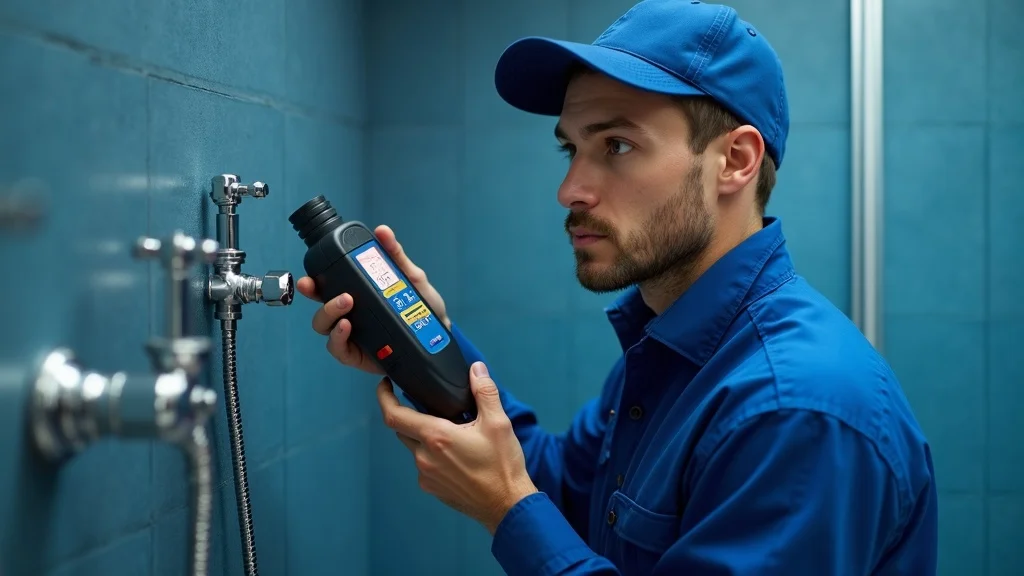
Case Studies: Quick Fixes That Cost Thousands
Case One: A Damp Proofing Disaster
One UK homeowner repeatedly relied on simple sealant patches after spotting damp patches near a radiator—skipping a proper damp survey or professional damp proof check. Months later, widespread mould and rotten floorboards forced a full structural overhaul. The repair cost quickly snowballed to over £7,000, far outweighing what a proactive diagnosis would have cost in the first place. Insurance claims were heavily disputed due to evidence of past quick fixes and lack of a clear paper trail.
This real-world example showcases why every time a problem is addressed with a fast fix rather than root-cause engineering, the risk to property value—and personal peace of mind—increases dramatically.

Case Two: Delayed Damp Survey and Escalating Costs
In another case, a family noticed minor damp patches but postponed booking a professional damp survey, opting instead for cheap DIY repairs and an emergency repair visit. Within twelve months, undetected pipe pressure imbalances wreaked havoc beneath floorboards, resulting in black mould, increased energy costs, and repair costs that topped £10,000. It proved both more expensive and more disruptive than full damp proofing and a timely property survey would have been.
The lesson? Early expert intervention and proper diagnostics should be the absolute first step in any maintenance plan or suspected leak—the cost-saving benefits are clear
Case Three: Insurance Claims Rejected Due to Quick Fixes
Numerous insurance claim disputes revolve around repeated quick fix attempts that failed to address the fundamental issue. Insurers often require evidence of a professional damp survey, regular maintenance, and the absence of DIY patchwork. A lack of documentation or a history of failed temporary repairs gives insurance companies valid grounds to deny coverage, leaving homeowners to shoulder the total repair cost for structural damage themselves.
Maintaining a detailed and professional paper trail doesn’t just support smoother claims—it also preserves your home’s marketability for future buyers and reinforces your property value.
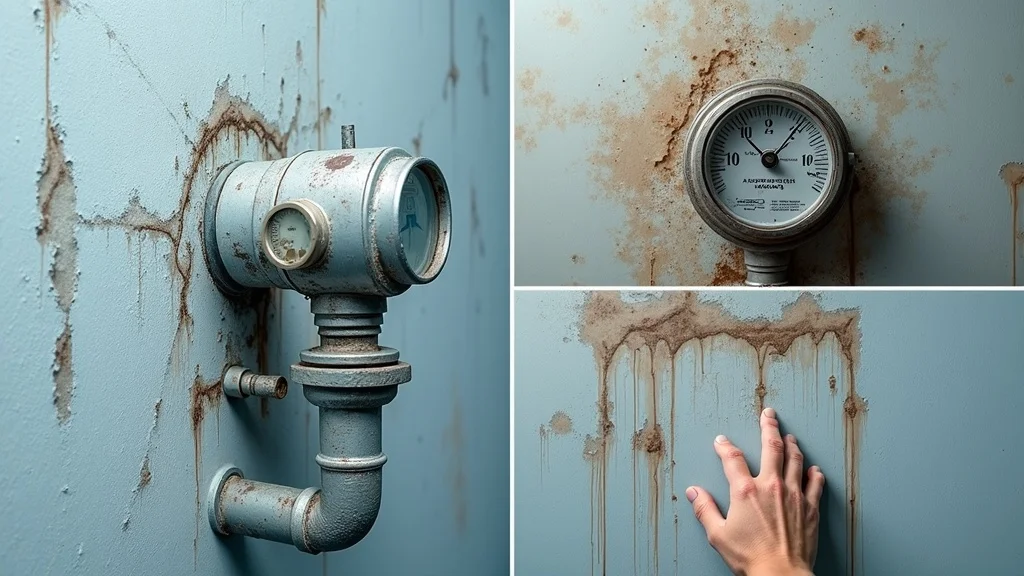
Experience a visual journey as we trace a simple leak turning into a major structural problem—see where quick fixes fail and why diagnosis by Plumbrite means lasting peace of mind.
Lists: Signs You Need More Than a Quick Fix
- Persistent damp patches
- Mould and musty odours
- Unexplained high water bills
- Localised loss of pressure
- Stained walls or ceilings
If you spot one or more of these warning signs, don’t ignore them! They are classic indicators that something more serious is brewing behind the scenes. Acting at the first sign of trouble can save thousands in emergency repairs and lost property value, and can help you avoid the stress of complicated insurance claims.
Tables: Comparing Damp Proofing Methods and Long-Term Savings
| Method | Initial Cost | Repair Frequency (5 Years) | Total Spent | Long-Term Benefit |
|---|---|---|---|---|
| Systemic Repair & Damp Proofing | £1,200 | 1 | £1,200–£1,500 | Asset value retained, peace of mind |
| Quick Fixes (avg. £300/issue) | £100–£300 | 8–12 | £2,400–£3,600 | Decreased value, ongoing stress |

Peace of Mind: Protecting Your Home and Your Wallet
How Structural Damp Impacts Insurance Claims
Insurers scrutinise the maintenance history and repair approach used in your property. Persistent damp or black mould from ignored leaks may not be covered if quick fixes or inadequate emergency repairs are evident. A detailed paper trail—showing professional diagnosis, accredited damp surveys, and targeted repairs—can make the difference between a smooth claim and outright denial. Don’t risk unexpected out-of-pocket expenses when prevention is so accessible.
The Long-Term Value of a Professional Damp Survey
A professional damp survey is more than a one-off inspection; it’s a proven investment in your asset value and lasting peace of mind. Reliable findings and documented maintenance protect you, your future buyer, and your claim eligibility. In short: don’t wait for warning signs to multiply—book a thorough damp survey before it’s too late.

Watch an expert explain why leaks occur, how systemic issues are resolved, and what makes Plumbrite’s engineering-led approach different from quick fixes. This in-depth video covers physics, smarter diagnosis, and the best steps to protect your property.
FAQs: The Anatomy of a Leak and What Homeowners Need to Know
Is a small leak really a big problem?
Absolutely. Even a seemingly minor drip can lead to thousands of pounds in hidden repair costs if left unchecked. Small leaks undermine damp proofing, promote mould, and often indicate larger systemic issues that escalate over time.
How does damp proofing prevent further leaks?
Damp proofing creates a barrier against moisture ingress, protecting walls and floors. However, it’s only effective if leaks are diagnosed early and repaired properly. Quick fixes rarely stop the water at its source, putting your damp proofing—and your property—at risk.
How often should I order a damp survey?
Experts recommend a damp survey every 3–5 years, or immediately if you notice warning signs such as persistent damp, mould, or increased water bills. This ensures early detection and maximises property value over time.
What are warning signs I've missed an underlying leak?
Unexplained water stains, musty smells, mould growth, and a sudden spike in your water bill often signal a hidden leak. Professional assessment is crucial if you notice any of these indicators.
Can insurance cover the costs if I act fast?
Yes, provided you have a professional diagnosis and clear records of timely action. Insurers are more likely to settle claims when you demonstrate responsibility through regular damp surveys and proper repairs, not just emergency fixes.
People Also Ask
What causes leaks in domestic plumbing systems?
Common causes include aged pipes, poor installation, pressure surges, and corrosion. Routine wear and minor cracks eventually allow water to escape, often out of sight, threatening damp proof barriers and leading to emergency repair scenarios.
How does a damp survey identify hidden leaks?
Surveyors use moisture meters, pressure tests, and thermal imaging to detect water movement behind walls and under floors. These tools highlight problem areas, creating a clear action plan for both repair and insurance claims.
Are quick fixes ever appropriate for plumbing leaks?
Only as a temporary emergency measure—never as a substitute for diagnosis and permanent repair. Quick fixes can buy you time, but they risk voiding insurance, further property damage, and escalating costs if not followed by professional remediation.
What should homeowners do first if they spot a leak?
Shut off the water and call a qualified professional like Plumbrite immediately. Book a comprehensive damp survey to assess any damage and ensure all repairs contribute to lasting value and peace of mind.
How can I ensure lasting peace of mind after a repair?
Always follow up emergency repairs with a full diagnostic assessment and, if necessary, damp proofing. Maintain records for your maintenance plan and insurance, and schedule regular surveys to prevent future surprises.
Key Takeaways: Why Addressing the Anatomy of a Leak is Essential
- Ignoring leaks accelerates costs and risks
- Damp proofing and accurate surveys offer lasting value
- Quick fixes jeopardise insurance claims and property
- Professional diagnostics are the first step to peace of mind
Secure your property investment — Call Plumbrite today on 07933830316 or email: sales@plumbrite.org.uk
Stop leaks at the source and protect your asset value—contact Plumbrite now for expert diagnosis and real peace of mind, every time.




Write A Comment