• Home
  • Categories
    • Entrepreneurs
    • Growth Stories
    • Expert Insights
    • Innovators
    • Franchise and Expansion
    • Tools and Services
    • Commercial Property
    • Trends
November 12.2026
1 Minute Read

Struggling with office painting contractors? Here's the fix

Cleve Dayton’s Core Thesis: Why Experience and Insurance Define Top Office Painting Contractors

"Probably the most important would be that the company has experience in painting in offices. And has the correct insurance." - Cleve Dayton, The Painting Pros

Professional office painting contractors in Silicon Valley workspace with desks and technology, demonstrating expertise with The Painting Pros

Facility and property managers across San Jose, Santa Clara, Palo Alto, Sunnyvale, and other thriving hubs in Silicon Valley confront a universal dilemma: finding office painting contractors who combine technical precision with absolute professionalism. In an environment where technological innovation meets fast-moving business needs, nothing derails a project faster than contractors lacking office experience or comprehensive insurance. According to Cleve Dayton, founder of The Painting Pros, these two foundational qualities distinguish reliable painting partners from costly risks, especially within the region’s competitive commercial real estate arena.

Dayton’s perspective is that true expertise lies in understanding both the visible and invisible stakes. While a pristine coat of paint amplifies workplace morale and client perceptions, a single insurance lapse or mishandled cubicle can deliver massive headaches for facility managers and tenants alike. Silicon Valley’s dynamic market—whether in Palo Alto’s innovation corridors or Mountain View’s startup-dense complexes—demands contractors who don’t just brush on color, but master the art of minimal disruption, compliance, and long-term value. This is the reason why experience and insurance are the non-negotiable standards Dayton urges every decision-maker to vet before any paint ever touches an office wall.

Navigating the Unique Challenges of Office Painting in Silicon Valley’s Dynamic Workspaces

Handling Personalized Workspaces Without Disrupting Productivity

"Painting in the occupied office is especially tricky dealing with people's workspaces, computers, desks, moving furniture... Sometimes painting an entire wall with whiteboard paint so that they can literally use the entire wall as a whiteboard." - Cleve Dayton, The Painting Pros

Office painting contractors prepping workspace, desks and computers carefully covered in Silicon Valley office

According to Cleve Dayton, painting occupied offices in environments like Cuppertino, Los Altos, or Campbell brings a level of complexity that’s worlds apart from residential projects. Every workspace is unique, layered with employee possessions, tech setups, confidential materials, and irreplaceable company property. The expert’s perspective is that contractors must become both craftsmen and respectful guests, deftly maneuvering around desks, computers, fragile whiteboards, and decor while safeguarding productivity. From Los Gatos startups brimming with creativity to corporate headquarters in Santa Clara, a single careless move might halt an entire team or compromise sensitive information.

Dayton emphasizes that flexibility and empathy are the essential skills for office painting contractors. Some teams request a complete removal of wall hangings, while others require absolute preservation of their existing space setup. In today’s forward-thinking offices—from Mountain View to Monte Sereno—this could include careful swapping of whiteboards, or even transforming an entire wall with whiteboard paint to foster next-level collaboration. The most successful painting professionals, says Dayton, are those who anticipate nuanced client needs, proactively protect assets, and continually adapt their approach for seamless, personalized experiences.

For facility managers seeking more tactical advice on maintaining office aesthetics and minimizing downtime, exploring additional resources from The Painting Pros can provide actionable strategies tailored to Silicon Valley’s unique business environments. Discover practical tips and case studies by visiting their expert insights on commercial painting solutions.

Why Flexible Solutions Like Whiteboard Paint Make a Difference for Modern Offices
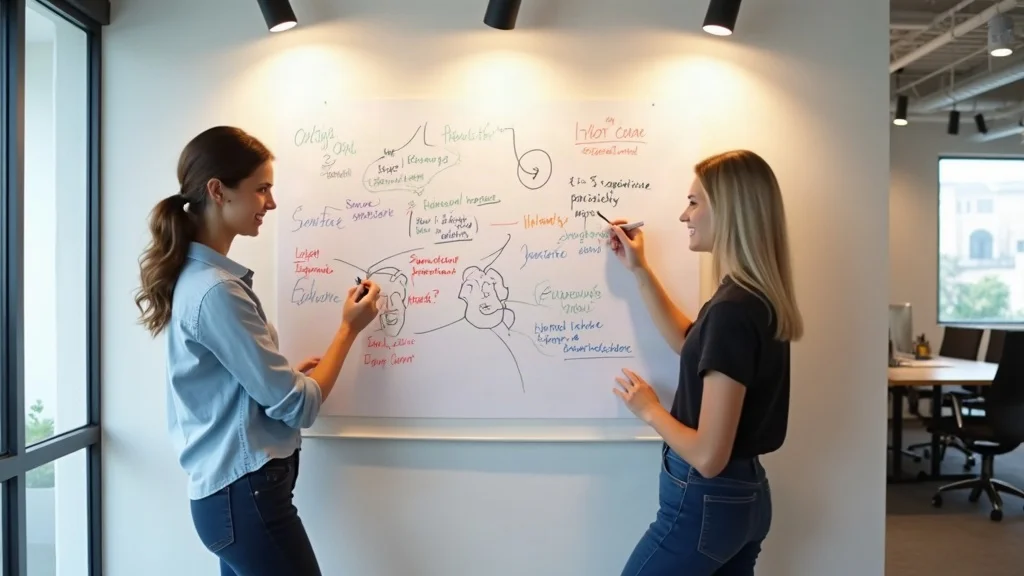
Employees writing ideas on a freshly painted whiteboard wall in a Silicon Valley office, showing modern flexibility by The Painting Pros

Modern offices in the South Bay are no longer static—they’re dynamic, multidisciplinary environments built to inspire collaboration and instant ideation. As Dayton regularly sees, the rise of whiteboard paint mirrors Silicon Valley’s relentless focus on creativity and agile workflows. This specialty offering allows entire walls to be transformed into brainstorming canvases for teams in Palo Alto tech firms or shared meeting spaces in Almaden and Morgan Hill, enhancing both utility and workplace engagement.

Cleve Dayton notes that flexible, modern solutions separate top-tier office painting contractors from generic service providers. The ability to recommend, source, and flawlessly apply products like whiteboard paint, antimicrobial coatings, or specialty finishes reflects not just technical skill, but a commitment to workplace evolution. Dayton’s experience confirms that such value-added services dramatically improve employee morale, drive office utilization, and reinforce a culture of innovation—outcomes that Silicon Valley organizations prize above all else.

Minimizing Disruption: The Non-Negotiable Standard for Office Painting Contractors in Silicon Valley

"Unlike a home, where you're dealing with a homeowner, in an office space, you're dealing with multiple employees — each with a unique workspace. You’ve gotta get in and get out. Be neat, clean, and disturb as little as possible." - Cleve Dayton, The Painting Pros

How The Painting Pros Deliver Seamless Service Across San Jose, Sunnyvale, Palo Alto & Beyond

  • Tailored scheduling to avoid peak work hours and minimize operational disruption
  • Licensed, insured, and OSHA-compliant teams for safe, reliable painting jobs
  • Custom color consultations enhancing brand presence and workplace productivity
  • Flexible options including maintenance contracts to extend paint life

Commercial painting team and property manager reviewing plans at office building entrance by The Painting Pros in Silicon Valley

In bustling business centers from San Jose to Saratoga, commercial operations thrive on continuity. Minimizing disruption is not just a convenience—it's a mission-critical, bottom-line concern. Dayton’s philosophy is clear: respected office painting contractors must operate invisibly whenever feasible, aligning projects with off-peak hours, weekends, or even after business closes. This proactive approach, paired with stringent jobsite cleanliness and silent efficiency, preserves both business tempo and professional image.

The Painting Pros stands out because their licensed, insured, and OSHA-compliant teams are unmistakably “business-first. ” Dayton’s commitment to custom color consultations signals his understanding of branding and productivity: choosing the right colors invigorates employees, boosts morale, and sends the right message to visitors. Further, by offering flexible maintenance contracts—a service crucial for high-traffic properties in Sunnyvale, Campbell, or Cupertino—they ensure paintwork endures for years, protecting property value and reducing future operational interruptions.

Key Tips for Facility and Property Managers: Hiring the Right Office Painting Contractors in Silicon Valley

  • Verify contractors’ experience with occupied office environments
  • Ensure comprehensive insurance and compliance certifications
  • Request references and examples of projects in locations like Saratoga, Cupertino, Mountain View
  • Discuss flexible scheduling to align with operational needs
  • Explore value-added options such as whiteboard paint or maintenance programs

Common Misconceptions About Office Painting Contractors and Why They Matter

Painters showing credentials and insurance documents to facility manager in stylish Silicon Valley conference room

A surprising number of facility teams in areas from Monte Sereno to Los Altos assume that “any painter will do” or that liability doesn't vary by project type. Cleve Dayton cautions that overlooking commercial-specific experience or insurance can be perilous. Office settings introduce variables—employee privacy, electronics, and costly downtime—that residential painters are often unprepared to handle. Contracting without proper vetting can plunge businesses into expensive claims, lease conflicts, or even data security issues.

Another common myth is that all bids are apples-to-apples. In reality, Dayton emphasizes it’s crucial to drill down on references, prior office work in regions like Saratoga or Mountain View, and proactive service options (such as post-project maintenance). This rigor ensures that facility managers partner with professionals who excel not just at painting, but at safeguarding the underlying business mission of each workspace they touch.

Conclusion: Secure the Best Office Painting Contractors in Silicon Valley Today

Partner with Trusted Experts to Elevate Your Workplace’s Aesthetic and Functionality

"Our mission is not just to paint walls, but to be trusted partners maintaining professional appearances and operational excellence across Silicon Valley’s most important workplaces." - Cleve Dayton, The Painting Pros

Facility manager shaking hands with office painter in a newly painted Silicon Valley office, vibrant walls by The Painting Pros

In regions as competitive and innovation-driven as San Jose, Sunnyvale, Palo Alto, and beyond, the choice of an office painting contractor directly impacts both aesthetics and business continuity. Cleve Dayton’s insights drive home the point: prioritizing verified expertise, insurance, and flexible, value-added services is the key to transforming paint projects from stressful chores into opportunities for operational and visual excellence.

Dayton urges property and facility managers to reframe how they approach every office painting project: engage partners, not just vendors. The Painting Pros' blend of technical skill, workplace empathy, and long-term commitment ensures flawless results whether you’re upgrading a headquarters in Santa Clara or refreshing a creative space in Los Altos. Elevate your workplace, safeguard your operations, and invest in a process as professional as the brands and employees you represent.

Next Steps: How Facility Managers Can Contact The Painting Pros for Hassle-Free Office Painting

Ready to transform your office with zero disruption and enduring impact? Contact The Painting Pros today for a detailed quote and experience the premier standard for office painting contractors in every corner of Silicon Valley—from San Jose to Palo Alto, Morgan Hill to Saratoga, and everywhere your business leads.

Request your complimentary estimate now and discover the difference experience and excellence make.

If you’re looking to deepen your understanding of commercial painting trends, best practices, and the evolving needs of Silicon Valley workplaces, The Painting Pros’ broader collection of articles offers a wealth of strategic guidance. From innovative finishes to long-term maintenance planning, their expertise can help you stay ahead of the curve and make informed decisions for your property. Take the next step in elevating your facility management approach by exploring their comprehensive resource hub for property managers and business owners. Unlock advanced techniques and industry insights that will empower you to create workspaces that inspire, protect, and perform.

When selecting an office painting contractor, it’s crucial to consider their experience, flexibility, and commitment to minimizing disruption. For instance, Dunwoody Painters emphasizes after-hours office repaints, ensuring that workstations are covered and restored before staff return, utilizing low-VOC coatings to maintain a comfortable environment. (dunwoodypainters.com) Similarly, Alpine Painting and Sandblasting Contractors highlight their ability to work 24/7, including weekends and holidays, using low-odor green paint to prevent discomfort during office painting projects. (alpinepainting.com) These examples underscore the importance of choosing contractors who prioritize both quality and operational continuity.


Expert Insights

0 Comments

Write A Comment

*
*
Please complete the captcha to submit your comment.
Related Posts All Posts
11.12.2026

How Strategic Leadership Coaching Transforms CEO Decision Making

Laird Carmichael on Why Strategic Leadership Coaching Is Essential for Manufacturing CEOs In the fast-evolving landscape of manufacturing, CEO decision making can mean the difference between market dominance and missed opportunity. Yet, many leaders underestimate the unique complexities of leading manufacturing enterprises—especially when growth, global expansion, and supply chain resilience are at stake. Strategic leadership coaching emerges as an essential catalyst, empowering CEOs to navigate intricate site selection, optimize supply chains, and transform their teams from operational silos into aligned, visionary force multipliers. As Laird Carmichael, Vistage Chair of North Georgia and an expert in executive facilitation, stresses, “The full leverage of manufacturing leadership comes not simply from operational expertise—but from the humility and openness to evolve, listen, and foster authentic partnerships across the C-suite. ” For CEOs, especially those without deep industry roots, strategic coaching is the discipline that turns challenges into scalable strengths. "Unless a CEO is attuned to listening and making changes to their leadership style, no amount of coaching will improve their decision making in manufacturing." —Laird Carmichael, Vistage Chair of North Georgia Understanding the Unique Leadership Challenges in Manufacturing Manufacturing businesses present leadership puzzles that few other industries can match. From global footprint decisions to managing complex supply chains and navigating front-line operational realities, CEOs must often direct a symphony of moving parts with incomplete information. According to Laird Carmichael, this complexity is magnified for CEOs who lack direct manufacturing experience—frequently leaning on a trusted VP of Manufacturing or Operations to fill functional gaps. The tension between strategic oversight and day-to-day operational autonomy can produce risk on both sides of the spectrum. Whether through micromanagement or neglect, CEOs may inadvertently undermine their team’s performance if they aren’t carefully attuned to what each situation demands. The crux of effective leadership, Carmichael explains, is building robust communication bridges—aligning vision at the top with execution on the factory floor. "Manufacturing CEOs who don’t come from the manufacturing function must rely heavily on their VP of manufacturing, making leadership development even more critical." —Laird Carmichael, Vistage Chair of North Georgia Dependence on key operations leaders for manufacturing expertise Communication gaps between CEOs and manufacturing teams Risk of micromanagement or neglect impacting performance How Strategic Leadership Coaching Drives Better CEO Decision Making What truly transforms decision making for manufacturing CEOs isn’t a generic management seminar—it’s targeted, contextual strategic leadership coaching that surfaces each leader’s blind spots and reframes the CEO-manufacturing leader dynamic for optimal performance. According to Laird Carmichael, the heart of this coaching is not about installing quick fixes, but about establishing a collaborative decision-making rhythm—tailored to the personalities, priorities, and strategic trajectory of the company. In Carmichael’s experience, breakthrough decisions require more than technical mastery; they thrive on reflective inquiry and feedback loops. Through consistent, high-level coaching, CEOs learn to clarify expectations, harness external perspectives (such as peer advisory groups), and proactively align manufacturing priorities with overall business growth. These interventions systematically replace static, reactive leadership with a disciplined, resilient approach to every major investment and expansion. As manufacturing leaders seek to enhance their decision-making frameworks, integrating advanced technologies can further amplify growth and efficiency. For a deeper dive into how AI is reshaping executive strategies, explore Jeff Pedowitz’s insights on unlocking growth and efficiency with AI and discover actionable approaches for modern CEOs. "The core of leadership coaching is improving the relationship and communication path between the CEO and their top manufacturing person to benefit the entire company." —Laird Carmichael, Vistage Chair of North Georgia Building Effective CEO-Manufacturing Leader Collaborations One of the greatest competitive advantages a manufacturing CEO can unlock is the deep synergy with their operations leadership. Laird Carmichael emphasizes that moving from simple oversight to high-trust collaboration often starts with understanding each leader’s preferred communication style and what motivates them in high-stakes situations. Creating an intentional dialogue—whether about production targets or global expansion—lays the groundwork for clarity and mutual accountability. Beyond internal relationships, Carmichael encourages CEOs to harness the insights of peer advisory groups. These confidential forums not only offer external perspectives to challenge entrenched thinking but also provide CEOs with “permission” to shift their approach through peer benchmarking. By trusting their process, delegating effectively, and soliciting candid feedback, CEOs foster an environment where manufacturing leads feel empowered to innovate, while still driving results aligned with enterprise goals. Identify communication styles that suit the individuals Develop trust to balance delegation and oversight Use peer advisory groups to gain external perspectives Leveraging Systematic Site Selection and Supply Chain Localization The ability to make the right facility and supply chain choices is, in Carmichael’s words, “the basic concept of starting manufacturing operations to be the most responsive to customers with the best price and the best quality. ” The foundation is strategic site selection—evaluating regions methodically (not just intuitively) using data-driven frameworks like the Factor Rating Method or Best-Worst Method to eliminate bias. CEOs who combine these techniques with rigorous environmental and operational checks minimize costly missteps and accelerate time-to-market. But site selection is only half of the equation. Supply chain localization—sourcing and manufacturing near end customers—enables operational agility, lower shipping costs, and improved product quality. As market volatility and geopolitical shifts expose the fragility of global chains, manufacturing leaders elevate resilience by localizing suppliers, reducing transit times, and embedding operations within major customer regions. According to Carmichael, these moves multiply both service stability and customer loyalty. Manufacture near your customers for price and quality advantages Adopt data-driven methods to avoid costly expansion mistakes Localize supply chains to reduce risk and improve responsiveness Key Takeaways from Laird Carmichael for Manufacturing CEOs If there’s one strategic imperative Laird Carmichael urges every manufacturing CEO to internalize, it’s this: where you manufacture—physically and relationally—directly impacts every lever of success. Localized production, empowered teams, and evidence-based decision making comprise the triad that separate industry leaders from those treading water. The expert’s perspective is that international reach in both manufacturing operations and supply chain strategy consistently delivers best-in-class pricing, quality, and customer connectivity. This principle holds greater significance as economic, regulatory, and customer expectations become ever more dynamic in 2026. CEOs willing to invest in leadership transformation through coaching will be best placed to navigate this challenging terrain. "You need to manufacture where your customers are—having international presence in both manufacturing and supply chains drives competitive pricing, quality, and customer relationships." —Laird Carmichael, Vistage Chair of North Georgia Effective leadership coaching unlocks a CEO’s ability to navigate manufacturing complexities Strategic site selection and supply chain localization are critical pillars of operational success A reflective, coachable mindset is the foundation for transformational leadership growth Why Peer Advisory and Executive Coaching Are Vital Next Steps Growth-minded CEOs recognize that the path to enduring industry leadership is rarely solitary. Peer advisory groups and executive coaching offer invaluable support, providing not only a sounding board for strategic decisions but also a disciplined structure for ongoing leadership development. As Carmichael notes, confidential peer-to-peer forums bring the advantage of real-world problem solving—free from internal company politics—while guided facilitation ensures new insights turn into action. Executive coaching, in tandem with peer group membership, systematically develops both decision confidence and emotional intelligence. CEOs benefit from the wisdom of seasoned facilitators, like Laird Carmichael, who orchestrate an environment where industry best practices are stress-tested, blind spots addressed, and strategic transformation is embedded into everyday leadership behavior. CEO Advisory Groups: A Unique Platform for Strategic Growth In the ever-shifting world of manufacturing, advisory groups function as confidential laboratories for leadership innovation. Within these focused sessions, CEOs engage in problem-solving, idea exchange, and reflective feedback under the steady hand of a practiced chair. Laird Carmichael points out that these interactions produce more than new techniques—they foster a mindset of growth, resilience, and bold thinking that permeates a CEO’s organization. For leaders wrestling with succession planning, digital transformation, or footprint optimization, the wisdom and challenge from a diverse peer group can accelerate shifts from operational firefighting to enterprise leadership. The benefits go beyond just the CEO—these changes cascade throughout the company, nurturing an empowered, high-performing culture ready to seize tomorrow’s opportunities. Confidential peer-to-peer forums for problem-solving and idea exchange Guided leadership development from a trusted, experienced chair Focused growth in strategic decision making and team empowerment Transform Your Manufacturing Leadership with Professional Coaching For CEOs seeking measurable change, the impact of strategic leadership coaching can be benchmarked. While informal mentoring or sporadic advice offer temporary boosts, only systematic, ongoing coaching delivers sustained improvement in decision making and leadership alignment. By investing in professional coaching, manufacturing CEOs move from siloed or reactive approaches to an enterprise-wide culture of strategy, resilience, and proactive growth. This transition is no longer optional—it's the defining lever for industry-defining success in 2026 and beyond. Approach Focus Impact on CEO Leadership No Coaching Reactive and siloed Inconsistent decisions and strained team dynamics Informal Mentoring Situational advice Limited strategic growth and partial alignment Strategic Leadership Coaching Systematic development Improved decision quality and enterprise-wide cohesion Summary: Unlocking the Power of Strategic Leadership Coaching for Manufacturing CEOs Manufacturing CEOs face distinct leadership challenges demanding targeted coaching. The day-to-day demands of industrial operations can easily eclipse broader strategic imperatives, but with the right support and intent, executives can transcend those hurdles. The CEO-manufacturing leader relationship is pivotal for operational excellence. Without a strong, trust-based partnership between the executive team and plant leadership, even the best-laid plans can falter. Strategic coaching aligns these relationships for clarity and speed. Site selection and supply chain localization complement leadership development for holistic growth. Building where the customers are—both physically and collaboratively—maximizes every aspect of company value, from quality and cost structure to brand reputation. Peer advisory groups provide essential support for sustainable decision making. CEOs who engage with seasoned groups unlock the wisdom, courage, and resilience required to steer manufacturing organizations strategically, rather than just tactically. Manufacturing CEOs face distinct leadership challenges demanding targeted coaching The CEO-manufacturing leader relationship is pivotal for operational excellence Site selection and supply chain localization complement leadership for holistic growth Peer advisory groups provide essential support for sustainable decision making Take Your Next Step Toward Leadership Transformation The journey to becoming a transformative manufacturing CEO starts with self-reflection and the courage to seek expert support. Whether it's joining a peer advisory group or partnering with a seasoned executive coach like Laird Carmichael, your organization’s greatest leap forward will come from investing in your own leadership. Ready to unlock your next level of growth? Book a confidential CEO interview with Vistage Chair of North Georgia to discover if strategic leadership coaching is your next critical advantage. As you continue to elevate your leadership approach, consider how emerging technologies and innovative strategies can further accelerate your company’s progress. Exploring the intersection of AI and executive decision making can reveal new pathways for operational excellence and sustainable growth. For a broader perspective on harnessing technology to drive efficiency and unlock new opportunities, delve into Jeff Pedowitz’s expert guidance on AI-driven growth and efficiency. Expanding your leadership toolkit with these advanced insights ensures you remain at the forefront of manufacturing transformation. Strategic leadership coaching is pivotal for CEOs aiming to enhance decision-making capabilities and drive organizational growth. For instance, ASK Strategic Advisors emphasizes aligning identity with actions through disciplined inquiry, fostering confident decision-making and sustainable growth. (askstrategicadvisors.com) Similarly, Peak Performance - Strategic Pulse LLC offers executive coaching that clarifies vision and goals, aligning them with shared values to accelerate execution and achieve measurable outcomes. (pulseleaders.com) Engaging with such coaching services can empower manufacturing CEOs to navigate industry complexities effectively and lead their organizations toward sustained success.

11.11.2026

AI Risks For Canadian General Counsels

Understanding AI Risks for Canadian General Counsels: Beyond Bias and PrivacyArtificial intelligence is rewriting business operations for Canadian organizations, transforming everything from contract analysis to regulatory monitoring. Yet, as AI risks for Canadian general counsels rise to the forefront of strategic conversations, many legal leaders find themselves asked: Are we truly seeing all the vulnerabilities, or just the easy-to-spot ones?According to Sukhi Dhillon Alberga, founder of BLS Consulting and a seasoned healthcare and business lawyer, most general counsel teams think about common concerns—AI hallucination, systemic bias, and headline-grabbing privacy breaches. However, Sukhi cautions that the real danger often lurks beneath these surface-level risks. For Canadian mid-market organizations that must juggle evolving legal frameworks and operational realities, the potential pitfalls are deeper, more complex, and frequently underappreciated."Most companies focus on hallucination and bias, but they miss the deeper issue of the data quality trap—the inconsistency and invisibility of data across systems." — Sukhi Dhillon Alberga, BLS ConsultingThe Data Quality Trap: A Hidden Threat in AI Risk ManagementBeyond newsworthy risks like AI bias or data privacy, data quality is quietly emerging as the most underestimated landmine in AI deployment. Sukhi Dhillon Alberga highlights that inconsistent, incomplete, and outdated data infiltrates AI models—rendering well-designed systems vulnerable to misleading outputs and costly errors. In the context of AI risks for Canadian general counsels, the data quality trap is both technical and legal: rotten inputs not only damage business outcomes, but can expose organizations to regulatory penalties, shareholder disputes, and reputational risk.Sukhi underscores that most Canadian mid-market companies believe their AI solutions are fed by clean data flows; in reality, legacy log files often contain inconsistencies and blind spots. This invisible threat is compounded by the ways AI “learns”—missing context or mislabelled data can lead to flawed decisions, especially when these systems are used to automate legal, financial, or personnel functions. “General counsels must ensure data governance frameworks do more than checkbox compliance—data integrity is non-negotiable,” Sukhi advises. The difference between assuming data accuracy and demanding data veracity is, she notes, the difference between proactive risk management and playing legal catch-up after a breach.For organizations seeking to address these nuanced challenges, leveraging specialized AI risk management and compliance services can provide the tailored support needed to strengthen data governance and mitigate hidden vulnerabilities.Shadow AI and Unseen Endpoints: Why Incomplete Visibility Increases Risk"AI only sees the documented version of your environment, not how your organization actually operates—this disconnect creates significant risk." — Sukhi Dhillon Alberga, BLS ConsultingAnother core risk for Canadian GCs, as Sukhi observes, is the proliferation of shadow AI—unregistered or unmonitored AI endpoints and applications quietly operating beyond IT oversight. Even when policies exist, the actual network of AI tools in use often extends further and deeper than compliance programs assume. Sukhi likens this to an iceberg: “What’s on record is often much smaller than what’s really there. ” This fragmentation means organizations may not see where sensitive data flows or where vulnerabilities accumulate.Incomplete visibility directly challenges the notion that company policies accurately reflect reality. An AI model “interacts with documents, not your actual operating environment,” notes Sukhi. For general counsels, this means traditional compliance audits and checklists are no longer enough. Mapping and monitoring every AI endpoint, including “shadow” integrations and unofficial tools, is now an essential line of defense. Only by achieving 360-degree line-of-sight can GCs protect against both inadvertent noncompliance and intentional breaches.Performance Metrics vs. Security: Decoding Detection and Breach in AI SystemsAmid the rush to implement AI-driven efficiencies, understanding the interplay between performance metrics and security has become a priority for legal leaders. Far too often, organizations conflate robust detection with actual breach prevention—missing the subtle but critical distinction. For Canadian GCs, Sukhi warns that focusing purely on detective controls can breed a dangerous complacency, especially as threat actors become more sophisticated and regulatory scrutiny intensifies.Sukhi explains that while monitoring tools and alert systems are essential, the real compliance challenge is in detecting when AI is being used outside prescribed boundaries, and in recognizing subtle unauthorized changes. “Security isn’t just about catching the obvious breaches,” she emphasizes. “It’s understanding when performance metrics no longer align with what’s actually happening in your business—and responding in real time. ”Differentiating Detection from Breach: A Crucial Compliance InsightThis nuance—differentiating detection from breach—demands both technological investment and a cultural shift in compliance. General counsels must institute layered, adaptive controls that identify early signals, not simply react to confirmed incidents. In Sukhi’s experience, the organizations best-positioned to comply with evolving Canadian regulations are those that treat detection as the starting line, not the finish.“True vigilance,” Sukhi notes, “means understanding how and why AI outputs diverge from expected business patterns. ” For GCs, this involves hands-on monitoring, regular cross-team reviews, and robust incident response planning—elements that partner legal oversight with operational transparency. Recognizing this boundary, and planning for what happens when it’s crossed, is what elevates compliant detection to the level of true breach mitigation.Filling the Governance Gaps: Building a Robust AI Security Framework"Without clear governance frameworks and accountability, AI guardrails become ineffective. Checks, balances, and ownership are essential." — Sukhi Dhillon Alberga, BLS ConsultingPerhaps the most persistent pitfall Sukhi sees in Canadian mid-market organizations is an overreliance on generic “guardrails” or off-the-shelf governance toolkits. “Policies alone don’t prevent risk,” she emphasizes; what’s needed is clear accountability and defined ownership over every aspect of AI risk governance. When every stakeholder—from board members to IT to business line leaders—knows who is responsible for oversight, risk monitoring, and incident response, guardrails shift from passive measures to active controls.For general counsels, this means going beyond drafting policy and ensuring that actual lines of accountability run through every stage of the AI lifecycle: from sourcing and training data, to deploying applications, to monitoring performance and handling exceptions. Sukhi advocates for embedding legal expertise into operational teams, empowering GCs to “own” not just compliance, but the dialogue that shapes how AI is implemented across the organization.Accountability and Ownership: Core Pillars in AI Risk Governance for General CounselsTo operationalize robust AI governance, general counsels must spearhead a multidimensional strategy anchored in clarity, transparency, and continuous improvement. Sukhi recommends organizations establish visible, written roles for AI risk oversight, mapping each business unit’s responsibilities as AI adoption evolves. Creating cross-functional committees—where legal, IT, and business leads share intelligence—ensures emerging risks are not missed, and that compliance efforts remain tightly coordinated.According to Sukhi, successful organizations “hardwire” ownership into their decision structures. “When something goes wrong with AI, everyone knows exactly who is in charge—not just of the process, but of the outcome,” she explains. This clarity not only accelerates incident response but also builds trust with regulators, shareholders, and customers who increasingly demand evidence of real, effective AI governance.Establish clear policies for AI security intelligence useImplement continuous data quality monitoringMap and monitor all AI endpoints and applicationsDefine roles and accountability for AI risk oversightSummary: Empowering Canadian General Counsels to Manage AI Risks ConfidentlyKey Takeaways for Mid-Market Leaders on AI Risk and ComplianceAI risks extend beyond common concerns to complex data integrity and governance challengesAchieving compliance requires understanding the operational disconnect between AI models and business realitiesRobust AI governance involves clear accountability, policies, and continuous oversightAs Canadian mid-market companies embrace the promise of artificial intelligence, the role of the general counsel has never been more critical—or more complex. Sukhi Dhillon Alberga’s insights highlight that real AI risk management goes beyond headline vulnerabilities, demanding a holistic, hands-on approach to data quality, invisible endpoints, breach detection, and—most crucially—governance.Now is the time for Canadian GCs to shift from reactive compliance to proactive leadership, making data integrity, visibility, and accountability foundational to their organization’s approach to AI. With the right frameworks and ownership in place, legal leaders can ensure that, no matter how quickly the regulatory landscape evolves, their businesses are prepared to meet risk—with confidence.Ready to strengthen your organization’s AI risk governance? Reach out to BLS Consulting for strategic guidance and tailored compliance frameworks that empower your business to thrive in the era of AI.For those looking to deepen their understanding of how comprehensive risk management can transform organizational resilience, exploring the full range of consulting services offered by BLS Consulting is a valuable next step. Their expertise spans not only AI compliance but also broader business strategy, regulatory readiness, and operational excellence. By engaging with seasoned advisors, Canadian general counsels and business leaders can unlock advanced techniques for sustainable growth and risk mitigation. Take the opportunity to future-proof your organization and stay ahead of evolving challenges in the digital era.

11.09.2026

When a client brings you a project, how do you guide them from the initial conversation to a design that fits their needs, vision, site, and budget? Walk me through your process and the key decisions along the way.

Ryan Thewes’ Core Thesis: Aligning Vision, Style, and Budget is the Foundation of Successful Design ProjectsWhen a client brings you a project, the journey from initial conversation to a completed design hinges on an intricate balancing act: needs, vision, site, and budget must harmonize at every stage. For Ryan Thewes, principal at Ryan Thewes Architect and a recognized leader in modern and organic architecture, this isn’t just a process—it’s a philosophy rooted in expertise, empathy, and genuine respect for the client’s dreams. In a landscape crowded with architects, finding someone who truly resonates with your style and priorities can make all the difference. According to Ryan, "Choosing an architect is all about somebody that relates to your style and what you're looking to do. " — Ryan Thewes, Ryan Thewes Architect From the outset, Ryan’s approach is personal, not transactional. He rarely advertises because clients are drawn to his body of work—and the unique vision it represents. This organic connection forms the backbone of transformative residential and occasionally commercial projects alike, where every detail reflects both the owner’s ambitions and the realities of the site and budget.Why Style Alignment is Non-Negotiable for Clients and ArchitectsFor Ryan Thewes, style is more than aesthetics—it’s a language for expressing dreams and values. Too often, clients overlook the depth of meaning behind their initial spark of inspiration. As Thewes explains: "Most people find me by looking around. . . they have something in mind they want to accomplish aesthetically. " — Ryan Thewes, Ryan Thewes Architect This underscores a crucial insight: choosing the right architect requires introspection from the client and transparency from the professional. Ryan emphasizes that every architect has a unique stylistic “fingerprint,” and ensuring alignment at the start prevents costly detours later. When style and vision clash, even the most technically perfect project can feel hollow and disjointed. Thewes’s commitment is clear. By focusing his Nashville-based practice exclusively on modern, organic designs, he naturally attracts clients who “get it”—avoiding mismatches that lead to frustration and wasted resources. The result is remarkable client satisfaction and a legacy of projects that resonate on a deeply personal level.Expert Insights: Navigating Budget Flexibility Without Compromising Design VisionBudget isn’t a roadblock; it’s an opportunity for creative problem-solving. According to Ryan Thewes, the ability to tailor solutions across a spectrum of price points is what sets truly client-centered architects apart. In his own words: "We work within a wide range of budgets. . . finding ways to accomplish goals that also fit within certain budgets. " , Ryan Thewes, "This flexibility is rare". Many architects, as Ryan notes, take a one-size-fits-all approach, designing for a fixed budget regardless of client needs. But for Thewes, the architect’s role is to “dig in”—to unearth the hidden “must-haves” and “nice-to-haves,” relentlessly searching for cost-effective ways to reach big goals. This viewpoint not only ensures that the client’s resources are respected, but that design integrity is preserved. According to Thewes, “most architects will only do things one way,” but true mastery is measured by how gracefully constraints are leveraged into inspired, buildable solutions.A practical example of this philosophy in action can be seen in projects like The Dog House, where creative collaboration and budget-conscious design resulted in a modern, organic home that reflects both the client’s vision and the unique characteristics of the site. This case highlights how thoughtful architectural choices can deliver exceptional results without exceeding financial boundaries.Creative Budget Strategies That Set Modern Architects ApartDigging deep to understand client goalsTailoring design options to budget constraintsCollaborating with builders early in the processPrioritizing impactful design elementsExpanding on these budget-aligned solutions, Ryan emphasizes the importance of early collaboration. By engaging builders and contractors from the project’s onset, feasibility and costs are monitored in real time, not just at the bidding phase. This cross-functional dialog prevents last-minute sticker shock and ensures every choice is intentional. Lastly, Ryan Thewes’s approach to value engineering centers on prioritizing the elements that deliver the most satisfaction—be it a striking stairwell, a smart use of natural light, or sustainable material choices. Decisions are made with surgical precision: What elevates the design? What maintains the client’s vision without excess? This is how budget becomes a springboard for innovation, not a ceiling for compromise.The Right Architect for the Right Project: Importance of Style and Team SynergyThewes asserts, time and again, that success rests on synergy. Beyond architectural prowess, what truly propels a project from blueprint to occupancy is an unbroken chain of communication and shared purpose. As Ryan frames it: "It’s a team approach where the owner, architect, and builder all work towards the same goal." The implication is clear. Style and technical skill are necessary but not sufficient; the intangibles of trust, teamwork, and mutual respect are the catalysts for a smooth, inspiring journey. According to Thewes, making construction “easy and fun” is about more than avoiding disputes—it’s about building a culture of collaboration that lifts everyone involved.How Teamwork Between Owner, Architect, and Builder Enhances Project OutcomesRyan points out that when owner, architect, and builder operate as a cohesive unit, projects remain on track—on time, on budget, and on vision. This triad ensures blind spots are eliminated, accountability is shared, and innovative ideas are quickly vetted and implemented. Thewes values making every stakeholder feel invested in the project's success, which limits miscommunication and sustains momentum from beginning to end. According to Thewes, involving builders early isn’t merely about logistics; it transforms the project dynamic. Builders become creative partners rather than afterthoughts, and this openness often yields breakthroughs in constructability and design quality. The result? Projects that not only meet but often exceed client expectations—on every front.Why Attempting to Fit a Square Peg in a Round Hole Costs Time and MoneyToo frequently, clients or architects attempt to overlay mismatched design ideas or ignore their true priorities—resulting in wasted effort, inflated costs, and disappointing outcomes. Ryan's perspective is that choosing an architect out of convenience or expediency, rather than aligned vision, is a recipe for frustration. The seasoned advice from Ryan Thewes is that project success depends on authentic alignment at every decision point. From stylistic vision to practical feasibility, he encourages clients to “do the homework”: study past projects, have frank conversations, and never force a partnership where the fundamentals don’t mesh. With the right fit, both time and money are maximized—rather than lost to preventable missteps.Background and Context: The Organic Architecture Influence Behind Ryan Thewes’ Design ProcessConnection to Frank Lloyd Wright’s philosophy of design growing naturally from the siteInfluence of mentorship under Bart Prince and understanding dramatic, unique architectural expressionsFocus on sustainable, green building science integrated with aesthetic goalsRyan Thewes’s approach is deeply rooted in the principles of Organic Architecture. Inspired early by Frank Lloyd Wright’s iconic integration of structures with their surroundings, Thewes is guided by the belief that a building should grow logically and naturally from its site and client’s needs. This commitment was strengthened through apprenticeships with masters like Don Erickson and especially Bart Prince, where Thewes absorbed not just innovations in geometry and dramatic expression, but also the importance of innovation and working in harmony with natural contexts. Sustainability and green building science are inseparable from his process. According to Thewes, incorporating eco-conscious solutions isn’t just “nice to have”—it’s essential, especially as modern clients demand both performance and authenticity. Every design decision, material selection, and spatial arrangement is filtered through this lens, charting a direct path from inspiration to construction that respects site, budget, and vision in equal measure.Applying Organic Architecture to Modern Residential and Commercial ProjectsThewes’s body of work exemplifies how Organic Architecture principles can be translated into modern residential and commercial work. Even when projects are more commercial in nature, Thewes draws on signature themes—flowing forms, extensive use of natural light, careful site orientation—to ensure spaces feel both innovative and deeply connected to place. According to Thewes, this philosophy does not mean all projects look alike; rather, it means every solution springs from a foundational respect for the project’s unique spirit, site, and objectives. Whether designing a private residence or a public-facing facility, his process maximizes both creative potential and budget certainty, leveraging decades of study under the Wright lineage and his own national reputation for organic, sustainable builds.Key Decisions in Guiding Clients from Initial Conversation to Design CompletionInitial discovery of client’s vision and style preferencesAligning architectural style with client expectations and site requirementsDiscussing and defining realistic budget rangesCollaborating with builders to assess feasibilityIterating designs that balance uniqueness with cost constraintsFinalizing a design focused on seamless integration with the site and easy constructionThe answer to “when a client brings you a project, how do you guide them from conversation to completion?” is as much about listening as it is about expertise. Ryan Thewes’s method follows a nuanced, sequential path designed to eliminate surprises and foster creative breakthroughs: The initial meeting is about uncovering what truly matters to the client—their “why” behind the project. This isn’t mere small talk; it’s an essential blueprint for all that follows. Next comes a deep dive into stylistic fit and site-specific realities—does the design philosophy match not just the wishes but also the constraints? Budgets are never an afterthought: Ryan ensures these talks are frank and transparent to avoid disappointment. Only after these fundamentals are established does design begin in earnest. Builders are engaged early to pin down cost and feasibility, while design iterations focus on shaping something unique yet grounded in practical limits. It’s an interplay between respecting boundaries and transcending them—an art that Ryan has honed over decades at the intersection of Nashville’s most distinctive projects.Common Missteps and How Ryan’s Approach Avoids ThemIn the evolving landscape of modern architecture and client expectations, there are pitfalls that Ryan sees all too often—mistakes that can quickly derail even the most promising project. However, Thewes’s deliberate, client-centered approach provides a safeguard against these common errors: Avoiding style mismatch by clear upfront communication Preventing budget overruns through flexible design solutions Building consensus early among owner, architect, and contractor Thewes believes the project trajectory is determined within the first few conversations. Clear, honest dialog about expectations, vision, and finances is what prevents the dreaded “moving of goalposts” halfway through a build. By putting the hard questions on the table early, he ensures mutual trust and shared purpose—laying the groundwork for project success no matter the scale or complexity. The hallmark of Ryan’s process is adaptability without compromise. His willingness to revise, iterate, and problem-solve within fixed constraints reflects a depth of professionalism and intuition that clients find invaluable.Summary: Creating Client-Centered, Budget-Aligned, and Visually Authentic Architectural SolutionsAt every stage, Ryan Thewes brings clients’ aspirations to life—while ensuring style, budget, and site work together seamlessly. The foundation of his process is a transparent, collaborative relationship that prioritizes honesty, flexibility, and a passion for excellence. In Ryan’s own words: "I want it to be easy and fun for the client and the builder as well. . . we’re all on the same team." . This mantra isn’t just a slogan—it’s a promise rooted in decades of experience, award-winning design, and a legacy of satisfied clients. When an architect truly listens, adapts, and leads with both vision and pragmatism, projects reach their full potential—financially, aesthetically, and functionally.Next Steps: Connect With Ryan Thewes Architect to Transform Your Vision Within BudgetPersonalized consultation on your project vision and needsTailored design strategy honoring your style and siteBudget-aligned solutions with proven creative flexibilityReady to transform your ambitions into a living, functional space that reflects your vision, values, and resources? Connect with Ryan Thewes Architect today for a consultation that puts your style, site, and budget at the forefront. Experience a process where every decision is collaborative, every design is distinct, and every outcome is a true reflection of you.If you’re inspired by the process of aligning vision, site, and budget, consider exploring more of Ryan Thewes’s portfolio to see how these principles come to life in a variety of unique projects. Each build, from intimate residences to innovative commercial spaces, demonstrates the transformative power of organic architecture and client-focused design. By delving into other featured works, you’ll gain a deeper appreciation for the creative strategies and sustainable solutions that define Ryan’s approach. Discover how thoughtful architectural guidance can elevate not just your project, but your entire experience of home and place.Contact:Ryan Thewes Architect T / (615) 517-4186 E / ryan@ryanthewes.comW / https://www.ryanthewes.comAuthor: Ryan Thewes, Ryan Thewes ArchitectRyan Thewes, a native of southern Indiana, graduated from the Ball State University College of Architecture and Planning in 2000. While in school, Ryan studied the architecture of Frank Lloyd Wright, which made a strong impression on his development as a designer. He felt a kinship with Wright’s ideas on architecture, which seemed to closely resemble his own. Ryan was inspired by Wright’s bold use of geometry, veneration of nature and his ability to integrate a building with its site. Wright called his work “Organic Architecture,” which came from his belief that a building’s essence or character should derive from the design process in the same way a living organism grows from a seed–logically and naturally from the inside out.

Where small business makes big moves.

COMPANY

  • Privacy Policy
  • Terms of Use
  • Advertise
  • Contact Us
  • Menu 5
  • Menu 6

ABOUT US

Daily Business Wire is the go-to hub for entrepreneurs, franchise owners, and growing companies. It features interviews, market insights, business tools, and exit strategies. A trusted platform for thought leadership and visibility.

© 2026 CompanyName All Rights Reserved. Address . Contact Us . Terms of Service . Privacy Policy

Terms of Service

Privacy Policy

Core Modal Title

Sorry, no results found

You Might Find These Articles Interesting

T
Please Check Your Email
We Will Be Following Up Shortly
*
*
*