Add Row
Add Element
UPDATE
Add Element
  • Home
  • Categories
    • Entrepreneurs
    • Growth Stories
    • Expert Insights
    • Innovators
    • Franchise and Expansion
    • Tools and Services
    • Commercial Property
    • Trends
March 28.2026
1 Minute Read

Unlock How ai for manufacturing business Boosts Efficiency Fast

In today’s fiercely competitive manufacturing landscape, AI for manufacturing business has emerged as a game-changing force that’s redefining quality, efficiency, and operational agility. For manufacturers across New Jersey, Philadelphia, and the Delaware Valley, artificial intelligence is no longer a futuristic vision—it’s an urgent, strategic imperative. But how do you translate AI’s potential into real, measurable results without getting lost in hype or complexity? Ron Schlegel, principal owner of E3 Business Consulting and a leader whose 25-year journey crisscrosses aerospace, electronics, and industrial manufacturing, shares a pragmatic, data-driven, and deeply human approach for leaders ready to propel their organizations forward. Drawing on his Lean Six Sigma expertise and decades of leadership, Ron offers not just concepts but actionable, hard-won insights for leveraging AI for maximum impact.

Ron Schlegel’s Core Thesis: AI for Manufacturing Business Transforms Quality Control from Reactive to Proactive

According to Ron Schlegel, the traditional approach to quality control is fundamentally flawed for modern manufacturing realities. “The old way was to identify failures after they happened,” he explains. “But with AI for manufacturing business, the goal shifts dramatically—we’re now focused on preventing failures before they disrupt production or reach a customer. ” By continuously analyzing a deluge of visual and process data that’s impossible for any human team to digest manually, AI does far more than catch defects: it detects early anomalies and delivers actionable insights, empowering manufacturers to intervene days, sometimes weeks, before problems escalate.

This transformation isn’t just theoretical. Ron emphasizes that today’s AI systems serve as tireless, self-improving partners—constantly learning from every inspection, every image, and every variable on the shop floor. They turn data into a competitive asset, helping teams spot trends, take proactive action, and maintain the highest standards demanded by today’s customers. The result? Higher yield, fewer defects, and operations that are agile enough to adapt in real time—not just at quarter-end reviews.

AI for manufacturing business: Modern manufacturing floor with advanced machinery and AI-driven quality control screens in a high-tech, clean factory environment, professionals analyzing real-time visual data streams
"Using AI in quality is all about preventing failures rather than just identifying them after they happen. AI systems analyze vast data to take action before issues arise." — Ron Schlegel, E3 Business Consulting

How Visual Inspection Powered by AI Revolutionizes Manufacturing Quality

Visual inspection is the frontline of quality assurance—but as Ron Schlegel points out, it’s an area ripe for reinvention. Where human inspectors are limited by attention spans and fatigue, AI-enhanced visual inspection deploys advanced cameras and neural networks that analyze thousands of data points per second. AI for manufacturing business doesn’t just flag obvious defects—it probes for subtle anomalies across the whole product, learning over time what true quality means in your unique environment.

Ron describes how AI’s real power emerges in its ability to go “beyond just rejects. ” Instead of serving as an after-the-fact judge, AI systems feed back predictive insights: “The AI piece is trained to look for anomalies, and it will actually feed back that there are actions that can be taken before we have a failure,” he underscores. By shifting focus from identifying to anticipating failures, companies transform unpredictable scrap and rework into steady, data-backed improvements that directly bolster throughput and customer confidence.

Integrating AI into manufacturing processes often requires a structured approach to change and careful coordination across teams. For organizations looking to ensure smooth implementation and maximize ROI, exploring proven project management strategies for manufacturing initiatives can provide valuable guidance and help bridge the gap between technology adoption and operational excellence.

AI-powered visual inspection in manufacturing business: Technician examining circuit boards, robotic camera arm and digital defect analysis monitors
"Visual inspection coupled with AI analyzes anomalies beyond just rejects and feeds back actionable insights to avoid future failures." — Ron Schlegel, E3 Business Consulting

Real-World Impact: Circuit Board Manufacturer Dramatically Boosts Throughput Using AI

When it comes to applying AI for manufacturing business, results speak louder than theory. Ron Schlegel shares a telling case study from the electronics sector. Circuit board assembly, long plagued by painstaking manual solder inspection, faced chronic slowdowns and inevitable lapses caused by human fatigue. As Ron recounts, “Inspectors would get fatigued, and there would be some misses going, you know, in that process. ”

Enter AI-enabled visual inspection. By training AI models on defect patterns and continuously feeding it new data, the manufacturer shifted from slow, error-prone reviews to real-time, automated defect detection. “AI continuously learns from every single image that it takes, where there is potential for problems,” Ron says. The upshot? Not only did yield soar, but the company achieved consistently higher quality—delivering product that satisfies stringent industry standards while scaling to meet customer demands faster than ever before.

From Human Fatigue to AI Consistency: Enhancing Inspection with Machine Learning

Manual inspection poses inherent risks—physically and cognitively—for teams under pressure to maintain zero-defect quality. While even the most skilled inspectors can become overwhelmed, AI never sleeps, never blinks, and never gets fatigued. According to Ron, what sets AI for manufacturing business apart is the “ability to analyze as much data as possible to prevent problems from happening as opposed to just identifying them. ”

Machine learning systems are trained not only to spot defined flaws but also to recognize evolving trends—constantly updating their understanding of what signals impending failure. This relentless, unbiased vigilance means that AI-powered inspections rapidly outpace manual reviews in both speed and accuracy. In practice, manufacturers see a steep drop in overlooked defects, an upswing in throughput, and a culture of continuous quality improvement that manual workflows could never sustain.

"AI continuously learns from every image to pinpoint potential problems, enabling manufacturers to produce higher quality products faster." — Ron Schlegel, E3 Business Consulting
  1. Tedious manual inspections prone to fatigue lead to missed defects.
  2. AI models trained on defect patterns analyze images in real time.
  3. Automated detection accelerates throughput and improves product quality.
  4. Continuous learning enhances defect prediction and prevention.

AI vs manual inspection: Tired human inspector compared to precise AI quality inspection in a manufacturing business setting

Key Takeaway for Manufacturers Considering AI Adoption

As the evidence mounts, one principle remains central: AI’s value comes not from automation alone, but from its partnership with skilled human judgment. Ron Schlegel is emphatic: “AI drives decision making with data insights, but there must always be a human in the loop to make the final calls responsibly. ” The best-performing manufacturers use AI to expand their strategic horizon—identifying new opportunities, mitigating risks, and freeing leaders to make bold, well-informed decisions. But as Ron cautions, ultimate accountability always rests with those in charge. No AI system, no matter how sophisticated, should ever supplant human responsibility.

Organizations must therefore strike an intentional balance: empower teams with AI tools and insights, but rigorously validate decisions and ensure the “human in the loop” principle guides all mission-critical outcomes. This dual approach not only insulates against technology risks but also cultivates a culture of ownership, mastery, and pride in quality that sustains operational excellence.

"AI drives decision making with data insights, but there must always be a human in the loop to make the final calls responsibly." — Ron Schlegel, E3 Business Consulting

Balancing AI Automation and Human Judgment For Optimal Manufacturing Outcomes

The most effective AI for manufacturing business deployments occur where experienced professionals and advanced technology collaborate seamlessly. When leaders equip teams with robust AI-powered systems while reinforcing personal responsibility, the results are transformational: dazzling quality gains, rock-solid compliance, and a workforce increasingly confident in their ability to adapt amid change.

According to Ron, “AI systems today are capable of analyzing your processes at a level you could never do as a human being… but every single decision, every single solution has to go through a human being because we have the authority and the responsibility. ” True operational maturity comes from blending AI’s superhuman analytics with human wisdom, ethical standards, and customer-centric values.

Collaborative manufacturing team leveraging AI decision support metrics in a modern quality control environment
  • AI analyzes complex data patterns beyond human capacity.
  • Leaders remain accountable for decisions informed by AI outputs.
  • Empower teams with AI tools to enhance—not replace—human expertise.

Supporting Context: Why AI is a Game Changer for New Jersey & Philadelphia Area Manufacturers

For manufacturers in the Delaware Valley, New Jersey, and Philadelphia markets, adopting AI for manufacturing business is no longer optional—it’s a vital lever for defending and expanding competitive advantage. Ron highlights the regional opportunity: in a landscape characterized by tight labor markets and ever-increasing quality expectations, only those who master AI can continually meet—and exceed—client demands.

AI adoption strengthens operational resilience. By ensuring higher yields and reducing defects under rigorous quality standards, manufacturers can confidently pursue new markets and fulfill challenging contracts. As Ron explains, “Data gives you more ammunition to make a better decision going forward,” enabling organizations to outpace rivals who still rely on lagging, manual approaches.
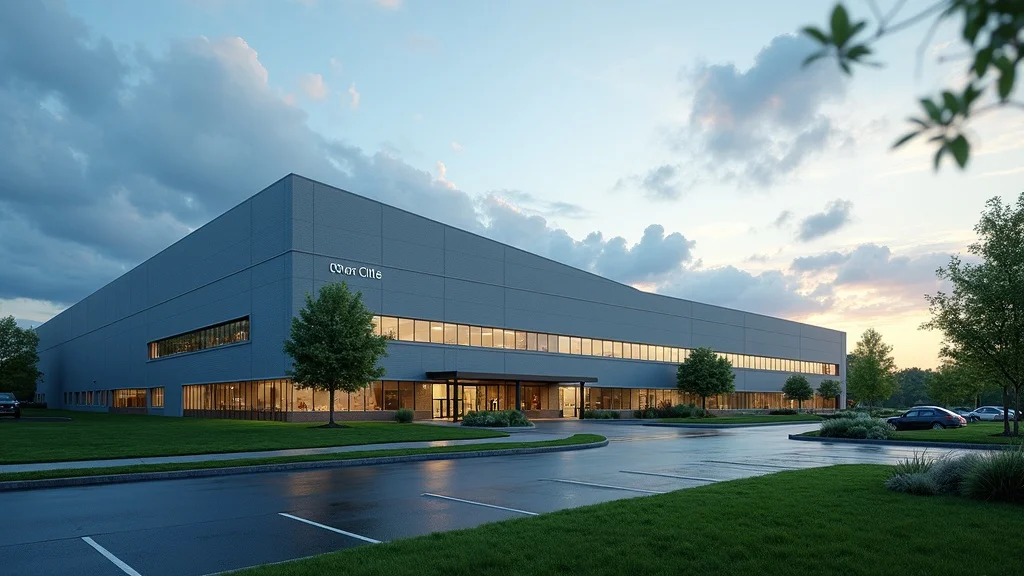
Delaware Valley and Philadelphia area manufacturing plant using AI-driven automation and efficient data-driven workflows
  • AI enables higher yield and fewer defects under tight quality standards.
  • Improved throughput supports meeting customer demand faster.
  • Data-backed process improvements drive long-term operational excellence.

Common Misconceptions About AI in Manufacturing

Despite its promise, AI for manufacturing business is often misunderstood. Ron dismantles the myths with clarity:

  • AI will replace humans entirely (False: it augments human decision making).
  • AI is too complex for small to medium manufacturers (False: scalable solutions exist).
  • AI implementation guarantees instant results (False: requires team training and integration).

Ron’s perspective is that successful AI adoption strengthens—not supplants—leadership and empowers even resource-constrained teams to punch above their weight. By embracing a pragmatic, well-supported approach, manufacturers can join the wave of transformation sweeping the industry, no matter their size or existing tech stack.

Summary: AI for Manufacturing Business is a Strategic Imperative for Quality and Efficiency

As we enter the next era of manufacturing, the imperative is clear: AI for manufacturing business provides the proactive, data-driven engine that forward-thinking companies need to stay ahead. As Ron Schlegel’s insights show, the integration of AI—from visual inspection to strategic decision support—is not just about checking boxes—it’s about setting a new standard for excellence, responsiveness, and customer value.

Manufacturing business leader using AI-powered quality dashboards in a modern production facility
  • AI converts reactive quality assurance into proactive failure prevention.
  • Real-world manufacturer case studies demonstrate clear throughput gains.
  • Leaders must retain human control while leveraging AI insights.
  • Manufacturers in NJ, Philadelphia, and Delaware Valley stand to gain competitive advantage through AI adoption.

Next Steps: Sign Up for Ron Schlegel’s Workshops to Harness AI for Your Manufacturing Business

Ready to move from theory to action? Take the next step toward elevating your manufacturing business—sign up for Ron Schlegel’s AI & Operational Excellence Workshops. Learn practical strategies, see live demonstrations, and get your team hands-on with scalable AI for manufacturing business solutions that deliver measurable results in quality, throughput, and competitive positioning. Don’t just watch the future unfold—lead it with expert guidance from E3 Business Consulting.

If you’re inspired to further strengthen your organization’s competitive edge, consider exploring how advanced project management methodologies can amplify the benefits of AI and digital transformation. The Project Management Archives at E3 Business Consulting offer a wealth of insights on aligning technology initiatives with business strategy, optimizing team performance, and navigating complex change. Dive deeper to discover frameworks and leadership tactics that will help you sustain innovation and operational excellence well into the future.

Integrating artificial intelligence (AI) into manufacturing processes can significantly enhance efficiency, quality, and operational agility. To deepen your understanding of AI’s transformative role in manufacturing, consider exploring the following resources: “Artificial Intelligence (AI) in Manufacturing”: This comprehensive guide by Intel delves into how AI optimizes production resources, minimizes waste, and forecasts demand, thereby improving productivity and quality. (intel. com) “How is AI Used in Manufacturing?”: Cisco’s article explores AI’s impact on reducing costs, optimizing supply chains, and introducing automation to enhance efficiency in manufacturing operations. (cisco. com) These resources provide valuable insights into the practical applications and benefits of AI in the manufacturing sector, offering strategies to effectively implement AI technologies in your business.


Expert Insights

0 Comments

Write A Comment

*
*
Please complete the captcha to submit your comment.
Related Posts All Posts
03.27.2026

Master the 5s Methodology Steps to Boost Workplace Efficiency

In the heart of New Jersey, Philadelphia, and the Delaware Valley, manufacturers are facing a paradigm shift. No longer are factories the dingy, cluttered spaces of the past—instead, the best operations are models of organization, efficiency, and innovation. What drives this evolution? The 5s methodology steps. Yet, as Ron Schlegel of E3 Business Consulting makes clear, many businesses still misunderstand the true potential of 5s. Drawing on over two decades leading world-class manufacturing transformations, Schlegel guides us through the actionable principles behind 5s and shows how mastering these steps is the key to workplace efficiency, customer confidence, and lasting business success. Unlock Manufacturing Success with Ron Schlegel’s 5s Methodology Steps "The 5s methodology is a lot more than just cleaning up—it’s about organizing workstations so you can identify waste easily in every process." — Ron Schlegel, E3 Business Consulting Why 5s Methodology Steps Are Critical for New Jersey and Delaware Valley Manufacturers According to Ron Schlegel, the transformative power of 5s methodology steps cannot be overstated for local manufacturers competing in the 2026 market. Schlegel points out that when customers visit a facility, their first impression is shaped not by what’s said in a sales pitch, but by what they see on the shop floor. An organized, well-lit environment signals not only operational discipline, but also a culture committed to professionalism and continual improvement. "A well-organized, well-lit facility with clear dashboards shows customers that this manufacturer knows how to drive performance and is focused on continuous improvement." — Ron Schlegel, E3 Business Consulting Too often, facilities in the region fall short of this standard due to outdated misconceptions about manufacturing. Schlegel urges leaders not to view 5s as a superficial exercise in tidiness. Instead, he describes it as a strategic foundation that enables businesses to systematically identify waste, empower teams, and demonstrate measurable commitment to excellence. "Your physical environment is your silent salesperson," he explains. "If you're aiming to be the supplier of choice, there's no shortcut to operational transparency and visual evidence of high performance. " This mindset is vital for manufacturers seeking to not only survive but thrive in the competitive, technology-driven landscape of today’s industry. For organizations looking to further refine their operational processes, integrating 5s with robust project management practices can amplify results. Exploring the project management resources at E3 Business Consulting offers practical strategies to align continuous improvement initiatives with broader business objectives. Transforming the Image of Manufacturing With 5s Methodology The image of manufacturing has undergone a dramatic transformation—one that the 5s methodology steps have helped accelerate. As Schlegel emphasizes, “The history of manufacturing unfortunately, is that it is a low tech, dirty, dingy, not very well organized industry. And it’s actually the exact opposite today. ” Modern facilities showcase multi-million dollar machines managed by AI, powered by real-time data, and operated by teams with deep pride in their work. "Manufacturing today is high-tech with multimillion-dollar machines run by AI and data centers; pride in a clean, organized facility reflects pride in the products made." — Ron Schlegel, E3 Business Consulting For manufacturers in New Jersey and the Delaware Valley, embracing the 5s methodology steps means more than cleaning up—it’s a visible commitment to modern standards of quality and digital innovation. According to Schlegel, when customers and partners tour a facility that's organized and technologically advanced, they’re reassured about the company’s capabilities and reliability. This shift doesn’t just improve internal operations; it changes external perceptions, attracting more business and higher-value contracts. The message is clear: sustained market success rests on a foundation of visible excellence powered by 5s methodology steps. Harnessing 5s Methodology Steps to Elevate Quality and Safety in Manufacturing Standardize and streamline workstation layouts for waste identification Promote professional expertise and pride through organized facilities Leverage data-driven continuous improvement from AI-enabled machinery Create transparent performance metrics dashboards for team engagement Enhance customer trust by showcasing operational excellence Implementing the 5s methodology steps delivers a profound impact on both quality and safety outcomes. Schlegel stresses that success begins with standardizing every detail of the workstation: from tool locations to the visibility of performance dashboards. This approach enables teams to spot irregularities, errors, or inefficiencies in real time, partnering with AI-enabled machinery that turns data into actionable insight. The result is a culture of continuous improvement—a hallmark of high-performing New Jersey and Philadelphia manufacturers in 2026. Schlegel’s experience shows that when employees take ownership of an organized space—where everything has a place and every process is transparent—professional pride and attention to detail naturally increase. This pride radiates outward, enhancing safety, boosting product quality, and building a reputation customers trust. Integrating digital boards and real-time analytics, as Schlegel recommends, keeps teams engaged and focused on measurable goals, closing the loop between standardization and ongoing improvement. Common Misconceptions About 5s Methodology Steps Debunked Beyond Cleanliness: The Strategic Role of 5s in Manufacturing Performance Despite its growing popularity, the 5s methodology is still plagued by myths. The biggest? That it’s merely about “sweeping up” and improving appearances. According to Ron Schlegel, this is a fundamental misunderstanding. The real value lies in how 5s methodology steps provide a systematic way to root out waste, streamline processes, and embed operational discipline into daily behavior. “It also establishes what is the level of expertise and professionalism you have in your organization,” Schlegel notes. In practice, successful implementation demands much more than a one-off clean-up or checklist. It requires cultural buy-in, leadership accountability, and the smart use of digital tools to sustain results. Schlegel’s experience with regional manufacturers confirms that systematic 5s management transforms behavior, instills pride, and creates opportunities for innovation. When manufacturing businesses invest in 5s, they’re demonstrating to their teams and customers that every aspect of the operation is intentional, transparent, and always improving. How 5s Drives Workplace Culture and Customer Perception According to Schlegel, the cultural transformation sparked by 5s is pivotal: “When customers come to visit, and they see a facility that is dark and dingy and unorganized, that’s exactly what they think about your company. . . All those things result in customers walking away with the feeling that this manufacturing company knows what drives performance. ” Implementing 5s methodology steps reminds everyone—from leadership to the shop floor—that the work environment is a mirror of organizational values and customer commitment. This focus on culture extends beyond aesthetics. The presence of professionally designed dashboards, transparent shop floor data, and empowered employees sends a powerful message. As Schlegel observes, “When [customers] see a facility that is well organized, people are doing their jobs, [and] have boards that show dashboards. . . All of those things result in customers walking away with the feeling that this manufacturing company knows what drives performance and they are focused in on how to improve performance over the long run. ” In 2026, this perception translates directly into more business and higher customer retention—a game-changer for manufacturers across the Delaware Valley. Actionable Tips for Implementing 5s Methodology Steps in Your Facility Start with visual management boards to track process efficiency Conduct regular audits to identify and eliminate waste systematically Train staff on Lean principles and empower continuous improvement Integrate AI and IoT data to inform decision-making and quality control Maintain consistent housekeeping to sustain a professional facility image Drawing on decades of hands-on transformation, Schlegel distills implementation down to a few actionable steps: Engage everyone in the organization from day one—success with the 5s methodology steps is a team sport. Establish highly visible management boards and dashboards, empowering employees to see, understand, and act on process data. Conduct routine audits that reinforce the habit of identifying waste, fostering accountability at every level. Critically, integrate new technologies such as AI and IoT to move beyond static checklists and into proactive, data-driven management. Lastly, maintain immaculate housekeeping not just for appearance, but as an everyday affirmation of pride and professionalism. For New Jersey and Philadelphia manufacturers eager to stand out in a competitive field, these practical tips serve as a roadmap. As Schlegel emphasizes, mastery of the 5s methodology steps transforms not just operational metrics, but the entire ethos of a manufacturing business. With consistency, engagement, and leadership commitment, what began as a drive for cleanliness evolves into a platform for sustainable growth and reputation building. Conclusion: Why Mastering 5s Methodology Steps Is Your Competitive Advantage Boost workplace efficiency and safety Enhance product quality and customer confidence Cultivate a culture of pride and continuous improvement Position your manufacturing business for sustainable growth Take the Next Step Toward Excellence with Ron Schlegel According to Ron Schlegel, those who embrace the full power of 5s methodology steps will lead the region in operational excellence, employee pride, and customer satisfaction. The future demands more than old habits—success now hinges on visible professionalism, data-driven improvement, and a steadfast commitment to best-in-class practices. If you're ready to move your facility to the next level, start by instilling these principles today. Every improvement builds on the last, setting you apart as an employer of choice and supplier of distinction. The journey to manufacturing mastery is ongoing—but with 5s as your compass, you'll navigate with confidence and clarity. Ready to accelerate your team's results? Sign Up for Ron's Workshops and unlock the full potential of your manufacturing business today. If you’re inspired to take your operational excellence even further, consider exploring how advanced project management strategies can complement your 5s initiatives. The Project Management Archives at E3 Business Consulting are filled with expert insights and actionable frameworks designed to help manufacturers lead complex change, drive cross-functional alignment, and sustain long-term growth. By integrating these broader management approaches with your 5s foundation, you’ll be well-equipped to navigate the evolving demands of modern manufacturing and position your business for enduring success. To deepen your understanding of the 5S methodology and its practical applications, consider exploring the following resources: “5S Methodology | Lean Kent State Office”: This resource provides a comprehensive overview of the 5S principles, detailing each step—Sort, Set in Order, Shine, Standardize, and Sustain—and their implementation in creating an efficient and organized workspace. (kent. edu) “5S - What are The Five S’s of Lean? | ASQ”: This tutorial offers an in-depth explanation of the 5S methodology, emphasizing its role in reducing waste and optimizing productivity through a clean and well-organized work environment. (asq. org) By delving into these resources, you’ll gain valuable insights into effectively implementing the 5S methodology to enhance workplace efficiency and foster a culture of continuous improvement.

03.27.2026

How to Choose the Best Commercial Painting Company Boston Fast

When it comes to choosing a commercial painting company Boston, the decision carries far more weight than most project leaders initially realize. Facility managers, construction managers, building owners, architects, and operations directors share a vision—a seamless, quality-driven transformation delivered on time and within budget, without disrupting tenant workflow or risking operational setbacks. Yet, in today’s competitive landscape, picking the right partner requires more than scanning a list of local contractors. It means uncovering the industry expertise, proven track record, and project leadership that only true specialists can provide. That’s where the voice of experience makes all the difference. Dave Cole, the driving force behind Arthur Cole Painting Corporation, has spent decades guiding Boston’s most complex commercial and industrial painting projects to flawless completion. In this definitive guide, Dave unpacks the critical missteps, hidden differentiators, and practical steps every decision-maker needs when selecting their ideal commercial painting team. Let’s tap into his wisdom and amplify the “aha moments” that can turn your next project into a landmark success. Why Choosing the Right Commercial Painting Company Boston Is Critical for Project Success "Probably that all commercial paint companies have the same experience level, but that’s a misconception we see often. Experience depth truly matters." – Dave Cole, Arthur Cole Painting Corporation According to Dave Cole, the most common pitfall clients face is assuming all commercial painting contractors bring the same level of expertise. In reality, the difference between a job well done and a costly, protracted ordeal often lies in the nuanced experience behind the team you select. For complex projects—whether repainting biotech labs, preserving historic facades, or finishing a new corporate facility—industry-specific knowledge ensures issues are anticipated before they become expensive problems. Cole emphasizes that it isn’t enough to simply “have experience”; it’s about relevant, proven experience within environments like Boston’s diverse commercial sector. This means understanding fast-track construction, safely working in occupied spaces, and navigating project coordination among multiple stakeholders. In Cole’s view, only a company surgically focused on commercial and industrial painting can consistently meet the rigorous standards demanded by Boston’s top organizations. This approach not only delivers excellence, but also fosters trust—a commodity as valuable as any material on the job site. Experience Beyond the Surface: What Sets Top Commercial Painting Companies Apart "An experienced contractor comes with a developed team—including estimators and project managers—that ensures projects finish on time and within budget." – Dave Cole, Arthur Cole Painting Corporation Project complexity in Boston demands not only technical mastery with paints and coatings, but also finely honed project management systems. As Dave Cole explains, elite contractors assemble teams that include dedicated estimators and expert project managers—professionals who each play specific roles in translating an owner’s vision into reality. This team approach powers fast, accurate estimates, seamless schedule coordination, and a transparent dialogue with construction managers and facility teams. For example, when Arthur Cole Painting Corporation steps onto a site, years of expertise are evident not just in the finished product, but throughout every workflow and decision. They build project plans that anticipate stakeholder needs, minimize workflow interruptions, and proactively address regulatory or environmental requirements. The result: predictable outcomes, accurate budgets, and the peace of mind leaders need throughout every phase of their project. Look for documented experience in commercial and industrial painting. Evaluate completed projects showcased on the company’s website. Assess the company’s partnerships and reputations with construction managers. How a Skilled Commercial Painting Company Boston Streamlines Communication and Project Management "A strong team acts as a liaison between our crews and construction managers, smoothing communication and preventing delays on-site." – Dave Cole, Arthur Cole Painting Corporation Top-performing companies recognize that painting is only one part of the equation. In Cole’s experience, clients who choose firms with robust project oversight and clear lines of communication consistently avoid the most common headaches—scope creep, schedule slippage, and misunderstandings between trades. These seasoned professionals don’t just paint; they function as partners, deploying project managers who facilitate transparent exchanges among all parties and rapidly address challenges before they escalate. As Cole highlights, it’s the presence of a skilled team—estimators, project managers, and on-site liaisons—that delivers certainty in every phase. Whether you’re coordinating multiple build-outs or managing an operational facility, the right commercial painting company Boston will act as the glue holding every moving piece together. This results in shorter project timelines, fewer delays, and results that earn repeat business from even the most demanding property owners. Key Project Roles: Estimators and Managers That Make the Difference Estimator: Accurate, detailed bids reflecting true project costs. Project Manager: Oversees timeline, quality, and on-the-ground coordination. Team Liaison: Keeps construction managers informed and aligned. Cole notes that these core roles are not interchangeable—they represent unique areas of technical expertise that, when integrated, deliver smooth, disruption-free results. Estimators anchor every project with bids that realistically factor in both materials and process complexities, while project managers ensure precision in execution. Finally, dedicated liaisons bridge communication, keeping all stakeholders on track and ensuring expectations are always aligned. For Boston-area projects, this disciplined approach is critical. Fast-moving construction schedules, sensitive tenant environments, and city regulations all demand a company equipped with expert personnel who know how to keep things running—no matter what obstacles arise. Trust Signals: Verifying Experience When Choosing a Commercial Painting Company Boston How do you move beyond a sales pitch to truly distinguish a leader from the rest? According to Cole, prospective clients should demand visible proof of past performance and active engagement in the commercial construction ecosystem. Thoroughly reviewing portfolios, seeking testimonials from past collaborators, and vetting credentials or sustainability initiatives are essential best practices. Seeking out these trust signals does more than satisfy due diligence—it identifies partners whose operational discipline matches their technical know-how. Cole advises construction managers and facility leaders to use project history and industry relationships as a barometer for capability and reliability. When a painting company demonstrates longstanding ties with respected construction managers, the likelihood of project success—and client satisfaction—soars. Review portfolios of completed projects to ensure relevant expertise. Request references or testimonials from past clients and construction partners. Confirm certifications and sustainable practices, such as LEED experience. Avoid Common Missteps: Why Experience Isn’t Just a Number "Examining the company’s past projects and their linkages to other construction managers provides unmatched insight into their capabilities." – Dave Cole, Arthur Cole Painting Corporation Dave Cole’s perspective is that checking a firm’s reference list and deep project portfolio reveals far more than a simple resume. It uncovers their ability to manage risk, innovate, and consistently meet or exceed client expectations. Many mistakes can be avoided by selecting companies whose experience is directly relevant to the scope and scale of your project. In an era where every dollar is scrutinized and every delay is costly, sidestepping this best practice can result in avoidable disruption and cost overruns. For Boston’s property owners and facilities leaders, the most reliable path to a successful painting project is paved with diligent research, transparent conversations, and a focus on proven history—not just promises. Final Takeaway: Make Informed, Confident Decisions for Your Boston Commercial Painting Needs Prioritize companies with extensive, relevant experience and proven project teams. Use project history and industry connections as a guide for reliability. Choose a partner who guarantees high-quality results on time and budget. Selecting the right commercial painting company Boston is one of the most significant decisions facility and property managers can make. According to Dave Cole, it isn’t just about paint on walls—it’s about partnering with an organization that becomes a trusted steward for your investment, reputation, and long-term facility performance. Look for project-tested teams, documented excellence, and deep-rooted industry ties if you want results that stand the test of time. Let these guidelines serve as your compass. With the stakes higher than ever, your choice today will transform the spaces your teams—and your clients—occupy tomorrow. Why Arthur Cole Painting Corporation Sets the Standard for Boston Commercial Painting "With over 60 years serving New England, we deliver predictable, top-quality commercial painting tailored for every industry we serve." – Dave Cole, Arthur Cole Painting Corporation Few companies embody these principles as rigorously as Arthur Cole Painting Corporation. For more than six decades, this second-generation family business has transformed and protected Boston’s commercial landscape—with results visible in biotech labs, office towers, retail developments, and historic landmarks alike. Their commitment to seamless project management, detailed estimates, and sustainability (including multiple LEED Platinum projects) distinguishes them as New England’s premier painting partner. When you work with Arthur Cole, you gain more than expert painting—you gain a team invested in your success, tailored solutions for your industry, and a guarantee that your project will finish on time, to spec, and with lasting value. That’s the standard the region’s best construction managers and owners trust, year after year. Ready to Transform Your Project? Get Started with a Free Quote Today There’s no replacement for confidence when launching your next commercial painting company Boston search. Leverage these insights to elevate your selection process—and know you have a resource in Arthur Cole Painting Corporation for expert guidance, transparent pricing, and unmatched professional results. Take the first step with a detailed, no-obligation estimate, and let your Boston project benefit from generations of specialized experience.

03.27.2026

Is It Too Late for S Corporation Election? What You Need to Know

Update Understanding the S Corporation Election Deadline and Options Have you recently realized that you missed the crucial S corporation election deadline? The IRS deadline can sneak up on business owners, leaving them scrambling for options. Fortunately, even if you missed the March 16 deadline for the current tax year, there are still avenues available to recover from this oversight. What Happens If You Miss the Deadline? The IRS offers relief, allowing businesses to retroactively elect S Corporation status under certain conditions. Your first step after recognizing that you missed the IRS Form 2553 deadline is to assess whether you can present a reasonable cause for the delay. The IRS has historically been lenient towards businesses that acted in good faith and can demonstrate that they intended to file properly. Valid reasons may include situations like your accountant failing to submit the form or a lack of awareness about the filing requirements among your business's leadership. As per the IRS guidelines, these circumstances can reflect genuine oversight rather than negligence, making your case for late election relief more compelling. Exploring Possible Relief Mechanisms Recent cases demonstrated how companies successfully appealed for late S corporation election relief when they adequately explained their reasonable causes. For instance, a corporation may file a late election if the failure to meet the deadline was unintentional and mitigated quickly after identification of the issue. As per IRS rules detailed in Section 1362(b)(5), taxpayers have a retroactive election option provided they submit Form 2553 along with a plausible explanation within a specified window. Additionally, Revenue Procedure 2013-30 outlines that even entities that’ve missed the deadline can request to have their elections treated as timely if they filed within the three-year and 75-day period following the original deadline. Actions to Take if Relief Isn't Granted If you find that you don’t qualify for relief and need to file for the next tax year, know that Form 2553 can be submitted anytime during the current year to activate your S Corporation status. It's vital to understand that if you follow the calendar tax year, March 16 of the previous year is the deadline. For entities with a fiscal year, it varies based on your fiscal period. Planning ahead is crucial to ensure compliance and protect your business’s financial future. Benefits of S Corporation Election Electing S Corporation status offers several financial advantages. For instance, C Corporations can avoid double taxation on corporate profits, limiting tax burdens only to distributions taken as personal income. Moreover, LLC members benefit significantly by only paying self-employment tax on wages, not on distributions which can lead to considerable tax savings. These differences can significantly impact your bottom line, with many profitable businesses saving thousands of dollars annually by electing S Corp status. Without this election, self-employment tax could lead to lost savings that impact your business's overall health. Considerations When Filing for Late Election One of the most important considerations is making sure that Form 2553 is completed accurately and in accordance with IRS guidelines. Errors or vague explanations of reasonable cause can result in rejection of your filing. Thus, it is advisable to have a tax professional review your submission to ensure everything is correct and in order. Common Missteps to Avoid Filing late may seem straightforward, but it has its traps. Tax professionals often see filings that contain generic reasonable cause statements or lack necessary shareholder consent, which can jeopardize approval. Each instance must be evaluated based on its unique circumstances, so taking the time to craft a well-documented request can prevent complications later on. Your Next Steps: Seek Professional Guidance Ultimately, if you're considering filing for late S corporation election relief, talking to a tax expert who specializes in S Corporation filings is crucial. They can help navigate the complexities involved, reducing the risk of error and ensuring that you don't lose out on retroactive S Corporation benefits. Missing the S Corporation deadline isn't the end; with thorough preparation and clear intention, you can still set your business up for reduced tax exposure and greater financial health. Time is essential, as the IRS relief options have strict filing timelines that must be adhered to for the best outcome.

Terms of Service

Privacy Policy

Core Modal Title

Sorry, no results found

You Might Find These Articles Interesting

T
Please Check Your Email
We Will Be Following Up Shortly
*
*
*